
Sky events in August 2026: Perseids and eclipses
August 2026 will be one of the strongest astronomical months of the entire year. Three major sky events come together in a single month: the total solar eclipse on August 12, the Perseids on the night of August 12/13 around the new moon and the partial lunar eclipse on August 28. Add to that the summer constellations, the Milky Way, individual meteors before and after the peak, and very good conditions for night photography in the first half of the month.
Related guides
Solar eclipse, Perseids and observing plan for August 2026
August 2026 brings together several major topics: a total solar eclipse, a partial lunar eclipse and the Perseid peak. Below you will find the most important guides for further planning.
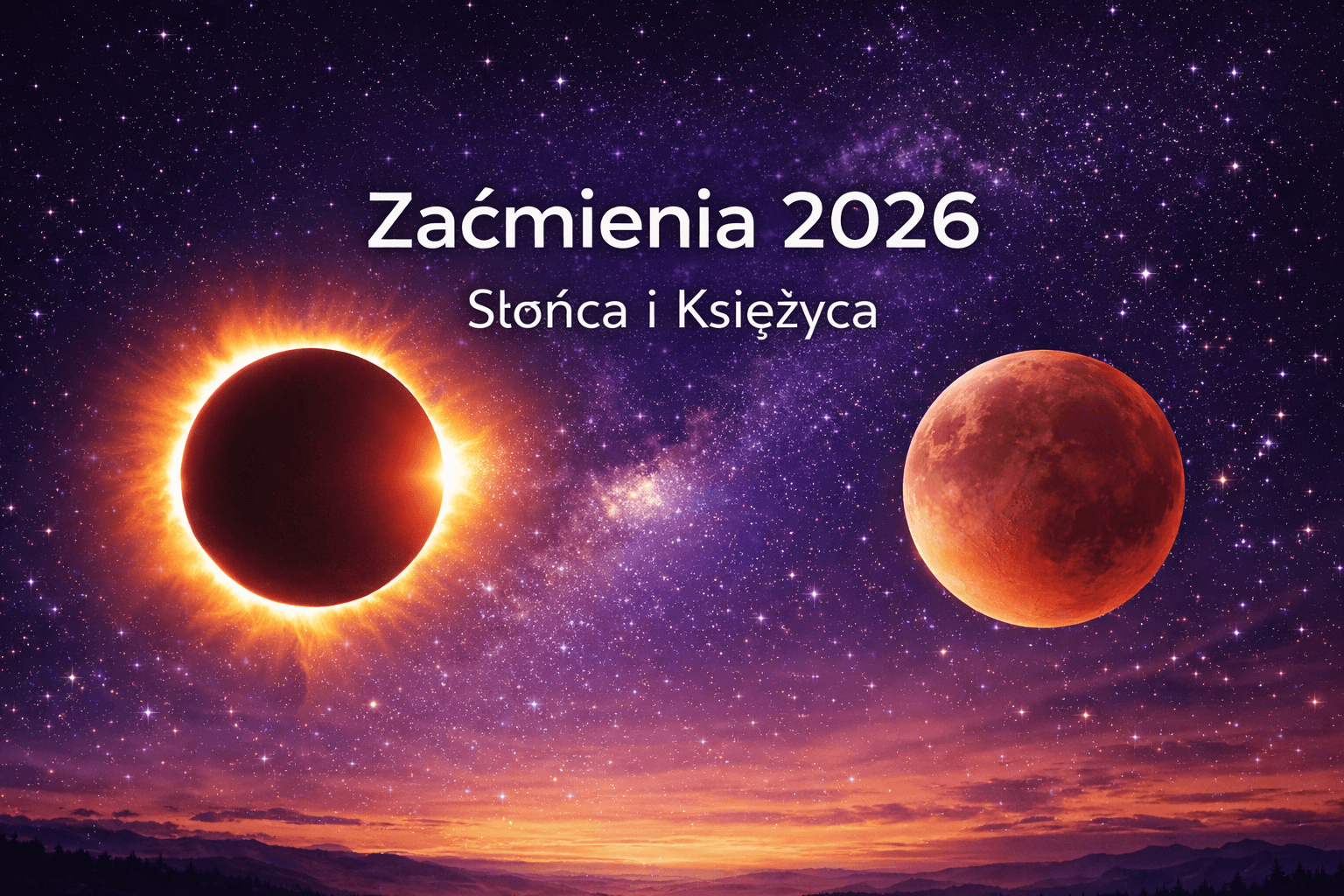


This guide is practical: what you can see from Poland, what requires travel, where to look and what not to promise. August is beautiful, but also demanding: the solar eclipse requires safe filters and ideally a trip into the path of totality, while the Perseids require a dark location and patience after midnight.
For further planning, use the main guide Sky events 2026. The following guides also fit naturally with this article: meteor shower calendar, eclipses, Moon phases 2026, how to photograph the night sky and Iceland from Gdańsk, because Iceland lies on the route of the solar eclipse.
In August the big phenomena require different observation plans.
Table of contents

Check out my YouTube channel and travel with me.
Follow the channel for videos, routes and practical travel inspiration.
Follow me here:
What’s up?
Enjoying my content?
Buy me a coffee at buycoffee.to/ondatravel and support the creation of more travel content.
Your support helps me create more practical guides, videos and travel inspiration.

Sky events in August 2026 — key dates
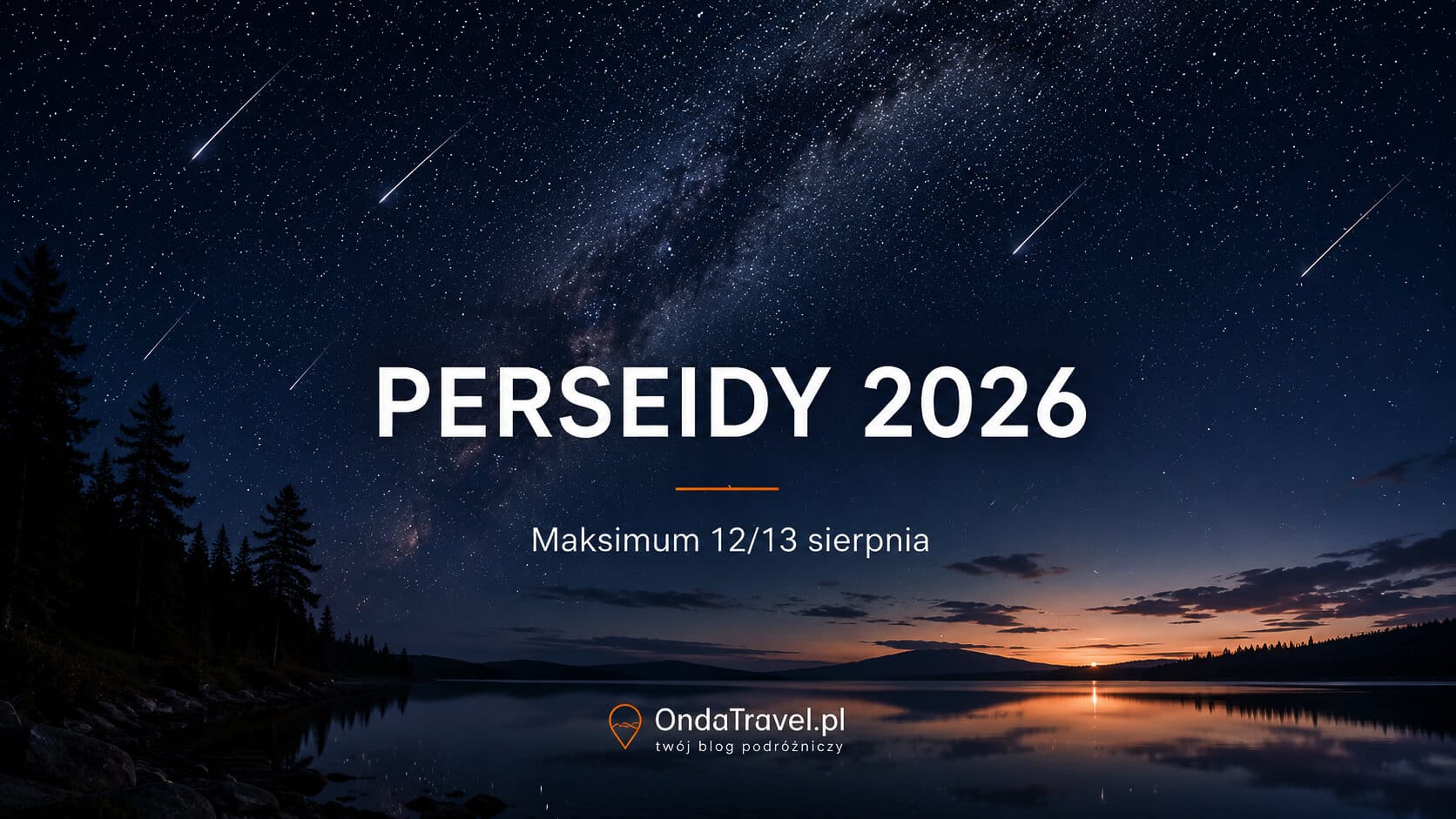
The new moon in August 2026 occurs on August 12 at 19:37 CEST in Poland (17:37 UTC). This means the Perseid peak on the night of August 12/13 will take place under very dark skies and good observing conditions. On the same day, a total solar eclipse will be visible along the path of totality across Greenland, Iceland and Spain, while much of Europe will see a partial eclipse. The month will end with a partial lunar eclipse on August 28.
| Date | Event | Where to look? | Rating |
| August 5–6, 2026 | last quarter Moon | the Moon mainly in the second half of the night | the beginning of better conditions for meteors |
| August 10–14, 2026 | the darkest nights of the month | a dark place outside the city | the best window for the Perseids and the Milky Way |
| August 12, 2026 | total solar eclipse | path of totality: Greenland, Iceland, Spain; partial in Europe | the biggest event of the month |
| night of August 12/13, 2026 | Perseid peak | the whole sky, best after midnight | very good conditions thanks to the new moon |
| August 17, 2026 | around the Kappa Cygnid peak | high in the summer sky, around Cygnus | a weak shower, but it sometimes produces bright meteors |
| August 20, 2026 | first quarter Moon | evening sky | the Moon begins to interfere with fainter meteors |
| August 28, 2026 | partial lunar eclipse | the night side of Earth; best in the Americas, Europe and Africa | a very important event at the end of the month |
Night sky calendars and observing tools
These guides help you move quickly from a calendar date to a practical observing plan: Moon phases, eclipses, meteors, aurora and other sky events.
Sky events 2026
The main page with the sky events calendar, auroras, eclipses, the Moon and meteors.
Go to the hub
Astronomical events calendar 2026
Dates of the most important events and the best observing windows throughout the year.
Check the calendar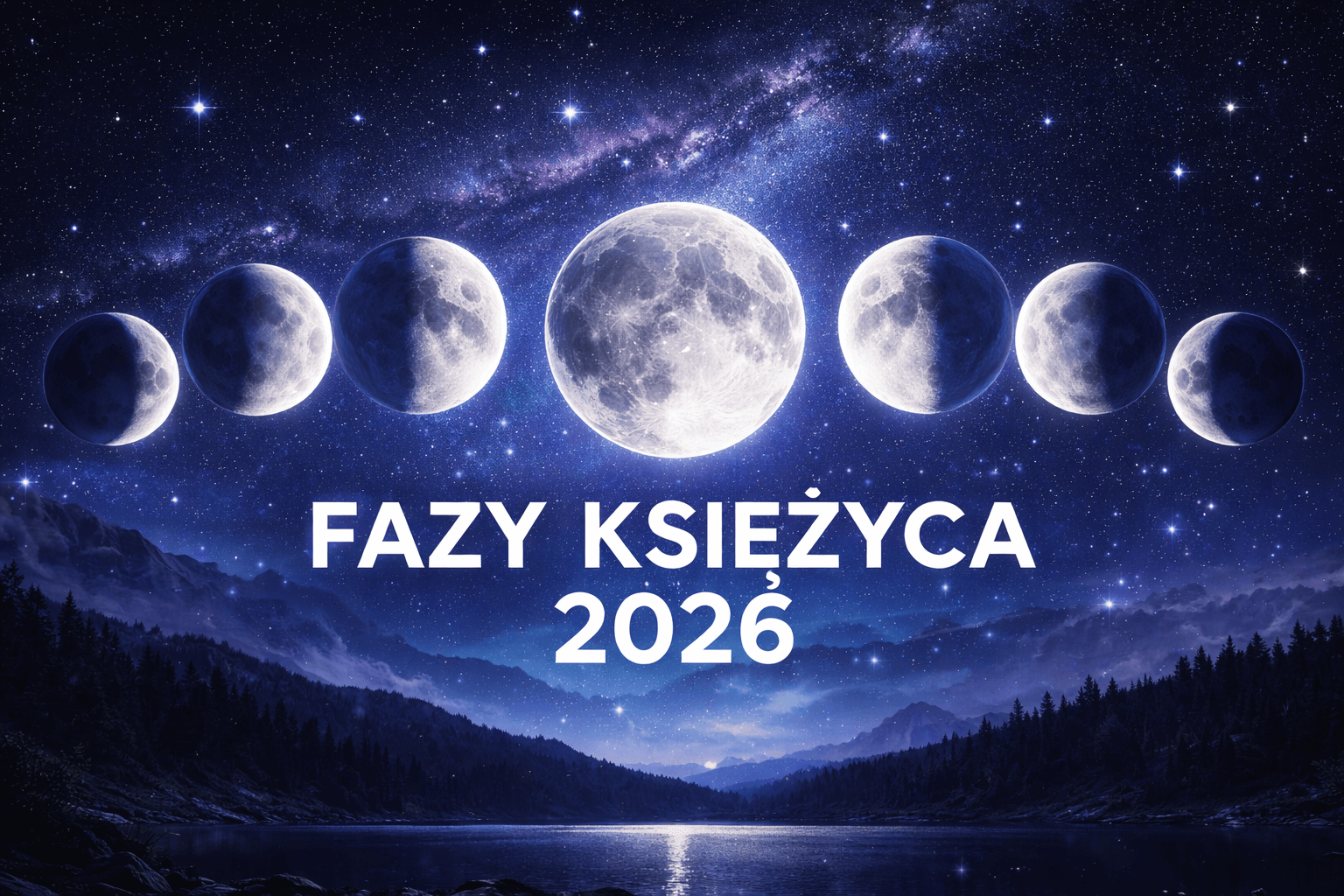
Moon phases 2026
New moon, full moon and the best days for dark skies and night observations.
Check the phases
NLC radar and noctilucent cloud monitor
A tool for checking noctilucent cloud conditions.
Check the NLC radar
How to photograph the night sky?
Camera settings, frame planning and photos of meteors, stars and the Moon.
Read the guide
The best nights for observing in August 2026

If you only save one night, choose August 12/13. Perseids around the new moon are a setup that does not happen every year. If you are planning a trip, August 12 is the date of the solar eclipse — and it will be the global event of the month. If you stay in Poland, you can still prepare a safe observation of the partial eclipse and a later night with the Perseids.
Related guides
Eclipse travel and the best observing nights
If you are planning August observations more broadly than just from Poland, combine the best-night calendar with the eclipse guide and travel directions.

- Biggest event: the total solar eclipse on August 12, 2026.The biggest event: the total solar eclipse on August 12 2026.
- Best observing night: the night of August 12/13, the Perseid peak around the new moon.Najlepsza noc obserwacyjna: noc z 12 na 13 sierpnia, czyli maksimum Perseidów przy nowiu.
- Best for photographers: August 10–14, when the Moon does not brighten the sky.Best for photographers: August 10–14, when the Moon does not brighten the sky.
- Easiest with the naked eye: the Perseids, summer constellations and the bright Milky Way outside the city.Easiest with the naked eye: the Perseids, summer constellations and the bright Milky Way outside the city.
- Most important safety rule: do not observe solar eclipses without certified filters.Most important safety rule: do not observe solar eclipses without certified filters.
Total solar eclipse on August 12, 2026

On August 12, 2026, a total solar eclipse will occur. The path of totality will cross parts of the Arctic, Greenland, Iceland, the Atlantic and Spain. Outside the path of totality, the event will be visible as a partial eclipse across a wide area of Europe, North Africa and parts of North America. It is also a very travel-oriented topic, because it connects astronomy with Iceland and Spain.
The most important rule: do not look at the Sun without proper filters. Ordinary sunglasses, smoked glass, film, a CD or a phone without a filter are not safe. For observing, you need certified eclipse glasses or a solar filter placed in front of the lens, binoculars or telescope.
In the path of totality, for a short moment you can see the solar corona, a darker sky and an unusual twilight in the middle of the day. Outside this path, the impression will be weaker but still very interesting — especially if the sky is clear. In Poland, it should be treated as a partial eclipse and observed only through a filter.
Perseids 2026: peak on the night of August 12/13

The Perseids are the best-known summer meteor shower, and in 2026 they will get excellent conditions. The peak falls on the night of August 12/13, and the Moon will be near new. That means dark skies — exactly what is needed for meteor observing.
For the complete night plan, peak hours, where to look and Moon conditions, open the dedicated Perseids 2026 guide.

GUIDE
Perseids 2026: When and Where to Watch the Meteor Shower
Perseids 2026: best night, peak time, where to look, Moon conditions and practical viewing and photography advice for your location.
You do not need a telescope or binoculars. Meteors are watched with the naked eye, ideally from a deck chair or blanket. Look broadly, not at one point. The Perseid radiant is near Perseus, but meteors can cross the entire sky. The best hours usually run from late evening to dawn, with an advantage in the second half of the night.
Under ideal conditions, you can see many meteors, but the numbers in calendars are theoretical values for a perfectly dark sky. In a real location, with city glow, clouds or tired eyes, the result will be lower. The best advice: go outside the city, give your eyes 20 minutes to adapt and do not keep looking at a bright screen.
The Milky Way in August 2026

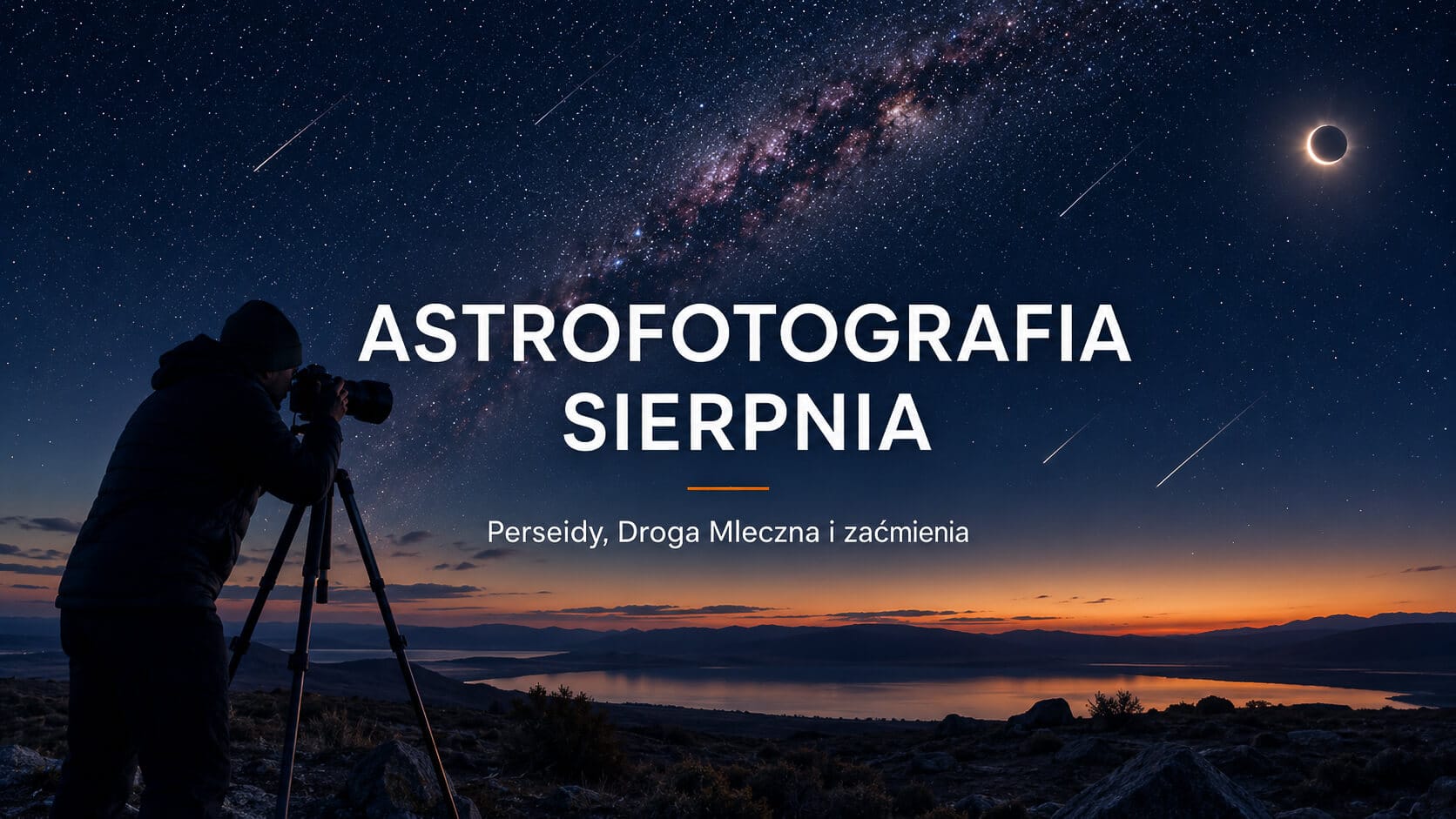
August is one of the best months for the Milky Way in Poland. In the first half of the month, especially between August 10 and 14, the Moon will not interfere, and the Milky Way core can be photographed in the evening and at night above the southern horizon. It is a great time to combine Perseid hunting with night landscape photography.
Three things matter most: a dark place, an open view to the south and a stable tripod. If you want to take a photo with a phone, use night mode or an app with manual settings. If you use a camera, start with a wide lens, high ISO, an exposure of several to a dozen seconds and manual focus on the stars.
Kappa Cygnids and other August meteors

After the Perseids, meteor activity does not disappear immediately. In August, you can also watch for weaker showers, including the Kappa Cygnids around mid-month. It does not match the Perseids, but it can be interesting because it sometimes produces bright, slower events. It is best treated as an extra for summer observations.
If you already have a night planned under dark skies, it is worth staying under dark skies after the Perseid peak as well. The following few nights may still bring individual beautiful meteors, and the August sky itself is worth observing.
Partial lunar eclipse on August 28, 2026

The full moon in August 2026 occurs on August 28 at 06:18 CEST in Poland (04:18 UTC) and coincides with a partial lunar eclipse. The event will be visible from the night side of Earth, with very good conditions in the Americas and possible visibility from parts of Europe and Africa depending on the location and the time of moonset or moonrise. Unlike a solar eclipse, a lunar eclipse can be watched without special filters.
A partial eclipse means that only part of the Moon’s disk enters Earth’s main shadow. The effect can look like a dark “bite” taken out of the disk. It is best to photograph the Moon on a tripod, using a shorter exposure time than for stars, because the Moon is bright and easy to overexpose.
Three ready-made observing scenarios for August 2026

Scenario 1: you stay in Poland
Prepare solar eclipse glasses for August 12, and in the evening leave the city for the Perseids. This is the best plan without foreign travel. Choose a place with a wide view of the sky and as little light pollution as possible.
Scenario 2: you travel for the solar eclipse
The strongest directions are the path of totality: Iceland, Greenland and Spain. You need to plan accommodation, transport and a backup observing point, because weather will be crucial. It is also worth having a plan for the Perseids that same night.
Scenario 3: you take night photos
Choose the nights of August 10–14. Set a wide frame for the Milky Way, leave the camera on interval shooting and give yourself a chance to catch meteors. This is one of the best photographic moments of 2026.
What to watch out for in August 2026?
Do not assume that everyone will see one hundred meteors per hour. The Perseids have excellent conditions, but the real result depends on sky darkness, weather, patience and eye adaptation. For the solar eclipse, it is worth having a backup plan — in the path of totality, clouds will be the main opponent. It is fair to say, however, that August 2026 is one of the best months of the year for sky observers.
FAQ: sky events in August 2026
Sky events in August 2026: shooting-star night, Perseids and eclipses
Sky events in August 2026 have an exceptionally strong lineup: shooting-star night 2026, Perseids 2026, a total solar eclipse and a partial lunar eclipse. That is why August is the most important month for queries such as shooting stars 2026, meteor shower 2026 and meteor showers 2026.
If you are looking for an answer to the question, when is shooting-star night 2026 or when shooting-star night 2026, plan your observations around the night of August 12/13. That is when the Perseid peak occurs, and good conditions may also appear on the neighboring nights.
When are the Perseids 2026 and Perseid night 2026?
When are the Perseids 2026 best visible? The most important moment is Perseid night 2026 on August 12/13, especially after midnight and before dawn. Then the radiant is higher, and the number of meteors usually increases.
Perseid shower 2026 is best watched from a place away from city lights. You do not need to look at exactly one point in the sky. It is best to take in as large a part of the sky as possible and give your eyes several minutes to adapt to darkness.
A colloquial phrase also appears in search engines: meteorite shower 2026. In the article, we mainly use the correct term meteor shower, but it refers to the same event observed as bright “shooting stars”.
Solar eclipse 2026 and lunar eclipse 2026 in August
August 2026 is not only the Perseids. The second very strong topic is solar eclipse 2026. The most important event is the total solar eclipse on August 12, 2026, visible in the path of totality that crosses, among other places, the North Atlantic, Iceland and Spain.
If you are searching for the phrase solar eclipse 2026 map, remember that the map is key, because the total phase of the eclipse will be visible only in a narrow path. For travellers, the queries solar eclipse 2026 Spain and August 12 solar eclipse, because Spain will be one of the easiest European destinations for planning observations.
At the end of the month, there is also lunar eclipse 2026. If you are asking, when is the lunar eclipse 2026 and whether it will be lunar eclipse 2026 in Poland, check the section about the partial lunar eclipse on August 28, 2026. It is a separate event from the solar eclipse and requires different observing conditions.
When are the Perseids in August 2026?
The Perseids are active for much of August, but the most important nights are those near the shower peak. It is also worth checking the Moon phase and cloud cover.
Are the Perseids visible with the naked eye?
Yes. The Perseids are best observed without a telescope, from a dark place, lying down or sitting comfortably and looking broadly at the sky.
Will there be eclipses in August 2026?
August 2026 matters because of the eclipses, but visibility depends on location. That is why you need to check maps and times for a specific place before planning observations.
How should you prepare for meteor observing?
The most important things are a dark place, no direct lights, warm clothing, patience and at least 20 minutes of eye adaptation to darkness.
Is August a good month for the Milky Way?
Yes, August still gives good conditions for observing and photographing the Milky Way, especially on nights close to the new moon.
Is it worth planning a trip for the August events?
Yes, but only with a backup plan. Weather, cloud cover and Moon brightness can change conditions, so it is best to combine observations with a normal travel plan.
Read more
If you are planning more nights under the sky, also check the related OndaTravel guides — from aurora to Iceland, northern directions and practical observing tools.
The observing season does not end after the August Perseids. In September, prepare for the equinox, longer nights and increasingly favourable conditions for aurora watching, while October brings the Draconids, Orionids, Taurids and good conditions for observing Saturn. Below you will find the next monthly guides.
Sky phenomena
Planning your night-sky observations? These monthly guides highlight the most important astronomical events, meteor showers, Moon phases and the best observation windows. Below you’ll find the two most relevant monthly guides for the current period.

SKY PHENOMENA
Monthly guide
Sky events in October 2026: Draconids, Orionids and Saturn
The key sky events of the month, meteor activity, the Moon and practical observation windows.
Read the guide
SKY PHENOMENA
Monthly guide
Sky events in November 2026: Leonids, Taurids and a supermoon
The key sky events of the month, meteor activity, the Moon and practical observation windows.
Read the guideNorthern Lights
Looking for a longer-term Northern Lights outlook? These monthly guides complement the live radar with seasonal conditions, expected aurora activity and practical viewing tips. Below you’ll find the two most relevant monthly forecasts currently available.
NORTHERN LIGHTS
Monthly forecast
Northern Lights — October 2026
A monthly Northern Lights outlook with live-radar context and practical viewing guidance.
Read the guide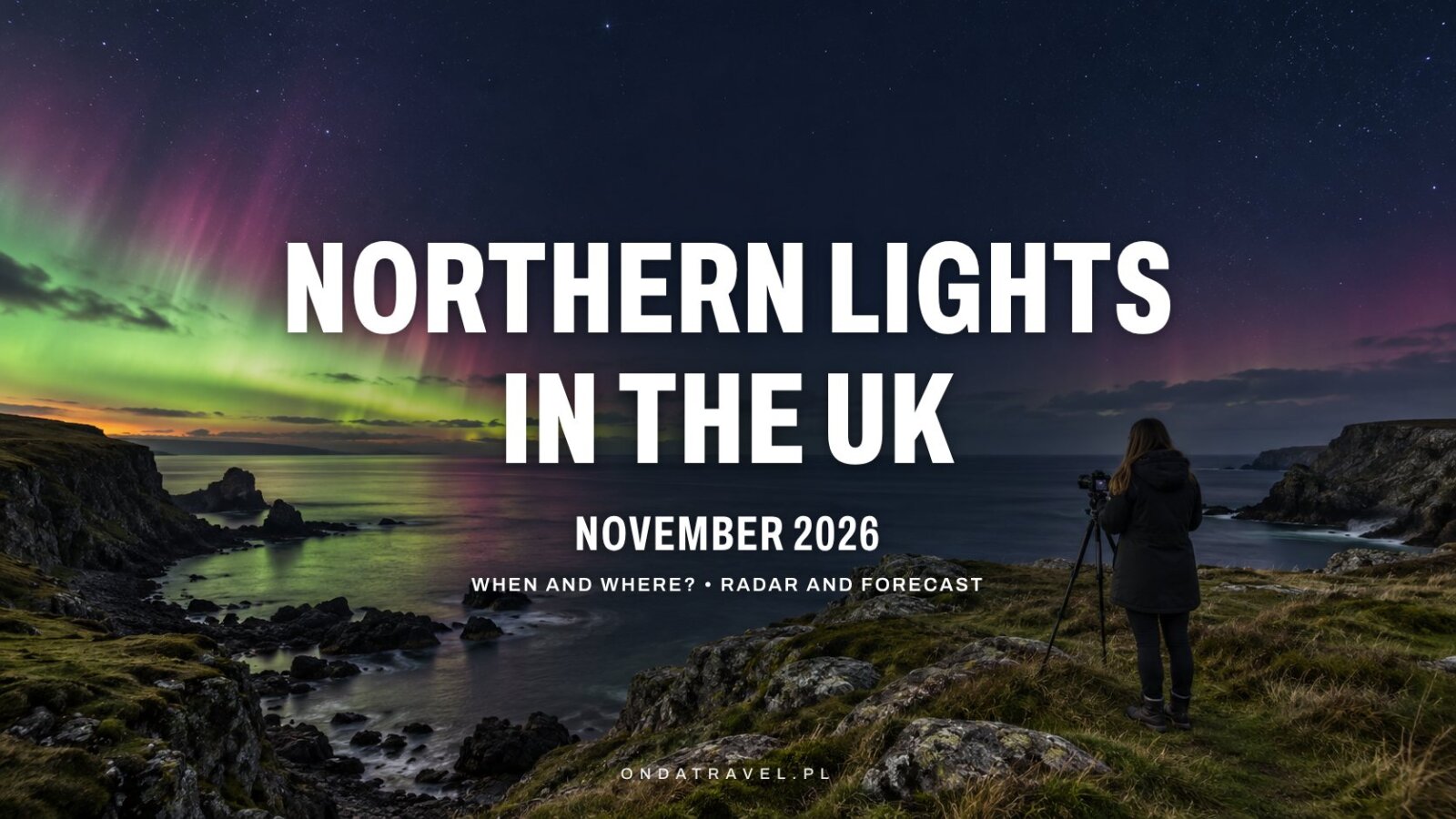
NORTHERN LIGHTS
Monthly forecast
Northern Lights — November 2026
A monthly Northern Lights outlook with live-radar context and practical viewing guidance.
Read the guide
How does the aurora form?
A simple explanation of the aurora mechanism and solar activity.
Read about the aurora
Aurora forecast: how to read the radar?
Kp, Bz, cloud cover and practical reading of aurora conditions.
Read the forecast
Iceland: guides and attractions
Waterfalls, routes, geothermal areas, the south coast and northern skies.
Go to Iceland
Supermoon 2026
When does the supermoon occur and how can you observe it without technical confusion.
See the supermoonsAuthor
Krystian „dziadzia przewodnik”The North is my greatest passion, but the world is too beautiful to stay in one climate. On my blog I combine the raw nature of Iceland and Norway with the exotic energy of Thailand and Vietnam, showing you how to travel authentically, with passion and a camera in hand.