

Answer in 2 sentences: This page gathers the most common questions before a trip to Iceland and Norway — from documents and weather to the northern lights, clothing and costs. If you want to quickly assess the conditions “right now”, also check the northern lights radar for Iceland.
To connect this topic with a wider northern travel plan, see the North section.
NORTH
FAQ – in brief
The OndaTravel FAQ helps you quickly find answers to the most common questions about planning a trip, destinations, weather, the aurora, routes and practical preparation. It is a good starting point if you are not sure which guide to begin with.
North: Iceland, Norway, northern lights and Lofoten
A dedicated OndaTravel section for northern trips: Iceland, Norway, fjords, Lofoten, northern lights, ready-made routes and planning tools.
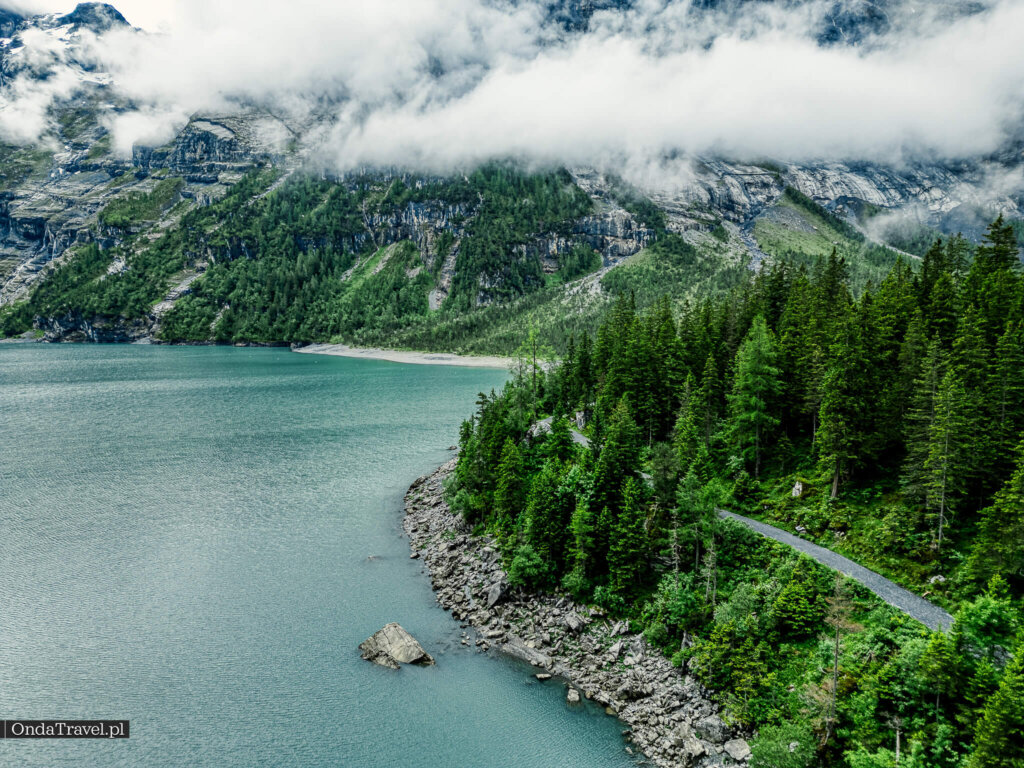
For another practical mountain-and-lake plan, save the Oeschinen Lake guide — a clear Switzerland route with Kandersteg access, gondola logistics and trail choices.
SWITZERLAND
Oeschinen Lake — routes, gondola and Kandersteg
A practical guide to Oeschinensee above Kandersteg: how to get there, gondola tickets, viewpoints, timing and hiking options.
In short (60 seconds): what to remember before Iceland and Norway
- First check the cloud cover (without clear spells, the aurora will not be visible).
- The best season for the northern lights is usually September–April, and for whale watching usually April–September.
- Dress in layers: thermal base layer + fleece/wool + windproof and waterproof jacket.
- In Iceland people mainly pay by card, and tap water is safe to drink.
- If you have 7 days, start with the classics: the Golden Circle and the South Coast.
Planning a trip around Iceland or Norway?
Here you will find short, practical answers!
This list of questions and answers is updated on an ongoing basis — if something is missing, add your question in the comments.
Weather in Iceland and Norway can be similarly unpredictable, and many rules (layered clothing, planning around wind and precipitation, route flexibility) work well in both countries. That is why some answers refer mainly to Iceland, but the tips are often useful in Norway as well.

Iceland & Norway – frequently asked questions
How long is the flight to Iceland from Poland and how much does a ticket cost?
A flight from Poland to Iceland usually takes about 3 to 4 hours, depending on the departure airport (for example Warsaw or Kraków) and on weather conditions. The cheapest tickets can cost around PLN 456, while the most expensive ones can reach around PLN 1450.
Is one week in Iceland enough?
One week in Iceland is often a good starting point to see the main attractions — for example the South Coast (Ring Road) — if you plan the route well.
In one week, you can usually combine places such as the Golden Circle, Gullfoss, Strokkur, Thingvellir and the famous geothermal lagoon Blue Lagoon. It is also worth seeing the South Coast with waterfalls such as Skógafoss and Seljalandsfoss, as well as the black sand beach in Vík. If you want to visit less touristy places, this amount of time may be too short, but for a first trip one week should be enough.
Where can I find prices and dates?
The most reliable sources are airline websites and flight comparison tools, accommodation booking portals and official attraction websites (for example thermal baths). If you are planning a route, my guides and maps are also helpful — they make it easier to estimate driving times and budget.
- Prices (what they include and any extra costs),
- Dates,
- Places and regions (on the travel blog you will find route descriptions, photos and short practical tips — worth checking before putting your plan together).
What do you pay with in Iceland?
The currency in Iceland is the Icelandic króna (ISK). This is the local currency used for payments.
Cash vs cards: Although cash is still accepted, more and more places — including shops, restaurants and hotels — prefer card payments. It is worth carrying both some cash and a payment card.
When should you go to Iceland? (best season, weather conditions)
Iceland is a country of exceptional, raw beauty that changes with the seasons. Every season has its own advantages and attracts different travellers. The right time for your trip depends above all on what you expect from it.
Spring (March–May)
Pros:
Nature comes back to life.
Fewer tourists than in summer.
Cons:
The weather can be very changeable.
Some roads may still be closed.
Summer (June–August)
Pros:
The longest days (midnight sun), which gives you more time for sightseeing.
The warmest time of the year, although temperatures are still not particularly high.
The largest number of tourists, which means more attractions are open and there is a wider choice of accommodation.
The possibility of bathing in outdoor hot springs.
Cons:
The highest prices.
A lot of tourists, which can mean crowds in popular places.
Some mountain trails may be too demanding for beginners.
Autumn (September–November)
Pros:
Fewer tourists than in summer.
Beautiful autumn colours in nature.
The chance to see the northern lights.
Cons:
Shorter days.
The weather may be even more unpredictable, with frequent rain.
Some attractions may already be closed.
Insurance
For Iceland and Norway, it is worth buying insurance that covers medical costs, assistance (for example transport or roadside help), and — if you plan outdoor activities — an extension covering trekking or other sports. I collected the details and practical tips here: Travel insurance – what to choose.
Health insurance
Tourist Assistance Fund – TFP
Tourist Guarantee Fund – TFG
Iceland in winter – Important information – read before you go
VERY IMPORTANT – Before your trip, please take into account the high risk of unfavourable weather conditions.
Weather during winter trips can vary a lot.
Poor conditions may block roads, and snowstorms can make it difficult or even impossible to go out into the field.
Then there are clouds — without clear spells, even strong auroral activity will not translate into visible lights.
Winter in Iceland also brings certain challenges. Days are short (especially in December and January, when daylight lasts only 4–6 hours), and the weather can change suddenly — from snowstorms to rain to strong winds. Temperatures can range from -10°C to 5°C, but the wind makes it feel much colder, and it can sometimes be really strong. The best conditions for watching the northern lights are clear skies and low Moon activity. You should remember that you will not always be able to see the aurora, especially when cloud cover is heavy.
However, the biggest attraction will be hunting for the northern lights at night. Although Iceland offers excellent conditions for aurora watching in winter, success depends on several factors such as geomagnetic activity (measured with the Kp index) and the weather. Clear skies are crucial, and unfortunately in winter there is often heavy cloud cover, snow or rain. Still, when the aurora appears on the horizon, its dance across the night sky is spectacular and worth every attempt.
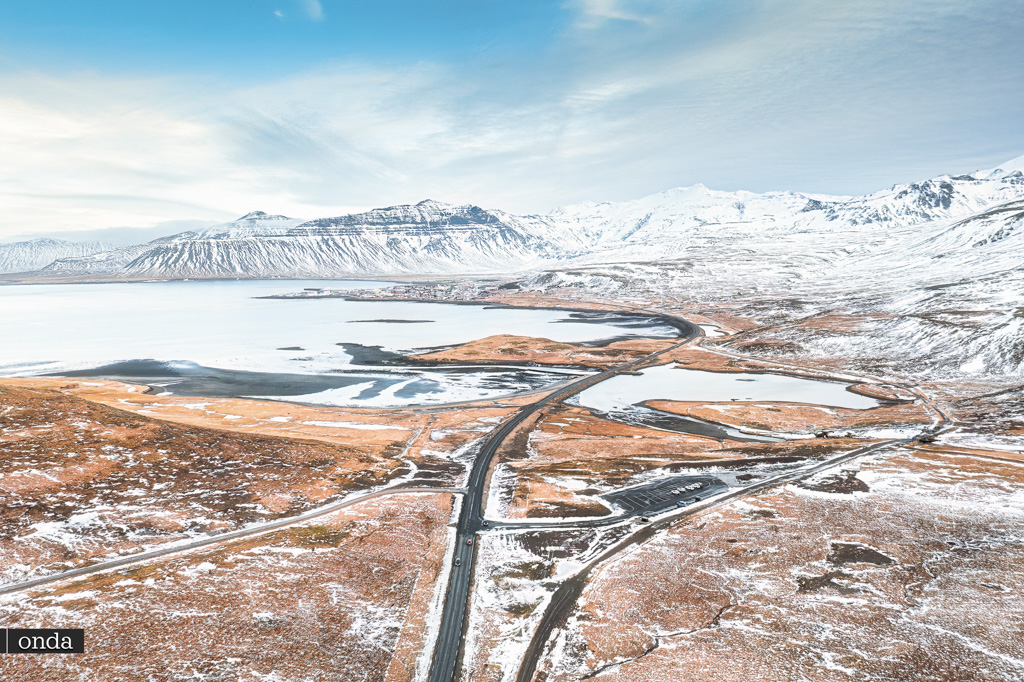
What clothes should you take on a trip? What to pack: a guide for every season
Iceland is a country with an exceptional, changeable climate, where the weather can surprise even experienced travellers. That is why it is so important to prepare your clothing properly, regardless of the season in which you are planning your trip.
During sightseeing, you often spend quite a lot of time in the car, where it is warm, and after stepping outside you can suddenly be hit by wind and cold. That is why a jacket that is easy to take off and put on again during short stops works best.
A thermos for coffee or tea is also useful. Whenever possible, it is worth stopping at petrol stations or small shops along the way — it is easy to top up a warm drink and grab some quick supplies.
Summer season
In summer, Icelandic weather can still be changeable — temperatures usually range between 10 and 15°C, but wind and rain are frequent. The most important rule is dressing in layers. It is worth packing:
- Thermal base layers, especially for longer outings.
- A fleece or a light sweater — it will keep you warm when it gets colder.
- A windproof and waterproof jacket — it will protect you from rain and wind, which are very common here.
- Comfortable hiking shoes — preferably waterproof, because the terrain can be uneven and wet.
- A hat and gloves — even in summer, it can be chilly in the highlands or near waterfalls.
- Light sandals (if you plan to bathe in hot springs).
Winter season
Winters in Iceland are long, cold and windy. Temperatures can drop well below freezing and snowfall is common. That is why, when preparing for a trip in this period, you should take very warm clothing.
- Warm thermal underwear — the first insulating layer.
- A thick wool sweater or fleece — essential for keeping warm.
- A down jacket or a winter shell jacket with membrane — protection against cold, wind and moisture.
- Waterproof or ski trousers — useful when walking on glaciers or in deep snow.
- Winter hiking boots — sturdy, warm and waterproof, ideally with non-slip soles.
- A hat, scarf and gloves (preferably waterproof) — the basic accessories against frost.

Do you need a passport for Iceland?
No, a passport is not required for Iceland. A valid national ID card is enough.
Why?
Iceland, although it is not a member of the European Union, belongs to the Schengen Area. Thanks to this, citizens of Poland can cross the border on the basis of a national ID card.
It is important to remember:
Document validity: Both the passport and the national ID card should be valid for at least 6 months from your planned return date from Iceland.
Children: Children must also have their own travel document, regardless of age.
When and where to see the northern lights in Iceland? (best places, tips)
The northern lights are one of the most spectacular natural phenomena you can admire in Iceland. These extraordinary dancing lights in the night sky attract travellers from all over the world.
Read also / next
When is the best time to watch the northern lights?
The best period for watching the northern lights in Iceland is from September to April.
During these months, the nights are the longest and darkest, which increases the chance of seeing the aurora. However, it can sometimes be seen from the end of August and even in early May if the weather is favourable.
Where is the best place to see the northern lights?
You can see the aurora almost anywhere in Iceland, as long as the sky is dark and clear. However, some places are especially recommended because of lower light pollution and easier access.
North Iceland: Regions such as Akureyri, Mývatn or the Snæfellsnes Peninsula offer excellent conditions for northern lights watching.
South Coast: Places such as Jökulsárlón or Vík are also great choices, especially if you want to combine aurora watching with other Iceland highlights.
Reykjavík: Even in Iceland’s capital you can sometimes see the aurora, but it is best to head to the outskirts of the city where there is less artificial light.
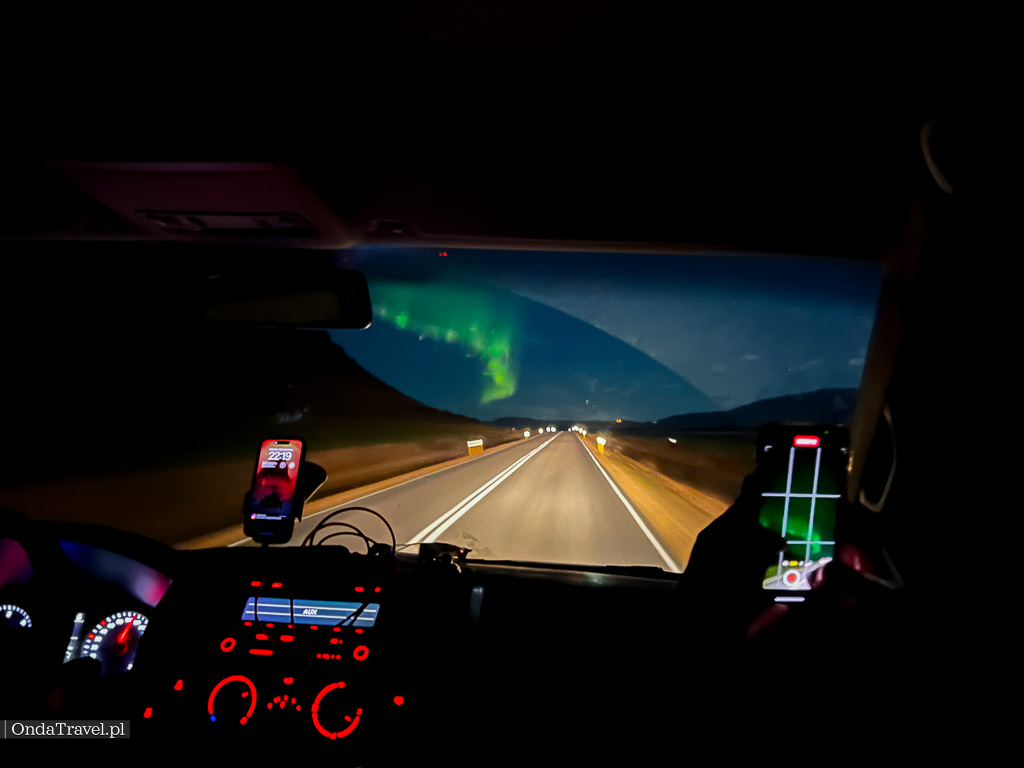
What is the weather like in Iceland? ‘If you don’t like the weather, wait five minutes’
“If you don’t like the weather, wait five minutes”
The weather in Iceland is unpredictable and can change in just a few minutes. Even in summer, it is worth being prepared for everything — from sunshine to rain and strong wind.
Note: It is worth remembering that the weather in Iceland can be very local. Even if the sun is shining in one place, just a few kilometres away it may be raining or snowing.
Tools to check the weather in Iceland:
Vedur.is: The official website of the Icelandic Meteorological Office. It offers detailed forecasts, radar maps and historical weather data.
RÚV: Icelandic public television, which also provides up-to-date weather information.
Spring (March–May):
Temperatures: Temperatures begin to rise, but frosts can still occur. Average spring temperatures in Iceland range between 0°C and 10°C.
Precipitation: Frequent rain and snow.
Weather during tourist seasons:
Summer (June–August):
Temperatures: Average temperatures are around 10–15°C, but can reach 20°C on the warmest days.
Precipitation: Summer is the driest season in Iceland, but rain can appear suddenly.
Autumn (September–November):
Temperatures: Temperatures begin to drop and the nights become colder.
Precipitation: More frequent rain, and in the higher mountains snow may already appear.
What is the food like in Iceland and what does dining on trips look like? (national dishes, restaurants)
Food in Iceland is strongly linked to its harsh climate and to its fishing and farming traditions. Icelandic cuisine puts great emphasis on fresh, local ingredients, especially fish and lamb.
When travelling around Iceland, you usually sort out food on your own — especially if you stay in places with a kitchen. Along the way, it is easy to shop in chains such as Bónus and Krónan (local equivalents of large supermarkets), and in bigger towns you will also easily find restaurants.
Traditional national dishes:
Hákarl: fermented shark meat, one of Iceland’s best-known delicacies. Hákarl has a very intense taste and smell and is often served with brennivín, an Icelandic schnapps made from potatoes and caraway.
Þorramatur: A platter of various Icelandic specialities, often served during the Þorrablót season. It can include dried meat, salted fish, smoked meat and other traditional snacks.
Skyr: A thick dairy product similar to yogurt, very popular in Iceland. Skyr is rich in protein and is often served with fruit or honey.
Lambakjöt: lamb meat, commonly used in Icelandic dishes. Icelandic lamb is known for its excellent quality, and the meat is often prepared as soup or stew.
Fiskisúpa: fish soup, usually prepared from local fish, vegetables and herbs. It is a warm, filling meal that is perfect for colder days.
Restaurants in Iceland:
Restaurants in Reykjavík: Iceland’s capital offers a wide choice of places, from those serving traditional dishes to modern fine dining. Some popular spots are:
Dill Restaurant: A Michelin-starred restaurant serving modern Icelandic cuisine based on local ingredients.
Grillmarkaðurinn: Specialises in grilled dishes, offering meat and fish in an elegant setting.
Sea Baron (Sægreifinn): A casual restaurant famous for its excellent fish soup and fish skewers.

What is the minimum number of participants needed for a trip to run?
Yes — Iceland (and Norway) are great for independent travel, also in a small group of 2–4 people. The key is sorting out the logistics in advance: booking accommodation, checking road and weather conditions, and planning driving times sensibly.
If you want to start with a ready-made knowledge base, take a look at the guides: Iceland and Norway.

What are the best places for thermal bathing?
Iceland is famous for its natural hot springs and thermal baths, which attract travellers from all over the world. Thanks to geothermal activity, the island offers many places to relax in warm water surrounded by beautiful landscapes.
I invite you to read the article: Hot springs and geothermal pools in Iceland near Reykjavík
The best thermal bathing spots in Iceland:
Blue Lagoon: Additional information about Blue Lagoon
Location: Not far from Reykjavík and Keflavík International Airport.
Description: One of the best-known places in Iceland, offering luxurious bathing in milky-blue mineral-rich water. A popular attraction, perfect for relaxing after a long flight or intense sightseeing.
Extra features: Spa, massages, silica mud masks.
Sky Lagoon: an oceanfront oasis of relaxation Additional information about Sky Lagoon
Location: Sky Lagoon is located in Kópavogur, near Reykjavík.
Description: Sky Lagoon is one of Iceland’s newer, but already very popular attractions. Located right by the Atlantic Ocean, it offers a unique relaxation experience.
Extra features: From the pool you get breathtaking views over the ocean and surrounding landscapes. 7-step ritual: Sky Lagoon offers a unique body-and-mind cleansing ritual consisting of seven stages, such as sauna, cold plunge and relaxation in a hot pool.
Mývatn Nature Baths:
Location: North Iceland, near Lake Mývatn.
Description: Similar to the Blue Lagoon, but less crowded. The water is rich in minerals, and bathing with views of nearby volcanoes and the lake is deeply relaxing.
Extra features: If you visit in winter, you may even be able to relax while watching the northern lights.
Secret Lagoon (Gamla Laugin): Additional information about Secret Lagoon
Location: Flúðir, South Iceland.
Description: One of the oldest thermal bathing spots in Iceland. The place is more intimate than the Blue Lagoon, and the water comes from natural hot springs. Around the lagoon you can see small geysers.
Extra features: A small geyser erupts regularly nearby.
Landmannalaugar:
Location: The highlands, central Iceland.
Description: A popular destination among hikers in Iceland. The hot springs are set in a rugged landscape of colourful rhyolite mountains. An ideal place for a bath after a full day of hiking.
Extra features: Spectacular mountain views and the chance to walk some of Iceland’s most beautiful trails.
Location: Near the town of Hveragerði, south of Reykjavík.
Description: Natural hot springs in a valley of steaming ground. A scenic hike leads to the bathing area, and on the way you can admire many geothermal features. Bathing takes place in a river where warm water mixes with cool water.
Extra features: Free access and beautiful views during the walk.
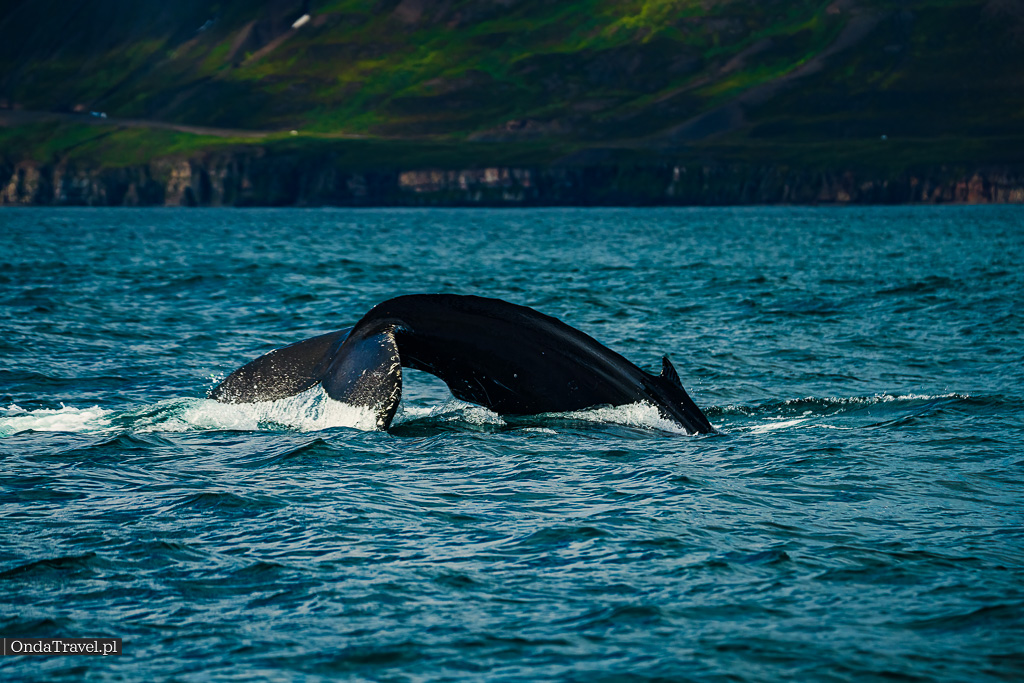
Can you see whales in Iceland?
The best places for whale watching in Iceland:
Húsavík:
Description: Húsavík, in northern Iceland, is considered the “whale capital” of the island. The waters around Húsavík are rich in food, which attracts many whale species. It is the best place in Iceland for whale watching and one of the best-known in the world.
Species: Fin whales, humpbacks, dolphins and sometimes orcas.
Extra features: Húsavík is also home to a Whale Museum, where you can learn more about these creatures and their protection.
Reykjavík:
Description: Whale watching tours also depart from Iceland’s capital. Trips leave from Reykjavík harbour and operate all year round, although the best period is summer.
Species: Most often dolphins, humpbacks and smaller whale species.
Extra features: Its closeness to the city makes it a popular option for travellers with limited time.
Akureyri:
Description: Akureyri, located in northern Iceland, offers excellent whale watching in Eyjafjörður Bay. Humpbacks are often spotted very close to the boats.
Species: Mainly humpbacks and dolphins.
Extra features: Stunning views of fjords and surrounding mountains.
Faxaflói Bay:
Description: The bay lies not far from Reykjavík and is a popular area for whale-watching tours. Although species are less numerous here than around Húsavík, there is still a good chance of seeing humpbacks and other marine life.
Species: Humpbacks, dolphins and quite often orcas.
The most commonly seen whale species:
Humpback whale (Megaptera novaeangliae): One of the species most often observed in Iceland, known for spectacular breaches.
Fin whale (Balaenoptera physalus): The second largest whale species, sometimes seen in Icelandic waters.
Minke whale: The smallest of the baleen whales, often encountered in larger groups.
White-beaked dolphin (Lagenorhynchus albirostris): Frequently seen on tours; active and sociable.
Orca (Orcinus orca): Sometimes spotted, especially in summer.
Best time for whale watching:
April–September: This is the best period for tours, when whales are most active and easiest to spot. In summer the days are long, which increases the chances of a successful trip.
Winter: Although tours also run in winter, the chances of seeing whales are smaller. However, you can enjoy other attractions, such as the northern lights.
Can you drink tap water in Iceland?
Yes, you can drink tap water in Iceland and it is considered one of the cleanest and healthiest in the world. The water comes mainly from natural springs and glaciers, which makes it exceptionally high quality without the need for extra filtration or treatment.
In many places, especially in Reykjavík, you may notice a slight sulphur smell. This comes from the geothermal water used for heating homes and does not affect the quality of the drinking water.

Reykjadalur: Additional information about Reykjadalur

REYKJAVÍK AND SURROUNDING AREAS
Iceland hot springs and geothermal pools near Reykjavik
Iceland hot springs and thermal pools near Reykjavik: compare locations, map, transport, budget, reservations and natural bathing options.


Hi, I’m Krystian “dziadzia przewodnik” from OndaTravel.pl!
The North is my greatest passion, but the world is far too beautiful to stay in just one climate. On my blog, I combine the raw landscapes of Iceland and Norway with the exotic energy of Thailand or Vietnam, showing you how to travel authentically — with passion and a camera in hand.
What will you find on OndaTravel.pl?
Visual storytelling: As a photographer and filmmaker, I don’t just describe places — I take you there with professional photos and video.
North expert: Ready-to-use road trip plans for Iceland and Norway, smart tips for budget travel, and my original Northern Lights Radar (locations and forecast).
Travel through the lens of cinema: I track down filming locations — from icy scenes in Interstellar to tropical frames from world cinema.
New direction: Exotic destinations: I love contrast, so the blog is featuring more and more practical knowledge about Vietnam and Thailand. I’ll show you how to find your way around Southeast Asia and come back with your best memories.
P.S. follow me here
Read also / continue
- Iceland: route planning and the most important regions
- Norway: guide to the country and route ideas
- The most beautiful waterfalls in Iceland: list and map
- Northern lights radar for Iceland: conditions right now
See also: Privacy Policy
Frequently asked questions
This page helps you quickly find answers to the most common questions about trip planning, destinations, and practical preparation for your journey.
Does this FAQ replace a destination guide?
No. The FAQ gives a short answer, but a detailed itinerary, costs, and maps can be found in the dedicated guides.
How do I find the right guide?
It’s best to start with a topic section, for example Iceland, Norway, sky phenomena, or city breaks.
Are the answers universal?
Partly, but weather, season, prices, and local rules can change, so it’s worth checking current information.
What should I do if my question is about a specific route?
It’s best to go to the guide for that region or attraction, where you’ll find more details.