

Astronomical phenomena 2026 — in short
The calendar of astronomical phenomena 2026 helps you plan sky observations month by month: meteors, phases of the Moon, eclipses, noctilucent clouds (NLC), the northern lights and seasonal windows for the Milky Way. First check the date of the phenomenon, then visibility from Poland, the phase of the Moon, the weather and the observation site.
Astronomical Events Calendar 2026 is a quick “what and when” guide to the night sky: meteor showers, moon phases, eclipses and seasonal phenomena such as noctilucent clouds (NLC). Below you will find a lightweight LIVE widget with a countdown to the next event and a month-by-month calendar.
Night-sky observation calendars and tools


LIVE: the next sky event and countdown
2026 sky calendar – month by month
| Month | Most interesting events | Links and planning |
|---|---|---|
| January | Quadrantids (meteors) – short peak. | Check meteors + compare with moon phases. |
| February | Annular solar eclipse – mainly outside Europe. | Eclipses (visibility and safety). |
| March | Total lunar eclipse (not visible from Poland) + good dark-sky windows around new moon. | Moon phases – hunt for dark nights. |
| April | Lyrids (meteors) – moderate activity. | Meteor calendar. |
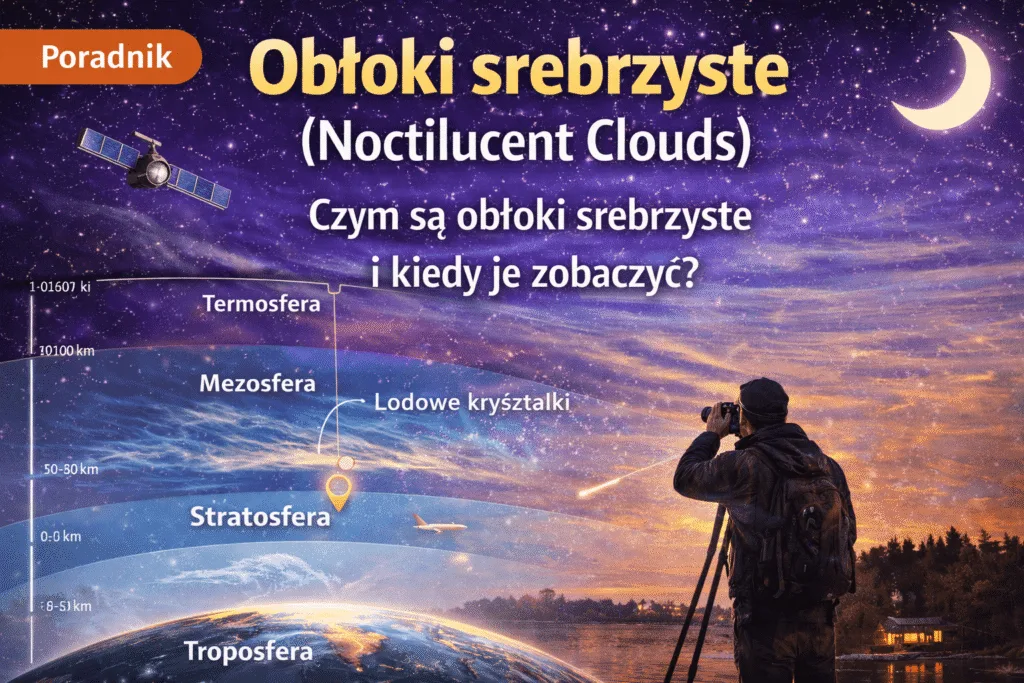
| May | Eta Aquariids (meteors) + start of the NLC season. | Combine NLC with dark skies. |
| June | NLC season (often the best nights) + very short nights in Poland. | How to hunt NLC. |
| July | NLC + summer observing windows (depending on latitude). | In the background check the aurora radar. |
| August | Perseids + total solar eclipse (track: Iceland–Spain) + difficult lunar eclipse late in the month. | Perseids + eclipses. |
| September | Longer nights and better observing conditions. | Plan with moon phases + watch the aurora. |
| October | Orionids + the aurora season grows with longer nights. | Aurora radar + meteors. |
| November | Leonids – usually moderate, but historically spectacular. | Meteor calendar. |
| December | Geminids – one of the strongest showers of the year + long nights (great for aurora). | Geminids + aurora radar. |
January 2026 – Quadrantids and the start of the year under dark skies
At the beginning of the year, the key event is the Quadrantids, a short but sometimes intense meteor shower. It is a good moment to compare the dates with moon phases and plan your first dark-sky trips of the year.
GUIDE
Moon Phases 2026
Moon Phases 2026: check dates, observation tips and related guides for planning night-sky photography, eclipses and other sky phenomena.
February 2026 – an annular solar eclipse outside Europe
In February it is worth tracking the annular solar eclipse, even though the main visibility is outside Europe. It is also a good month to visit the eclipses page if you want to know where and how to watch similar events safely.
GUIDE
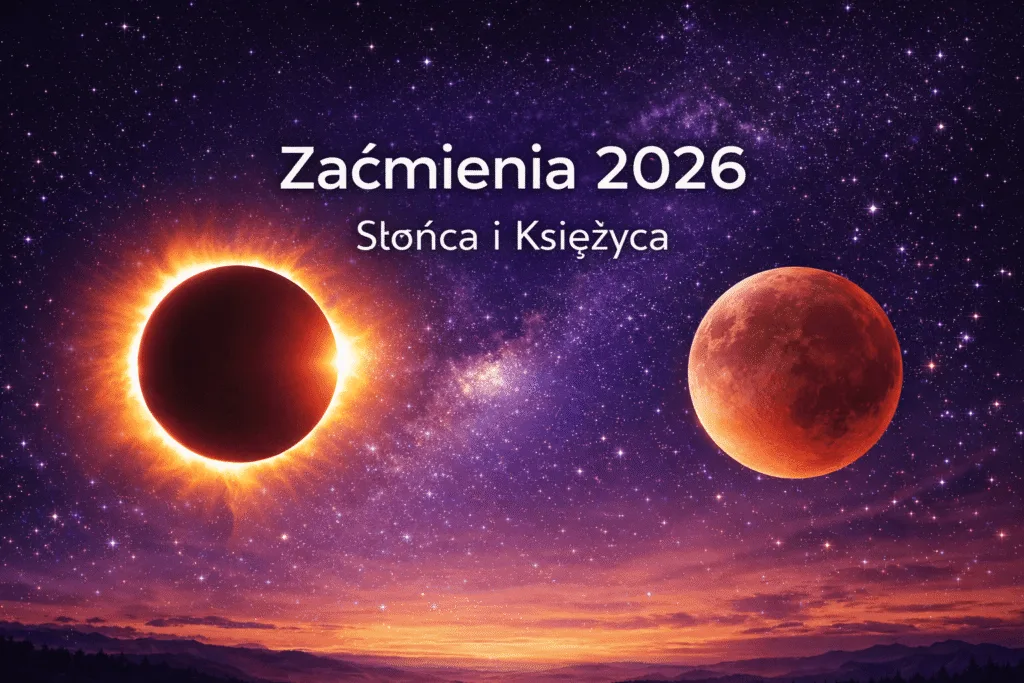
Solar and Lunar Eclipses 2027–2028: Dates and Where to Watch
Next eclipses: annular solar eclipse 6 Feb 2027, penumbral lunar eclipse 20/21 Feb 2027, total solar eclipse 2 Aug 2027. Full 2027–2028 calendar with visibility.
March 2026 – a lunar eclipse and darker nights around new moon
March 2026 brings a total lunar eclipse, although it will not be the best show from Poland. It is still a useful month for hunting darker nights and comparing dates with the moon-phase calendar.
April 2026 – the Lyrids and a spring meteor shower
In April the Lyrids, one of the best-known spring showers, take the spotlight. It is a good month to check the meteor shower calendar and plan observations for the night of 21/22 April.
May 2026 – Eta Aquariids and the start of the NLC season
May 2026 combines the Eta Aquariids with the beginning of the noctilucent-cloud season. It is a transitional month in which you can combine meteor watching with the first attempts to catch bright structures low over the northern horizon.
June 2026 – NLC and the brightest nights of the season
June is usually one of the best months for NLC, despite very short nights in Poland. If noctilucent clouds interest you, this is when it is worth checking the northern horizon most often and combining observations with the weather forecast.
July 2026 – NLC, summer observing windows and a chance of aurora
In July the NLC season continues and, under favorable conditions, it is also worth glancing at the aurora radar. It is a more seasonal than single-event month, but still important for people following summer sky phenomena.

GUIDE
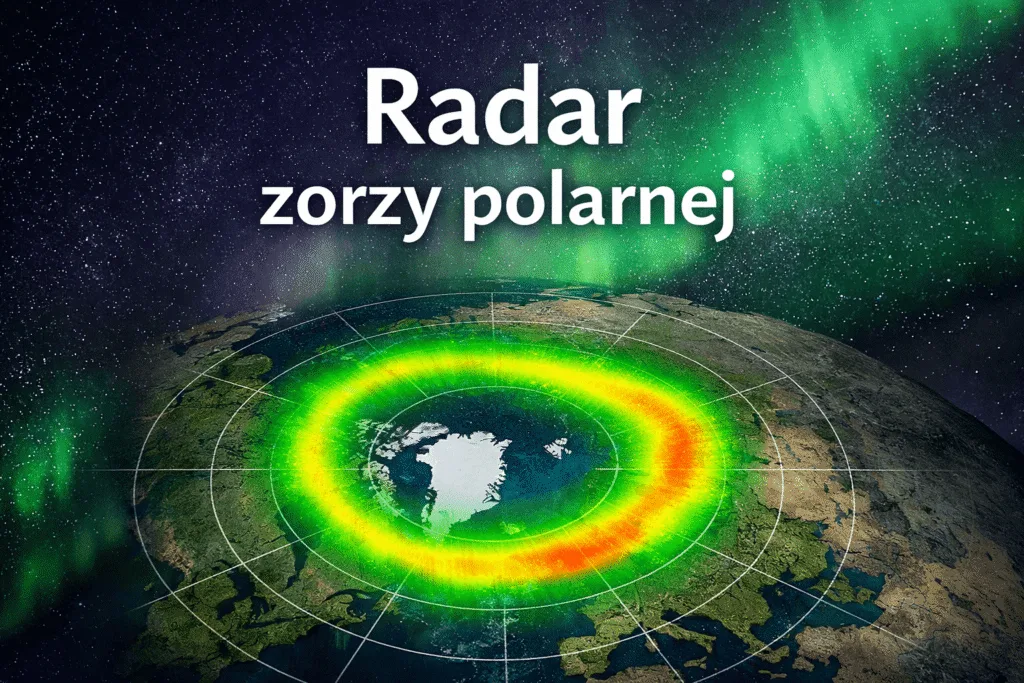
Northern Lights Radar: Live Aurora Forecast by Location
Live aurora radar with Kp thresholds by location, cloud cover and a quick guide to choosing where to watch tonight across the Arctic.
August 2026 – Perseids and the total solar eclipse
August 2026 is the strongest month in the entire calendar: you get the Perseids, the total solar eclipse of 12 August 2026 and a partial lunar eclipse at the end of the month. August should be one of the most prominent months on this page.
For the exact observing plan for the night of August 12–13, peak hours, where to look and Moon conditions, see the dedicated Perseids 2026 guide.

GUIDE
Perseids 2026: When and Where to Watch the Meteor Shower
Perseids 2026: best night, peak time, where to look, Moon conditions and practical viewing and photography advice for your location.
September 2026 – longer nights and the return of better observing conditions
September does not bring one giant event like August, but it does bring increasingly long nights and better conditions for planning observations. It is a good moment to combine moon phases with the first autumn nights and aurora watching.
October 2026 – the Orionids and the start of a stronger aurora season
In October it is worth watching for the Orionids while returning to regular checks of the aurora radar. The long nights become more and more favorable, especially outside large cities.
Want to move from the annual calendar to a specific monthly observing plan? September brings the equinox, longer nights, meteors and good windows for observing planets, while October brings the Draconids, Orionids, Taurids and Saturn. The monthly guides collect the key dates and show which nights are worth planning.
Sky phenomena
Planning your night-sky observations? These monthly guides highlight the most important astronomical events, meteor showers, Moon phases and the best observation windows. Below you’ll find the two most relevant monthly guides for the current period.
SKY PHENOMENA
Monthly guide
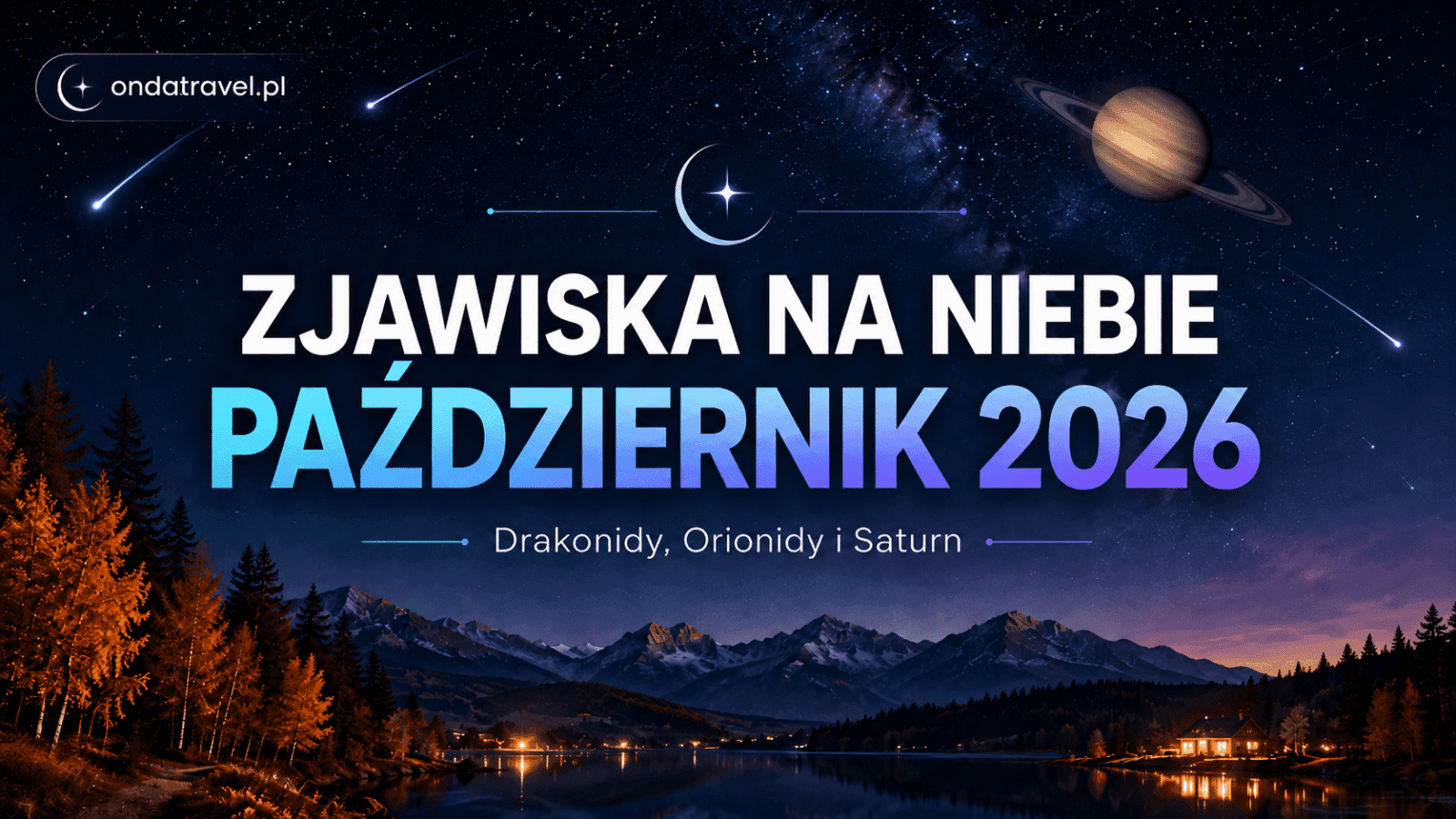
Sky events in October 2026: Draconids, Orionids and Saturn
The key sky events of the month, meteor activity, the Moon and practical observation windows.
Read the guide
SKY PHENOMENA
Monthly guide
Sky events in November 2026: Leonids, Taurids and a supermoon
The key sky events of the month, meteor activity, the Moon and practical observation windows.
Read the guideNorthern Lights
Looking for a longer-term Northern Lights outlook? These monthly guides complement the live radar with seasonal conditions, expected aurora activity and practical viewing tips. Below you’ll find the two most relevant monthly forecasts currently available.
NORTHERN LIGHTS
Monthly forecast
Northern Lights — October 2026
A monthly Northern Lights outlook with live-radar context and practical viewing guidance.
Read the guide
NORTHERN LIGHTS
Monthly forecast
Northern Lights — November 2026
A monthly Northern Lights outlook with live-radar context and practical viewing guidance.
Read the guideNovember 2026 – the Leonids and preparation for winter peaks
November 2026 is the month of the Leonids and the transition into the winter observing season. Although they are usually not as spectacular as the Perseids or Geminids, they are still worth keeping in your calendar and comparing with the weather.
December 2026 – the Geminids and long nights for aurora and meteors
At the end of the year the key event is the Geminids, one of the strongest meteor showers, plus very long nights favorable for observations. December 2026 naturally closes the season for people following both meteors and the aurora.
How to plan sky observations
Dark sky and the Moon
For meteors and subtle phenomena such as NLC, the nights around new moon are crucial. You can check dates on the Moon Phases page.
Weather and transparency
Even the best calendar is useless under full cloud cover. In practice, hunt for cloud breaks and high air transparency, especially when tracking aurora.
Weather and cloud cover (Windy)
Before you head out, check clouds and visibility in Windy, especially for meteors and subtle sky phenomena.
Safety: the Sun
For solar eclipses, use only certified filters. Details and visibility from Poland can be found on the Eclipses page.
FAQ: astronomical events calendar




Hi, I’m Krystian “dziadzia przewodnik” from OndaTravel.pl!
The North is my greatest passion, but the world is far too beautiful to stay in just one climate. On my blog, I combine the raw landscapes of Iceland and Norway with the exotic energy of Thailand or Vietnam, showing you how to travel authentically — with passion and a camera in hand.
What will you find on OndaTravel.pl?
Visual storytelling: As a photographer and filmmaker, I don’t just describe places — I take you there with professional photos and video.
North expert: Ready-to-use road trip plans for Iceland and Norway, smart tips for budget travel, and my original Northern Lights Radar (locations and forecast).
Travel through the lens of cinema: I track down filming locations — from icy scenes in Interstellar to tropical frames from world cinema.
New direction: Exotic destinations: I love contrast, so the blog is featuring more and more practical knowledge about Vietnam and Thailand. I’ll show you how to find your way around Southeast Asia and come back with your best memories.
P.S. follow me here


Which astronomical events are the most interesting in 2026?
The biggest observational highlights are the Perseids, Geminids and the total solar eclipse on 12 August 2026 (with the path of totality crossing Iceland and northern Spain). It is also worth following moon phases, because they affect the visibility of most night-sky events.
When is the best time to plan meteor observations?
The best dates are around new moon or when the Moon is small and low. You will find the exact maxima in the meteor shower calendar.
Can these sky phenomena be seen from Poland?
Yes. Meteors, many lunar events and seasonal phenomena such as NLC are regularly visible from Poland. Eclipse visibility depends on the date and region, so it is worth checking the eclipses page and the weather forecast.
Does the Moon phase matter when observing sky phenomena?
Yes. A bright Moon brightens the sky and makes faint meteors and subtle NLC structures harder to see. That is why planning should often start with the Moon Phases calendar.
Where should I track the latest data and updates?
For exact times and local visibility use reliable sources such as Timeanddate, IMO and AMS. For aurora forecasts, NOAA SWPC data remains useful, and on OndaTravel you can also use the aurora radar, the meteor calendar and the Moon Phases page.
Add the August 2, 2027 total solar eclipse to your sky calendar and check the full viewing guide before planning observations. Total Solar Eclipse on August 2, 2027.

ECLIPSE 2026
Total Solar Eclipse on August 12, 2026
A practical guide to the path of totality through Iceland and northern Spain, visibility in Poland, weather strategy and safe observation.
Read also / continue
Sky Phenomena · Meteor calendar · Moon phases · Eclipses · Supermoon
Sources for times and local visibility: Timeanddate / IMO / AMS / NOAA SWPC.
To connect night-sky observations with a wider northern travel plan, see the North section.

NORTH
North: Iceland, Norway, northern lights and Lofoten
A dedicated OndaTravel section for northern trips: Iceland, Norway, fjords, Lofoten, northern lights, ready-made routes and planning tools.