
ABISKO · LIVE AURORA RADAR & FORECAST
Check cloud cover first. Then Kp, darkness and the live aurora oval.
New to aurora chasing? Here is how the northern lights actually form, in plain language.
Abisko sits inside a rare rain-shadow microclimate known as the “blue hole” – the Scandinavian mountains strip moisture from Atlantic weather before it reaches the Torneträsk basin, giving Abisko noticeably clearer skies than the Norwegian coast on the same night. Season runs late September to early April. Kp 1 is usually enough here.
Northern Lights – live radar and parameters
Parameters refresh automatically. The local aurora chance is calculated for your location (GPS or city).
Aurora oval radar – Northern Hemisphere
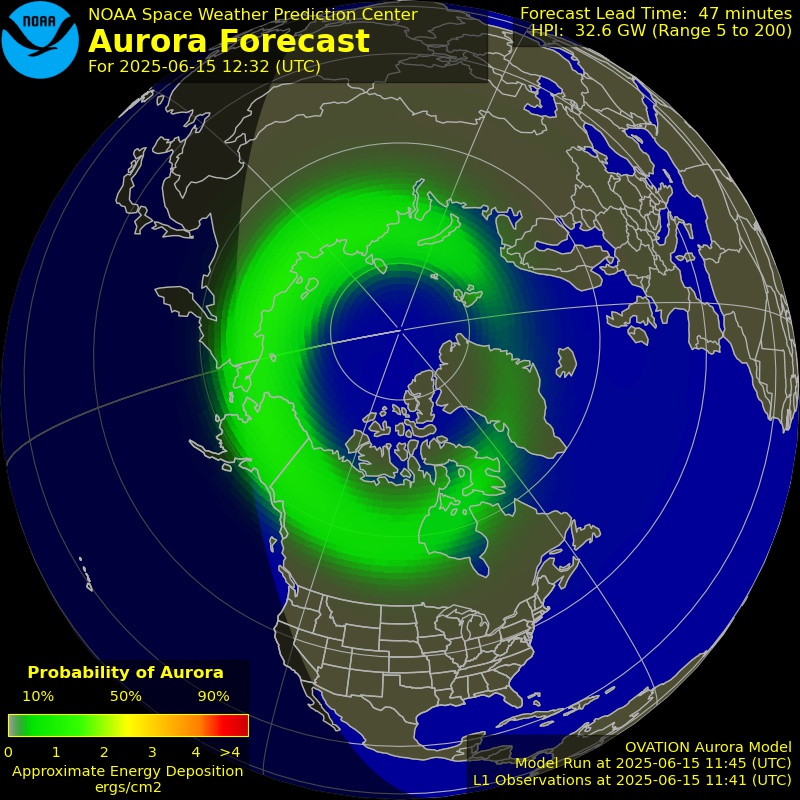
If the animation does not load, a static image will be shown.
Conditions assessment
The indicators consider your location, the local aurora chance and whether it is dark.
Aurora Score (Senja, beta): -/100
Kp (3h)
Kp (1 min)
Bz (GSM)
Bt (IMF)
Speed
Density
Temperature
Abisko — a quick check before observing
Abisko is one of the best-known places for watching the aurora in Scandinavia, but even here it is worth first checking the local cloud cover, the Kp/Bz activity and the conditions in the terrain. The biggest advantage comes from a dark place, a clear spell and being ready to react quickly.
Latest alerts: solar activity and geomagnetic storms
The monitor below updates automatically from NOAA data: it shows the outlook for the next seven nights and the current aurora alerts. Check it right before you head out — conditions can change within hours.


Hi, I’m Krystian “dziadzia przewodnik” from OndaTravel.pl!
The North is my greatest passion, but the world is far too beautiful to stay in just one climate. On my blog, I combine the raw landscapes of Iceland and Norway with the exotic energy of Thailand or Vietnam, showing you how to travel authentically — with passion and a camera in hand.
What will you find on OndaTravel.pl?
Visual storytelling: As a photographer and filmmaker, I don’t just describe places — I take you there with professional photos and video.
North expert: Ready-to-use road trip plans for Iceland and Norway, smart tips for budget travel, and my original Northern Lights Radar (locations and forecast).
Travel through the lens of cinema: I track down filming locations — from icy scenes in Interstellar to tropical frames from world cinema.
New direction: Exotic destinations: I love contrast, so the blog is featuring more and more practical knowledge about Vietnam and Thailand. I’ll show you how to find your way around Southeast Asia and come back with your best memories.
P.S. follow me here



Check out my YouTube channel and travel with me.
Follow the channel for videos, routes and practical travel inspiration.
Follow me here:
What’s up?
Enjoying my content?
Buy me a coffee at buycoffee.to/ondatravel and support the creation of more travel content.
Your support helps me create more practical guides, videos and travel inspiration.

Can you see the aurora in Abisko tonight?
Check the cloud layer first – this is where Abisko has a real edge, since the blue hole often keeps the sky clear here while Tromso or Lofoten are socked in. Then check activity: anything above quiet conditions is worth stepping outside for. Then check darkness – Abisko sits north of the Arctic Circle with a polar night stretch in December.
What Kp do you need in Abisko?
Abisko sits at a geomagnetic latitude of roughly 65.7 degrees. Based on NOAA space weather data and Abisko’s distance from the aurora oval, here is what that means in practice:
| Condition | Kp needed |
|---|---|
| Faint band on the horizon | Kp 0 |
| Clearly visible overhead | Kp 1 |
| Strong, colourful display | Kp 3+ |
The blue hole: why Abisko sees more clear nights
Atlantic weather systems hit the Norwegian coast and are forced upward by the Scandinavian mountains, dropping most of their moisture on the Norwegian side. By the time the air descends into the Abisko valley and the To
rnetrask basin, it has lost much of that moisture – producing a persistent pocket of clearer sky that locals and aurora chasers call the “blue hole”. It is not a guarantee, but it is a genuine, well-documented meteorological effect that gives Abisko an edge over the Norwegian coast on the same night. The Aurora Sky Station, reached by chairlift to around 900 metres on Mount Nuolja, adds another advantage: on nights with low valley cloud, climbing above it can mean the difference between a washout and a clear view.When to go: month-by-month
| Month | Darkness | Notes |
|---|---|---|
| Late September-October | Growing | Mild, good balance |
| November | Long | Snow arrives, blue hole active |
| December-early January | Polar night | Darkest period, 24h potential viewing |
| Late January-February | Long, shrinking | Cold but often very clear |
| March-early April | Shrinking fast | Equinox activity boost, season closing |
How many nights should you plan?
Because the blue hole improves your odds rather than guaranteeing them, plan for 3 nights if possible. Even on the rare night the blue hole itself is covered, the Norwegian coast locations are close enough to reach for a plan B.
Cloudy tonight? Where to go instead
Even the blue hole occasionally clouds over. If it does, these locations use the same live-radar approach:
Camera settings that work here
Faint display: ISO 1600-3200, f/2.8 or wider, 8-15 seconds, manual focus at infinity. Strong display: 2-5 seconds to keep the curtain shape. Abisko winters run genuinely cold – expect -15C to -25C on clear nights, which is exactly when the aurora is most likely. Batteries drain fast; carry a spare in an inside pocket.
With or without a tour?
Abisko village is small and walkable, and the Aurora Sky Station chairlift does the hard work of getting you above valley cloud without a car. This makes Abisko one of the easiest places on this page to do without a rental car or a tour – though booking the chairlift in advance is worth doing, since it can sell out and pause in high wind.
Written and maintained by Krystian, independent Arctic guide and photographer. About the author. Data sources: NOAA SWPC / OVATION, Open-Meteo, met.no. Last updated: 20 August 2026.

GUIDE
About me
Meet Krystian, author of OndaTravel.pl: a guide, photographer and filmmaker creating practical travel guides, routes and tools.
Understand the aurora before you chase it
Aurora science and practical context that make live forecasts easier to understand.
Explainer
How the Northern Lights Form: Causes, Science, and Origins of the Aurora Borealis
A visual, plain-language guide to the aurora mechanism, solar activity and what actually creates the display.
Read more
Aurora science and practical context that make live forecasts easier to understand.
Related read
Northern Lights and Other Phenomena in the Night Sky – Noctilucent Clouds, Haarp, Sprite Jellyfish
Learn what can be confused with the aurora in the night sky, including noctilucent clouds, sprites and other unusual atmospheric phenomena.
Read moreCurrent months and the aurora season
Sky phenomena
Planning your night-sky observations? These monthly guides highlight the most important astronomical events, meteor showers, Moon phases and the best observation windows. Below you’ll find the two most relevant monthly guides for the current period.
SKY PHENOMENA
Monthly guide
Sky events in October 2026: Draconids, Orionids and Saturn
The key sky events of the month, meteor activity, the Moon and practical observation windows.
Read the guide
SKY PHENOMENA
Monthly guide
Sky events in November 2026: Leonids, Taurids and a supermoon
The key sky events of the month, meteor activity, the Moon and practical observation windows.
Read the guideNorthern Lights
Looking for a longer-term Northern Lights outlook? These monthly guides complement the live radar with seasonal conditions, expected aurora activity and practical viewing tips. Below you’ll find the two most relevant monthly forecasts currently available.
NORTHERN LIGHTS
Monthly forecast
Northern Lights — October 2026
A monthly Northern Lights outlook with live-radar context and practical viewing guidance.
Read the guide
NORTHERN LIGHTS
Monthly forecast
Northern Lights — November 2026
A monthly Northern Lights outlook with live-radar context and practical viewing guidance.
Read the guideAbisko and other northern options: compare conditions
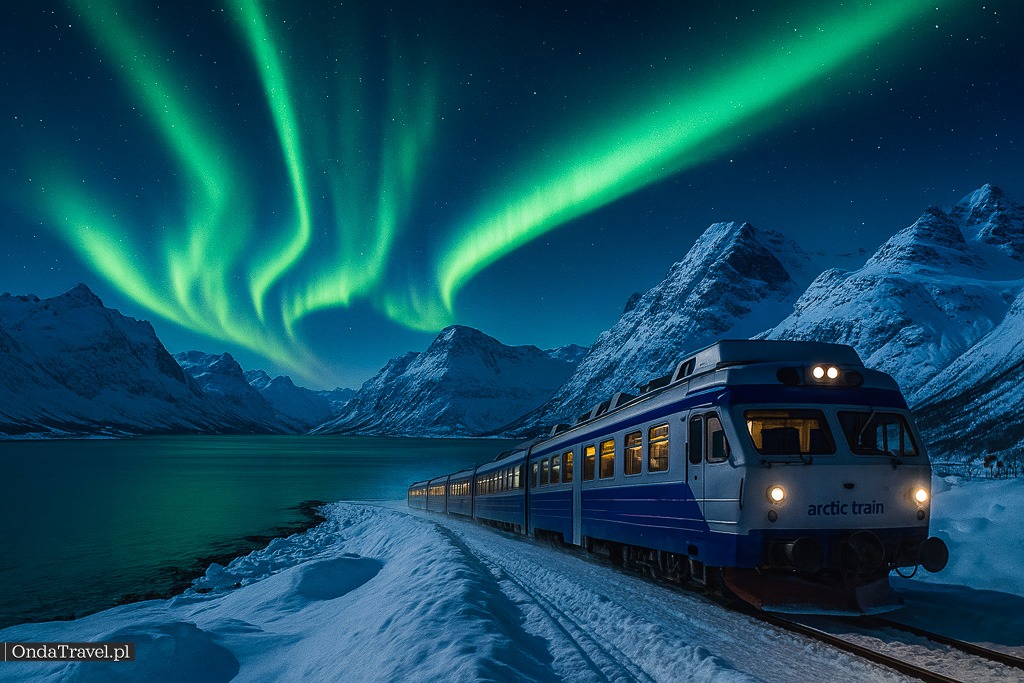
Compare cloud cover, weather and aurora conditions with another practical northern option.
Region guide
The Arctic Northern Lights Train from Narvik – in search of the Northern Lights
Wide-open skies away from Reykjavik’s light dome, easy Ring Road access.
Read more
Compare cloud cover, weather and aurora conditions with another practical northern option.
Region guide
Rovaniemi Northern Lights Live – Radar and Forecast
Thingvellir sits inside a dark-sky pocket about 45 minutes from Reykjavik.
Read more
Compare cloud cover, weather and aurora conditions with another practical northern option.
Region guide
Northern Lights in Lofoten: Live Radar, Best Spots and When to Go
Doable as a day trip, genuinely dark skies once clear of the capital.
Read more
Compare cloud cover, weather and aurora conditions with another practical northern option.
Region guide
Senja Northern Lights Live – Radar and Forecast
Open lava fields and coastal viewpoints close to Reykjavik make Reykjanes an easy region for escaping the capital’s light glow.
Read moreCompare other Northern Lights radars
Open another live radar and compare conditions before heading outside.
Live radar
Northern Lights in Tromso: Live Radar and Where to Actually See Them
Different weather system in Arctic Norway, similar live-radar approach.
Read more
Open another live radar and compare conditions before heading outside.
Hub
Northern Lights Radar: Live Aurora Forecast by Location
Compare Kp thresholds across every location we track.
Read morePlan the wider trip around Abisko
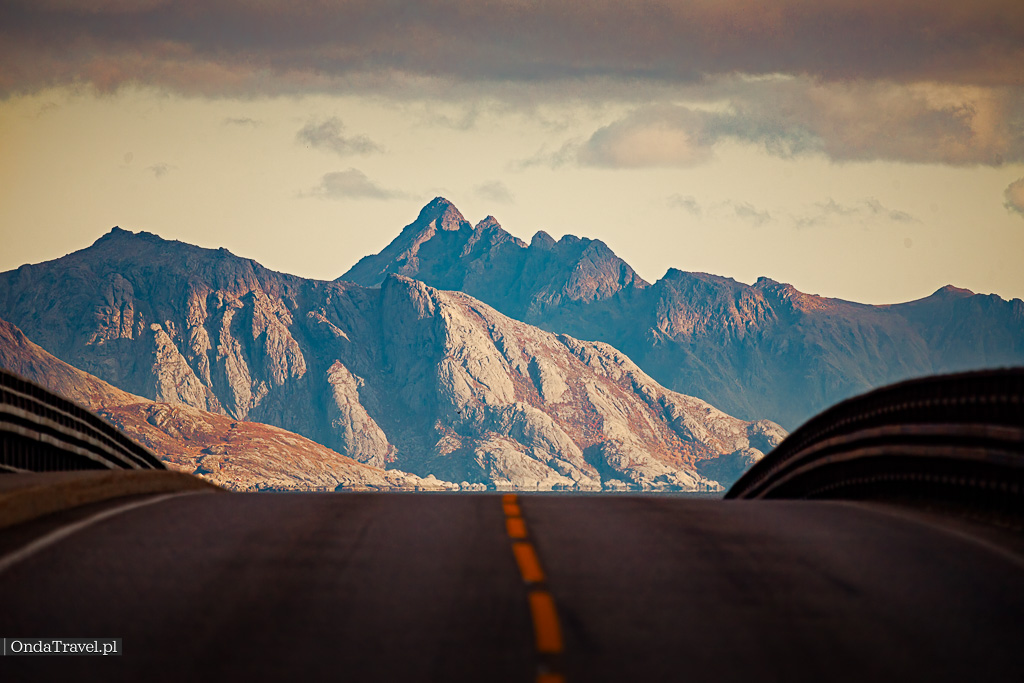
What is the blue hole of Abisko?
A rain-shadow microclimate: the Scandinavian mountains strip moisture from Atlantic weather before it reaches Abisko, giving it clearer skies than the Norwegian coast on many nights.
What Kp index do you need in Abisko?
Kp 0-1 is usually enough for a visible display; Kp 3 or higher gives a strong, colourful show, since Abisko sits well within the auroral oval.
Do you need a car in Abisko?
No. The village is small and walkable, and the Aurora Sky Station chairlift gets you above valley cloud without driving.
What is the best month to see the aurora in Abisko?
Late September through early April is the season. December offers the longest darkness with polar-night conditions; February and March are often the clearest.
Is Abisko better than Tromso for the northern lights?
Abisko typically sees fewer cloudy nights thanks to the blue hole, but Tromso has easier international flight access and more services. Both sit at a similar Kp threshold.
How many nights should I plan in Abisko?
3 nights is a reasonable minimum. The blue hole improves your odds but is not a guarantee, and more nights means more chances at a clear, active sky.
Read also
GUIDE
OndaTravel guide
Aurora Alerts
An aurora alert should be treated as a signal to check the conditions now: the live radar for your location, Kp, Bz, Bt, the solar wind, cloud cover and the northern…
Open
GUIDE
OndaTravel guide
Northern Lights in the UK — Live Radar and Forecast
Northern Lights in the UK are never guaranteed on any single night — they depend on live geomagnetic activity, cloud cover and how far north you are. This page pulls…
Open
AURORA ALERTS
OndaTravel guide
Aurora Alert UK: How to Check If Tonight Is a Northern Lights Night
If you’ve heard there’s an aurora alert and want to know whether it applies to you tonight, the short version is: there’s no fixed „alert day” you can look up in…
OpenKey OndaTravel pages for aurora and northern travel

Main Northern Lights forecast
Northern Lights Live – Northern Lights Forecast
Use the main OndaTravel Northern Lights forecast to read Kp, Bz, solar-wind and cloud conditions together before deciding where and when to watch the sky.
Hi, I’m Krystian “dziadzia przewodnik” from OndaTravel.pl!
The North is my greatest passion, but the world is far too beautiful to stay in just one climate. On my blog, I combine the raw landscapes of Iceland and Norway with the exotic energy of Thailand or Vietnam, showing you how to travel authentically — with passion and a camera in hand.
What will you find on OndaTravel.pl?
Visual storytelling: As a photographer and filmmaker, I don’t just describe places — I take you there with professional photos and video.
North expert: Ready-to-use road trip plans for Iceland and Norway, smart tips for budget travel, and my original Northern Lights Radar (locations and forecast).
Travel through the lens of cinema: I track down filming locations — from icy scenes in Interstellar to tropical frames from world cinema.
New direction: Exotic destinations: I love contrast, so the blog is featuring more and more practical knowledge about Vietnam and Thailand. I’ll show you how to find your way around Southeast Asia and come back with your best memories.
P.S. follow me here