Where to Eat in Iceland: Prices, Local Dishes and Food Halls
Food in Iceland — at a glance
Food in Iceland is expensive no matter where you go, but the real cost can be cut sharply if you know where to look. Petrol stations, supermarkets and a few trusted spots in Reykjavik make a bigger difference to your budget than restaurants do.
- How much food really costs in Iceland
- Bónus, Krónan and Nettó — your budget’s foundation
- N1, Olís and Orkan petrol stations — a full meal on the road
- The Icelandic hot dog — pylsur and where to get one
- Fiskisúpa, plokkfiskur and other dishes worth trying
- Vegetarians and vegans in Iceland
- Food halls and eating out in Reykjavik
- The most common food-related mistakes
- FAQ: food in Iceland
- First trip to Iceland: how to prepare step by step

Check out my YouTube channel and travel with me.
Follow the channel for videos, routes and practical travel inspiration.
Follow me here:
What’s up?
Enjoying my content?
Buy me a coffee at buycoffee.to/ondatravel and support the creation of more travel content.
Your support helps me create more practical guides, videos and travel inspiration.

Icelandic food prices can catch out even travelers braced for an expensive country — the same meal at a restaurant versus a petrol station can differ two- or threefold. This guide shows where to actually eat in Iceland without blowing your budget, what Icelandic cuisine looks like, and which food-related mistakes to avoid on the road. It’s a natural extension of our Iceland travel guide — if you’re still in the planning stage, start there.

ICELAND HUB
Iceland — main guide to routes and regions
The complete Iceland guide: routes, regions, practical guides and the key decisions to make before you go.
ICELAND HUB
Iceland — the main guide to routes and regions
The full Iceland guide: routes, regions, practical how-tos and the key decisions to make before you go.
How much food really costs in Iceland
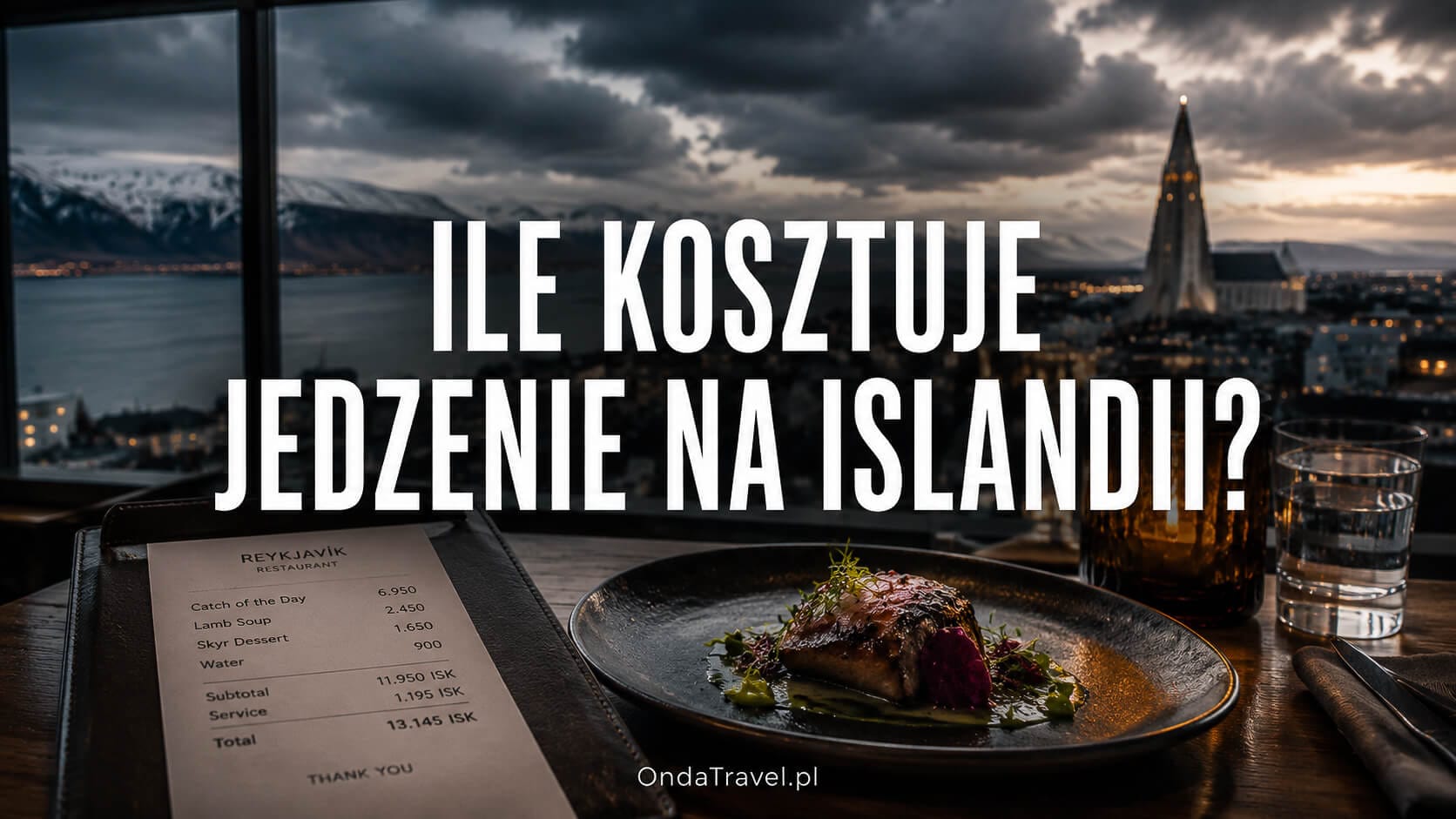
A cheap restaurant meal usually runs 2,200–6,000 ISK, and a decent dinner for two at a mid-range place can cost 10,000–30,000 ISK. A fast-food set is 2,500–3,450 ISK, coffee 460–900 ISK, and a 0.5 l beer at a bar 1,000–1,750 ISK. At these prices, food can quickly turn out to eat up a bigger share of your daily budget than your accommodation — you’ll find the full breakdown of trip costs in our Iceland travel budget guide.

PLANNING & ITINERARIES
Iceland Travel Budget: How Much Does a Trip Cost and How to Save
Wondering how much a trip to Iceland costs? See real weekly budgets for budget, mid-range and comfort travel, plus practical tips to save money.
One thing works in your favor: tap water in Iceland is clean, cold and safe to drink everywhere in the country — buying bottled water is an unnecessary expense, and most restaurants and petrol stations will give you tap water free if you ask. The real way to cut costs isn’t avoiding eating out altogether, but consciously mixing sources: breakfasts and some meals from the supermarket, a hot meal at a petrol station on the road, and one, maybe two restaurant meals a day as a treat rather than the standard.
Bónus, Krónan and Nettó — your budget’s foundation

Bónus (yellow logo with a pink piglet) is the cheapest chain on the island and the real backbone of budget eating — you’ll find one in almost every larger town along the Ring Road. Krónan is a bit pricier but has a wider selection and longer opening hours, and Nettó fills in the route well in the east and north of the country. At all three you can buy bread, butter, cheese, cold cuts, ready meals from the chiller, vegetables and skyr — Iceland’s answer to Greek yogurt, thick, high in protein and cheap.

ROUTE
The Ring Road and Iceland's south coast
A driving plan, stops, waterfalls, black beaches and logistics tips for the south coast route.
A tried-and-tested emergency kit for long, empty stretches of road where “something along the way” turns out to be wishful thinking: bread, peanut butter, honey and bananas — they don’t spoil, need no fridge, and save the evening if the road throws another delay at you and everything nearby is already closed. Two common mistakes are worth avoiding too: buying a full week’s worth of food at once (and hauling half-eaten leftovers back home), and counting on finding ice for a cool box — in Iceland it can be surprisingly hard to find, especially in summer.
N1, Olís and Orkan petrol stations — a full meal on the road
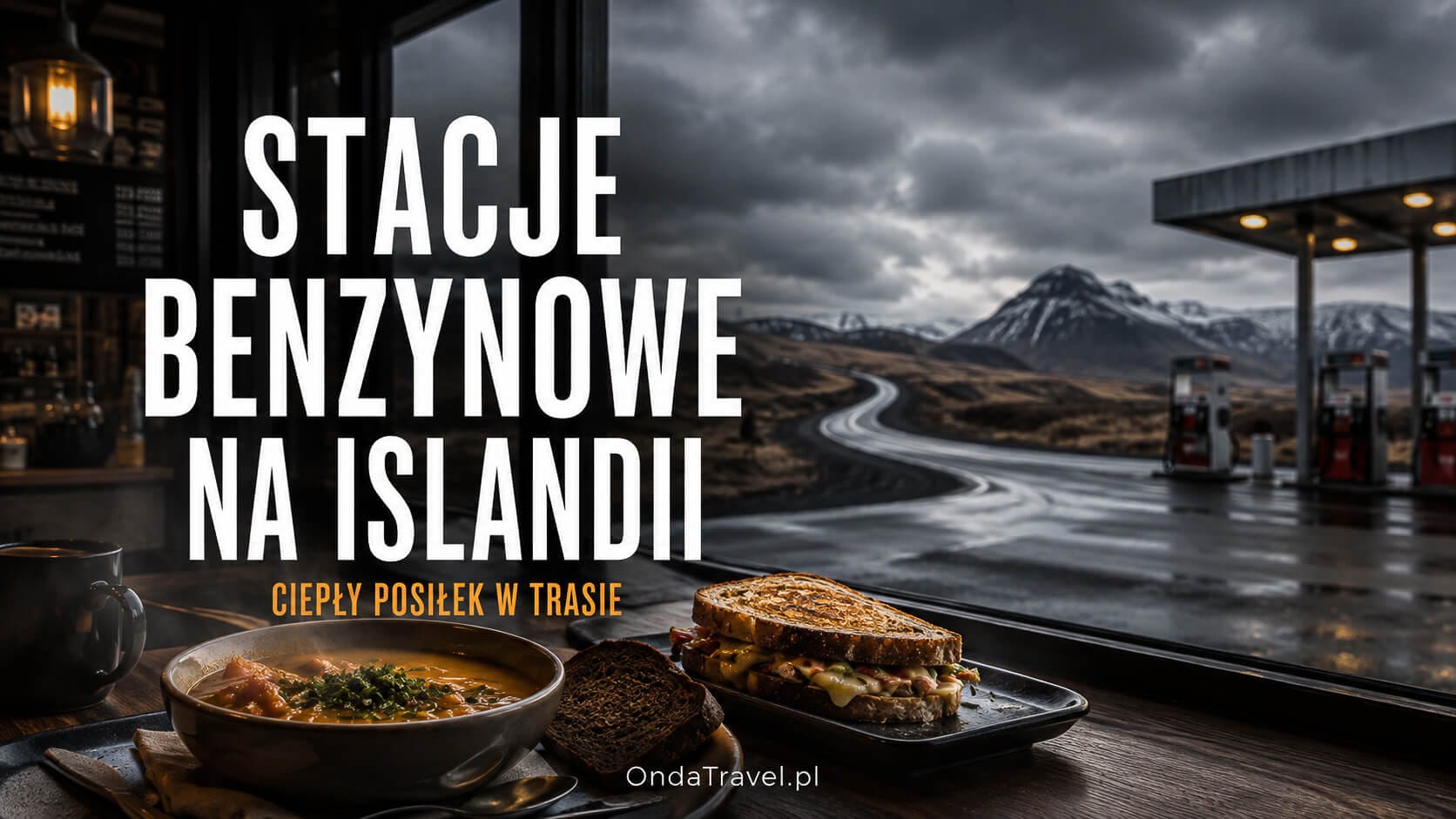
Icelandic petrol stations aren’t just about fuel — they’re often the only place with a hot meal for miles around, especially off-season and after 6–7pm, when smaller restaurants have usually closed. N1 typically has a buffet with soup of the day, hot dogs and hot sandwiches; Olís and Orkan offer a similar, if more modest, selection. Travelers regularly come back surprised at how good the station sandwiches can be — and just as regularly admit that after a week of that diet it starts to feel like too much, so it’s worth mixing it up with supermarkets and restaurants.
One technical thing that’s easy to trip over: outside shop hours, some N1 pumps switch to unattended mode only and require a card with a PIN — a contactless card without a PIN sometimes won’t work at the pump, even though you can pay with it for food inside without any problem. For how to set up cards and cash for this situation, see our guide to money and payments in Iceland.

PAYMENTS
Money and payments in Iceland
Cards, cash, PINs, refueling, ATMs, DCC and tax free — everything worth sorting out before you go.
The Icelandic hot dog — pylsur and where to get one

The pylsa, an Icelandic hot dog made mostly of lamb with some beef and pork, is one of those dishes that shows up in nearly every account of a first trip to the island. The best-known spot is the Bæjarins Beztu Pylsur stand in Reykjavik — the queue can be long, but a serving still costs only around 650–750 ISK, noticeably less than most restaurant dishes. Order “eina með öllu” (one with everything) and you’ll get ketchup, sweet mustard, remoulade, plus raw and fried onion — the standard, full version worth trying at least once.

PLANNING & ITINERARIES
Reykjavik capital of Iceland – Travel guide
A practical Reykjavík guide covering attractions, a 1–2 day walking route, the centre, harbour, Hallgrímskirkja and trip planning.
The same hot dog, in almost identical quality, is also found at petrol stations and supermarkets across the country — and it’s usually cheaper there than in the city center. It’s a solid, reliable option for a quick meal between sights when you don’t feel like hunting for a restaurant.
Fiskisúpa, plokkfiskur and other dishes worth trying
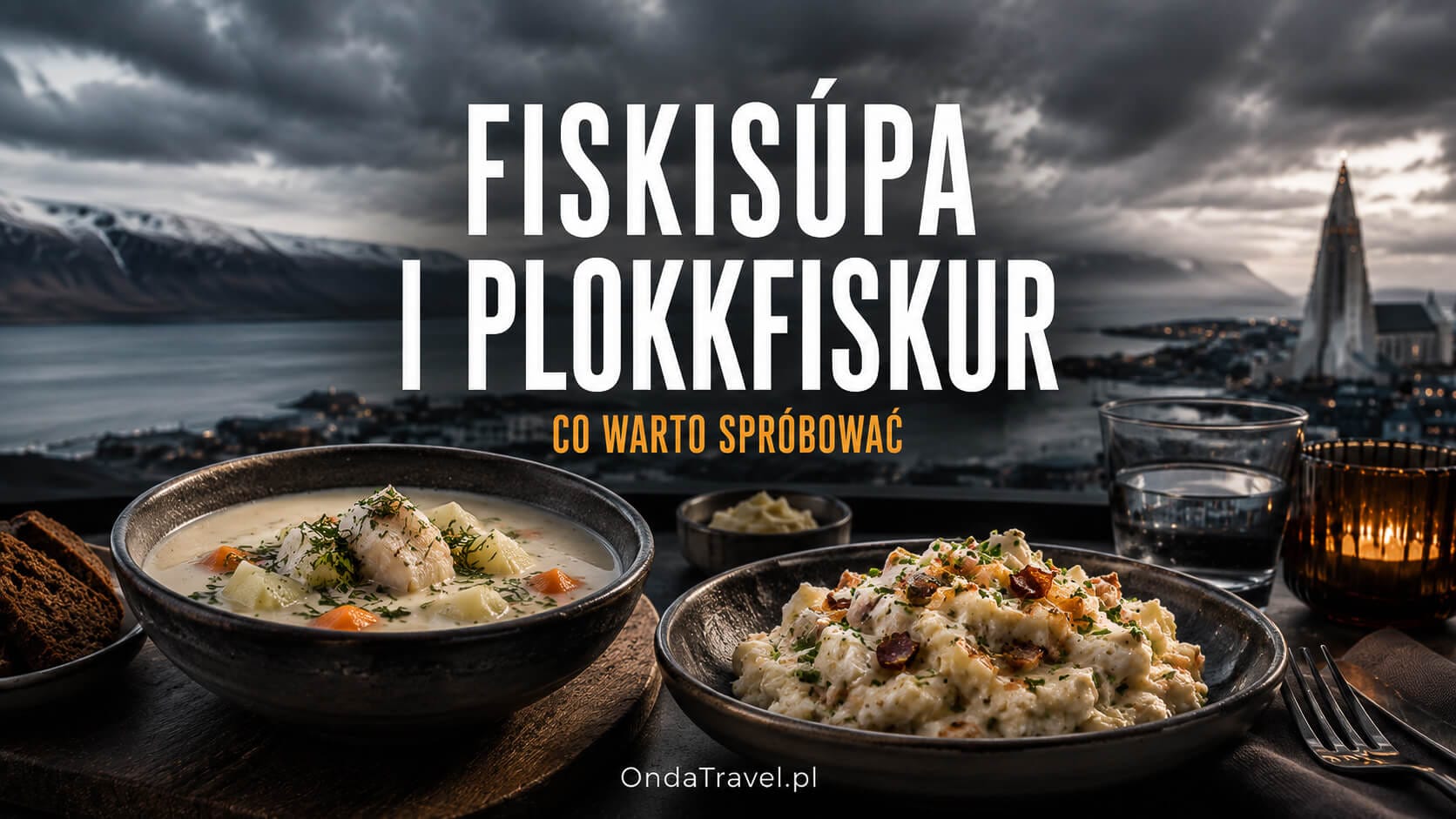
Fiskisúpa, an Icelandic fish soup made with cream and root vegetables, is worth ordering pretty much anywhere it’s on the menu — filling, warming, and usually 2,500–4,500 ISK for a full portion with bread. Plokkfiskur is similar: mashed fish (usually cod or haddock) with potatoes, onion and béchamel, traditionally served with rúgbrauð rye bread and plenty of butter — simple, cheap to make, and deeply rooted in everyday Icelandic cooking, not just the tourist trade.
Other dishes worth seeking out: kjötsúpa (a thick lamb and vegetable soup, very popular in winter), harðfiskur (dried fish eaten with butter as a snack, sold in every supermarket), and langoustine soup around Höfn in the southeast, where catching these crustaceans is a local specialty. Fermented shark, hákarl, is more of a culinary curiosity than an everyday meal — worth trying a small bite for the experience, but don’t plan a whole meal around it. A few greenhouse farms along the route, like Friðheimar in Rangárvallasýsla, serve their own home-grown tomatoes buffet-style with soup — an unusual but reliable option on the south coast route.
GOLDEN CIRCLE
The Golden Circle and Friðheimar — route plan
The Golden Circle, Geysir, Gullfoss, Þingvellir and stops that combine easily with a route from Reykjavik.
Vegetarians and vegans in Iceland
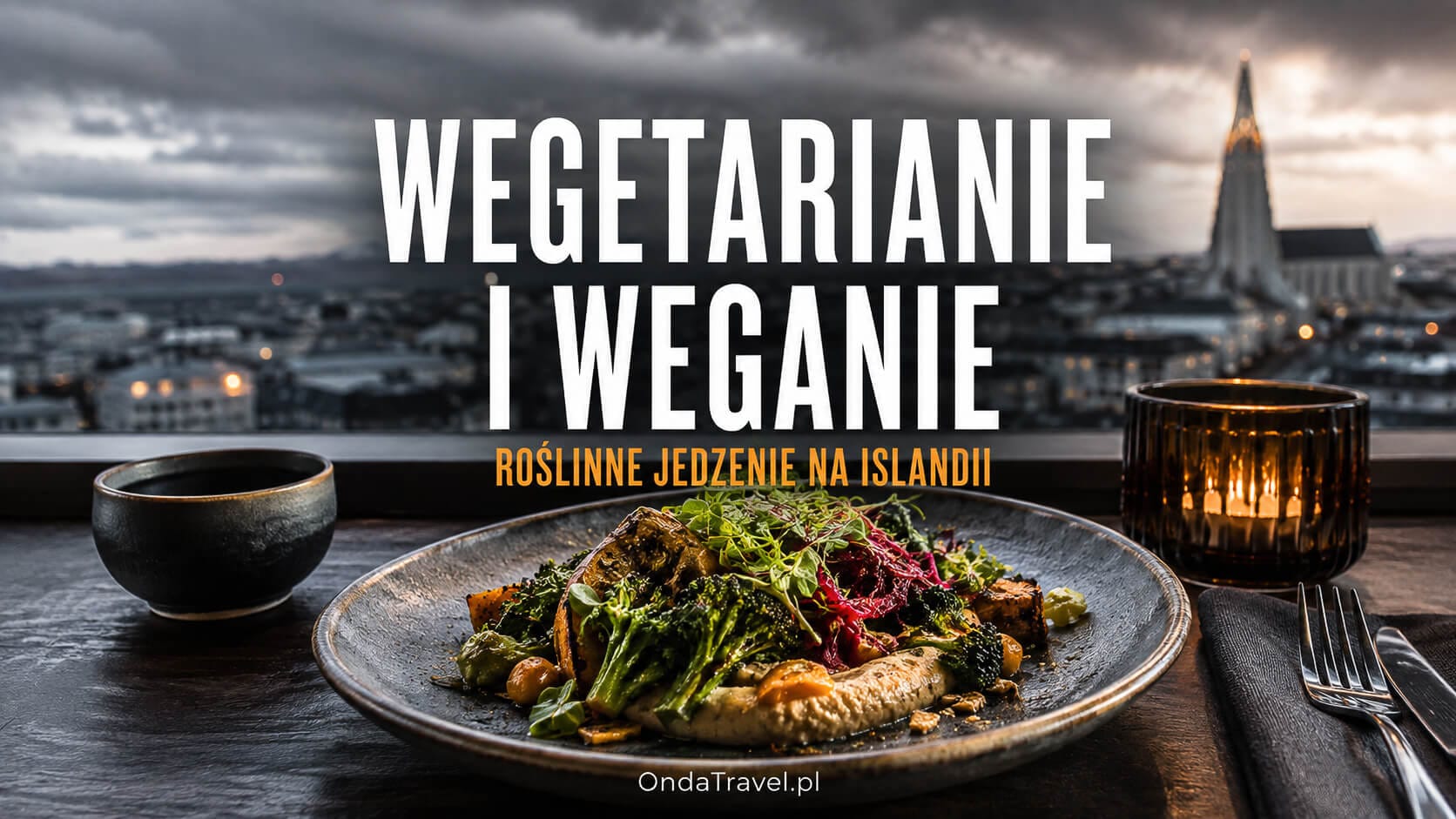
Reykjavik handles a plant-based diet surprisingly well — the city has several vegan and vegetarian restaurants, and most ordinary places have at least one solid meat- and fish-free option. Supermarkets (Bónus, Krónan) stock tofu, plant milks and ready-made veggie burgers, so cooking for yourself is no problem. Outside the capital it gets harder: the smaller the town, the smaller the choice, and at some restaurants along the route the only meat-free option can be the soup of the day — it’s worth asking ahead or having a supermarket plan B. Skyr, despite its plant-adjacent marketing image, is a dairy product and isn’t suitable for vegans.
REYKJAVIK
Reykjavik — what to see and where to start
A guide to Iceland's capital: the key sights, food halls, a walk through town and a practical sightseeing plan.
Food halls and eating out in Reykjavik
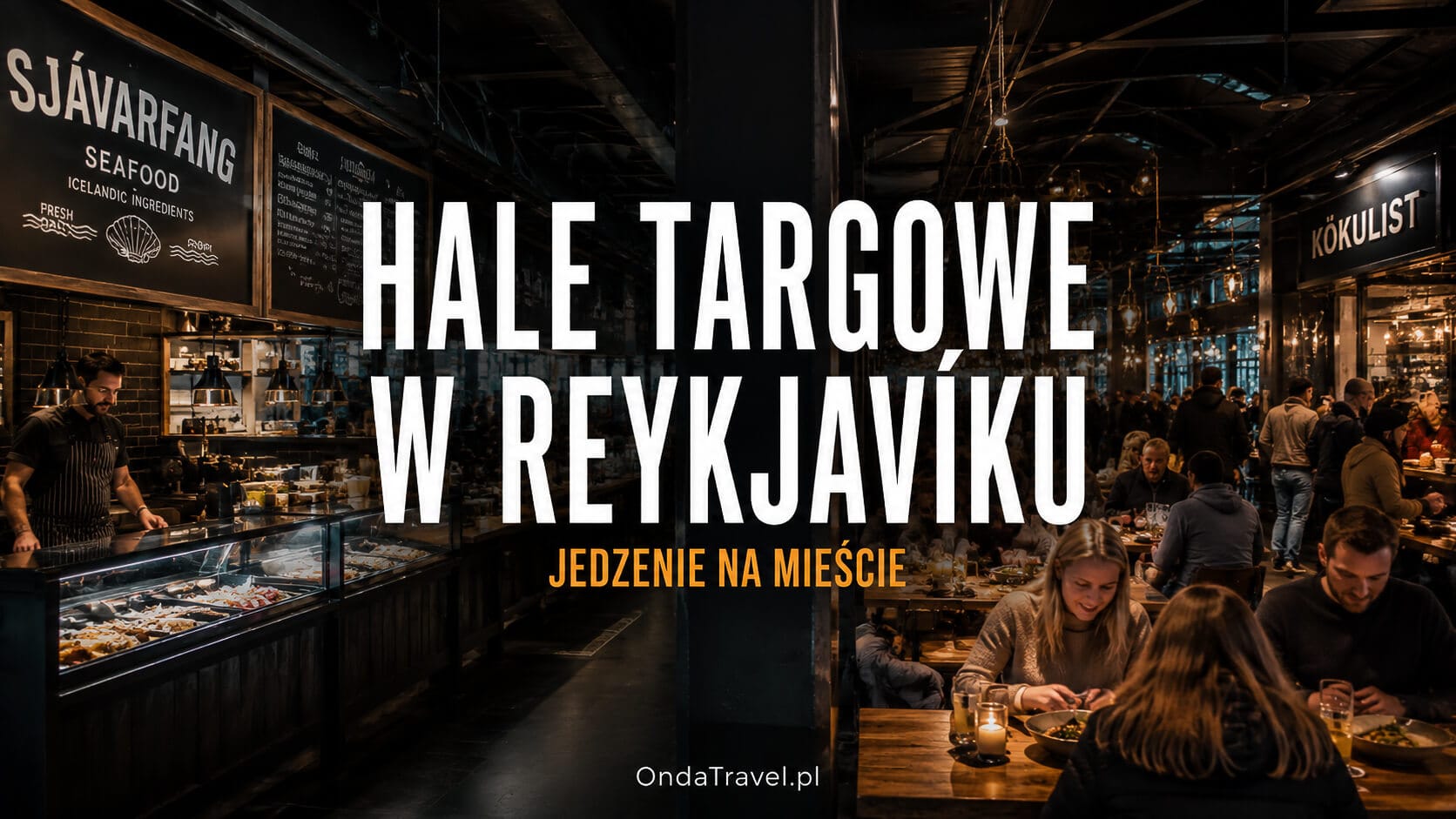
Food halls are the best way for a group with different tastes to eat without compromise and without a reservation. Hlemmur Mathöll by the old bus terminal and Grandi Mathöll in the harbor district each bring together a dozen or so stalls — burgers and fish, tacos, pizza and desserts — usually cheaper than a classic restaurant (2,000–4,000 ISK per dish). It’s a good option for your first or last evening in the city, before you set off on the route in our 7-day itinerary.
7-DAY PLAN
Iceland in 7 days — a sightseeing plan
A ready-made day-by-day route for travelers who want to see more without an unrealistic pace or empty driving time.
The most common food-related mistakes
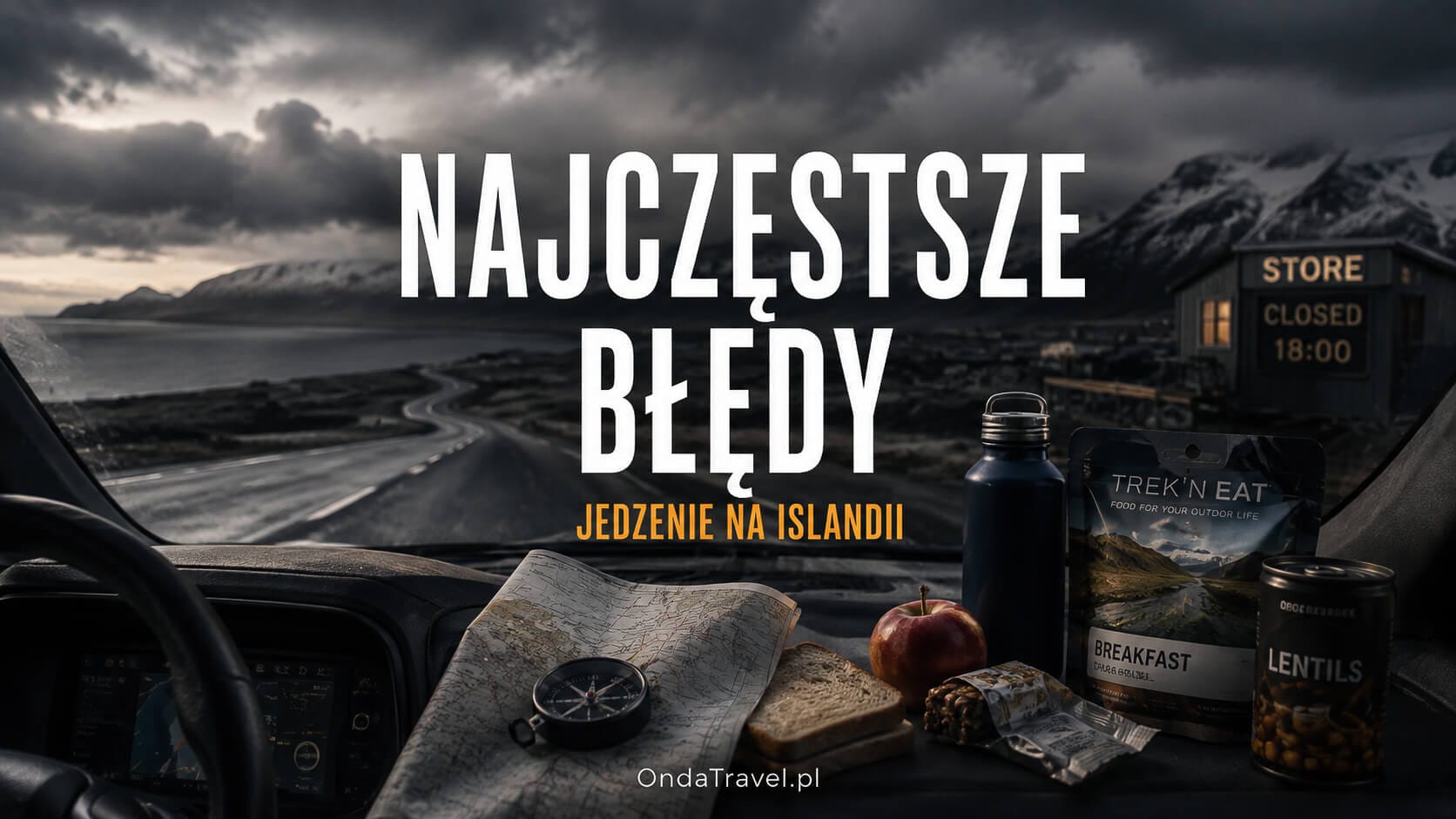
The most common mistake is the overly optimistic assumption that “something along the way will surely be open” — on many stretches of the Ring Road, especially off-season, shops and restaurants close early, and there can be dozens of empty kilometers between towns. Keeping a stash of food in the car (bread, nuts, snack bars, water) isn’t overkill, just standard backup. The second typical mistake is tipping “just in case” — in Iceland service is included in the price and tipping isn’t expected, though rounding up the bill for exceptional service won’t surprise anyone. The third is relying solely on a contactless card at unattended stations — more on that in the petrol station section above. We’ve gathered a full list of first-trip mistakes, including ones unrelated to food, in a separate guide: the most common first-trip mistakes in Iceland.

FIRST TRIP
The most common first-trip mistakes in Iceland
A too-tight schedule, the wrong car, no backup supplies, underestimating the weather, and other easily avoided mistakes.
FAQ: food in Iceland

FULL PREP
First trip to Iceland: how to prepare step by step
Food costs are part of your bigger trip budget. See the complete prep guide – from budgeting to your pre-departure checklist.
Is tap water in Iceland safe to drink?
Yes, and unusually so — Icelandic tap water is clean, cold and safe across the whole country. Buying bottled water is an unnecessary expense; restaurants and petrol stations will usually give you tap water free on request.
Do you tip at restaurants in Iceland?
It isn’t required — service is included in the price of the dish. Rounding up the bill for exceptionally good service is a nice gesture, but nobody expects it.
Can you eat cheaply in Iceland?
Yes, with the right strategy: shopping at Bónus or Krónan for most meals, hot meals at petrol stations on the road, and restaurants as an occasional extra rather than the everyday norm. There’s a floor you can’t get below, but the difference between eating with a plan and eating at random can run to several hundred percent a day.
How long are shops open outside Reykjavik?
Noticeably shorter than in the capital. In small towns, shops and restaurants can close as early as early evening, and Sunday hours can be even more limited — it’s worth planning your shopping ahead, especially off-season.
Is it worth trying fermented shark (hákarl)?
It’s more of a culinary curiosity than an everyday meal — the intense smell and ammonia taste catch most first-timers off guard. Worth trying a small bite for the experience, but don’t plan a whole meal around it.
Can I find familiar Western products in Icelandic supermarkets?
Yes, Bónus and Krónan have a wide, international selection, including plenty of familiar brands — though prices are noticeably higher than at home, so it’s better to treat them as a supplement rather than your only source of groceries.


Hi, I’m Krystian “dziadzia przewodnik” from OndaTravel.pl!
The North is my greatest passion, but the world is far too beautiful to stay in just one climate. On my blog, I combine the raw landscapes of Iceland and Norway with the exotic energy of Thailand or Vietnam, showing you how to travel authentically — with passion and a camera in hand.
What will you find on OndaTravel.pl?
Visual storytelling: As a photographer and filmmaker, I don’t just describe places — I take you there with professional photos and video.
North expert: Ready-to-use road trip plans for Iceland and Norway, smart tips for budget travel, and my original Northern Lights Radar (locations and forecast).
Travel through the lens of cinema: I track down filming locations — from icy scenes in Interstellar to tropical frames from world cinema.
New direction: Exotic destinations: I love contrast, so the blog is featuring more and more practical knowledge about Vietnam and Thailand. I’ll show you how to find your way around Southeast Asia and come back with your best memories.
P.S. follow me here


Author
Krystian „dziadzia przewodnik”The North is my greatest passion, but the world is too beautiful to stay in one climate. On my blog I combine the raw nature of Iceland and Norway with the exotic energy of Thailand and Vietnam, showing you how to travel authentically, with passion and a camera in hand.