
Protests and riots in France: What’s happening and is Paris safe?
Protests and riots in France: current situation, safety in Paris, transport disruptions and practical advice for travellers.

Contents · 18 sections
- What is happening in France now? Latest developments
- Is Paris safe for tourists?
- Why do protests happen so often in France?
- What residents say: the sources of anger beyond official statements
- France since 2018: a history of the major protests and riots
- Should you cancel your trip to France? How to make a sensible decision
- Flying to France during strikes: CDG, Orly and Beauvais
- Metro, RER, buses and trains: where to check for disruption
- Are the Louvre, the Eiffel Tower and other attractions open during protests?
- What should you do if protests or riots break out near your hotel?
- France with children, older people and people with reduced mobility
- Emergency numbers and assistance for Polish citizens in France
- Cancelled flights or trains: refunds, rerouting and insurance
- How can you check whether your destination and route are safe?
- How to plan a safer stay in Paris: a practical plan
- Read also
- Frequently asked questions about protests and riots in France
- Sources and useful official websites
At a glance
Protests and riots in France do not mean that the whole country is unsafe for tourists. The greatest disruption usually affects specific streets, squares and stations at the times when demonstrations take place. Before travelling to Paris or another French city, check updates from local authorities, transport services and your operator. If you find yourself near clashes, move towards a quieter area, keep away from the gathering and, in an emergency, call 112.
| Question | Answer |
|---|---|
| Is it possible to travel to Paris? | Yes, but your decision should be based on current advice for your specific dates and district. |
| Are the metro and airports operating? | Check the status of your specific line, station and flight; disruption can be localised. |
| What should you do near riots? | Move away from the gathering and follow instructions from the authorities; in an emergency, call 112. |
| When was the information checked? | 18 October 2026. Current updates from the authorities and transport operators take priority. |
France has seen mass protests for years: from the yellow vest movement and strikes over pensions to demonstrations by young people and workers. Not every demonstration turns into a riot. For travellers, what matters more than the headline itself is where and when a protest is taking place, whether transport is running and how to change your plans for the day safely. In this guide, we explain the background to events, provide reliable sources of information and answer questions from people planning trips to Paris, Lyon, Marseille, Nice and other cities.

Check out my YouTube channel and travel with me.
Follow the channel for videos, routes and practical travel inspiration.
Follow me here:
What’s up?
Enjoying my content?
Buy me a coffee at buycoffee.to/ondatravel and support the creation of more travel content.
Your support helps me create more practical guides, videos and travel inspiration.

What is happening in France now? Latest developments
As of 18 October 2026. The previous day, large demonstrations took place across France against the rising cost of living, underfunded public services and problems in education. According to the French interior minister, they drew around 550 thousand people, including around 110 thousand in Paris. Organisers estimated nationwide attendance at around 800 thousand. These are two different estimates, not a single confirmed figure.
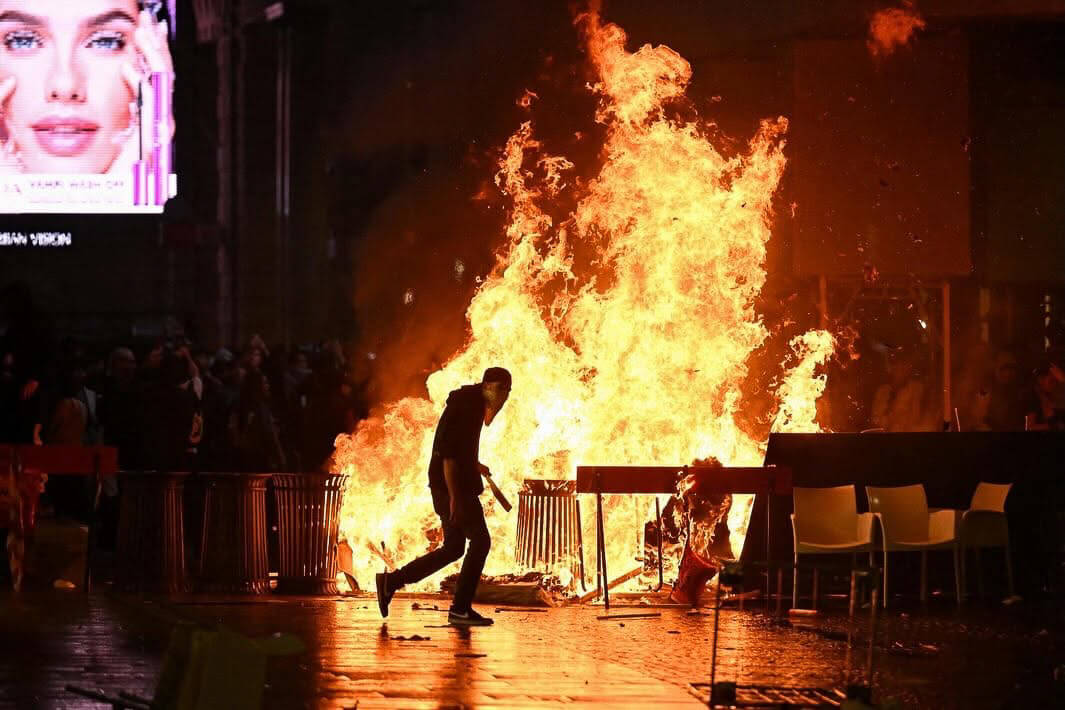
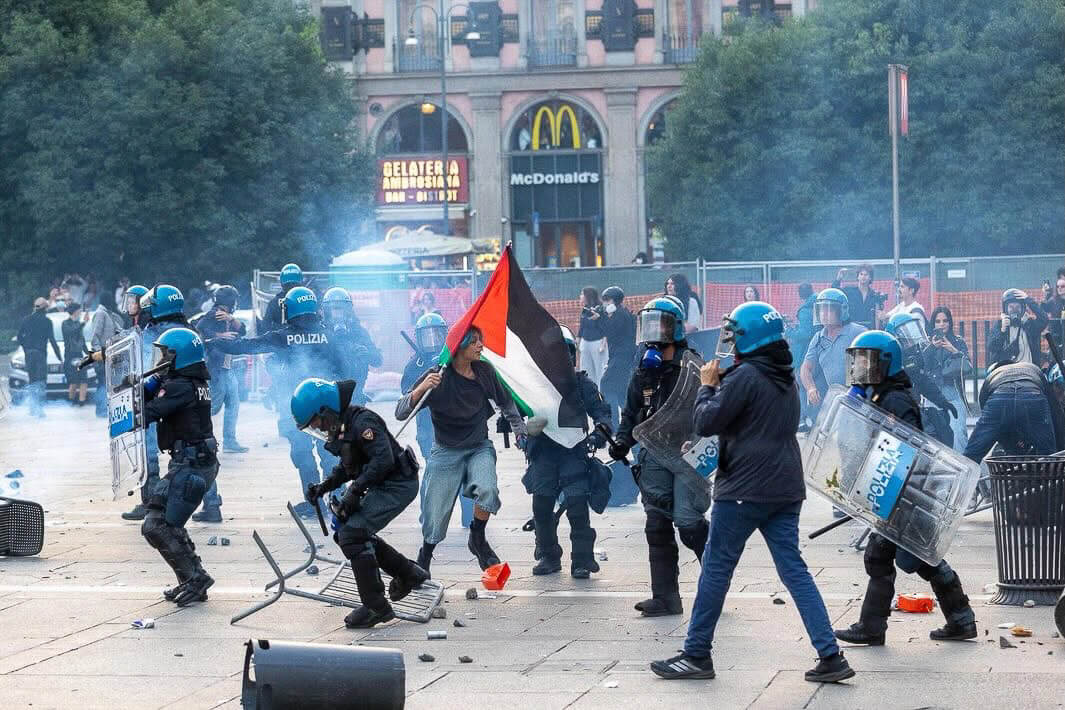
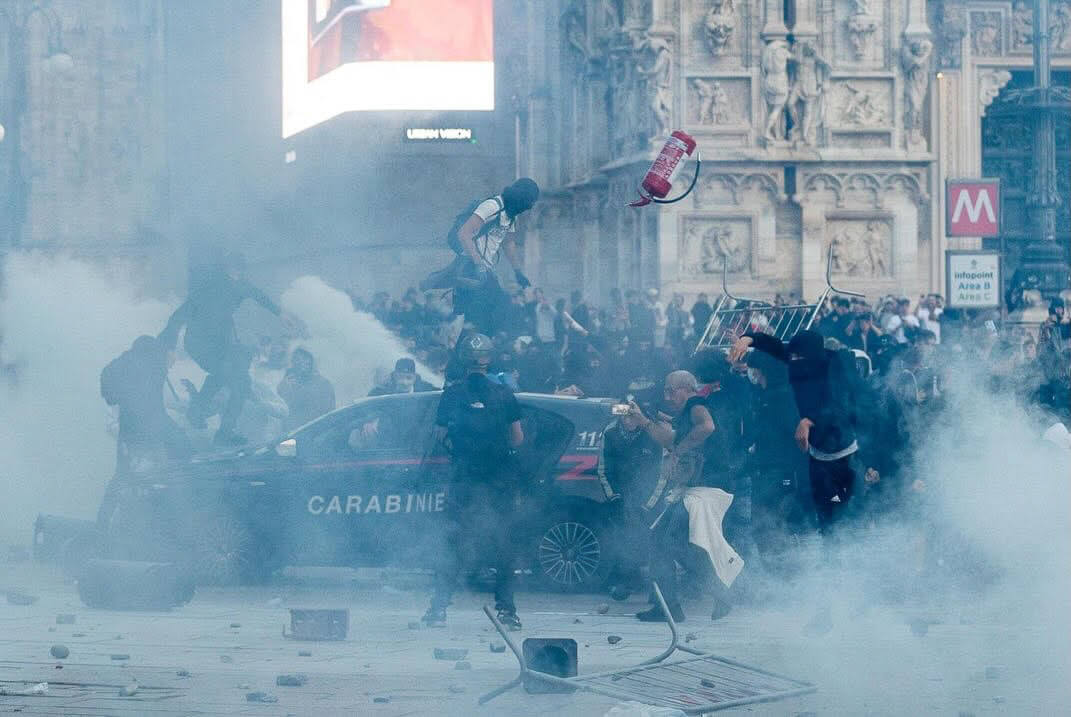
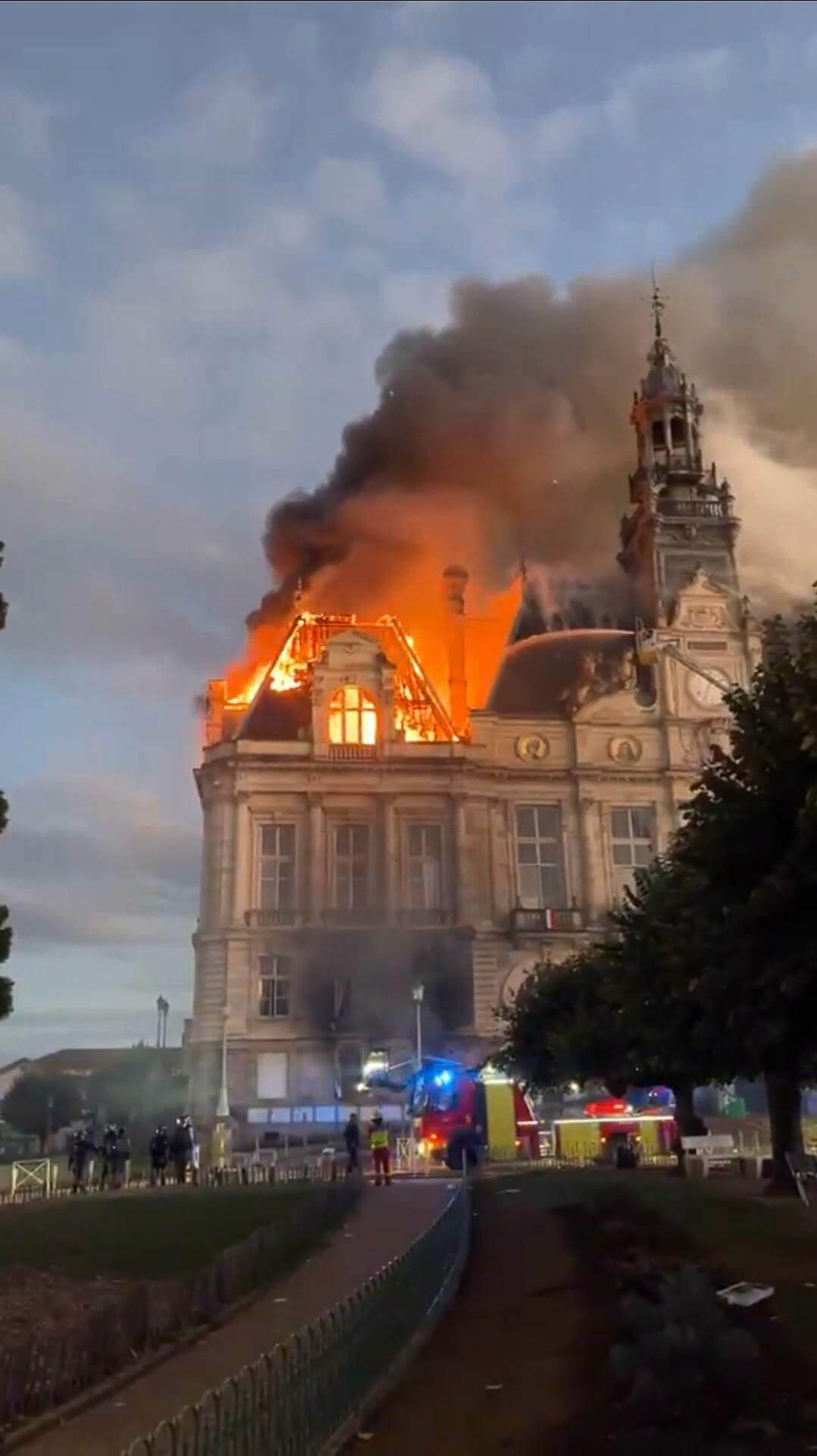
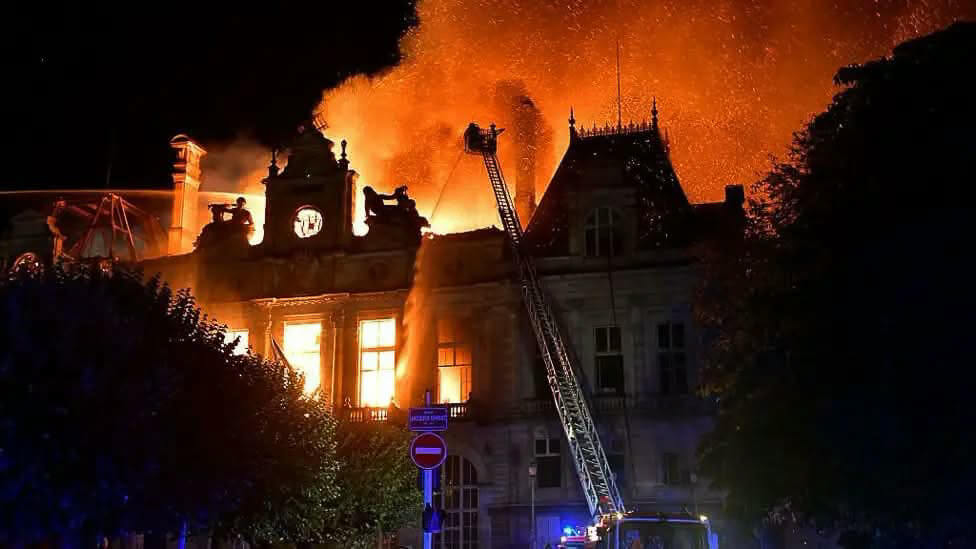
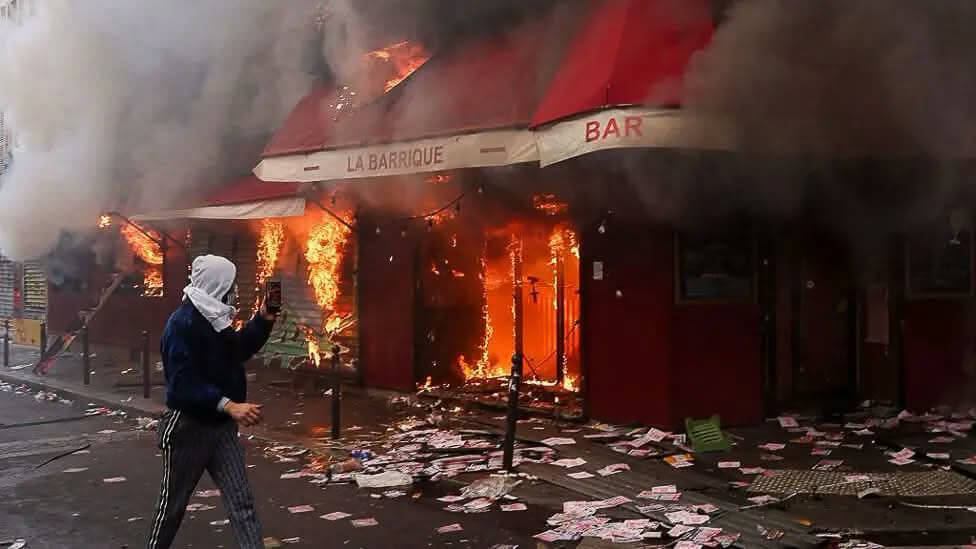
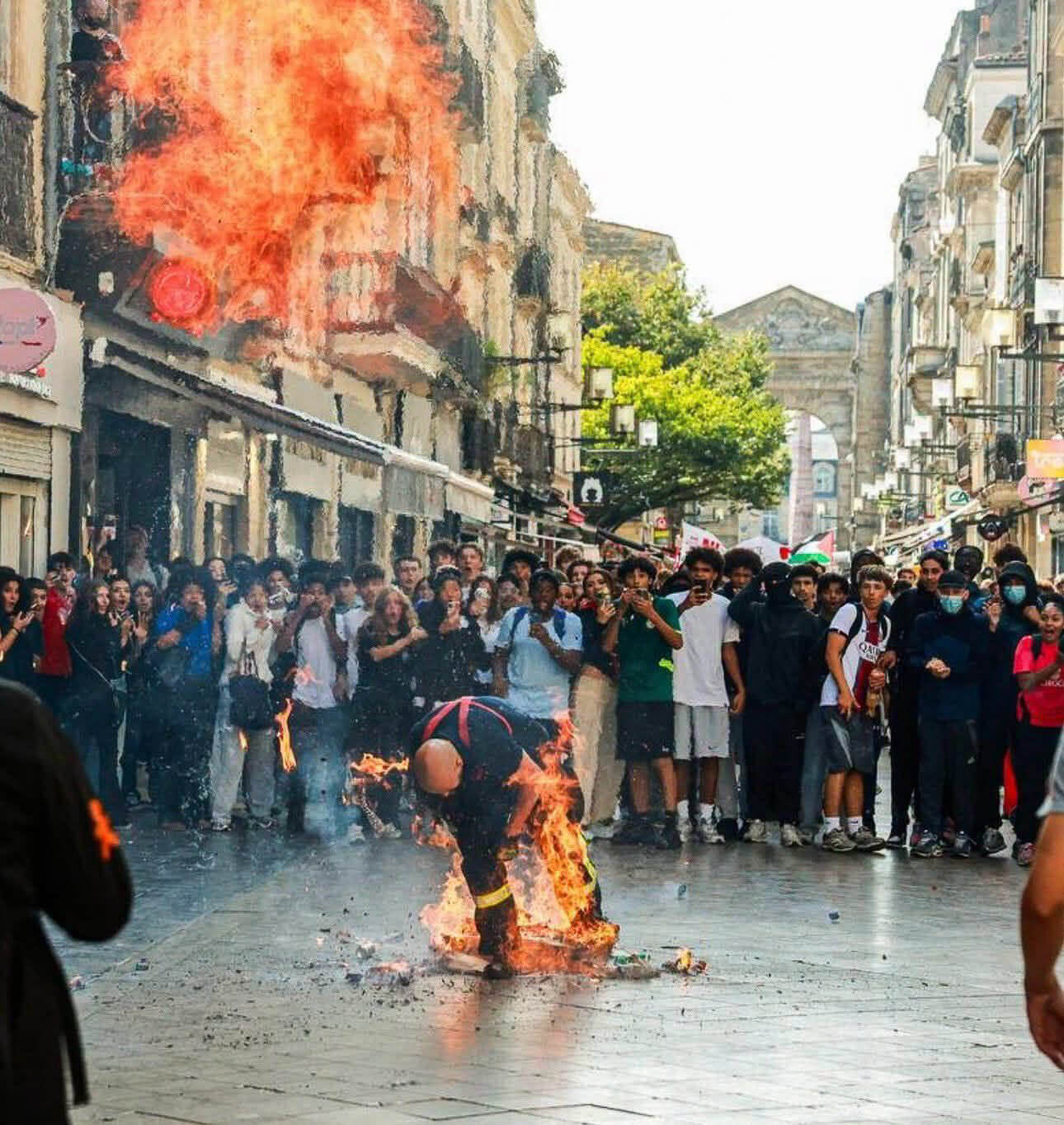
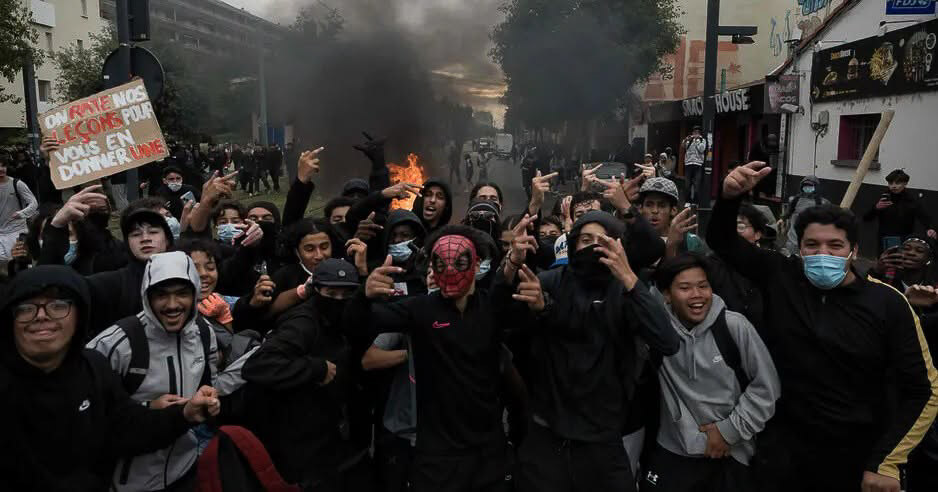
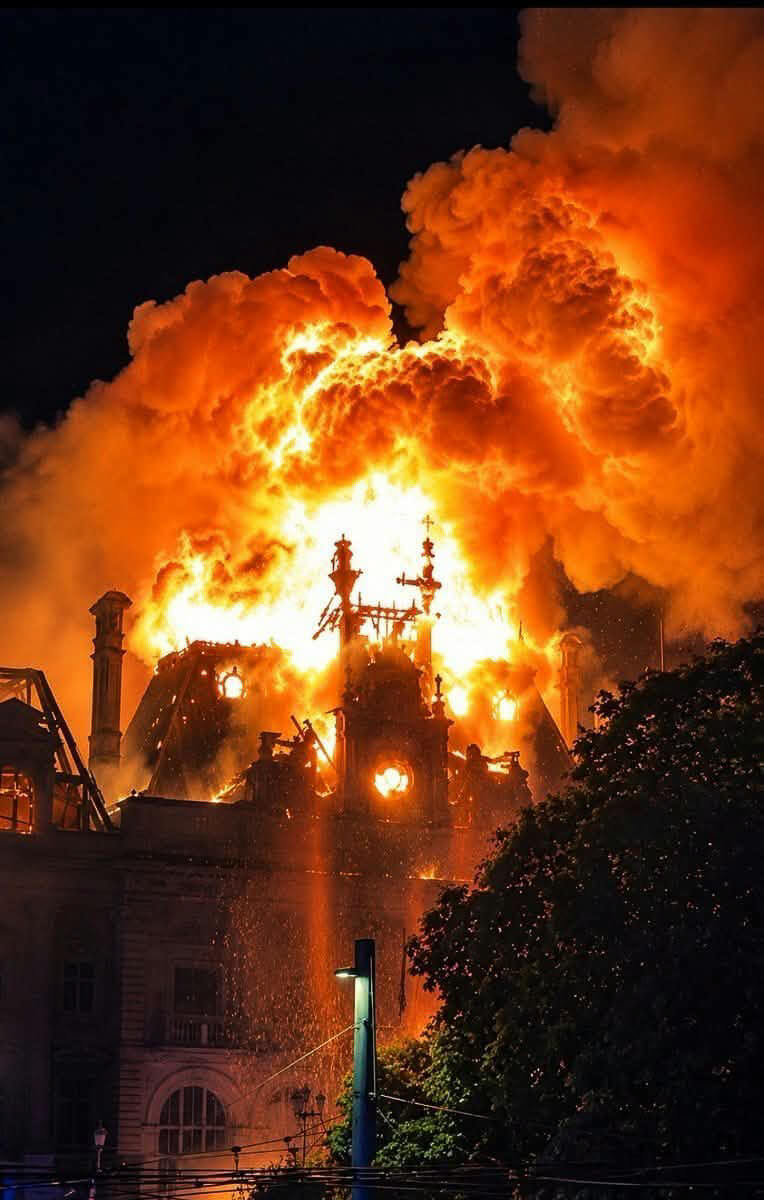
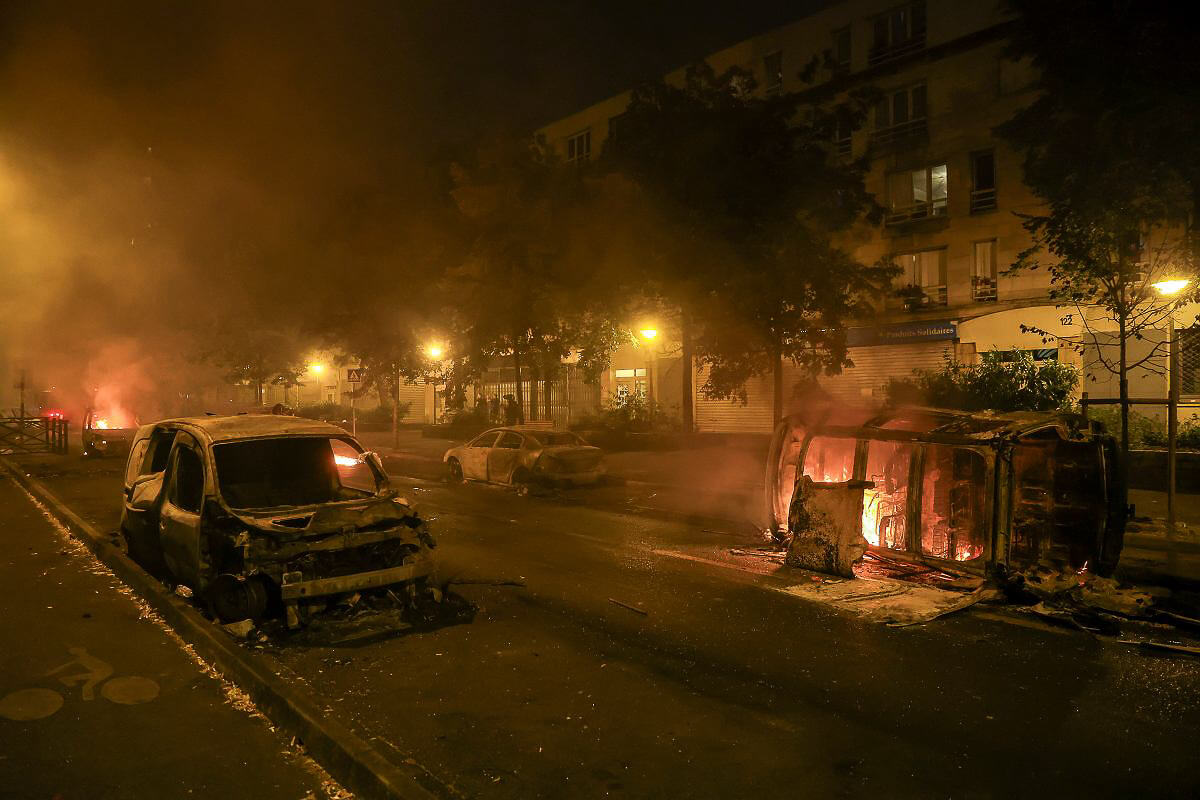
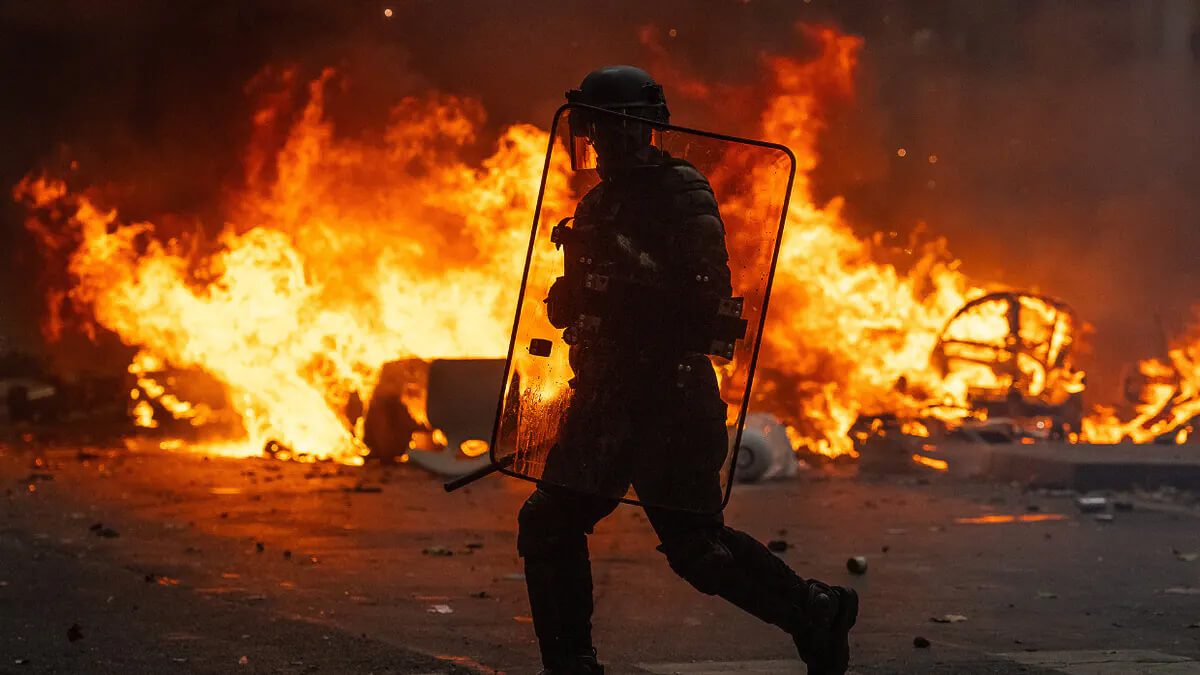
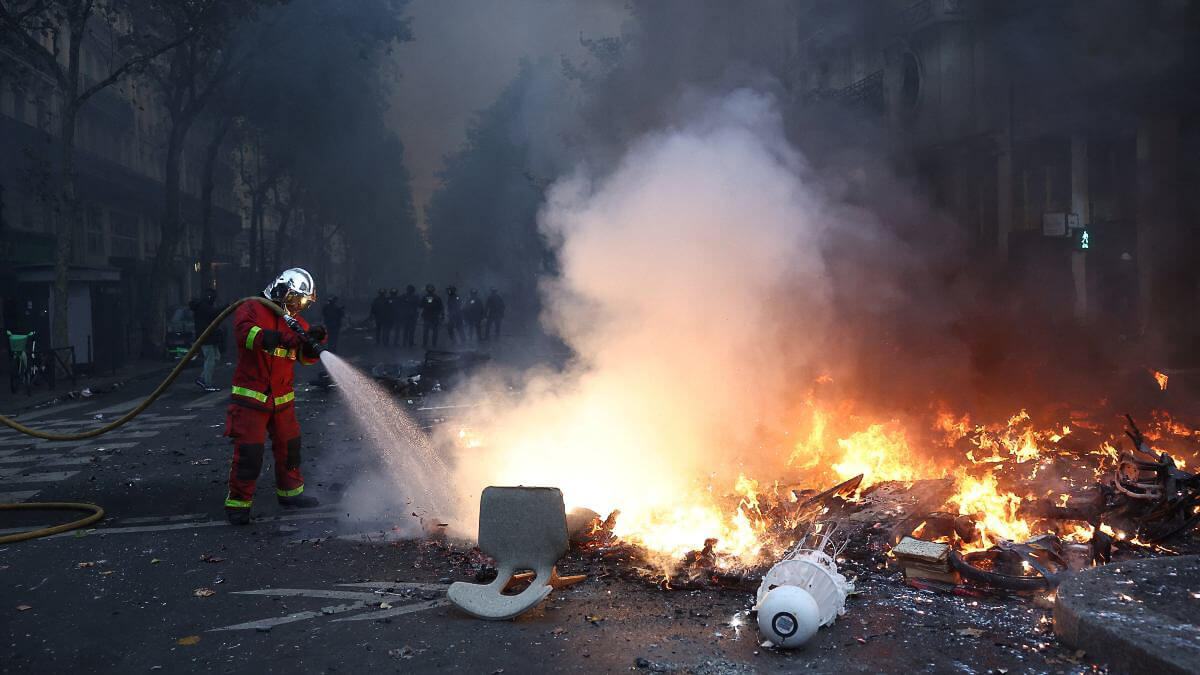
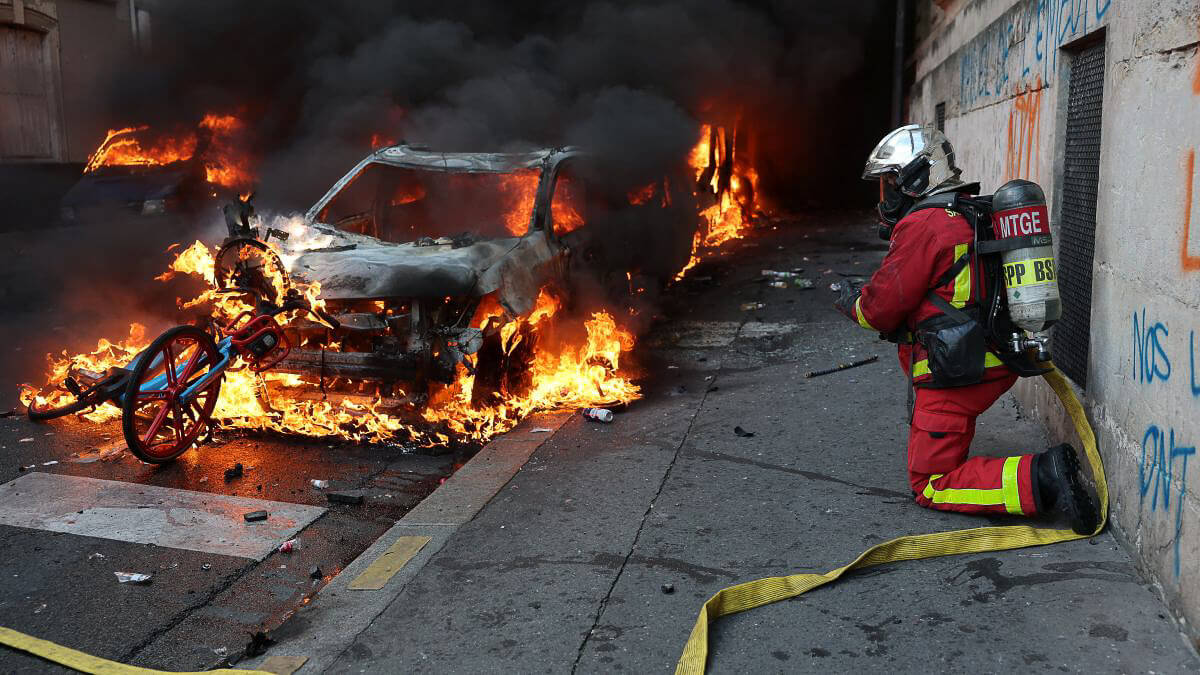
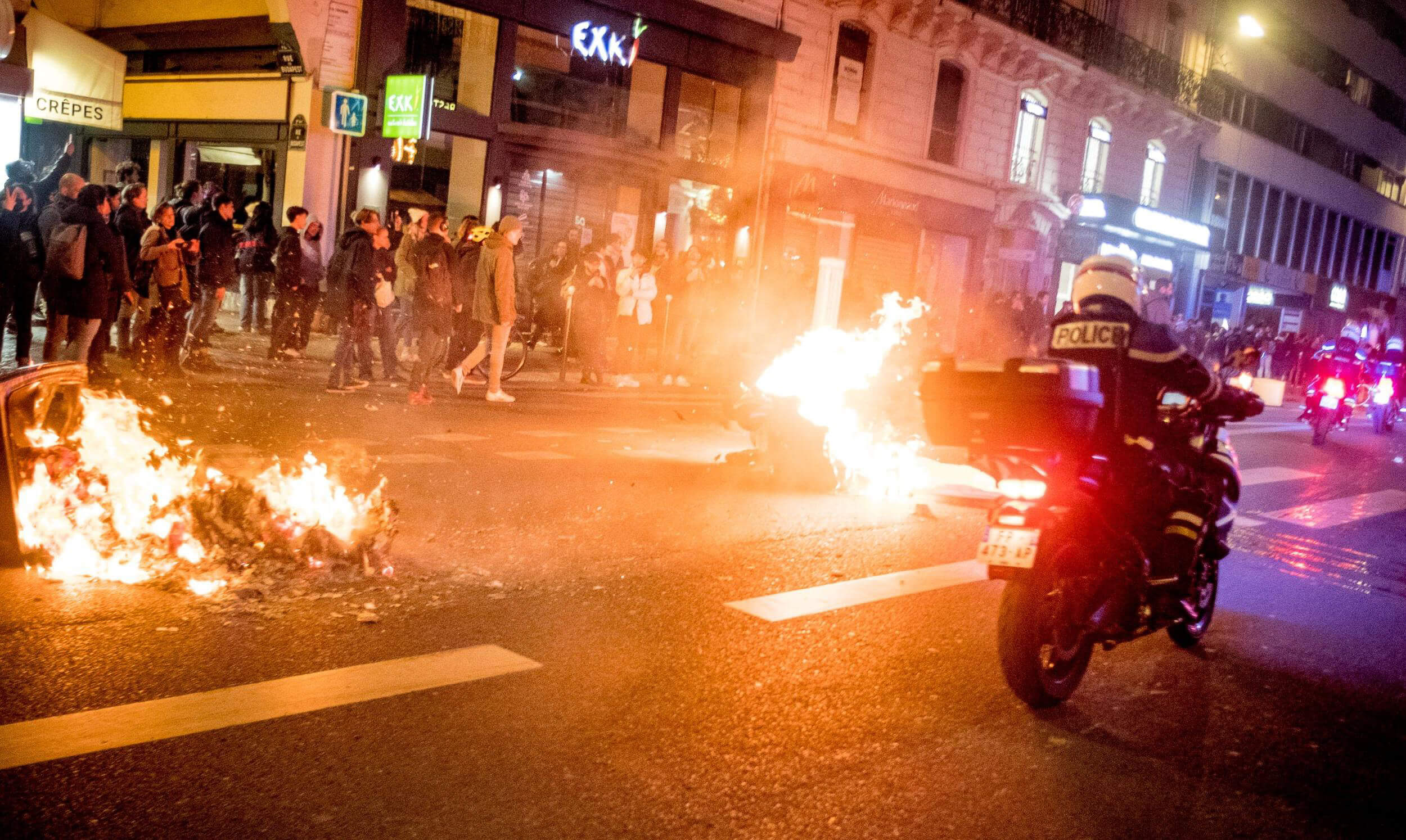
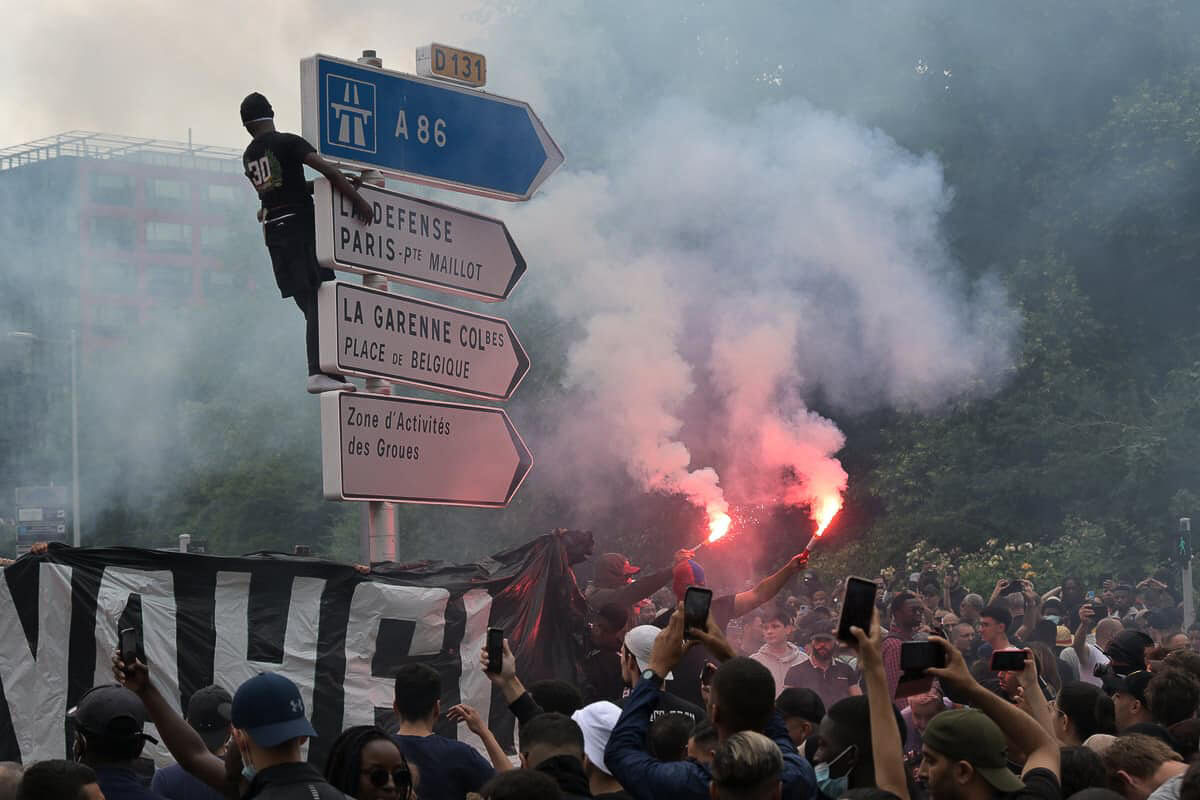
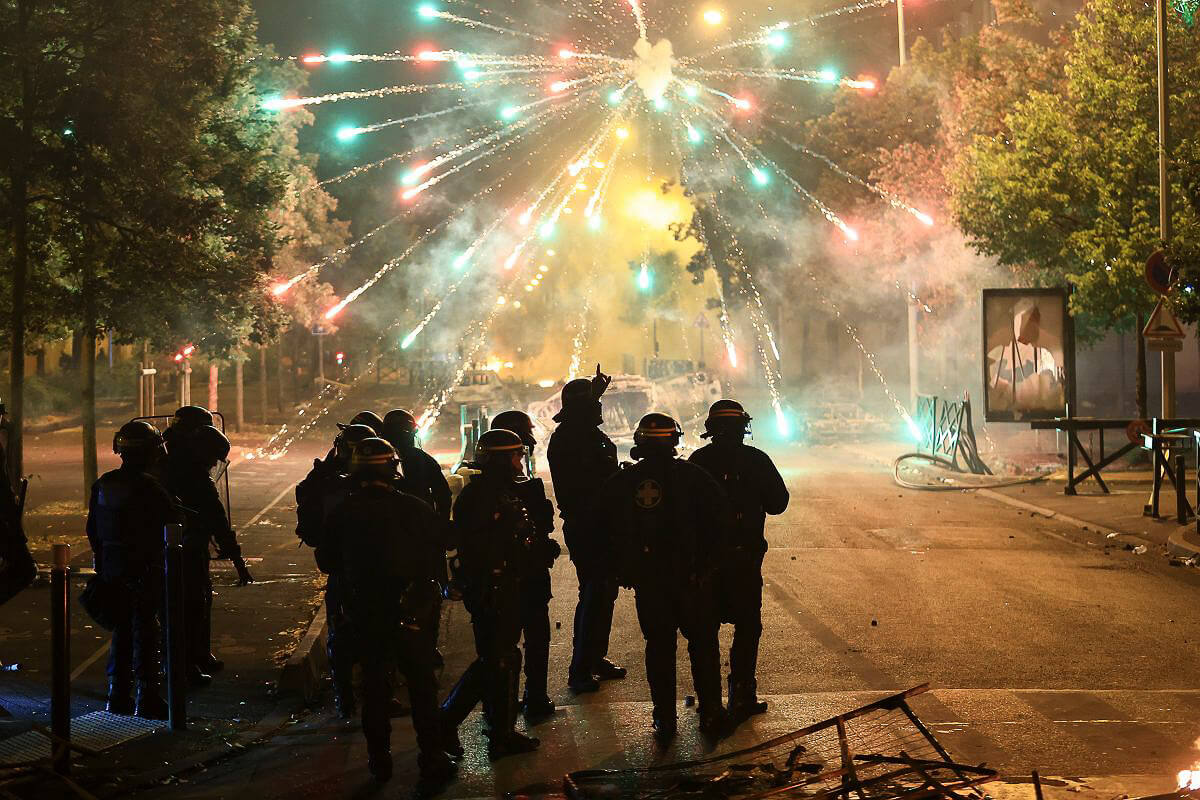
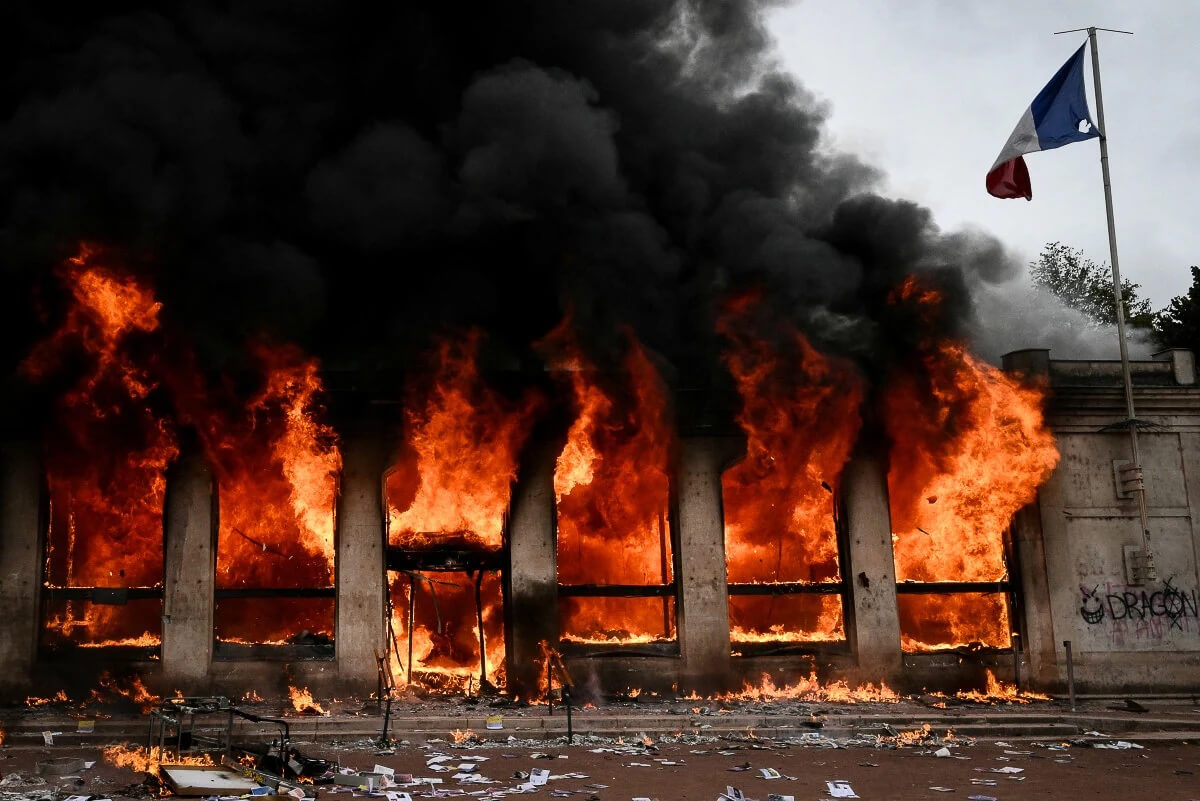
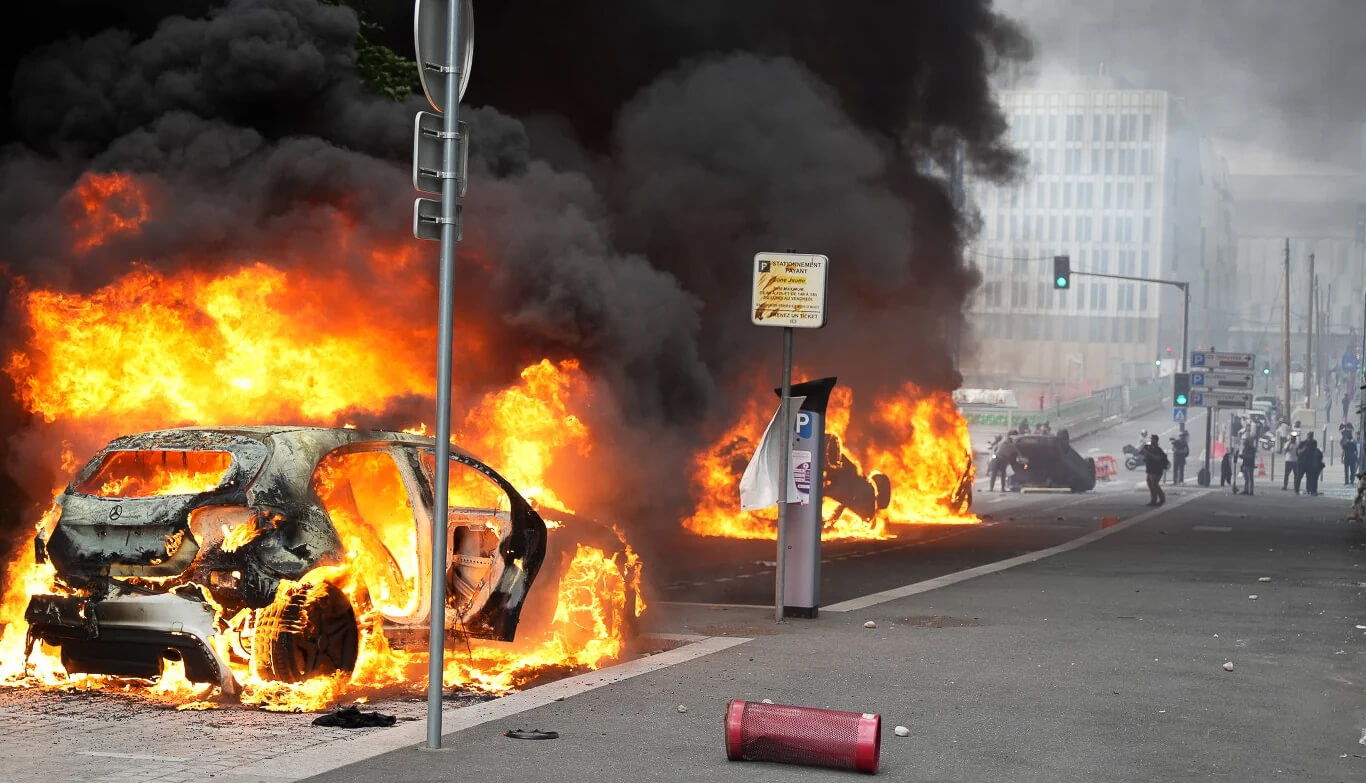
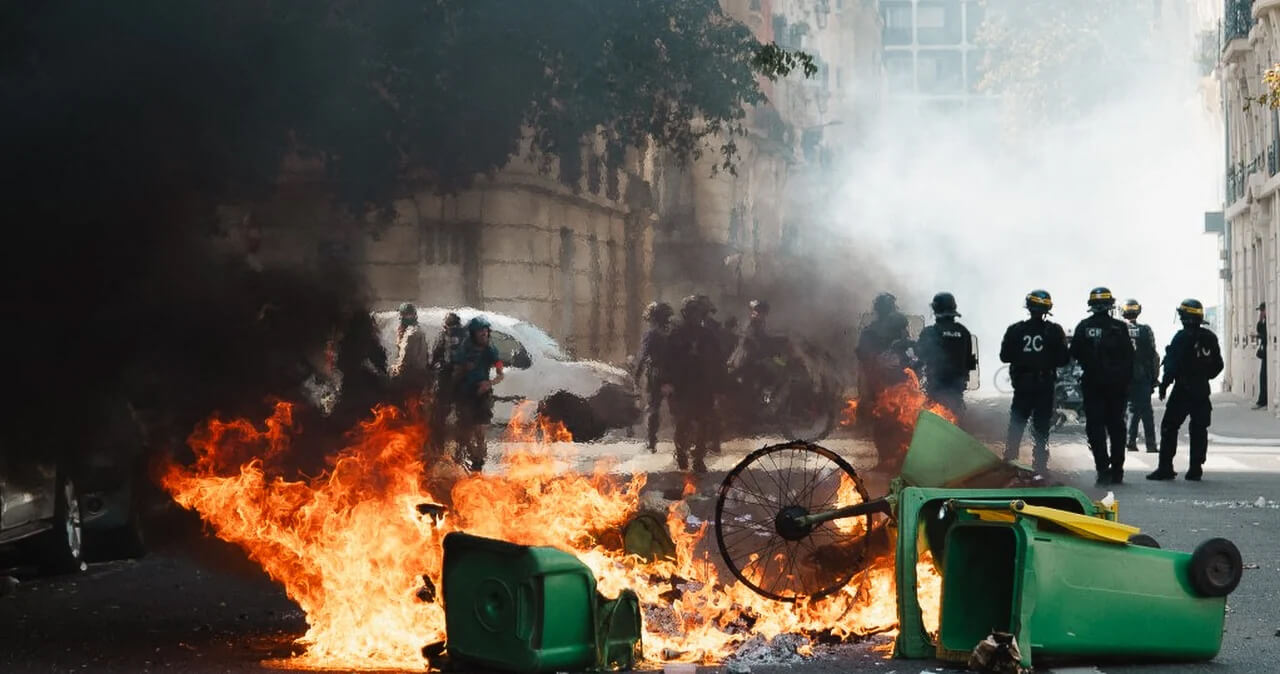
The vast majority of participants demonstrated peacefully. In some cities, however, clashes with police, fires, property damage and looting took place around the demonstrations. Serious incidents were reported in Paris, Lyon, Marseille, Lille and Limoges, among other places. In the last of these cities, the town hall was damaged. The situation varied even between districts within the same city.
What happened beforehand also matters. In the autumn, protests began in schools and universities. Young people drew attention to teacher shortages, learning conditions and their institutions’ financial problems. Other groups later joined the demonstrations, including trade unions and people unhappy about the cost of everyday life. It is therefore inaccurate to treat all protesters as one group or to claim that every demonstration had the same cause.
What does this mean for tourists? Above all, the possibility of sudden closures affecting streets, stops, metro stations and certain venues. Reports of riots in a few cities give no grounds for concluding that all transport in France has stopped or that every visit to Paris should be cancelled. Specific services and routes need to be checked for the day in question.
Key updates
- 18 October 2026: following Saturday’s demonstrations, the scale of events and the damage are still being assessed. Attendance figures should not be confused with the number of people involved in clashes. Check transport and prefecture updates for current restrictions.
- 17 October 2026: large demonstrations in many cities; riots broke out in some places. Attendance estimates: 550 thousand according to the authorities and 800 thousand according to organisers.
- 16 October 2026: the Polish Embassy warned of protests by school and university students, possible blockades, transport disruption and an unstable security situation.
- 13 October 2026: young people continued to protest over conditions in education; Reuters reports indicated demonstrations across the country.
- 2 October 2026: the Polish embassy highlighted blockades of secondary schools, local traffic disruption and the need to follow updates from the authorities.
This is a dated summary, not a live incident map. Disruption can change within a dozen or so minutes. When travelling, updates from the authorities, transport operators and venue staff take priority.
Is Paris safe for tourists?
There is no single answer that applies to every street, date and person. Paris does not stop functioning as a city simply because demonstrations are taking place. Shops, hotels, restaurants and most attractions may be operating, although the situation close to a protest can be very different. A route you could use freely to reach a museum in the morning may be closed by police in the afternoon. Metro trains sometimes pass through a station without stopping, too.
The most sensible assessment of safety takes three things into account: exactly where you are staying, your dates and your ability to change your plans. If you are staying a few streets from the announced route of a large demonstration, plan an alternative way to reach your accommodation and avoid returning through a crowd late in the evening. If you are travelling with a small child, an older person or someone with reduced mobility, allow more extra time and avoid changing transport near gatherings.
However, do not assume that any district is unsafe simply because a protest once took place there. Routes and gathering points change. An area that was quiet during one demonstration may be on the route of another. Equally, there is little point in declaring a particular hotel or station “always safe”. Pay attention to current advice, rather than sensational maps circulating on social media.
Which parts of Paris sometimes see demonstrations?
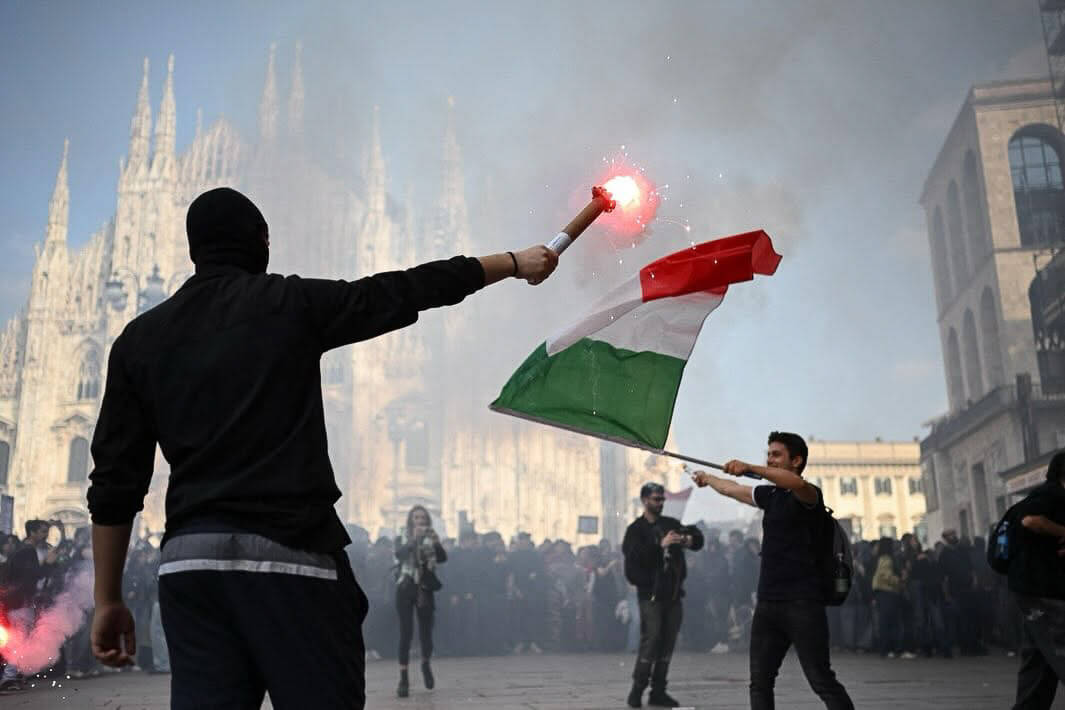
Large demonstrations often pass through the capital’s well-known squares and major roads. Reports over the years have mentioned areas around République, Bastille, Nation, Opéra, Madeleine and the Champs-Élysées, among others. These are examples of past gathering points, not a list of places currently closed or areas you must always avoid. On the day you travel, check the route of the specific event as announced by the police prefecture or local media reporting information from the authorities.
The biggest trap when sightseeing is relying solely on a map that shows the shortest route. An app may not immediately know about a police cordon, a temporarily closed station or a change in traffic arrangements. If you are unsure, ask a member of hotel or transport staff and choose a longer, quieter route.
Why do protests happen so often in France?
Demonstrations have a long tradition in France and are a visible part of public life. Trade unions, students, farmers, community organisations and people with no organisational affiliation take part. The reasons vary: sometimes it is tax policy, at other times wages, pension reform, education, working conditions or policing. There is therefore no single answer to the question “Why do the French protest?”.
In recent years, many disputes have shared a sense that the cost of living is rising faster than households can afford, while public services are becoming harder to access. Added to this are disagreements about the direction of state reforms and how decisions are made. For some people, taking to the streets is an attempt to influence policy; for others, it is a way to show solidarity with a particular group.
A protest, a strike and a riot are not the same thing. A protest may be a lawful march or a peaceful gathering. A strike involves stopping work and can bring transport to a standstill without any clashes. Riots are violent incidents that disrupt public order. These situations need to be distinguished when describing events, as an accurate assessment of the risk to travellers also depends on that distinction.
What residents say: the sources of anger beyond official statements
Official statements on public order, the budget or reforms describe only one layer of the crisis. When discussing protests, some French people focus above all on the economics of everyday life: the cost of commuting, energy and housing, job insecurity, and whether people outside major cities can still easily reach a doctor, a government office or public transport. This is not a single, uniform “voice of the street” — experiences differ between Paris, small towns, villages and suburbs, and between service workers and farmers — but these themes recur in research on social mobilisation.
More than the price of fuel: feeling abandoned and bearing an unequal burden of reform
For the yellow vest movement, rising fuel costs were the spark, but for many people they came to symbolise a wider problem: decisions made centrally affect people who depend on cars and are less well served by public services. A research project funded by the French National Research Agency, ANR, brought together surveys conducted at roundabouts and demonstrations, along with thousands of online responses, examining issues including insecurity, transport, taxes, inequality and attitudes towards democracy. The project’s methodology shows the scale and complexity of these voices — the whole movement cannot be reduced to a single slogan or political party.
The strongest concern is having no say in decisions
The dispute is not solely about money. In a CEVIPOF survey from February 2026, only 22% of respondents said they trusted politics, 15% trusted political parties and 20% trusted the National Assembly; at the same time, 60% trusted mayors. This contrast helps explain why calls for referendums, local control and “being heard” recur across very different groups. The full analysis of the CEVIPOF barometer should be read as a picture of public sentiment, rather than a mandate for any political programme.
Security, migration and how the state operates — real disagreements, no single answer
The debate also includes concerns about security, migration, integration and law enforcement. Some residents see these as central issues, while others firmly reject linking them to every protest. Meanwhile, human rights organisations have documented concerns about the treatment of peaceful demonstrators; an Amnesty International report described the use of criminal law against some protest participants and called for changes. This does not negate the violence or damage caused by people involved in riots. It does show, however, that for many people, the experience of feeling powerless in the face of institutions is another source of anger.
What this means for travellers: it is worth listening to local accounts and taking seriously the issues that residents consider important. However, individual opinions, online videos and political simplifications must not be applied to the whole of France or to a particular city. When assessing risk, the date, precise location and current updates from the authorities and transport operators still matter.
France since 2018: a history of the major protests and riots
2018–2019: the yellow vests
The gilets jaunes, or yellow vest, movement began mass demonstrations in November 2018. One of the initial grievances was the rise in fuel-related taxes and charges. Over time, the protests broadened to cover the cost of living, inequality, taxation and the relationship between citizens and the government.
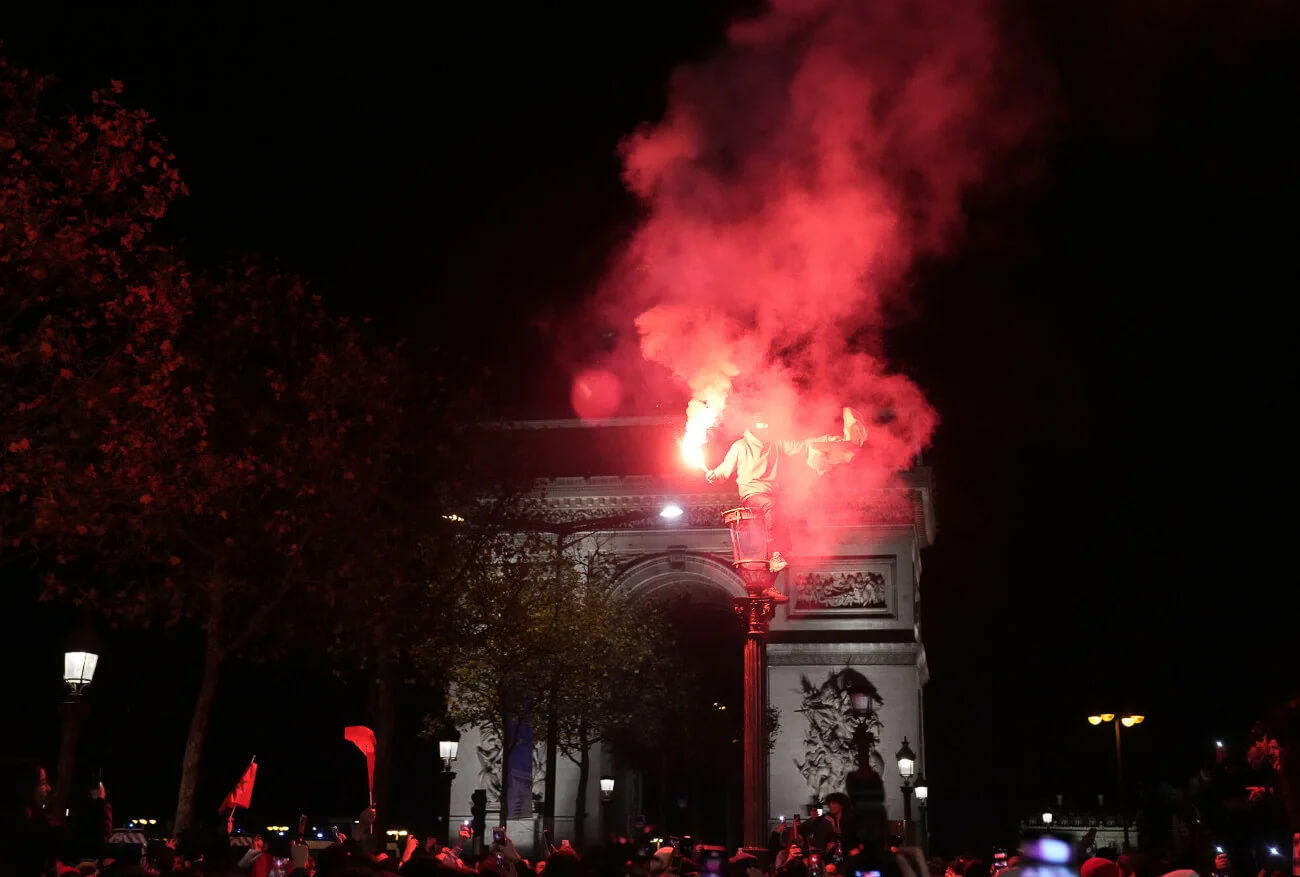
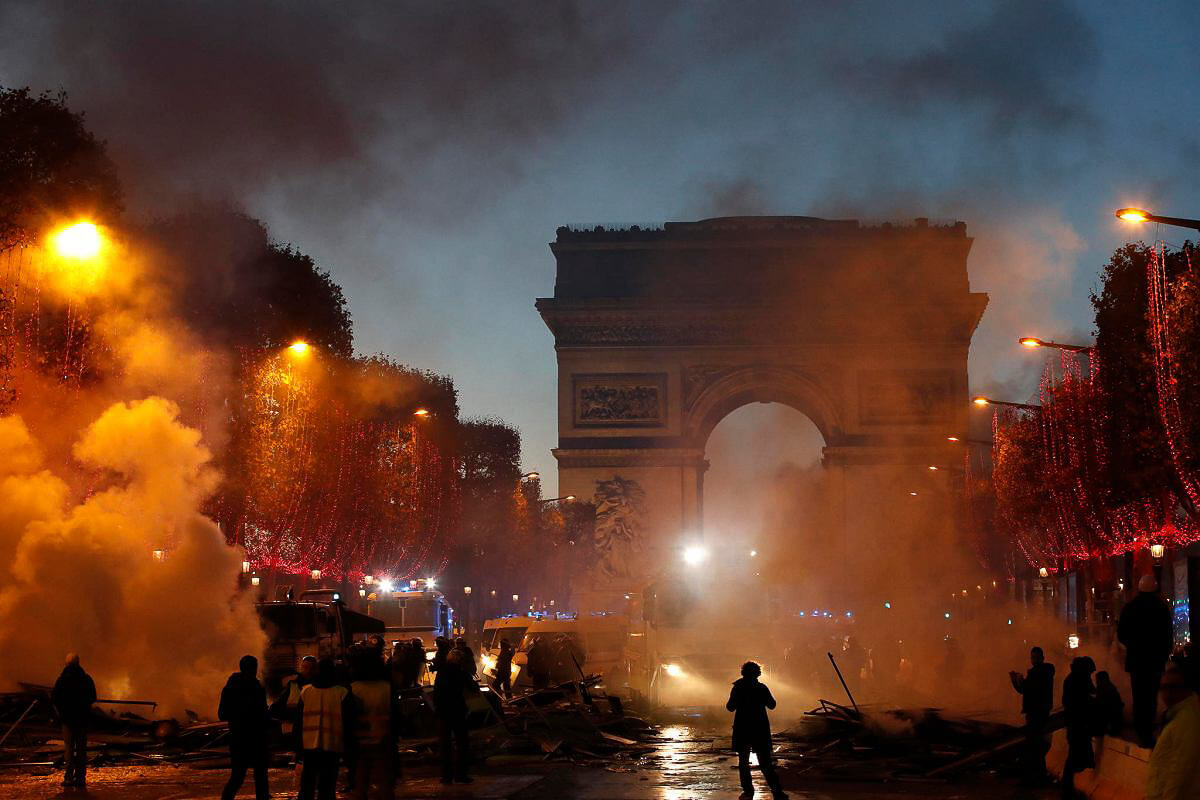
Many marches and blockades took place on Saturdays. In Paris, events on the Champs-Élysées and around the Arc de Triomphe were particularly memorable. Alongside peaceful participants, some groups engaged in violence and vandalism. For tourists, the key lesson from that period was simple: weekend plans in the city centre could need changing even when the rest of the trip went smoothly.
2019–2020: prolonged transport strikes
The next wave of protests concerned a planned pension reform. Disruption to rail services and public transport in Paris, beginning in late 2019, was particularly severe. Travellers could find themselves stranded by reduced train and metro services without witnessing a single riot.
This period clearly shows why the phrase “protests in France” is not enough to plan a trip around. For passengers, what often matters most is whether their service is running, whether they have a viable alternative and what rights they have if it is cancelled, rather than how many people are demonstrating.
2023: pension reform and major demonstrations
In 2023, nationwide protests once again focused on pensions, this time over a reform that would raise the statutory retirement age from 62 to 64. Demonstrations and strikes affected many sectors, including transport. Depending on the day, train and metro services were reduced, or access to certain services was limited.
For visitors, the gatherings themselves were not always the only problem. The logistics of entire days could change: getting from the airport, taking a trip outside Paris or arriving at a museum for a booked time slot. When planning a journey with several connections, it therefore helps to know the ticket cancellation terms and have a backup plan for sightseeing closer to your accommodation.
June and July 2023: riots following Nahel’s death
On 27 June 2023, in Nanterre, west of Paris, 17-year-old Nahel was killed during a police intervention. Violent protests and riots broke out in many cities over the following days. The events prompted widespread debate about policing, unequal treatment of citizens and the relationship between the state and residents of the suburbs.
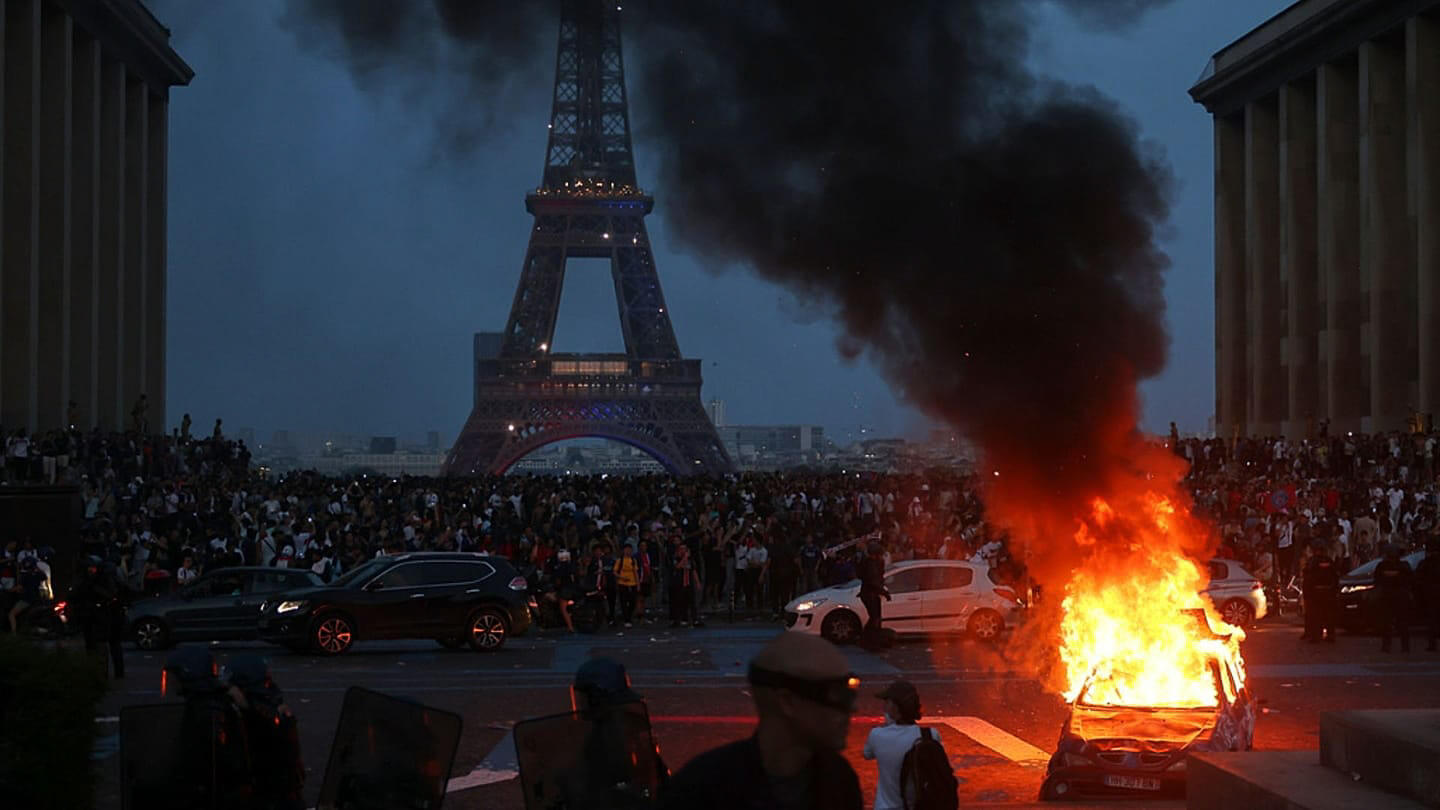
This wave had a different background from the disputes over pensions or fuel prices. In some places, restrictions affected evening activities, transport and public spaces. For travellers, the priority was to follow local updates rather than draw conclusions about the whole of France from footage filmed in a single city.
2024: farmers’ blockades
In early 2024, French farmers staged protests over issues including the profitability of farming, costs and regulations. Tractors, vehicle convoys and blockades of major roads became the hallmarks of this wave. For tourists travelling by car or bus, the situation could be far more disruptive than for someone exploring a single Paris neighbourhood.
The lesson for future trips: during strikes and blockades, check not only your destination city but also motorways, ring roads, airport access routes and roads between regions.
2025: “Bloquons tout” — “Let’s block everything”
In September 2025, protests organised under the slogan Bloquons tout expressed dissatisfaction with economic policy and the political situation. Roads were blocked and travel disrupted in many cities. Once again, a headline about “France at a standstill” did not mean that every airport and railway line had literally stopped operating.
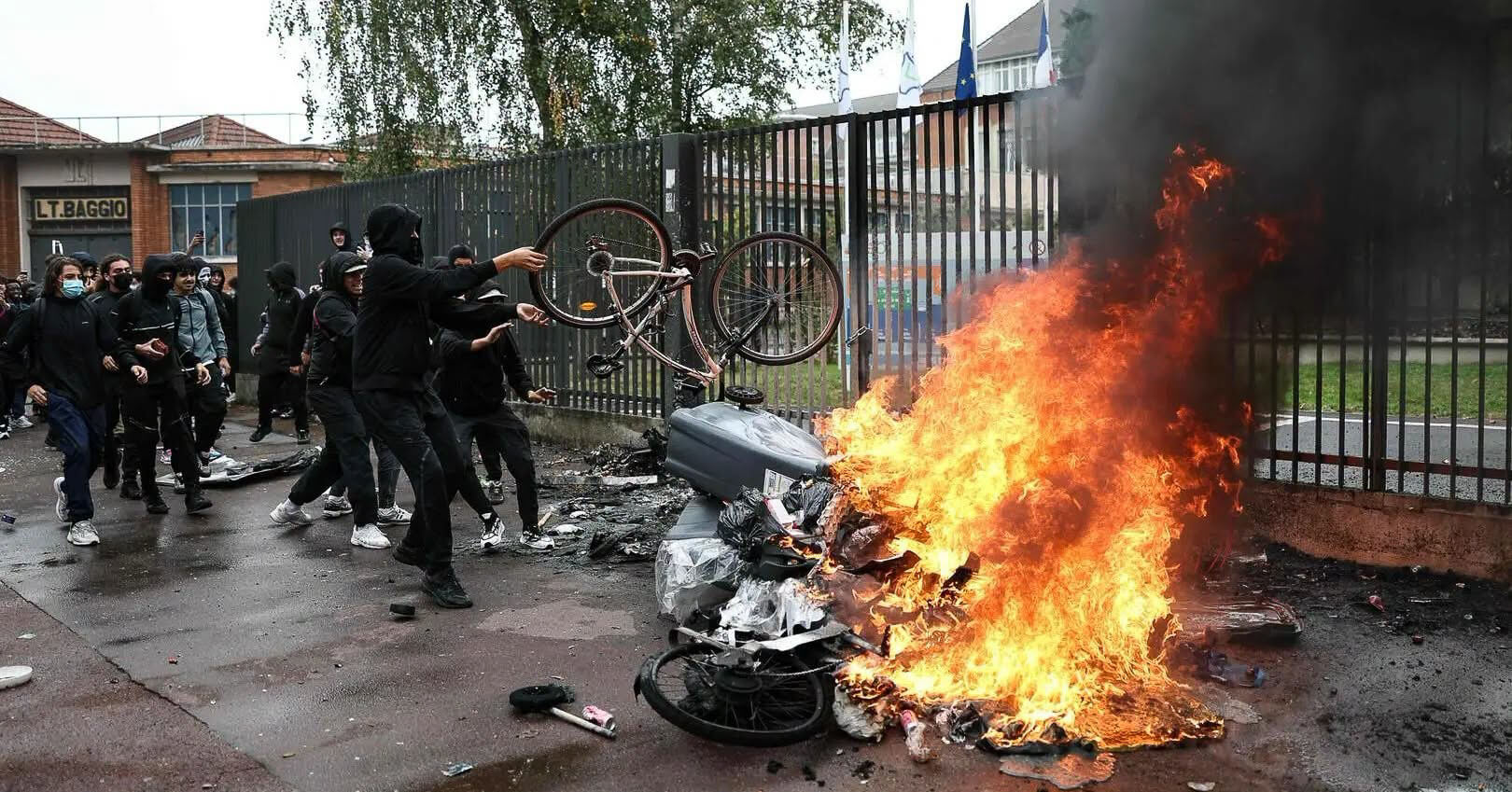
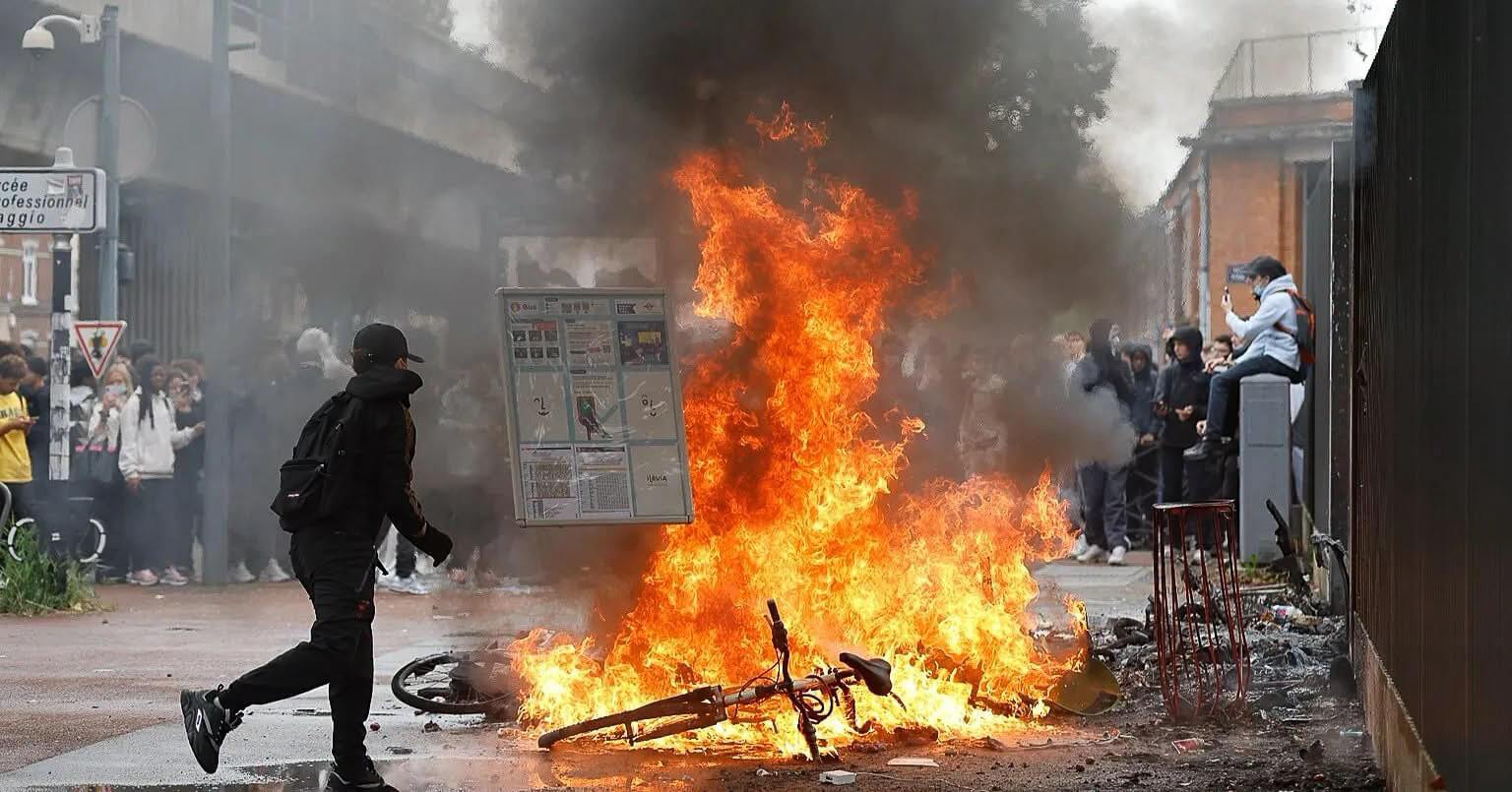
When assessing news about protests, pay attention to when it was published, the source and the scale of events. A photograph of a burning bin may be authentic, but on its own it does not tell you whether a particular train is departing.
2026: young people, schools, the cost of living and further mass marches
In September and October 2026, attention turned to the state of schools, teaching conditions and funding for public services. Over time, the demonstrations drew in other groups raising concerns about wages, prices and inequality. On 17 October, mass marches took place, with violent incidents in some cities.
Recent history shows that successive waves do not necessarily share the same cause. What they have in common is their impact on everyday life: closed streets, transport disruption, police security measures and the need to change travel plans at short notice.
Should you cancel your trip to France? How to make a sensible decision
Do not cancel your trip simply because you have seen dramatic footage on social media. First, check four things: travel advice from the Polish Ministry of Foreign Affairs, the situation around your accommodation, transport access and your booking terms. A three-day stay in Paris near a planned large demonstration is a different situation from a week-long trip through towns far from the protests.
If your trip is a few weeks away, it is wiser to monitor the situation than to assume that today’s disruption will continue unchanged. If you are flying tomorrow, contacting your airline and hotel and checking local transport may be more urgent than following the general news. Remember that being afraid to travel does not, in itself, always entitle you to cancel services free of charge.
Consider changing your plans if the local authorities restrict access to the area around your accommodation, your transport has been cancelled with no practical alternative, or you cannot ensure safe travel conditions for the people who depend on you. If the situation deteriorates rapidly, follow instructions from the authorities and official warnings, rather than feeling that you must use your booking at any cost.
Flying to France during strikes: CDG, Orly and Beauvais
Travellers to the Paris area mainly use Paris-Charles de Gaulle (CDG), Paris-Orly (ORY) and Paris-Beauvais (BVA). These are three separate airports, each with different routes into the city. With Beauvais in particular, remember that the airport is outside Paris itself, and the transfer takes considerably longer than the name “Paris” on your ticket might suggest.
During protests, do not assume that all flights are cancelled or that an airport operating normally guarantees a smooth journey to or from it. Separate problems may arise: air traffic restrictions, airport staff protests, rail disruption, blocked access roads or city-centre street closures. First, check the status of your specific flight number with your airline, then the airport’s announcements, and only then choose your transfer.
If you are flying from Poland — for example, from Gdańsk, Warsaw, Kraków or Wrocław — do not rely on a timetable found in an old article. Available routes, destination airports and flight times may change. Pay attention to your return journey too: a tightly timed transfer after a full day of sightseeing can be particularly risky if a metro line is closed.
On a short trip, it is better to allow plenty of time before departure than to rely on the very last transport option. If you booked your flight and hotel separately, their cancellation terms may differ.
Metro, RER, buses and trains: where to check for disruption
Paris metro and RER: use RATP and Île-de-France Mobilités. They provide updates on lines and individual stations. Sometimes trains are running but do not stop at a particular station for safety reasons. It is best to check your entire route, not just your starting station.
Rail travel in France: for TGV, Intercités and many regional services, check SNCF Connect. If you are travelling between cities, look up information using your train number and date of travel. An announcement of a nationwide strike does not automatically determine whether your service will run.
Travelling by car: planned demonstrations, roadblocks or changes to traffic arrangements can make it difficult to reach ring roads, stations and car parks. Do not try to bypass a roadblock using streets reserved for the emergency services. It is better to stop somewhere safe and check official traffic information and guidance from the local authorities.
In the city, have a plan A and a plan B. If one line is closed, do not force your way through the middle of a demonstration to reach a “neighbouring” station. Sometimes it is better to return to your hotel, postpone a visit or explore the immediate area.
Are the Louvre, the Eiffel Tower and other attractions open during protests?
Attractions may keep their normal opening hours or close temporarily because of staff strikes, security measures in the surrounding area or transport problems. There is no fixed list of attractions that close during protests. Before you set out, check the venue’s website, your booking confirmation and your route there.
If you are planning to visit the Louvre, the Eiffel Tower, Versailles or Disneyland Paris, check the latest status on the operator’s website. Remember that having a valid ticket does not automatically mean you will be able to reach the attraction at your scheduled time. Keep your booking confirmation and any notices about a change of date or time.
If sightseeing becomes difficult, you do not have to lose the whole day. Instead of travelling to the other side of the city, plan a quiet walk near your hotel, a café visit or a small museum away from the demonstration route — but only if local conditions are safe. Do not approach a protest to take photographs or record video.
What should you do if protests or riots break out near your hotel?
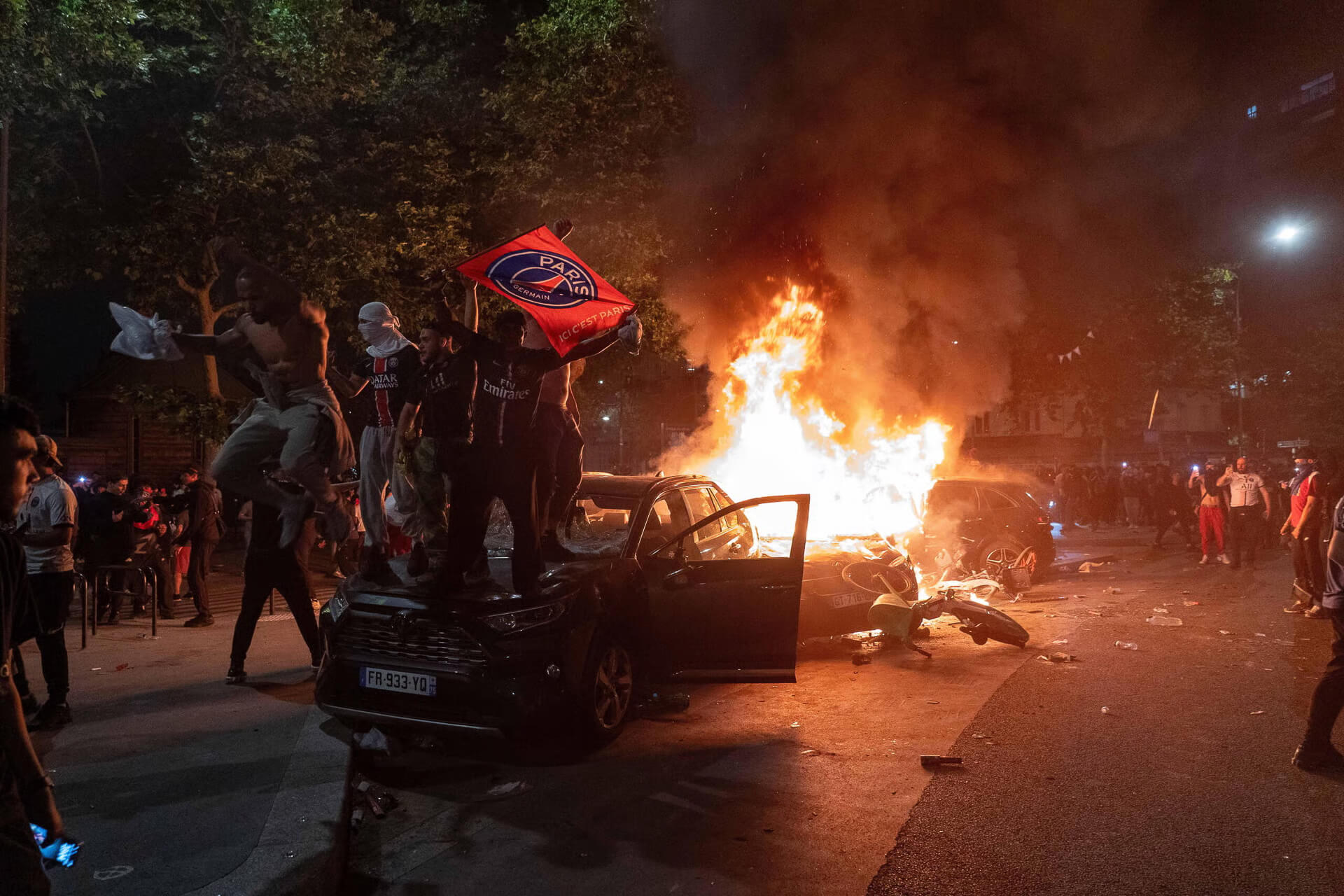
Keeping your distance from the unrest matters more than seeing what is happening. If tension is rising in the street, move away from the crowd towards a calmer, open area. Do not cross police cordons, argue with aggressive people or stop to film clashes.
If you cannot move away safely along the street, take shelter in an accessible building — such as a hotel or an open shop — and ask the staff for advice. Stay away from shopfronts, windows and entrances where crowds may gather. If the authorities tell you to remain indoors or evacuate, follow their instructions. Do not go outside to check the situation simply out of curiosity.
If you are already at your hotel, ask reception about local announcements, alternative exits and whether you can stay in the building until the situation calms down. If access is blocked, contact your transport provider, tour operator or accommodation host. If there is an immediate threat to health or life, call 112.
If tear gas has been used nearby
Do not approach the area where the authorities are taking action. Move away from the cloud and the crowd using a safe route where possible and following instructions from the authorities. If you experience severe symptoms, need medical attention or someone has difficulty breathing, contact the emergency services. Do not try to return on your own to the area where the police are operating to retrieve something you have left behind.
How should you arrange to meet your loved ones if you get separated in a crowd?
Before you go out, agree on a simple plan: a phone number, the hotel’s name and address, a safe meeting place away from demonstration routes and a way to pass on information if mobile internet stops working. Children should know to approach a police officer or staff at a trusted venue, rather than trying to push through the crowd on their own.
France with children, older people and people with reduced mobility
If someone in your group moves more slowly, uses a wheelchair or finds long walks difficult, a closed station or a diversion can cause more problems for them than for other travellers. Before booking a full day of attractions, check lift availability, direct transport options and an alternative route back.
When large demonstrations are taking place, it is sensible to avoid planning visits to the busiest places, especially in the evening. The aim is not to give up your trip, but to reduce the risk of a sudden situation in which your only option would be a long walk or passing through a dense crowd. Keep any medication you need, your documents, a carer’s contact details and your accommodation address to hand.
Emergency numbers and assistance for Polish citizens in France
The European emergency number 112 works in France. In an emergency, you can call it to request the appropriate emergency service. National numbers are also available: 17 — police, 15 — SAMU emergency medical assistance, 18 — fire brigade. The number 114 is for people who cannot communicate by voice, with text messaging among the available options.
If you need Polish consular assistance, the embassy website lists the Consular Information Centre: +33 1 70 39 10 00. This number handles consular matters and operates during specified hours. For an immediate threat to the life or health of a Polish citizen requiring urgent intervention by a consul, the embassy provides the emergency duty number +33 1 70 39 10 01. The consul does not replace the French emergency services — in an emergency, call 112 first.
If you lose your documents, are robbed or cannot get back to your hotel, first make sure you are safe. Then contact the police, your insurer, your transport operator and — if you need consular assistance — the Polish diplomatic mission. Before you leave, it is a good idea to register your trip in the Odyseusz system, keep copies of your documents somewhere secure and share your itinerary with loved ones.
Cancelled flights or trains: refunds, rerouting and insurance
If your airline cancels your flight, you can generally choose a ticket refund or alternative travel under the applicable passenger rights rules. In many cases, the airline must also provide care while you wait. Financial compensation is not automatically due for every cancellation: factors include the cause of the disruption and whether the airline can demonstrate extraordinary circumstances.
A strike by an airline’s own staff and a strike by external services, such as air traffic control, may be assessed differently. Do not assume that every event described as a “strike” removes your rights or guarantees compensation. Keep your booking reference, the airline’s notification, receipts for essential expenses and a record of your communications. The rules are explained on the European Union’s official Your Europe website.
For trains, check your service number, its status in SNCF Connect and the operator’s terms. During major disruption, exchange and refund rules are sometimes temporarily relaxed. Do not cancel your ticket yourself without checking the available options, as this may change the basis of your claim.
Travel insurance is a separate matter. A policy may cover certain costs arising from delays, a curtailed trip or necessary assistance, but the scope depends on the contract and its exclusions. Check your policy before travelling; do not assume that any outbreak of rioting automatically entitles you to a refund for your entire holiday.
How can you check whether your destination and route are safe?
No single website covers everything. A good plan draws on several reliable sources. For Paris, useful updates come from the Préfecture de Police, RATP and Île-de-France Mobilités. For travel between cities, check SNCF Connect. Look for flight information from your airline and on the airport’s official website.
If you are travelling to Lyon, Marseille, Lille, Bordeaux, Toulouse, Strasbourg or Nice, check announcements from the prefecture of the relevant department and local transport updates. Do not automatically apply information about protests in Paris to other regions. A trip to the French Riviera may face different disruption from a weekend in the capital, even on the same day.
When reading news online, pay attention to when footage was recorded and where. Videos of clashes from several years ago are sometimes shared again without context. If reliable announcements do not corroborate the information, do not plan your route solely on the basis of a popular post.
How to plan a safer stay in Paris: a practical plan
Before booking: consider the location of your accommodation, flexible cancellation terms, access to several forms of transport and the distance from the airport. Do not choose a hotel solely because it appears close to a single metro station on the map. Think about how you would reach it if that station were closed.
48–24 hours before departure: check travel advisories from the Polish Ministry of Foreign Affairs, your flight status, announced demonstrations, transport to your destination and the opening hours of your main attractions. Keep your booking confirmations available offline too.
On the morning of your sightseeing day: review transport updates and choose a plan you can shorten or change. If a large demonstration is due to pass through the city centre, avoid using its route as your main way of getting between attractions.
During your stay: keep your phone charged and have your hotel address, identification and a way to contact loved ones with you. If you see a crowd, a blockade or police action, calmly change direction. You do not need to “take a closer look” at what is happening around the corner.
Before your return journey: confirm your flight and allow plenty of time for your transfer. Remember that a later departure does not mean public transport will be available in exactly the same way as it was in the morning.
Read also
If you are planning a short trip to the French capital, read A weekend in Paris from Gdańsk — a city break itinerary. This guide helps you plan your route and choose a convenient way to get around the city. For more inspiration, explore our guides to Europe. For other short-break ideas, browse our city-break guides from Gdańsk.
Frequently asked questions about protests and riots in France
Are there riots in France right now?
On 17 October 2026, serious riots broke out during large demonstrations in several cities. This does not mean that violence is continuing throughout France without interruption. Check the situation in your chosen city for the specific day and time.
Is it safe to travel to Paris?
Many trips can go ahead as normal, but protests may bring local hazards and disruption. Before travelling, check advisories from the Polish Ministry of Foreign Affairs, the demonstration route, transport services and the area around your hotel. Avoid places where clashes are taking place and follow instructions from the authorities.
Does the Paris metro run during protests?
There is no single answer for the whole network. Some lines may run normally while certain stations are closed for safety reasons. Check RATP and Île-de-France Mobilités for the latest service status.
Are flights to France being cancelled?
Cancellations or delays can occur, but reports of protests alone do not determine what will happen to every flight. The most reliable information comes from your airline about your specific flight number and from the airport.
Do I need to cancel a holiday I have already planned?
Not always. Consider the dates, where you are staying, actual disruption, official advice and your ability to change plans. If your travel organiser or transport operator has cancelled a service, check your rights before cancelling the booking yourself.
What should I do if I find myself near a riot?
Move away from the crowd and any clashes, do not cross blockades and do not stop to film. If there is no safe way to leave, seek shelter in an accessible building and follow instructions from staff or the authorities. In an emergency, call 112.
What are the police and ambulance numbers in France?
The general emergency number is 112. Direct numbers are 17 (police), 15 (SAMU emergency medical assistance) and 18 (fire brigade). The number 114 allows people who cannot make a voice call to report an emergency.
How can I get from Beauvais Airport to Paris during protests?
Check the official airport transfer service, local traffic updates and the current route to your accommodation. Beauvais is outside Paris, so allow extra time. Do not assume that a timetable from several months ago still applies during blockades.
Where can I find reliable information about protests in France?
Start with announcements from the Polish embassy, French prefectures, RATP, Île-de-France Mobilités, SNCF and your transport operator. News reports help explain the scale of events, but do not replace operational information about a specific route.
Sources and useful official websites
- Polish Embassy in France — protest advisory dated 16 October 2026
- Polish Embassy in Paris — consular contacts
- Consular Information Centre
- Reuters — mass protests on 17 October 2026
- Le Monde — coverage of the demonstrations on 17 October
- Reuters — “Bloquons tout” protests in September 2025
- RATP — metro and RER information
- Île-de-France Mobilités — transport in the Paris region
- SNCF Connect — trains and disruption
- Your Europe — air passenger rights
- French public administration — emergency numbers
OndaTravel — guides and practical information for travellers. This article describes the situation verified on the dates given. When events develop suddenly, the latest announcements from local authorities, emergency services and transport operators determine what is safe and whether travel is possible.
Author
Krystian „dziadzia przewodnik”The North is my greatest passion, but the world is too beautiful to stay in one climate. On my blog I combine the raw nature of Iceland and Norway with the exotic energy of Thailand and Vietnam, showing you how to travel authentically, with passion and a camera in hand.