Money and Payments in Iceland: Cards, Cash, and Tax-Free
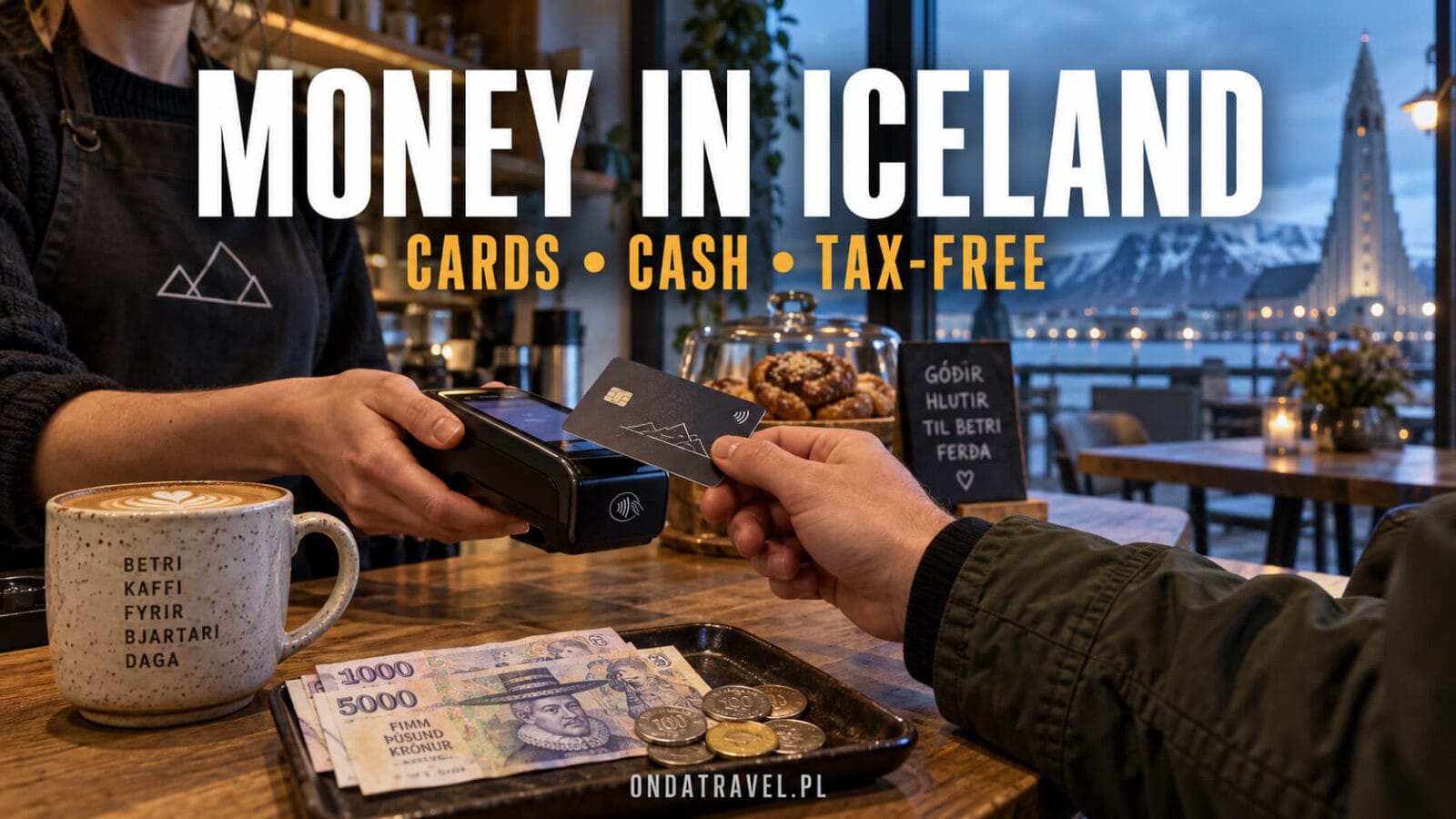
Payments in Iceland – at a glance
Iceland is an almost entirely cashless country — you can pay by card everywhere, from hot dog stands to parking meters. The only place cash can genuinely come in handy is the shower at a campsite. The biggest threat to your wallet isn’t a lack of cash, but agreeing to currency conversion at the terminal.
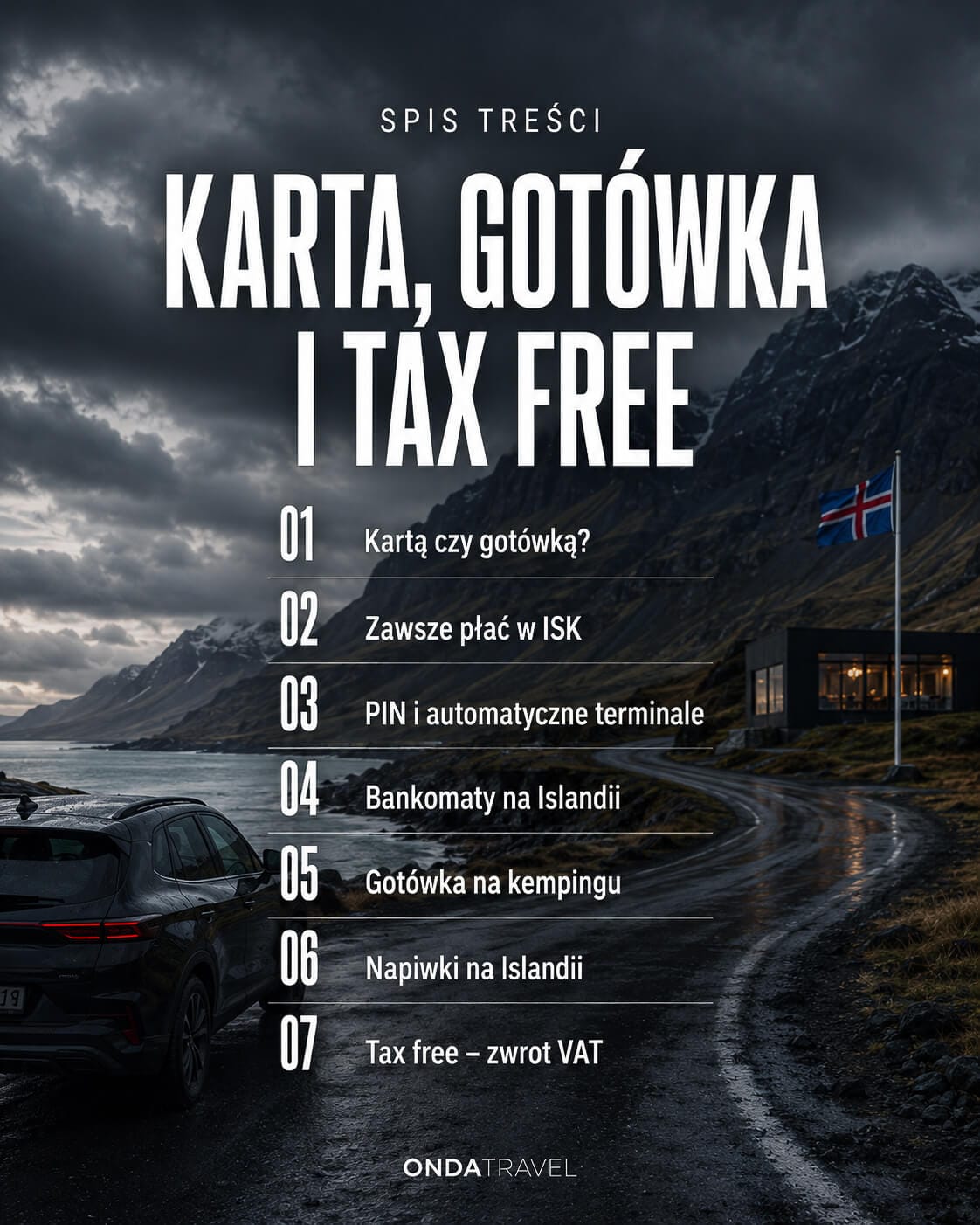
- Do you need cash in Iceland?
- Cards work everywhere — but always pay in krona (the DCC trap)
- PIN, contactless limits, and paying at the gas station
- ATMs: where to withdraw and what it costs
- Campsite showers and other small cash traps
- Tipping in Iceland
- Tax free — VAT refund for travelers
- Your first trip to Iceland: the complete prep plan
- Frequently asked questions

Check out my YouTube channel and travel with me.
Follow the channel for videos, routes and practical travel inspiration.
Follow me here:
What’s up?
Enjoying my content?
Buy me a coffee at buycoffee.to/ondatravel and support the creation of more travel content.
Your support helps me create more practical guides, videos and travel inspiration.

Do you need cash in Iceland?
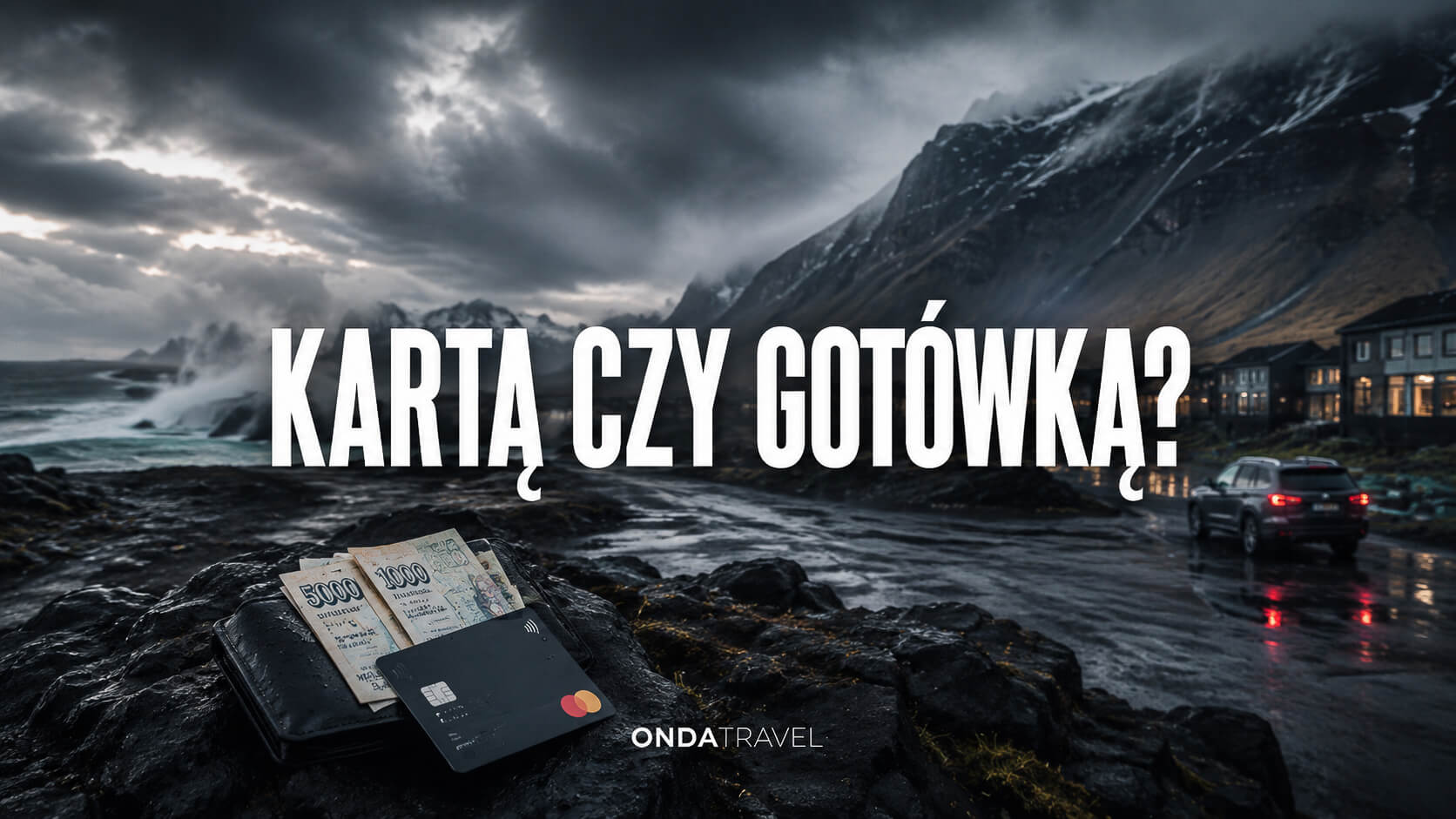
Short answer: no. Iceland is one of the most cashless countries in the world — card terminals stand not just in hotels and restaurants, but also at hot dog stands, campsite receptions, and parking machines. You could land in Keflavík, pick up a car, drive the whole Ring Road, eat and sleep for two weeks, and fly home never having held a single krona.

SOUTH COAST
Ring Road Iceland – South Coast – Travel guide
Iceland Ring Road -Discover the black beach Reynisfjara, the Dyrhólaey cliffs, Vík í Mýrdal, the Jökulsárlón Lagoon. Iceland what to visit. Iceland Travel.
Visa and Mastercard work almost everywhere. American Express is sometimes not accepted at smaller businesses and in rural areas, and Discover — almost never. Prices are quoted exclusively in Icelandic krona (ISK); dual pricing in euros or dollars only shows up in purely tourist-oriented shops, and it’s not worth using.
If you still want to carry a bit of cash “just in case,” a small amount is enough — see the section on campsite showers below. Exchanging money at the airport isn’t necessary and usually comes with a worse rate than an ATM withdrawal or card payment.
Cards work everywhere — but always pay in krona (the DCC trap)

The most common — and completely avoidable — way to lose money in Iceland isn’t a high price, it’s a single tap on the terminal. Many terminals will ask if you’d like to pay in your own currency (say, dollars or pounds) instead of Icelandic krona. This mechanism is called Dynamic Currency Conversion (DCC), and you should always decline it, choosing to pay in ISK instead.
The rate the terminal imposes under DCC is worse than the rate from your own bank or card network (Visa/Mastercard) — the difference applies to every single transaction separately, so over a week it can add up to a real amount. On top of that comes the card issuer’s standard fee, typically 2–3% on top of the central bank rate — this is one of the most “hidden” costs of the trip, and one rarely talked about.
For non-euro cards the sting can be sharper still, since many banks don’t convert your home currency directly to Icelandic krona — the conversion path often runs through a second currency, meaning a double conversion. Multi-currency cards like Revolut tend to be more convenient here, though it’s worth remembering they usually apply worse rates on weekends than on weekdays.
PIN, contactless limits, and paying at the gas station
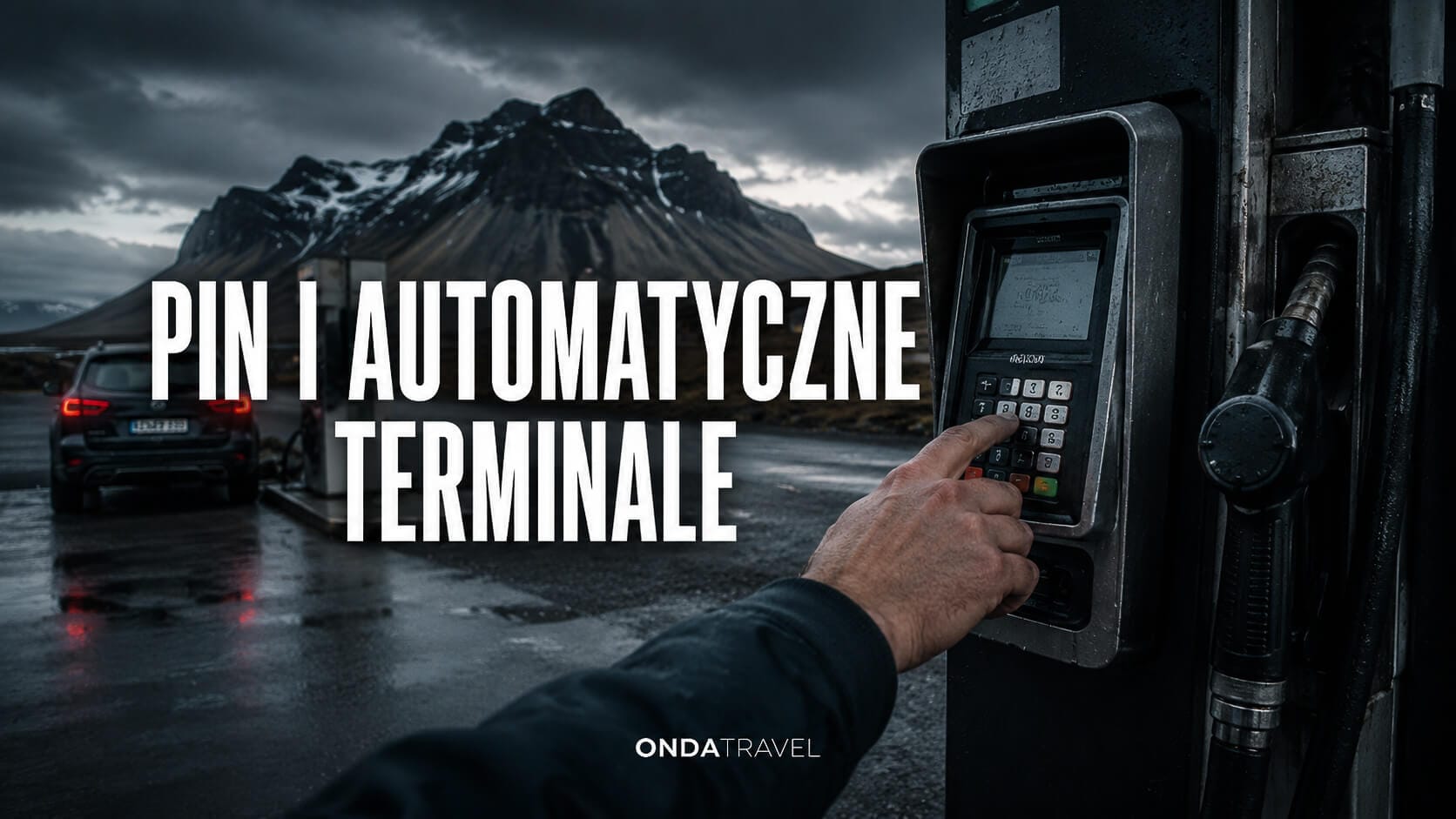
Iceland runs exclusively on chip-and-PIN, not chip-and-signature — cards that only work contactless or that require a signature often won’t work at self-service machines. This matters because most gas stations outside the bigger towns operate unstaffed, around the clock, with no attendant to turn to for help. Contactless limits: a single transaction up to 7,500 ISK, and after 15,000 ISK cumulative, the terminal will ask for your PIN.
If a machine rejects your physical card even before you get to enter the PIN — which happens more often than you’d expect — it’s worth having Apple Pay or Google Pay set up with the same card on your phone as a backup. Traveler reports suggest a digital wallet can go through where a physical card gets declined, without ever asking for a PIN. A separate option is an Orkan fuel card added to your digital wallet — it works like an ordinary contactless card and often comes with a fuel discount.
It’s also worth knowing that the machine at the pump usually places a hold on your card for more than the actual fuel cost (typically up to 30,000 ISK) — this is a pre-authorization, not a charge. The hold releases after a few days once the real amount is settled, but in the meantime it reduces your available balance. On a prepaid or low-balance card, this can be an unpleasant surprise.
ATMs: where to withdraw and what it costs

There are no free ATMs in Iceland. Landsbankinn charges around 300 ISK per withdrawal, Arion Bank around 605 ISK plus 1.1% of the amount — on top of that comes your own bank’s fee back home, unless it happens to waive it. Withdrawing large amounts less often, rather than small amounts frequently, genuinely cuts down the total in flat fees you’ll pay.
Since a card covers you practically everywhere (see the section above), the most rational approach is to keep cash withdrawals to a minimum — ideally one small amount at the start of the trip, mainly for campsite shower coins.
Campsite showers and other small cash traps

One of the few genuine moments cash can come in handy in Iceland — specifically small coins — is showers at older campsites, started by dropping in a 100 ISK coin. This is becoming rarer, though: recent traveler reports suggest most campsites now sell shower tokens or top-ups by card at reception, and some already have a contactless reader right at the shower itself.
If you’re traveling by camper and plan to stay mainly at campsites, the simplest solution is to ask reception for coins or a token at check-in — staff will happily sell them by card. There’s no need to carry a separate cash “reserve.”
Another small exception travelers mention: self-service car vacuums at some gas stations, which sometimes run on coins only when the adjoining shop is already closed. It’s an occasional situation, though, not something worth specially preparing for.
Tipping in Iceland
Tipping isn’t expected in Iceland — the price shown on the bill is final, and staff earn a normal wage without their income depending on tips. This applies to restaurants, taxis, hotels, and car rentals. If a terminal displays a tip prompt, declining it is completely normal and no one will read it as rude.
The one place a tip is sometimes welcomed, though still entirely optional, is on guided tours — say, into a volcano or onto a glacier. A typical rate is 5–10% for exceptional service, but plenty of travelers leave nothing and no one thinks twice about it.
Tax free — VAT refund for travelers
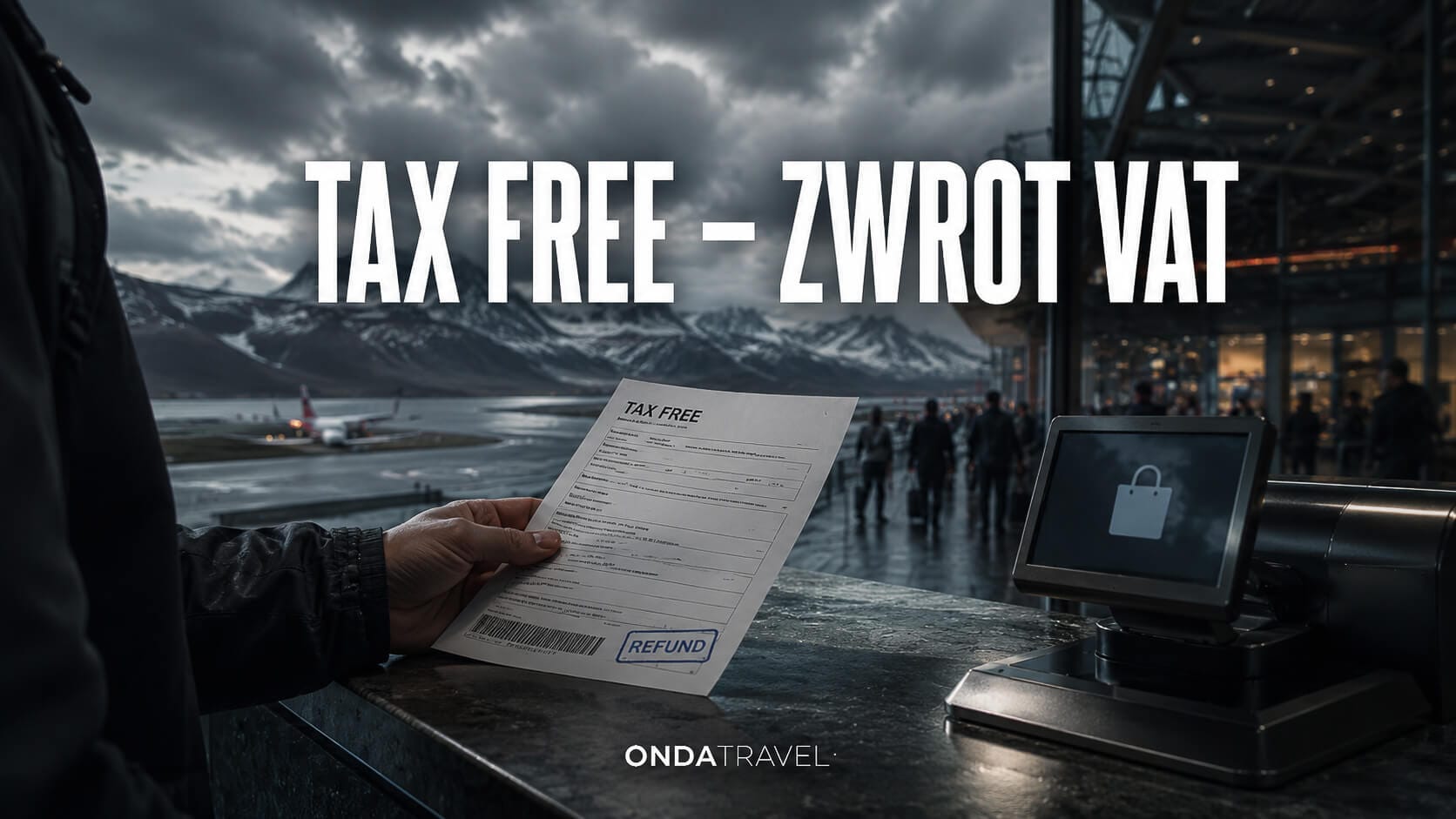
Iceland isn’t part of the European Union, so a VAT refund (tax free) is available to anyone who isn’t an Icelandic resident. The condition: a minimum of 12,000 ISK on a single receipt. In the shop, ask for a Tax Free form, keep the original receipts, and show the goods together with the form for stamping when you leave.
- Stamping and payout is handled by Change Group — in the arrivals hall at Keflavík airport, opposite the car rental desks.
- Refunds above 100,000 ISK also require a customs stamp; below that amount, Change Group alone is enough.
- VAT rates for reference: 24% standard, 11% reduced (including accommodation, food, and some tourist services).
Budget time for this formality — the queue at Change Group during peak departure hours can be long, and stamping takes a few minutes per person.
Before you set off, it’s also worth working out your overall Iceland travel budget, checking the hub with the full Iceland topic map, and browsing the ready-made 7-day Iceland itinerary, so you can match your payment habits to the actual route.

ICELAND HUB
Iceland — main guide to routes and regions
The complete Iceland guide: routes, regions, practical guides and the key decisions to make before you go.
Also check what to pack for Iceland — including why it’s worth carrying a physical card as a backup in case your phone battery dies.

BEFORE YOU GO
Your first trip to Iceland: the complete prep plan
Payments are just one part of your preparations. See the complete step-by-step guide: budget, documents, insurance, and a checklist before you fly.
Frequently asked questions
Can you travel around Iceland without cash?
Yes, and it’s the norm, not the exception. Cards are accepted practically everywhere — from hotels and restaurants to parking lots and hot dog stands. The one common exception is coins for showers at older campsites, but even those you can usually buy with a card at reception.
What is DCC and why should I always choose ISK?
DCC (Dynamic Currency Conversion) is the option to convert a terminal transaction into your home currency instead of Icelandic krona. The rate the terminal imposes is worse than your own bank’s rate, so always choose to pay in ISK — your bank will handle the conversion anyway, usually at a better rate.
Will a card without a PIN work at a gas station?
It might not. Iceland uses chip-and-PIN, and unstaffed pumps at gas stations often require a card with a PIN. If your physical card is declined, it’s worth trying Apple Pay or Google Pay with the same card on your phone — it sometimes goes through where the physical card didn’t.
How much does an ATM withdrawal cost in Iceland?
There are no free ATMs. Landsbankinn charges around 300 ISK per withdrawal, Arion Bank around 605 ISK plus 1.1% of the amount, on top of which comes your own bank’s fee back home. It’s worth withdrawing less often and in larger amounts to limit the number of paid transactions.
Do you need to tip in Iceland?
No. The price on the bill is final, and service is already included. A tip is practically unexpected, except on guided tours, where you can optionally leave 5–10% for exceptional service.
How do you claim a VAT refund (tax free) leaving Iceland?
The condition is a minimum of 12,000 ISK on a single receipt. Ask the shop for a Tax Free form, keep the original receipts, and show the goods and form for stamping at the Change Group desk in the arrivals hall at Keflavík airport when you depart. Refunds above 100,000 ISK also require a customs stamp.


Hi, I’m Krystian “dziadzia przewodnik” from OndaTravel.pl!
The North is my greatest passion, but the world is far too beautiful to stay in just one climate. On my blog, I combine the raw landscapes of Iceland and Norway with the exotic energy of Thailand or Vietnam, showing you how to travel authentically — with passion and a camera in hand.
What will you find on OndaTravel.pl?
Visual storytelling: As a photographer and filmmaker, I don’t just describe places — I take you there with professional photos and video.
North expert: Ready-to-use road trip plans for Iceland and Norway, smart tips for budget travel, and my original Northern Lights Radar (locations and forecast).
Travel through the lens of cinema: I track down filming locations — from icy scenes in Interstellar to tropical frames from world cinema.
New direction: Exotic destinations: I love contrast, so the blog is featuring more and more practical knowledge about Vietnam and Thailand. I’ll show you how to find your way around Southeast Asia and come back with your best memories.
P.S. follow me here


Author
Krystian „dziadzia przewodnik”The North is my greatest passion, but the world is too beautiful to stay in one climate. On my blog I combine the raw nature of Iceland and Norway with the exotic energy of Thailand and Vietnam, showing you how to travel authentically, with passion and a camera in hand.