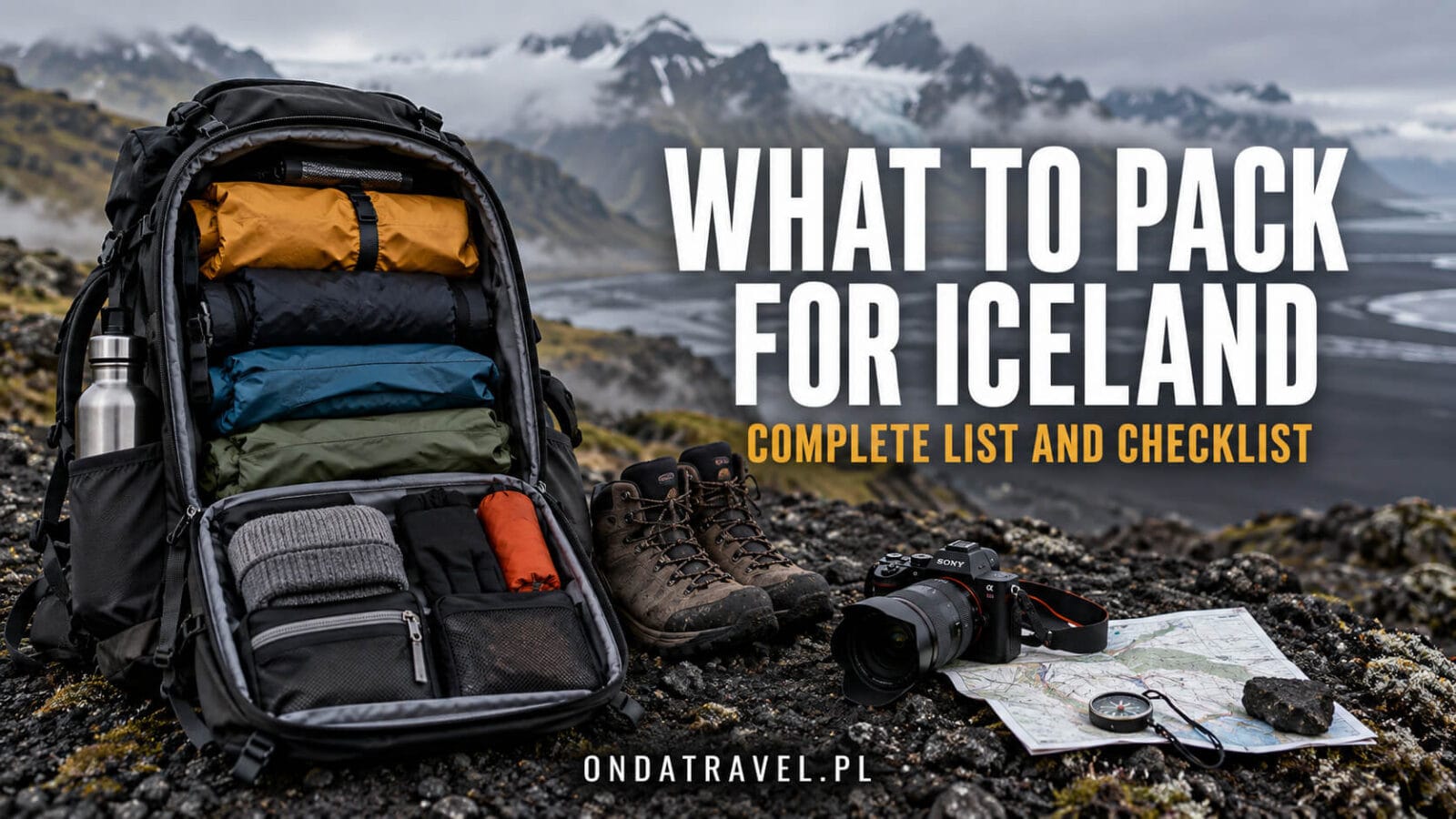
What to Pack for Iceland
Packing for Iceland – at a glance
Icelandic weather can change four times in a single day, so what matters is a layering system, not one thick jacket. The most common mistake travelers make isn’t missing gear — it’s keeping it at the bottom of the trunk instead of within reach.
- The three-layer rule: why wool beats fleece
- Packing checklist: what to bring to Iceland
- Footwear and accessories travelers forget
- What to keep within reach in the car, and what not to bury in the trunk
- Food, a travel mug, and small items travelers rave about
- How to pack your bag so nothing gets wet
- What not to pack: common mistakes
- Frequently asked questions

Check out my YouTube channel and travel with me.
Follow the channel for videos, routes and practical travel inspiration.
Follow me here:
What’s up?
Enjoying my content?
Buy me a coffee at buycoffee.to/ondatravel and support the creation of more travel content.
Your support helps me create more practical guides, videos and travel inspiration.

The three-layer rule: why wool beats fleece
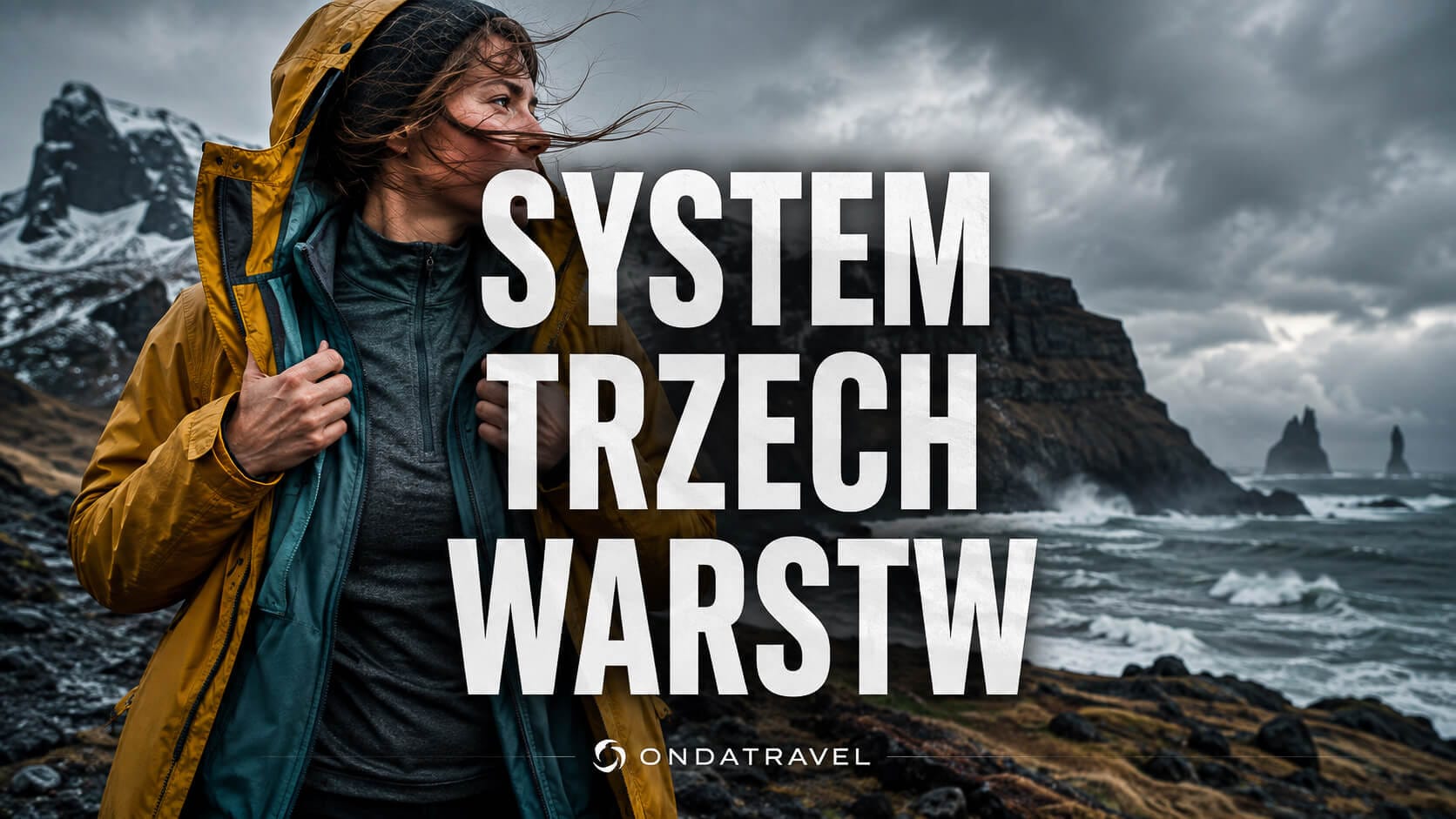
Icelandic weather can change several times within a single day — sun, wind, and rain can all show up within an hour of each other. That’s why a three-layer system works better than one thick jacket: a moisture-wicking base layer, an insulating layer, and an outer shell against wind and rain. This setup lets you match your warmth to the situation instead of overheating in the car and freezing at the next stop.
Travelers sharing their experiences from Iceland consistently point out one thing: merino wool outperforms fleece, because it keeps you warm even when wet and loses its thermal properties more slowly. Fleece is cheaper and lighter, but it loses its edge on rainy days. If you’re traveling in April, May, or September, when the weather tends to be the most unpredictable, it’s worth investing in a wool base layer — even if it means packing one less sweatshirt.
Two hats (one always as a spare, for when the first one gets wet), gloves, and something to cover your neck are small items that are easy to skip, but they genuinely save your comfort on windy cliffs and glaciers. Fleece leggings under hiking pants also work better than a base layer alone — especially on longer walks around waterfalls or beaches.
Packing checklist: what to bring to Iceland
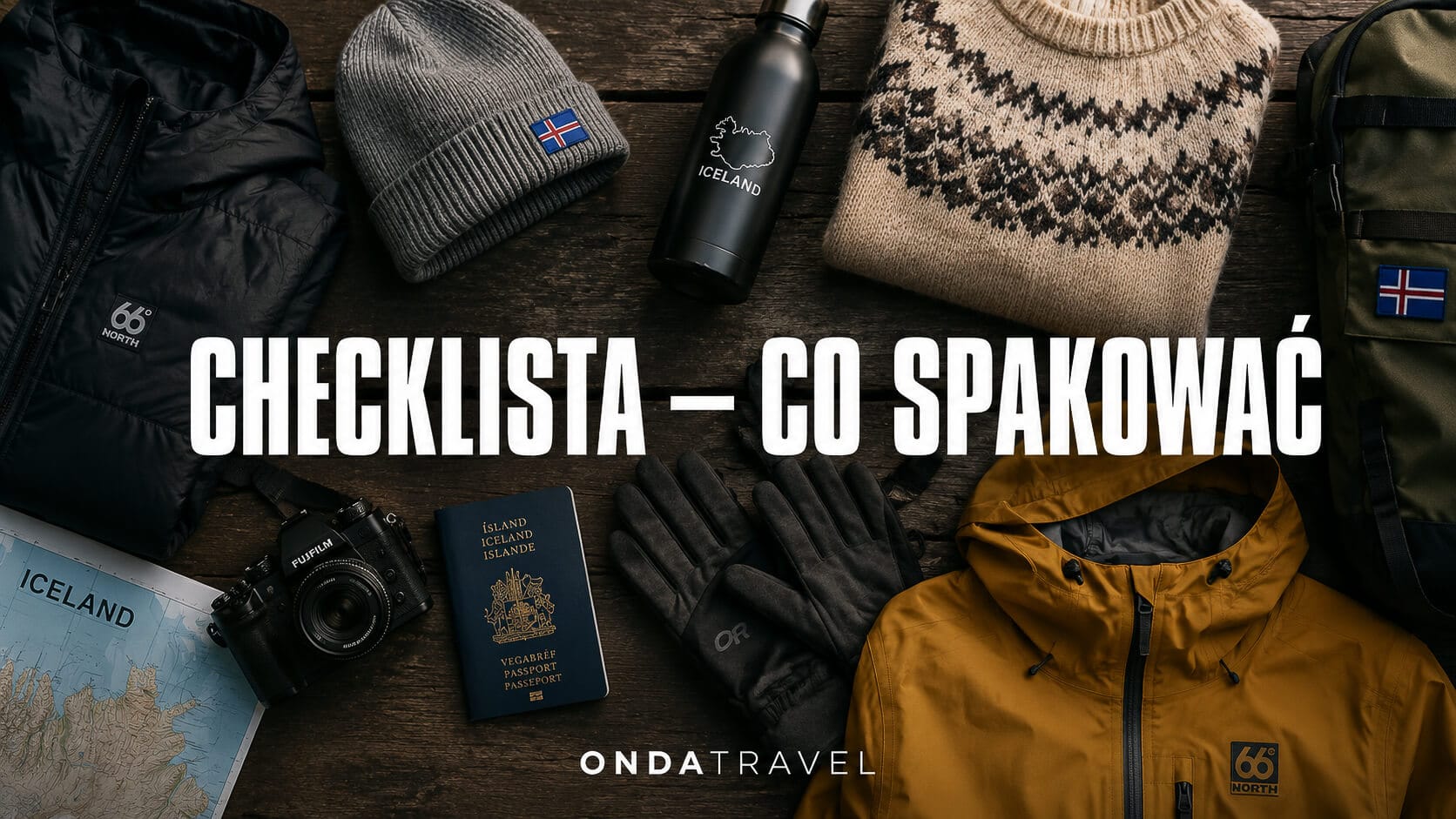
The list below works regardless of the season — below it, you’ll also find what to add for winter and summer. If you’re planning a self-drive Ring Road trip, pack with stores in mind: outside Reykjavík and the larger towns, grocery stores can be few and far between, so it’s better to stock up in town than to count on the next opportunity.
- merino wool base layer or underwear (not cotton — it takes forever to dry and doesn’t keep you warm wet);
- an insulating layer: fleece or a light down jacket;
- a jacket that protects against wind and rain, ideally with a membrane;
- waterproof pants — useful near waterfalls and on boat tours;
- sturdy, broken-in hiking boots and a spare pair of dry socks;
- two hats, gloves, and something to protect your neck;
- a power bank and a car charger — navigation drains your phone fast;
- maps and bookings available offline;
- a water bottle (Icelandic tap water is clean and tastes great) and a travel mug;
- a small first-aid kit, motion sickness medication, and anything you take regularly;
- a swimsuit for geothermal pools — even in winter;
- sunglasses and a sleep mask if you’re traveling in summer (the sun doesn’t set at night);
- a light daypack for hikes.
Footwear and accessories travelers forget
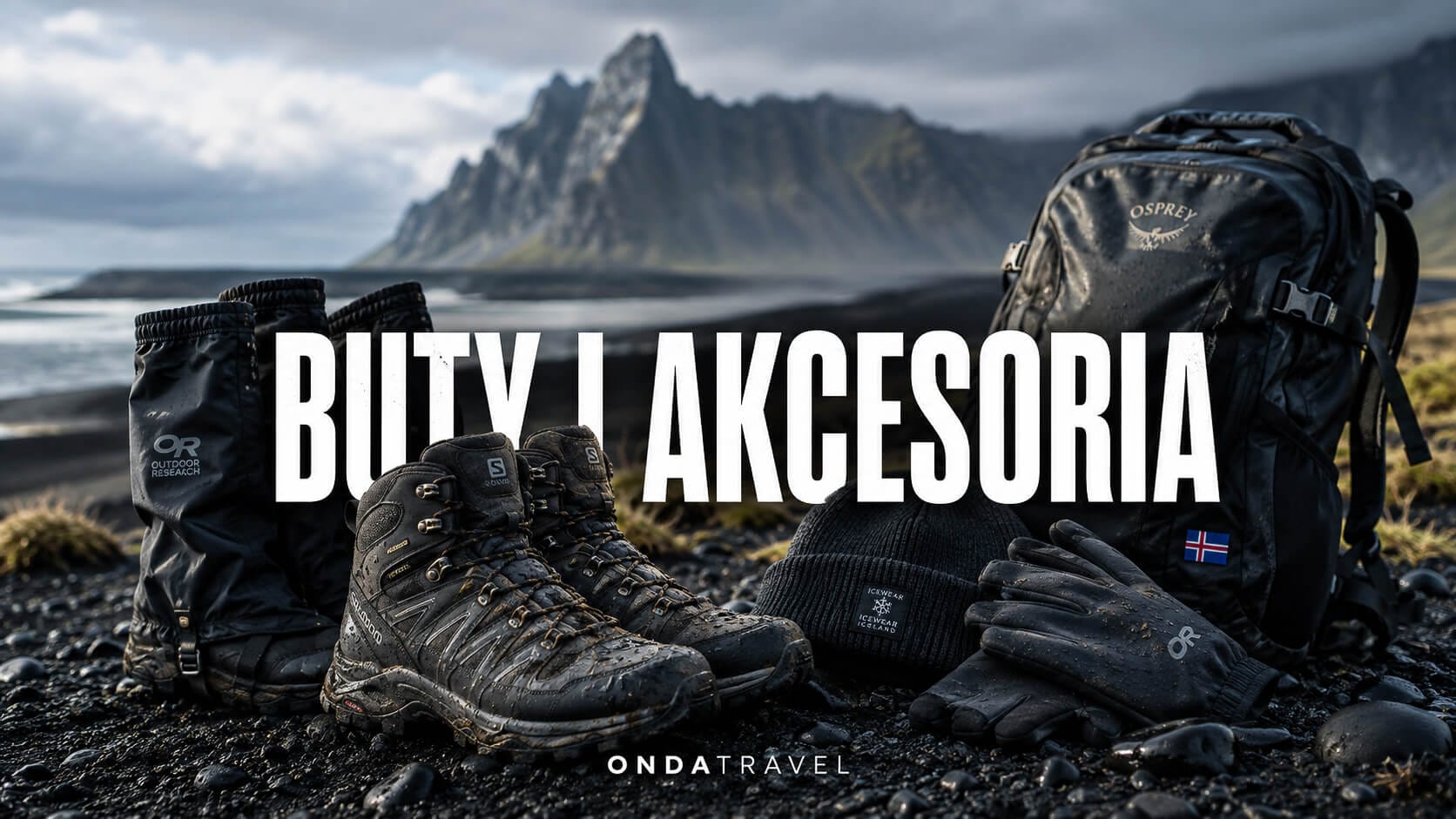
Boots should be waterproof and broken in before you leave — new, stiff boots on a black sand beach or a wet trail are a fast track to blisters. If you’re planning a glacier hike, crampons are usually included in the price of an organized tour, so there’s no need to buy your own.
Among the things travelers most often mention as surprisingly useful, or wish they’d brought: a trekking pole for steep cliffs and strong wind, a pocketknife or multitool for food bought at a store, binoculars for spotting birds and seals, and a car phone mount — navigation runs continuously, so holding your phone quickly gets uncomfortable. If you’re prone to motion sickness, take your medication early — Icelandic roads can be winding, and the nearest pharmacy might be dozens of kilometers away.
Exploring Reykjavík itself doesn’t require full trekking gear — a warm sweater, jeans, and a rain shell are plenty for dinner or a walk around town. A traditional Icelandic sweater (lopapeysa), bought early in the trip at the Handknitting Association or the flea market in Reykjavík, doubles as a warm layer for the rest of the trip, not just a souvenir for the end.

PLANNING & ITINERARIES
Reykjavik capital of Iceland – Travel guide
A practical Reykjavík guide covering attractions, a 1–2 day walking route, the centre, harbour, Hallgrímskirkja and trip planning.
What to keep within reach in the car, and what not to bury in the trunk
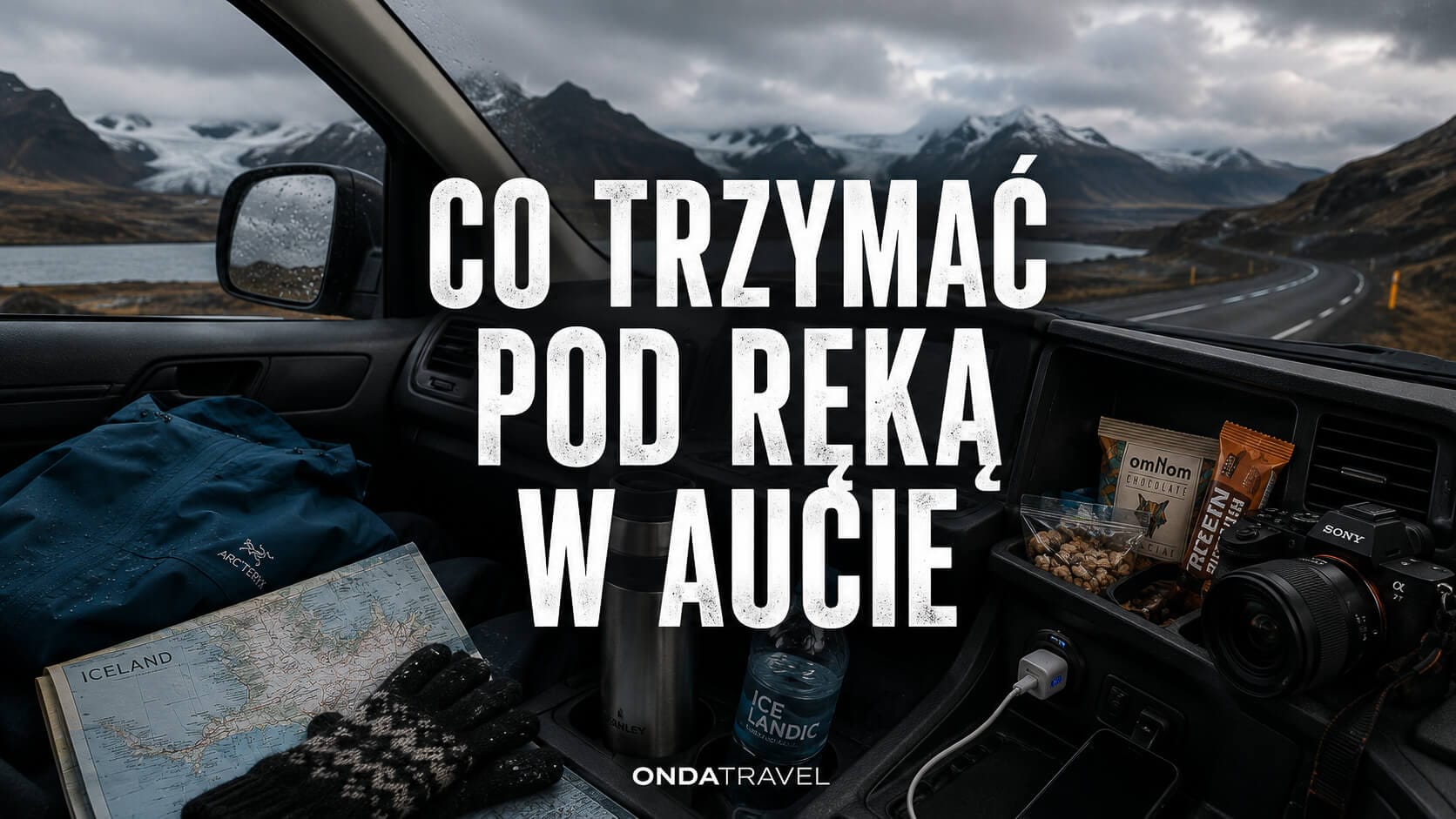
The layering system matters most here too: a moisture-wicking base, an insulating layer, and an outer shell against wind and rain. One very thick jacket doesn’t give you that flexibility. A hat, gloves, a dry layer, water, and a snack should sit somewhere easy to reach — not underneath all your luggage — because the weather can change during a short stop, before you reach your next base.
| Location | Items | Why |
|---|---|---|
| By your seat | Hat, gloves, a rain jacket, water, a snack, and a phone with offline maps. | A change in weather doesn’t require unpacking the whole car. |
| In an easy-to-reach backpack | A dry layer, power bank, small first-aid kit, headlamp, and a gear cover. | A ready set for a longer stop or a short walk without repacking the trunk. |
Your boots should stabilize your footing on wet rocks, mud, and gravel. Also pack a small towel, a bag for wet items, a charging cable, a power bank, and extra food for stretches without an open store. Keep copies of your bookings, maps, and your accommodation address offline. Plan your packing around the hardest day of your route, not just the flight and hotel stays.

PLAN YOUR ROUTE
Iceland in 4 days: a ready-made itinerary
You already know what to pack — now plan where you're taking it. A proven day-by-day itinerary for a first trip, with a route and stops mapped out.
Food, a travel mug, and small items travelers rave about
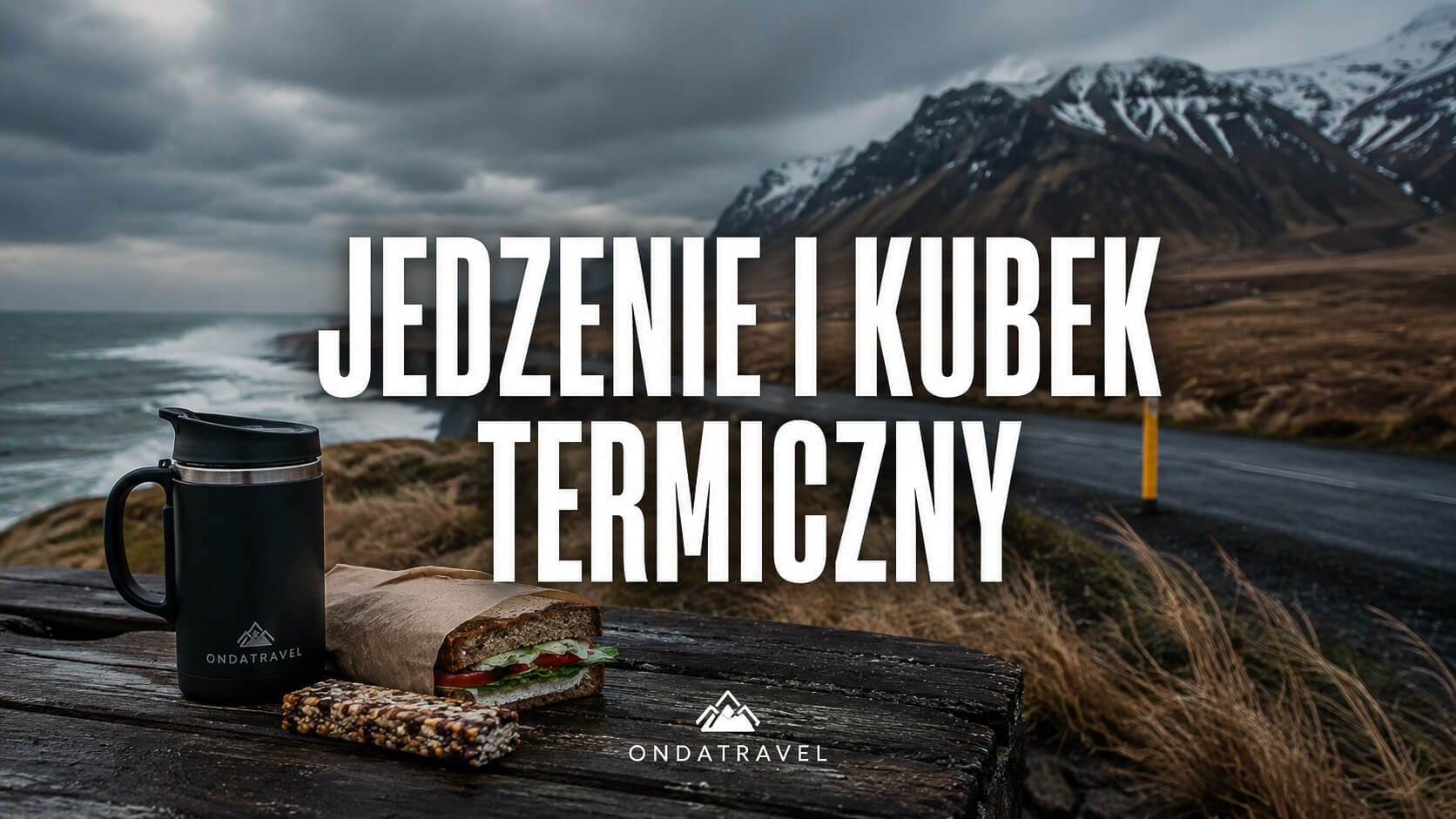
Reports from travelers who share their experiences from Iceland while still on the road point to a few recurring issues that guidebooks tend to skip. Portions in many places — hotel breakfasts especially — tend to be smaller than in Poland, and coffee cups can hold as little as 150–200 ml. Your own 300–450 ml travel mug solves the problem, but it’s worth asking staff whether you can fill it up at the buffet — some hotels treat coffee and food as an on-site-only perk and charge extra for taking it with you.
Stocking up on healthy snacks at a supermarket (Bónus or Krónan) in the first larger town on your route genuinely saves your budget and your nerves between meals — stores along the Ring Road can be scarce and expensive. Reusable containers or zip-top bags for portioning food for the trail are a simple, frequently recommended trick.
In summer, when the sun practically never sets, a sleep mask can be just as important as a warm jacket is in winter — without one, it’s hard to get a good night’s sleep in a room without full blackout curtains. Campervan travelers also mention practical details: magnetic hooks for hanging wet items, a small pouch or mesh bag so nothing gets lost in the bedding, and a headlamp that’s useful in the off-season, when nights are dark. It’s also worth bringing a physical payment card as a backup, in case your phone with Apple Pay or Google Pay dies.
How to pack your bag so nothing gets wet
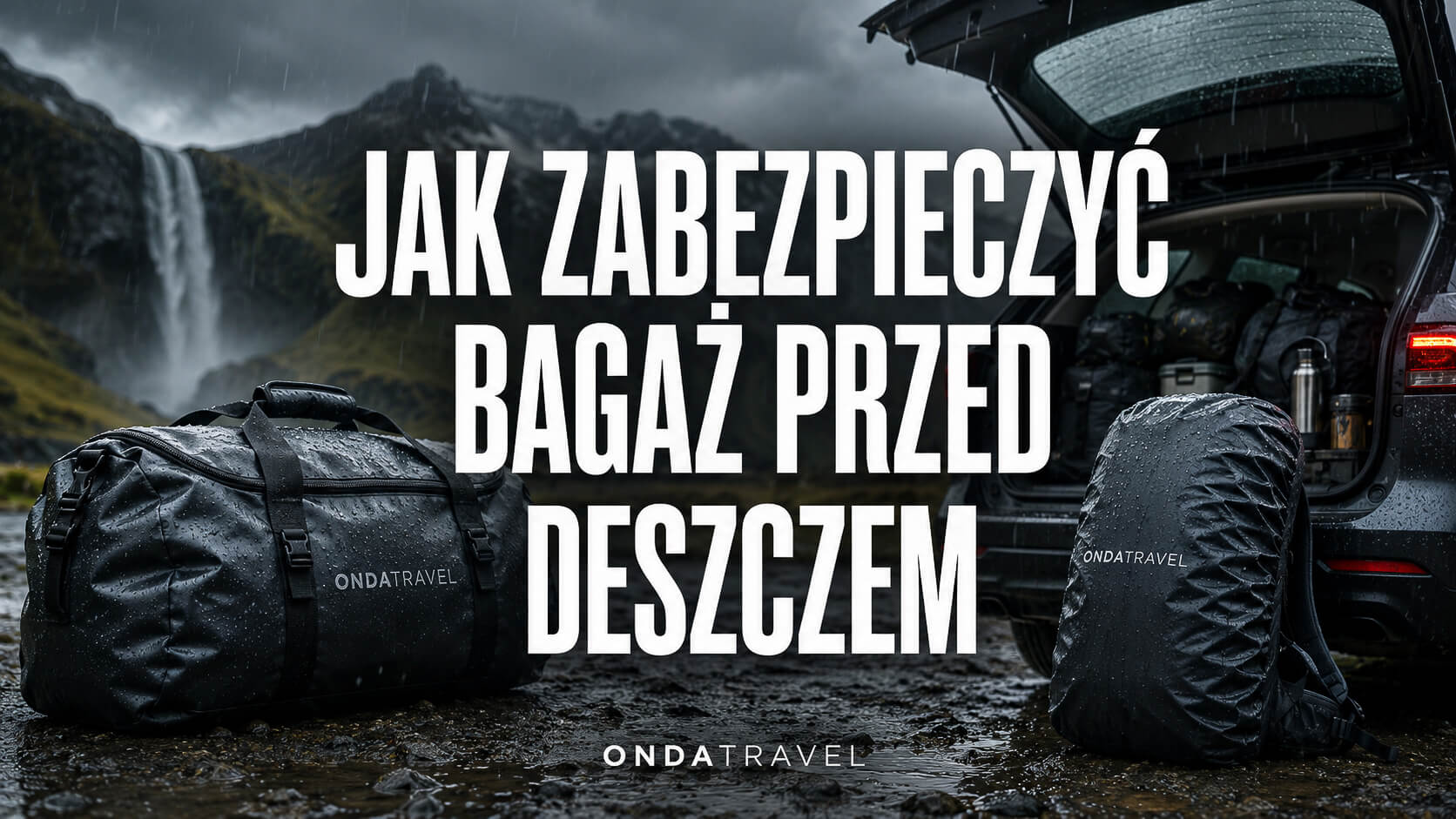
Rain and wind in Iceland can catch you off guard even during a short stop at a parking lot, so protecting your daypack is worth doing from day one. A trick proven by experienced travelers: line the inside of your backpack with a sturdy plastic bag (a trash bag works fine), put in whatever needs to stay dry, squeeze out the air, and tie it tight. It’s cheaper and more effective than relying solely on a backpack’s “water-resistant” fabric.
A separate rain cover for your backpack adds extra protection on longer hikes, but check that it cinches well around the bottom — otherwise, water running off the cover will still soak the base of the pack. Electronics (a camera, power bank, cables) are best kept in a separate zip-top bag inside the backpack, regardless of whether you’re already using an outer rain cover.
What not to pack: common mistakes
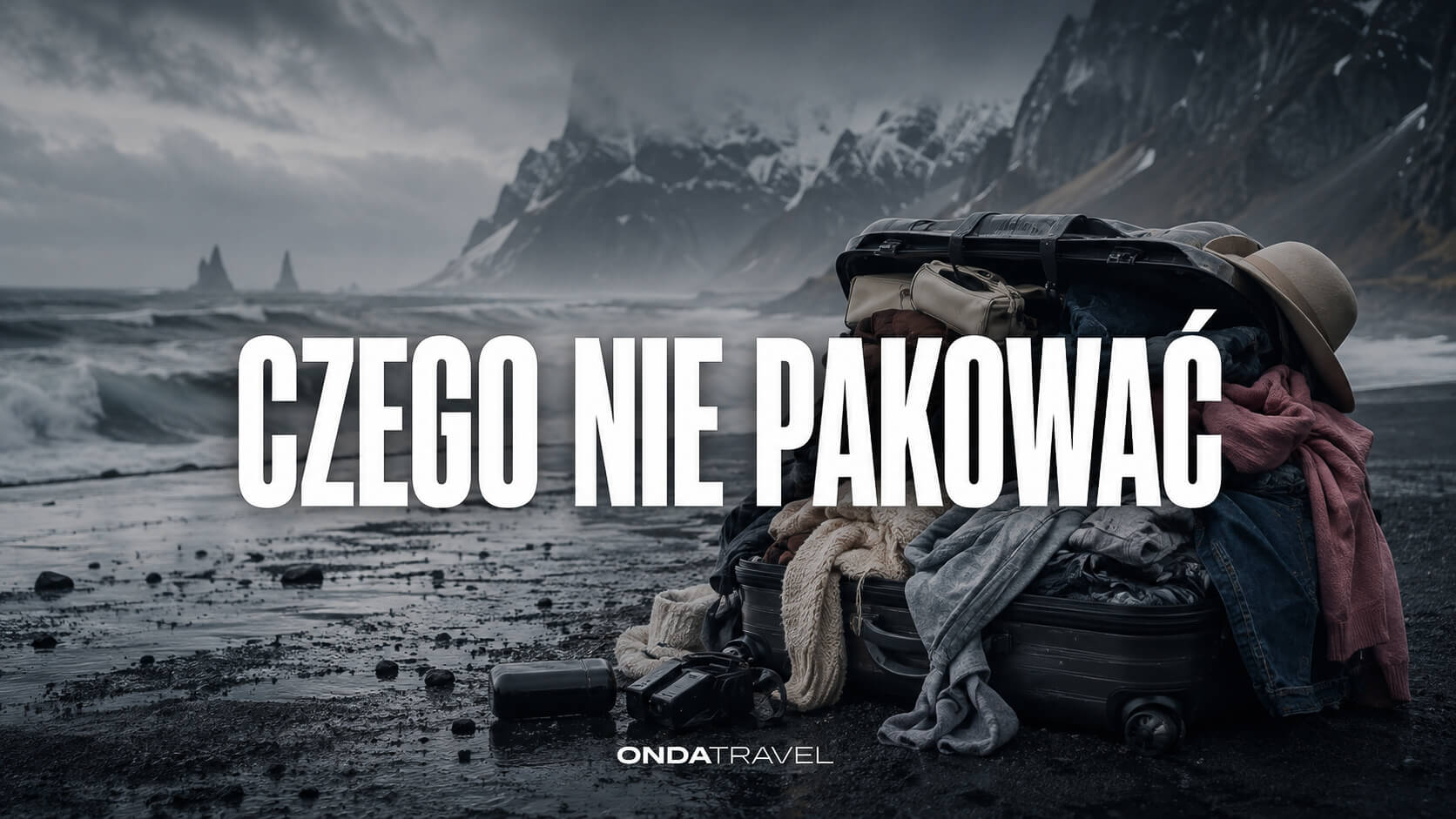
- A rigid suitcase instead of a soft bag — it fits poorly into a small rental car trunk and takes up more room than it needs to.
- Too many “casual” outfits — one nice outfit for dinner in Reykjavík is enough; you’ll spend the rest of the trip in trekking layers anyway.
- Cotton thermal underwear — it takes a long time to dry and loses its warmth once wet; merino wool performs noticeably better.
- New, unbroken-in boots — blisters on your first trail can ruin several days of the trip.
- Everything at the bottom of one big bag — items for changeable weather and snacks should be within reach, not buried under everything else.
- No spare pair of dry socks in the car — wet feet after one trail can ruin the rest of the day.
Before you pack your suitcase, it’s worth matching your list to your actual route — check the Iceland travel budget, review the rules for paying by card and cash, browse the hub with the full Iceland topic map, and take a look at the ready-made 7-day Iceland itinerary so you know what weather and trails to prepare for. Also check out the most common first-trip mistakes in Iceland — some of them start with poor packing.

ICELAND HUB
Iceland — main guide to routes and regions
The complete Iceland guide: routes, regions, practical guides and the key decisions to make before you go.
Frequently asked questions
Do I need a socket adapter in Iceland?
Usually not, if you’re traveling from continental Europe — Iceland uses type F sockets, the same as most of the continent, so a matching plug works without an adapter. An adapter is only useful for travelers with plugs from outside continental Europe (e.g. the UK or US).
Is a suitcase or a travel bag better for Iceland?
A soft travel bag works better than a rigid suitcase — it’s easier to fit into a small rental car trunk and more convenient to keep in the car as your go-to bag for changeable weather.
Do I need a swimsuit in Iceland?
Yes, and regardless of the season — geothermal pools and lagoon spas run year-round, and soaking in warm water in cold air is one of the most popular things to do.
Is it worth buying crampons for a glacier hike before the trip?
Usually not — crampons are typically included in the price of an organized glacier tour, along with an ice axe and helmet. It’s worth having your own waterproof boots that the crampons fit well.
Is fleece enough as an insulating layer, or is merino wool better?
Fleece works fine in dry weather, but in rain and dampness, merino wool keeps you noticeably warmer and recovers its thermal properties faster after getting wet — that’s why experienced travelers more often recommend a wool base layer over fleece.
What do travelers most often wish they’d packed for Iceland?
According to traveler reports, the most common items are: a spare hat, a travel mug for hotel buffet coffee, extra snacks for stretches without an open store, and a rain cover to protect a daypack.


Hi, I’m Krystian “dziadzia przewodnik” from OndaTravel.pl!
The North is my greatest passion, but the world is far too beautiful to stay in just one climate. On my blog, I combine the raw landscapes of Iceland and Norway with the exotic energy of Thailand or Vietnam, showing you how to travel authentically — with passion and a camera in hand.
What will you find on OndaTravel.pl?
Visual storytelling: As a photographer and filmmaker, I don’t just describe places — I take you there with professional photos and video.
North expert: Ready-to-use road trip plans for Iceland and Norway, smart tips for budget travel, and my original Northern Lights Radar (locations and forecast).
Travel through the lens of cinema: I track down filming locations — from icy scenes in Interstellar to tropical frames from world cinema.
New direction: Exotic destinations: I love contrast, so the blog is featuring more and more practical knowledge about Vietnam and Thailand. I’ll show you how to find your way around Southeast Asia and come back with your best memories.
P.S. follow me here


Author
Krystian „dziadzia przewodnik”The North is my greatest passion, but the world is too beautiful to stay in one climate. On my blog I combine the raw nature of Iceland and Norway with the exotic energy of Thailand and Vietnam, showing you how to travel authentically, with passion and a camera in hand.