
Sky Phenomena in May 2026: Eta Aquariids, Venus and the Blue Moon
May 2026 in the sky: Eta Aquariids, the Moon near Venus and a Blue Moon. Check dates, timing and realistic viewing conditions.


May 2026 is a month when it is worth looking up more often. Three events stand out for skywatchers: the Eta Aquariids meteor shower, a photogenic meeting of the thin crescent Moon and Venus, and the second full moon of the month, often called a Blue Moon.
To connect night-sky observations with a wider northern travel plan, see the North section.

NORTH
May 2026 in the sky – in brief
May 2026 in the sky is worth planning around meteors, planets and increasingly short nights. Good observing depends on the weather, the phase of the Moon, the time of night and a spot away from city lights.
North: Iceland, Norway, northern lights and Lofoten
A dedicated OndaTravel section for northern trips: Iceland, Norway, fjords, Lofoten, northern lights, ready-made routes and planning tools.
Not all of them will be equally spectacular from Poland or Central Europe. The Eta Aquariids have good potential, but in 2026 the bright Moon will make them harder to see. The Moon near Venus will be the easiest event to spot with the naked eye. The Blue Moon on 31 May will not look blue; it simply means the second full moon in one calendar month.
For the full yearly context, start from the main Sky Phenomena section and then use the 2026 astronomy calendar. This makes it easier to connect meteors, Moon phases, eclipses, noctilucent clouds and aurora alerts in one observing plan.

Main section
Sky Phenomena 2026
Start here to connect meteors, Moon phases, eclipses, noctilucent clouds and aurora alerts in one observing plan.
Quick answer: what can you see in the sky in May 2026?

The three key dates are /, and . The first is the Eta Aquariids maximum, the second is the Moon near Venus after sunset, and the third is the second full moon of the month.
| Date | Event | Best time | Viewing note |
|---|---|---|---|
| 5/6 May 2026 | Eta Aquariids | last hours before dawn | worth trying, but the bright Moon will reduce the number of visible meteors |
| 18 May 2026 | Crescent Moon near Venus | after sunset | the easiest and most photogenic event of the month |
| 31 May 2026 | Blue Moon | evening and night around full moon | easy to see, but the Moon will not change colour |
The most rewarding visual target will probably be the Moon and Venus. The Eta Aquariids require patience, a dark location and realistic expectations. The Blue Moon is mainly a calendar curiosity, but it is still a good reason to plan a full-moon evening.
What will you find in this guide?
- the best May 2026 dates for skywatching,
- what to expect from the Eta Aquariids under bright Moon conditions,
- how and when to look for the Moon near Venus,
- what the Blue Moon actually means,
- what to watch after May: noctilucent clouds, Perseids, eclipses and aurora.
Eta Aquariids 2026: when to watch
The Eta Aquariids are produced by debris from Halley’s Comet. They are fast meteors and can leave short glowing trails, but the radiant is low for observers in Poland and most of Central Europe. This is why the shower is usually better in the southern hemisphere.
In 2026 the maximum falls on the night of 5/6 May. The best window is before dawn, but the waning bright Moon will make fainter meteors harder to see. For a dedicated meteor guide, open Eta Aquariids 2026.
Meteor guide
Eta Aquariids 2026
Check the 5/6 May maximum, Moon conditions and realistic expectations for observers in Poland and Central Europe.
To compare this shower with Perseids, Orionids, Leonids and Geminids, use the 2026 meteor shower calendar.
Meteor calendar
Meteor showers in 2026
Compare the Eta Aquariids with Perseids, Orionids, Leonids and Geminids.
Moon and Venus on 18 May 2026: the easiest event of the month

On the evening of 18 May 2026, look low above the western horizon after sunset. A thin crescent Moon will appear near bright Venus, making this one of the easiest May events to enjoy without any equipment.
Choose a place with a clear western or north-western horizon. You do not need a telescope. Binoculars may help, but the scene should also be visible to the naked eye if the sky is clear.
If you want to photograph it, prepare a wide frame and avoid overexposing Venus or the Moon. The practical settings are explained in the guide to photographing the night sky, the Moon and meteors.
GUIDE
How to Photograph the Night Sky and Stars: Camera Settings
How to photograph the night sky: camera settings, planning tips, useful conditions and related guides for stars, auroras and meteors.
Blue Moon on 31 May 2026: will the Moon really be blue?

No. In this case, Blue Moon does not mean that the lunar disc will turn blue. It means the second full moon in one calendar month. May 2026 has a full moon on 1 May and another on 31 May.
The event is very easy to see because a full moon needs no equipment. The best visual effect is often near moonrise, when the Moon appears close to the horizon and the landscape helps create a stronger impression.
The 31 May full moon will also be a micro full moon, not a supermoon. To plan dark nights and full moons, use the 2026 Moon phases calendar.
Moon phases
Moon phases 2026
Plan dark nights, full moons and the best windows for meteors and night-sky photography.
After May: NLC, Perseids, eclipses and aurora

May is a good moment to start regular skywatching. After the Eta Aquariids, late spring and summer bring a chance to see noctilucent clouds low above the northern horizon.
Later in the year, meteor watchers return for the Perseids and Geminids. Eclipses are also important in 2026, especially the total solar eclipse on 12 August. Check the 2026 eclipse guide and the full article about the 12 August 2026 total solar eclipse.
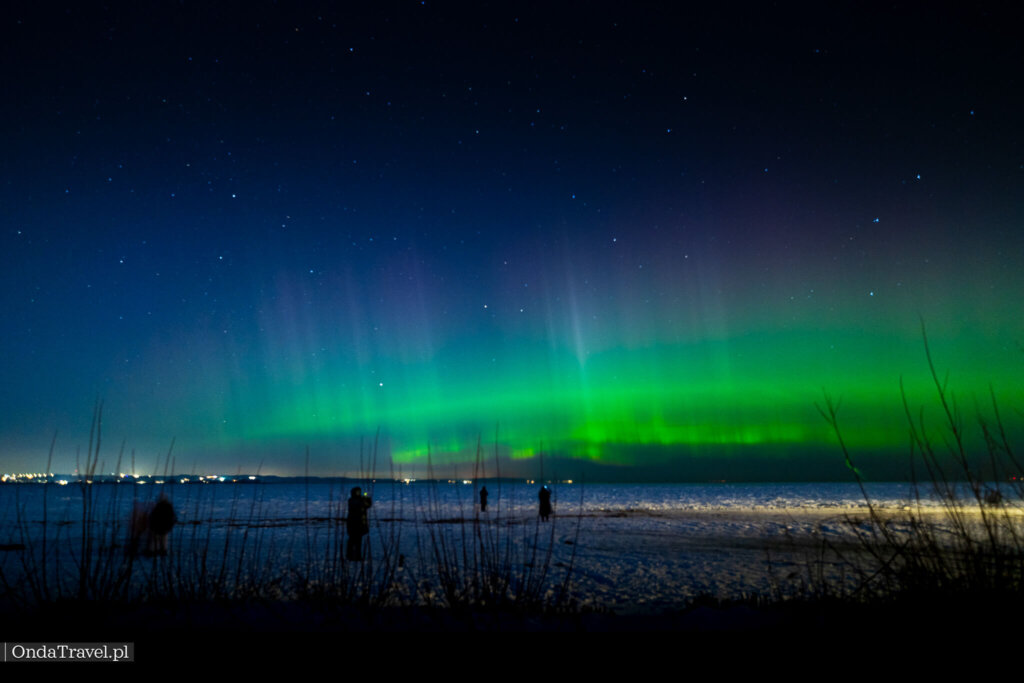
If you see unusual glow, bright structures or greenish rays, compare the sky with the aurora radar and the aurora alerts.
GUIDE
Aurora Alerts
Aurora forecast UK: alerts, radar, Kp, Bz, solar wind and northern lights chances. Check when to go out, where to look and how to read conditions.
How to observe the May 2026 sky
For all three May events, the same basic rules help: choose a clear horizon, avoid city lights when you can, check clouds and give your eyes time to adapt.
- For Eta Aquariids, go out before dawn and stay at least 30–45 minutes.
- For the Moon and Venus, look shortly after sunset toward the west.
- For the Blue Moon, plan the evening around moonrise for the best visual effect.
- Use a tripod or stable support if you want sharp photos.
- Check the Moon phase and cloud forecast before travelling to a dark location.
Calendars and tools for observing the night sky
Use the 2026 astronomy calendar together with the Moon phases calendar. This is the simplest way to compare bright Moon nights, meteor windows and the best evenings for photography.
Calendar 2026
Astronomy calendar 2026
A practical month-by-month calendar of sky phenomena, observation windows and related tools.
Sources and data notes
Dates and interpretations in this guide are based on current skywatching materials from NASA, the American Meteor Society and EarthSky. Always combine them with your local cloud forecast and light-pollution conditions.
- NASA: What’s Up — May 2026 Skywatching Tips
- American Meteor Society: Meteor Activity Outlook, May 2–8, 2026
- EarthSky: Full Blue Moon on May 30–31, 2026
Frequently asked questions
Will the Eta Aquariids 2026 be visible from Poland?
They are worth trying, but conditions will not be ideal. The shower is best before dawn and the bright Moon in 2026 will hide many fainter meteors. Expect individual fast meteors rather than a spectacular display.
When is the best time to watch the Eta Aquariids?
The best window is the night of 5/6 May 2026, especially the last hours before dawn. Choose a dark place outside the city and let your eyes adapt to the darkness.
When will the Moon be near Venus?
Look on 18 May 2026 after sunset, low above the western horizon. This should be the easiest May event to spot with the naked eye.
Will the Blue Moon on 31 May really be blue?
No. Blue Moon means the second full moon in one calendar month. The colour of the Moon will not change because of this name.
Is 31 May 2026 a supermoon?
No. The 31 May 2026 full moon is a micro full moon, which is the opposite of a supermoon. The difference is usually subtle to the naked eye.
What should I watch after May?
After May, follow noctilucent clouds, the Perseids, the 2026 eclipses and the autumn-winter aurora season. The main Sky Phenomena section is the best starting point.
Read also / keep exploring
- Sky Phenomena
- Astronomy calendar 2026
- Eta Aquariids 2026
- Meteor shower calendar 2026
- Moon phases 2026
- Supermoon guide 2026
- Solar and lunar eclipses 2026
- How to photograph the night sky
- Noctilucent clouds
- Aurora radar
Author
Krystian „dziadzia przewodnik”The North is my greatest passion, but the world is too beautiful to stay in one climate. On my blog I combine the raw nature of Iceland and Norway with the exotic energy of Thailand and Vietnam, showing you how to travel authentically, with passion and a camera in hand.