


Where to go on vacation abroad cheap and warm
Cheap and warm holidays — in short
Cheap and warm holidays abroad are best planned by combining the season, flight prices, accommodation costs and real spending on site. The cheapest destination does not always mean the cheapest trip once you add transfers, food, attractions and the travel dates.
Where to go on vacation abroad cheap and warm
The most frequently chosen vacation destinations by Poles
Vacations abroad: where it’s cheapest and what drives prices

When planning a trip for a vacation abroad, many Poles aim for a balance between cost, weather, and availability. We dream of sun, the blue of the sea, and a bit of adventure – but we also don’t want the trip to ruin us financially. In the era of low-cost airlines, last-minute offers, and dynamically changing hotel prices, finding a place that combines warmth and an attractive price is like a hunt – demanding, but possible. If you want a quick shortlist, start with my warm trip ideas for sunny destinations and the full Travel map of guides.

GUIDE
Travel
Travel guides and proven routes: Iceland, Norway, and beyond. Road trip plans, trekking itineraries, accommodations, budgets, and YouTube videos.
Affiliate disclosure: Some links in this article may be affiliate links. If you use one of them, OndaTravel.pl may receive a small commission at no extra cost to you.


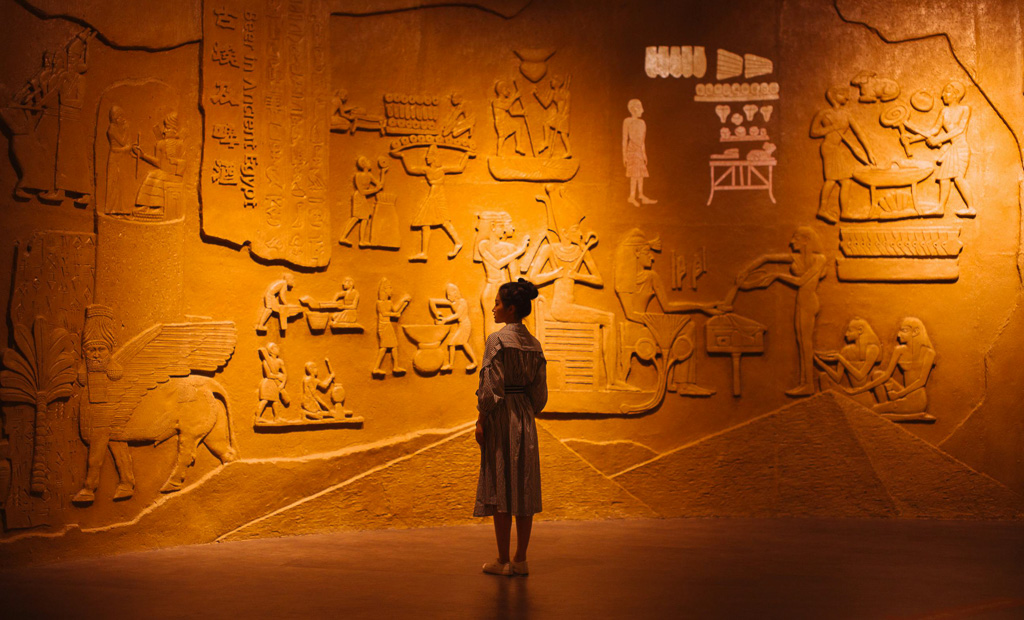

Turkey — all-inclusive resorts, beaches, and costs for 5–7 days
Turkey has been ranking for years as one of the most frequently chosen “warm and cheap” destinations for Poles. The average summer temperature in coastal regions reaches 28-32°C, and the hotel base is very developed, often with an all-inclusive option.


Turkey – The most interesting places and attractions
- Turkish Riviera: Antalya, Alanya, Side, Kemer — beaches, promenades, water parks.
- Cappadocia – rock formations, hot air balloon ride, underground cities.
- Pamukkale & Hierapolis – white limestone terraces, ancient ruins.
- Ephesus – ruins of the Greco-Roman complex.
- Istanbul (optional) – Hagia Sophia, Blue Mosque, bazaars, palaces.
Turkey – Approximate cost of a 5–7 day stay
Last-minute offers often start from ~1,500-2,500 PLN/person (hotel + flight). Comfortable 3–4★ packages can cost 2,500-3,500 PLN or more if the hotel and additional services are of a higher standard.
Turkey – how to fly from Poland
Charters from Poland to Turkish resorts (Antalya, Dalaman etc.) are available. The flight usually takes 2.5–4 hours, depending on the departure point. “Flight + hotel + transfer” packages are the most common form of travel.
- Airlines flying from Poland to Turkey include: LOT Polish Airlines, Turkish Airlines, Corendon Airlines, SunExpress.
- Ticket prices from Poland to Turkey can start from very low or promotional amounts (e.g., below 300-400 PLN one way during promotions).
- Direct flights are possible — e.g., Warsaw → Antalya.

Turkey FAQ – most frequently asked questions
Do I need a visa for Turkey?
No — Poles can enter Turkey for tourist purposes on the basis of an ID card or passport, without a visa, for a period of up to 90 days.
How long must the document be valid when flying to Turkey?
The document (ID card or passport) must be valid for the entire period of stay. In the case of a passport, it is often recommended to have some extra validity, although for tourist travel, Turkish regulations set limitations (e.g., for passports, a minimum validity of 150 days upon entry).
Does the EHIC work in Turkey?
No — Turkey is not a member of the EU, so the European Health Insurance Card (EHIC) is generally not honored. It is worth having private travel insurance covering medical costs and medical transport.
Is it safe in Turkey?
In popular tourist regions — yes, observing usual precautions. Areas near the border with Syria and discouraged zones should be avoided – e.g., the Ministry of Foreign Affairs indicates that travel to zones 30 km from the border with Syria is discouraged.
What currency is used in Turkey and do cards work?
The currency is the Turkish lira (TRY). In tourist regions, payment cards are often accepted, but in smaller towns it’s good to have cash.
Are there dress codes / rules for visiting mosques in Turkey?
Yes — when visiting mosques, shoulders and knees should be covered, women are often asked to cover their hair. Before entering prayer halls, footwear must be removed.
Can you buy gold cheaper in Turkey than in Poland?
Gold can be cheaper, however, one should be cautious about the purity, commissions, and the seller’s credibility — it’s best to buy in reputable jewelry stores.
Can I register in the Odysseus system when flying to Turkey?
Yes — Poles should register in the Polish Odysseus system before traveling to Turkey, so that in case of an emergency the consulate can contact them.
Turkey weather
The weather in Turkey delights with sunshine for most of the year. In summer, temperatures on the southern coast, i.e., the Turkish Riviera, often exceed 35°C, guaranteeing perfect conditions for an all-inclusive vacation. In spring and autumn, the climate is milder — from 22 to 28°C, making Turkey a great destination also outside the peak season. In winter, it’s worth going to Istanbul or the mountains, where the weather is more moderate and there are fewer tourists.
What is forbidden in Turkey?
In Turkey, there are several rules worth remembering. It is forbidden to publicly insult the flag, the president, and state symbols — severe penalties apply. Also avoid photographing military buildings and government offices. In public places, it is not appropriate to show too much affection, especially in smaller cities. Also remember that in many regions of Turkey, it is not allowed to drink alcohol outside designated places.
What is the difference between Aegean Turkey and the Turkish Riviera?
Aegean Turkey is the western part of the country with resorts such as Bodrum, Kuşadası or Çeşme. It is known for a more Mediterranean climate, calm bays, and romantic towns. The Turkish Riviera stretches around Antalya and Alanya – it is warmer, greener, and full of luxury hotels. Aegean Turkey attracts lovers of history and authenticity, while the Turkish Riviera attracts those who dream of beaches, palm trees, and intense sun throughout the season.
What not to drink and eat in Turkey?
During a vacation in Turkey, it is best to avoid drinking tap water – it’s worth buying bottled water. Caution is also recommended with street food on very hot days – stale products can cause stomach ailments. If you have a sensitive stomach, it’s better to avoid raw seafood and very spicy dishes. It is worth trying local dishes in reputable restaurants – Turkish cuisine is a true journey of flavors!
What are the unusual laws in Turkey?
Turkey has several unusual regulations worth knowing. For example, insulting Atatürk (the father of modern Turkey) is punishable. It is also forbidden to import or sell certain antiques – they may be considered national heritage. An interesting fact is that in some cities there is a ban on smoking in parks and on beaches. Tourists should also remember that possession of even a small amount of drugs is very severely punished in Turkey.
Which part of Turkey is the most beautiful?
It depends on what you are looking for. For lovers of blue lagoons and luxury hotels, the most beautiful will be the Turkish Riviera – with resorts such as Antalya, Side or Kemer. If you prefer authentic atmosphere and monuments, choose Aegean Turkey with Ephesus and Bodrum. Nature lovers will fall in love with Cappadocia – the land of rock formations and hot air balloon rides at sunrise. Each region has its unique charm, making Turkey one of the most diverse vacation destinations.
Why are Turks afraid of blue eyes?
This is not a literal fear, but a superstition. In Turkish culture, there is a belief that people with blue eyes can cast an evil eye (so-called nazar), bringing bad luck. That’s why the blue amulet in the shape of an eye – nazar boncuğu – is so popular in Turkey, as it is meant to protect against negative energy. Tourists often buy it as a souvenir from a vacation in Turkey, a symbol of happiness and protection.
What can’t a woman do in Turkey?
Women in Turkey have full rights, however, in traditional and religious places, greater respect for local customs is required. It is not appropriate to enter a mosque without a headscarf and with uncovered shoulders. In some smaller towns, it is better to avoid skirts that are too short and tops with straps. In large cities, such as Istanbul or Antalya, women dress freely – similarly to Europe.
Turkey vacations Itaka
Vacations in Turkey with Itaka are an excellent choice for people looking for comfort and a proven offer. The travel agency offers numerous hotels on the Turkish Riviera and in Aegean Turkey, all-inclusive options, and optional excursions – from Pamukkale to Cappadocia. Turkey with Itaka guarantees a successful holiday, beautiful beaches, and warm sea from May to October.
Turkey vacations
Turkey vacations are synonymous with sun, oriental flavors, and blue sea. It is a country where east meets west, and luxury resorts intertwine with monuments of the ancient world. A holiday in Turkey is an ideal choice both for families with children and couples looking for romantic places. Excellent weather, friendly people, and a rich hotel offer make Turkey consistently one of the most popular vacation destinations among Poles.


Egypt — Red Sea sun, snorkeling, and typical budget for a week
Egypt is a destination outside Europe, offering very high temperatures and guaranteed sunshine, especially in the Red Sea regions such as Hurghada, Sharm el-Sheikh, Marsa Alam.


Egypt – The most interesting places and attractions
- Pyramids of Giza, Sphinx
- Luxor – Valley of the Kings, Karnak temples
- Nile cruises
- Diving in the Red Sea reefs (Ras Mohammed)
- Desert safari
Egypt – Approximate cost of a 5–7 day stay
All-inclusive offers with charter often start from ~1,200-2,000 PLN/person. Comfortable hotels can increase the cost, but Egypt still offers some of the most competitive prices among warm destinations.
Egypt – how to fly from Poland
Direct charters from Poland to popular Egyptian airports (Hurghada, Sharm el-Sheikh) are common. The flight usually takes 4–5 hours. The transfer from the airport to the hotel can take from several dozen minutes to several hours, depending on the distance to the resort.
- Airlines offering flights from Poland to Egypt: e.g., Wizz Air, Smartwings Poland, EgyptAir, LOT.
- Ticket prices to Egypt from Poland start from a few hundred zlotys (promotional) — e.g., one way from about ~300-600 PLN in some offers.
Egypt FAQ – most frequently asked questions
*Do I need a visa for Egypt? What are the visa requirements for Polish citizens traveling to Egypt?
Polish citizens need a tourist visa for Egypt — most commonly a single-entry visa for 30 days, which can be obtained online (e-visa) or upon arrival at the airport. ([lot.com][1]) The passport should be valid for at least 6 months from the planned return date.
Is the visa included in the tour price?
Often yes in travel agency packages; always check the offer conditions.
Is Egypt safe?
In tourist regions usually yes, but the Ministry of Foreign Affairs warns against travel to border areas with Libya or Sudan and to the so-called North Sinai Governorate.
Isn't it too hot for sightseeing in Egypt in summer?
In peak summer, temperatures can be very high (40 °C), which makes sightseeing difficult. Consider going in spring or autumn, or plan sightseeing early in the morning or late afternoon.
Is tap water in Egypt safe to drink?
Usually not — it's better to use bottled water
Can I have problems returning (flight delays) from Egypt?
Yes — there have been cases of delayed return flights for Poles from Egypt. In 2025, a group of Poles was delayed returning from Hurghada.
Can I bring a drone into Egypt?
Generally, entering with a drone requires permits — tourists often have drones confiscated without proper documentation.
How does the Odysseus system work for travelers to Egypt?
Registration in the Odysseus system before departure is recommended so that Polish institutions can make contact in case of emergencies.
Are vaccinations needed before traveling to Egypt?
There are no mandatory vaccinations for travelers arriving directly from Poland, unless the flight included countries affected by yellow fever epidemics. Nevertheless, vaccinations against Hepatitis A, Hepatitis B, typhoid fever, and updating basic vaccinations (diphtheria, tetanus, polio) are recommended.
How is security and which regions of Egypt should be avoided?
Egypt has regions of increased risk due to border conflicts and terrorist activities — always check current MSZ warnings before departure Gov.pl .In tourist resorts such as Hurghada, Sharm el-Sheikh or Marsa Alam, a safe atmosphere usually prevails, but outside tourist zones, great caution should be exercised.
What to take on vacation to Egypt — clothing and a first aid kit?
For a vacation in Egypt, it is worth taking light, breathable clothing with long sleeves for sun protection, a hat, sunglasses, and sunscreen. It's good to have a first aid kit with medicine for diarrhea, painkillers, insect repellents, and basic medications, as well as a copy of prescriptions — in Egypt, some medicines from Poland may encounter customs restrictions.
How to withdraw money and are cards accepted in Egypt?
In Egypt, it is best to have cash (dollars, euros, Egyptian pounds) and a payment card — in large hotels and tourist centers cards are accepted, but in small shops you often pay only in cash. Withdrawals from ATMs are possible, but check your bank's fees for currency conversion and international commissions.
Can women traveling solo feel safe in Egypt?
Yes, many women travel solo to Egypt — however, it is worth applying safety rules: avoid walking alone at night, dress modestly (especially in cities and at religious sites) and use trusted means of transport. In tourist resorts, the atmosphere is often much more liberal.
Can you photograph people and sacred sites in Egypt?
Photographing tourists and architecture is usually allowed, but always ask for permission before photographing local residents — especially women and in religious zones. Some sacred sites and military places may have photography bans — obey signs and instructions.
What are the best resorts for diving and when to fly?
The best diving resorts in Egypt are Sharm El Sheikh, Hurghada, Marsa Alam and Dahab — they offer coral reefs, rich marine life, and diving schools. The diving season lasts practically all year, but the best conditions are from April to November (warmer water, better visibility).
Are there Polish consular posts in Egypt and how to find them?
Yes — Poland has an embassy in Cairo and honorary consulates in Egypt. In case of problems (lost passport, accident, etc.), contact with the Polish post is crucial — number and address available on the MSZ website.


Greece — island vibes, short flights, and best months for deals
Greece is a classic destination in Europe: guaranteed sun in summer, many islands, attractive infrastructure, convenient connections.

Greece – The most interesting places and attractions
- Athens (Acropolis, Acropolis Museum)
- Delphi
- Islands: Crete, Rhodes, Zakynthos, Corfu
- Meteora — monasteries on rocks
- Peloponnese – coastlines, smaller beaches
Greece – Approximate cost of a 5–7 day stay
Packages start from ~1,500–2,500 PLN/person; cheaper variants can be found in promotions.
Greece – how to fly from Poland
In season, charter flights as well as regular flights (often with layovers) to Greek islands and cities are available. Transfers to the islands are usually short.
- Direct flights to Greece are available from Poland — e.g., to Athens, Thessaloniki, Corfu. Airlines: Ryanair, Wizz Air, LOT, Aegean Airlines.
- Skyscanner
- Ticket prices to Greece from Poland can be very competitive — even from ~170-300 PLN one way in promotions.
- Flight time from Poland to Greece can be very short – e.g., ~2-3 hours for some routes.
Greece FAQ – most frequently asked questions

When is the best time to go to Greece to be warm and cheap
May / early June or September are often the best months – the weather is still favorable, and prices are lower.
Is the sea in Greece warm enough in May?
It can be cooler (~20–22 °C), but by the end of May it is already comfortable for many tourists.
Which Greek islands do Poles most often choose?
Crete, Rhodes, Zakynthos, Corfu and Kos are usually the most common choices.
Does the EHIC work in Greece?
Yes — as an EU country, Greece honors the EHIC in public health facilities, although there may be limitations depending on the region and facility.
Do restaurants in Greece accept cards and how much tip to leave?
In tourist places, cards are usually accepted. A tip of ~5–10 % is standard, though not obligatory.
Can you swim in the Greek sea outside the season?
Sometimes yes, especially in September, but the weather can be unstable.
Are prices high in Greek resorts?
Yes — in popular places prices are usually higher, but in smaller towns or local tavernas you can find good offers.
Are flights to Greek islands frequent from Poland
Especially in season — yes. It's worth booking in advance to get a better price.
What documents are needed for a trip to Greece?
For travel to Greece, a valid ID card is sufficient — Polish citizens do not need a passport for entries within Schengen. Always check the validity status of the document and have it with you during travel.
Do Poles need a visa for Greece?
No — short tourist stays of up to 90 days in Schengen area countries do not require a visa for Polish citizens. For longer stays or work purposes, check consular requirements.
Do I need special health insurance?
The European Health Insurance Card (EHIC) is recommended, which guarantees access to public care on the terms of the host country, but does not cover all costs — it is worth purchasing additional commercial travel insurance with liability and assistance.
What is the best time for a vacation in Greece?
The most popular months are May–October — May/June and September/October offer pleasant weather and fewer crowds, while July–August is the peak season with the warmest weather.
How does the health service work and what are the treatment costs?
Thanks to the EHIC you can use public services, but in Greece co-payments apply and some services may be chargeable — just in case, have travel insurance covering medical transport and hospitalization.
Can I drive a car in Greece with a Polish driver's license?
Yes — the Polish driver's license is honored in Greece; pay attention to local traffic regulations, speed limits, and the specifics of mountain roads and the costs of parking and highways. Gov.pl
How to pay in Greece — cash or card?
The euro is the official currency; payment cards are widely accepted in cities and tourist places, but on smaller islands and marketplaces it's good to have some cash.
How to get between the islands (ferries, flights) Greece?
The most popular options are ferries (regular connections and fast catamarans) and short domestic flights — book tickets in advance during the season and check schedules, as routes change depending on the season.


Spain — Canary Islands, Costa coastlines, and year-round warmth options
Spain offers a diverse climate — the Canaries are a subtropical zone with pleasant temperatures all year round, the Costa coasts are hot in summer, but can be cooler off-season.

Spain – The most interesting places and attractions
- Canaries (Tenerife, Gran Canaria, Lanzarote, Fuerteventura) – parks, cliffs, beaches
- Costa del Sol, Costa Blanca – coastal towns
- Barcelona, Seville, Madrid – sightseeing options on the side
Spain – Approximate cost of a 5–7 day stay
For the Canary Islands, prices in offers start from ~2,000–3,500 PLN/person. On the Spanish mainland, they can be lower off-season.
Spain – how to fly from Poland
Charter and regular flights to Canary Islands airports are available; transfers from the airport to hotels are usually short.
- Flights to Spain are available from Poland, both to the mainland (e.g., Costa del Sol) and to the Canary Islands.
- Flight prices can be very competitive in promotions — e.g., charters from Poland from ~350 PLN for a Spanish route in season.
- Transfers from airports in Spain to the hotel or resort are usually relatively short and well organized.

Spain FAQ – most frequently asked questions
Do I need a passport or is an ID card enough? What documents are needed for Poles traveling to Spain
An ID card or passport is sufficient (in case of travel between islands and the mainland it's always good to have both), and before departure it's worth obtaining the European Health Insurance Card (EHIC). Additionally, commercial travel insurance covering medical costs and possible medical transport is recommended Gov.pl
Is it warmer in the Canaries than on the mainland?
Usually yes — the climate of the Canaries is milder and more stable
Are flights to the Canaries expensive?
In season they can be, but off-season you can find attractive promotions
Does the EHIC work in Spain?
Yes — in public health facilities in Spain the EHIC is usually honored.
Are cards accepted in the Canaries and how much tip to leave?
Cards are usually accepted, a tip of ~5–10 % is customary, but not obligatory.
Are the beaches natural and of good quality?
Yes — many beaches are natural and well maintained, although in some places the sand may be imported.
Are swimming restrictions possible (currents, waves)?
Yes — local warnings and sea conditions may restrict swimming at certain hours or days.
Does English help in the Canaries / Costa?
Yes — in tourist zones many people speak English, though in smaller places knowledge of basic Spanish can be useful.
Do Poles need a visa for Spain or the Canary Islands?
Polish citizens do not need a visa for short tourist stays in Spain or the Canary Islands — travel takes place within the Schengen area. For longer stays or work, check specific requirements and permits.
When is the best time to go to the Canary Islands?
The Canary Islands are famous for their mild climate all year round — in winter it is one of the warmest destinations in Europe, making it an ideal choice outside the summer season. The specific island has its own microclimates, so it's worth matching the choice (Tenerife, Gran Canaria, Fuerteventura, Lanzarote) to weather preferences and activities.
What safety and health measures are worth keeping in mind?
The basis is the EHIC and additional travel insurance with repatriation coverage; also bring any medications you regularly take, and a copy of prescriptions. Current pandemic requirements generally do not impose mandatory tests or vaccinations, but it's worth monitoring changes before the flight.
Is it worth renting a car — how is driving in Spain and on the islands?
Renting a car gives great freedom, especially in the Canary Islands (access to beaches, viewpoints, and volcanoes), however, in cities and in the summer season, parking can be expensive and difficult. Check the insurance conditions in the rental agreement and local traffic regulations and speed limits.
How much cash to take — do payment cards work everywhere?
Payment cards (Visa/Mastercard) are widely accepted in tourist places, but a small amount of euros is useful for markets, tips, or small shops. At ATMs, check your bank's commissions and prefer bank ATMs to avoid high fees.
What attractions do you recommend for a short (weekend) trip?
Depending on the region: Barcelona — Gaudí and beaches; Madrid — museums and cuisine; Canary Islands — volcanoes, beaches, and national parks (e.g., Teide on Tenerife). Plan popular entries and tickets in advance to avoid queues.
Do I need to know Spanish — how much English is enough?
In popular tourist places, basic English is enough, but knowledge of a few phrases in Spanish significantly facilitates contacts and arouses the sympathy of locals. On smaller islands and in local bars, it's better to try to communicate in Spanish or have basic phrases prepared.
Do I need to book accommodation well in advance during the season?
In the summer season and during Easter holidays / winter breaks, it's worth making reservations in advance — the best hotels and apartments disappear quickly. Off-season, you can find last-minute offers, but when planning specific dates, it's better to secure accommodation earlier.
What is the air traffic and transfers between islands like?
In the Canary Islands, there are both air connections between islands and ferries — flights are fast and frequent, ferries are cheaper but longer; the choice depends on budget and time. Check baggage restrictions of airlines and transfer times to plan connecting flights.
Are there special rules regarding checked baggage on low-cost airlines in the Canary Islands?
Low-cost airlines often have restrictive limits for checked and hand baggage — always check weight limits and fees before buying a ticket to avoid additional costs at the airport. When buying tickets, compare tariffs and pay attention to what is included in the price (baggage, seat selection).
Is Spain / the Canary Islands expensive for tourists from Poland?
Costs are varied: large cities and resorts are more expensive, but outside the main attractions you can find reasonable prices in restaurants and local shops; the Canary Islands are often competitively priced outside the highest season. Planning and comparing offers (accommodation, flights, car rental) helps limit expenses.


Tunisia — Mediterranean beaches, desert excursions, and best-value resorts
Tunisia is a warm Mediterranean destination in the north, with desert influences inland. In summer, temperatures reach ~30 °C and more.

Tunisia – The most interesting places and attractions
- Carthage
- Old medinas of Tunis
- Sahara – desert expeditions and camps
- Resorts: Hammamet, Sousse
- Roman ruins in Dougga
Tunisia – Approximate cost of a 5–7 day stay
Packages (flight + all-inclusive hotel) often start from ~1,400–2,500 PLN/person.
Tunisia – how to fly from Poland
Direct charter flights from Poland to capitals or resorts – approx. 3–4 hours. Transfers from the airport to the hotel are often included or available as an option.
- Connections to Tunisia are available from Poland — for example, flights from Poland to Tunisia start from around ~238 PLN one way.
- Charter and package flights (flight + hotel) are offered by travel agencies from airports such as Warsaw, Krakow, Gdansk.
- Flight time from Poland to Tunisia is about 3–4 hours, depending on the departure point and airport in Tunisia.

Tunisia FAQ – most frequently asked questions
Do I need a passport for Tunisia and do Poles need a visa?
Entry to Tunisia requires a valid passport — from January 1, 2025, entry with an ID card is no longer accepted. Polish citizens do not need a tourist visa for stays shorter than 90 days, but always check the allowed length of stay before travel Gov.pl
Is Tunisia safe? How to travel safely to Tunisia — is it currently safe?
Popular tourist regions (Hammamet, Sousse, Djerba) are usually safe for tourists, but the Ministry of Foreign Affairs and Polish sources recommend avoiding southern border regions and areas near the border with Libya and Algeria. Maintain standard precautions, follow MSZ alerts, and register your trip if required by your company/family.
Is tap water safe? Can you drink tap water in Tunisia and how to care about food?
Tap water in Tunisia is not always recommended for drinking; use bottled water and avoid raw food from street stalls if you have a sensitive stomach. In hotels, restaurants are trusted, but with street food choose places with a high turnover of customers.
Tunisia – how long does the transfer from the airport to the hotel take?
Depending on the resort – from several dozen minutes to several hours.
Is bargaining common? What about shopping and souvenirs — bargaining and customs?
In souks, bargaining is the norm — start from a lower price and negotiate with respect; be cautious about the authenticity of souvenirs and documents for larger purchases. Upon departure, check customs limits and rules for transporting pearl items or antiques.
Are purchases from local stalls in Tunisia a good idea?
Yes, provided you check the quality and price — bargain with respect.
Tunisia are there dress codes in religious places?
Yes — shoulders and knees should be covered, especially when visiting mosques.
Are flights to Tunisia frequent?
Seasonally – yes. The charter offer from Poland can be intensive in the summer months.
What is the best time of year for a vacation in Tunisia?
The best time for beach holidays is June–September, when it is warmest; May and October offer pleasant temperatures without heatwaves. If you plan to explore the north or the Sahara, consider spring and early autumn for milder weather.
What vaccinations or health measures should be considered before departure?
Basic routine vaccinations should be up to date; specialists recommend considering vaccinations against Hepatitis A, Hepatitis B, typhoid fever, and updating tetanus/pertussis, and in some cases rabies. Check current recommendations from a travel medicine clinic or CDC before departure.
What currency is used and can you pay by card?
The official currency is the Tunisian dinar (TND); in resorts and hotels, payment cards are accepted, but in smaller shops, markets, and for local services, it's good to have cash. Exchange money at exchange offices or banks and check your bank's currency conversion fees.
Does roaming work in Tunisia and what about mobile internet?
Roaming works, but costs can be high — consider buying a local SIM card at the airport or in the city for cheaper mobile internet and calls. Hotspots and Wi-Fi are common in hotels and restaurants, but speeds outside major centers may be lower.
What are the rules regarding dress and culture?
Tunisia is a Muslim country with a liberal character in tourist zones — in resorts, beachwear is acceptable, but outside the beach and in places of worship, it is better to wear more modest clothing. Respect local customs, especially during visits to mosques and smaller towns.
Do I need travel insurance and what should it cover?
Comprehensive travel insurance covering medical costs, medical transport and COVID-19 (if needed) as well as baggage and CANCELLATION is recommended; public facilities may require coverage of treatment costs before admission. Check the sum insured and conditions before purchase.
How to get from the airport to the hotel and are transfers safe?
At main airports (Tunis-Carthage, Monastir, Djerba), official taxis and private hotel transfers are available — book a transfer through the hotel or a trusted operator to avoid problems. Compare the price at the transfer desk at the airport and pay attention to approved tariffs.
What to do in case of loss of documents or consular problems?
If you lose your passport or need assistance, contact the Polish diplomatic or consular post immediately — you will find current contact details and procedures on the MSZ websites. Register your trip (if possible) and have copies of documents in the cloud/email inbox.
How to extend the stay or what to do if I exceed 90 days?
Exceeding the allowed stay period involves penalties — if you plan to stay longer than 90 days, contact Tunisian immigration authorities or the embassy regarding a long-term visa. Always plan formalities in advance to avoid fines and problems upon departure.



Read also / next
Albania — budget Adriatic coast, short trips, and easy beach planning
Albania is a budget alternative in Europe with a Mediterranean climate on the coast — warm summers, wide beaches, and fewer tourists.

Albania – The most interesting places and attractions
- Ksamil – beautiful beaches, islets
- Saranda
- Albanian Riviera
- Gjirokastra, Berat (UNESCO)
- Durres
Albania – Approximate cost of a 5–7 day stay
With a frugal style, you can manage with ~1,400–2,000 PLN/person; better conditions can increase the cost to ~2,500–3,500 PLN.
Albania – how to fly from Poland
Direct flights from Poland are rarer; layovers or flights to a neighboring country and further travel are often required.
- Cheap flight connections to Albania are available from Poland – for example to the capital Tirana from ~272 PLN for a one-way ticket.
- Airlines: e.g., Lufthansa offers connections Poland → Albania (e.g., Wrocław → Tirana) from about 608 PLN.
- Seasonal charter flights from Polish airports (Warsaw, Katowice, Gdansk) are also available.

Albania FAQ – most frequently asked questions
Can I enter Albania with an ID card? Do I need a visa or passport when going to Albania?
Polish citizens do not need a visa for tourist stays of up to 90 days; a valid ID card is sufficient (a passport can also be used). For longer stays or work, formalities with Albanian immigration services are required Gov.pl
Is Albania safe? Is Albania safe for tourists?
Generally yes — tourism is growing, but caution is still recommended in less frequented places. Albania is generally safe — crime against tourists is low, and local residents are hospitable; however, maintain basic precautions (watch your luggage, avoid isolated routes at night). Having travel insurance is useful.
Does the EHIC apply in Albania?
No — Albania does not belong to the EU, so the EHIC is usually not honored; it's worth having private insurance.
Do restaurants accept cards?
In cities and resorts yes; in villages it's better to have cash.
What is the condition of roads and public transport?
Main roads are usually in good condition, local roads sometimes require caution. Buses and minibuses are a popular option for local transport.
Can the hotel add a climate / tourist fee?
Yes — some hotels add a climate or tourist fee — it's worth checking this before booking.
Is combining a flight with a road transfer (e.g., from Greece) a good idea?
Yes — sometimes a flight to Greece + road transfer to Albania is cheaper than a direct option.
Is there access to mobile internet in Albania?
In resorts and cities usually yes — local SIM cards are available and cheap.
What currency is used in Albania and is it worth taking euros?
The official currency is the Albanian lek (ALL); in resorts, euros are sometimes accepted, but it's best to pay in the local currency or exchange euros for lek upon arrival. Monitor exchange rates before departure — rates change daily.
Can you pay by card and are there ATMs?
In larger cities and resorts, cards (Visa/Mastercard) work widely, but in the countryside cash is often needed — bring some lek or euros for exchange. ATMs are available in cities, but check fees and withdrawal limits before traveling.
When is the best time to go to Albania?
The best time is May–June and September–October — mild weather, fewer crowds; if you want to beach holiday, June–August is the peak season and the warmest months. In the mountains and on trails, spring and autumn are optimal.
Do I need special vaccinations before departure?
For ordinary tourist travels to Albania, there are no mandatory vaccinations beyond standard recommendations (up-to-date routine vaccinations); check health service recommendations before departure. In case of doubt, consult a travel medicine doctor.
How to get from Tirana airport to the city center?
From Tirana-Rinas airport, buses, taxis, and private transfers run — the journey to Tirana usually takes 20–40 minutes depending on traffic; it's worth arranging a transfer from an agency or hotel before arrival.
Is it worth buying a local SIM card / Internet in Albania?
Yes — in larger cities the coverage is good, but in the mountains and remote areas it may be weaker; a local SIM card (prepaid) is a cheap way for data and navigation.
What are the plugs and voltage? (adapter)
In Albania, plug types C and F are used, voltage 230 V / 50 Hz — for most Polish devices you don't need an adapter.
Is Albania expensive — how much will I spend per day?
Albania is generally cheaper than Western European countries; costs depend on travel style — a budget traveler can manage with low cost, while comfortable hotels and restaurants will increase expenses. It's always worth planning a budget for fuel/transport, accommodation, and food.
Can women travel safely alone in Albania?
Yes — many women travel alone and feel safe, especially in popular towns; as everywhere, it's worth being cautious in the evening and informing someone about your route.
Can you use an offline translator / maps without internet in Albania?
Yes — download offline maps and dictionaries (e.g., in map and translation apps) before departure — this will be useful outside cities where coverage can be limited. Meta phrases: offline maps Albania, offline translator Albania, travel apps Albania


More warm destinations: quick inspiration beyond the classics
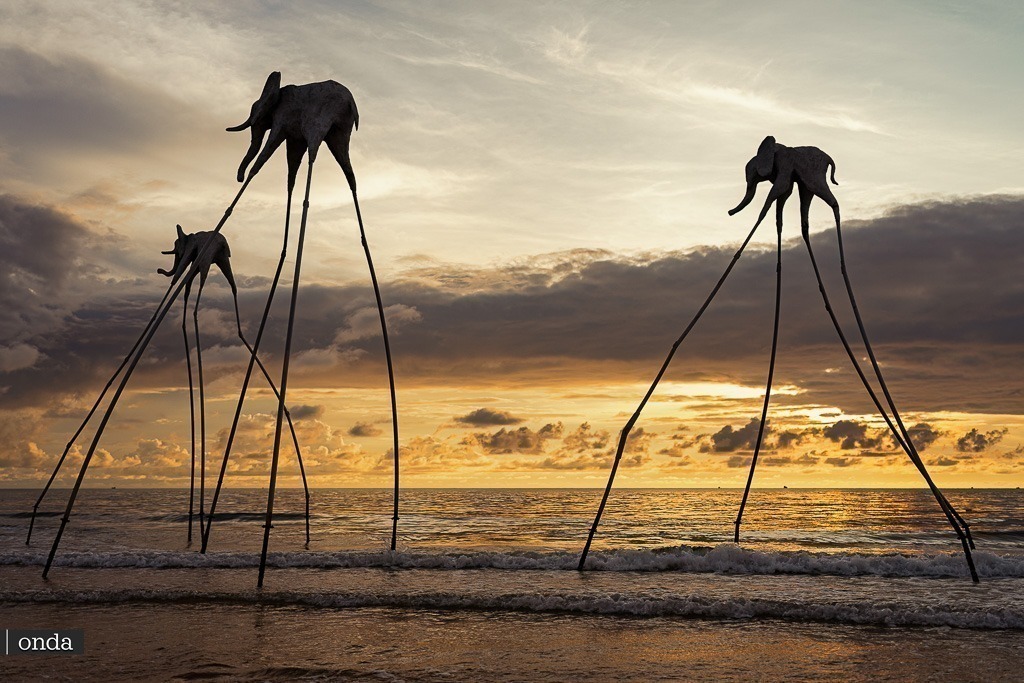
If you’re comparing options, these pages will help you plan faster: Cyprus for a warm trip, Vietnam overview, and Thailand overview.
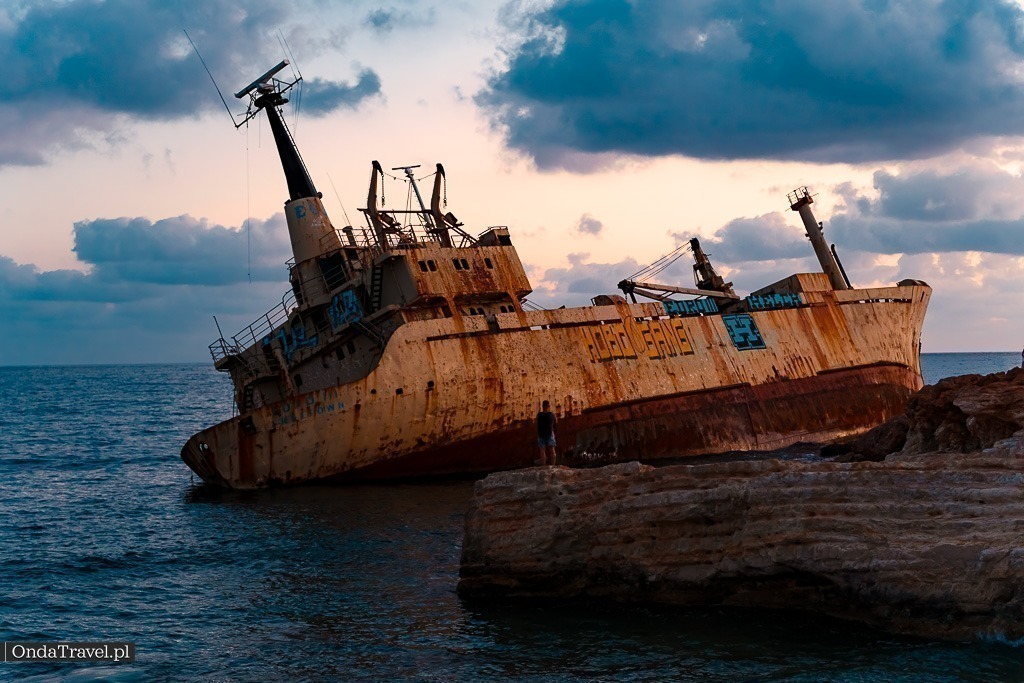
Cyprus — an easy 7-day loop with beaches, history, and viewpoints
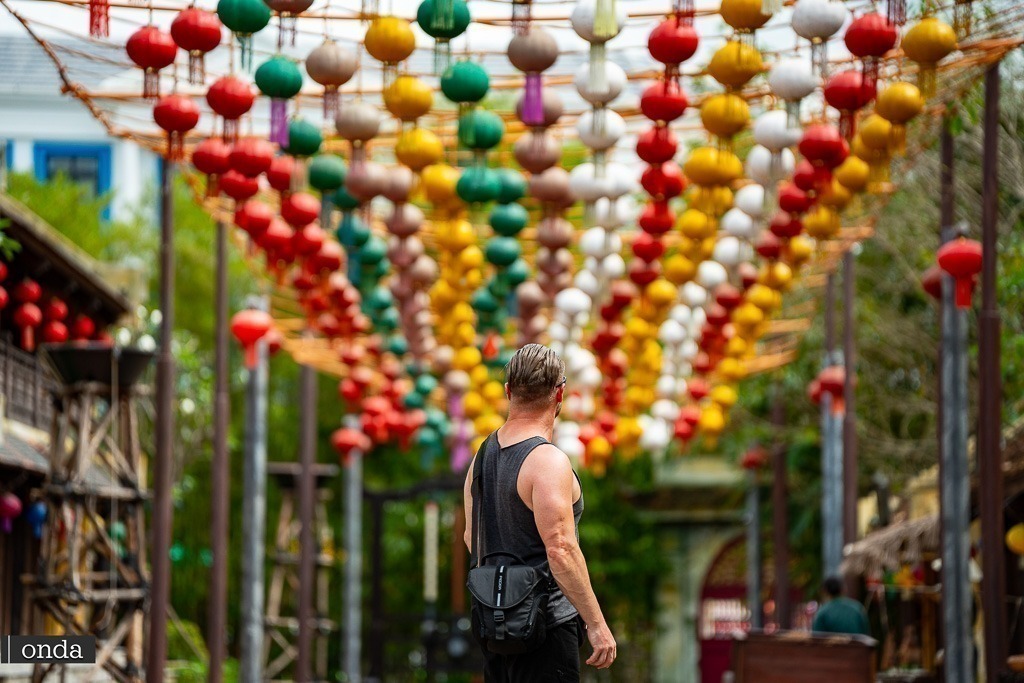
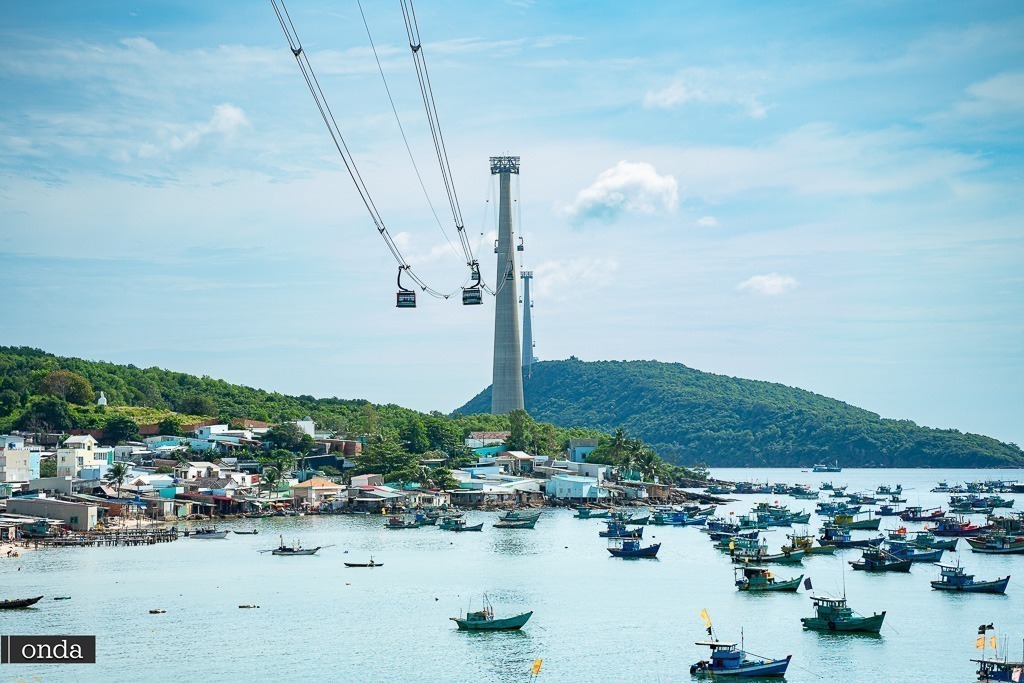
Vietnam and Phú Quốc: tropical beaches, street food, and easy day trips
Read also / next
If you are choosing between easy warm-weather destinations, continue with the main travel map and the warm-destinations guides for Vietnam, Thailand and Cyprus.
Travel map
Open the full English travel section with destinations, routes and practical planning guides.
Open travel mapWarm destinations
Compare quick ideas for sun, winter escapes and warm-weather trips beyond the obvious classics.
See warm ideasVietnam for a warm trip
Use the Vietnam section for Phú Quốc planning, beaches and easy day ideas.
Plan VietnamThailand guide
Start here for Koh Samui ideas, relaxed sightseeing and warm-weather trip planning.
Plan ThailandCyprus for a warm trip
Use the Cyprus section for beaches, viewpoints, history and a ready 7-day loop.
Plan Cyprus

Hi, I’m Krystian “dziadzia przewodnik” from OndaTravel.pl!
The North is my greatest passion, but the world is far too beautiful to stay in just one climate. On my blog, I combine the raw landscapes of Iceland and Norway with the exotic energy of Thailand or Vietnam, showing you how to travel authentically — with passion and a camera in hand.
What will you find on OndaTravel.pl?
Visual storytelling: As a photographer and filmmaker, I don’t just describe places — I take you there with professional photos and video.
North expert: Ready-to-use road trip plans for Iceland and Norway, smart tips for budget travel, and my original Northern Lights Radar (locations and forecast).
Travel through the lens of cinema: I track down filming locations — from icy scenes in Interstellar to tropical frames from world cinema.
New direction: Exotic destinations: I love contrast, so the blog is featuring more and more practical knowledge about Vietnam and Thailand. I’ll show you how to find your way around Southeast Asia and come back with your best memories.
P.S. follow me here




Sorry, the comment form is closed at this time.