

Quietcation: travel in silence, nature and without crowds.
Quietcation is a travel trend for people who do not want to return from holiday more tired than before they left. Instead of chasing a list of attractions, it is about silence, nature, space, a calmer pace and places where you can truly breathe. In search engines, this trend may also appear as quiet vacation, holidays in silence, quiet holidays or travel without crowds.
On OndaTravel, quietcation naturally connects with northern Europe: Iceland off-season, Norway, Senja, Lofoten, Tromsø and destinations that let you rest from heat, crowds and sensory overload. If silence should have a softer, sunnier version, also check warm destinations; in Iceland, a calmer base can also be Reykjavík outside the most intense sightseeing rhythm.
Quietcation does not mean boredom. It is a trip where, instead of “ticking off as much as possible”, you choose fewer places, a better rhythm and more space for real rest.
Quietcation — in short
A quietcation is a trip focused on silence, nature, a slower pace and a rest from crowds, noise and overstimulation. It is not about a lack of attractions, but about choosing places that let you truly slow down.
Table of contents

Check out my YouTube channel and travel with me.
Follow the channel for videos, routes and practical travel inspiration.
Follow me here:
What’s up?
Enjoying my content?
Buy me a coffee at buycoffee.to/ondatravel and support the creation of more travel content.
Your support helps me create more practical guides, videos and travel inspiration.

What is quietcation?

Travel in silence — quietcation as a calmer travel rhythm.
Quietcation is a trip planned around silence, nature, fewer people and rest from overstimulation. In practice, it may mean travelling off-season, taking a calmer route through northern Europe, staying close to water, choosing a small town, a fjord, hot springs or a few days without a tight schedule.
This is not giving up travel. It is changing the order of priorities. First you ask: where will I rest, where will there be fewer people, where does nature matter more than a queue to an attraction? Only then do you arrange the route, accommodation and points on the map.
Quietcation responds well to fatigue with fast-paced sightseeing. If a classic city break is too intense, and a beach in peak season is too loud, a calmer trip may be a better choice than another holiday “by force”.
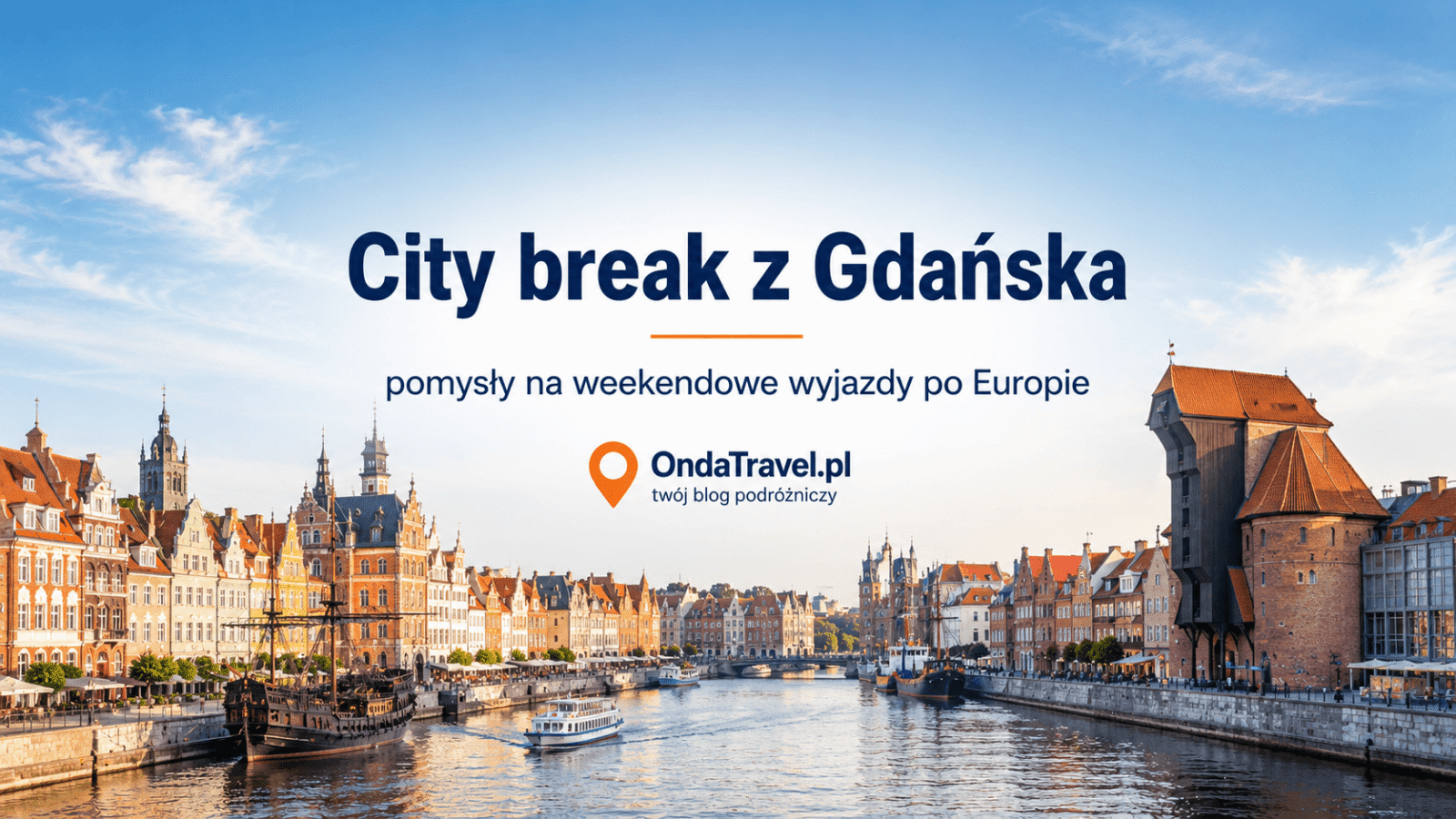
GUIDE
City breaks from Gdańsk: where to fly for 2–3 days?
Guide to the best city breaks from Gdańsk: 2–3 day destinations, new routes for 2026, car-free plans, transfers and weekend ideas.
Why is the quietcation trend growing?
More and more people travel not only for photos, but for calm. Online work, city noise, sensory overload, high temperatures and crowds in popular resorts create a growing need for simpler, cooler and calmer trips. That is why quietcation often works like a gentle digital detox: less screen time, fewer stimuli, more sleep, walks and real regeneration. In short: regeneration matters more here than the number of attractions ticked off.
Quietcation fits into a bigger change: a holiday does not have to be a showcase of attractions. It can be a way to regain rhythm. That is why it connects well with trends such as coolcation, glowcation and slow travel, but it has its own meaning: less noise, fewer crowds, more space. In the same framework, it is also worth placing Darecation i Set-jetting, because they show other travel motivations: a challenge, a film trail or conscious slowing down.
If quietcation is meant to be more regenerative, combine silence and nature with geothermal bathing, wellness, sauna and a calm ritual of rest. I develop this direction separately in the guide Glowcation: travel for regeneration.

RELATED TREND
Glowcation: travel for regeneration
If quietcation is meant to be more regenerative, combine silence and nature with geothermal bathing, wellness, sauna and rest.

RELATED TREND
Coolcation: holidays without extreme heat
If quietcation is also meant to be an escape from high temperatures, combine it with cooler European destinations.
Who is quietcation for?
Quietcation is for people who prefer landscape to crowds, walking to rushing and a few well-chosen places instead of a tight plan from morning to evening. It is a good choice for couples, solo travellers, families looking for a calmer rhythm and anyone who feels that classic holidays increasingly tire them out.
You do not need to travel to the end of the world right away. Sometimes quietcation can mean one region instead of a road trip, accommodation further from the centre, a morning walk before the crowds, off-season travel or choosing the north instead of the crowded south of Europe.
The best quietcation is not empty. It is intentionally calmer.
Best quietcation destinations in Europe

Places without crowds — nature, space and calmer planning.
In Europe, quietcation works best where nature matters more than entertainment infrastructure. Good choices include Iceland off-season, northern Norway, Senja, Lofoten, Scotland, the Faroe Islands, the Alps outside the holiday peak and less obvious regions by the Baltic Sea.
Not only the destination matters, but also the moment. The same place can be quietcation off-season and a completely different experience in the middle of summer. That is why, when planning, it is worth looking at the month of travel, days of the week, transport availability and the popularity level of specific attractions.

Iceland without crowds
A destination for people who want to see space, waterfalls, geothermal areas and northern landscapes more calmly than in peak season.
See Iceland
Norway, fjords and the north
Norway fits quietcation well when, instead of a list of attractions, you are looking for landscape, space, a slower rhythm and a cooler climate.
See Norway
Senja and Arctic silence
Senja, Lofoten and Tromsø can be a calmer alternative to classic holidays, especially outside peak season and with a flexible plan.
Check SenjaNorthern Europe
Northern Europe combines a cooler climate, less obvious routes, nature and a calmer travel pace.
See the northIceland off-season as quietcation
Iceland off-season — geothermal areas, space and less rushing.
Iceland is one of the most natural quietcation destinations, but it works best outside peak season and with a sensible plan. Instead of trying to drive everywhere, it is better to choose one region, plan fewer stops and leave room for weather, light and rest.
In practice, this can be a calmer route around the Snæfellsnes Peninsula, hot springs, less obvious waterfalls, accommodation outside Reykjavík or a route where the landscape is just as important as the attractions. Iceland does not have to be only a high-intensity road trip.

DESTINATION / ICELAND
Iceland on OndaTravel
The Iceland guides will help you connect quietcation with nature, geothermal bathing, off-season routes and a calmer travel rhythm.
Norway, Senja and the north without rushing
Norway without crowds — fjords, silence and northern landscape.
Norway, Senja, Lofoten and the area around Tromsø can be a very good choice for people looking for space, fjords, scenic roads, small towns and a cooler climate. These are destinations where it is worth leaving time for weather and not planning every day too tightly.
Senja and the north — Arctic space without rushing.
Senja especially fits the idea of quietcation because it gives a sense of the north without the need to keep moving all the time. A well-planned trip can combine short walks, viewpoints, water, mountains and evenings without city noise.
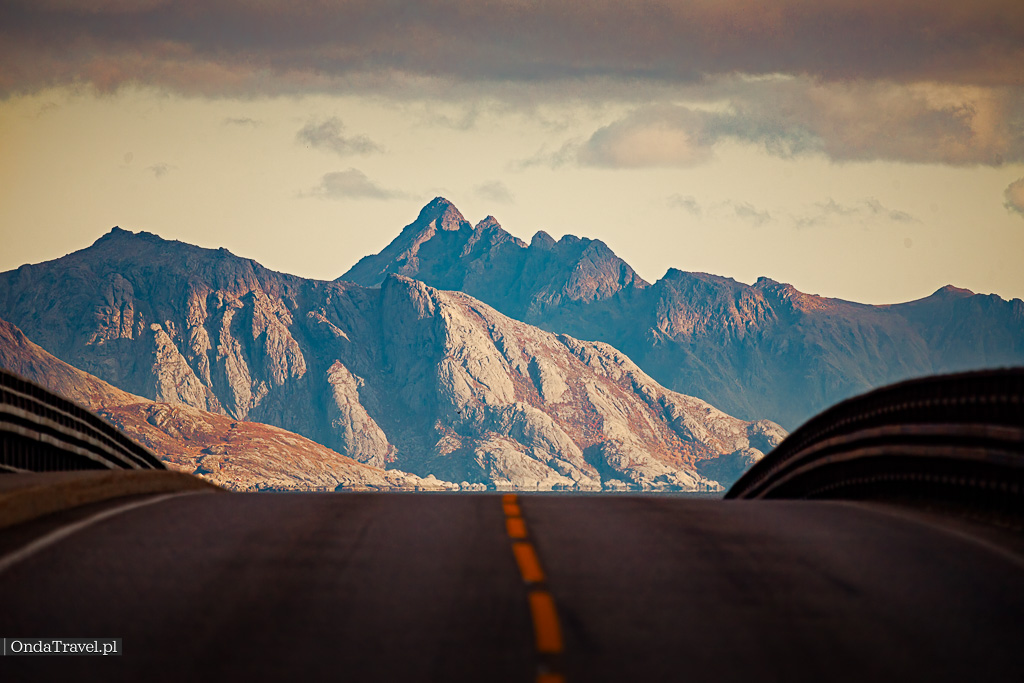
DESTINATION / NORWAY
Norway on OndaTravel
Fjords, northern islands, Senja, Tromsø and road trips at a calmer rhythm — a good direction for quietcation.
How to plan quietcation without disappointment?
The most important thing is pace. In quietcation, it is better to plan fewer places but experience them better. Choose an accommodation base that does not force long daily drives, check the seasonality of attractions and leave time for weather.
A good plan should have one main thing per day, not five. It is also worth avoiding the most popular places at peak hours. Sometimes it is enough to change the time of day or choose a calmer part of the region for the whole trip to feel completely different.
If you want to combine quietcation with the night sky, auroras or calm nature observation, also check Noctourism. It is the night version of travelling more slowly and consciously.

RELATED TREND
Noctourism: travel after dark
Quietcation connects well with the night sky, auroras, meteors and travel outside the busiest tourist flow.
Quietcation: realism vs expectations
Quietcation does not guarantee perfect silence. Popular places may still be crowded, weather can change the plan, and northern Europe can be expensive and logistically demanding. That is why this type of travel requires flexibility.
The realistic approach is simple: you choose a calmer destination, travel outside the peak, plan less rather than more, and accept that some attractions may depend on weather. In return, you get a trip with more breathing space.
Quietcation works best when you do not try to turn it into another checklist.
FAQ: quietcation
This guide is part of a larger section about new travel styles. See also: Travel trends — the OndaTravel guide to Noctourism, Coolcation, Set-jetting, Glowcation, Quietcation and Darecation.

GUIDE
Travel trends: Noctourism, Coolcation, Set-jetting, Glowcation and Quietcation
Discover key travel trends: Noctourism, Coolcation, Set-jetting, Glowcation, Quietcation and Darecation. Choose your travel style.
What is quietcation?
Quietcation is a way of travelling focused on silence, nature, rest from stimuli and places without crowds. It is not about sitting in a hotel, but about a calmer travel rhythm.
Does quietcation mean holidays without attractions?
No. It is rather choosing attractions that do not require rushing: walks, viewpoints, hot springs, fjords, coastlines, small towns and routes away from the main crowd.
Where is the best place to plan quietcation in Europe?
Good destinations include Iceland off-season, northern Norway, Senja, Lofoten, Scotland, the Faroe Islands, the Alps outside peak season and less obvious regions by the Baltic Sea.
Is Iceland suitable for quietcation?
Yes, especially off-season and outside the most crowded hours. Iceland offers a lot of space, nature, geothermal areas and routes that can be planned more slowly.
Are Norway and Senja good for travel in silence?
Yes. Norway, Senja and the northern islands fit quietcation well because they combine landscapes, fjords, small towns, a cooler climate and a slower travel pace.
When is the best time to go for quietcation?
It is best to travel outside peak season, during the week or in shoulder periods. Then it is easier to avoid crowds and build the plan around nature rather than queues to attractions.
Is quietcation for solo travellers?
Yes. It is a good trend for solo travellers, couples and everyone who wants to rest from sensory overload. Sensible planning of safety and transport is still important.
How is quietcation different from slow travel?
Slow travel is about travelling more slowly and getting to know a place more deeply. Quietcation places a stronger emphasis on silence, lack of crowds, regeneration, nature and rest from overstimulation.


Hi, I’m Krystian “dziadzia przewodnik” from OndaTravel.pl!
The North is my greatest passion, but the world is far too beautiful to stay in just one climate. On my blog, I combine the raw landscapes of Iceland and Norway with the exotic energy of Thailand or Vietnam, showing you how to travel authentically — with passion and a camera in hand.
What will you find on OndaTravel.pl?
Visual storytelling: As a photographer and filmmaker, I don’t just describe places — I take you there with professional photos and video.
North expert: Ready-to-use road trip plans for Iceland and Norway, smart tips for budget travel, and my original Northern Lights Radar (locations and forecast).
Travel through the lens of cinema: I track down filming locations — from icy scenes in Interstellar to tropical frames from world cinema.
New direction: Exotic destinations: I love contrast, so the blog is featuring more and more practical knowledge about Vietnam and Thailand. I’ll show you how to find your way around Southeast Asia and come back with your best memories.
P.S. follow me here

