
Darecation is one of those travel trends that describes very well how holiday planning is changing. More and more often, simply “going away and resting” is no longer enough. We want to return from a trip with the feeling that we experienced something, tested our own pace, saw the landscape up close and had a specific reason to move. In practice, it is adrenaline holidays, but in a sensible, well-planned version.
That is exactly why darecation fits OndaTravel so naturally. This is not an article about extreme sports for a select few. It is a guide for people planning active holidays with an element of challenge: from Iceland and Norway, through northern Europe, to an active city break that can be a gentler version of this kind of trip. You will also find broader inspiration in the section Travel.

GUIDE
Travel
Travel guides and proven routes: Iceland, Norway, and beyond. Road trip plans, trekking itineraries, accommodations, budgets, and YouTube videos.
Darecation — in short
A darecation is a trip with an element of challenge: a new activity, a bolder destination, breaking the routine or a journey that gives a sense of agency. It works best when the challenge is real but still safe and matched to your abilities.
What will you find in this guide?

Check out my YouTube channel and travel with me.
Follow the channel for videos, routes and practical travel inspiration.
Follow me here:
What’s up?
Enjoying my content?
Buy me a coffee at buycoffee.to/ondatravel and support the creation of more travel content.
Your support helps me create more practical guides, videos and travel inspiration.

What is darecation?
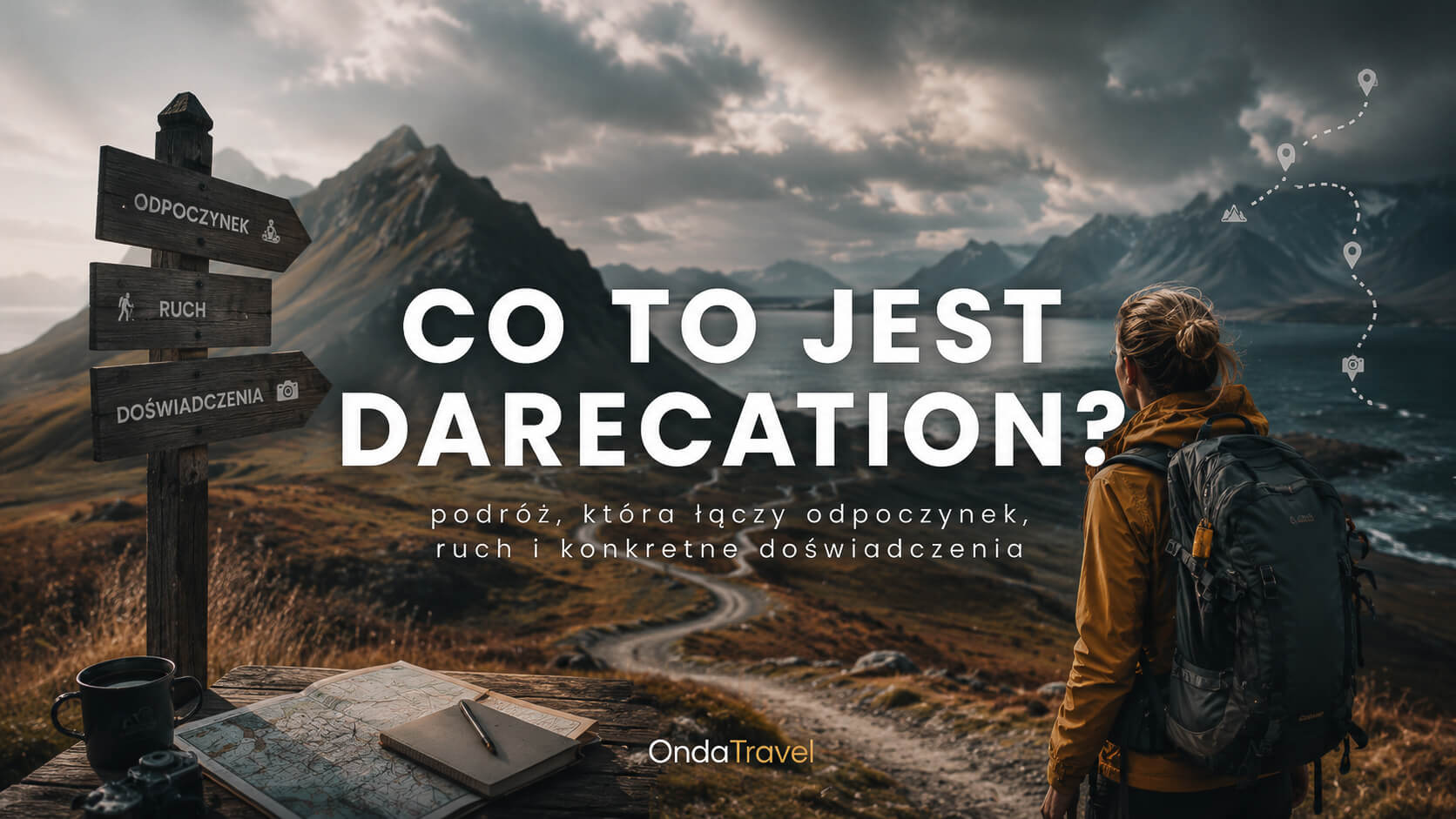
Darecation means holidays with a challenge. The name itself combines the idea of courage, a test or something that requires a little more commitment with a classic vacation. In practice, it is about a trip in which movement, adrenaline, nature, effort or an experience beyond standard sightseeing plays an important role.
Darecation does not have to mean skydiving, high-altitude climbing or extreme sports. For many people, it will simply be an active trip with one stronger element: a trek to a waterfall, a road trip through a raw landscape, a drive through fjords, a walk across a lava field, cold wind in northern Europe or a weekend after which you really feel that your body travelled together with your mind.
In simple terms: darecation answers the question “what do I want to experience?”, not only “where do I want to sleep?”. It is a trip that should have rhythm, purpose and a story.
Why are holidays with a challenge becoming popular?
After years of planning holidays mainly around rest, more and more people are looking for trips that give them a sense of agency. We want not only to disconnect from work, but also to do something we will remember: complete a route, see a natural phenomenon, get up earlier, go further, face the weather or choose a destination that is not the easiest option.
This trend connects well with the broader shift toward experience-based travel. More and more often, it is not only the country that matters, but the reason for going: aurora, night sky, glacier, fjord, active weekend, film location, trekking or escaping the heat. Darecation organises exactly this need: a holiday should be rest, but also an experience. For the night version of such a trip, the aurora radaris also useful, because it helps you assess whether the night plan makes sense.
GUIDE
Northern Lights Radar: Live Aurora Forecast by Location
Live aurora radar with Kp thresholds by location, cloud cover and a quick guide to choosing where to watch tonight across the Arctic.
Who is darecation for?
Darecation is for people who like to travel actively, but do not necessarily want to turn their holiday into a sports camp. It is a good choice if classic lying by the pool quickly bores you, if you like landscapes that require a bit of walking, and if you prefer to return from a trip with a story rather than only a list of restaurants.
It is also a good option for people who want to start with something gentler. You do not need to plan a major expedition right away. Sometimes an active city break, a day with a longer walking route, a trip to a cooler climate or a weekend with one stronger point in the programme instead of classic sightseeing is enough.
The most important thing is to match the difficulty level to yourself. A good darecation is not meant to destroy you. It is meant to wake you up.
Best darecation destinations in Europe
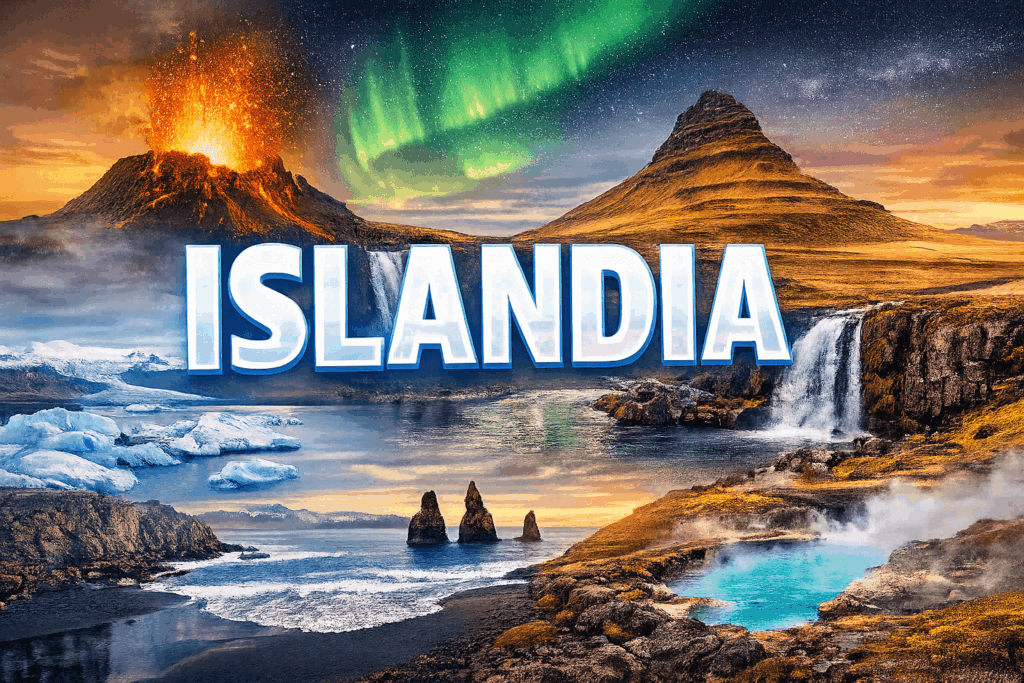
Iceland jako holidays with a challenge
Volcanoes, waterfalls, lava fields and road trips through raw landscapes make Iceland a natural fit for the idea of darecation.
See Iceland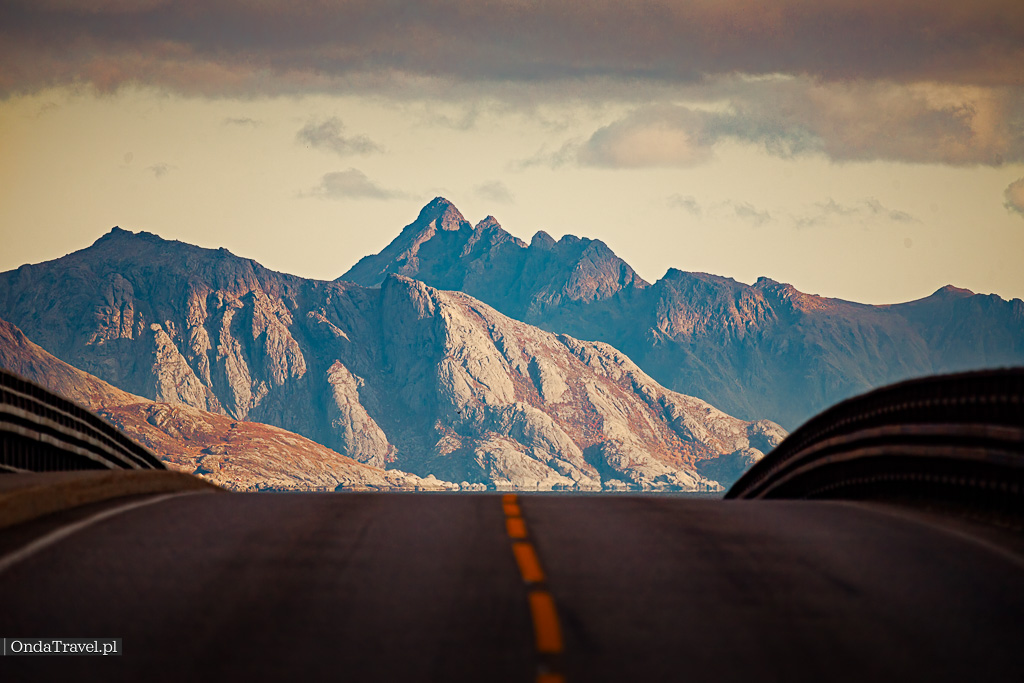
Norway for active travellers
Fjords, mountains, northern roads and islands make it possible to plan an active trip with powerful landscapes, but without unnecessary bravado.
See Norway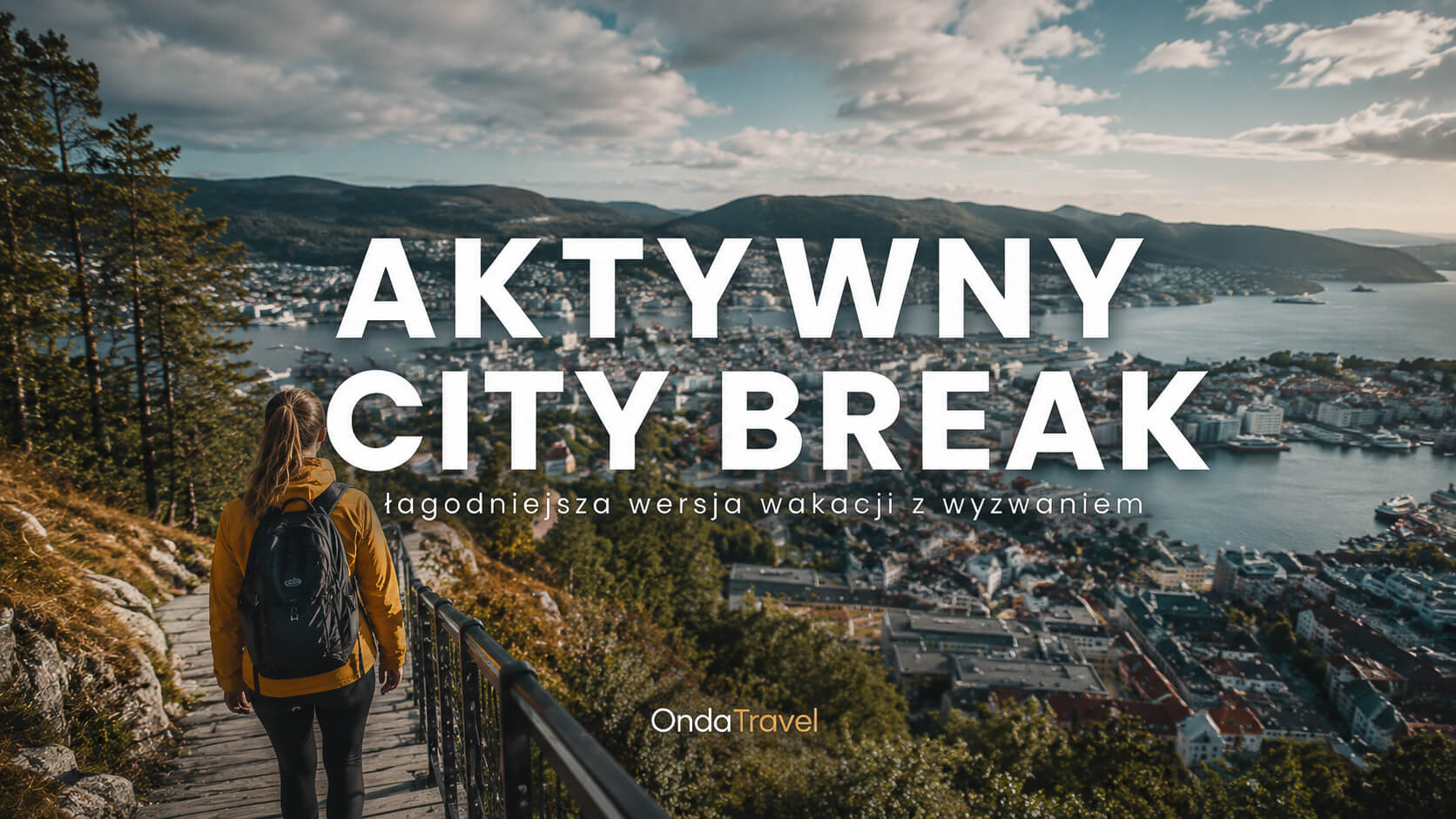
City break from Gdańsk in an active version
Not every trip with a challenge has to be a major expedition. An active city break is a good way to enter this trend in a shorter and simpler way.
See city breaks
Noctourism: travel after dark
The northern lights, the night sky and travel after dark connect well with darecation when the challenge lies in a different rhythm of travel.
See noctourismEurope is very good for holidays with a challenge, because you do not need to fly to the other side of the world to find landscapes that bring emotion. The best destinations are those where nature, weather and terrain are part of the experience: Iceland, Norway, northern Europe, the Alps, islands, fjords, black beaches, waterfalls and cities that can be explored more actively than classically.
If you are just starting, a useful filter is the question: do I prefer a landscape, weather, physical or logistical challenge? One person will choose a trek to a waterfall, another a drive through fjords, a third an active city break, and a fourth a night trip for the northern lights. You will find more destinations to compare in the guide to Europe.

GUIDE
Europe: guides, city breaks and short trips
Europe on OndaTravel.pl: city breaks, Poland, Switzerland, Cyprus, Italy, Iceland, Norway and ready-made ideas for short trips.
Iceland as darecation
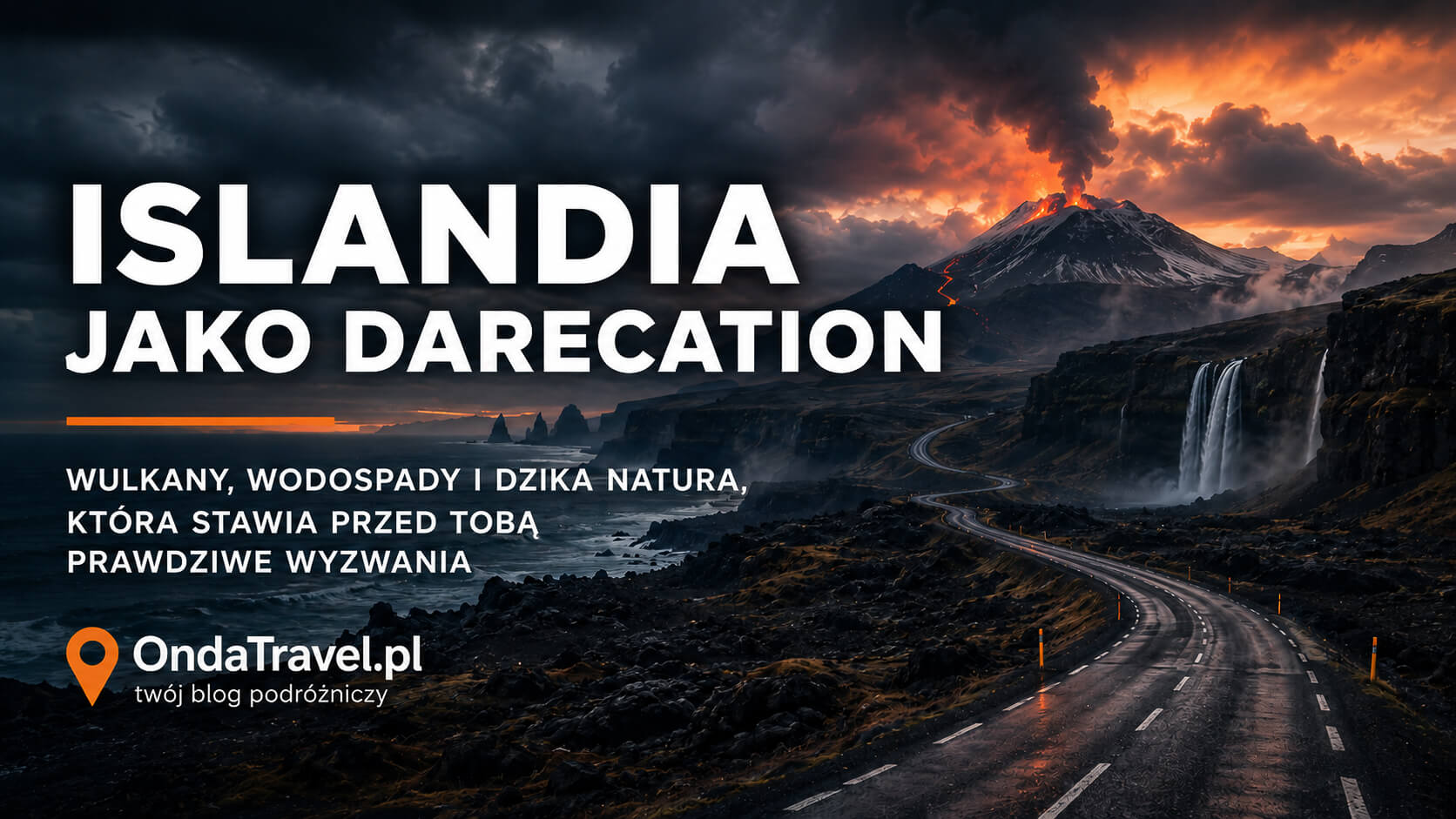
Iceland is one of the strongest destinations for darecation. Even a simple day plan can have an element of challenge here: a waterfall after a short walk, a black beach with a powerful ocean, a lava field, hot springs, a glacier, wind, changing light and long stretches of road where the landscape plays the main role.
This is not a destination that needs to be artificially intensified. Iceland itself gives the feeling of a trip that is more intense than a classic holiday. It works well both for a road trip and for a shorter trip with one strong accent per day. If you want to treat Iceland as holidays with a challenge, start with the guide to Iceland and only then choose specific routes.

GUIDE
Iceland
Plan your first Iceland trip: 4- and 7-day routes, the Golden Circle, South Coast, Reykjanes and Snæfellsnes, plus seasons, driving and safety tips.
Most importantly: Iceland requires humility. Weather, wind, road closures and local safety notices are part of planning. Darecation is not about ignoring conditions, but about arranging the trip so that emotion does not turn into chaos.
In practice, good examples of this kind of destination are places that naturally impose an active rhythm on the trip. On OndaTravel, it is worth starting with more dynamic topics such as Fagradalsfjall and the volcanic landscapes of Reykjanes or the Snæfellsnes Peninsula, where one day plan can combine the road, ocean, lava fields, viewpoints and weather that can change the character of the whole route. You can also add the most beautiful waterfalls in Iceland or the DC-3 plane wreck in Eyvindarholt, because both topics show the active, landscape-based version of travel very well.
ICELAND
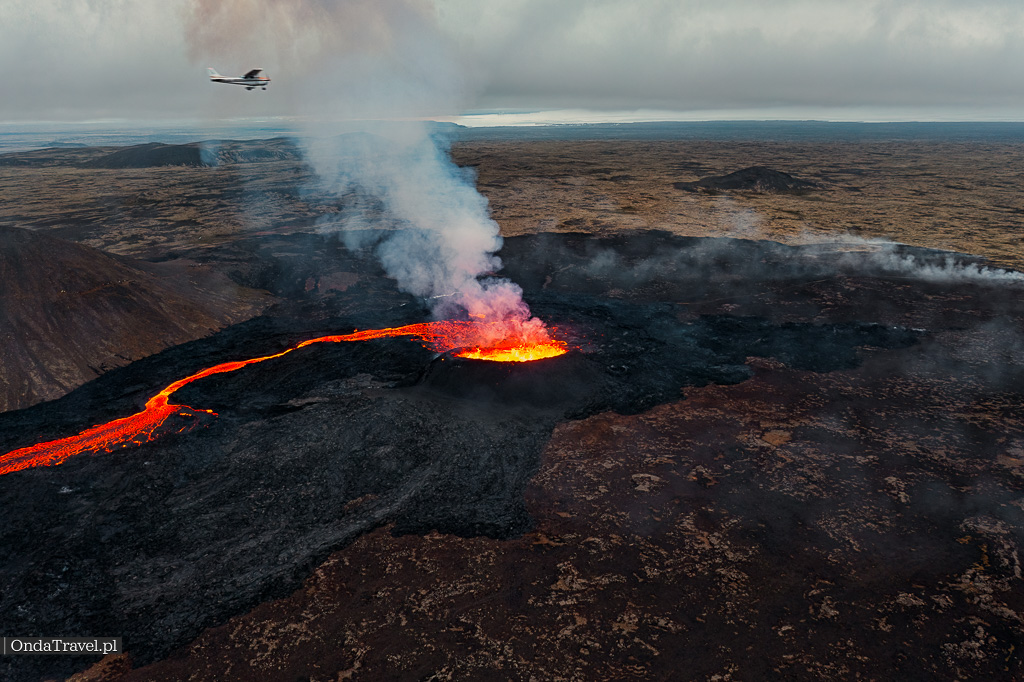
Fagradalsfjall volcanic eruption Reykjanes peninsula Iceland
Iceland volcanic eruption – the eruption of the Fagradalsfjall volcano, Litli-Hrútur, and Sundhnúk on the Reykjanes Peninsula near the town of Grindavík.
These are exactly examples of darecation in the Onda version: not extreme for the sake of being extreme, but specific landscape experiences that require a plan, time and flexibility.
Norway as darecation
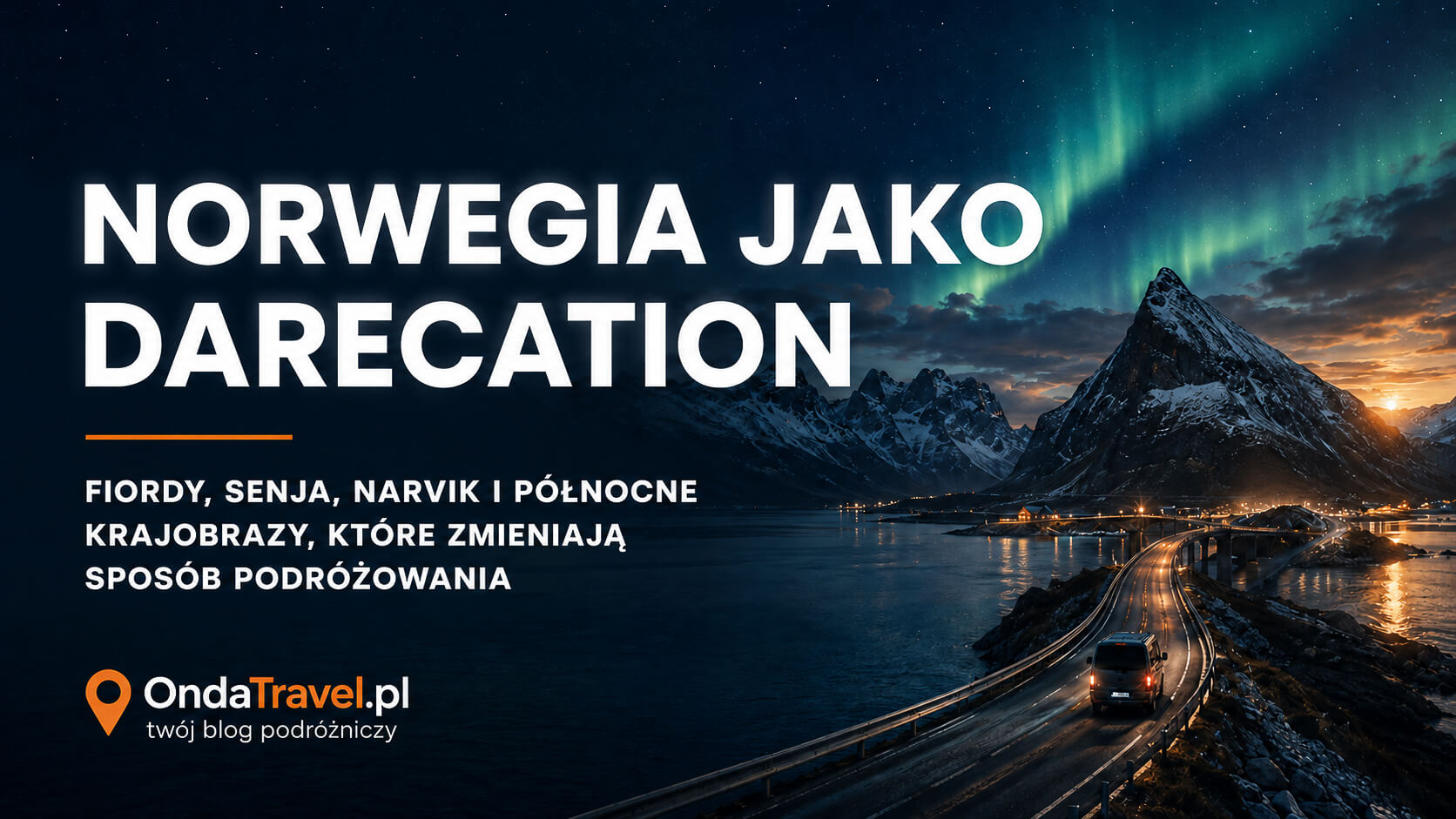
Norway works differently from Iceland. Here, the challenge more often comes from elevation, distance, ferries, fjords and contact with open space. Mountains descending into the water, hairpin roads, viewpoints, long drives and changing weather make even a calm day plan feel active.
It is a great destination for people who want to combine nature, the road and movement, but do not need to do extreme routes every day. Norway offers very good conditions for travelling “actively, but sensibly”: a little on foot, a little by car, a little by ferry, a lot of looking at the landscape and many decisions depending on the weather.
A good starting point is the guide to Norway, and more broadly also the hub the North, which collects cooler, more landscape-focused destinations in Europe.
GUIDE
Norway
Norway step by step: Lofoten, Senja, and Tromsø, practical tips, and links to posts. Check the live radar and aurora forecast.
In Norway, a similar role is played by destinations where the road and landscape are part of the adventure. A good example is Senja, an island beyond the Arctic Circle where active travel means views, weather, fjords and a sense of space. Another option is the Northern Lights Train from Narvik, which shows that a challenge does not always have to mean trekking — sometimes it is about a trip with a strong goal, season and experience that cannot be recreated on a classic city break. It is also worth checking Lofotenif you are looking for fjords, scenic routes and an active road trip in northern Norway.

SENJA ISLAND
Norway Senja Island above the Arctic Circle – Tromso Norway – What to See
Senja Island in northern Norway, above the Arctic Circle, is an ideal place to observe the Northern Lights. Tromsø, Norway – what to see?
Norway also shows the difference between active travel and an overloaded trip. You do not have to do everything. It is enough to choose one region, one route or one main theme and build a calmer, but still intense, plan around it.
Active city break as a gentler version
Darecation does not have to start with a major expedition. For many people, the best entry into this trend will be an active city break: a short trip where instead of a slow walk through the centre there is a viewpoint, a bike, a longer walking route, a ferry, hills, an island, cooler weather or a day plan arranged more around experience than a list of monuments.
It is a good option if you want to check whether this travel style is for you. A short trip has lower risk, easier logistics and lets you combine activity with normal rest. You will find inspiration in the hub City break from Gdańsk.

GUIDE
City breaks from Gdańsk: where to fly for 2–3 days?
Guide to the best city breaks from Gdańsk: 2–3 day destinations, new routes for 2026, car-free plans, transfers and weekend ideas.
If you want to start with a shorter version, good destinations are cities that have contact with nature, hills, water or a cooler climate. In this role, Oslo from Gdańskworks well, where a city break can be combined with a fjord, walks and the northern rhythm of the day, or Bergen from Gdańsk, which naturally leads towards fjords, viewpoints and more landscape-focused sightseeing.
GUIDE
Oslo from Gdańsk for a weekend: a 2–3-day city break
Oslo from Gdańsk for a weekend: a practical 2–3-day city break guide with airport train, Opera House, Bjørvika, museums, saunas and fjord views.
This version is important because darecation does not have to mean a week-long expedition. It can also be a well-arranged weekend in which one element — a route, view, weather, ferry or longer walk — turns an ordinary city break into a trip with character.
Darecation does not have to be extreme
The biggest mistake when planning holidays with a challenge is assuming that the harder it is, the better. That is not the point. A good darecation is not about adding more kilometres, more transfers and more attractions every day. It is about choosing one strong experience per day and building the rest of the plan around it.
It can be one route, one viewpoint, one longer drive, one trip after dark or one day in a harsher landscape. The rest should be simpler. Then the trip stays in your memory, but does not end with the feeling that you need a holiday after your holiday.
How to plan darecation without overdoing it?
Start by choosing the type of challenge. You plan a landscape trip differently from an active weekend, a road trip differently again, and a journey for a natural phenomenon in another way. Only then choose the destination, transport, accommodation and pace.
- Choose one main experience per day. Do not try to do everything at once.
- Leave margin for the weather. Especially in northern Europe, plan B is part of plan A.
- Do not blindly copy videos from social media. A short frame does not show logistics, tiredness or risk.
- Match the difficulty level to yourself. The challenge should be ambitious, but realistic.
- Check local notices. A closed trail, beach, road or viewpoint is not a suggestion, but safety information.
If you are planning your first trip like this, the moderate version will be best: a good destination, one stronger activity per day and accommodation that lets you rest. This is much better than an overloaded plan where everything looks impressive only on the map.
Darecation: Instagram vs reality
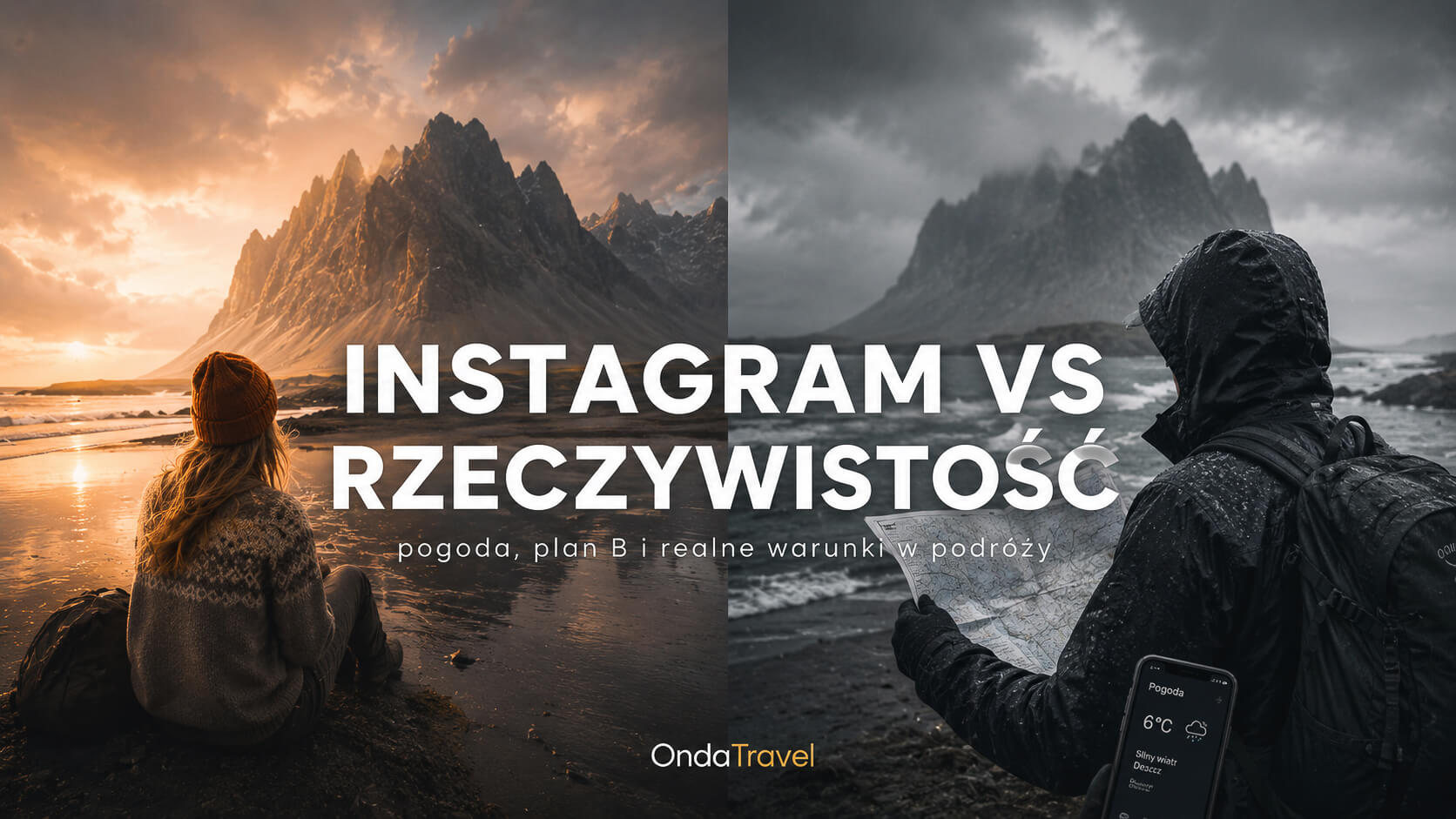
On social media, holidays with a challenge often look like one perfect frame: a person on a cliff, an empty road, aurora overhead, a waterfall without crowds or a train moving through an Arctic landscape. The problem is that such a frame rarely shows all the logistics: getting there, weather, tiredness, route closures, cost, safety margin and the time needed for a calm return.
That is why with darecation it is worth separating inspiration from the plan. Inspiration says: “this looks beautiful”. The plan asks: “do I have the time, equipment, conditions and energy reserve?”. Only the combination of these two things creates a trip that is intense, but not random.
Safety and realism: courage is not recklessness
Darecation contains an element of courage, but it should not become recklessness. The most beautiful places often require the most common sense: cliffs, black beaches, lava fields, routes above fjords, mountain passes, cold winds, night outings and roads that can change their character with the weather.
That is why the most important rule is: if conditions change, the plan changes too. If a place is closed, it is not a challenge, but a boundary. If a route requires equipment you do not have, choose another. If the weather does not cooperate, it is better to return with a little hunger for more than with a problem.
The best holidays with a challenge are those that are well prepared. Emotion should come from contact with nature and effort, not from unnecessary risk.
Darecation, noctourism and the next travel trends
Darecation connects well with other new travel styles. If an active trip starts leading you towards northern Europe, aurora, the night sky and travel after dark, the natural next step may be noctourism. It is a sister trend in which the most important experiences happen not in the middle of the day, but in the evening, at night or at dawn.
GUIDE
Noctourism: travel after dark, northern lights and the night sky
Noctourism means travel planned after dark: northern lights, meteors, dark sky, night trains and places that come alive after sunset.
In the broader OndaTravel plan, darecation is part of a larger pillar: travel trends. After noctourism and darecation, coolcation, set-jetting, glowcation and quietcationwill naturally follow. All these topics have one goal: to explain new ways of travelling and lead further to specific guides.

GUIDE
Quietcation: travel in silence, nature and without crowds
Quietcation means calmer travel focused on silence, nature, fewer crowds, northern landscapes, off-season trips and real rest.
If you are interested in a calmer alternative to trips in full sun, also check the guide coolcation: holidays without extreme heat — this is a trend close to darecation, but based more on a cooler climate, nature and rest without heat.

GUIDE
Coolcation: holidays without extreme heat
Coolcation means holidays in cooler destinations: Iceland, Norway, northern Europe, mountains and trips planned without extreme summer heat.
This direction will later naturally connect with the next OndaTravel trends: coolcation, set-jetting, glowcation and quietcation. At this stage, however, the most important thing is that darecation does not remain only a trendy word, but leads to real guides, specific routes and existing clusters: Iceland, Norway, northern Europe, city breaks and travel after dark.
This guide is part of a broader section on new travel styles. See also the main guide: Travel trends.
FAQ: Darecation
This guide is part of a larger section about new travel styles. See also: Travel trends — the OndaTravel guide to Noctourism, Coolcation, Set-jetting, Glowcation, Quietcation and Darecation.

GUIDE
Travel trends: Noctourism, Coolcation, Set-jetting, Glowcation and Quietcation
Discover key travel trends: Noctourism, Coolcation, Set-jetting, Glowcation, Quietcation and Darecation. Choose your travel style.
What is darecation?
Darecation means holidays with a challenge: more active, more intense and based on experience than a classic holiday focused only on rest.
Does darecation mean extreme sports?
No. In practice, it is more often about trekking, road trips, viewpoints, fjords, waterfalls, raw landscapes and an active rhythm of travel than extreme sports.
Who are holidays with a challenge for?
For people who like movement and nature and want to return from a trip with the feeling that they really experienced something, but do not necessarily want to go to extremes.
Which destinations in Europe suit darecation?
Iceland, Norway, northern Europe and active city breaks work very well — places where movement, landscape and a specific experience matter.
Is Iceland suitable for darecation?
Yes. Iceland combines waterfalls, lava fields, glaciers, road trips and raw landscapes. However, you need to keep an eye on the weather, safety notices and road conditions.
Is Norway a good destination for holidays with a challenge?
Yes. Fjords, mountains, ferries, islands and a cooler climate make Norway a great fit for a more active model of travel.
Can darecation be combined with a city break?
Yes. An active city break is often the best way to enter this trend more gently, briefly and cheaply, without immediately building a major expedition.
How to plan a safe darecation?
It is best to choose one main challenge per day, leave margin for the weather, not blindly copy social media plans and respect local notices and route closures.


Hi, I’m Krystian “dziadzia przewodnik” from OndaTravel.pl!
The North is my greatest passion, but the world is far too beautiful to stay in just one climate. On my blog, I combine the raw landscapes of Iceland and Norway with the exotic energy of Thailand or Vietnam, showing you how to travel authentically — with passion and a camera in hand.
What will you find on OndaTravel.pl?
Visual storytelling: As a photographer and filmmaker, I don’t just describe places — I take you there with professional photos and video.
North expert: Ready-to-use road trip plans for Iceland and Norway, smart tips for budget travel, and my original Northern Lights Radar (locations and forecast).
Travel through the lens of cinema: I track down filming locations — from icy scenes in Interstellar to tropical frames from world cinema.
New direction: Exotic destinations: I love contrast, so the blog is featuring more and more practical knowledge about Vietnam and Thailand. I’ll show you how to find your way around Southeast Asia and come back with your best memories.
P.S. follow me here

