

Noctourism means trips planned after dark: for the northern lights, the night sky, meteors, eclipses, the full Moon or places that only reveal their character in the evening. This is not just “night sightseeing in a city”. In travel terms, it is about intentionally planning a trip around darkness, light, weather, season and phenomena you will not see in the middle of the day.
On OndaTravel, this topic naturally connects several existing guides: northern lights radar, sky events calendar, the guide how to photograph the night sky and northern destinations, such as Norway and Iceland. This makes it easier to choose the right destination first and only then move on to detailed tools.
Travel after dark
Noctourism — in short
Noctourism is travelling after dark: the northern lights, stars, meteors, night landscapes, cities after sunset and attractions that work best at night. What matters most are the time of year, the darkness of the sky, safety and good preparation for conditions after dark.
What will you find in this guide?

Check out my YouTube channel and travel with me.
Follow the channel for videos, routes and practical travel inspiration.
Follow me here:
What’s up?
Enjoying my content?
Buy me a coffee at buycoffee.to/ondatravel and support the creation of more travel content.
Your support helps me create more practical guides, videos and travel inspiration.

Noctourism: what is it?

In simple terms: noctourism is a trip where night is not a break between attractions, but the main reason for travelling. It may be about the northern lights, meteors, the Milky Way, a night train, a dark coastline, a viewpoint after sunset or a place that only reveals its character after dark.
This is an important difference. A classic city break often follows a simple pattern: flight, hotel, sightseeing, dinner, return. In noctourism, the order of decisions is different. First you check whether the night has potential, then you choose the place, and only at the end do you arrange transport, accommodation and the daytime plan. If you reverse this order, it is easy to end up with a beautiful route but no conditions for observation.
Noctourism does not have to mean an extreme expedition or chasing one phenomenon at any cost. A well-planned trip after dark has several layers: a night goal, a daytime plan, a backup place, weather checks and a sensible limit on tiredness. That is why this trend works so well with northern Europe, but it can also work in a simpler form — as a weekend with one strong night element.
Noctourism is not only hunting for the northern lights. It is a way of planning a trip around night, dark skies, astronomical phenomena and places that work differently after sunset than during the day.
Noctourism means travelling after dark and choosing experiences that make sense precisely at night. It can be the northern lights over a fjord, the Milky Way above a dark sky, a night train through the mountains, meteor watching, the full Moon over a landscape or a city that changes its rhythm after sunset.
In practice, this is a trend for people who do not want to plan a trip only around classic attractions from morning to afternoon. In noctourism, sunset time, Moon phase, cloud cover, light pollution, safety after dark and a plan B for a night when the sky is covered by clouds all matter.
Ideas for a night trip
Best noctourism ideas in Europe

The best idea depends on what the main experience is supposed to be. If you travel for the northern lights, you need darkness, northern latitude, a few spare nights and mobility. If the goal is meteors or the Milky Way, the Moon phase, lack of artificial light and a place with an open horizon become more important. If the night attraction is only part of a city break, safety, simple transport and not overloading the plan become the priority.
- Northern lights — best when you have several nights, the option to change location and realistic expectations about the weather.
- Night sky and meteors — good for people who prefer a calmer plan, a tripod, warm clothes and patient waiting.
- Night route or train — a good choice if the route itself is meant to be part of the trip, not only transport between points.
- Dark sky and astrophotography — for people who prefer planning around light, the Moon and landscape rather than classic attractions.
In practice, the most successful noctourism trips are not overloaded. It is better to have one strong night goal and a calmer day than a plan that looks good in a spreadsheet but leaves no energy for the most important part of the journey.
Choose a starting point for travelling after dark: the northern lights, the night sky or a northern route that works best when the day is already ending.
Northern lights: Norway, Iceland, Lofoten and Senja

The most obvious example of noctourism is a trip to see the northern lights. In Europe, this most often leads to northern Norway, Tromsø, Lofoten, Senja or Iceland. For this kind of trip, choosing a nice hotel is not enough. You need to check the season, length of the night, weather, geomagnetic activity and the possibility of getting away from city lights. If, apart from the night sky, you are looking for silence, nature and a slower rhythm, a good addition will be Quietcation.
If you are planning this kind of trip, start with the tool northern lights radar, and then check the destinations: Norway, Lofoty, Senja and Iceland.
Night sky, meteors and the Milky Way

Noctourism also means travelling to dark skies. It is not always about the far north. Sometimes it is enough to choose a place away from large cities, plan a night without a bright Moon and check whether a meteor shower peak falls on your dates. This is where the astronomical events calendar i meteor shower calendar.
If you want to come back from this trip with photos, also read the guide how to photograph the night sky and stars. This is a separate stage of planning, because the camera, tripod, exposure time and choice of place often determine the result more than the destination itself.
Train, fjords and a night journey as an attraction

Not every night trip has to mean standing in the cold with a camera. Sometimes the form of transport itself is part of the experience. A good example is the Northern Lights Train from Narvik, an Arctic train combining night landscapes, mountains, the Ofoten railway and the search for the northern lights.
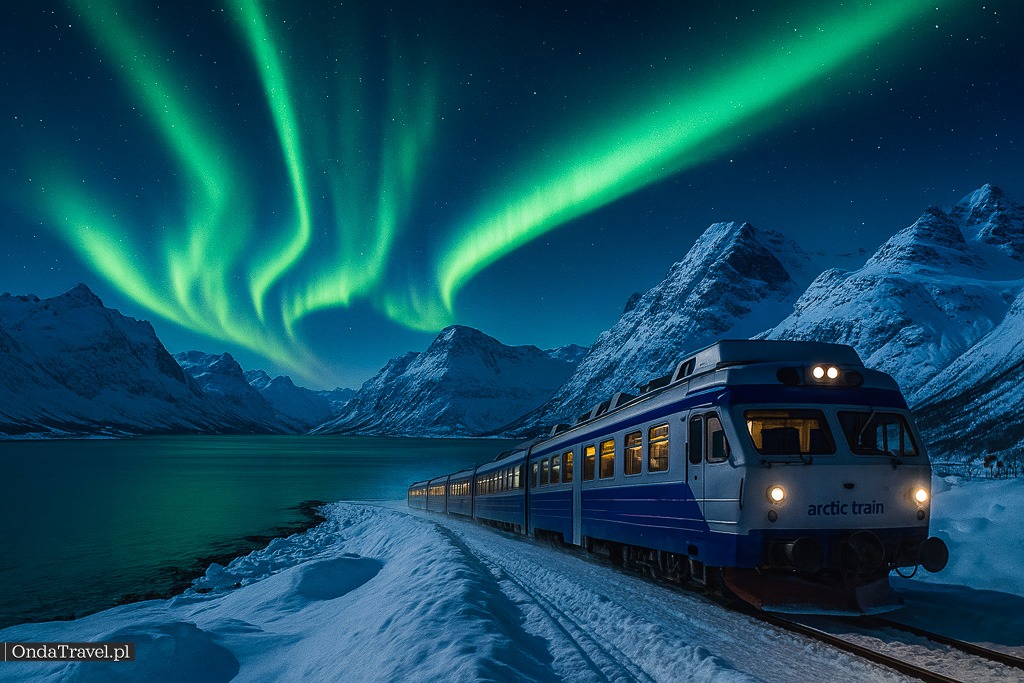
ARCTIC TRAIN
The Arctic Northern Lights Train from Narvik – in search of the Northern Lights
Northern Lights Train from Narvik in Norway: Arctic Train route on the Ofoten Line, winter aurora tour, tickets, booking tips, stops and what to expect.
Planning path
Noctourism on OndaTravel: from aurora radar to the sky calendar
First check the conditions, then choose the phenomenon, and only at the end choose the destination. This way you do not start with a random place, but with the conditions that determine whether the night really makes sense.
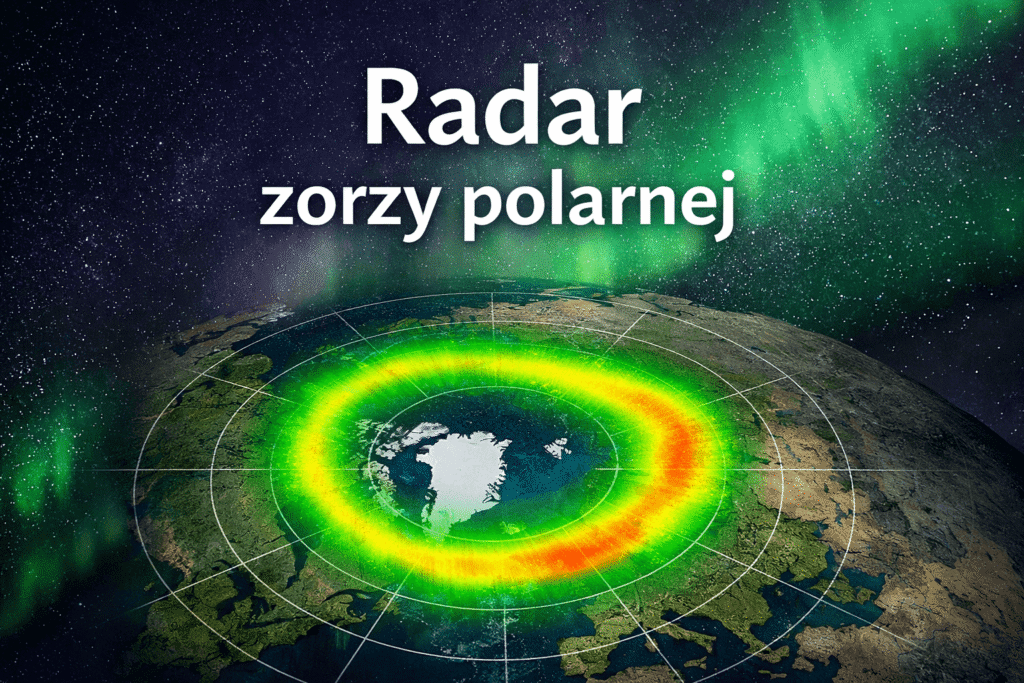
TOOL
Aurora radar
Northern lights radar
A quick starting point when you want to check whether a given night makes sense for observing the northern lights.
Check the aurora radar
Where is the storm? Live storm and precipitation radar
Storm map, precipitation radar and a quick way to check where it is raining or whether a storm is moving your way.
Check the storm radar
CALENDAR
Sky events
Sky events
Calendar of night events: meteors, eclipses, Moon phases and other opportunities to plan trips after dark.
See sky events
GUIDE
Night photography
Night sky photography
A practical guide for people who want to return from a night trip not only with memories, but also with photos.
See the guide
DESTINATION
Iceland
Iceland
The island of fire, ice and dark skies — a good destination if you combine noctourism with aurora and nature.
Go to Iceland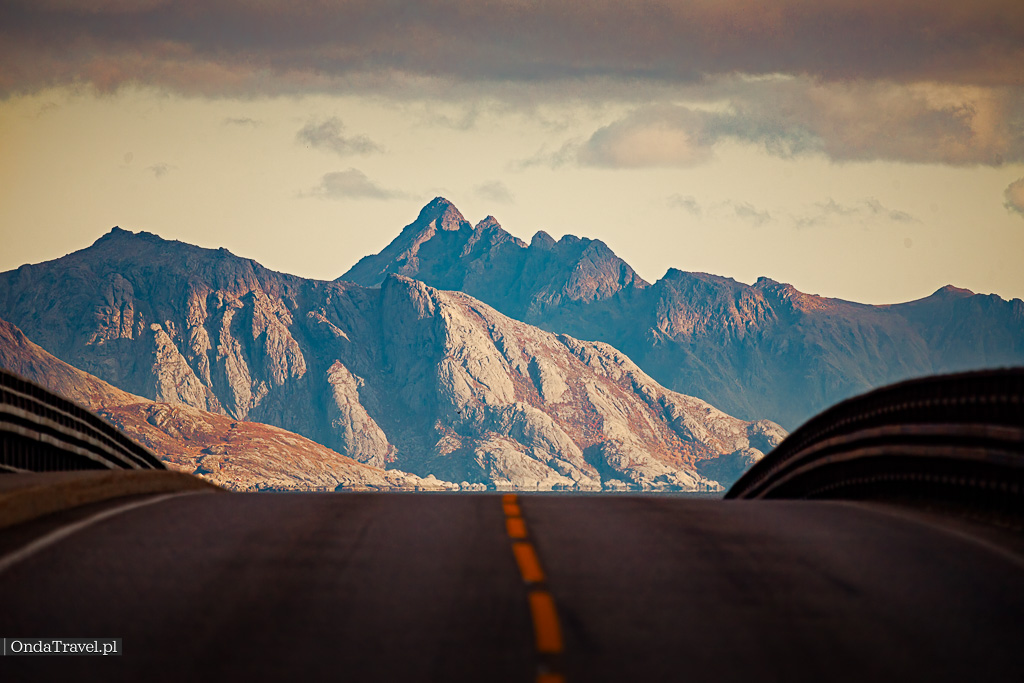
NORTH
Norway
Norway
Fjords, Arctic night, Tromsø, Senja and Lofoten — a destination for night routes and winter observations.
Go to Norway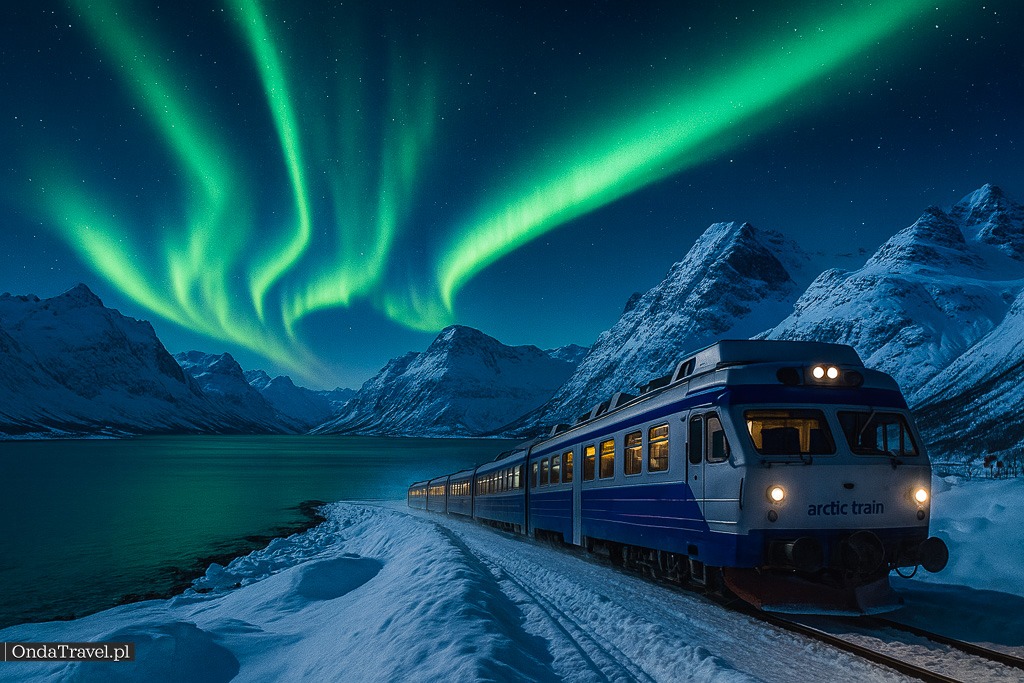
ROUTE
Night train
Northern Lights Train
A night journey from Narvik that combines an Arctic landscape, a chance to see the northern lights and a more comfortable plan without driving in the dark.
See the trainConditions first
If the goal is the northern lights, start with the conditions. Aurora radar helps you check the current situation and move on to specific locations such as Tromsø, Senja or Lofoten.
Then the phenomena
If the goal is the night sky, check sky events, Moon phases, meteors, eclipses and the most important dates of the year.
Destination at the end
Only after checking the season should you choose the destination. For the northern lights, natural options are Norway i Iceland, but the choice depends on the length of the night, transport and weather.
Leave room for plan B
The biggest mistake is assuming that one night is enough. A good trip after dark has time in reserve, warm clothes, an alternative route and an activity in case of clouds.
Planning
How to plan a trip after dark?

Planning noctourism starts with one question: what exactly is supposed to happen at night? You prepare differently for a northern lights trip, differently for Milky Way photos, and differently for a night journey through mountains or fjords. In every case, night requires more margin than classic sightseeing. The weather can change, transport can take longer, and tiredness after a full day can spoil even the best idea.
- Weekend — treat it as a trial or a short trip with one night accent. Do not assume you will see everything.
- 4 days — a good compromise: you have time for one or two observation nights and a plan B if the first night is cloudy.
- A week — the best option for the northern lights and northern Europe, because it gives you margin for weather, changing location and a calmer pace.
It is also worth planning the day so it does not sabotage the night. Long drives, intense sightseeing and a late check-in may sound harmless, but with night observations they quickly lead to tiredness. A good night trip has short sections, a warm base, a simple return and an alternative when the sky does not cooperate.
On night trips, the order of decisions matters more than the list of attractions: season, light, weather, safety and plan B.
Check the season, not only the place
The same destination can be excellent or completely wrong depending on the date. For the northern lights, you need dark nights, so northern Europe in summer is not always a good choice. For meteors, the shower peak and Moon phase matter. For the Milky Way, dark sky and low cloud cover are important.
Avoid light
In noctourism, light can be either an attraction or an obstacle. An illuminated city is great for an evening walk, but not for stargazing. If the sky is the goal, look for places outside the centre, away from street lamps, car parks, hotels and major roads.
Take care of safety
After dark it is easier to make a mistake: misjudging distance, ice on the road, no signal, clothes that are too light or returning along an unlit route. Well-planned noctourism is not about spontaneously walking into darkness, but about calmly preparing the route, transport and return.
Have a plan B
The best night phenomena are not guaranteed. Clouds can hide the northern lights, the full Moon can brighten the sky, and wind can make photography difficult. That is why it is worth planning several nights, not just one attempt. Then even a weaker evening does not ruin the whole trip.
The north after dark
Noctourism in Iceland and Norway

Iceland and Norway are good examples because they show two different ways of thinking about travel after dark. Iceland more often works as a road trip with highly changeable weather: in one day you can have waterfalls, geothermal bathing and black beaches, and in the evening an attempt to observe the sky. Norway more often leads to a more Arctic plan: Tromsø, Senja, Lofoten, fjords, mountains and several nights in which mobility increases the chances of good conditions.
In both cases, the mistake is similar: treating the northern lights or the night sky like a guaranteed attraction. It does not work like booking a museum. You can choose a good season, a good latitude and a good place, and still lose to clouds or wind. That is why a plan that makes sense in itself is better — even if the night phenomenon does not appear in its perfect form.
If you choose Iceland, think about landscape and a flexible route. If you choose Norway, think about a northern base, several nights and the ability to move between observation points. In both options, night is the reward, but it cannot be the only reason why the whole trip should be considered successful.
When planning a night trip, it is worth separating conditions from destination. Iceland and Norway should work as two strong entry points into planning travel to the north.
Iceland is a good choice when you want to combine the northern lights with waterfalls, geothermal bathing, black beaches and a road trip. However, remember that winter weather can be difficult, and the night plan must account for wind, closed roads and rapidly changing conditions.
Norway works better when the main goal is the north: Tromsø, Senja, Lofoten, fjords, mountains and Arctic landscapes. For many people, it is a stronger destination for a classic northern lights hunt, especially if the plan includes several nights and mobility.
In both cases, noctourism should not replace the ordinary travel plan. It works best as an additional layer: you use the day for the route, views and transfers, and the evening for the northern lights, photos, a walk or sky observation.
Most common mistakes when travelling after dark
- Planning only one night — phenomena depend on weather and conditions, so one attempt is a big risk.
- Ignoring the Moon phase — a bright full Moon can make it harder to observe fainter stars and the Milky Way.
- Choosing a place with too many lights — a city centre is rarely a good place for observing the sky.
- Too many attractions in one evening — after dark everything takes longer: getting there, setting up the camera, waiting and returning.
- No warm clothes — even when the day is mild, night observation means standing still for a long time.
- No return plan — especially in places where public transport ends earlier or roads are unlit.
FAQ: noctourism in practice

What is noctourism?
Noctourism is travelling after dark: for the northern lights, night skies, meteors, eclipses, night journeys, dark parks and places that work best after sunset. It is not about partying at night, but about consciously planning a trip around light, weather, safety and what can really be seen in the sky.
In simple terms: if an ordinary travel plan starts with daytime attractions, noctourism starts with the question of what will happen after dark. Only then do you choose the destination, accommodation, transport and time reserve.
Noctourism, astrotourism and dark sky — how are they different?
| Term | In simple terms | When does it fit a travel plan? |
|---|---|---|
| Noctourism | Travel and attractions after dark. | When night is the main part of the trip, not just an extra after dinner. |
| Astrotourism | Trips for sky observation. | When the goal is stars, the Milky Way, meteors, eclipses or night sky photos. |
| Dark sky | Places with low light pollution. | When you are looking for dark skies, silence and better observation conditions. |
| Aurora hunting | Planning a night for the northern lights. | When aurora activity, clouds, northern direction and patience matter. |
Where should you start planning a trip after dark?
The best destination depends on the goal. A night for the northern lights is planned differently from a night for meteors, and differently again from a night for Milky Way photos. That is why it is worth starting with a few proven paths and only later narrowing down the route.
Timing and conditions
When to go? Aurora, meteors, the Moon and weather

In noctourism, timing must be matched to a specific goal. The northern lights need dark nights and geomagnetic activity, but without a gap in the clouds even the best index will not help much. Meteors require a different approach: the shower peak, little Moonlight and a place without artificial light matter. The Milky Way, in turn, works best when the night is truly dark and the horizon is not blocked.
- Winter — best for the northern lights and long nights, but logistically harder because of weather, frost and the shorter day.
- Around the equinoxes — a good compromise for the aurora: the night is still dark, and travel can be easier than in the middle of winter.
- Summer in the north — does not always suit night sky plans, because bright nights limit astronomical observations.
- Full Moon — beautiful in itself, but it can make fainter stars and the Milky Way harder to observe.
The safest approach is not to plan one magical night, but a time window. Even two or three evenings increase the chance that weather, light and your energy will come together at the same moment.
A good date is not only a month. Moon phases, cloud cover, geomagnetic activity, darkness and a location away from city lights all matter.
In noctourism, choosing a beautiful place is not enough. You also need to match the date to what is supposed to be visible. For the northern lights, geomagnetic activity and cloud cover matter. For meteors, the shower peak date and Moonlight are important. For night sky photos, darkness, air clarity and the absence of stray lights make the biggest difference.
- 72 hours before the night: check the weather forecast, cloud cover, wind and possible observation window.
- 24 hours before the night: choose a backup place if the first location is under clouds.
- 3 hours before heading out: check current conditions, the return route, temperature and whether it is safe to wait outdoors.
Most common mistakes on night trips
The most common mistake is that the night plan looks great on the phone, but does not work in the field. On the map, the observation point is close, but on site it turns out that the road is dark, icy or leads through terrain you do not want to cross after a full day of sightseeing. Add cold, wind, dampness, a drained phone and no sensible place to wait.
The second mistake is planning the trip around one photo. Noctourism is most satisfying when the night has several possible scenarios: observation, a walk, a viewpoint, a train, thermal springs, a calm return or simply a good dinner after dark. If everything depends on one phenomenon, disappointment comes easily.
The third mistake is underestimating rest. Night trips are beautiful, but they require energy. It is better to shorten the daytime plan and really use the evening than to tick off all the attractions during the day and then have no strength left for the reason the trip was planned.
- Planning the northern lights as if they were a guaranteed attraction with an entry ticket.
- Choosing a place with beautiful photos, but without checking cloud cover and nearby lights.
- No time buffer when the night observation window appears later than planned.
- Too long a drive after dark, especially in winter, in wind or on an icy road.
- No plan B: another location, a shorter route or a warmer place to wait.
Photos at night
Night sky photography: when does it make sense?
Night sky photography makes sense when the phenomenon, darkness and logistics meet in one plan. The most important thing is not to plan photos only after arriving. With the night sky, the result depends on light, Moon phase, a stable tripod, spare batteries and patience with the weather.
Full guide
How to photograph the night sky — the Moon, meteors and the Milky Way
Go to the practical guide and see how to plan night sky photos, choose camera settings and photograph the Moon, meteors and the Milky Way without guessing in the field.
If you want to return with photos, a night trip needs to be planned differently from a simple walk. You need a stable place, time to set up equipment, patience and the awareness that a phone or camera sees the night differently from the human eye. That is why before leaving it is worth checking not only the attraction, but also the Moon phase, wind strength and whether there is strong lighting nearby.
What to choose next?
A short decision map
If you do not know where to start, treat noctourism as a decision filter. First choose the goal of the night, then the conditions, and only at the end the destination. This way you are not planning a trip from a photo found online, but from a real chance that a given night will make sense.
- Want to see the northern lights? Look for dark nights, northern destinations and a few spare evenings.
- Want to photograph the sky? Start with the Moon phase, weather, a tripod and a place without lights.
- Want a simpler trip? Choose one night attraction and do not overload the rest of the day.
- Not sure? Leave room for plan B, because in noctourism flexibility is more important than a perfect schedule.
At the end, it is worth making a simple decision: check the conditions now, plan by the calendar, or choose a northern destination.
- Want to see the northern lights? Start with the radar, weather and a northern observation direction.
- Want to plan a specific night? Check the events calendar, Moon phase and cloud cover.
- Want to take photos? Choose a darker place, a tripod and a simple return plan.
- Travelling for the first time? It is better to choose easy access and a shorter night than an ambitious spot with no backup.
Day and night plan
How to arrange the day so the night makes sense?

Noctourism starts much earlier than after sunset. The day has to be arranged so the night makes sense: with energy in reserve, short transfers, plan B and a place away from light.
Good trips after dark start much earlier than the evening. During the day, it is worth planning a shorter route, lighter sightseeing and accommodation from which you can quickly go out for observation. If the whole day is overloaded, the night part of the trip often ends with tiredness, delay or missing the best weather window.
The safest approach is to treat the night as the main point of the programme, not as an add-on after an intense day. With the northern lights, meteors or night sky photos, patience matters. Sometimes you have to wait an hour, change place, return to the car, warm up and try again. This kind of plan looks less impressive on paper, but usually works better in real travel.
- In the morning: check the forecast and choose two possible observation places.
- In the afternoon: shorten the daytime plan to leave energy for the night.
- Before going out: prepare warm layers, a flashlight, spare batteries and a simple return route.
- After observation: plan a later morning, because the best night rarely ends early.
This makes noctourism a normal, comfortable part of the trip. It does not require chasing every forecast, but it helps you make calmer decisions: where to go, when to wait, when to let go and when to return outdoors the next night.
This guide is part of a larger section about new travel styles. See also: Travel trends — the OndaTravel guide to Noctourism, Coolcation, Set-jetting, Glowcation, Quietcation and Darecation.

GUIDE
Travel trends: Noctourism, Coolcation, Set-jetting, Glowcation and Quietcation
Discover key travel trends: Noctourism, Coolcation, Set-jetting, Glowcation, Quietcation and Darecation. Choose your travel style.
What is noctourism?
Noctourism is travelling after dark and planning a trip around experiences that work best at night: the northern lights, stars, meteors, night routes, dark skies or evening phenomena in the city.
Is noctourism the same as astrotourism?
Not exactly. Astrotourism focuses on observing the sky and astronomical phenomena, while noctourism is broader. It can include astrotourism, but also night trains, night walks, illuminations, night safaris or trips for the northern lights.
Where is the best place to start in Europe?
The easiest way to start is in northern Europe: Norway, Iceland, Lofoten, Senja and the Tromsø area. For the night sky, it is also worth choosing places away from large cities and strong light pollution.
When should you go to see the northern lights?
The northern lights need dark nights, so the best season in the north usually runs from autumn to spring. It is worth checking not only the month, but also the weather, cloud cover and geomagnetic activity.
Is noctourism suitable for a city break?
Yes, but it works best when the city break has simple logistics. Good examples are northern cities with easy access to nature, night viewpoints or northern lights trips.
What should you check before observing the night sky?
Before going out, check cloud cover, Moon phase, sunset time, light pollution, temperature, wind, access and the possibility of a safe return.


Hi, I’m Krystian “dziadzia przewodnik” from OndaTravel.pl!
The North is my greatest passion, but the world is far too beautiful to stay in just one climate. On my blog, I combine the raw landscapes of Iceland and Norway with the exotic energy of Thailand or Vietnam, showing you how to travel authentically — with passion and a camera in hand.
What will you find on OndaTravel.pl?
Visual storytelling: As a photographer and filmmaker, I don’t just describe places — I take you there with professional photos and video.
North expert: Ready-to-use road trip plans for Iceland and Norway, smart tips for budget travel, and my original Northern Lights Radar (locations and forecast).
Travel through the lens of cinema: I track down filming locations — from icy scenes in Interstellar to tropical frames from world cinema.
New direction: Exotic destinations: I love contrast, so the blog is featuring more and more practical knowledge about Vietnam and Thailand. I’ll show you how to find your way around Southeast Asia and come back with your best memories.
P.S. follow me here


See also: Total Solar Eclipse on August 12, 2026 — where and when to watch