

King & Conqueror: where was the series filmed in Iceland?
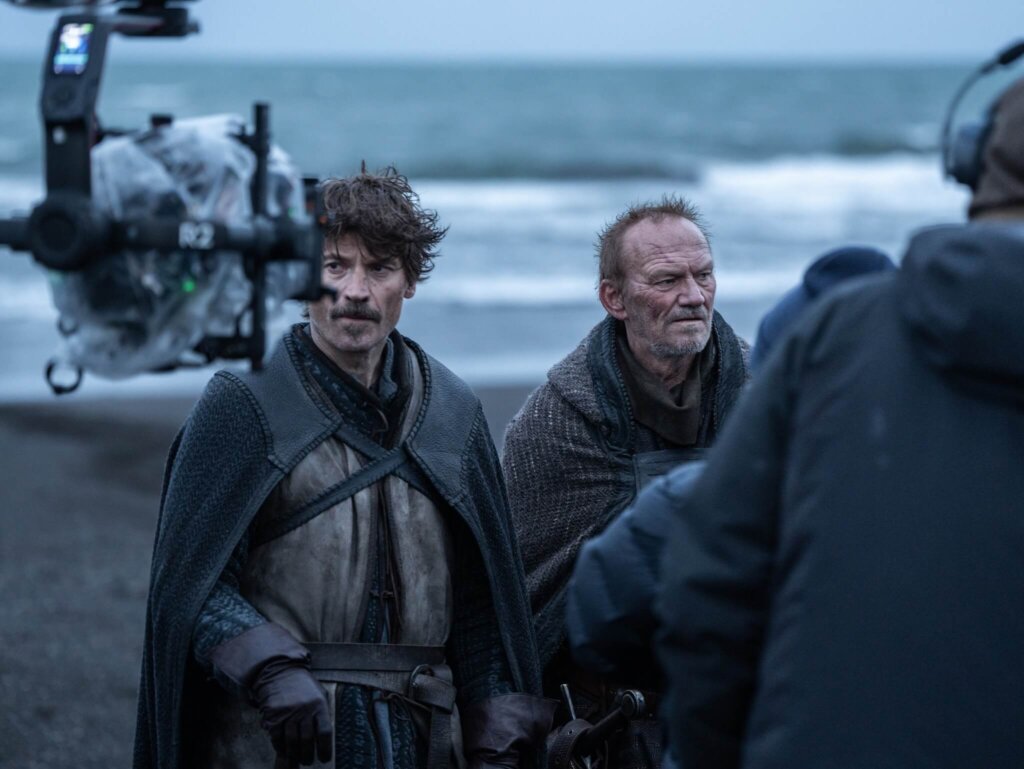
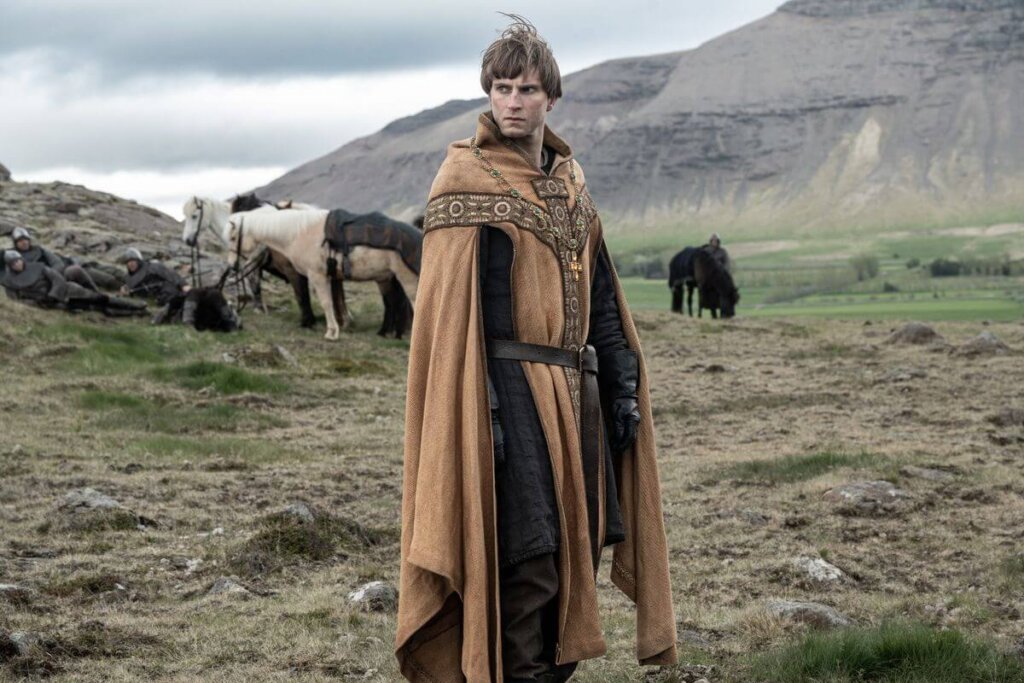
Iceland has long been able to play places on screen that, on a map, lie hundreds or even thousands of kilometres away. That was also the case with the historical series “King & Conqueror”, which tells the story of the events around the Battle of Hastings. Although the plot takes viewers to 11th-century England and Normandy, a large part of the filming took place in Iceland. It was no accident. Raw landscapes, wide open spaces, few modern elements in the frame and powerful light once again made Iceland an ideal setting for a story from another era.
The most interesting part is that these locations are not only a “film curiosity”. Some of them can be very sensibly combined with a real road trip around Iceland. If you are planning a route from Reykjavík, like atmospheric places and want to add a more cinematic thread to your journey, this topic really makes sense. Especially because several areas used during production connect with places I have already covered on the blog: Reykjavík, hot springs and pools near the capital, Glymur waterfall and my list of the most beautiful waterfalls in Iceland, as well as my main Iceland guide.

GUIDE
Iceland: guides, routes and practical planning
The Iceland section on OndaTravel.pl: regions, routes, attractions, safety and inspiration for further exploring.
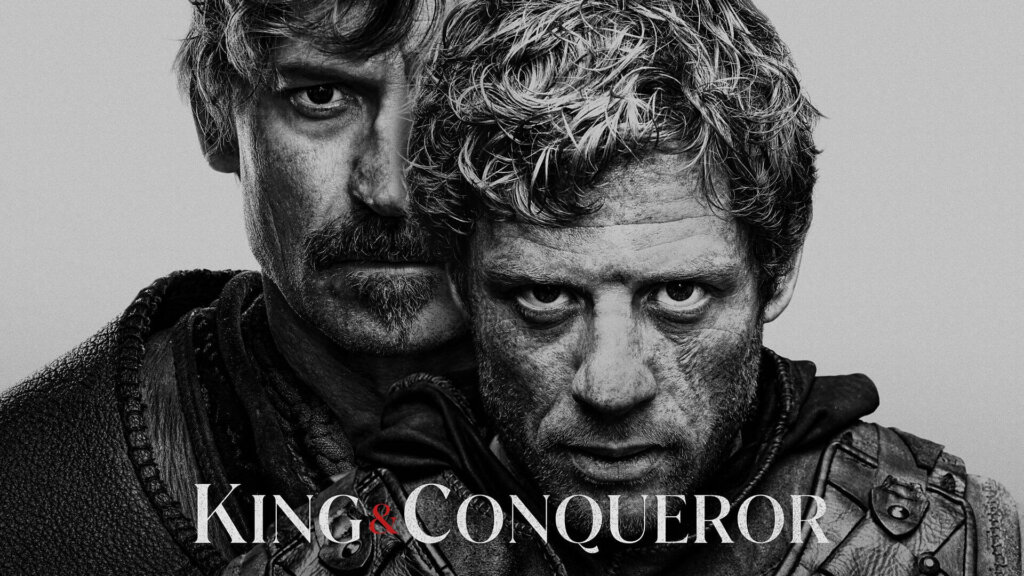
If you are interested in films and series shot in unusual places, also visit my Film tourism section. You will find more articles about screen locations, cinema-inspired routes and places worth seeing in real life after watching.
King and Conqueror in Iceland — in short
The filming locations of the series King and Conqueror in Iceland show how often filmmakers choose the island for its raw landscapes, lava fields and dramatic light. For a traveller the most important thing is to separate the film curiosity from the real logistics of sightseeing.
Table of contents
- Basic information about the series “King & Conqueror”
- King & Conqueror in Iceland in brief: what to know first
- Where was “King & Conqueror” filmed in Iceland?
- Heiðmörk, Hvalfjörður, Reykjavík and Gufunes: how the series used Iceland
- Icelandic horses in “King & Conqueror”
- Behind-the-scenes details worth knowing before watching
- How to see this atmosphere on your own Iceland route
- FAQ: “King & Conqueror” and Icelandic locations
- Read also / next
Basic information about the series “King & Conqueror”
- Original title: King & Conqueror
- Polish title: Król i zdobywca
- Genre: historical series / historical drama
- Creator: Michael Robert Johnson
- Number of episodes: 8
- Episode length: approx. 52 minutes
- Production countries: United Kingdom, USA
- Main production companies: BBC Studios, CBS Studios, RVK Studios
- Filming: Iceland, including Heiðmörk, Hvalfjörður, the Reykjavík area and RVK Studios in Gufunes
- Filming period: March–July 2024
- Availability in Poland: CANAL+
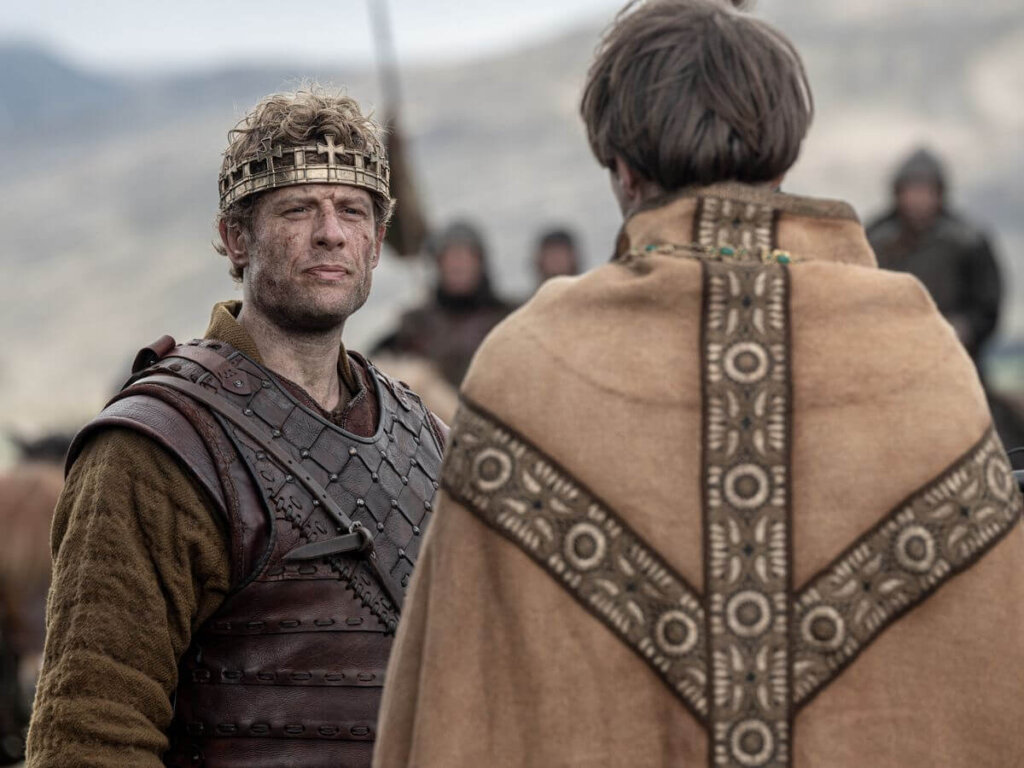
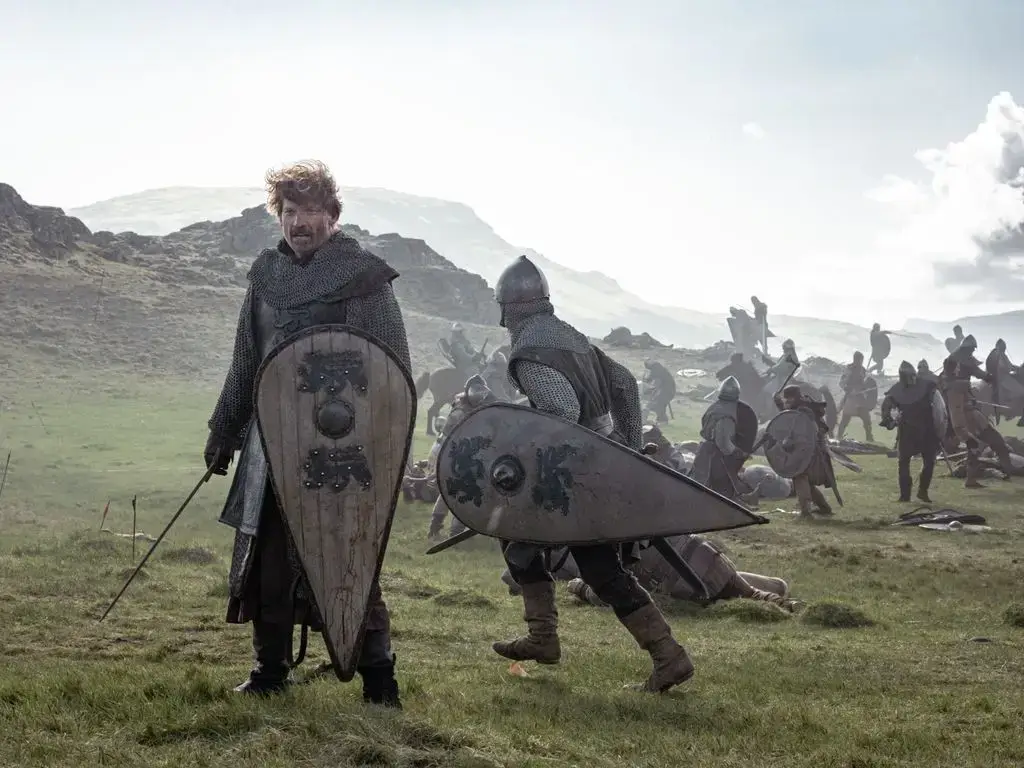
What is this series about? “King & Conqueror” tells the story of the conflict between Harold of Wessex and William of Normandy leading to the Battle of Hastings in 1066. It is a historical series that combines politics, the struggle for power and large battle scenes, while strongly using Iceland’s raw landscapes to evoke the atmosphere of a medieval world.
King & Conqueror in Iceland in brief: what to know first
- Filming for the series took place in Iceland from March to July 2024.
- Confirmed locations include mainly Heiðmörk, Hvalfjörður, the Reykjavík area and RVK Studios in Gufunes.
- Large battle scenes were filmed on a farm in Hvalfjörður, while some sets and post-production work were created at RVK Studios.
- The production used Icelandic horses, which affected not only logistics but also the final look of the riding scenes.
- If you want to experience the atmosphere of these places on a real trip, the easiest way is to combine them with a stay in Reykjavík, a trip to Hvalfjörður, the Glymur hike and a soak at Hvammsvík.


Check out my YouTube channel and travel with me.
Follow the channel for videos, routes and practical travel inspiration.
Follow me here:
What’s up?
Enjoying my content?
Buy me a coffee at buycoffee.to/ondatravel and support the creation of more travel content.
Your support helps me create more practical guides, videos and travel inspiration.

Where was “King & Conqueror” filmed in Iceland?
The most strongly confirmed places are Heiðmörk, Hvalfjörður, the Reykjavík area and RVK Studios in Gufunes. From a viewer’s perspective they may look like simply another set of beautiful landscapes, but from the perspective of a traveller and Iceland fan there is clear logic here. The creators needed spaces that could be transformed into a medieval world without fighting modern buildings, roads and visual clutter. Iceland offers that naturally.
Heiðmörk, located close to the capital, proved to be a very good place for creating a more controlled historical landscape. This is where a small medieval settlement and fortifications were planned for the production. The fact that the series did not stop at simply placing actors in nature, but also used additional set design in the field, says a lot about the ambition of the project.
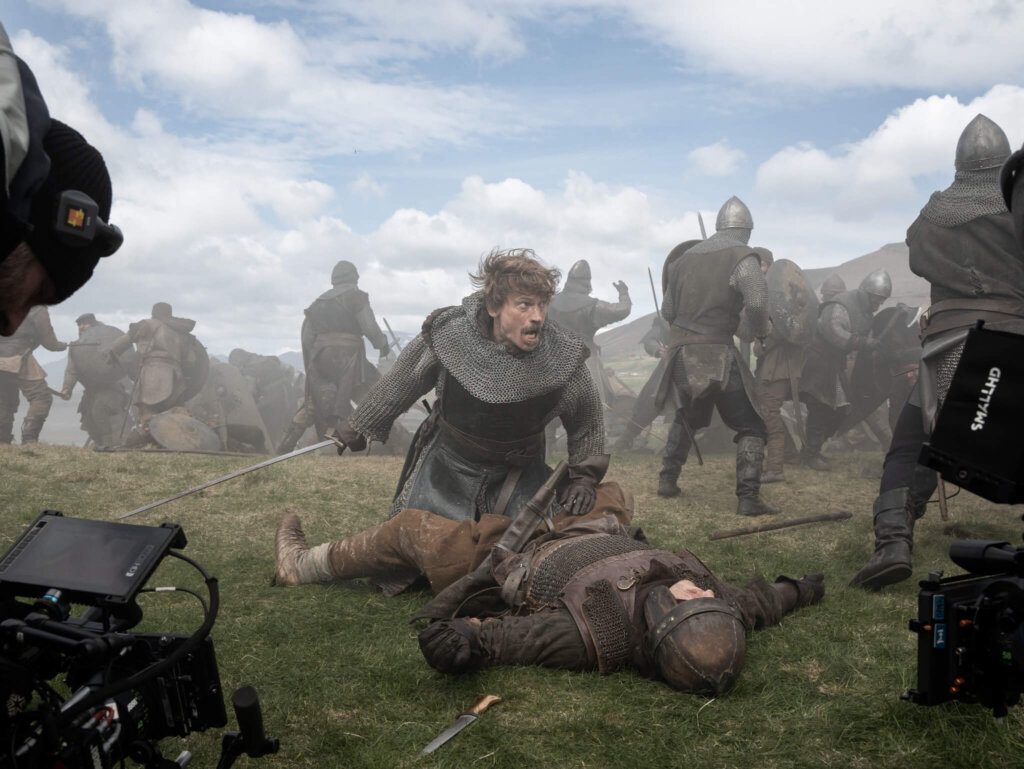
Hvalfjörður, on the other hand, worked on a more monumental scale. Large battle scenes were filmed there because the fjord provides a wide, heavy and raw background that convincingly suggests a pre-modern world. If you have already visited this part of Iceland, it is easy to understand the choice: this is a landscape that does not need many special effects to work.
The Reykjavík and Gufunes thread is just as important, although less spectacular for tourists. Some outdoor scenes were filmed around the capital, while RVK Studios was used to build set elements and carry out post-production for the episodes. This means Iceland was not only an external backdrop here, but also a real production centre for the whole series.
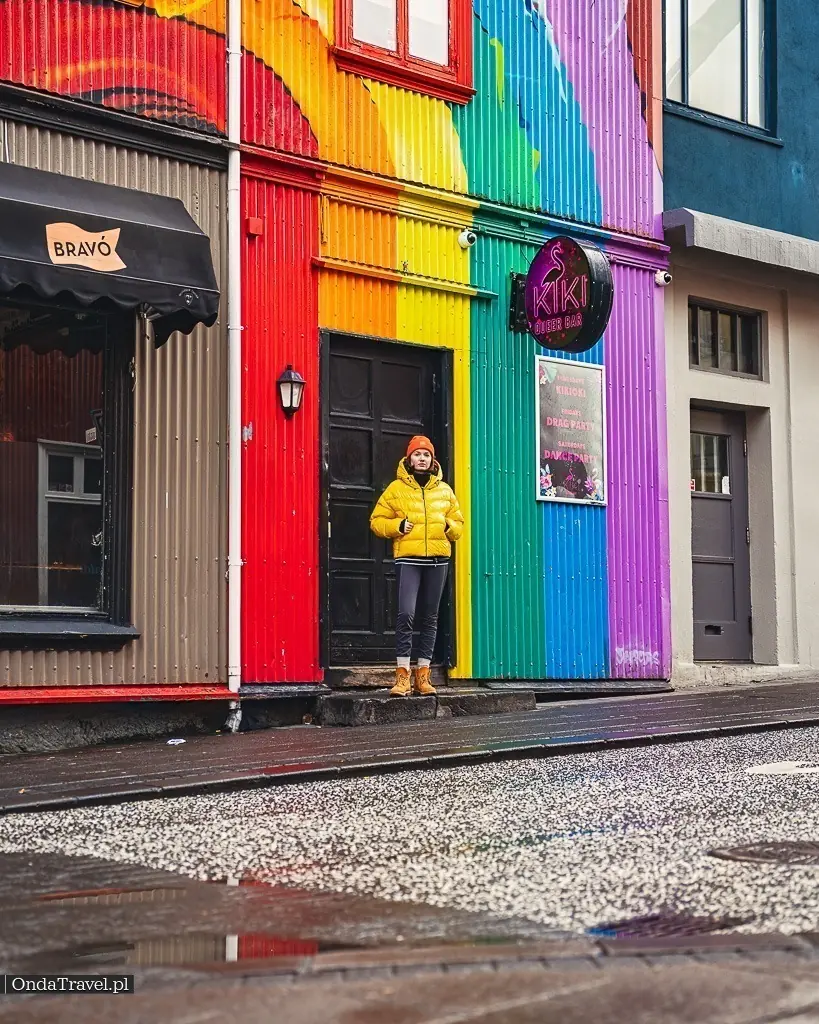
Reykjavík and surroundings
The best base for seeing the cinematic Iceland of this series. From the city, it is easy to head both towards Heiðmörk and on longer trips into the western part of the island.
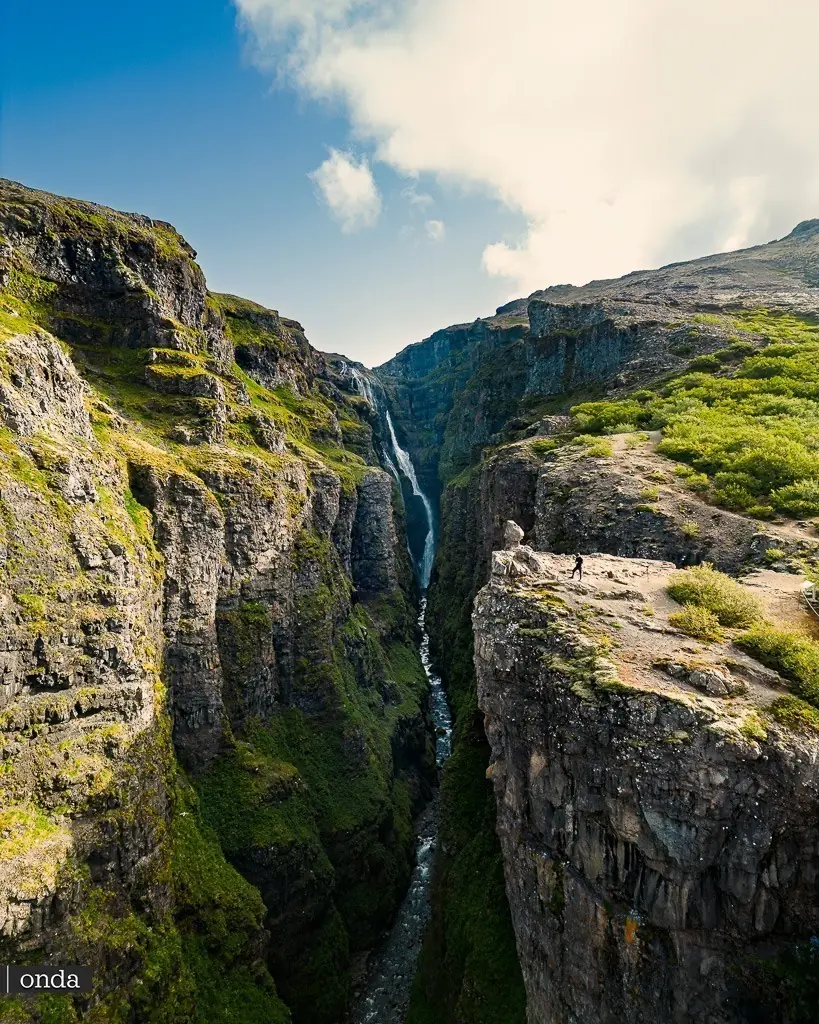
Hvalfjörður and Glymur
This is the region that gave the series a raw background for its battle scenes. In practice, you can combine it with one of the most interesting waterfalls near Reykjavík.

Hvammsvík after a film route
A great reset after sightseeing or hiking. You can finish Hvalfjörður with a soak in one of the most beautiful geothermal places near the capital.
Heiðmörk, Hvalfjörður, Reykjavík and Gufunes: how the series used Iceland
Heiðmörk: a medieval settlement close to the modern capital
One of the strongest details of this production is that a small medieval settlement and fortifications were planned in Heiðmörk. It matters because it shows that the creators did not only want to “match nature”, but also physically build the world of the series within the Icelandic landscape. For travellers, it is an interesting contrast: very close to Reykjavík you have an area that can look on screen like a distant, brutal era.
Hvalfjörður: the landscape that carried the weight of the Battle of Hastings
The largest battle scenes were filmed on a farm in Hvalfjörður. This choice shows very well how Iceland works in historical cinema. The fjord does not need to literally resemble 11th-century England. It is enough that it gives a sense of harshness, space and separation from modernity. That is exactly what Hvalfjörður does. If you want to feel this atmosphere in real life, it is worth combining it with Glymur waterfall or a shorter stop at Hvammsvík.
Reykjavík and Gufunes: outdoor locations plus production facilities
The areas around Reykjavík gave the series access to easier logistics and very varied frames, while RVK Studios in Gufunes made it possible to build what could not be conveniently done outdoors. Sets connected with buildings and fortifications were created there, along with facilities for later post-production. This is important because it shows Iceland not only as a beautiful filming country, but as a place capable of supporting a large international production in practical terms.
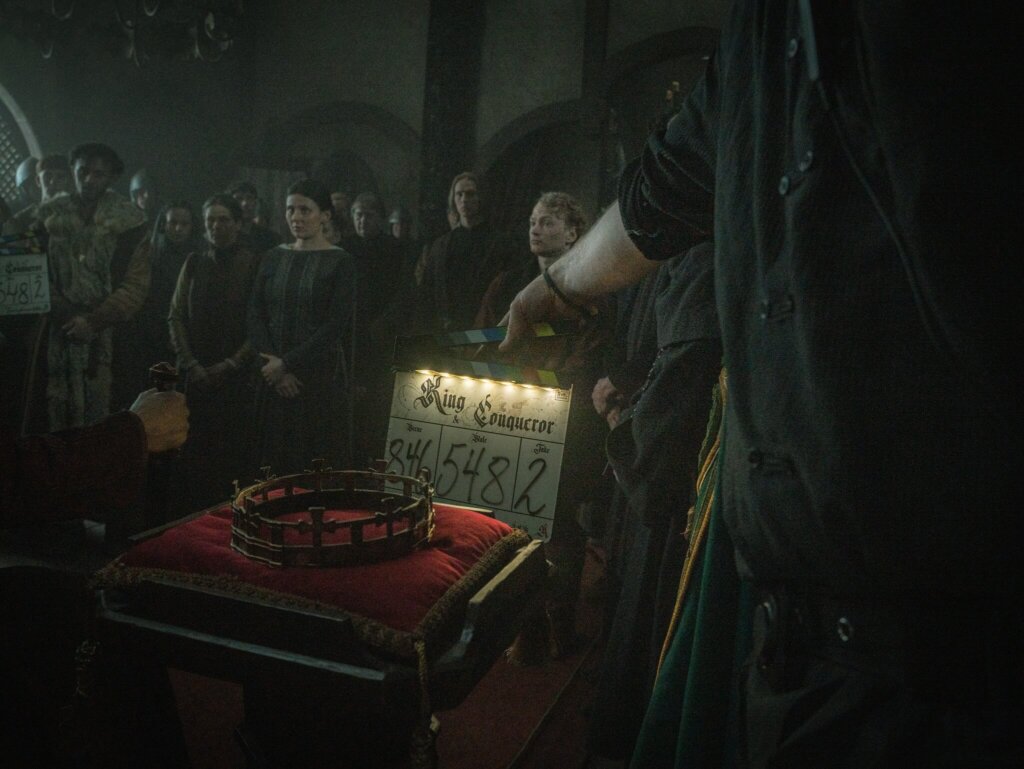
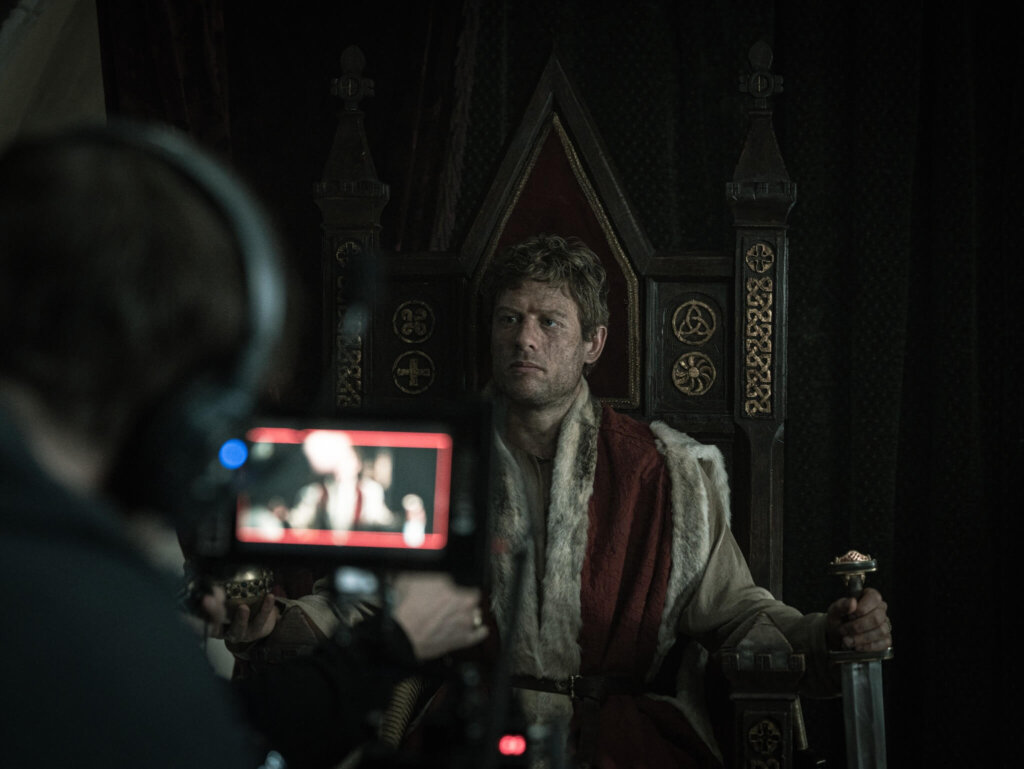
Icelandic horses in “King & Conqueror”: a small detail that changes how the series feels
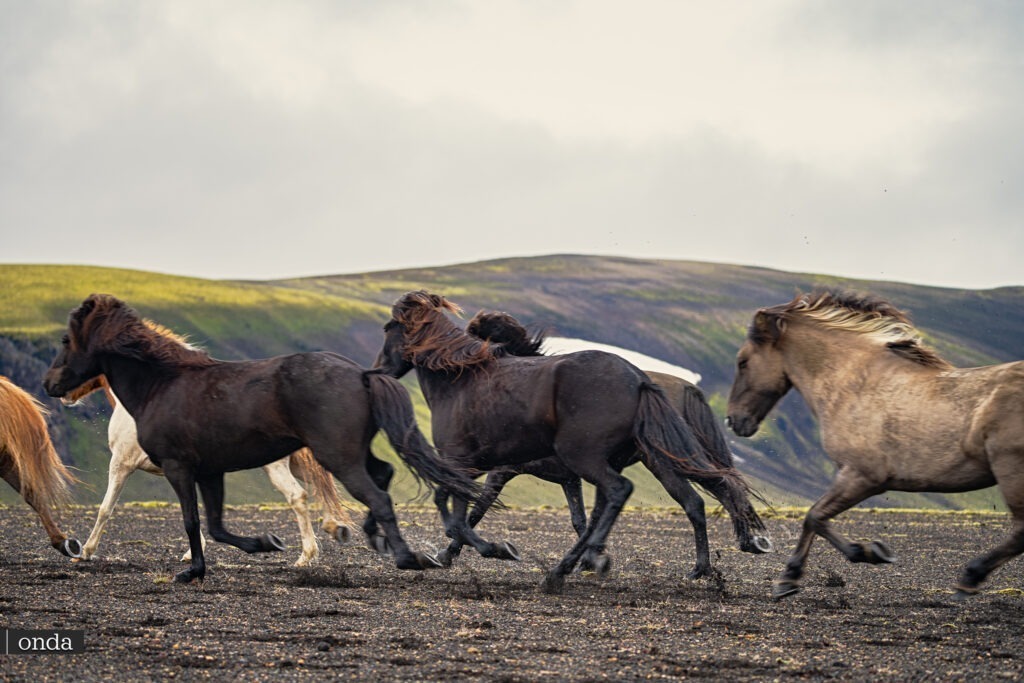
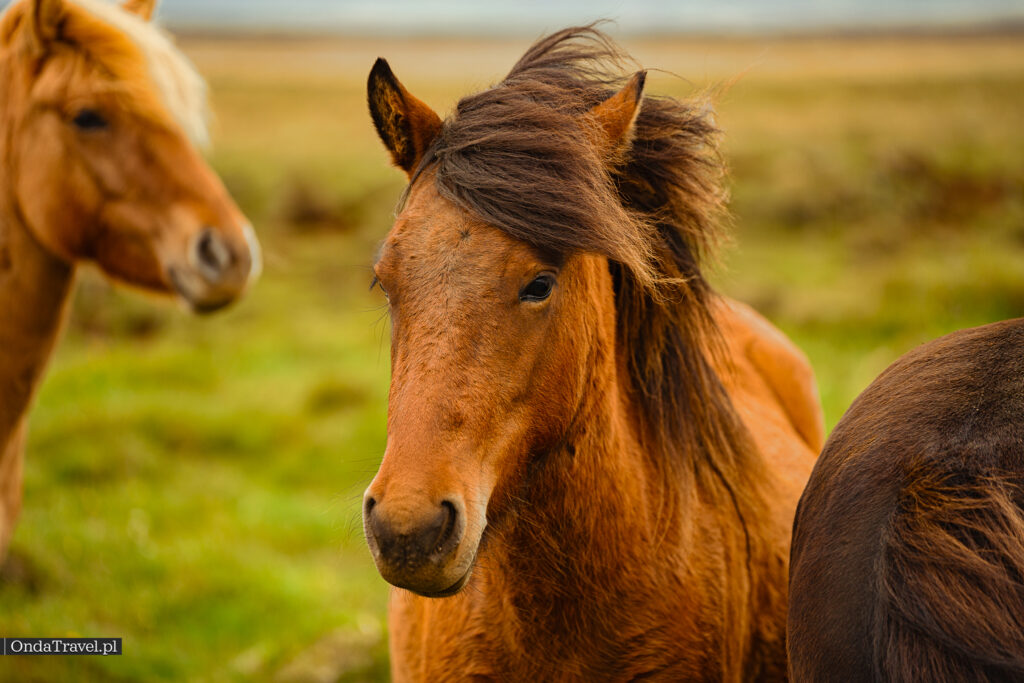
Many people treat Icelandic horses as a behind-the-scenes curiosity, but in reality they are one of the most distinctive elements of this production. Iceland has very strict rules concerning horses: they cannot be imported, and animals that leave the country cannot return. The aim is to protect an isolated population from diseases to which local horses have no natural resistance.
This means the creators could not simply bring in “typical film horses” from abroad. They had to work with Icelandic horses, which have a very different character from many large European breeds associated with historical cinema. They are smaller, compact, extremely hardy, sure-footed in difficult terrain and excellent on uneven ground. For the series, this was both a limitation and an asset.
In practice, it also affects how the riding scenes look. The Icelandic horse has a different silhouette, different movement and is famous for its characteristic gaits, including the smooth tölt. Even if viewers cannot name it, they subconsciously feel that the movement looks a little different from many classic historical superproductions. This is exactly the kind of detail that makes Iceland more than just a “pretty backdrop” in the series; it genuinely shapes the look of the world on screen.
If you connect this thread with Icelandic landscapes, the whole subject becomes even more interesting. Reykjavík, Glymur and Hvammsvík show that western Iceland can be beautiful, raw and very cinematic at the same time. And when Icelandic horses are added to the picture, the atmosphere becomes even more local and authentic.



Behind-the-scenes details worth knowing before watching
- The project developed over many years before reaching the set, so it was not a quick “accidental TV production”, but a longer-developed historical series.
- The battle scenes had a large scale and involved around 180 extras and several dozen horses.
- James Norton not only played one of the leading roles, but was also an executive producer on the series.
- During filming, James Norton suffered an injury after falling from a horse, which shows that some scenes were genuinely physical.
- The creators emphasised that they wanted to tell a story not only about war and two rivals, but also about women and the political relationships around them.
- RVK Studios was responsible not only for studio facilities, but also for post-production of the episodes.
All this builds an interesting picture of the series: on one hand, a historical spectacle; on the other, a production that strongly uses Icelandic specificity. That is exactly why it fits so well into the broader topic of Iceland as a country of film locations. If you are interested in similar trails, see also my article “The Odyssey” – all Icelandic locations in Nolan’s films.
How to see this atmosphere on your own Iceland route
If you want to approach this topic practically, the best plan looks like this: start with Reykjavík and its surroundings, then head towards Hvalfjörður, add Glymur to the itinerary and leave a calmer ending of the day at Hvammsvík. This is not exactly a “route through all series locations”, because some places were strictly production-related and not accessible in the same form to tourists, but it gives a very similar atmosphere.
If Iceland is meant to be more than a short getaway for you, it is also worth entering my ready-made 4-day Iceland plan or 7-day Iceland plan. This way, the film thread will not be a random curiosity, but part of a sensibly built trip.
Do you have a week in Iceland?
With a longer plan, it is easier to add Hvalfjörður, less obvious stops and calmer sightseeing without constantly chasing time.
Want to go further into cinematic Iceland?
A good addition to the topic of film landscapes is also Snæfellsnes. It is not a location from this series, but it is a great example of how Iceland works on screen.
If you are planning Iceland as part of a broader northern route, also see the North section, where I have collected Iceland, Norway, Lofoten, fjords and guides for the northern lights.
NORTH
North: Iceland, Norway, the northern lights and Lofoten
A dedicated section for OndaTravel’s northern destinations: Iceland, Norway, fjords, Lofoten, the northern lights, ready-made routes and travel-planning tools.
FAQ: “King & Conqueror” and Icelandic locations
Was “King & Conqueror” really filmed in Iceland?
Yes. Confirmed locations include Heiðmörk, Hvalfjörður, the Reykjavík area and RVK Studios in Gufunes. Both outdoor scenes and some sets and post-production work were created there.
Where were the Battle of Hastings scenes filmed?
The large battle scenes were filmed on a farm in Hvalfjörður. This area of western Iceland gave the series a wide, raw and very cinematic background.
Why do Icelandic horses appear in the series?
Because Iceland has strict rules concerning horses. They cannot be imported, and horses that leave the country cannot return. The production therefore had to use Icelandic horses, which also affected the look of the riding scenes.
Can you visit these places during a normal trip around Iceland?
Yes, partly. The easiest way is to connect the series with Reykjavík, Hvalfjörður, the hike to Glymur and a soak at Hvammsvík. It is a practical and atmospheric 1-day route or an addition to a larger road trip.
Where should you start planning this route?
Start with my Iceland guide, the article about Reykjavík as a base and the guides to Glymur waterfall and hot springs near the capital. That will help you build the route without chaos.
New section
Film tourism: films, series and real locations
If you like discovering places known from films and TV series, start with the new film tourism section. This section brings together posts about specific productions and guides to real filming locations — from Iceland to atmospheric places you can add to your own trip.


The Odyssey in Iceland
A guide to Icelandic locations connected with Christopher Nolan’s film and the wide-open landscapes you can combine with a real travel plan.
King & Conqueror
A series-location trail for readers who want to see where new historical productions were filmed in Iceland and how to combine them with a route around the island.
Film locations on the blog
Jökulsárlón, Háifoss, Reynisfjara and other places with a cinematic atmosphere or a specific film context in OndaTravel guides.
Read also / next
- Iceland – starter guide, map and key regions
- Reykjavík – attractions, 1-day plan and ideas for further trips
- Hot springs and geothermal pools near Reykjavík
- The most beautiful waterfalls in Iceland, including Glymur
- Iceland in 4 days – a ready-made plan for a first trip
- Iceland in 7 days – day-by-day itinerary
- Snæfellsnes in 1 day from Reykjavík
- The Odyssey – all Icelandic locations in Nolan’s films


Hi, I’m Krystian “dziadzia przewodnik” from OndaTravel.pl!
The North is my greatest passion, but the world is far too beautiful to stay in just one climate. On my blog, I combine the raw landscapes of Iceland and Norway with the exotic energy of Thailand or Vietnam, showing you how to travel authentically — with passion and a camera in hand.
What will you find on OndaTravel.pl?
Visual storytelling: As a photographer and filmmaker, I don’t just describe places — I take you there with professional photos and video.
North expert: Ready-to-use road trip plans for Iceland and Norway, smart tips for budget travel, and my original Northern Lights Radar (locations and forecast).
Travel through the lens of cinema: I track down filming locations — from icy scenes in Interstellar to tropical frames from world cinema.
New direction: Exotic destinations: I love contrast, so the blog is featuring more and more practical knowledge about Vietnam and Thailand. I’ll show you how to find your way around Southeast Asia and come back with your best memories.
P.S. follow me here


Sorry, the comment form is closed at this time.