

Bangkok: Top 13 attractions and places you must see
In short:Bangkok is one of the best cities in Asia for a first intense city break: temples, palaces, the Chao Phraya River, excellent street food, viewpoints and districts that change their character in the evening. Thisguide shows 13Bangkok attractions that are genuinely worth seeing, not just ticking off a list.
Interesting fact: Bangkok is the name most travellers know, but in Thailand the capital is officially known as Krung Thep Maha Nakhon, and in everyday speech often simply as Krung Thep, meaning “City of Angels”. The city’s full ceremonial name is much longer and, according to Guinness World Records, has 168 letters in Latin transliteration, making it the longest place name in the world.
Full name in Thai:
กรุงเทพมหานคร อมรรัตนโกสินทร์ มหินทรายุธยา มหาดิลกภพ นพรัตนราชธานีบุรีรมย์ อุดมราชนิเวศน์มหาสถาน อมรพิมานอวตารสถิต สักกะทัตติยวิษณุกรรมประสิทธิ์
In Latin script:
Krung Thep Maha Nakhon Amon Rattanakosin Mahintharayutthaya Maha Dilokphop Noppharat Ratchathani Burirom Udom Ratchaniwet Maha Sathan Amon Piman Awathan Sathit Sakkathattiya Witsanukam Prasit.
Roughly translated, it means: city of angels, great city, residence of the Emerald Buddha, impregnable city of the god Indra, great capital of the world adorned with nine precious gems, filled with royal palaces, resembling a heavenly abode of a reborn deity, given by Indra and built by Vishnu. In practice, remembering the short form Krung Thep is enough.
The best plan is not about squeezing everything into one day. Bangkok is hot, loud and spread out, so it is best to explore it in sections: historic Rattanakosin separately, the river and Wat Arun separately, Chinatown separately, and the modern centre with parks, markets and viewpoints separately. You will find more Thailand travel inspiration in theThailand section onOndaTravel.pl.
Bangkok — in short
Bangkok is best planned as an intense city with short hops between districts, temples, markets and viewpoints. The biggest mistake is trying to see everything in one day without allowing for the heat, the traffic and time to rest.
The best plan in 30 seconds
The simplest plan for Bangkok: on day one, combine the Grand Palace, Wat Phra Kaew, Wat Pho, the river crossing to Wat Arun and an evening in Chinatown. On day two, add Jim Thompson House, Lumphini Park, Mahanakhon SkyWalk or ICONSIAM and street food. With three days, add Chatuchak, Talat Noi, a museum or one floating market, but do not try to do everything at once.
| Best layout | What not to force in? | |
|---|---|---|
| 1 day | Rattanakosin: Grand Palace, Wat Pho, Wat Arun, Chinatown in the evening | Distant markets, several malls and viewpoints all at once |
| 2 days | A temple day + a modern city, park, food and views day | Too many temples with a similar character |
| 3 days | Add Chatuchak, Talat Noi, a museum or a calm river cruise | Ayutthaya and distant attractions if you have little energy |


Bangkok — quick answer
- Is Bangkok worth seeing? Yes,especially if you want to feel the contrast between royal history, temples, the river, street food and modern skyscrapers.
- How many days for Bangkok?At least 2 full days. Three days are much more comfortable, because you can explore without overheating and without constant rushing.
- The mostimportant attractions: Grand Palace, Wat Phra Kaew, Wat Pho, Wat Arun, Chinatown, Wat Benchamabophit, Jim Thompson House, Chatuchak, Lumphini Park and Mahanakhon SkyWalk.
- Best transport:BTS, MRT, Chao Phraya river boats, Airport Rail Link and Grab/taxi for short sections outside the metro network.
- The biggestmistake: planning sightseeing in the midday heat and combining too many distant points in one day.
The quick answer should help you decide whether to plan Bangkok as a short city break, the beginning of a larger Thailand route or a separate stage before the islands. If you only have 2 days, stay with the Grand Palace — Wat Pho — Wat Arun — Chinatown axis and do not add distant trips. If you have 3 days, choose one bigger bonus: Ancient City, Ayutthaya, Bang Krachao or a calmer day with Talat Noi and the river.
The most important decision before thetrip: do not try to do Bangkok as a little bit of everything. This city works best in blocks: temples in the morning, a break or museum at midday, and food, the river or a viewpoint in the evening. This rhythm is more travel-friendly and less tiring than an encyclopaedic list of attractions.
In practice, the quick answer for Bangkok is this: choose one strong theme for the day and do not try to explore the city like a shopping list. The first day is best based on the river and temples, the second on Chinatown, food, a park or a viewpoint, and the third as a style choice: Ancient City, Ayutthaya, Talat Noi, Bang Krachao or a calmer reset. This way Bangkok remains a journey, not just exhausted jumping between attractions.
This guide is part of theThailand section in Travel on OndaTravel.pl.If you are planning a longer route, start from that page and treat Bangkok as the urban stage of the journey: temples by the river, Chinatown, Ancient City, Ayutthaya and a possible extension to Koh Chang.
Path in the OndaTraveltree:Travel→ Warmdestinations→Thailand. This article strengthens the Thailand cluster and leads further to planning trips around warm destinations.

Full guide
Travel: guides, routes and trip planning — map, stop order and 1-day plan
Return to the main Travel section on OndaTravel.pl and plan your trip through ready-made guides, destinations, routes and practical travel advice.
Full guide
Thailand: guides, routes and practical trip planning — map, stop order and 1-day plan
See the Thailand section page and plan the next part of your route: Bangkok, islands, attractions, safety, transport and practical tips before you go.


What will you find in this guide?

- Top 13 Bangkok attractions
- Bonus: Ancient City (Muang Boran)
- 2-day Bangkok plan
- 3-day Bangkok plan
- Transport: BTS, MRT, boats and Airport Rail Link
- Where to stay in Bangkok
- How much does Bangkok cost?
- When to go to Bangkok
- Plan B: rain, heat and crowds
- FAQ
- The best plan in 30 seconds
- Bangkok — quick answer
- What will you find in this guide?
- Bangkok on YouTube: watch the travel video
- Who is Bangkok for — and who is it not for?
- How not to overload the Top 13 list in Bangkok?
- The most important practical tips before sightseeing in Bangkok
- Less obvious Bangkok: places travellers often talk about
- The simplest walking route in Bangkok
- Trips from Bangkok: Ayutthaya and Koh Chang
- What to eat in Bangkok? A short list of local flavours
- The best photo spots in Bangkok
- The most common mistakes when sightseeing in Bangkok
- Is it worth returning to Bangkok?
- Safety and preparation before the trip
- Sources and up-to-date information before you go
- Practical Bangkok details: boats, shopping and scams
- Read also / continue

Check out my YouTube channel and travel with me.
Follow the channel for videos, routes and practical travel inspiration.
Follow me here:
What’s up?
Enjoying my content?
Buy me a coffee at buycoffee.to/ondatravel and support the creation of more travel content.
Your support helps me create more practical guides, videos and travel inspiration.

Bangkok on YouTube: watch the travel video
If you prefer to see Bangkok in motion, also visit my YouTube channel. In the video I show the atmosphere of the city, temples, the Chao Phraya River and places that are easier to judge only once you see them on video. It is a good addition to this guide before building your own sightseeing plan.
This guide is not just a list of places to tick off. Bangkok can amaze you, but it can just as easily tire you out: with heat, traffic, queues, too many temples and an overly ambitious plan. That is why at every important attraction you will find not only a description, but also when to go, how much time to realistically reserve, what to combine it with and when it is better to skip it.
How should you use this text?If this is your first time in Bangkok, start with the temples by the river, Chinatown and a simple 2-day plan. If you have a third day, choose one stronger variant: Ancient City, Ayutthaya, Bang Krachao, Ko Kret or a calmer day with a museum and the river. The biggest mistake is trying to see everything at once — Bangkok works much better when each day has one main rhythm.
That is why each part of the guide answers a specific traveller question: is this place essential, how much time should you give it, when should you go, does it fit a 2-day plan, is it better left for a longer stay and what can it be combined with. In Bangkok, the name of an attraction alone is not enough, because two points only a few kilometres apart can mean completely different logistics.
In the guide I deliberately separate classic attractions, less obvious districts and trips outside the city. Grand Palace, Wat Pho and Wat Arun are for a first stay. Talat Noi, Song Wat, Bang Krachao or Ko Kret are Bangkok for people who want to step off the most obvious path. Ayutthaya and Koh Chang are route extensions, not points to squeeze into the same intense day.


Who is Bangkok for — and who is it not for?
Bangkok is great for people who like intense cities, contrasts and journeys where in one day you can see royal temples, travel along a river, eat dinner on the street and go up to a viewpoint above a modern metropolis. It is not, however, a destination for everyone. If you are looking for a calm beach start to Thailand, Bangkok may feel too loud, hot and chaotic at the beginning.
| Who may find it tiring? | |
|---|---|
| People flying to Thailand for the first time who want to see classic temples, the river and street food | People who do not tolerate heat, crowds, traffic and the very intense pace of the city |
| Fans of photography, neon lights, viewpoints, temples and street food | People who want to rest on the beach immediately and do not like large metropolises |
| Travellers who want to combine the city with Ayutthaya or later continue to the islands | People with a very short transfer who only have a few hours between flights |
The best approach is to treat Bangkokas the first stage of atrip through Thailand, not as an obstacle before the beach. If you give it at least two full days, the city will show much more than traffic and heat. If you have more time, Ayutthaya and Koh Chang become natural extensions of the route.
How not to overload the Top 13 list in Bangkok?
The biggest mistake in Bangkok is trying to see all 13 places in one or two days. This list is not a checklist to tick off point by point, but a set of priorities. First choose the classics by the river, then add one district in the evening, and only later decide whether you have the energy for a market, museum or viewpoint.
- If you have 1 day:Grand Palace, Wat Pho, Wat Arun and Chinatown in the evening. That is enough.
- If you have 2 days:dedicate the first day to the old city and the river, and the second to Jim Thompson House, Lumphini Park, Talat Noi or Mahanakhon SkyWalk.
- If you have 3 days: addChatuchak, a museum, a floating market closer to the city or a calmer day by the Chao Phraya.
- If you have 4 days:consider Ayutthaya as a one-day historical trip.
- If you have 7 days or more: youcan combine Bangkok with Koh Chang, but treat the island as a separate stage with overnight stays, not as a quick outing.
In practice, the best Bangkok plan is a plan with a margin. The city can tire out even people who love Asia: humidity, traffic, long walks, queues and the temperature difference between the street and air conditioning all take their toll. So leave breaks, plan temples in the morning and do not be afraid to remove one stop if the day starts to feel too heavy.


The most important practical tips before sightseeing in Bangkok
- Dress code:for the Grand Palace and temples, cover your shoulders and knees. It is better to dress too carefully than lose time at the entrance.
- Sightseeing hours: plan themost important temples in the morning. At midday it is better to take a break, visit a museum, have a massage or choose an air-conditioned place.
- Transport:do not choose a hotel only by price. Being close to BTS or MRT can save more than a cheaper stay far from a station.
- River:the Chao Phraya is not only an attraction, but also a practical way to move between the temple area, Wat Arun and ICONSIAM.
- Food:choose street food where there is a high turnover. If a place is empty at peak hours, it is better to keep looking.
- Scams:near popular attractions, watch out for lines like “it is closed today”. Check opening hours on official websites or at the ticket office.
The most important practical tips are simple, but they can save the whole trip. First: plan the day around temperature, not only around the map. Second: keep shoulders and knees covered at temples. Third: use BTS, MRT and boats, and leave Grab for sections that cannot be done comfortably by public transport.
Fourth: check opening hours and tickets on official websites, especially for the Grand Palace, Wat Pho, Wat Arun, Ancient City and viewpoints. Fifth: do not believe random people saying that a temple is closed. Sixth: leave space in the plan for food, a shower, air conditioning and rest — in Bangkok this is not a luxury, but part of good logistics.
The best practical advice before Bangkok: have a plan, but leave it room to breathe. Check official opening hours, wear light clothing that follows temple rules, carry water and small cash, and save your hotel, offline map and ride-hailing app on your phone. Do not fight the city in the midday heat. If you feel tired, swap the next stop for a break, massage, museum or a calmer boat ride along the Chao Phraya.


Top 13 Bangkok attractions — what to see?

Bangkok has hundreds of temples, markets, museums and viewpoints, but for a first stay it is best to choose places that show different faces of the city. The list below combines classics, logistics and a realistic sightseeing pace.
| Why is it worth it? | Best moment | |
|---|---|---|
| Grand Palace and Wat Phra Kaew | The most important royal complex and the Temple of the Emerald Buddha | Morning, right after opening |
| Wat Pho | Reclining Buddha, Thai massage and a calmer atmosphere next to the Grand Palace | Morning or late afternoon |
| Wat Arun | The most beautiful riverside view and a great place for photos | Before sunset |
| Wat Benchamabophit | Marble temple, less chaotic than the most popular stops | Morning |
| Chinatown and Wat Mangkon | Neon lights, food, lanterns and the evening energy of Yaowarat | Evening |
| Jim Thompson House | Thai house, art, silk and a calm break from street noise | Middle of the day |
| Chatuchak Weekend Market | One of the most famous weekend markets in Asia | Saturday or Sunday morning |
| Lumphini Park | Greenery, monitor lizards, rest and contrast with skyscrapers | Morning |
| Mahanakhon SkyWalk | The strongest view of modern Bangkok from above | Sunset |
| ICONSIAM and Chao Phraya River | Modern Bangkok, riverside terraces and an easy boat connection | Evening |
| Talat Noi | Murals, old workshops, cafés and photogenic lanes | Morning or before noon |
| Bangkok National Museum | Good historical background before temples and palaces | Hot or rainy day |
| Taling Chan or Khlong Lat Mayom | Easier floating market option without a very distant trip | Weekend morning |
1. Grand Palace and Wat Phra Kaew

This is the most symbolic place in Bangkok and the point where many travellers begin their first encounter with Thailand. The Grand Palace was built after the capital was moved to Bangkok at the end of the 18th century and for decades served as the centre of royal ceremonies. The most important place in the complex is Wat Phra Kaew, the Temple of the Emerald Buddha — not because of the size of the statue, but because of its religious and state significance. It is not “just another golden temple”, but the heart of Thailand’s symbolic power and spirituality. In practice, you need to come early, because after 10:00 it gets very hot and crowded. Covered shoulders and knees are mandatory, and before entering ignore people saying the palace is closed today — this is a classic excuse to redirect tourists to a tuk-tuk, shop or alternative route. Official information gives the foreigner ticket price as 500 baht and ticket sales until 15:30, but before visiting it is worth checking the ceremony calendar.
Interesting fact: The Grand Palace is not just an impressive tourist attraction. It is closely connected with the beginning of modern Bangkok as the capital — from 1782, the complex served as the official residence of the kings of Siam, and later Thailand. That is why visiting the Grand Palace and Wat Phra Kaew feels more like stepping into the symbolic birthplace of the city than ticking off another sight.
It is best to treat the Grand Palace as the first visit of the day, not a stop for later. It is the symbol of royal Bangkok, but in practice it can also be one of the most tiring points: lots of open space, little shade, crowds, intense gold and a huge number of details. The strongest impression comes not from a single building, but from the scale of the whole complex and Wat Phra Kaew with the Emerald Buddha, the spiritual and political heart of the former capital.
Traveller tip:plan 2–3 hours, cover shoulders and legs to the knees, and enter as early as possible. Around the palace, a classic tout scheme has been repeated for years: someone says the complex is closed today and offers a tuk-tuk to another place. Do not discuss it — just go to the official entrance or ticket office. The Grand Palace is best combined the same day with Wat Pho and Wat Arun, but only if you start early and do not try to add too many more attractions.
2. Wat Pho — Reclining Buddha

Wat Pho is best combined with the Grand Palace, because the two places are close to each other and create a logical morning block for exploring old Bangkok. Most people come here for the enormous Reclining Buddha, but the biggest mistake is to walk in, take a photo and leave. It is worth walking around the courtyards, colourful stupas, ceramic details and smaller halls, because this is where you can see how the temple works as a living complex, not just a photo attraction. Wat Pho is also important for the history of traditional Thai massage, so after sightseeing you can plan a foot massage or classic Thai massage if you have time and do not mind a queue. The official temple website gives opening hours as 8:00–19:30 and the ticket price as 300 baht. It is best to enter in the morning or late afternoon, when the light is softer and the pace calmer.
Interesting fact: The Reclining Buddha at Wat Pho is about 46 metres long and 15 metres high. Look carefully at the feet, too — they are decorated with mother-of-pearl and show 108 auspicious signs of the Buddha. It is one of those details that is easy to miss if you focus only on the scale of the statue.
Wat Pho is worth reading more broadly than only through the Reclining Buddha. Of course the huge statue is the main magnet, but the real value of the place lies in the combination of religion, education, medicine and massage tradition. It is one of those temples where Bangkok stops being just golden decoration and begins to tell a story about how knowledge and spirituality functioned side by side for centuries.
On site:reserve at least 60–90 minutes, and if you want to have a massage, add extra time and do not plan everything too tightly. You enter sacred buildings without shoes, so comfortable footwear makes a difference. Wat Pho works very well after the Grand Palace because it is close, but it has a slightly different rhythm — less royal and representative, more temple-like and everyday. After the visit, you can walk towards the pier and cross briefly to Wat Arun.
If you are interested in Thai massage, Wat Pho is one of the best places to understand its cultural context. It is not only about relaxing after sightseeing, but about a tradition of working with the body that is part of the history of this complex. For a short stay, a foot massage or short session is enough; with a calmer plan, you can treat it as a break between the temples by the river.
3. Wat Arun — Temple of Dawn

Wat Arun, the Temple of Dawn, is one of those places that work differently at different times of day. Up close you can see porcelain decorations, steep stairs, prang details and motifs that from a distance look like a single ornament. From the opposite bank of the river, the temple becomes one of Bangkok’s best frames, especially before sunset and after the lights come on. The easiest way is to walk to Tha Tien pier after Wat Pho and cross to the other side of the Chao Phraya. It is a short transfer, but it shows very well that the river in Bangkok is not an add-on, but the real axis of the city. The stairs and platforms can be steep, so there is no point rushing or climbing in slippery shoes. TAT gives opening hours as 8:00–18:00 and the ticket price as 200 baht.
Interesting fact: Wat Arun is called the Temple of Dawn for a reason. Its name refers to Aruna, a figure associated with the glow of the rising sun. In practice, the temple is beautiful not only in the morning but also late in the day, when the pale decorations on the central tower catch the soft light above the Chao Phraya River.
Wat Arun best shows why in Bangkok the river is part of sightseeing, not just a background. The Temple of Dawn looks completely different from the opposite bank, from the ferry and up close. Only next to the prang do you see that the white mass is not smooth — it is made of porcelain and ceramic details that catch the light much more subtly than the golden roofs on the other side of the Chao Phraya.
Practically:avoid the middle of the day, because the sun flattens the details strongly and quickly drains your energy. Morning or late afternoon is best, especially if you care about photos. The stairs and terraces can be steep, so you do not have to climb high if you have a fear of heights, reduced mobility or are travelling with children. Wat Arun is worth seeing up close, but it is even better to end the day with a view from the opposite bank in soft light.
4. Wat Benchamabophit — Marble Temple

Wat Benchamabophit, the Marble Temple, is a great contrast after the Grand Palace and Wat Pho. Instead of dense, intense decoration, you get symmetry, pale marble, a calmer courtyard and more ordered architecture. The temple is connected with Thailand’s modernisation period under Rama V, so it shows well the moment when the traditional form of a Buddhist temple met European material and aesthetic influences. It is a very good place for photos, but also for a short break from the crowds. It is best to come in the morning, when monks and local worshippers give the place a calmer rhythm and the light brings out the white marble. Do not treat this place as a “smaller attraction” — it is rather a more elegant and less chaotic face of sacred Bangkok.
Wat Benchamabophit works as a calmer counterpoint after Bangkok’s most famous temples. The Marble Temple does not win by shouting or size, but by proportion, white marble, the rhythm of columns and more ordered architecture. It is a good place for people who after the Grand Palace and Wat Pho feel overwhelmed by gold, crowds and detail, but still want to see an important temple with royal context.
For whom?It will appeal most to people who like photography, a calmer pace and architecture. It is not a mandatory stop in a 2-day plan, but with 3 days or a convenient hotel location it can be a very good addition. It is worth coming in the morning, when the marble looks best in soft light and the courtyard is not yet heated up. This is not a place for a quick tick-off, but for a short, calm reset.


5. Chinatown, Yaowarat and Wat Mangkon

Chinatown is best left for late afternoon and evening, because that is when Yaowarat starts working at full energy: neon lights, the smell of frying, queues at stalls, traffic and that characteristic chaos that is hard to confuse with any other part of the city. But it is worth coming earlier than just for dinner. Wat Mangkon shows the Chinese-Buddhist side of Bangkok, and the side streets lead to shops with herbs, tea, gold, incense and souvenirs strongly rooted in the local community. A good idea is to combine Chinatown with Talat Noi or Song Wat if you like walks, street art, old workshops and cafés. The biggest mistake is to walk only along the main Yaowarat road, eat the first thing from a queue and return to the hotel. Chinatown tastes best when you allow yourself to wander a little.
Interesting fact: Wat Traimit, near Chinatown, houses the Golden Buddha recognised by Guinness World Records as the largest solid-gold sculpture in the world. It is a good reason to combine the temple with a walk through Yaowarat, Bangkok’s best-known Chinatown district.
Chinatown in Bangkok is best planned as an experience, not a single attraction. During the day it is easier to notice old façades, temples, herbal shops, gold, trading backstreets and the everyday rhythm of the Chinese-Thai community. After dark, Yaowarat turns into an intense food crawl: neon lights, steam from pots, queues at stalls, the smell of spices and movement that many people remember more strongly than another temple.


How to visit?Come hungry, take cash and do not plan an elegant dinner in a rush. Chinatown works best in the evening, but it is worth combining it with a walk through Talat Noi or Song Wat to see the calmer, more urban side of this part of Bangkok. If you do not like crowds, start earlier, before the biggest evening wave. If you love street food, treat Yaowarat as the main point of the day, not an add-on after a whole sightseeing marathon.


6. Jim Thompson House

Jim Thompson House is one of the best places for the middle of the day, when the heat takes away your desire for another temple. It is not a typical museum with display cases, but a group of traditional Thai teak houses with art, a garden and the story of the man who made Thai silk famous around the world. In practice, it is a very good break between old Bangkok and the modern Siam centre. For travellers, what matters is that Jim Thompson House helps you understand Thai aesthetics of home, material, shade and garden — something you do not see when you move only between temples and shopping malls. It is worth leaving at least an hour, then walking towards Siam or combining the visit with a rest in air conditioning.
Jim Thompson House is a great change of rhythm after temples, bazaars and noisy streets. It is not a museum to rush through, but a story about Thai silk, teak wood, collecting, a tropical garden and a man whose disappearance still gives the place an aura of mystery. It works especially well when you want something more intimate in Bangkok than another monumental interior.
Practical tip: themain house is visited with a guide, so it is not worth dropping in five minutes before your next stop. Plan about 1–1.5 hours and treat the guide’s commentary as an important part of the visit. It is a good choice for heat, rain or a day when you have had enough of temples but still want to stay with culture and history. Access is convenient thanks to BTS National Stadium.

7. Chatuchak Weekend Market

Chatuchak Weekend Market makes sense mainly on Saturday or Sunday and is best planned for the morning. It is a huge market where it is easy to lose your orientation, time and energy, so do not squeeze it between two major attractions. For some people it will be paradise with clothes, ceramics, posters, home items and food; for others, a tiring maze in the heat. The best strategy is to choose 2–3 things you are looking for and treat the rest as a walk. It is worth having cash, water and patience. Access is simple: the area around BTS Mo Chit and MRT Chatuchak Park / Kamphaeng Phet. If you do not like crowds, come early and leave before the middle of the day gets really heavy.
Interesting fact: Chatuchak is not an ordinary weekend market, but a huge shopping maze. According to the Tourism Authority of Thailand, it has more than 8,000 stalls divided into 27 sections, so it is worth coming with a plan — or treating the visit as a separate urban adventure.
Chatuchak is not an ordinary market, but a weekend organism of the city. The huge number of stalls, food, clothes, plants, ceramics, decorations, vintage items and souvenirs can delight you, but also quickly overwhelm you. The worst strategy is to want to walk through everything. It is much better to choose 2–3 types of stalls, leave space for food and treat the rest as a walk through one of Bangkok’s liveliest places.
When to go?Best in the morning. At midday, the heat between the lanes can be more tiring than the crowd itself. It is worth having water, a hat, cash and a saved landmark, because it is easy to lose your sense of direction. Chatuchak makes the most sense if you are in Bangkok at the weekend and want to see the local-tourist energy of the city. With a 2-day plan, do not squeeze it in at the expense of the temples by the river, but with 3 days it can be a great morning block.
8. Lumphini Park
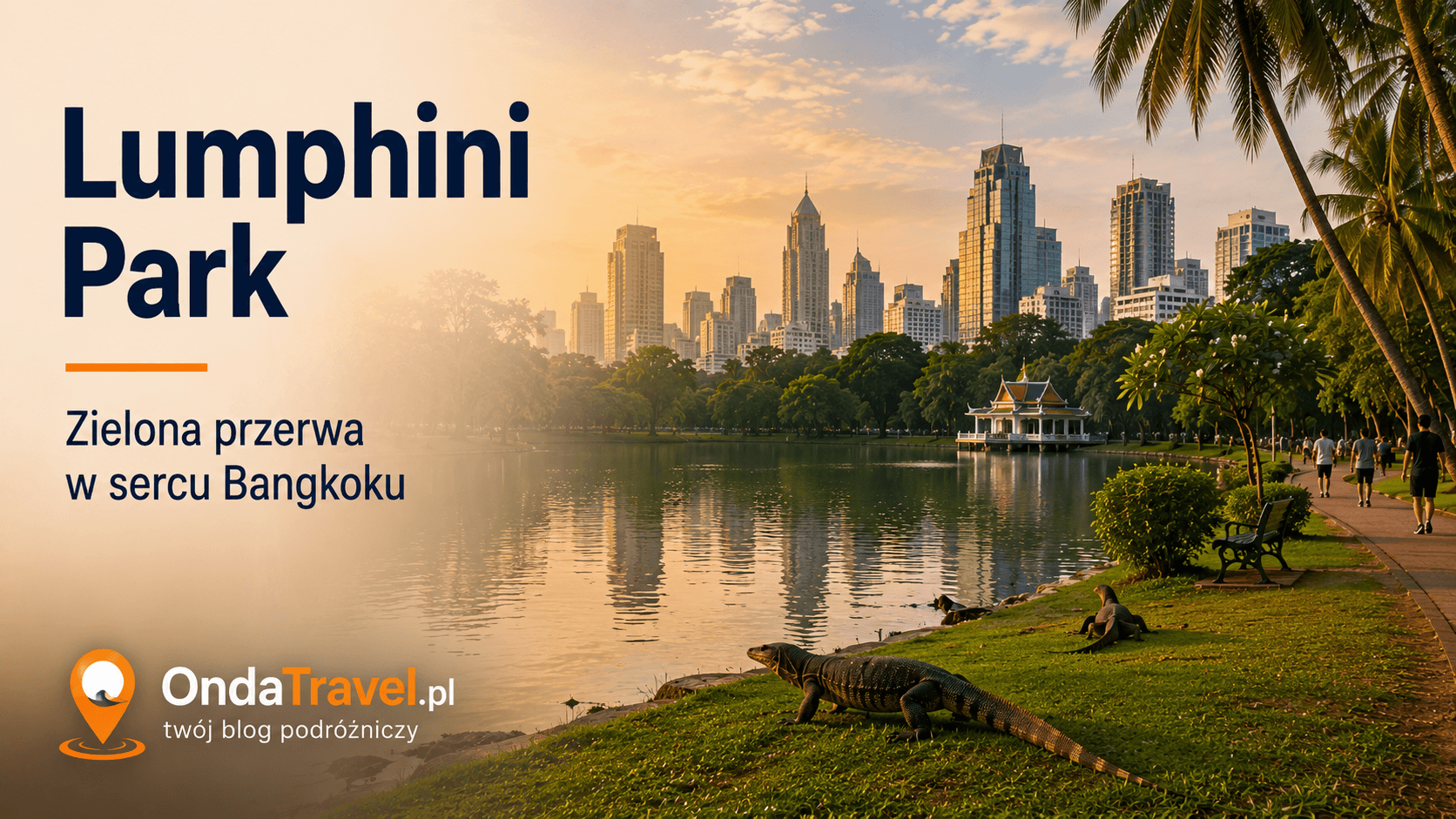
Lumphini Park shows Bangkok from the everyday side. In the morning you will see runners, people practising tai chi, local residents, boats on the water and monitor lizards, which for many tourists become one of the most memorable scenes in the city. It is a good place to catch your breath between temples, shopping malls and traffic jams. It is best to come in the morning or before sunset, because at midday the park loses its charm because of the heat. In the background you can see the skyscrapers of Silom and Sathorn, so Lumphini perfectly shows the contrast at the heart of Bangkok: green space, local rhythm and, right next to it, the metropolitan vertical wall of glass and concrete. It is not an attraction to tick off, but a place to reset.
Lumphini Park is important not because it competes with temples, but because it brings order to Bangkok’s pace. In the morning you will see runners, exercise, calmer paths, lakes and skyscrapers in the background. The place shows the city’s everyday life without a filter: people before work, older residents exercising in the shade and the famous monitor lizards that become an unexpected attraction for many tourists.

How to use itbest? Do not turn Lumphini into a separate big trip if you are staying far away. It works best as a morning or afternoon reset when you stay in Silom, Sathorn or nearby. Watch the monitor lizards from a distance, without feeding them or approaching them. The park combines very well with a day that includes Mahanakhon, Silom or a calmer evening after intensive sightseeing.


9. Mahanakhon SkyWalk

Mahanakhon SkyWalk is the best place for people who want to understand Bangkok’s scale from above. Only from the observation deck can you see how far the city spreads beyond the tourist centre: skyscrapers, river, expressways, residential districts, temples and green patches of parks. The best time is sunset, because then you get three views in one visit: daylight, golden hour and night lights. The famous glass tray is impressive, but in bad weather or heavy cloud the view may be weaker, so it is worth checking the forecast. It is not a cheap attraction, so it is best treated as one strong evening point, not a random add-on after a full sightseeing day.
Mahanakhon SkyWalk shows Bangkok from a completely different perspective: not as a maze of streets, but as a huge metropolis where the river, temples, skyscrapers, residential areas and business centre form one whole. It is a good contrast after the old city and temples. It works especially strongly at the end of the day, when the city lights begin to take over the panorama.
The most importanttip: check the weather before buying a ticket. If the outdoor terrace and glass platform matter to you, rain or a storm can spoil the experience. People with a fear of heights do not have to pretend it is an attraction for everyone — the viewing area is impressive even without stepping onto the glass. Mahanakhon is best placed as the finale of the day, not the middle of intense sightseeing.
10. ICONSIAM and Chao Phraya

ICONSIAM is not only a shopping mall, although it may look that way at first glance. Its greatest value for travellers is its location on the Chao Phraya and the possibility of combining modern Bangkok with the river. It is a good place for an evening after Wat Arun, a walk by the water, a rest in air conditioning or food when you no longer have the strength to fight the chaos of the street. Inside you will also find zones styled as local markets and regional cuisine, so for many people it is a gentler introduction to Thai flavours. It is best to arrive by boat or shuttle boat, because the crossing itself is part of the experience. ICONSIAM shows the second face of Bangkok well: luxurious, consumer-oriented, spectacular and very contemporary.
ICONSIAM is worth describing as an evening address by the river, not simply a shopping mall. Even if you are not planning to shop, it is a convenient place to rest after a whole day: air conditioning, food, terraces, a view of the Chao Phraya and an easy connection with the river rhythm of the city. For many people, it is a good way to see contemporary Bangkok without another ride through traffic jams.
How to getthere? If you have a choice between a taxi in traffic and a boat, choose the river. The journey along the Chao Phraya is part of the experience and builds the atmosphere better than arriving from the street side. ICONSIAM combines well with Wat Arun, an evening walk by the river or a calm end to the day after Chinatown. Do not treat it as a must-see for everyone, but as a very practical option when you want food, a view and rest in one place.


11. Talat Noi

Talat Noi is one of those places that appears more and more often in conversations among travellers looking for Bangkok beyond the main checklist. Old car workshops, spare parts warehouses, murals, narrow lanes, temples, cafés and proximity to the river create a very photogenic mix. It is a great area for a slow walk, especially if after the Grand Palace and Wat Pho you feel like seeing a more everyday, urban fabric. It is best to go in the morning or before noon, before heat and traffic take away the pleasure of walking. Talat Noi works well with Song Wat and Chinatown: you start with calmer side streets and end in the evening chaos of Yaowarat. It is one of the best ways for Bangkok to stop being just a list of temples.
Talat Noi tastes best without rushing. There is no single great attraction here that dominates the rest. Instead there are old shophouses, workshops, car parts, murals, small temples, cafés and alleys that suddenly look like a ready-made film set. It is precisely this contrast — old trade, everyday work and creative revitalisation — that makes the district more interesting than an ordinary street-art walk.
How to combine it with theplan? It is best to walk through Talat Noi together with Song Wat and Chinatown. In the morning you will see the calmer side of the district, while in the afternoon and evening it is easier to move towards the food and neon lights of Yaowarat. Give yourself 1.5–3 hours, not just 20 minutes for photos. This is a great section for people who want to see Bangkok beyond the obvious temple list, but still without complicated logistics.
12. Bangkok National Museum

Bangkok National Museum is underrated because many tourists choose temples, markets and viewpoints first. Yet it is exactly this museum that helps you understand what you later see in the Grand Palace, Wat Pho or Ayutthaya: art styles, Buddha iconography, royal symbols, craftsmanship and the history of former kingdoms. It is a good stop for people who do not only want to take photos, but also understand the meaning of places. It is best treated as plan B for rain, extreme heat or a day when you do not have the energy for more transfers. Since it is located in the old city area, you can combine it with Rattanakosin, Sanam Luang and a calmer walk around the neighbourhood. It does not have to be mandatory with two days, but with three days it gives a lot of context.
Bangkok National Museum helps you understand the rest of the sightseeing. After it, temples, the ruins of Ayutthaya, royal symbols and architectural details stop being only pretty decoration and begin to form a story of Thailand. This is a place for people who prefer to know what they are looking at, not just move from point to point.
Practically:do not plan the museum as a 40-minute add-on between the Grand Palace and lunch. It is rather a separate morning block for 2–3 hours, especially if you join a guided tour or want to read the descriptions without rushing. With a short stay in Bangkok, the museum is not mandatory for everyone, but for history lovers it may be one of the best ways to give the whole trip deeper meaning.


13. Taling Chan or Khlong Lat Mayom — a floating market closer to the city

Taling Chan or Khlong Lat Mayom is a good compromise if you want to feel the atmosphere of a floating market without a very long trip and full-day logistics. These are not cinematic “perfect” frames from a brochure, but that is exactly why they can be more interesting: food, boats, local weekend rhythm, fruit, fish, soups and families who come here to eat, not only to take a photo. It is best to go in the morning at the weekend and not plan a very ambitious afternoon afterwards. If you only have two days in Bangkok, it is better to stay with the classics. If you have a third day, a floating market can be a great addition after temples, Chinatown and the modern centre. It is worth remembering that the main attraction here is the food and atmosphere, not the “boat ride” itself.
With floating markets, the most important thing is setting expectations honestly. Around Bangkok, not every floating market looks like a postcard scene with dozens of trading boats. Often they are more like canal-side markets with food, local stalls and an optional boat ride. If you know this beforehand, it is easier to appreciate the place for its atmosphere instead of being disappointed by the lack of a film-like setting.
Which one shouldyou choose? Taling Chan is closer and simpler logistically, while Khlong Lat Mayom is more often recommended to people focused on food and a more local feel. It is best to go in the morning and preferably at the weekend, treating the market as a calm half-day, not the most important point of the whole stay. It is a good choice if you have already seen the classic temples and want to experience a more everyday, culinary Bangkok outside the centre.
Bonus: Ancient City (Muang Boran) near Bangkok
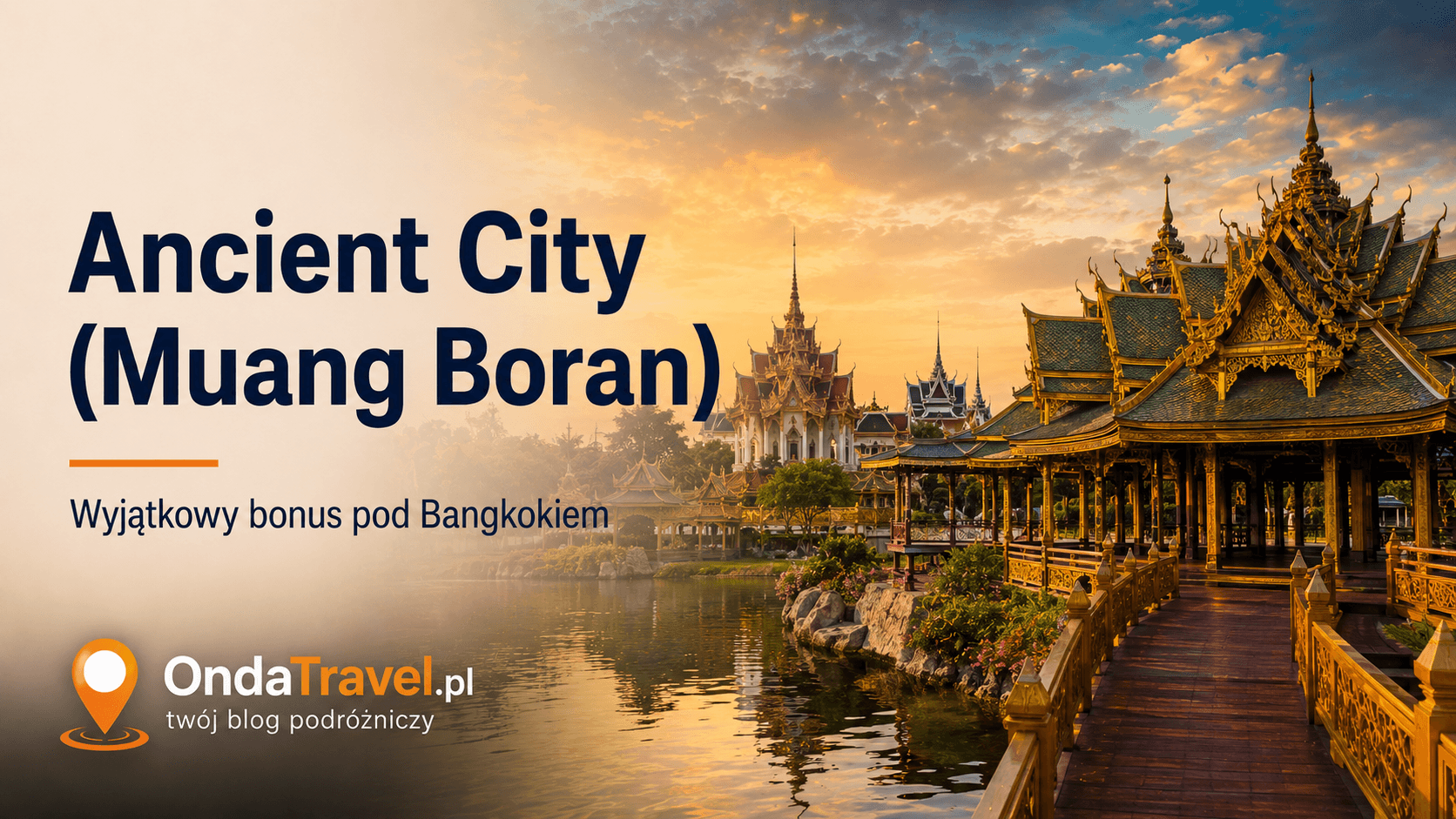


Ancient City, or Muang Boran, is a great bonus to a Bangkok plan if you have more than two days or want to see a cross-section of Thai architecture without travelling around the whole country. It isa huge museum-park in Samut Prakan, with reconstructions and interpretations of the most important buildings, temples, palaces and regions of Thailand. I would not treat it as a mandatory stop for a very short stay, but on a third or fourth day in Bangkok it can be one of the most spectacular places for photos.
Full guide
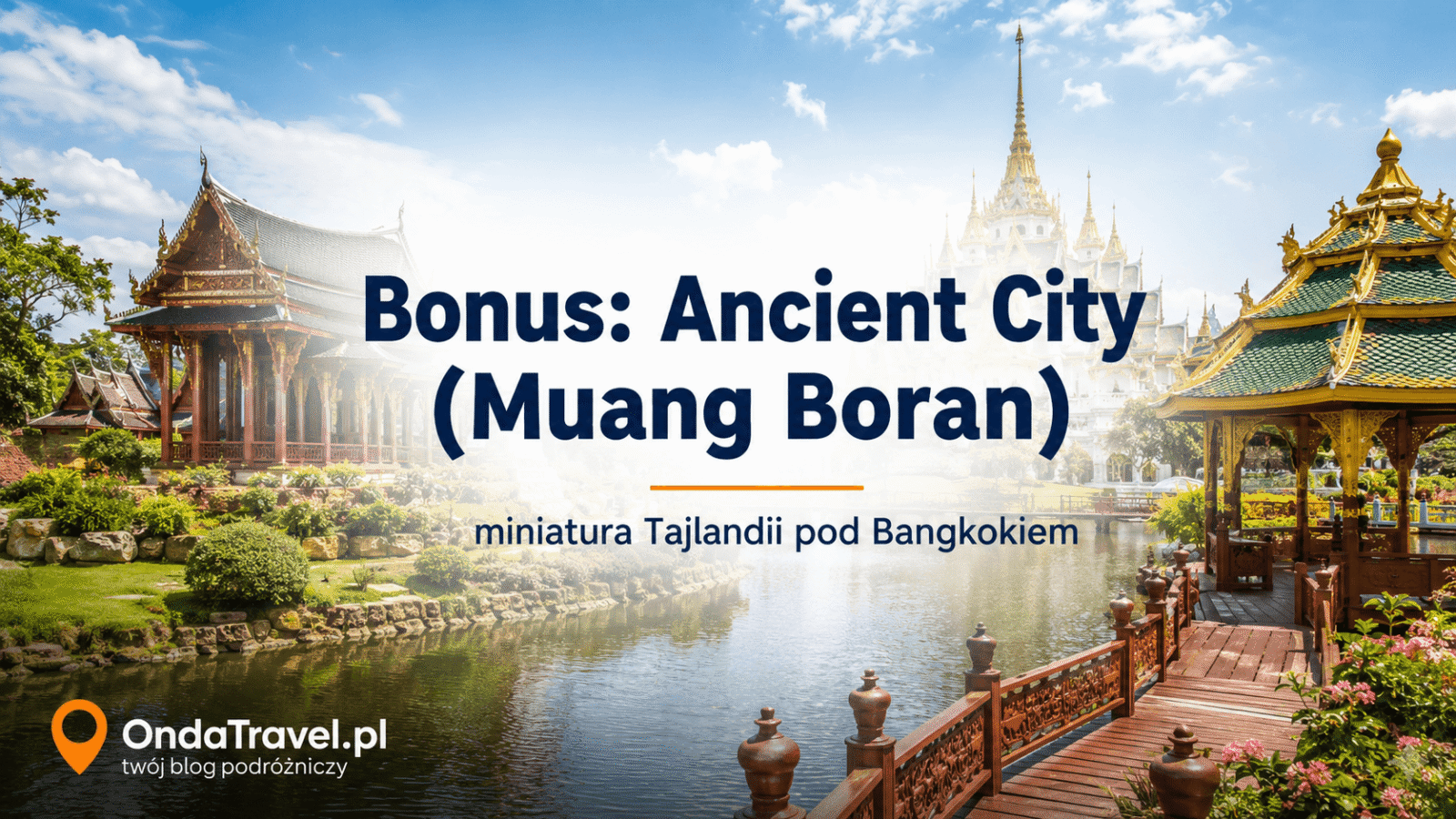
Ancient City Bangkok: Muang Boran near Bangkok
See the full guide to Ancient City / Mueang Boran: how to get there from Bangkok, tickets, bicycles, golf carts, the most important reconstructions and a slow sightseeing plan.
It makes the most sense when you are interested in Thailand more broadly: former capitals, the north, the south, temples, wooden pavilions, bridges, canals and architecture from different parts of the country. The place is vast, so it is best to plan several hours, comfortable shoes, water and a break during the hottest part of the day. Officially, Muang Boran is open daily from 9:00 to 19:00, and ticket sales end at 18:00; prices and promotions are worth checking on the museum website before visiting.
| When to add it? | For whom? | Practical note | |
|---|---|---|---|
| Short 2-day stay | Rather skip it | For people who already know Bangkok | Better stay with the Grand Palace, Wat Pho, Wat Arun and Chinatown |
| Bangkok 3 days | A good choice as half a day or a larger part of the day | For fans of architecture, photos and Thai culture | Best in the morning or later afternoon |
| Bangkok 4 days and more | A very good bonus | For people who want to see Thailand in miniature | You can combine it with Erawan Museum in Samut Prakan |
- Best moment:morning or late afternoon, because the grounds are large and the heat is strongly felt.
- Biggest plus: veryphotogenic frames and a quick overview of different regions of Thailand.
- Biggest minus:it is not central Bangkok, so you need to add transfer time and time on site.
- How to treat it inthe plan: as a bonus after Bangkok’s classics, not instead of the Grand Palace, Wat Pho or Wat Arun.


Less obvious Bangkok: places travellers often talk about
If you have already planned the Grand Palace, Wat Pho, Wat Arun and Chinatown, it is worth adding a few places that often come back in traveller conversations. These are not always the “biggest attractions” in terms of tickets and rankings, but they are exactly what makes Bangkok stop being only a collection of temples, traffic jams and shopping malls.
Bang Krachao — Bangkok’s green lung
Bang Krachao is a good choice if after two days in the centre you have had enough of concrete, noise and air-conditioned malls. After a short ferry crossing, you enter a world of bicycles, greenery, canals, gardens and calmer streets. It is best to go in the morning, rent a bicycle and not plan the route too rigidly. This place works more as a breath away from Bangkok than a classic attraction. With a short stay it is not mandatory, but with 3–4 days it gives a great contrast.
Ko Kret — a weekend island of ceramics and food
Ko Kret lies outside the strict centre and works best at the weekend, when the food stalls, ceramics and local snack stands are operating. It is a place for people who want to see a slower rhythm by the river, not another temple in the centre. It is not worth squeezing Ko Kret into a two-day plan, but with a longer stay it can be an interesting alternative to crowded markets.
Interesting fact: Bangkok has street food that made it into the Michelin Guide. The best-known example is Jay Fai — a place associated with crab omelette and wok cooking right in front of guests. It shows how thin the line can be in Bangkok between a street-food stall and a culinary legend.
Kudeejeen — the Portuguese-Thai layer of the city
Kudeejeen, also called Kudi Chin, shows a less obvious history of Bangkok: Santa Cruz Church, old houses, local sweets and traces of Portuguese influence. It is a good place for people who like to walk without rushing and look for layers of the city that do not appear in classic rankings. It is best combined with a riverside route, Wat Arun or a calmer walk through Thonburi.
Song Wat and Ari — cafés, food and local rhythm
Song Wat is worth adding to a walk between Talat Noi and Chinatown: you will find old warehouses, murals, cafés and the atmosphere of old commercial Bangkok. Ari works differently — more as a district of cafés, food and calmer streets, good when you want a break from the tourist centre. These are not “must see” places for everyone, but they answer the question very well: where to go when you already have the classics and want to see a more everyday city?
- With 2 days:stay with the classics and possibly add Talat Noi.
- With 3 days:add Talat Noi, Song Wat or Bang Krachao.
- With 4 days or more:consider Ko Kret, Kudeejeen, Ancient City or Ayutthaya.
- The most importantrule: fewer points, more time for walking, food, the river and observing the city.


The simplest walking route in Bangkok
The simplest first-time route is not one long line across the whole city, but a logical riverside block: Grand Palace →Wat Pho → Tha Tien → crossing to Wat Arun → return to the river area → Chinatown in the evening. This way youdo not lose the day in traffic jams and you see the most characteristic part of old Bangkok.
- Start:Grand Palace in the morning, before it gets hottest.
- Second stop:Wat Pho, because it is nearby and does not require a long transfer.
- River:cross the Chao Phraya to Wat Arun.
- Evening:Chinatown and Yaowarat, preferably after a short break at the hotel.
The simplest route through Bangkok should use the river, because then the city begins to make logical sense. A good first day is the Grand Palace in the morning, Wat Pho before noon, a short ferry to Wat Arun and then a return towards Chinatown or Talat Noi. This way you do not jump chaotically across the map and do not waste energy on rides through traffic jams.
Pace:this walk is not short in a physical sense, but it is simple logistically. The most important things are breaks, water and the decision that you do not have to enter every temple along the way. If the day is very hot, shorten the route: Grand Palace + Wat Pho + a view of Wat Arun are enough, and leave Chinatown for the evening or the next day.
Bangkok in 2 days: a simple sightseeing plan

| Morning | Afternoon | Evening | |
|---|---|---|---|
| Day 1 | Grand Palace and Wat Phra Kaew | Wat Pho and crossing to Wat Arun | Chinatown, Yaowarat and street food |
| Day 2 | Jim Thompson House or Talat Noi | Lumphini Park, Siam or ICONSIAM | Mahanakhon SkyWalk or dinner by the river |
With two days, do not add a distant floating market and a full-day trip outside the city. It is better to see fewer places, but without constant stress, sweat and delays. Bangkok rewards a slower pace more than a checklist full of random points.
Bangkok in 2 days requires selection. The safest plan is not a list of 20 points, but two strong rhythms: the first day royal and temple-focused by the river, the second urban, with Chinatown, Talat Noi, food, a park or one museum. This way you will see the most important places, but you will not turn the city break into a race across heated concrete.
Simple layout:day 1: Grand Palace, Wat Pho, ferry to Wat Arun and Chinatown in the evening. Day 2: Jim Thompson House or Bangkok National Museum, then Lumphini or Chatuchak, and in the evening Mahanakhon or ICONSIAM. If you only have 2 days, leave Ancient City and Ayutthaya for another stay or treat one of them as a conscious replacement for part of the city attractions.
Bangkok in 3 days: what should you add to the plan?

The third day makes the biggest difference in comfort. You can add Chatuchak, Talat Noi, a museum, a floating market or a calmer cruise along the Chao Phraya. The best variant is one stronger point in the morning and a looser afternoon, not another list of ten attractions.
- Urban variant:Chatuchak in the morning, then Lumphini Park and Mahanakhon SkyWalk.
- Photography variant:Talat Noi, River City, Chao Phraya and Wat Arun from the opposite bank.
- Calm variant:Bangkok National Museum, cafés, massage and dinner by the river.
- Weekend variant: TalingChan or Khlong Lat Mayom in the morning, and Chinatown in the evening.
The third day in Bangkok is best treated as a style choice, not as adding everything that is left. You can go into history by choosing Ayutthaya or Bangkok National Museum. You can choose the architectural synthesis of Thailand in Ancient City. Or you can make it a breathing day: Bang Krachao, Ko Kret, a floating market or a calmer walk along the river.
The bestdecision: choose one main theme for the day. Ancient City and Ayutthaya are rather separate blocks, not add-ons after a morning marathon. Bang Krachao makes sense when you want greenery and a bicycle. Ko Kret works for people who like crafts, food and a slower pace. The third day is best precisely when you stop ticking things off and start matching Bangkok to your own travel style.
Trips from Bangkok: Ayutthaya and Koh Chang
Bangkok can be a standalone travel destination, but it can also be a great base for a wider Thailand plan.The most logical extensions are Ayutthaya, the former capital of Siam and a very good one-day historical trip, and Koh Chang, an island in Trat province that is better treated as a several-day extension of the trip, not a quick add-on on the way.
| How much time to add? | For whom? | Most important note | |
|---|---|---|---|
| Ayutthaya | 1 day or 1 night | History, ruins, temples, photos | It is best to go in the morning and not do it after a heavy day in Bangkok |
| Koh Chang | Minimum 3–4 days | Beaches, nature, snorkelling, rest after the city | This is not a quick one-day trip — getting there takes most of the day |
Ayutthaya from Bangkok — the former capital of Thailand

Ayutthaya is the simplest and most logical historical trip from Bangkok. The former capital of Siam lies about 86 km north of the city, so it can be done as an intense one-day trip. It is a good choice if, after Bangkok’s temples, you want to see an older, more ruin-like and more spacious context of Thailand’s history.
The most important places in Ayutthaya are usuallyWat Mahathat withthe Buddha head in tree roots, Wat PhraSi Sanphet, Wat Chaiwatthanaram andthearea of theformer historical centre. But do not plan a dozen temples at once. After a few hours in the heat, ruins begin to blur together, so it is better to choose 3–4 strong points and leave time for calm transfers.
- Best to add:with a stay of at least 3 days in Bangkok, or as a separate fourth day.
- Pace:leave in the morning and return in the evening, or spend one night in Ayutthaya if you want to take photos at calmer times.
- For whom:for people who like history, ruins, UNESCO, temples and the context of former Thailand.
- When to skipit: if you have only 2 days in Bangkok — then it is better to stay in the city and not lose time on transfers.
Ayutthaya makes sense when you want to go beyond Bangkok and see Thailand from a longer historical perspective. It is not another temple, but a former capital and a vast landscape of ruins where the scale of the city makes a stronger impression than a single structure. Places such as Wat Mahathat, Wat Phra Si Sanphet and Wat Chaiwatthanaram are the strongest, but the greatest value is the whole story of old Siam.
Logistics:treat Ayutthaya as a full day, preferably started early. On site, distances and heat quickly verify the romantic idea of walking everywhere, so a bicycle, tuk-tuk or driver is often more reasonable. If history truly interests you, Ayutthaya will be one of the best trips from Bangkok. If not, Ancient City may be an easier and more condensed alternative.
Koh Chang after Bangkok — the island as an extension of the route

Koh Chang is worth treating as a rest after Bangkok. It is a destination for people who, after temples, street food, metro rides and city noise, want beaches, greenery, waterfalls, viewpoints, snorkelling and a slower pace. It is not, however, a one-day trip — the logistics from Bangkok to Trat and then by ferry to the island require time.
The best layout isBangkok 3 days + Koh Chang 3–4 days. Then Bangkokremains the intense city section, while Koh Chang gives you a real reset. If you have only 5 days in total, it is better to choose: Bangkok + Ayutthaya or Bangkok + Koh Chang, but not everything at once.
| For whom? | Comment | |
|---|---|---|
| Bangkok 2 days | First, short stay | Stay in the city, without Ayutthaya and without the island |
| Bangkok 3 days + Ayutthaya | History and intensive sightseeing | Best extension without flights and without beaches |
| Bangkok 3 days + Koh Chang 3–4 days | City + rest | Best layout if you want to combine temples with an island |
| Bangkok + Ayutthaya + Koh Chang | Longer trip 8–10 days | Makes sense only with a calmer plan |
Koh Chang should be described as an extension of the journey, not a quick trip from Bangkok. It is already a different stage: island, beaches, greenery, waterfalls and a slower pace after intense days in the capital. The biggest mistake is promising yourself that you can just pop over there for a moment without getting tired by the logistics.
How much time?It starts to make sense with at least a few nights. Getting there via Trat and the ferry means that one-day or very short plans are simply inefficient. Koh Chang best suits people who, after Bangkok, want to close the trip more calmly: with the sea, greenery and a longer breath. In the guide it is worth showing clearly that it is not competition for Ayutthaya or Ancient City, but a separate finale to a Thailand route.
How to combine Bangkok, Ayutthaya and Koh Chang?
The most logical order is:Bangkok → Ayutthaya → Bangkok / transfer → Koh Chang. Ayutthaya isa good historical extension, while Koh Chang is best left for the end, once you have already completed the intense city sightseeing. This way the island is not a logistical interruption, but a real rest.
- 5 days:Bangkok 3 days + Ayutthaya 1 day + one buffer day.
- 7 days:Bangkok 3 days + Koh Chang 3 days + transfer.
- 8–10 days:Bangkok 3 days + Ayutthaya 1 day + Koh Chang 3–4 days.
- Do not make this mistake:do not try to squeeze Koh Chang in as a one-day trip from Bangkok. It is too far and logistically makes no sense.
How to get around Bangkok? BTS, MRT, boats and Grab

The best transport in Bangkok is a mix of several options. BTS and MRT work well in the modern centre, boats are great along the Chao Phraya, and Grab or a taxi help when your destination lies outside the convenient metro network. From Suvarnabhumi Airport, the most convenient budget option is Airport Rail Link to Phaya Thai or Makkasan.
| When does it make sense? | Practical note | |
|---|---|---|
| Airport Rail Link | Transfer from Suvarnabhumi to Phaya Thai/Makkasan | Good with light luggage and during traffic hours |
| BTS | Sukhumvit, Siam, Silom, modern centre | Convenient, air-conditioned, fast |
| MRT | Chinatown, Sanam Chai, part of the old city | Great for Wat Pho and Yaowarat |
| Boats | Chao Phraya, Wat Arun, Grand Palace, ICONSIAM | The most atmospheric transport in the city |
| Grab/taxi | At night, with luggage or outside the metro | In traffic it can be slower than the metro |
There is no single best form of transport in Bangkok. The best option is a combination: BTS and MRT for longer crossings, boats along the Chao Phraya for riverside attractions, and Grab or a taxi for the final sections that cannot be done conveniently otherwise. A tuk-tuk can be an attraction in itself, but when sightseeing it should not be the default solution, especially without a clear price.
The most importantrule: choose accommodation and a day plan around transport, not the other way around. If you stay close to BTS/MRT, Bangkok immediately becomes simpler. If you plan the Grand Palace, Wat Pho and Wat Arun, think in terms of the river, not the metro at all costs. If you go to Chinatown in the evening, check whether it will be easier to return by metro, Grab or on foot to the nearest station.
Where to stay in Bangkok for the first time?

For a first stay, it is best to choose accommodation not “next to an attraction”, but next to transport. Bangkok is spread out, so a nearby BTS/MRT station often matters more than the distance on the map itself.
| For whom? | Pros | |
|---|---|---|
| Sukhumvit / Asok | First stay, convenience, restaurants | BTS + MRT, many hotels and food options |
| Siam | Shopping, transport, short stay | Very central, good transfers |
| Silom / Sathorn | Couples, calmer evening, business atmosphere | Close to park and BTS/MRT |
| Riverside | Views, calmer hotel, river atmosphere | Beautiful evenings, but sometimes weaker transport |
| Khao San / Rattanakosin | Budget, old city, backpacker atmosphere | Close to classics, worse for BTS |
For a first time in Bangkok, the most important thing is not the prettiest neighbourhood, but a convenient transport base. Silom and Sathon work well if you want access to the park, the river, Mahanakhon and sensible transport. Sukhumvit is convenient if you care about BTS, restaurants, hotels and easy movement around the modern part of the city.
What to avoid?Do not choose accommodation only because it seems close to one attraction on the map. Bangkok is spread out, and traffic jams can eat a lot of time. For a first visit, the safest choice is to sleep close to BTS or MRT and plan attractions by districts. Khao San may suit people looking for a backpacker atmosphere, but it will not give everyone the best logistical comfort.
How much does Bangkok cost?
Bangkok can be cheap or very expensive — it depends on your hotel, restaurants and transport. Street food can still be very reasonably priced, but top bars, sky decks, riverside hotels and ticketed attractions quickly increase the budget.
| Budget | Comfortable | |
|---|---|---|
| Food | street food and food courts | restaurants, cafés, dinners by the river |
| Transport | BTS/MRT/boats | BTS/MRT + Grab in the evening |
| Attractions | temples and walks | temples + viewpoints + museum |
| Accommodation | simple hotel near the metro | good hotel by BTS/MRT or by the river |
Bangkok costs depend more on the style of the day than on the city itself. The same plan can be cheap if you eat locally and use the metro and boats, or much more expensive if you choose rooftop bars, private rides, paid viewpoints and daily entries to major attractions. It is worth dividing the budget into three parts: transport, tickets and food.
Practical advice:do not save money on time and energy at all costs. Sometimes Grab for the final section or a rest in an air-conditioned place saves the whole day. On the other hand, Bangkok offers many cheap pleasures: street food, parks, walks through Talat Noi, some markets and simple boat rides. The biggest single costs are usually top attractions, viewpoints and more comfortable transfers.
When to go to Bangkok? Weather and season
The most comfortable period for a first Bangkok trip is usually the cooler and drier part of the year, from November to February. March to May can be very hot, and the rainy season does not have to ruin the trip, but it requires a plan B and flexibility. In practice, always plan temples in the morning, and air-conditioned places and breaks in the middle of the day.
Weather affects a Bangkok plan more than it seems on paper. High temperature and humidity mean that even a short walk between attractions can be tiring. That is why temples, the palace and markets are best planned in the morning, while the middle of the day should be left for a museum, a break, lunch in air conditioning or a shorter transfer.
Seasonally:the cooler and drier part of the year is the most comfortable for intensive sightseeing, but Bangkok works all year if you set the rhythm of the day well. In the rainy season, do not automatically give up — have a plan B: Jim Thompson House, Bangkok National Museum, ICONSIAM, a massage or shorter blocks instead of hours of walking.
If you can choose the date, the most pleasant first Bangkok is usually when it is a little less humid and it is easier to handle long walks. This does not mean, however, that outside the “ideal season” the city makes no sense. You just need to set the day differently: temples in the morning, a break at midday, views and food in the evening.
In the hottest months, the most important thing is humility towards the climate. Grand Palace in full sun, then Wat Pho, then Wat Arun, then Chatuchak and Mahanakhon on the same day sounds good only in a planning spreadsheet. In real Bangkok, it is better to shorten the list and see less, but more attentively.


What to eat in Bangkok? A short list of local flavours
- Pad thai— a classic, but look for places with high turnover, not only tourist signs.
- Tom yum— a sour-spicy soup, good as a first encounter with Thai flavours.
- Mango sticky rice— a simple dessert that tastes best at a market or food court.
- Boat noodles— an intense noodle soup, good by canals and in local eateries.
- Dim sum and seafood in Chinatown —best in the evening, when Yaowarat is fully alive.


Food in Bangkok is best treated as part of sightseeing, not just a break between attractions. Chinatown, markets, food courts, local stalls and small restaurants show the city just as well as temples. It is worth trying the classics, but even more important is observing the rhythm of a place: where queues form, what disappears quickly from the pan and where residents eat.
What should you put inthe plan? Yaowarat for the evening, Chatuchak or a floating market for more market-style food, simple street food near the hotel and at least one calmer meal when the heat drains your energy. Do not plan a huge dinner after a whole day without a break — in Bangkok the best food often tastes best when you still have the strength to stand, choose and try.
When it comes to food in Bangkok, it is worth thinking by districts. Chinatown means evening street food, neon lights and queues. Chatuchak offers market snacks, juices, small dishes and weekend chaos. Food courts in shopping malls are a good option in the heat when you want to try many things without stress. Floating markets make sense more for the atmosphere of eating by the water than for a postcard scene with boats.
You do not need a list of ten famous restaurants. Sometimes the best experience is a simple soup, mango sticky rice, grilled satay or a wok dish at a place where the stall has high turnover. It is worth having cash, not being afraid of food courts and not planning a huge food route after a full day in the heat.
The best photo spots in Bangkok
- Wat Arun from the opposite bank of theriver — the best frame at sunset.
- Grand Palace— details, gold and monumental architecture, best in the morning.
- Wat Pho— Reclining Buddha, stupas and courtyards.
- Chinatown— neon lights, street movement, food and evening energy.
- Talat Noi— murals, old workshops and urban details.
- Mahanakhon SkyWalk— city panorama from above.
- Chao Phraya— boats, temples, bridges and reflections of lights.
The best photos in Bangkok are not always taken at the most popular points. The Grand Palace gives detail and gold, Wat Arun gives porcelain and the river, Mahanakhon gives the panorama, but equally strong frames can be found in Talat Noi, Song Wat, at piers, in the side streets of Chinatown and on ordinary ferries on the Chao Phraya.
Light:temples are best photographed in the morning or late afternoon, because at midday the contrast is harsh and the heat takes away patience. Wat Arun is worth photographing up close and from the opposite bank. Chinatown works best after dark, when neon lights, steam and movement build the atmosphere. Talat Noi requires a slower walk — good frames appear there between workshops, murals and old façades.
Photographically, Bangkok works best when you are not looking for just one “perfect” frame. The most characteristic photos come from contrast: the gold of the Grand Palace, the calmer courtyards of Wat Pho, the porcelain details of Wat Arun, Chinatown’s neon lights, Talat Noi’s old workshops, the Chao Phraya River and the glass panorama of Mahanakhon. It is worth planning fewer places, but at better light times — morning for temples, evening for the river, Chinatown and viewpoints.
Plan B: rain, heat and crowds in Bangkok
| What to do? | What to avoid? | |
|---|---|---|
| Rain | Jim Thompson House, Bangkok National Museum, malls, massage, cafés | Long walks without a return plan |
| Heat | Temples in the morning, air-conditioned breaks at midday, views in the evening | Grand Palace at high noon |
| Crowds | Early entries, side streets, Talat Noi, less-known temples | The most popular points during tour-group hours |
| Fatigue | Shorten the plan to one area of the city | Jumping between distant districts |
A plan B in Bangkok should be ready before you leave the hotel. Rain, heat, crowds or fatigue can turn an ideal schedule into an irritating marathon. Instead of fighting the city, it is better to have an alternative: a museum, Jim Thompson House, ICONSIAM, a massage, a shorter walk or an air-conditioned break.
The simplestrule: when the day is very hot, do outdoor attractions in the morning and evening. When it rains, choose covered places or places that are easy to reach without long walks. When the crowd at the Grand Palace is too heavy, do not force more temples into the day — move to Wat Pho, rest and only then decide whether you have energy for Wat Arun.
The most common mistakes when sightseeing in Bangkok
- Too many attractions in one day. Bangkoklooks close on the map, but traffic, heat and the river change the pace.
- Visiting temples without a dress code.Covered shoulders and knees are essential at the most important temples.
- Believing the line “it is closedtoday”. Around popular attractions, there are attempts to redirect tourists to tuk-tuks or shops.
- A hotel far from BTS/MRT.Cheap accommodation can cost a lot of time and nerves.
- No breaks.In Bangkok, an air-conditioned break is not laziness, but part of a good plan.
The most common mistake in Bangkok is planning the city like a European city break where you can quickly walk between the next points. Here, distances, heat, traffic, the need to remove shoes in temples, dress code and crowds make a big difference. Even if something looks close on the map, in reality it may take more time and energy.
The second mistake:ignoring local patterns. A tuk-tuk without an agreed price, the line about a closed temple, an overly tight day, no water, clothes that are too revealing for the palace and trying to see Ancient City or Ayutthaya as an afternoon add-on — this is the shortest route to frustration. Bangkok rewards a flexible plan, but punishes an overloaded one.
One more mistake is worth adding to the list: copying ready-made plans without checking your own pace. For one person, three temples, a market, a viewpoint and Chinatown can be a great day. For another, it is guaranteed fatigue and frustration. Bangkok is sensory-intensive, so the plan must include not only distances, but also noise, heat, queues and the need for breaks.
Another common mistake is treating all temples the same. The Grand Palace, Wat Pho, Wat Arun and Wat Benchamabophit show different layers of the city. If you do not know the difference, after the third place you may feel overloaded. That is why at each attraction it is worth knowing why you are going there: for history, the river, photos, atmosphere or cultural context.
Is it worth returning to Bangkok?
Yes — Bangkok is definitely a city worth returning to. A first stay usually means the classics: Grand Palace, Wat Pho, Wat Arun and Chinatown. The second time, it is better to go deeper: canals, less-known districts, markets, food, galleries, cafés and calmer discovery of the city without the pressure of a “top 10”.
It is worth returning to Bangkok because the first visit usually shows only the mandatory layer: the Grand Palace, Wat Pho, Wat Arun, Chinatown, perhaps one viewpoint and one market. Only another stay lets you enter districts, food, the river, museums, parks and places such as Talat Noi, Song Wat, Bang Krachao or Ko Kret more calmly.
The best reason toreturn: Bangkok is not a city you have to understand immediately. The first time it can feel chaotic, loud and tiring. The second time it often starts to work better, because you already know when to rest, how to use transport, where not to waste time and which attractions truly match your travel style.
Safety and preparation before the trip
Before travelling to Thailand, it is worth checking not only the weather and tickets, but also the situation in the region. The liveearthquake map tool can be helpful,especially if you combine Bangkok with islands, regional flights or a longer journey around Asia.

GUIDE
Live Earthquake Map – active world map and latest tremors
See the latest earthquakes near you and worldwide on a live map. Check magnitude, depth, time and recent tremors using current USGS data.
Safety in Bangkok most often comes down to common sense, managing fatigue and avoiding simple traps. The most typical tourist problems are not dramatic situations, but overpriced rides, touts, dehydration, clothing that is too revealing at temples and a plan that leaves no room for rest.
Before going out:have water, a light cover for your shoulders at temples, cash for small expenses, your hotel address saved and a transport app ready. At the palace and temples, do not react to people telling you the place is closed until you confirm it at the official entrance. In the heat, it is better to shorten the plan than force it through and spoil the rest of the day.
Small things also matter when preparing for Bangkok: a light scarf or shirt for temples, shoes that are easy to take off, a water bottle, small cash denominations, an eSIM or local internet and the hotel address saved in Thai or in an app. They are details, but they decide whether the day feels smooth or full of small frustrations.
On busy streets, do not assume pedestrians always have obvious priority. With street food, look at turnover and freshness. With taxis and tuk-tuks, agree the rules beforehand. At temples, keep quiet, do not touch Buddha images and do not take photos where it is forbidden. Bangkok is friendly to travellers, but it requires awareness.
Sources and up-to-date information before you go
- The Grand Palace — practical information
- Wat Pho — official visit plan
- Tourism Authority of Thailand — Wat Arun
- Bangkok Airport Rail Link — access information
Opening hours, ticket prices and entry rules in Bangkok can change, so before travelling it is always worth checking the official websites of the most important places: Grand Palace, Wat Pho, Wat Arun, Jim Thompson House, Mahanakhon SkyWalk, ICONSIAM, Muang Boran, as well as river transport and BTS/MRT. In this text I give a practical planning direction, but for tickets and opening hours, current source information is the safest.
The most important things to verifyjust before sightseeing: palace ticket sales hours, dress code rules, weather for Mahanakhon, market operating days, current Chao Phraya boat connections and possible temple closures during ceremonies. A few minutes of checking can save the whole day in Bangkok.
Sources and up-to-date information before departure are especially important in Bangkok, because much of the information circulating online exists in old versions: ticket prices, opening hours, entry rules, transport, ceremony-related closures and weather conditions at viewpoints. That is why before publication and before the trip itself, it is worth checking official sources and current traveller comments.
The best method is to combine several types of sources. Official websites give hours, tickets and rules. Blogs show ready-made route layouts and mistakes. Reddit and travel forums help catch what people actually talk about: overloaded plans, the Grand Palace scam, choosing a hotel district, real travel time, heat, queues and places less obvious than the classic top 10.


Practical Bangkok details: boats, shopping and scams
Bangkok is best understood not only through temples and viewpoints, but also through the city’s everyday rhythm: boats on the Chao Phraya, huge shopping malls, tuk-tuks, markets and places where it is easy to overpay. These small practical details often decide whether a day in Bangkok is calm or ends with sitting in traffic or visiting a suit shop you never planned to go to.
Water buses on the Chao Phraya: the simplest way around traffic
One of the most convenient ways to move around Bangkok’s historic part is by water buses on the Chao Phraya River. Public boats stop at the most important piers: Sathorn by BTS Saphan Taksin, Tha Tien by Wat Pho and the ferry to Wat Arun, Tha Chang by the Grand Palace and Phra Athit near Khao San Road. It is a great alternative to taxis, especially during rush hour, when the centre can literally stand still in traffic.
For tourists, the most practical option is usually the regular orange-flag boat or the more expensive blue-flag tourist boat. Tickets for regular boats are most often bought on board, so it is worth having small baht notes. If you plan several stops in one day, the tourist boat can be more convenient because it stops at the key attractions and is easier to understand for first-time visitors. Shuttle boats also run to ICONSIAM from piers on the opposite side of the river, so you can combine a boat ride with an evening walk, fountains and dinner by the water.
OndaTravel tip: ifyou visit the Grand Palace, Wat Pho and Wat Arun in one day, do not try to do everything by taxi. The simplest version is BTS to Saphan Taksin, then a boat to Tha Tien, Wat Pho on foot, a short ferry across the river to Wat Arun and a return by boat after sunset.
Siam, MBK, Platinum and Chatuchak: where is luxury, and where are the counterfeits?
Bangkok is a shopping paradise, but it is worth knowing where you are going. The area around BTS Siam is the more elegant shopping zone: Siam Paragon, Siam Center, Siam Discovery and CentralWorld. These are huge, air-conditioned malls with premium brands, chain stores, food courts and restaurants. Prices are higher here, but shopping is convenient, predictable and usually without bargaining.
MBK Center by BTS National Stadium has a different atmosphere. It is a multi-storey mall full of stalls with electronics, souvenirs, clothes, phone cases, watches and accessories. You can find many cheap things here, but you need to be aware that some “branded” products are counterfeits or goods of very mixed quality. Platinum Fashion Mall near Pratunam works similarly — a huge maze of clothing stalls, often focused on wholesale shopping and very cheap clothes.
Chatuchak Weekend Market is a separate category. It is one of Bangkok’s largest markets, good for souvenirs, clothes, handicrafts, ceramics, accessories and local atmosphere. Bargaining is part of the experience here, but with products from “famous brands” you need to keep common sense. If something costs a fraction of the normal price, it is most likely not original.
The easiestway to remember it: Siam Paragon and CentralWorld are convenient malls and official stores, MBK and Platinum mean cheap shopping and counterfeit risk, while Chatuchak is a huge market best visited with cash, water and a lot of patience.
Longtail boat near Wat Arun: a beautiful cruise, but agree the price first
Around Wat Arun and on the Thonburi side, you can find private longtail boats that take tourists on cruises through the canals, or khlongs. It is a completely different Bangkok: wooden houses by the water, small temples, local life along the canals and a calmer pace than near the main attractions. Such a cruise can be a great addition to a day with Wat Pho and Wat Arun.
However, you need to agree everything before getting on the boat: the price, cruise duration, route, number of people and whether the price is for the whole boat or per person. With private boats, rates are negotiated, and in tourist areas the first price is often inflated. There is no point getting on “for a moment” if you do not know how much you will pay and where exactly you will go.
Best moment: morningor late afternoon, when the light is soft, the heat is a little lower and the river looks its prettiest. In the middle of the day, a cruise can be tiring, especially without shade and with high humidity.
A tuk-tuk for pennies? Watch out for suit shops
A tuk-tuk ride through Bangkok is an attraction in itself, but you need to watch out for a very popular scam. It usually looks like this: someone approaches tourists near a temple or the Grand Palace and says the attraction is closed today, that there is a holiday, a prayer break or a special ceremony. After a moment, a “helpful” tuk-tuk driver appears and offers a tour of other places for a ridiculously low price.
The problem is that such a “free” or very cheap tour often ends not at a temple, but in suit shops, silk shops, jewellery stores, gem shops or travel agencies. The driver gets a commission for bringing customers, while tourists lose time and are encouraged to buy. Sometimes the pressure is gentle, sometimes very tiring.
The rule is simple:if you want to ride a tuk-tuk, agree the price and route before you start. Say immediately that you do not want any shops, extra stops or “special tour”. If the price is suspiciously low, it is probably not about the ride, but about commission from the place you will be taken to.
McDonald’s with pad thai? More of an urban legend
In Bangkok it is easy to come across curiosities about local versions of famous chains. McDonald’s in Thailand does sometimes have local menu items, for example rice dishes inspired by Thai cuisine. However, I could not confirm that pad thai is a permanent item on the official McDonald’s menu in Thailand. So it is better to treat this information as an urban legend or an old/promotional curiosity, not something worth planning a route around.
If you want to eat really good pad thai, a local restaurant, food court or street stall with high customer turnover will be a better choice. In Bangkok, the best food very often does not wait in a chain restaurant, but by a small wok where someone has been frying the same recipe for years.


Hua Lamphong: the old station that is still worth seeing
Hua Lamphong, Bangkok’s old railway station, is one of those places that does not always appear on “top attractions” lists, but shows the city’s older face very well. The station has operated since 1916 and for decades was Bangkok’s main railway gateway. After the opening of the new Krung Thep Aphiwat terminal in Bang Sue, most long-distance routes were moved there, but Hua Lamphong did not disappear from the map.
The old station still serves some local, suburban and tourist trains, and the building itself is worth seeing at least for its atmosphere: the high hall, arches, old ticket counters and the feeling of old Bangkok. The easiest way to get here is by MRT to Hua Lamphong station. It is good to combine this place with a walk through Chinatown, Talat Noi, River City or the area around Song Wat Road.
Short walk idea: MRT HuaLamphong → old station → Talat Noi → River City → Chinatown in the evening. This is a very good plan if you want to see a less postcard-like, more urban and more photographic Bangkok.
If you are planning a wider trip around the country, also check the main Thailandguide,where it is easier to combine Bangkok with beaches, islands and the north of the country.
FAQ: Bangkok — attractions, transport and sightseeing plan


Hi, I’m Krystian “dziadzia przewodnik” from OndaTravel.pl!
The North is my greatest passion, but the world is far too beautiful to stay in just one climate. On my blog, I combine the raw landscapes of Iceland and Norway with the exotic energy of Thailand or Vietnam, showing you how to travel authentically — with passion and a camera in hand.
What will you find on OndaTravel.pl?
Visual storytelling: As a photographer and filmmaker, I don’t just describe places — I take you there with professional photos and video.
North expert: Ready-to-use road trip plans for Iceland and Norway, smart tips for budget travel, and my original Northern Lights Radar (locations and forecast).
Travel through the lens of cinema: I track down filming locations — from icy scenes in Interstellar to tropical frames from world cinema.
New direction: Exotic destinations: I love contrast, so the blog is featuring more and more practical knowledge about Vietnam and Thailand. I’ll show you how to find your way around Southeast Asia and come back with your best memories.
P.S. follow me here


How many days do you need for Bangkok?
For a first stay, it is best to plan at least 2 full days. Three days are more comfortable because they let you see the classic temples, Chinatown, the river, the modern centre and one less obvious place without constant rushing.
What should you see in Bangkok the first time?
The best first set is the Grand Palace and Wat Phra Kaew, Wat Pho, Wat Arun and Chinatown in the evening. If you have more time, add Talat Noi, Jim Thompson House, Lumphini Park or Mahanakhon SkyWalk.
Can you visit Bangkok without a car?
Yes. It is best to combine BTS, MRT, Chao Phraya boats, Airport Rail Link and Grab or a taxi for short sections outside the metro network. Renting a car in Bangkok usually does not make sense.
How can you avoid scams near the Grand Palace?
Do not believe random people outside the entrance who say the palace is closed and offer an alternative tuk-tuk route. Check opening hours on the official website and go to the correct ticket office or entrance.
What should you wear in Bangkok temples?
The safest choice is to cover your shoulders and knees. At the Grand Palace and the most important temples, shorts that are too short, sleeveless tops or transparent clothing can be a problem.
Is Chinatown in Bangkok worth visiting in the evening?
Yes. In the evening Yaowarat has the best atmosphere: neon lights, stalls, street food and a lot of energy. It is worth arriving a little earlier, walking through the side streets and only then entering the main food chaos.
Which less obvious places are worth adding in Bangkok?
After the classics, it is worth considering Talat Noi, Song Wat, Bang Krachao, Ko Kret, Kudeejeen or Ari. These are places for people who want to see more local rhythm, cafés, the river, street art and the everyday city.
Is Ancient City / Muang Boran worth visiting?
Yes, but it is best with a stay of at least 3–4 days. Ancient City is great for people interested in architecture, photography and Thailand in miniature, but with a very short stay it is better to see Bangkok’s classics first.
Is it worth going from Bangkok to Ayutthaya?
Yes, if you have at least a third day or a separate day for a historical trip. Ayutthaya gives the context of Thailand’s former capital and complements Bangkok’s temples well, but it is not worth squeezing into a 2-day plan.
Is Koh Chang suitable for a one-day trip from Bangkok?
No. Koh Chang is better treated as a route extension of at least 3–4 days. Getting from Bangkok to Trat and then by ferry takes too much time for it to make sense as a one-day trip.
Where should you stay in Bangkok the first time?
The most convenient option is to stay near BTS or MRT. Sukhumvit, Siam and Silom are practical for a first stay, Riverside gives beautiful views, while Rattanakosin and Khao San make sense if your priority is the old city and budget.
When is the best time to go to Bangkok?
The most comfortable period is usually November to February. In March, April and May the heat can be very tiring, and in the rainy season you need a plan B: museums, cafés, malls, massage and shorter walks.
Is Bangkok good with children?
It can be, but the plan needs to be simplified a lot. Shorter sightseeing blocks, parks, boats, air-conditioned breaks, Ancient City or selected museums will be better than hours of walking through temples in the heat.
What is the biggest mistake when planning Bangkok?
The biggest mistake is an overly ambitious plan. Bangkok is spread out, hot and intense, so it is better to choose one area of the city for half a day than to jump between distant attractions just to tick off more points.
Read also / continue
- Thailand — guides, inspiration and trip planning
- Tarnim Magic Garden — Thailand, what is worth seeing
- Live earthquake map — active world map
- Thailand — practical starting point for further trip planning
Hi, I’m Krystian “dziadzia przewodnik” from OndaTravel.pl!
The North is my greatest passion, but the world is far too beautiful to stay in just one climate. On my blog, I combine the raw landscapes of Iceland and Norway with the exotic energy of Thailand or Vietnam, showing you how to travel authentically — with passion and a camera in hand.
What will you find on OndaTravel.pl?
Visual storytelling: As a photographer and filmmaker, I don’t just describe places — I take you there with professional photos and video.
North expert: Ready-to-use road trip plans for Iceland and Norway, smart tips for budget travel, and my original Northern Lights Radar (locations and forecast).
Travel through the lens of cinema: I track down filming locations — from icy scenes in Interstellar to tropical frames from world cinema.
New direction: Exotic destinations: I love contrast, so the blog is featuring more and more practical knowledge about Vietnam and Thailand. I’ll show you how to find your way around Southeast Asia and come back with your best memories.
P.S. follow me here
Next, plan the whole of Thailand: check theThailand page in the Travelsection, where you can expand your plan with islands, nature, a route around the country and practical tips before you go.
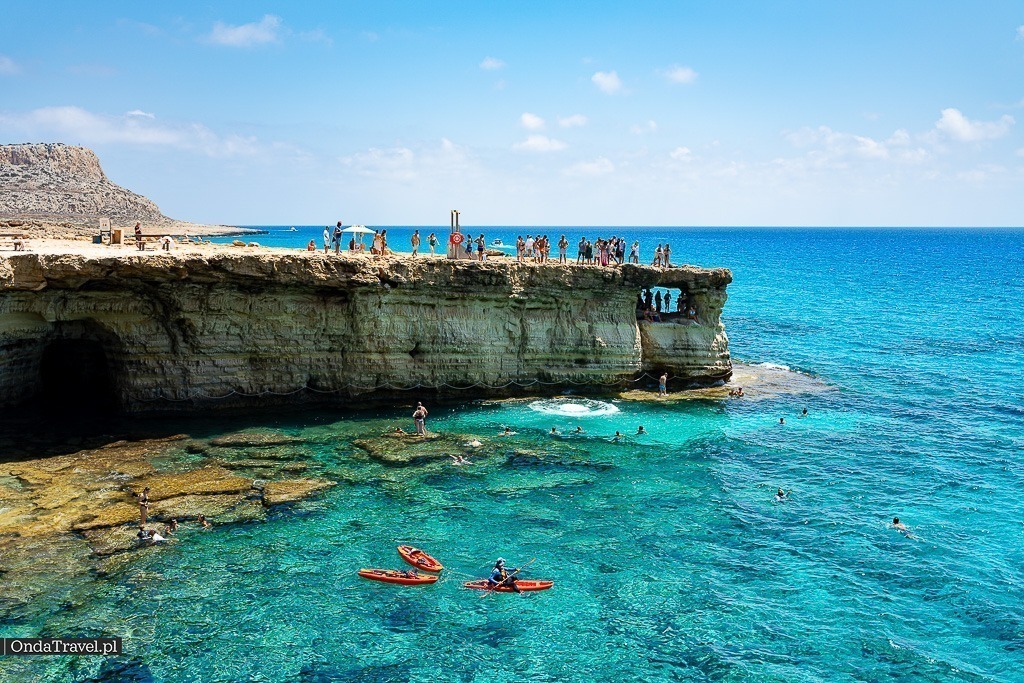
Full guide
Warm destinations: inspiration, sun and further trip planning — map, stop order and 1-day plan
Go to the Warm destinations section if, after Bangkok, you are looking for more travel ideas, exotic places, winter sun and practical guides.




Sorry, the comment form is closed at this time.