


Northern Lights in Poland October 2026 – When and Where? Live Radar and Forecast
AURORA MONITORING (Poland) • The 2026/2027 season begins • Sources: NOAA SWPC, SIDC/STCE, SpaceWeatherLive
STATUS: MONITORING — 2026/2027 aurora season: October marks the beginning of one of the best periods of the year for seeing the Northern Lights in Poland. Geomagnetic activity remains statistically elevated around the autumn equinox (22 September 2026). This article is updated whenever there is a significant increase in activity — check the radar and aurora alerts before heading out.
Northern Lights in Poland October 2026 — at a glance
October is statistically one of the best months for seeing the Northern Lights in Poland — the Russell–McPherron equinox effect increases geomagnetic activity, the nights are dark enough, and the season is only beginning. The key: check Kp, Bz and cloud cover before you head out.
Want to combine aurora watching with the month's other sky events? See the complete October 2026 sky-events calendar with the Draconids, Orionids, Saturn, the Moon and the best observing nights.

SKY EVENTS
Sky events October 2026 – Draconids, Orionids and Saturn
Sky events in October 2026: Saturn, Draconids, New Moon, Orionids, Taurids, Full Moon, space missions and the best observing nights.
Why is October such a good time for the aurora season?
The aurora season in Poland runs from September to March — and that is no coincidence. In summer, nights are too short and too bright to see weaker auroras. In October, astronomical darkness is well established: the night lasts more than eight hours, the horizon is already dark before 9:00 p.m., and geomagnetic activity statistics show a clear increase compared with the summer months. To understand how the Northern Lights form and why the aurora responds to solar activity, it is worth starting with the basic physics behind the phenomenon.
The year 2026 falls close to the maximum of Solar Cycle 25, which statistically means more M- and X-class solar flares and coronal mass ejections (CMEs) than during quieter years of the cycle. A good example is the night of 19–20 January 2026 — Kp reached 7–8, and the aurora was visible from the Baltic coast to the Tatra Mountains. The full history of Northern Lights observations in Poland shows that nights like this are not anomalies — they are the result of specific conditions that can be monitored.
The Russell–McPherron effect — the equinox mechanism
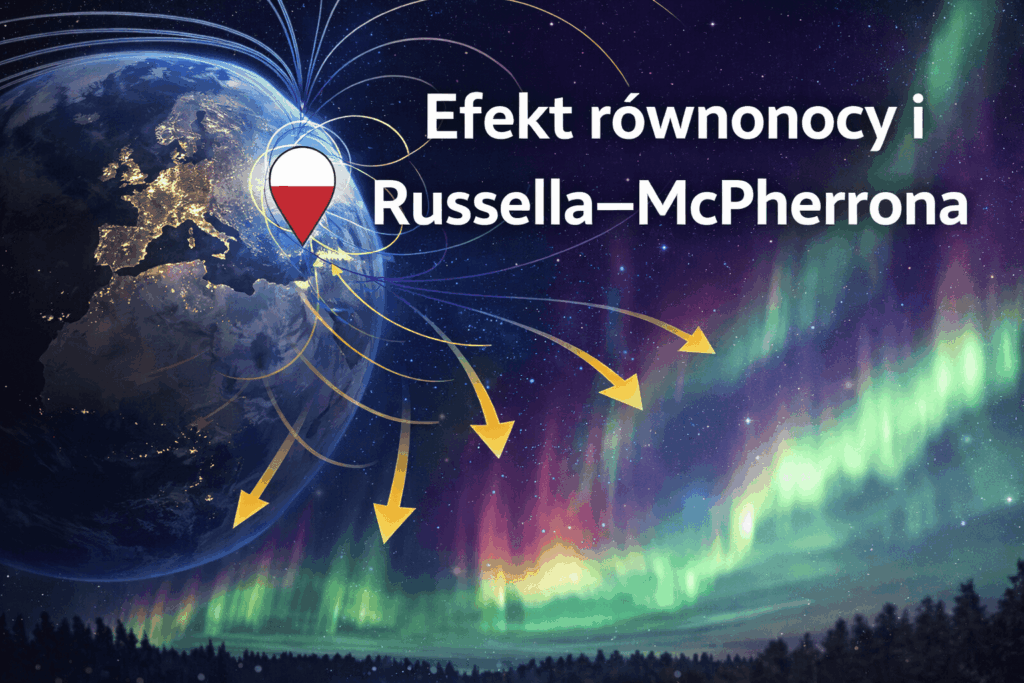
In 1973, physicists Christopher Russell and Robert McPherron described a phenomenon long recognised empirically by aurora observers: geomagnetic activity has two clear peaks during the year, both occurring around the equinoxes (March and September). The mechanism is geometric, not calendrical.
Around the equinox, the angle between Earth’s geomagnetic equatorial plane and the direction of the solar wind becomes favourable for magnetic reconnection — the process in which the magnetic field lines of the Sun and Earth reconnect, allowing energy to enter the magnetosphere. In practice, even with a moderate Kp of 5–6, the aurora can extend noticeably farther south than it might in December at the same index. The R–McP effect window in 2026 is approximately 8–30 September, with the peak around the equinox on 22 September.
AURORA PHYSICS
The equinox and Russell–McPherron effect
A complete explanation of the mechanism: why aurora activity increases around the equinox, how magnetic reconnection works, and what this means in practice for observers in Poland.
Kp thresholds across Poland — when should you go outside?
The Kp index is a global scale of geomagnetic activity from 0 to 9. In Poland, the minimum values needed to see the aurora vary with latitude and light pollution. A complete explanation of Kp, Bz, Bt and solar-wind parameters is available in our Northern Lights forecast guide.
| Region | Min. Kp | Notes |
|---|---|---|
| Pomerania, Warmia, Masuria | ≥ 6 | Best conditions — flat horizon and dark skies away from cities |
| Mazovia, Greater Poland | ≥ 6–7 | Light glow from Warsaw and Poznań — travel 30–50 km away from the city |
| Lesser Poland, Subcarpathia | ≥ 7 | Mountains can block the northern horizon — look for open clearings |
| Silesia | ≥ 7–8 | Heavy light pollution — strong geomagnetic storms are usually required |
During the Russell–McPherron effect, these thresholds can sometimes be reached at a lower Kp than in summer. This is one reason September and March produce more aurora observations than the Kp statistics alone might suggest.
How to check your chances in 60 seconds — checklist
- Open Northern Lights radar for Poland — check the auroral oval and current Kp
- Check Bz: if it stays negative for more than 30 minutes, activity is increasing
- Check cloud cover in your area — clear skies are essential
- Choose a dark location with an open view to the north, ideally at least 20–30 km from a city
- Enable aurora alerts — activity may last only a few dozen minutes
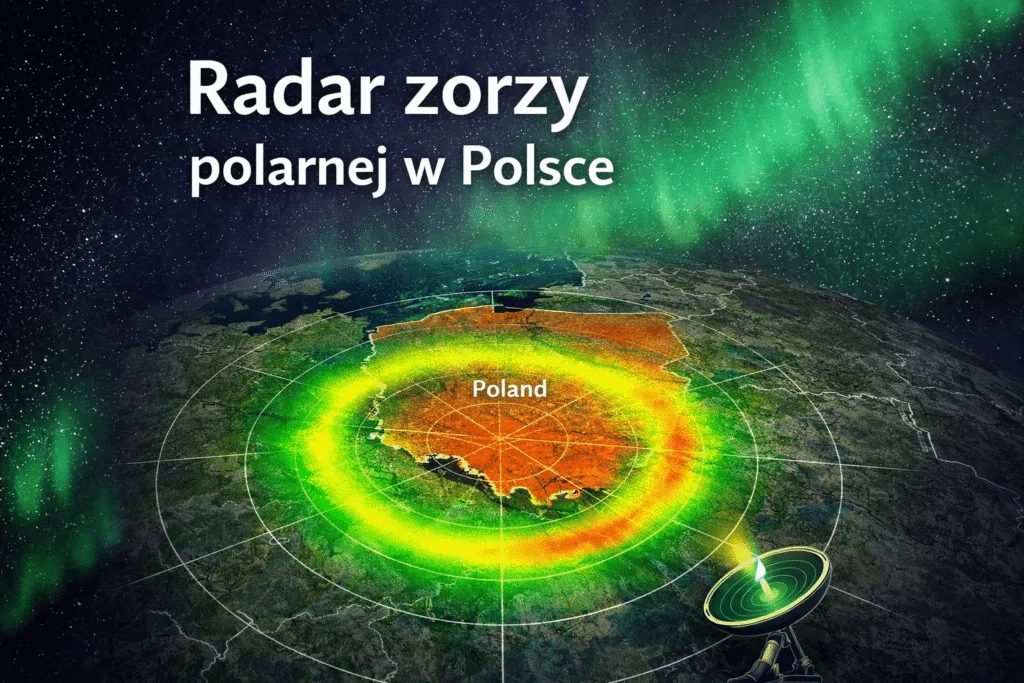
Northern Lights in Poland today — radar and map
Auroral oval, Kp, Bz and cloud cover in one place. Check the conditions before you head outside.
Open radar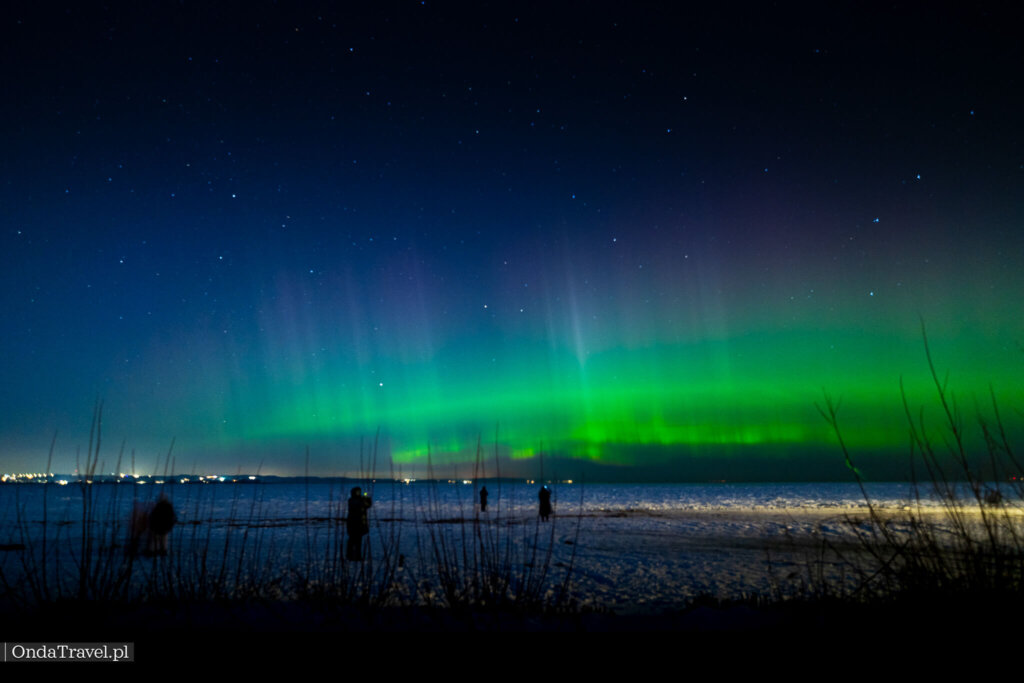
Aurora alerts — when and how to react
Reports from active aurora nights and practical guidance on when to go out and how to interpret the data.
Check alerts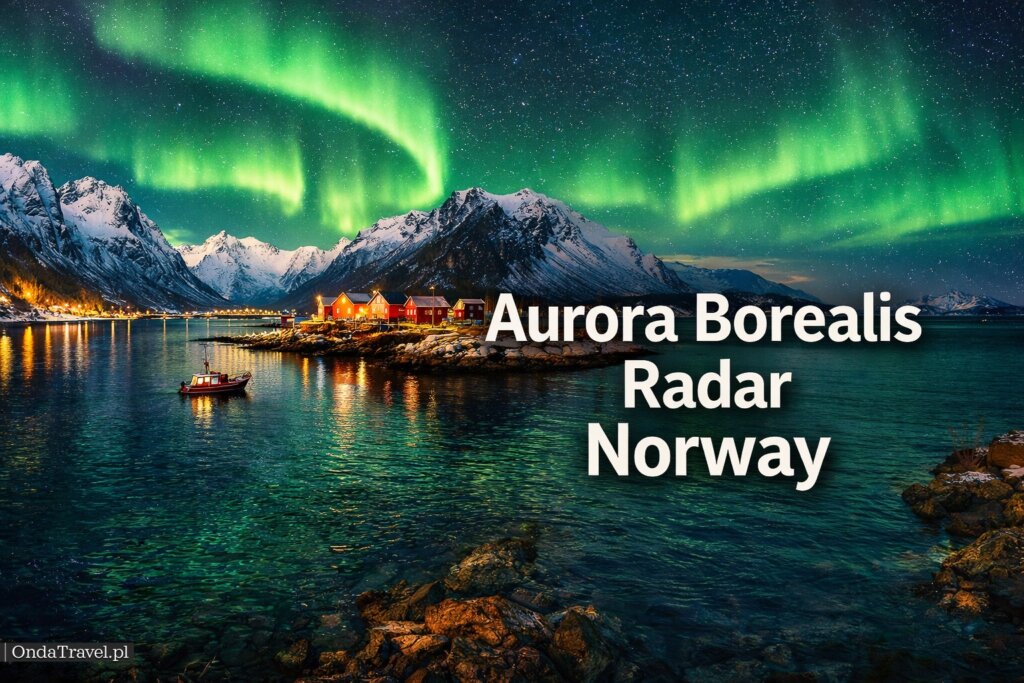
Northern Lights radar — Norway, Lofoten, Tromsø
Aurora conditions in Norway’s most popular locations. Live Kp data and forecast.
Open radar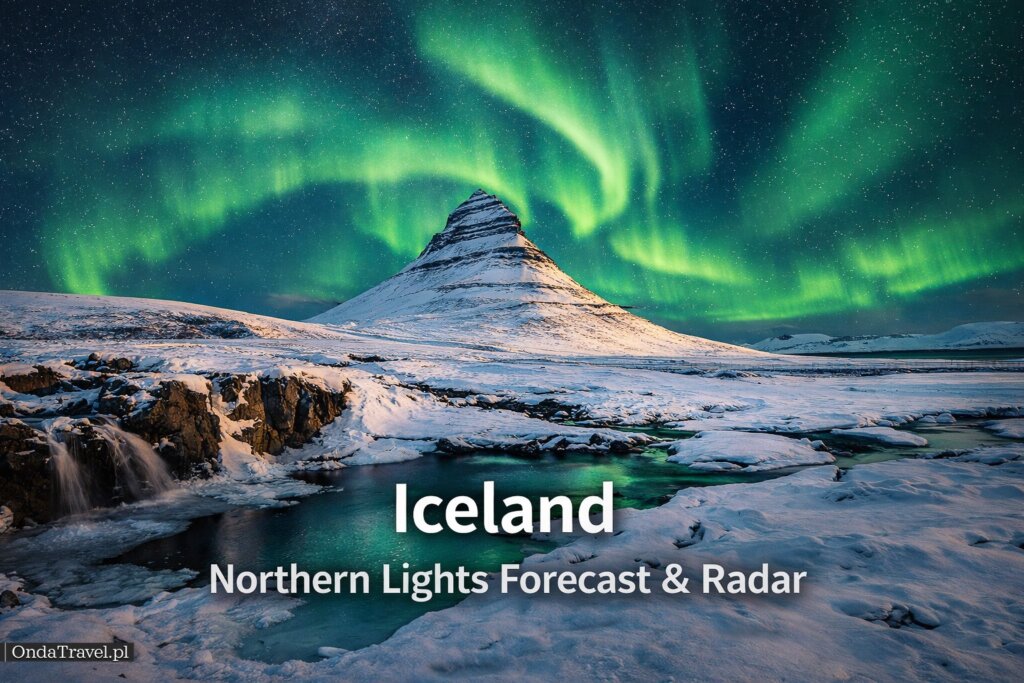
Northern Lights radar — Iceland live
Current Northern Lights conditions in Iceland: auroral oval, Kp and forecast before you set out.
Open radarGeomagnetic activity — October 2026 (live updates)
This section is updated continuously. Every significant increase in activity confirmed by NOAA SWPC and SIDC will appear here with the date, Kp level and an assessment of conditions for Poland. During quiet periods, the section remains empty — no alert is also useful information: wait for the next window. For context on the scale of these events, see the history of the strongest Northern Lights observations in Poland, including the night of 19–20 January 2026 (Kp 7–8, visible from the Baltic coast to the Tatra Mountains).

NORTHERN LIGHTS RADAR
Northern Lights radar: choose a location and check conditions
Poland, Norway, Iceland, Tromsø, Lofoten, Senja, Svalbard, Abisko and Rovaniemi. Current Kp, Bz, solar-wind data and aurora alerts in one place.
Read also
- Northern Lights radar – Poland live map
- Aurora alerts – when and how to react
- The equinox and Russell–McPherron effect — full explanation
- How do the Northern Lights form?
- Northern Lights in Poland – observation history
- Northern Lights in Poland – July 2026 live report
- Northern Lights in Poland – March 2026
- Northern Lights forecast: how to read the radar and parameters



Sorry, the comment form is closed at this time.