
Iceland travel guide to the Land of Fire and Ice – tourist attractions, what to see
Iceland travel guide — routes, regions, and must-see attractions



Planning your first trip to Iceland? This guide brings together the most useful routes and regions in one place — the Golden Circle day route, Ring Road highlights on the South Coast, Reykjavík as a base for day trips, and hot springs near Reykjavík. For winter trips, check Northern Lights Live before you go.
Spis treści
Quick answer: for a first trip, start with Reykjavík + the Golden Circle + the South Coast. Choose the 4‑day plan for the essentials, or the 7‑day plan if you want shorter drives and more time for stops.
In short (60 seconds)
- First‑trip core: Reykjavík → Golden Circle → South Coast.
- 4 days: efficient highlights and straightforward logistics.
- 7 days: more buffer for weather + extra photo stops without rushing.
- Driving tip: keep the longest drives for clear‑weather windows.
Or start from the Iceland hub: Iceland planning shortcuts and key guides.
Tourist Guide to Iceland Land of Fire and Ice
Iceland Trip: Guide to the Land of Fire and Ice – tourist attractions in Iceland, what to see in Iceland, guide to Iceland
Iceland, known as the Land of Fire and Ice, is a place that attracts travelers from all over the world. Its landscapes are incredibly diverse and breathtaking. A trip to this unique island is like a journey to another world – full of raw volcanic formations, pulsating geysers, and majestic glaciers. It is precisely these contrasting natural wonders that make Iceland one of the most unique places on Earth.
Iceland covers an area of about 103,000 km², of which over 11% is covered by glaciers, including the largest in Europe – Vatnajökull. The country’s landscape is varied, encompassing volcanoes, geysers, hot springs, waterfalls, and vast lava fields. The highest peak is Hvannadalshnjúkur, rising to 2,119 m above sea level.
The capital and largest city of Iceland is Reykjavík, inhabited by about 36% of the country’s 380,000 residents. The official language is Icelandic, and the country is culturally and politically linked to Europe.
Iceland lies at the junction of tectonic plates, which causes significant volcanic and geothermal activity.
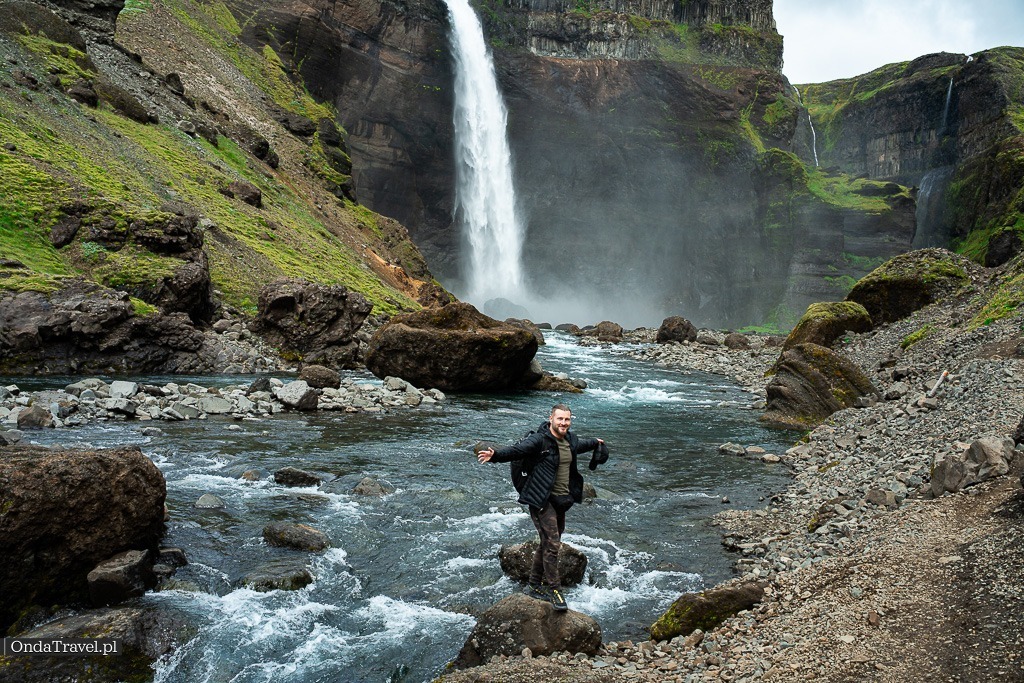
Iceland FAQ — practical traveler questions and quick answers
Welcome to the FAQ – Traveler’s Questions section! Here you will find the most important information to help you plan your trip to Iceland. You can check, among other things, how long the flight from Poland takes, what currency is used, when is the best time to go, what to wear, and which places are worth visiting to experience the Northern Lights or bathe in hot springs. The answers are updated regularly and many answers apply across the North — because a lot of practical planning overlaps. No matter if it’s your first trip to the North — you will find practical advice here to fully enjoy this extraordinary adventure.
When is the best time to visit Iceland for a first trip?
For road-trip itineraries and longer daylight, late spring to early autumn is the easiest start. Winter is best if Northern Lights are a priority, but expect short days, wind, and more weather-related changes.
Do I need a car to see Iceland’s main attractions?
A rental car gives you the most flexibility, especially for the Ring Road. If you don’t want to drive, base yourself in Reykjavík and do day trips to the Golden Circle and the South Coast.
How many days do you need in Iceland: 3, 5, 7, or 10?
3–4 days works for Reykjavík + Golden Circle + a South Coast taste. 6–8 days lets you do the South Coast properly. 10–14 days is ideal for a full Ring Road trip with detours and slower pacing.
Is it safe to travel during volcanic activity?
It can be, but only if you follow official restrictions, respect closed areas, and stay flexible with plans. Always check the latest advisories before driving into affected regions.
What should you pack for Iceland’s weather?
Think layers: a waterproof shell, warm mid-layer, thermal base, hat and gloves — even in summer. Good waterproof shoes and a windproof jacket make a big difference near waterfalls and on the coast.
Is Iceland expensive, and how can you save money?
Yes — but you can keep costs down by shopping in supermarkets, booking accommodation early, and choosing a few paid highlights (like a geothermal spa) instead of many expensive tours.
Which hot springs near Reykjavík are worth it besides the Blue Lagoon?
Start with Sky Lagoon and Reykjadalur, then explore smaller pools depending on the season. See the full list in this hot springs guide.
Volcanic eruptions in Iceland — safety rules and how to check alerts
In 2024, Iceland experienced seven volcanic eruptions, all on the Reykjanes peninsula in the Sundhnúkur area. Below is their chronology:
Eruption of February 8, 2024: Began on February 8 and lasted about one day. It caused significant damage, including damage to the hot water pipeline from the Svartsengi power plant, leading to interruptions in hot water supplies on the Reykjanes peninsula.
Eruption of March 16, 2024: Was the longest in the series, lasting 54 days. It was preceded by seismic activity, but the magma intrusion did not reach the surface.
Eruption of August 22, 2024: Began on August 22 and lasted 14 days. It was the largest in the series, emitting 61 million cubic meters of lava and causing the ground to subside by 40 cm. Despite this, it did not cause damage to infrastructure.
Eruption of November 20, 2024: Began on November 20 and lasted 18 days. Lava quickly reached the parking lot at the Blue Lagoon and threatened nearby protective barriers.
All these eruptions occurred in the Sundhnúkur area on the Reykjanes peninsula, which has shown increased volcanic activity since 2020.

Volcanic Eruptions in Iceland – I know everyone searches for ‘volcano explosion’, but…
The terms “volcano explosion” and “volcanic eruption” are often used interchangeably because both refer to the process of magma, gases, and pyroclastic materials being released onto the Earth’s surface or into the atmosphere. In geological literature, the preferred term is “volcanic eruption,” which encompasses both violent explosions and quieter lava outflows.
I invite you to my Travel Blog , where I describe in detail many places and regions of Iceland and Norway
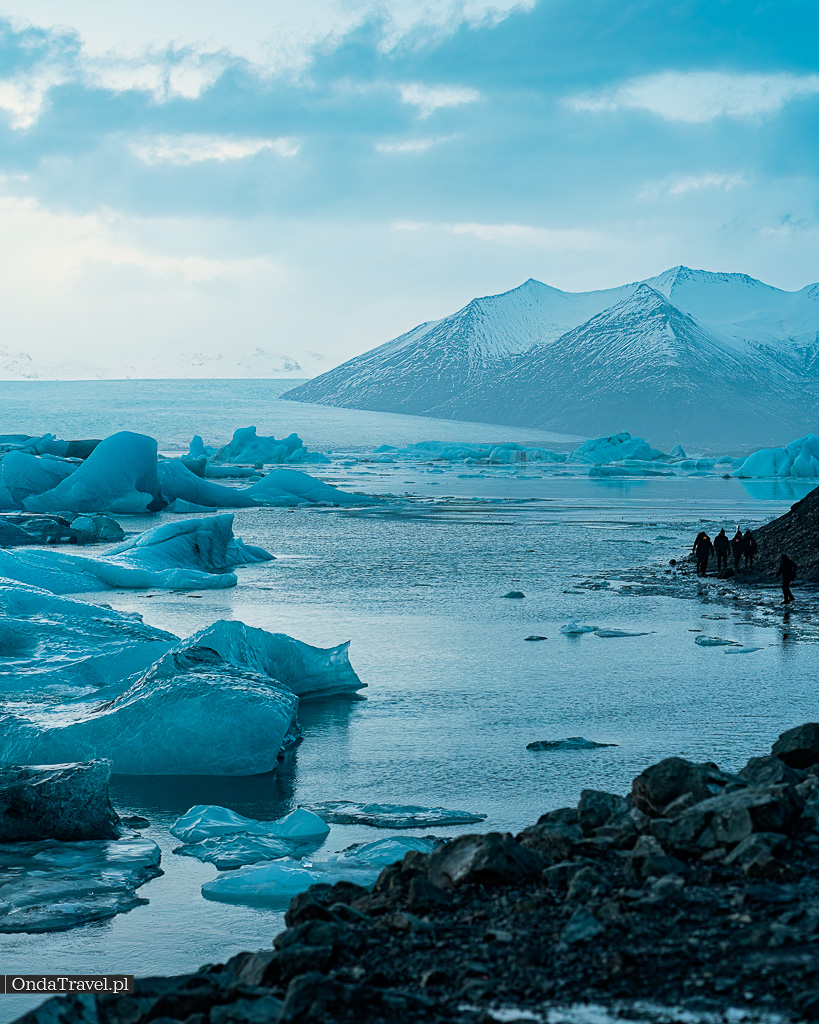

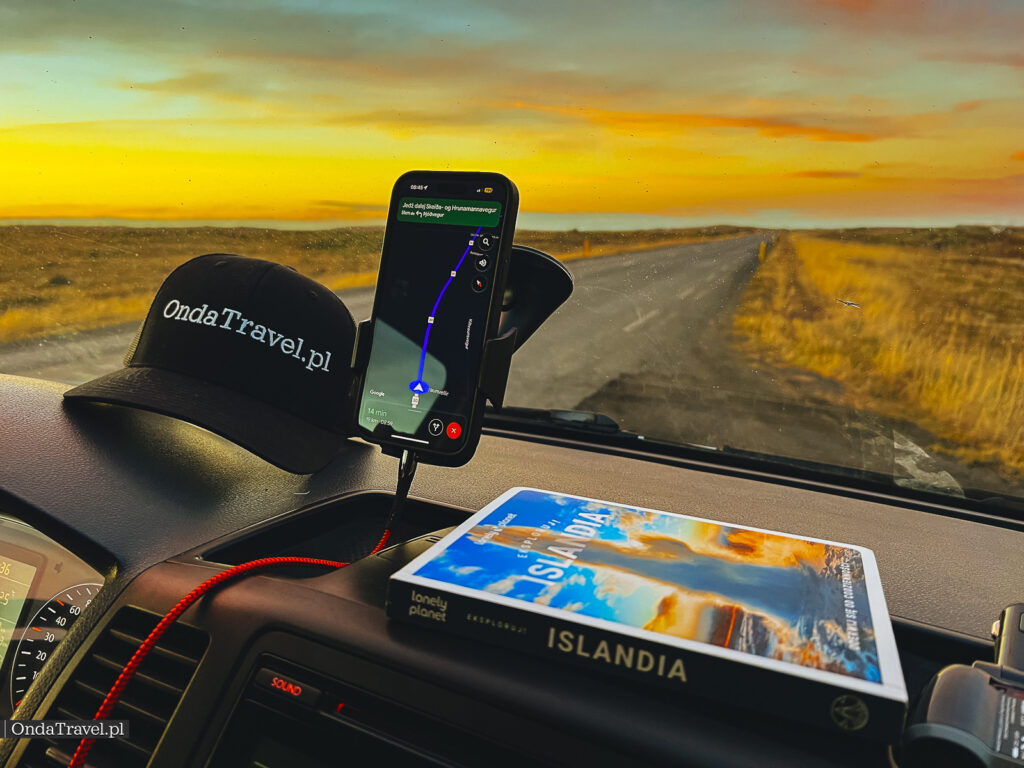
Iceland tourist attractions, Iceland what to visit, Iceland sightseeing, sightseeing Iceland, Iceland what to see
Iceland in every season — weather, crowds, and what changes
Iceland delights regardless of the season. Here’s what you can experience:
- In winter: admire the magical Northern Lights, which paint the sky in incredible colors.
- In summer: enjoy almost endless days when the sun barely touches the horizon.
No matter when you decide to visit this island, you will always find something that captivates you. Iceland is a place where fire and ice coexist in perfect harmony, creating landscapes that remain in memory for a long time.
Ready to discover the secrets of this extraordinary land? Or are you already planning your trip?
Most Important Information Before Traveling in Iceland
Planning a trip to Iceland? Great! But before you start packing your bags, it’s worth spending a moment on preparation. Why? Because a few key issues can significantly affect the comfort and safety of your trip. To start – check the current entry regulations. Good news for Poles: you can enter Iceland with a valid passport or ID card. Visas? Not needed. Sounds simple, right? But beware – regulations can change, especially in times of pandemic. So make sure your documents are up to date and meet all requirements. Sometimes additional rules may apply, such as COVID-19 tests or quarantine.
Don’t forget about health insurance either. Yes, the European Health Insurance Card (EHIC) covers basic medical services, but is that enough? Iceland, with its harsh climate and unpredictable weather, can surprise. Sudden changes in weather conditions or difficult terrain can pose a challenge. Therefore, it is worth considering additional health insurance that will provide a wider range of protection. Better to be prepared, right?
In the FAQ section, you will find answers to the most frequently asked questions by travelers and tourists going on a trip to Iceland
When is the Best Time to Visit Iceland?
Iceland is a country that delights in every season. But choosing the right moment for your visit can completely change your experiences. Dreaming of the Northern Lights? Go between September and April. It is during this time that long, dark nights create ideal conditions for admiring this magical phenomenon. Imagine: you stand under a starry sky, with green and purple lights dancing above you. Unforgettable, right?
In summer, Iceland tempts with long days and lush greenery. It’s a paradise for nature lovers and hikers. What about white nights, when the sun almost doesn’t set? Early spring and late autumn are also great times for sightseeing. The roads are usually passable then, and the weather is more stable. It’s the perfect time for those who want to avoid crowds and enjoy the peace of Icelandic landscapes.
What to Bring on a Trip Around Iceland ?
Packing for Iceland is a real challenge. The weather can surprise even the most experienced travelers. Regardless of the season, warm clothes are an absolute must. It is crucial to bring waterproof clothing and layers that you can easily adjust to changing conditions. For example, a light rain jacket can save you during a sudden downpour – and in Iceland, that’s a fairly frequent occurrence.
- Sturdy trekking shoes – essential if you plan on hiking. They will provide stability and protection on uneven terrain.
- Sunglasses and sunscreen – especially important in glacier areas, where light reflection can be intense.
- Thermos for warm drinks – hot tea on a chilly day is a real lifesaver!
In the FAQ section, you will find answers to the most frequently asked questions by travelers and tourists going on a trip to Iceland
Iceland tourist attractions, Iceland what to visit, Iceland sightseeing, sightseeing Iceland, Iceland what to see
Clothing Recommendations and Preparation for the Trip
In Iceland, appropriate clothing is essential. Why? Because changing weather conditions can surprise even in the middle of summer. Layered clothing is a bullseye – it allows you to easily adapt to temperature and humidity. Warm jackets, fleece sweaters, hats, gloves, and scarves are absolute must-haves. In Iceland, you can experience sun, rain, and strong wind all in one day.
Thermal underwear and thick socks are another item on the list, especially if you plan longer hikes. They will provide you with warmth and comfort. Remember, proper preparation is the key to a successful trip. Iceland rewards those who are ready for its whims. And you? Are you ready for the adventure of a lifetime?
In the FAQ section, you will find answers to the most frequently asked questions by travelers and tourists going on a trip to Iceland
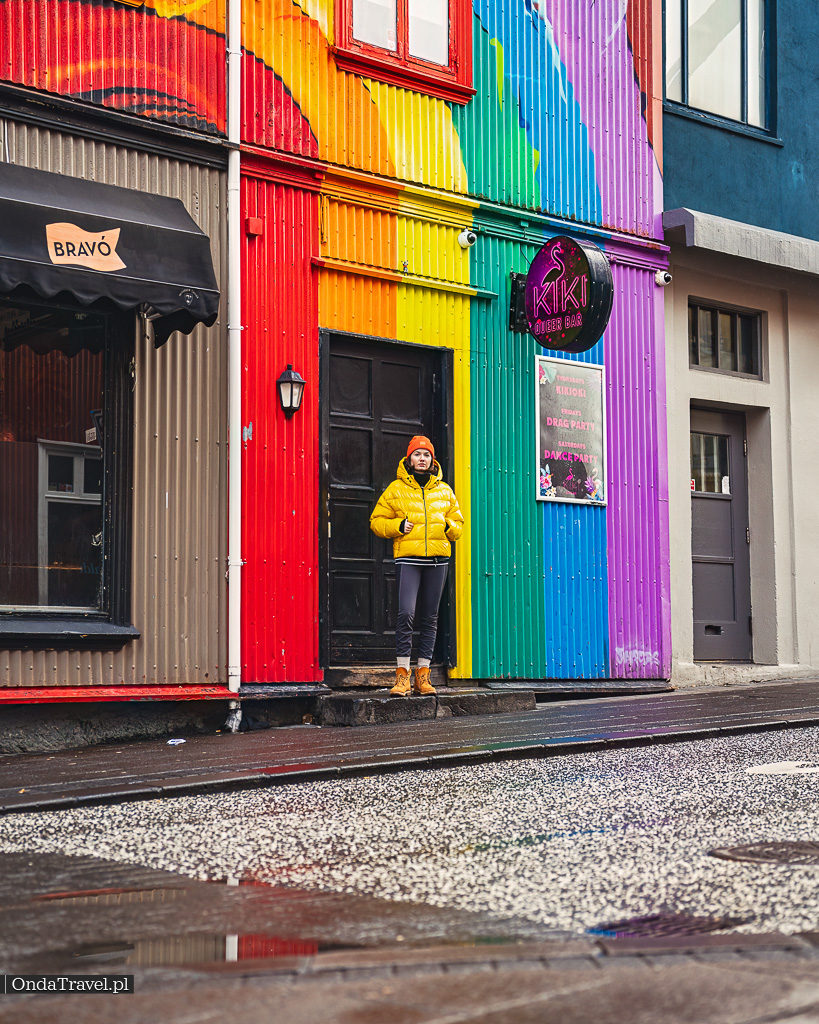


Reykjavík — the best base for day trips and city highlights
Reykjavik, the capital of Iceland, is the largest city in the country and its cultural and historical center. With a population of about 120 thousand inhabitants, the city offers a wide range of attractions that draw tourists from all over the world. From fascinating museums and art galleries, through cozy restaurants, to atmospheric cafes – everyone will find something for themselves here.
Why is Reykjavik unique? It’s an excellent starting point for discovering Iceland! Thanks to its strategic location, the city is an ideal base for exploring the island. From here, it’s easy to reach the most spectacular places, such as geysers, majestic waterfalls, or powerful glaciers. It’s the perfect plan for an unforgettable adventure!
Top attractions in Reykjavík — the best sights you can walk to
Reykjavik is a true treasure trove of amazing places worth seeing. Here are a few of them:
- Hallgrimskirkja – the largest church in Iceland, whose monumental architecture is breathtaking.
- Sculpture Sólfarið (Sun Voyager) – a symbol of hope, progress, and freedom, perfect for a souvenir photo.
The city is vibrant all year round. Music festivals, art festivals, and other events ensure that Reykjavik constantly surprises. Additionally, the culinary diversity – from traditional Icelandic delicacies to modern flavors – delights even the most demanding foodies. Walking the streets, you can feel the unique atmosphere where modernity harmoniously blends with tradition. Reykjavik is a place with a true soul.
Culture and History of the Capital
The culture and history of Reykjavik are deeply rooted in Norse mythology, folklore, and Viking traditions. Icelanders are known for their hospitality and unique sense of humor, which is reflected in their literature, art, and daily life. In Reykjavik, you will find many places that allow you to delve into the rich heritage of this extraordinary country.
Here are the most important places related to the culture and history of Reykjavik:
- National Museum of Iceland – exhibitions dedicated to the history and culture of Iceland.
- Art Galleries – both traditional and contemporary Icelandic art.
Reykjavik is also the scene of many cultural events – concerts, exhibitions, and festivals that attract artists and tourists from all over the world. It’s a place that inspires and amazes at every turn.
More about the capital of Iceland – Reykjavik – Reykjavik capital of Iceland – attractions in Reykjavik
TABLE OF CONTENTS: Capital of Iceland Reykjavik
- Reykjavik capital of Iceland – Travel guide
- INTRODUCTION:
- Streets of Reykjavik capital of Iceland
- Reykjavik capital of Iceland – attractions in Reykjavik
- Hallgrímskirkja – church:
- Tjörnin Lake in the center of Reykjavik
- Harpa Opera in Reykjavik:
- Laugavegur – Main shopping street in Reykjavik:
- Bæjarins beztu pylsur (The Best Hot Dogs in the City) Reykjavik:
- Sun Voyager Reykjavik:
- Leif Eriksson Monument:
- Saegreifinn Sea Baron Restaurant:
- Sky Lagoon Iceland *:
- Blue Lagoon Iceland *:
- Geothermal springs and geothermal pools near Reykjavik
- Movies and series filmed in Reykjavik:
- Iceland Keflavik vs Iceland Reykjavik
- Reykjavik Iceland – Questions and answers – FAQ
- MORE ARTICLES ABOUT ICELAND AND NORWAY
- INTRODUCTION:

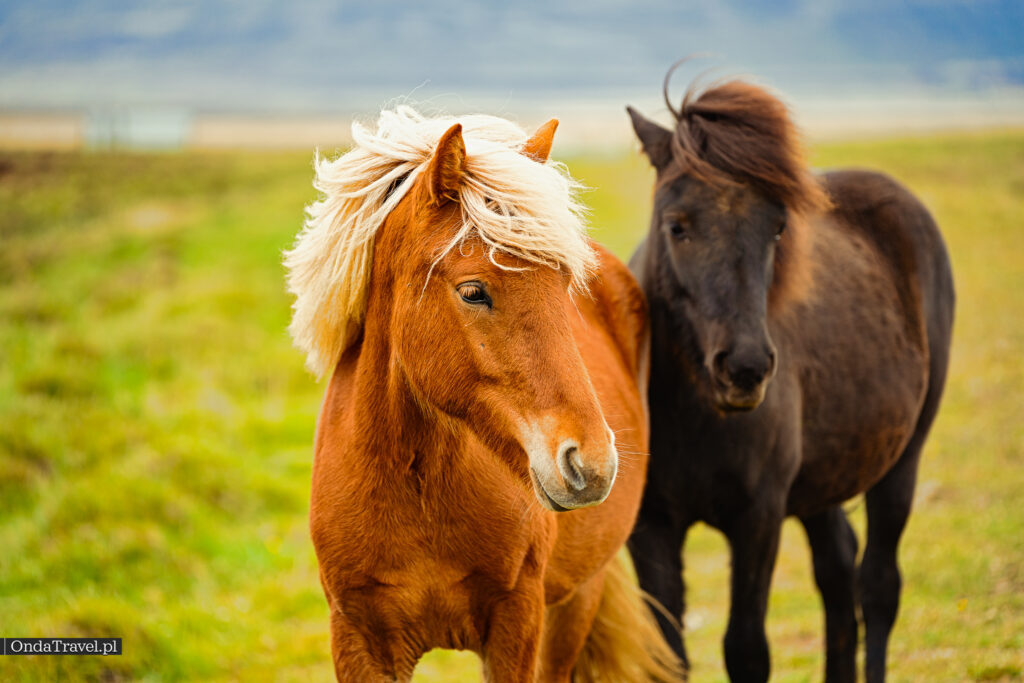
Golden Circle – Golden Circle Iceland – The Most Popular Tourist Route
Iceland is a country that enchants with its raw, yet incredibly picturesque nature. One of the best ways to discover these natural treasures is by traveling the Golden Circle. This remarkable route includes three main attractions:
- Thingvellir National Park,
- the majestic Gullfoss waterfall,
- the Geysir and Strokkur geysers.
It’s a real treat for anyone who wants to feel the magic of spectacular views and unique geological phenomena that attract travelers from all over the world.
Traveling this route, you have the opportunity to immerse yourself in the diversity of the Icelandic landscape. From places of historical significance, through powerful waterfalls, to active geysers – the Golden Circle is a true feast for the senses. Ready for an adventure that will allow you to discover some of the most beautiful corners of Iceland? It’s a journey that stays in memory for a long time.
Golden Circle – Iceland – TABLE OF CONTENTS:
Spis treści
- Golden Circle tourist attractions – Iceland
- What to see on the Golden Circle in Iceland – tourist attractions and interesting facts:
- Golden Circle – Iceland – TABLE OF CONTENTS:
- KODY RABATOWE NA TWOJE ZAKUPY
- Golden Circle Iceland Map
- Iceland on the map
- Map of Iceland Golden Circle
- Þingvellir (Thingvellir) National Park – Iceland
- Thingvellir National Park in the series Game Of Thrones
- Öxarárfoss Waterfall – Iceland
- Silfra – Diving Between Continents in Iceland
- Snorkeling and Diving in Silfra
- Practical Information
- Geysers Strokkur and Geysir in Haukadalur:
- Geyser Iceland
- Gullfoss Waterfall – Iceland:
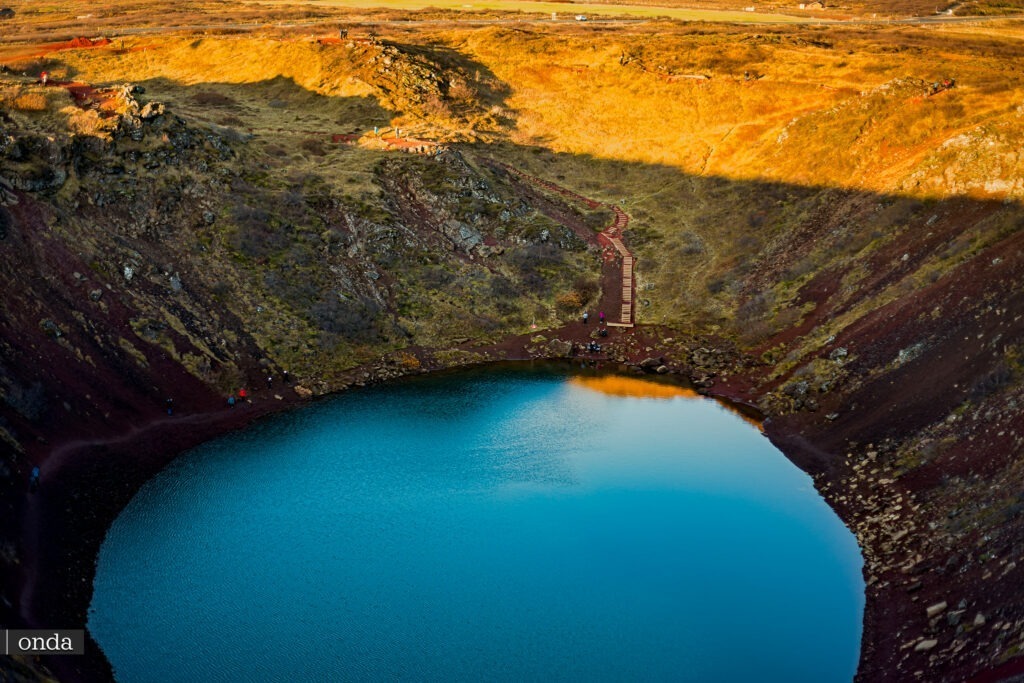
- Kerid Crater Lake – Iceland:
- Thorufoss Waterfall – Þórufoss :
- Fridheimar Friðheimar Restaurant – Iceland:
- Arnarker Lava Cave
- FAQ: Golden Circle – Iceland– frequently asked questions
- MORE ARTICLES ABOUT ICELAND AND NORWAY


Thingvellir National Park – Geology and History
Thingvellir National Park is a place where nature and history intertwine in an extraordinary way. Inscribed on the UNESCO World Heritage List, the park lies at the junction of two tectonic plates – the Eurasian and North American. It is here that you can see how the continents literally drift apart, creating spectacular fissures and gorges that take your breath away.
But Thingvellir is not just about geology. It is also a place of immense historical significance. In 930, the Althing – one of the oldest parliaments in the world – was founded here. Today, the park offers numerous hiking trails that allow you to explore its picturesque landscapes and immerse yourself in Iceland’s fascinating history. Walking through this unique place, you can almost feel how the past and present intertwine into one, remarkable story. Doesn’t that sound like a place worth visiting?
More about Þingvellir (Thingvellir) National Park

Gullfoss Waterfall – The Power of Nature
Gullfoss Waterfall, also known as the Golden Waterfall, is one of the most spectacular natural wonders in Iceland. Its powerful cascades fall from a height of 32 meters, creating a view that literally takes your breath away. Gullfoss is an integral part of the Golden Circle and attracts tourists wanting to experience the raw power of nature in its purest form.
The history of this place is as fascinating as its appearance. At the beginning of the 20th century, there were plans to use Gullfoss for electricity production. However, thanks to the determination of local residents, the waterfall was saved and today is one of the most important symbols of Icelandic nature. It’s hard to imagine Iceland without this majestic natural wonder. It’s a place you have to see with your own eyes.
Strokkur geyser — eruption times, viewing tips, and best photos
Strokkur Geyser is one of the most spectacular attractions in Iceland, known for its regular and breathtaking eruptions. Located in the Haukadalur valley, Strokkur shoots water up to 30 meters high every few minutes, offering an unforgettable spectacle that attracts tourists from all over the world.
As part of the Golden Circle, Strokkur is one of the most photogenic attractions in Iceland. Its regular eruptions mean that every visitor has a chance to capture this spectacular moment. Watching the geyser in action is an experience that stays in memory for a long time. Ready to stand face to face with one of the most dynamic geothermal phenomena in the world? It’s an experience that’s hard to compare to anything else.
More about Strokkur and Geysir Geysers in Haukadalur


South Coast of Iceland – Ring Road Iceland
The South Coast of Iceland is a region that impresses with its rawness and incredible diversity. Here you will find landscapes that take your breath away – from majestic waterfalls to famous black beaches, attracting travelers from all over the world. It is here that some of the most recognizable places on the island are located, such as the black beach Reynisfjara and the spectacular waterfalls Skogafoss and Seljalandsfoss. Trips in this region are not only an opportunity to admire wild nature but also a chance to experience its power up close. This is Iceland in its purest form.
More about the Ring Road South Coast of Iceland
TABLE OF CONTENTS – Ring Road
- Ring Road – Iceland’s South Coast – Travel guide
- KODY RABATOWE NA TWOJE ZAKUPY
- Iceland on the map – Ring Road – Iceland’s South Coast
- TABLE OF CONTENTS – Ring Road – Iceland’s South Coast
- Skógafoss Waterfall in Iceland:
- Kvernufoss Waterfall in Iceland
- Irafoss Waterfall – Íráfoss Waterfall | Árjánurfoss Waterfall
- Gljufrabui Waterfall in Iceland
- Seljalandsfoss Waterfall in Iceland
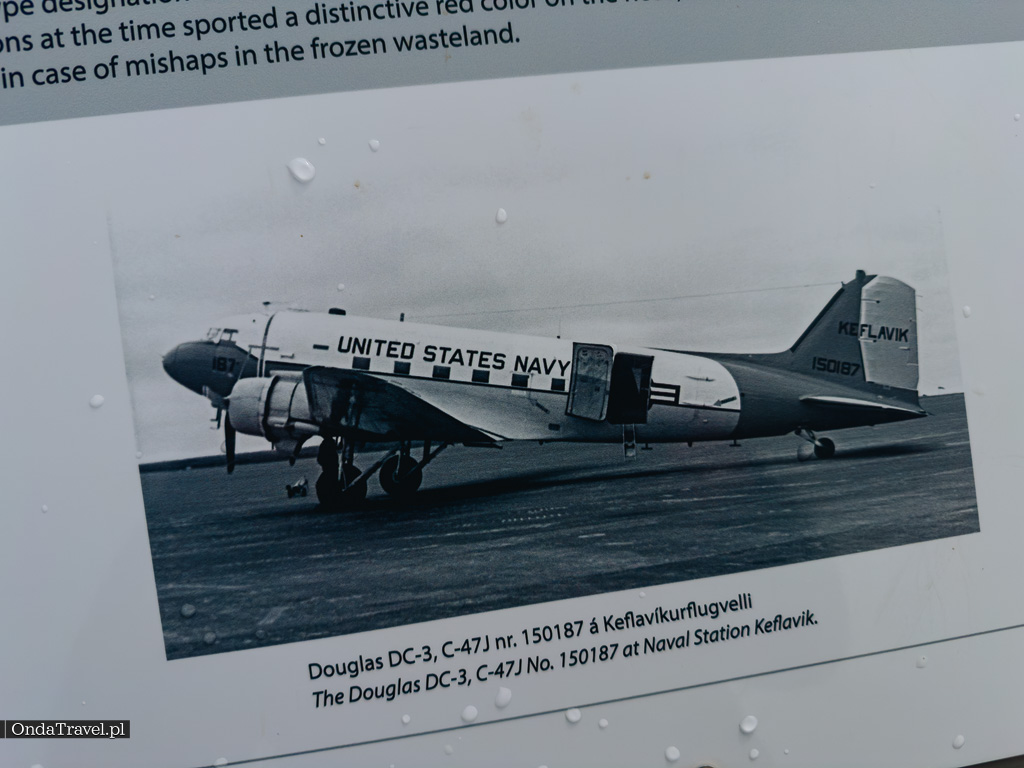
- DC-3 C47J Plane Wreck (Douglas Commercial 3)
- Nauthusagil Gorge and Nauthúsafoss Waterfall
- Rutshellir Caves – Cave of Rutur – Drangshlíð 2:
- Drangurinn, also called Turf Houses:
- Solheimajokull Glacier / Myrdalsjokull in Iceland:
- Dyrhólaey Peninsula in Iceland:
- Arnardrangur Kirkjufjara Beach:
- Reynisfjara Black Sand Beach in Iceland:
- Vík í Mýrdal Town and Church in Iceland:
- Fjadrargljufur Canyon
- Diamond Beach Breiðamerkursandur – Diamond Beach
- Jökulsárlón – glacial lagoon – Jökulsárlón Glacier Lagoon
- Amphibious boat tour on the Jökulsárlón glacial lagoon in Iceland
- Tourist attractions at the Jökulsárlón glacial lagoon
- Interesting facts about Jökulsárlón lagoon:
- Yoda Cave – Yoda Cave – Gígjagjá
- Caves of Hella
- Wodospad Hjalparfoss, Hjálparvegur
- Wodospad Háifoss bílastæði
- Wodospad Granni
- Dolina Gjáin, Stangarvegur
- MORE ARTICLES ABOUT ICELAND AND NORWAY
- REZERWACJE

Reynisfjara Beach – Black Beach and Basalt Columns
Reynisfjara Beach, more widely known as the black beach Reynisfjara, is a place that looks like it’s from another reality. The deep black sand, contrasting with the raw basalt columns, creates a view that remains in memory for a long time. It’s a true paradise for photographers and wildlife lovers. On the beach, you can observe numerous species of seabirds, including cute puffins, which add unique charm to this place.
- Unique landscape: black sand and basalt columns.
- Bird watching: puffins and other marine species.
- Power of nature: monumental rock formations and the sound of waves.
Reynisfjara is a space where nature shows its power – from the sound of waves breaking on the shore to the monumental rock formations that look like a work of art created by the earth itself.
Reynisfjara Black Beach Iceland – The Beach that Kills – Beware of the Treacherous Beauty.
Why is Reynisfjara so dangerous?
The Black Beach in Iceland is not just a term due to the color of the sand, as most beaches in Iceland are black. The Black Beach Reynisfjara is mainly a term due to the Black PR and the tragic events that take place on this beach, as I write in the article.
More about the South Coast Ring Road Iceland
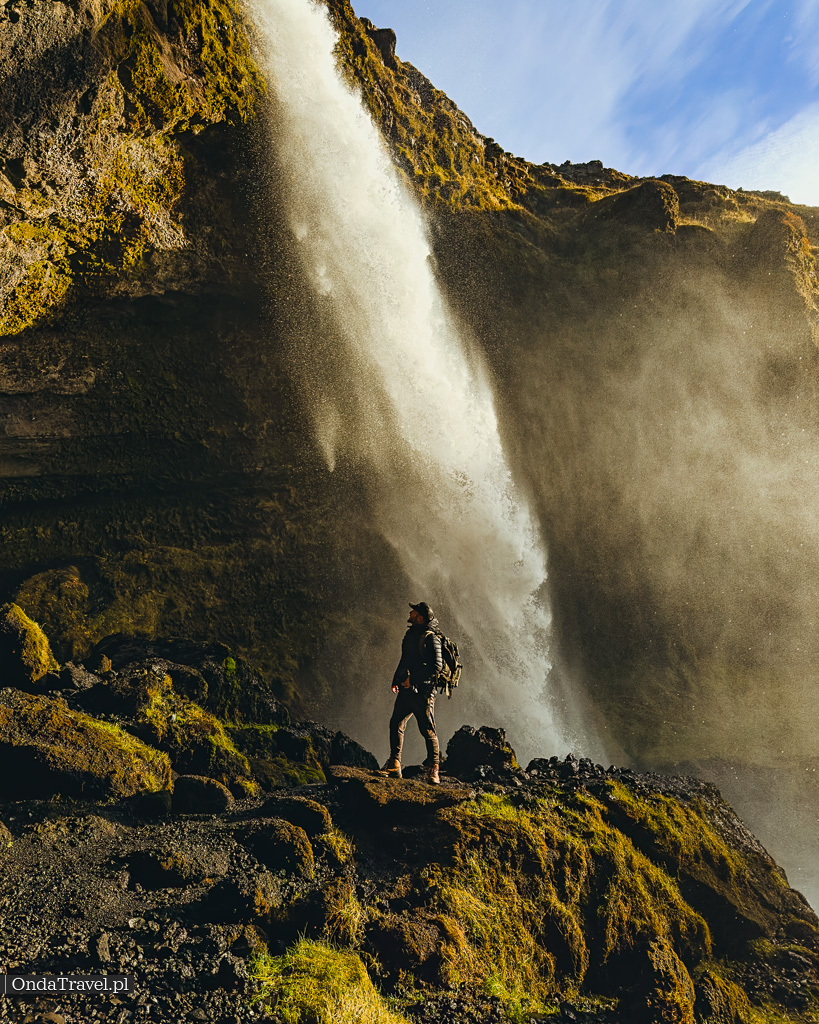


Seljalandsfoss Waterfall – Walk Behind the Waterfall
Seljalandsfoss Waterfall is one of the most unique attractions on Iceland’s south coast. What makes it so special? The possibility to walk behind its cascade! This unique experience allows you to look at the waterfall from a completely new perspective, providing unforgettable impressions.
- Height: 60 meters.
- Unique experience: walk behind the waterfall’s cascade.
- Visual effects: rainbow reflections in the sun’s rays.
A walk behind the waterfall, where water droplets create rainbow reflections in the sun’s rays, is an experience that remains in the memory of every visitor for a long time. Do you dare to stand face to face with this natural power?
More about Seljalandsfoss Waterfall


Skogafoss Waterfall – Icon of the South Coast
Skogafoss Waterfall is a true gem of Iceland’s south coast, which delights with its monumentality and raw beauty. The powerful cascades, falling from a height of 60 meters, create a spectacular view that attracts tourists and photographers from all over the world.
- Height: 60 meters.
- Legend: treasure hidden behind the waterfall.
- Activities: starting point for picturesque hiking trails.
Skogafoss is also a starting point for picturesque hiking trails that allow you to discover further wonders of this region. Legend has it that a treasure is hidden behind the waterfall, which adds a note of mystery and magic to this place. Maybe you will discover its secrets? One thing is certain – Skogafoss is a place that remains in the heart of everyone who visits it for a long time.
More about Skógafoss Waterfall
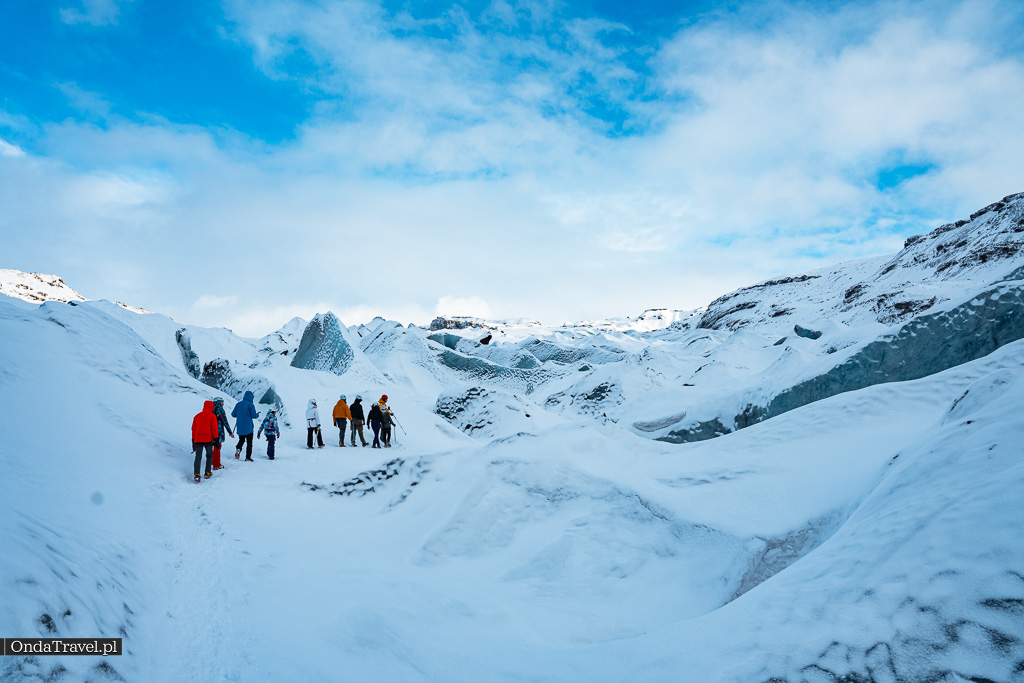
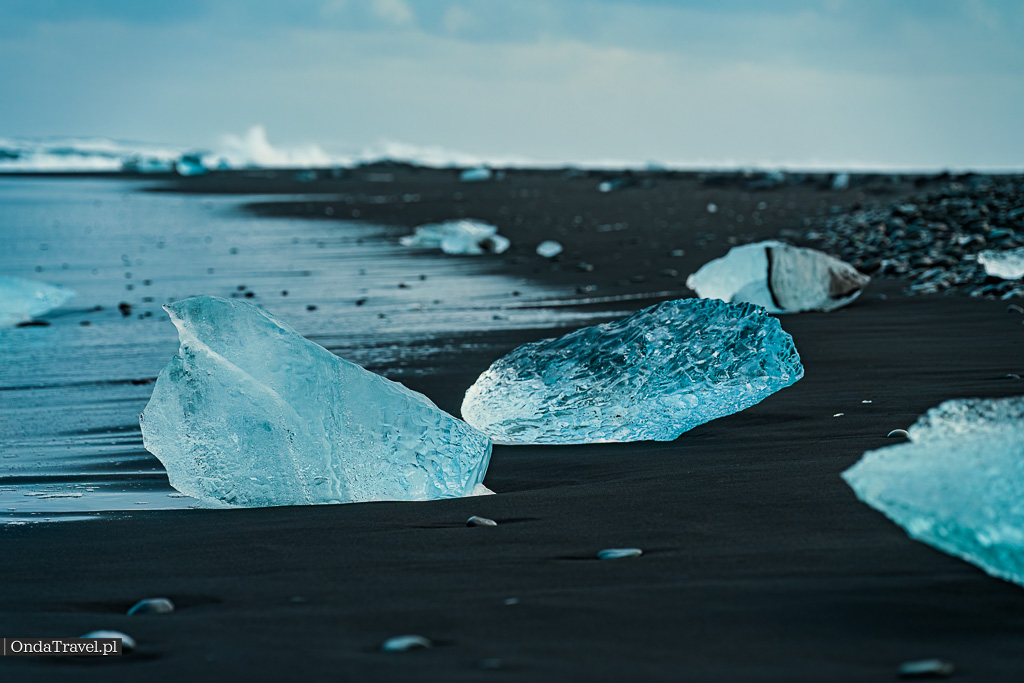


Glaciers and Glacial Lagoons of Iceland
Iceland is a country that delights with majestic glaciers and picturesque glacial lagoons. These natural wonders attract travelers from all over the world, offering not only spectacular views but also unforgettable experiences. Among these amazing places, Jökulsárlón Lagoon and Vatnajökull Glacier particularly stand out – true gems on the map of Icelandic attractions.
Quick table of contents — attractions, access tips, and map links
TABLE OF CONTENTS: Iceland Jökulsárlón Glacier Lagoon
Spis treści
- Iceland Jökulsárlón Glacier Lagoon – Travel Guide
- Jokulsarlon Glacier Lagoon History and Formation: From Glacier to Natural Wonder
- Attractions and Activities: How to Spend Time?
- Accommodation near Jökulsárlón
- How to get to Jökulsárlón from Reykjavik
- On the way it’s worth stopping at several amazing attractions:
- Films made in the area of Jökulsárlón glacier lagoon / Jokulsarlon
Jökulsárlón Lagoon – Ice Diamonds and the Magic of Nature
Jökulsárlón Lagoon is a place that seems straight out of a fairy tale. Its surface is adorned with monumental icebergs that slowly drift on the water, creating a view that is hard to look away from. It is not only a paradise for tourists but also an oasis for wildlife lovers – you can spot seals in their natural habitat here.
- Boat tour on the lagoon: The crystalline waters of the lagoon offer the possibility to admire ice blocks that shine like diamonds in the sun’s rays.
- Diamond Beach: The nearby beach, where ice fragments resemble diamonds, is a must-see point of every visit.
- Magic of nature: The raw, yet enchanting landscapes make this place the quintessence of Icelandic magic.
Jökulsárlón Lagoon is not just a sight, but also an experience that remains in the memory of every visitor for a long time.
More about the Jökulsárlón glacial lagoon
Vatnajökull Glacier – The Giant of Europe
Vatnajökull Glacier is a true colossus – the largest glacier in Europe and one of the most magnificent natural wonders in Iceland. Its vast expanses form the heart of Vatnajökull National Park, which is a paradise for both nature lovers and adventure seekers.
| Characteristic | Description |
|---|---|
| Size | The largest glacier in Europe, covering vast areas of Iceland. |
| Landscapes | Diverse ice formations and spectacular views. |
| Activities | Hiking, exploring ice caves, admiring unique landscapes. |
Hiking on this ice giant is not only an opportunity to feel its power but also a chance to discover hidden ice caves and views that take your breath away. And you? Do you dare to stand face to face with the largest glacier in Europe?


Natural Phenomena and Fauna of Iceland
Iceland is a place that enchants with its extraordinary nature and wealth of natural phenomena. Geysers, volcanoes, hot springs – this island offers something unique for every nature lover. But that’s not all. It is the unique fauna, with species such as puffins and whales, that makes Iceland even more fascinating. And in winter? The spectacular Northern Lights appear in the sky, illuminating the darkness and creating a spectacle that takes your breath away. Magical, right?
Northern Lights – How and When to See Them?
The Northern Lights, also known as aurora borealis, is one of the most extraordinary phenomena you can see on our planet. In Iceland, it is best admired from September to April, when long, dark nights favor observations. Want to increase your chances? Here are a few tips:
- Go away from city lights – the less artificial lighting, the better.
- Choose places where the sky is clearest, e.g., in the north of the island.
- Check the Northern Lights activity forecasts to choose the best moment.
Imagine: you stand under a starry sky, with colorful ribbons of light dancing above you. It’s not just a sight – it’s an experience that stays in your heart forever.
More about the Northern Lights


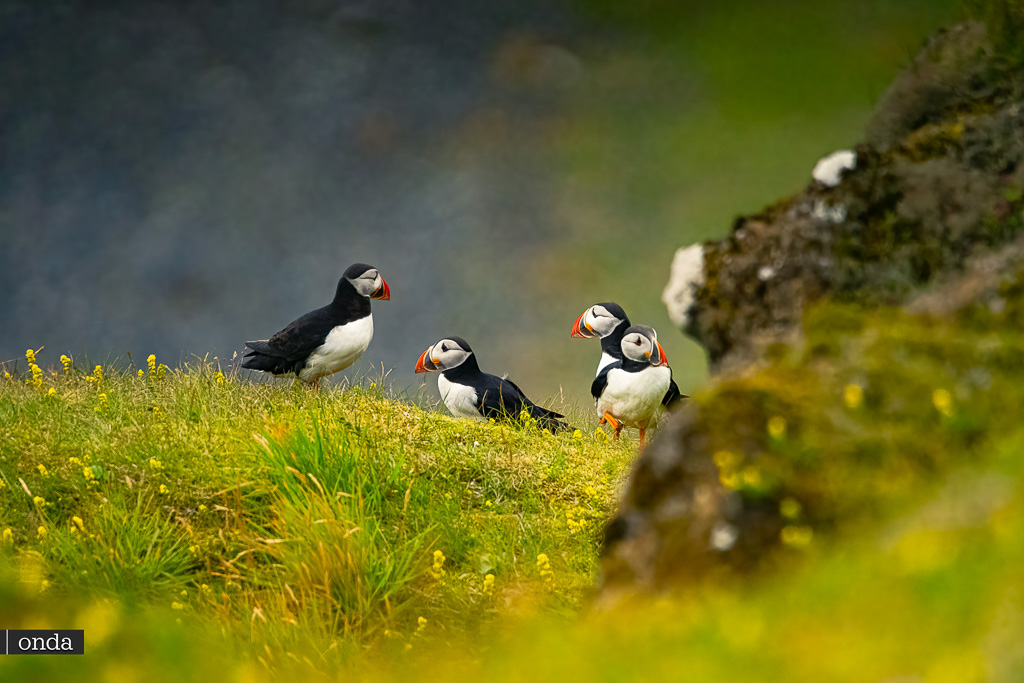
Puffins in Iceland — when to go and where to spot them
Puffins are true icons among seabirds that can be found on Icelandic cliffs, especially during the breeding season. These cute creatures with characteristic, colorful beaks attract nature observers from all over the world. They nest along the coast, offering unforgettable moments of close contact with wild nature.
Why is it worth observing puffins?
- You can admire their beauty and unique behaviors.
- It’s an opportunity to understand their role in the island’s delicate ecosystem.
- Observation takes place in picturesque places, such as steep cliffs.
Imagine life on steep cliffs, where puffins build their nests, struggling with wind and waves. Amazing, right?


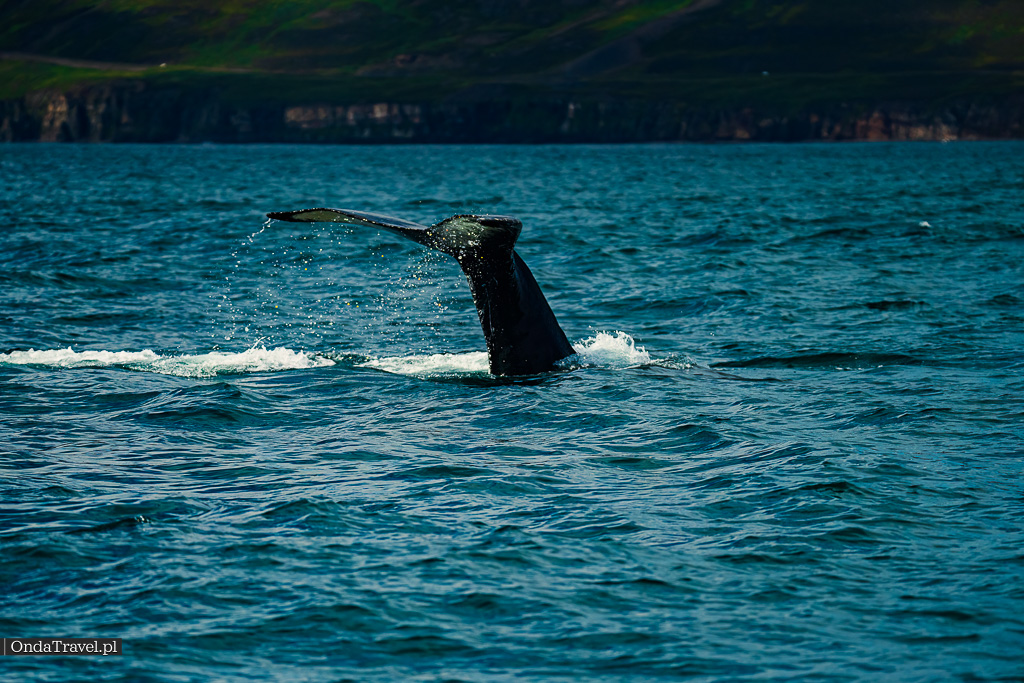
Whale watching in Iceland — tours, seasons, and best ports
Watching whales is one of those attractions that stay in memory for a long time. Especially in the Husavik area, known as the whale watching capital, you can take part in tours that allow you to see these majestic creatures in their natural environment.
What is worth knowing about whale watching?
- Whales can be found in the waters around Iceland all year round.
- Tours offer not only the possibility of observation but also education about their behaviors and role in the ecosystem.
- It’s a unique opportunity to get close to some of the largest creatures on our planet.
During the tour, you not only admire these giant mammals but also learn more about their lives. Ready for a close encounter with whales? It’s an experience that will surely impress you.

Relaxation and Geothermal Attractions of Iceland
Iceland, a country full of raw landscapes and volcanic energy, offers much more than just breathtaking views. Thanks to its hot springs and thermal pools, it is a place where nature harmoniously combines with relaxation. These natural oases of relaxation not only regenerate the body and mind but are also deeply rooted in Icelandic culture. Among them, the Blue Lagoon particularly stands out – one of the most recognizable geothermal spas in the world, attracting travelers from the farthest corners of the globe.
More about Iceland’s hot springs and geothermal pools available in Iceland
Blue Lagoon — geothermal spa tips, tickets, and best time slots
The Blue Lagoon, situated in the heart of Iceland’s volcanic landscape, is a place that provides unforgettable moments of respite. Its waters, rich in minerals, enchant with an intense blue hue while offering healing and soothing properties. It is precisely these unique features that make the Lagoon a mandatory stop on the itinerary of everyone visiting Iceland.
- Unique mineral waters: rich in minerals that support skin regeneration.
- Picturesque surroundings: volcanic landscapes creating a unique atmosphere.
- Modern amenities: a combination of luxury with the wild beauty of nature.
Imagine immersing yourself in warm, mineral-rich waters, surrounded by majestic volcanic landscapes. The combination of modern amenities with the wild beauty of nature creates ideal conditions for rest after a day full of impressions. Is there anything more relaxing than a moment of peace in such a place?
More about the Blue Lagoon in Iceland
Hot springs in Iceland — thermal pools, rules, and local alternatives
Iceland is a true paradise for enthusiasts of hot springs and thermal pools, which can be discovered almost at every step. These natural treasures offer not only the possibility of relaxation but also allow for close contact with pristine nature. Many of them are located in picturesque locations, where bathing surrounded by breathtaking views becomes an unforgettable experience.
| Benefits of bathing in hot springs | Description |
|---|---|
| Relaxation and unwinding | Warm waters envelop the body, reducing stress and tension. |
| Contact with nature | Bathing surrounded by Iceland’s pristine landscapes. |
| Health properties | Minerals in the water support skin regeneration and improve well-being. |
| Tradition and culture | Hot springs are an integral part of the Icelandic lifestyle. |
Bathing in hot springs is an inseparable element of Icelandic tradition. The waters, naturally heated by geothermal processes occurring beneath the earth’s surface, envelop you in warmth and allow for a moment of respite. Ready to immerse yourself in this unique form of relaxation and feel how Iceland’s nature welcomes you with its soothing touch?
Quick table of contents — attractions, access tips, and map links
- Iceland hot springs near Reykjavík: best pools, prices and tips
- Map: hot springs near Reykjavík (driving times and quick picks)
- Why Iceland has hot springs: volcanoes, tectonic plates and geothermal heat
- Sky Lagoon near Reykjavík – the ritual, views and ticket tips
- Laugarvatn Fontana on the Golden Circle – sauna, lake dip and steam
- Nov 21, 2024: lava reached the Blue Lagoon area – what changed
- Sky Lagoon near Reykjavík – the ritual, views and ticket tips
- Laugarvatn Fontana on the Golden Circle – sauna, lake dip and steam
- Interesting fact: bread baked in geothermal sand (yes, really)
- Reykjadalur hot river hike – warm water after an easy trek
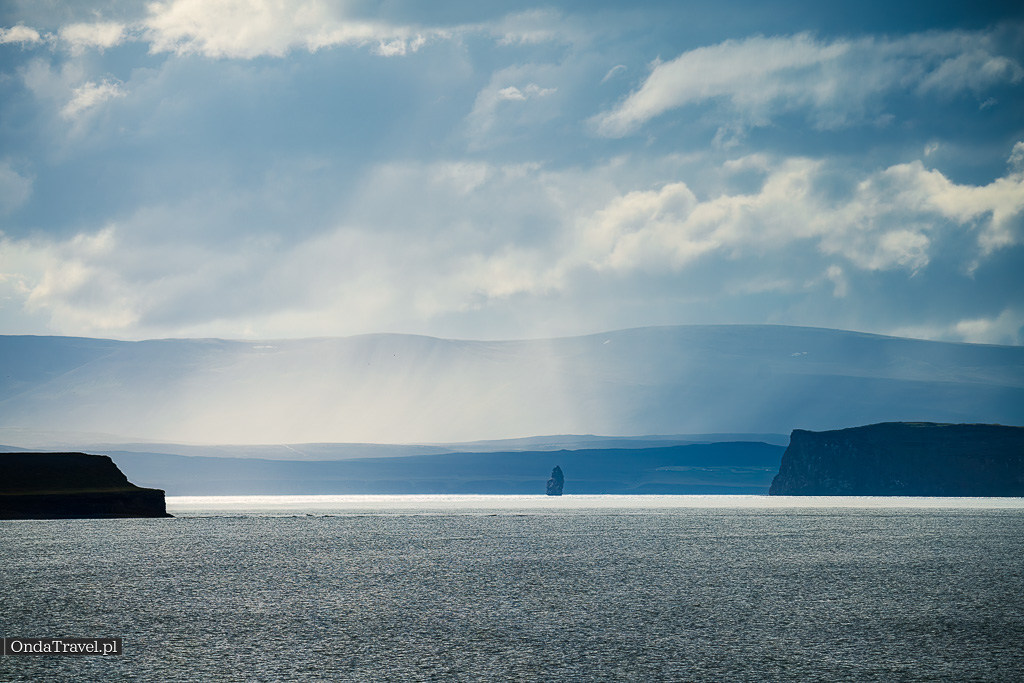
North Iceland — lesser-known attractions beyond the usual stops
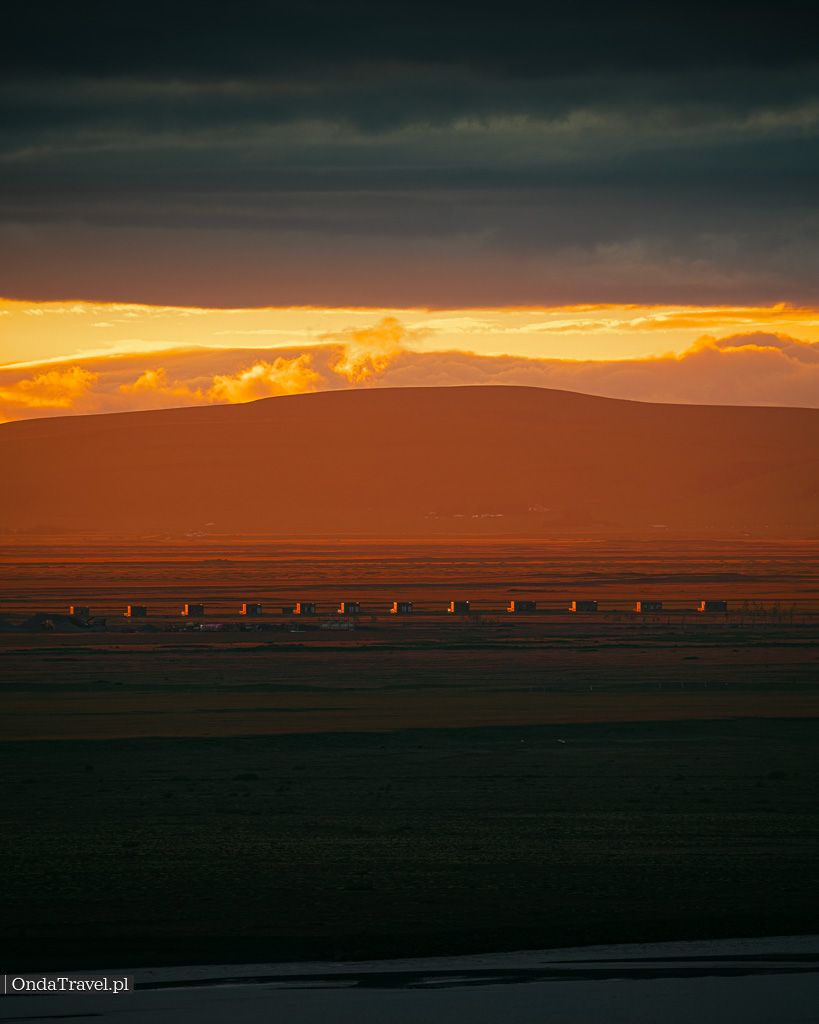
North Iceland is a region full of hidden treasures that can boldly compete with the island’s most famous attractions. Picturesque fjords, charming fishing villages, and wild nature create the perfect backdrop for those who want to escape the hustle and bustle of everyday life. It’s a place for people seeking less traveled paths and more intimate experiences. But North Iceland is not only about spectacular views – it’s also a chance to get to know the authentic Icelandic way of life. It is here that you can feel the true soul of this extraordinary land, where nature and culture intertwine into a harmonious whole.

Dettifoss Waterfall – The Most Powerful Waterfall in Europe
Dettifoss, a majestic waterfall in northeast Iceland, is a true display of nature’s force. Considered the most powerful waterfall in Europe, it attracts travelers from all over the world. Located in the heart of Vatnajökull National Park, it is a mandatory point of every expedition in North Iceland. Water falling from a height of 44 meters creates a spectacular view that remains in memory for a long time. Dare to come closer to feel the energy of this extraordinary place – it’s an experience that is hard to describe in words. Dettifoss is a place you have to experience, not just see.
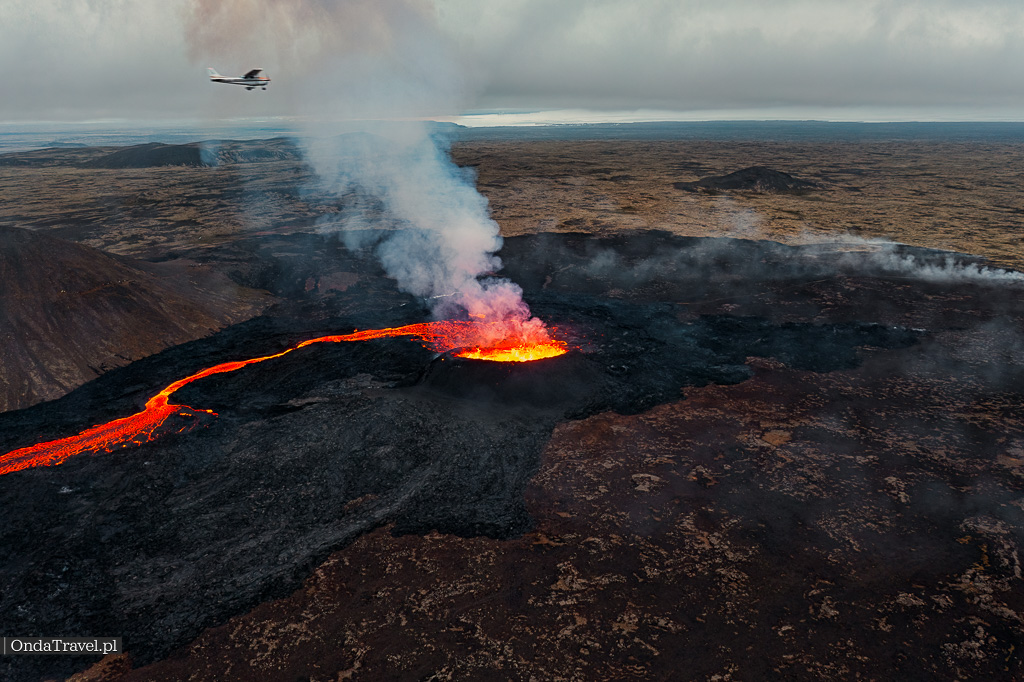
Lake Mývatn – Volcanic Landscapes and Pseudocraters
Lake Mývatn is a true paradise for nature, geology, and unique landscape lovers. Known for its volcanic formations and unique pseudocraters, it is one of the most important places to visit in North Iceland. It is here that nature tells the story of its turbulent past, creating landscapes that amaze and inspire. The lake is also home to many bird species, making it an ideal place for nature observers.
- Admire extraordinary volcanic formations that are a testament to the forces of nature.
- Discover pseudocraters – unique structures formed as a result of volcanic eruptions.
- Observe diverse bird species that inhabit the lake’s surroundings.
- Walk along picturesque trails, discovering nature’s secrets at every step.
Imagine a hike among these amazing formations – every step reveals a new secret of nature. Lake Mývatn is a place that amazes and inspires.
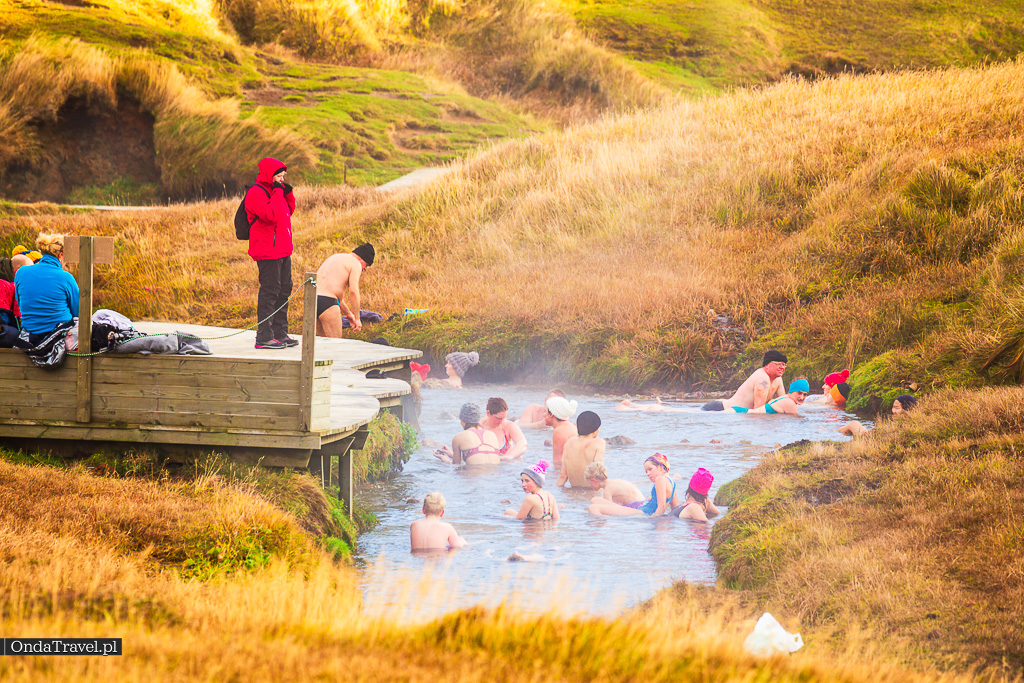
Hverarönd geothermal field — mud pots, fumes, and safety tips
Hverarond, also known as a geothermal field, is a place where the earth reveals its most raw and primal face. Fumaroles, solfataras, and bubbling mud create a surreal landscape that looks like it’s from another world. It is one of the most fascinating places in North Iceland.
- Observe geothermal activity in its most spectacular form.
- Walk on terrain where the earth literally “breathes”.
- Admire unique geological formations that resemble landscapes from another planet.
- Feel the raw power of nature that constantly shapes our planet.
Hverarond is a popular tour destination, offering a unique opportunity to experience Iceland as a true land of elements. Are you ready to stand face to face with the forces of nature?
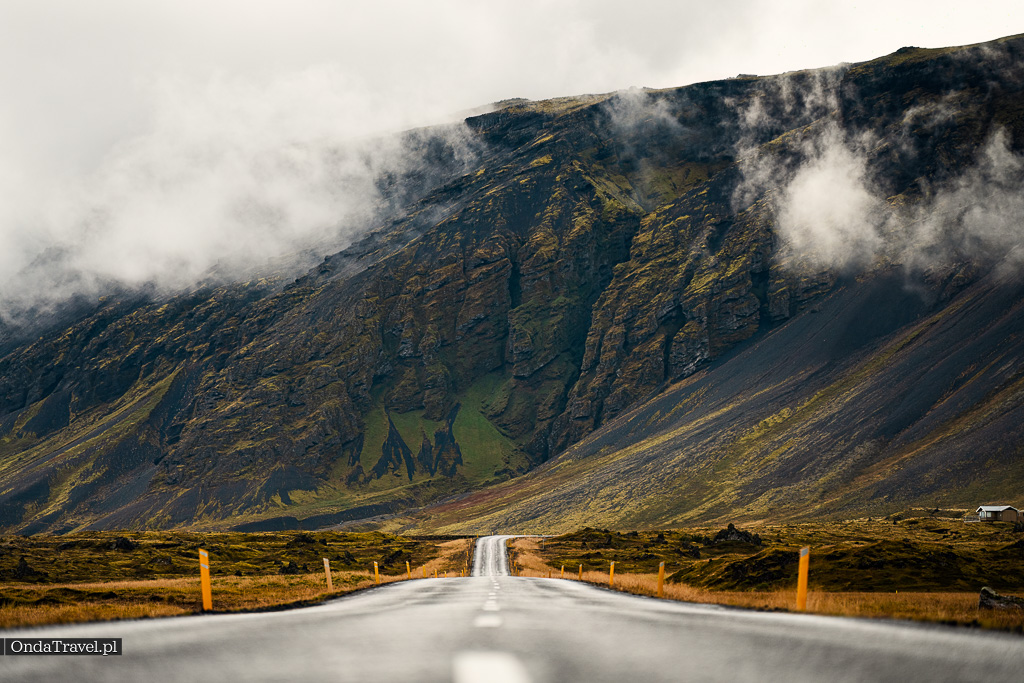
Westfjords and Iceland’s interior — remote roads, seasons, and safety
Iceland is a country full of contrasts that enchants both with its wild nature and raw beauty. Some of the most fascinating regions are the West Fjords and Iceland Interior. These places offer not only breathtaking views but also the opportunity to discover less known, though equally magical corners. The West Fjords are a paradise for nature lovers and photographers, full of picturesque landscapes and wildlife. On the other hand, Iceland Interior, with its raw and almost inaccessible terrain, attracts adventure seekers who want to feel Iceland in its most primal form. These are places that inspire and remain in memory for a long time.

Iceland West Fjords – Wild Nature and Picturesque Views
The West Fjords are one of the most charming and pristine regions of Iceland. Thanks to their distance from the main tourist routes, they remain less frequented, giving the opportunity to discover hidden gems. Among the greatest attractions of this region are:
- Bird watching – especially puffins, which are a symbol of Iceland.
- Hiking on majestic cliffs – ideal for hiking enthusiasts and photography.
- Pristine landscapes – unspoiled nature that allows you to feel the power of Icelandic nature.
The West Fjords is a place where you can immerse yourself in the silence and peace that is hard to find in more popular parts of the island. It’s the perfect direction for those looking for authentic contact with nature.

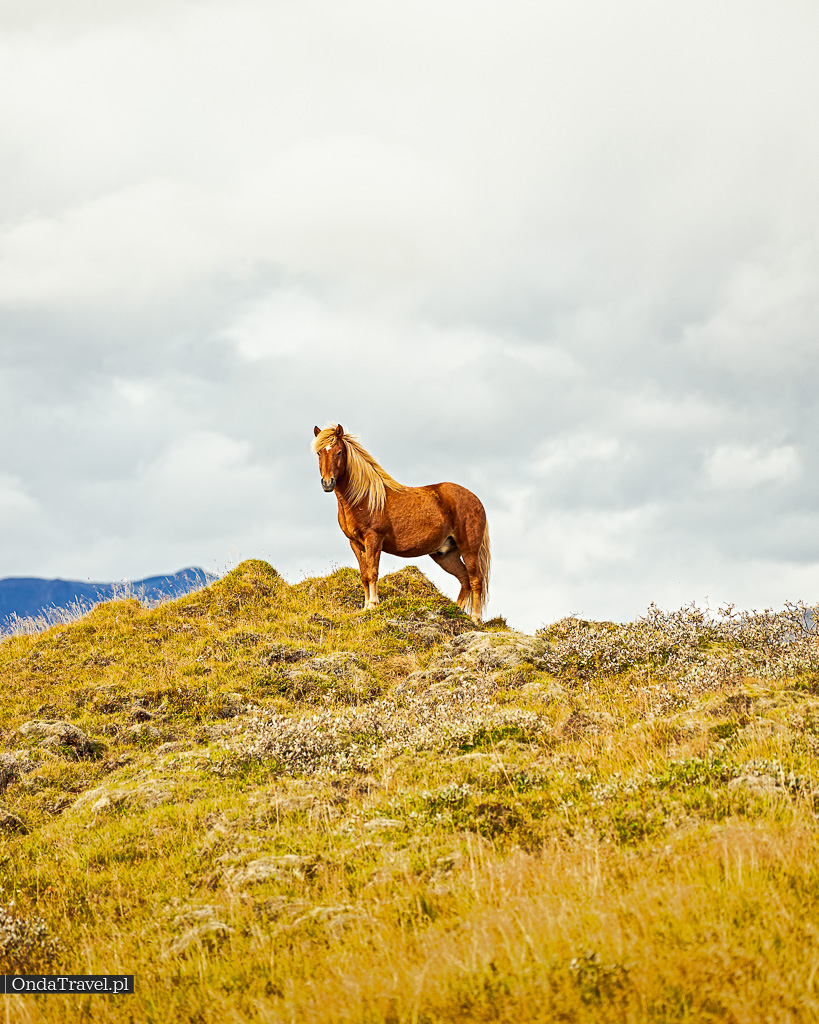
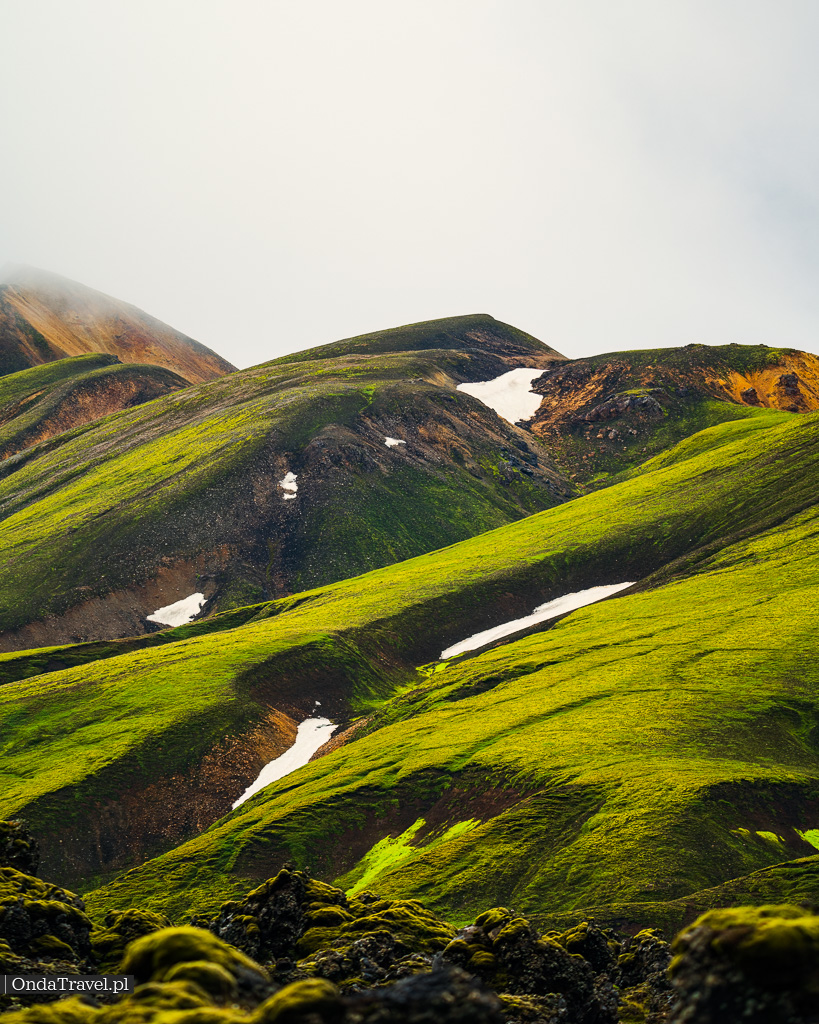
Trekking in Landmannalaugar – Iceland’s Rainbow Mountains
Trekking in Landmannalaugar, known for its rainbow mountains, is an unforgettable adventure that attracts trekking lovers from all over the world. This region impresses not only with spectacular views but also with unique geological formations. Hiking in the multicolored mountains is:
- An opportunity to admire extraordinary landscapes that change depending on light and weather.
- A chance to delve into the mysteries of geological processes that shaped this area.
- An experience of Iceland’s raw beauty in its most authentic form.
Landmannalaugar is the essence of Icelandic wilderness and beauty. If you long to feel the true magic of Iceland, this is a place you cannot miss. It’s a journey that stays in memory for a long time.

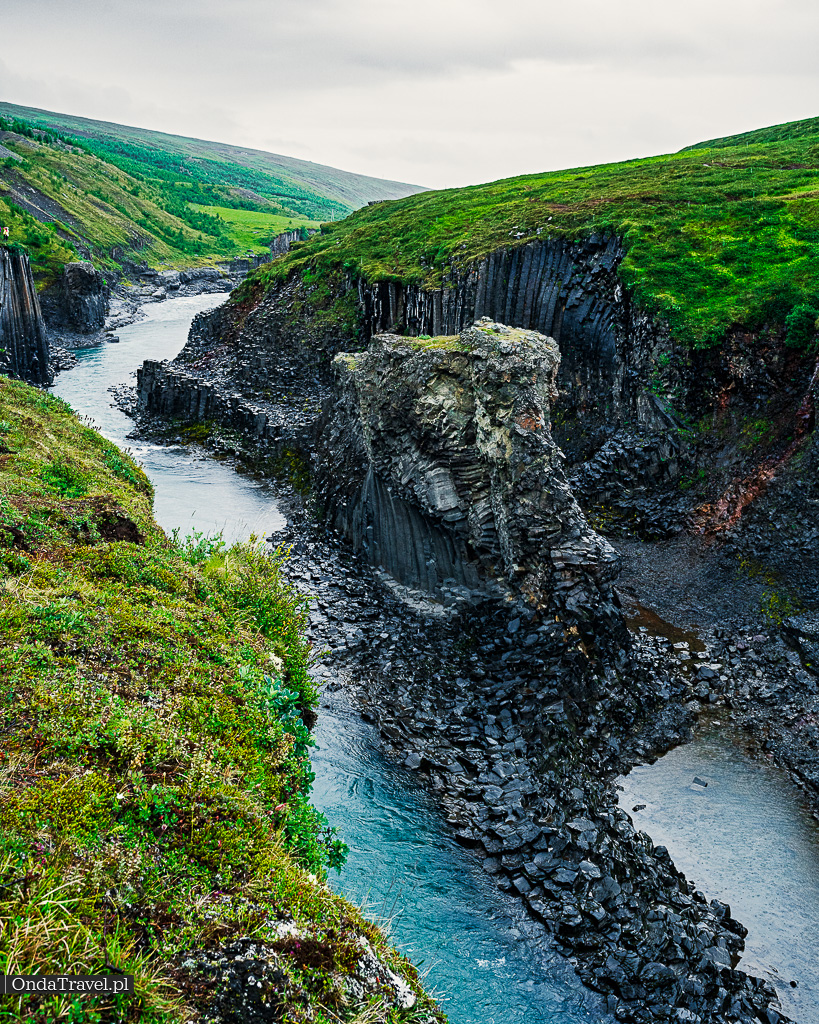
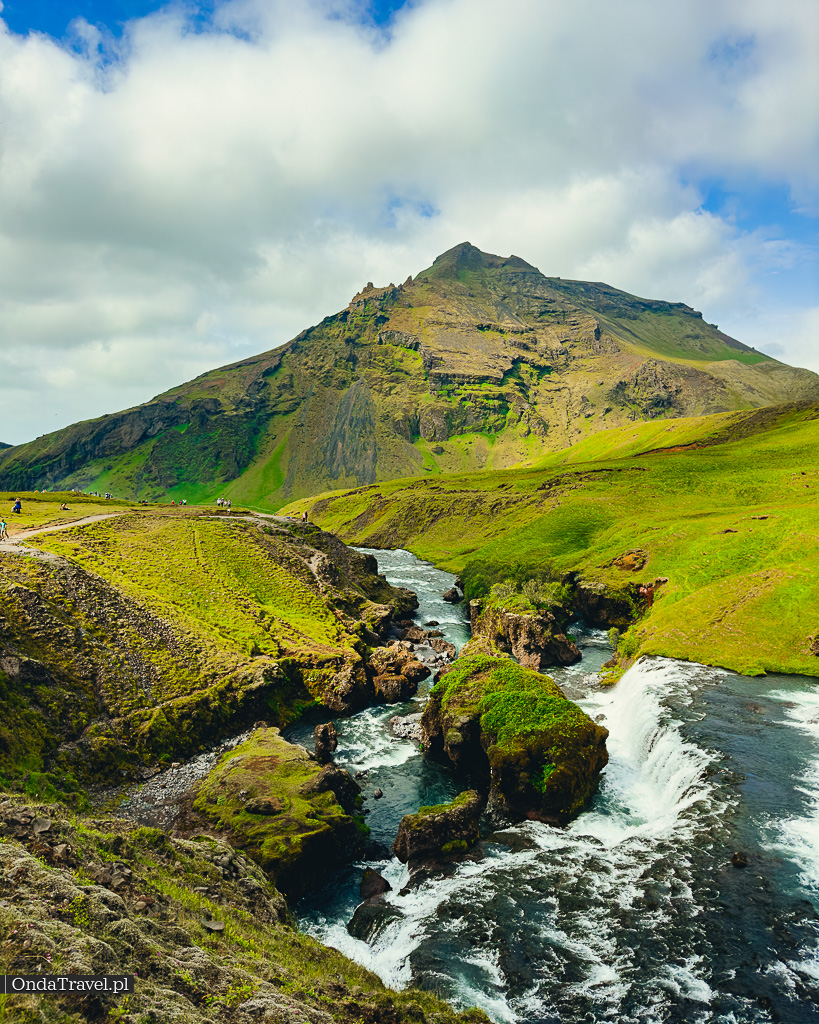


Iceland – Practical Tips for Travelers
Traveling in Iceland is an unforgettable adventure that requires proper preparation. Dreaming of fully immersing yourself in the magic of this extraordinary island? In that case, it’s worth paying attention to several key aspects:
- Travel and accommodation costs – can be really high, especially during the peak tourist season. Early reservations are an absolute necessity that will help avoid unpleasant surprises.
- Knowledge of local customs and regulations – will make it easier to get around Iceland and allow for a better understanding of its culture.
Remember that good preparation is the basis of every successful trip!
Travel Costs and Accommodation in Iceland
Planning a trip to Iceland starts with one thing – budget. Prices on this island can be higher than in many other European countries, especially during the tourist season when hotels and guesthouses reach dizzying rates. But don’t worry, there are ways to save:
- Renting holiday cottages – a more economical solution that allows you to feel close to Icelandic nature.
- Camping – the perfect option for adventure lovers and savers.
Imagine accommodation in a cottage with a view of a majestic glacier – sounds like a dream come true, right? And it won’t strain your wallet.
Getting around Iceland — car rental, buses, and road conditions
Iceland can boast a well-developed road infrastructure, which makes traveling around the island relatively simple. Renting a car is definitely the most popular option because:
- It gives full freedom to explore the island’s charms.
- It allows for independent route planning and stopping at any places.
One of the eagerly chosen solutions is the Iceland Self Drive option, which allows for flexible sightseeing. To avoid navigation problems, it’s worth using GPS – especially on less traveled roads where markings can be sparse. Imagine driving on scenic routes, surrounded by waterfalls, lava fields, and raw nature – these are memories that will stay with you forever.
What to Bring from Iceland as a Souvenir?
Iceland is a true treasure trove of unique souvenirs that perfectly reflect the character of this extraordinary country. Here are a few suggestions:
- Traditional lopapeysa sweaters – hand-knitted from local wool, beautiful and practical.
- Moss tea – the unique taste and aroma of Iceland in a cup.
- Local sweets – ideal as a gift or as a sweet souvenir.
- Jewelry made from lava stones – elegant and referring to the island’s raw nature.
- Puffin plush toys – cute souvenirs for nature lovers.
Each of these things is not just a souvenir, but also a piece of Icelandic culture that you can take home with you.
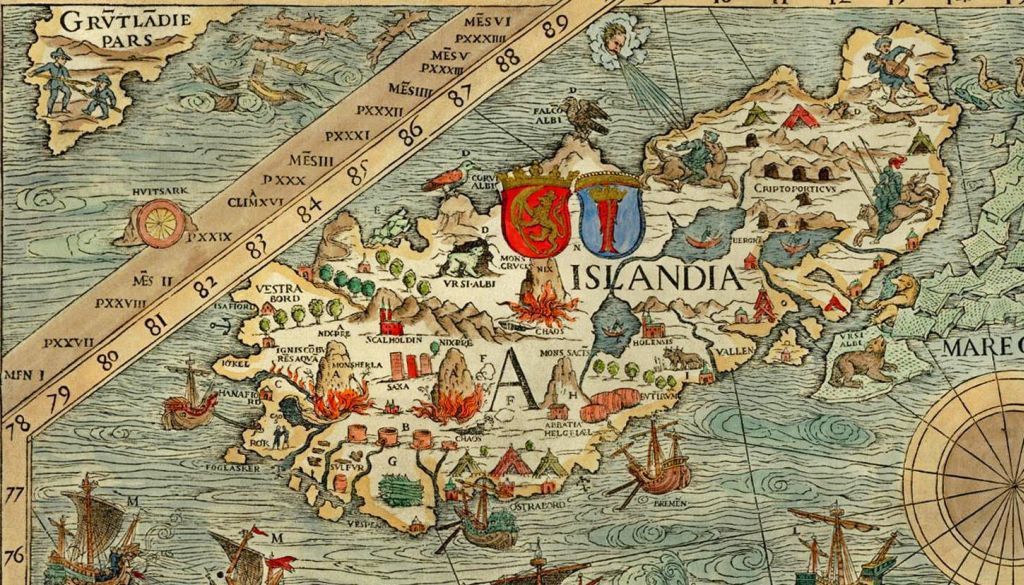
History of Iceland – More About Iceland
Settlement and the Founding of the Althing
The first settler in Iceland was the Norwegian Ingólfur Arnarson, who in 874 settled in the area of present-day Reykjavík.In the following decades, the island was populated mainly by Norwegians and people from the British Isles.
Although most settlers came from Norway, people from other Scandinavian countries, as well as from Ireland and Scotland, also arrived in Iceland.

In 930, the Althing was established, one of the oldest parliaments in the world, which became the central legislative and judicial authority.
Althing: This assembly was not only a parliament but also a supreme court and a place for social meetings. Its functioning testified to a high level of social organization in those times.
Christianization and the Saga Age
At the end of the 10th century, Iceland adopted Christianity, which had a significant impact on the island’s culture and literature. The so-called saga age began, during which many stories about heroes and events from the past were written down, constituting a valuable source of knowledge about medieval Iceland.


Civil War and Dependence on Denmark
In the 13th century, Iceland experienced internal conflicts known as the Sturlung era, which weakened the country and led to the signing of the so-called Old Covenant with Norway in 1262, ending the island’s independence. In the following centuries, Iceland came under the rule of Norway and then Denmark.
Reformation and Trade Monopoly
In the 16th century, as part of the Reformation, Iceland transitioned from Catholicism to Lutheranism under pressure from the Danish monarch. A Danish trade monopoly was also introduced, which negatively impacted the island’s economy, leading to poverty and emigration.

The Path to Independence
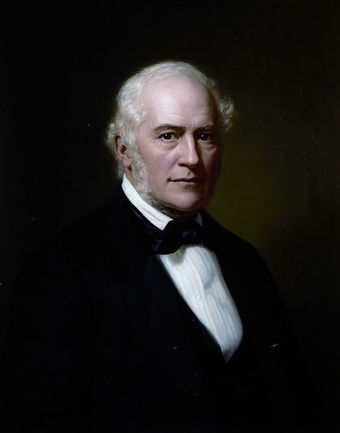
The 19th century brought a national revival, led by Jón Sigurðsson, considered the father of Icelandic independence. Thanks to his efforts, the Althing was restored in 1845, and in 1918 Iceland gained sovereignty as a kingdom in a personal union with Denmark.
Jón Sigurðsson: He was an outstanding politician and writer who mobilized Icelanders to fight for independence.
World War II and the Proclamation of the Republic
During World War II, in 1940, Iceland was occupied by British and then American troops, aiming to secure the island’s strategic location. In 1944, as a result of a referendum, Icelanders decided to break the union with Denmark and proclaimed the Republic of Iceland on June 17, the birthday of Jón Sigurðsson.

Modern Times
After the war, Iceland became a member of NATO and developed its economy, based mainly on fishing. In the 1970s, the country engaged in the so-called Cod Wars with Great Britain, defending its fishing zones. In 2008, Iceland experienced a serious financial crisis, which it overcame thanks to reforms and the determination of society.
“Complete tourist guide to Iceland: Discover the island’s greatest treasures! In our guide, you will find everything worth seeing in Iceland – from breathtaking tourist attractions like waterfalls, geysers, and glaciers to lesser-known corners. You will learn what to visit in Iceland to get to know its unique climate, and you will discover interesting facts about Iceland that will surprise even experienced travelers. Whether you’re planning a car trip on Route 1 or looking for inspiration for unique routes, this guide to Iceland will help you plan an unforgettable adventure. Check out Iceland tourist attractions and get ready for the trip of a lifetime!”
Iceland what to see – Iceland attractions
Iceland Nauthusagil Gorge and Nauthúsafoss Waterfall
Iceland DC‑3 plane wreck — hike details, wind, and photo tips
Thrihnukagigur volcano — descend into a magma chamber by elevator
Jökulsárlón glacier lagoon — icebergs, Diamond Beach, and tours
Háifoss waterfall — one of Iceland’s tallest and best viewpoints
Arnarker lava cave — easy stop on Reykjanes with dramatic rocks
- Iceland tourist guide
- land of fire and ice Iceland
- what to see in Iceland
- Iceland car trip itinerary
- the most beautiful places in Iceland
Iceland flights – Flights from Poland to Iceland (KEF)
Quick summary — how to plan a first Iceland trip
- Where to? Reykjavik/Keflavik (KEF) – Iceland’s main airport.
- From where in Poland? Warsaw (WAW), Gdańsk (GDN), Katowice (KTW).
- Who flies? Wizz Air, PLAY, LOT (on the WAW–KEF route). From GDN and KTW – Wizz Air.
- When is it cheapest? Most often October–November and January–March (excluding holidays and school breaks). Prices rise in summer.
Which airlines fly to Iceland from Poland?
Wizz Air – offers cheap flights from several cities in Poland to Keflavík, usually with limited amenities. This is an option for people looking for the lowest prices and travel without checked baggage.
PLAY Airlines – an Icelandic low-cost airline, flies from, among others, Warsaw and Krakow. New fleet, good connections to Reykjavík, competitive prices, and an Icelandic brand character.
LOT – the national carrier, operates direct flights from Warsaw to Keflavík. Offers a higher standard of service, includes carry-on baggage and an onboard snack in the price.
1) Airlines and Routes – Direct Flights from Poland to KEF
1.1 Warsaw (WAW) → Reykjavik/Keflavik (KEF)
- Airlines: Wizz Air, PLAY, LOT.
- Total Frequency: approx. 9 flights per week (depending on the season).
- Approximate Flight Time: ~4h20–4h35.
1.2 Gdańsk (GDN) → KEF
- Airline: Wizz Air.
- Frequency: approx. 5 flights per week (seasonality possible).
- Flight Time: ~3h40–4h05.
Flight example: Katowice (KTW) to Keflavík (KEF) in practice
- Airline: Wizz Air.
- Frequency: 4–5 flights per week (depending on season and schedule).
- Flight Time: ~4h05–4h20.
Note: From other Polish airports (e.g., KRK, POZ, WMI) 1-stop connections are available – most often via Copenhagen, Stockholm, Oslo, Bergen, or Warsaw.
2) Prices – Levels and Seasonality (Summer vs Winter)
Ticket prices are dynamic. The following ranges are example lowest offers from calendars and airline/search tool websites, helpful for budget planning.
2.1 Minimum “From” Prices – Examples (one‑way)
| Route | Airline | “From” (PLN) – Example Offers | Notes |
|---|---|---|---|
| WAW → KEF | Wizz Air | ~247–299 PLN | Frequent promos, Basic fares without checked baggage |
| WAW → KEF | PLAY | ~300–450 PLN | Variable day-of-week availability; usually cheaper in winter |
| WAW → KEF | LOT | ~450–700+ PLN | Flexible fares, usually includes 8–10 kg carry-on baggage |
| GDN → KEF | Wizz Air | ~230–350 PLN | Cheapest outside vacations; November often best |
| KTW → KEF | Wizz Air | ~240–360 PLN | Cheapest in late autumn and winter (excluding holidays) |
Round-trip flights from GDN/KTW in good dates can start from ~450–550 PLN (fare without extras). From WAW usually ~500–700 PLN outside peak season.
2.2 Summer vs Winter – How Does the Price Change?
- Cheapest: October–November and January–March (excluding holiday/break periods). Drops in minimum prices even by 80–150 PLN vs. peak summer.
- Most Expensive: July–August. Minimum “from” prices can be higher by ~20–40% compared to autumn.
- Short city breaks (Fri–Sun) are usually more expensive than departures in the middle of the week (Tue/Wed/Thu).
2.3 What Drives Up the Price
- Checked baggage and seat selection.
- Weekend flights and dates of natural “peaks” (e.g., vacations, May long weekend, New Year’s Eve, school breaks).
- Late bookings (<2–4 weeks) vs. purchasing in advance.
3) Comparison Table: Routes, Airlines, Frequency, Approximate Prices
| Departure (PL) | Destination | Airlines | Flights/Week (typical) | Approximate “From” (one‑way) | Cheapest Season |
|---|---|---|---|---|---|
| Warsaw (WAW) | KEF | Wizz Air, PLAY, LOT | ~9 (total) | 247–700+ PLN | X–XI, I–III |
| Gdańsk (GDN) | KEF | Wizz Air | ~5 | 230–350 PLN | XI, I–III |
| Katowice (KTW) | KEF | Wizz Air | 4–5 | 240–360 PLN | XI, I–III |
Iceland flights,direct flight to Iceland,flight tickets Iceland,flight tickets to Iceland,flight to Iceland,flights to Iceland,plane to Iceland,cheap flight tickets Iceland
Tip: If you live in Lesser Poland, also compare prices from Katowice – it can be much cheaper than from Krakow (where there are no direct flights to KEF).
4) How to Book Cheaper – Practical Tips
- Flexible dates: check the “whole month” calendar and mid-week departures.
- In advance: for Iceland, a sensible “sweet spot” is usually 1–3 months before departure (summer: more).
- Light travel: without checked baggage and without seat selection – lowest price.
- Compare 3 airports: WAW vs GDN vs KTW; differences can be significant.
- Club discounts: e.g., Wizz Discount Club + airline flash sales.
5) FAQ – Most Frequently Asked Questions About Flights to Iceland
Are there other Icelandic airports? For international flights, practically KEF. RKV airport mainly serves domestic and short regional flights.
Does Ryanair fly directly from Poland to Iceland? Currently no – direct flights from Poland are operated by Wizz Air, PLAY and LOT (depending on the airport). With Ryanair, you can fly with a layover.
How long is the flight? 3h40–4h35, depending on the route and wind.
When is it cheapest? Most often autumn (X–XI) and winter (I–III) excluding holidays/breaks.
Is it worth flying to other nearby airports? If you have easy access, GDN/KTW can be cheaper than WAW. From southern Poland, KTW often wins on price.
Warsaw Iceland flight,Warsaw Iceland flights,cheap flights to Iceland,how much does a flight to Iceland cost,Iceland tickets,Poland Iceland flight
MORE ARTICLES ABOUT ICELAND AND NORWAY


Hi, I’m Krystian “dziadzia przewodnik” from OndaTravel.pl!
The North is my greatest passion, but the world is far too beautiful to stay in just one climate. On my blog, I combine the raw landscapes of Iceland and Norway with the exotic energy of Thailand or Vietnam, showing you how to travel authentically — with passion and a camera in hand.
What will you find on OndaTravel.pl?
Visual storytelling: As a photographer and filmmaker, I don’t just describe places — I take you there with professional photos and video.
North expert: Ready-to-use road trip plans for Iceland and Norway, smart tips for budget travel, and my original Northern Lights Radar (locations and forecast).
Travel through the lens of cinema: I track down filming locations — from icy scenes in Interstellar to tropical frames from world cinema.
New direction: Exotic destinations: I love contrast, so the blog is featuring more and more practical knowledge about Vietnam and Thailand. I’ll show you how to find your way around Southeast Asia and come back with your best memories.
P.S. follow me here
Read also / next
Short itineraries: pick 4 days for the essentials or 7 days for a slower pace.
- Iceland in 4 days: day-by-day itinerary for a first trip
- Iceland in 7 days: a day-by-day itinerary with more stops
- Iceland travel overview: routes, regions, and key guides
- Travel hub: destinations, planning tips, and new guides
- Northern Lights Live: forecast, maps, and tips for aurora hunting
- Golden Circle route guide: geysers, waterfalls, and Þingvellir
- Ring Road South Coast: best stops for a first road trip
- Hot springs near Reykjavík: thermal pools, spas, and practical tips