

Sky Phenomena 2026: calendar, meteors, eclipses and auroras
Sky Phenomena – a guide to phenomena and observation planning
This page brings together the most important night-sky phenomena and helps you quickly tell them apart in practice — from the aurora, noctilucent clouds (NLC), sprites and STEVE to supermoons and astrophotography. It is a good starting point if you want to plan an observation session and jump straight to the right calendar or live tool.
The Next Sky Phenomena – LIVE Calendar 2026
This is the fastest starting point before you head out: check the events calendar, moon phases and meteor showers, and for aurora watching go straight to the live forecast and location radar. You will find the full calendar and tool cards below in two organized sections.

Zajrzyj też na mój YouTube i ruszaj ze mną w podróż.
Check out my YouTube as well and join me on the journey.
Obserwuj mnie tutaj / Follow me here:
¿Qué onda?
Lubisz moje treści?
Postaw mi kawę na buycoffee.to/ondatravel i wesprzyj tworzenie kolejnych materiałów z podróży.
Do you enjoy my content?
Buy me a coffee on buycoffee.to/ondatravel and support the creation of more travel content.

Live tools and guides useful for observations
In this section, you will find the most important live pages and guides that help you quickly check sky conditions, compare similar phenomena, and move from theory to practical observing.

LIVE TOOL
Live aurora forecast
The best starting point when you want to check aurora parameters and the real chance of seeing it “today” — KP, the oval and current conditions.

HUB + TOOL
Aurora radar
A tool page with a map and a quick forecast for locations such as Poland, Norway or Iceland — useful when you want to act right away.

LIVE TOOL
Live earthquake map
A new OndaTravel tool for tracking seismic activity around the world. Useful for trip planning and quick live situation checks.
GUIDE
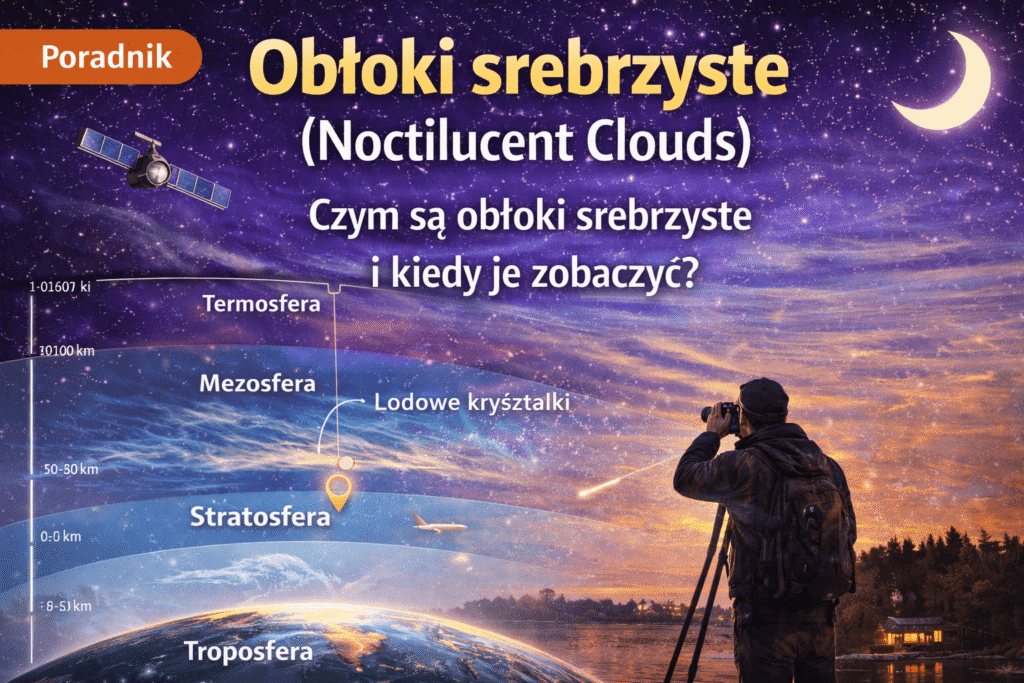
Noctilucent clouds (NLC) — when and where to watch them
A summer night-sky phenomenon visible in Poland and farther north. See when it appears, where to look and how to recognize it.
GUIDE
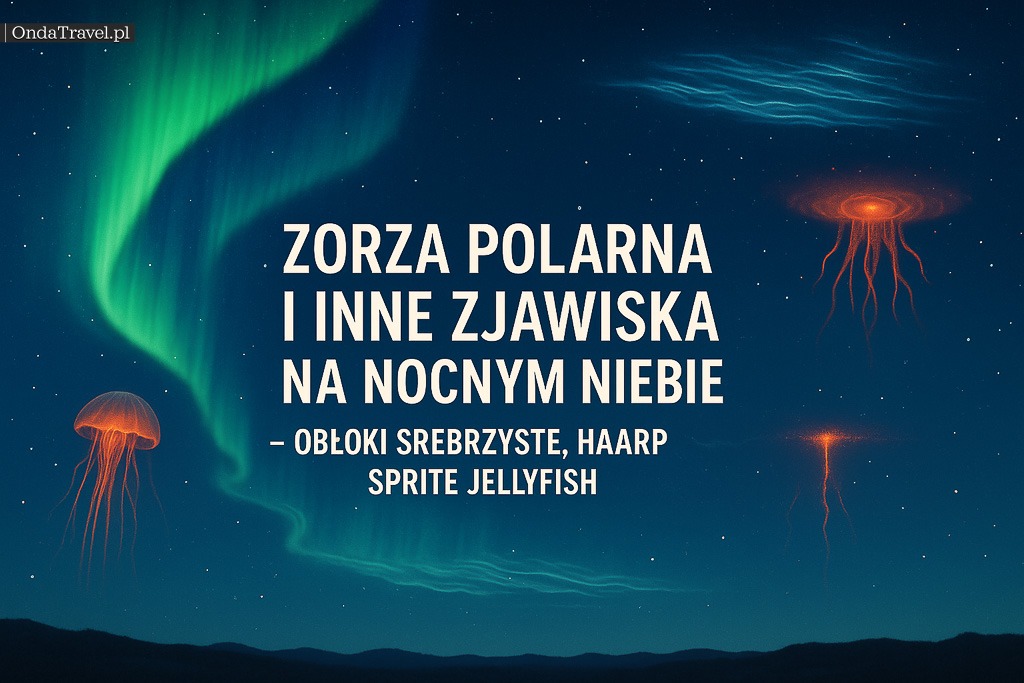
Aurora and other phenomena in the night sky
A comparison guide to things that are often mistaken for aurora, including NLC, sprites, jellyfish and sky glows. Useful when you see “something” in the sky and want to identify it quickly.
LIVE UPDATE
Aurora alerts — quick updates
Fast updates for moments when aurora conditions suddenly improve and you need to decide whether it is worth heading out tonight.

PHENOMENON EXPLAINED
The equinox effect and the Russell–McPherron effect — why are March and September so important for aurora?
Read why stronger auroras have a seasonal pattern and why the periods around the equinox return so often in forecasts, alerts and live observations.
Calendars and tools for observing the night sky in 2026
We update these pages as the “pillars” of the Sky Phenomena section. They are the ones that help you plan observations: meteors, moon phases, eclipses, supermoons and astrophotography.

2026 GUIDE
Astronomical Events Calendar 2026
One calendar that brings together the most important sky events in each month — meteors, moon phases and eclipses.

2026 GUIDE
Meteor showers – calendar 2026
Peak dates for meteor showers and short tips on when you have the best chance of seeing shooting stars.
2026 GUIDE
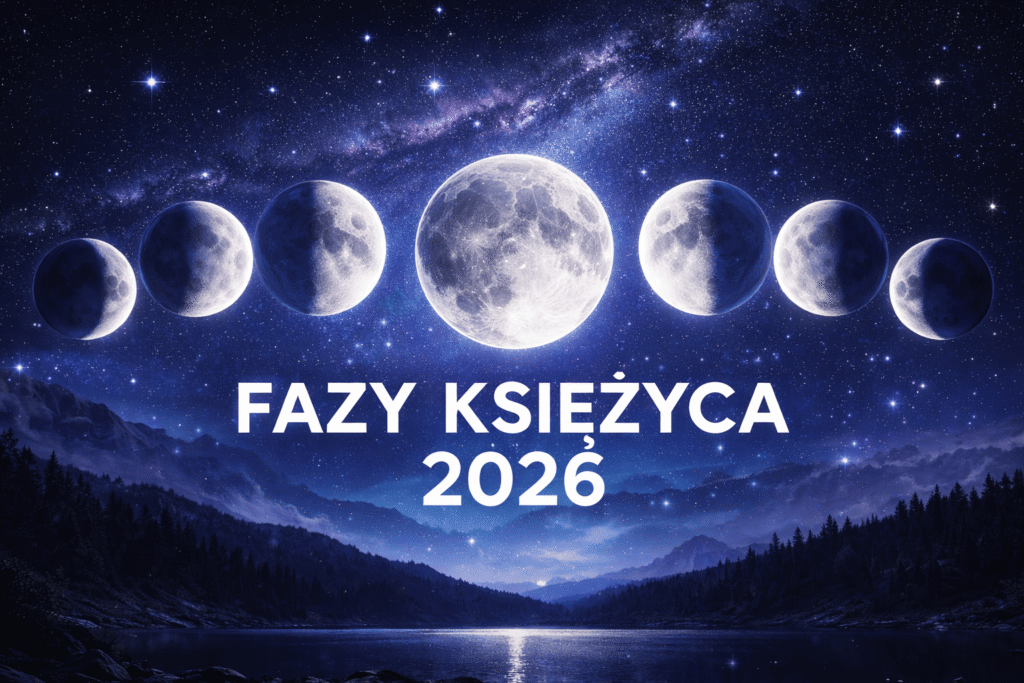
Moon phases – calendar 2026
The most important monthly phases — new moon, full moon and the quarters — ideal for planning observations and astrophotography.

2026 GUIDE
Solar and Lunar Eclipses (2026)
Dates, visibility and observation safety — a quick guide to solar and lunar eclipses in 2026.

2026 GUIDE
Supermoon — dates and explanation
On which nights does the Moon look “larger” and brighter? Check the supermoon dates and a short explanation of why it looks that way.
PHOTO GUIDE
How to photograph the night sky
Practical camera settings and quick tips that help you capture meteors, the Milky Way, the Moon or aurora.
Sprites, airglow and STEVE – other phenomena mistaken for aurora
If you see unusual flashes, red structures above a storm or a faint glow in the sky, it is not always aurora. For now, the topics of sprites / jellyfish and other “phenomena mistaken for aurora” are covered in the comparison guide below — in later stages, we will expand them into separate articles.


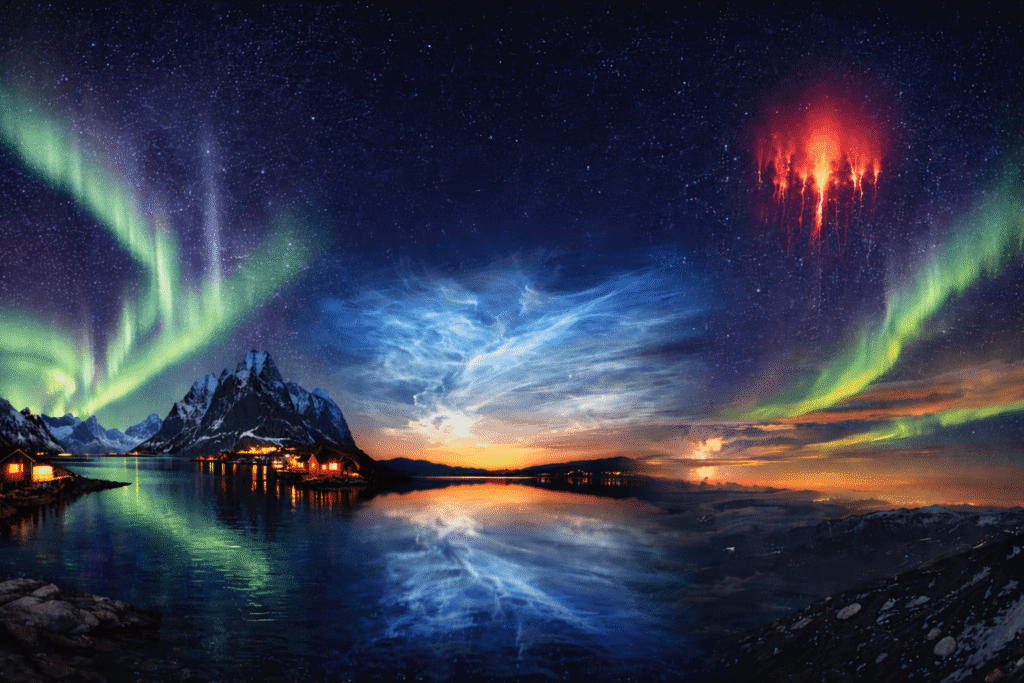
How to tell them apart: aurora vs NLC vs other phenomena
- Season: aurora is most common from late summer to spring, while NLC is most common in late spring and summer.
- Position: aurora can rise high and “dance”; NLC usually glow low above the northern horizon (after dusk / before dawn).
- Dynamics: aurora changes shape within minutes; NLC looks like delicate, rippling clouds.
- Live check: if you are unsure, check the aurora forecast and the location radar.

What can shine in the night sky besides stars?
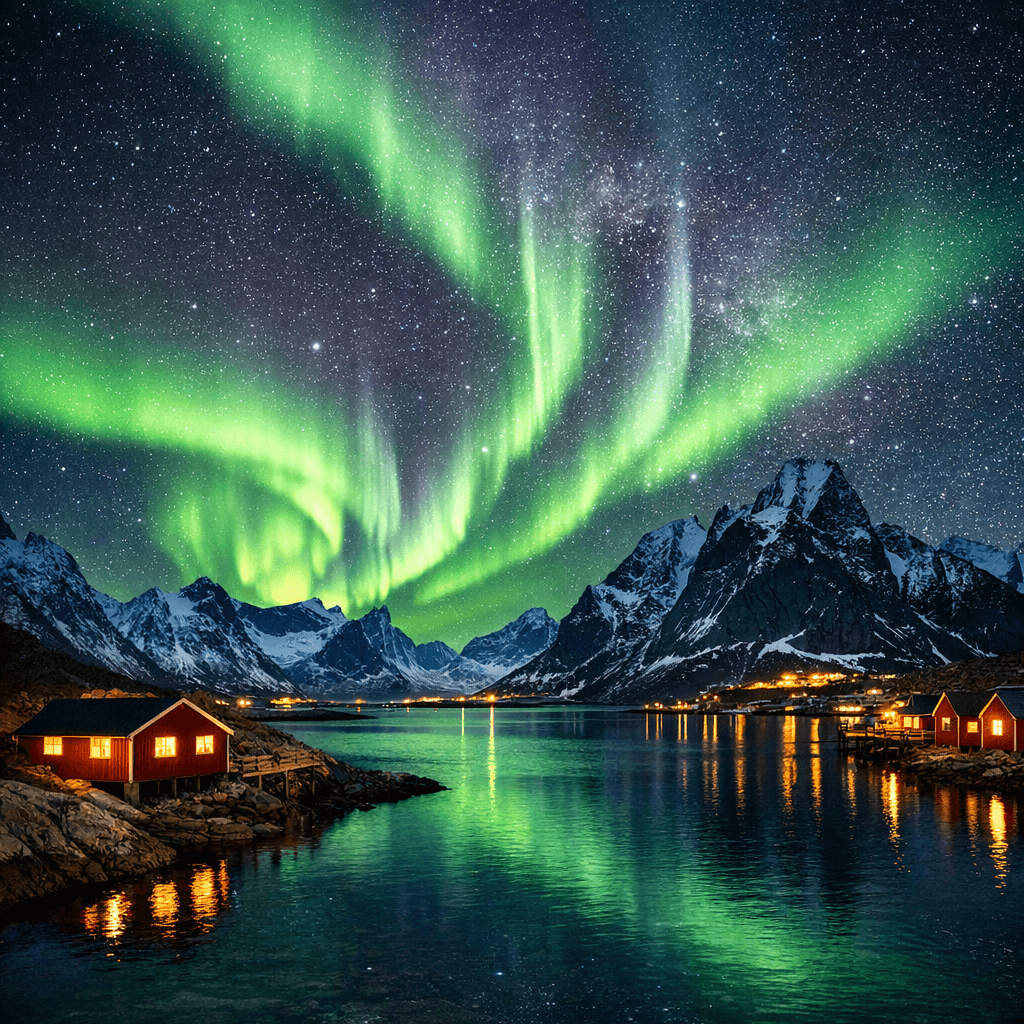
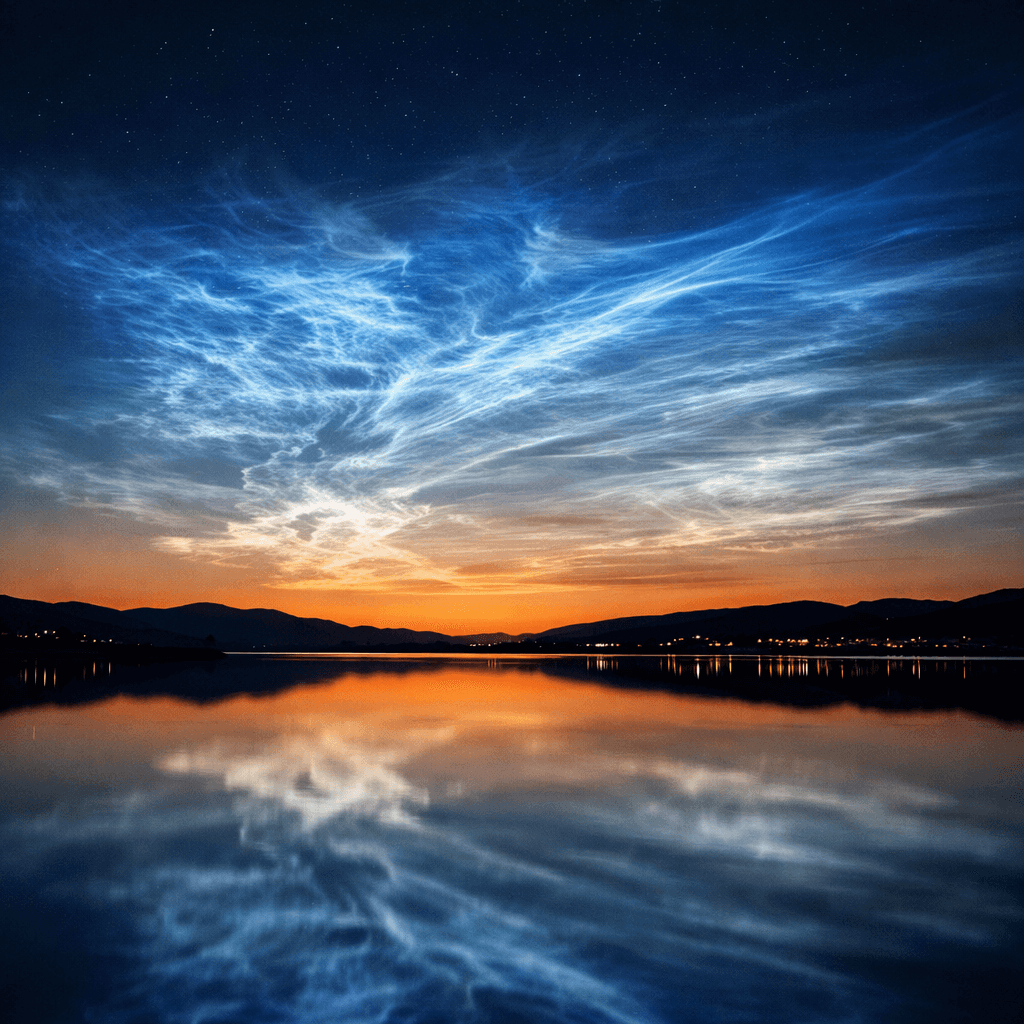
In the night sky, you can see not only stars and planets but also atmospheric phenomena: aurora, noctilucent clouds (NLC), sprites (flashes above storms), and a faint glow known as airglow. Sometimes STEVE also appears — it looks like a violet ribbon and is often mistaken for aurora.
Are noctilucent clouds the same as aurora?
No. Noctilucent clouds (NLC) are very high clouds in the mesosphere that shine with reflected sunlight after dusk or before dawn, most often in summer. Aurora forms when particles from the solar wind interact with the atmosphere near the poles — most often from late summer to spring.
When can you see noctilucent clouds in Poland?
Most often from late May to July. The best observing window is about 60–90 minutes after sunset or before dawn. Look for them low above the northern horizon during clear, bright summer nights.
What are sprites and can you see them with the naked eye?
Sprites are brief flashes high above storms (TLE phenomena). They are usually red-orange and can resemble a “jellyfish.” They last fractions of a second, so they are most often captured in photos or videos; sometimes you can notice them with the naked eye if you observe a storm from a great distance and have a very dark sky.
How can you tell aurora apart from other sky phenomena?
Pay attention to seasonality and dynamics. Aurora often changes shape within minutes (arcs, curtains), can be green or red, and can rise high in the sky. NLC looks like bright, rippling clouds and is usually low above the horizon in summer. Sprites are isolated, brief flashes above a storm, while airglow is a faint, even glow of the sky.


Cześć, tu Krystian „dziadzia przewodnik” z OndaTravel.pl!
Północ to moja największa pasja, ale świat jest zbyt piękny, by zamykać się w jednym klimacie. Na moim blogu łączę surowość Islandii i Norwegii z egzotyczną energią Tajlandii czy Wietnamu, pokazując Ci, jak podróżować autentycznie, z pasją i aparatem w ręku.
Co znajdziesz na OndaTravel.pl?
Wartość wizualna: Jako fotograf i filmowiec nie tylko opisuję miejsca – ja przenoszę Cię tam za pomocą profesjonalnych kadrów i video.
Ekspert od Północy: Gotowe plany roadtripów po Islandii i Norwegii, patenty na budżetowe zwiedzanie i mój autorski radar zorzy polarnej.
Podróże śladem kina: Tropiciel lokalizacji filmowych – od mroźnych scen w Interstellar po tropikalne kadry światowego kina.
Nowy kierunek: Egzotyka: Uwielbiam kontrast, dlatego na blogu pojawia się coraz więcej praktycznej wiedzy o Wietnamie i Tajlandii. Pokazuję, jak odnaleźć się w Azji Południowo-Wschodniej i wrócić z niej z najlepszymi wspomnieniami.
p.s. zapraszam na moje profile


