

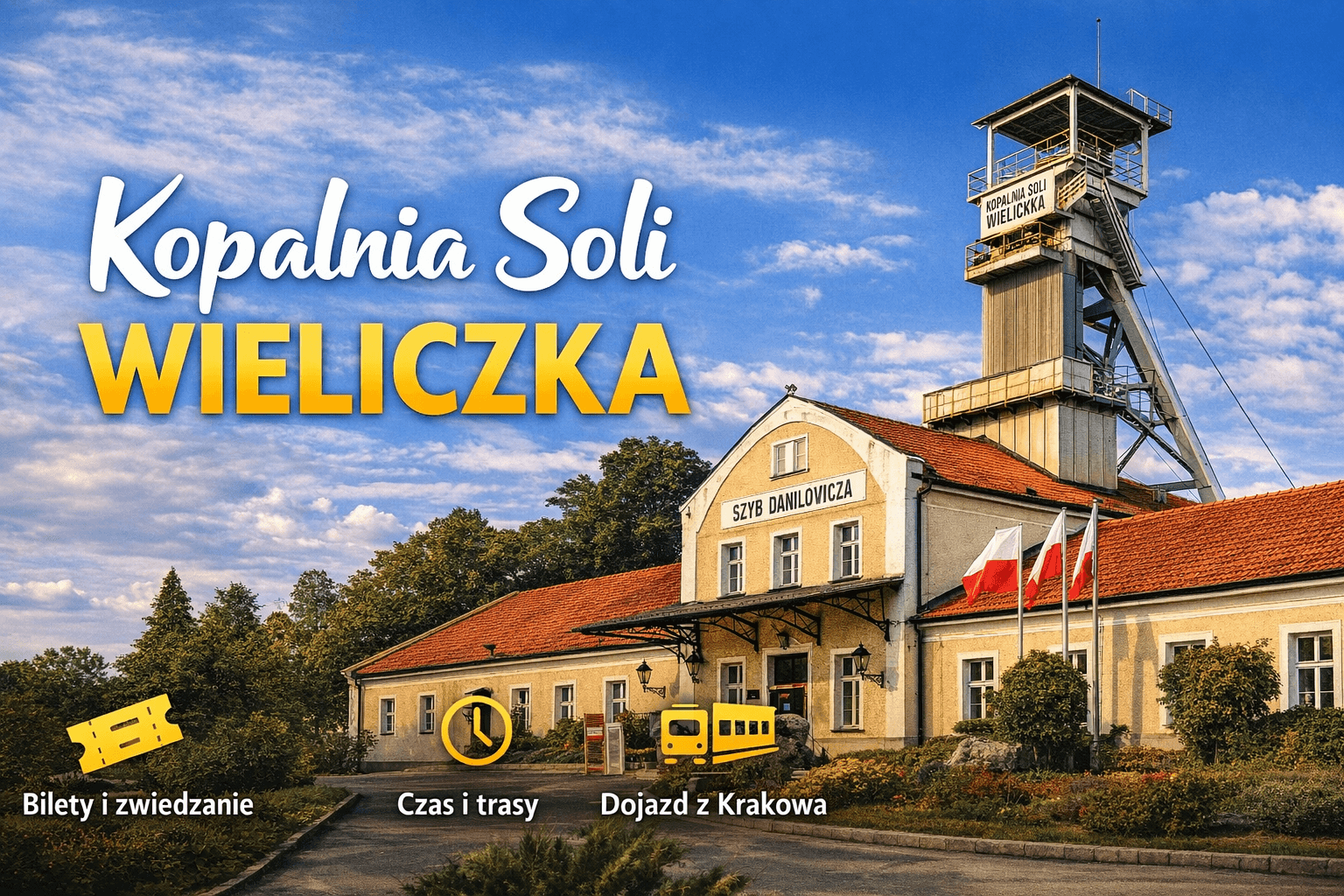
Wieliczka Salt Mine – how to visit, which route to choose, and what to know before you go
Wieliczka Salt Mine is one of those attractions that genuinely impresses even when you feel like you have already “seen it all.” Underground, you will find not only famous chambers and St. Kinga’s Chapel, but also a piece of Poland’s history, old mining technology, and a route whose scale can surprise you more than many museums or castles.
If you are planning your first visit, the most important questions are usually very specific: which route to choose, how long the visit takes, whether you should buy a ticket in advance, how many stairs there are, what to wear, and whether it is worth going with kids. In this guide, I have gathered everything that is genuinely useful before entering the “Wieliczka” Salt Mine — without fluff and without guesswork.
In short: if you are going for the first time, choose the Tourist Route. If you want a more active and more “mining-style” experience, consider the Miners’ Route. On site, be prepared for stairs, a steady underground temperature, and a ticket booked in advance — especially on weekends, holidays, and in peak season.
The most important things to know before your visit: for a first visit, the Tourist Route is the best choice, you should allow around 2–3 hours for the tour, tickets are best bought online in advance, and from Kraków the easiest way to get there is by train to Wieliczka Rynek Kopalnia station or by bus 304. Wear comfortable shoes and a light sweatshirt or sweater, because it is cooler underground than on the surface.
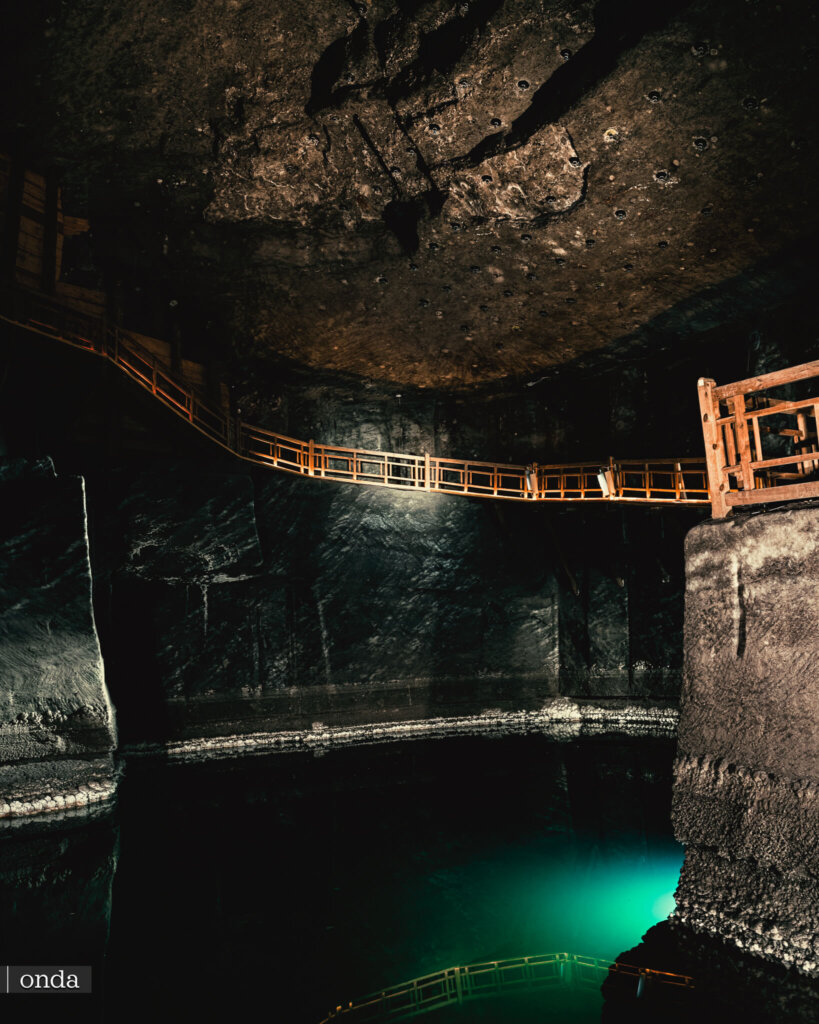
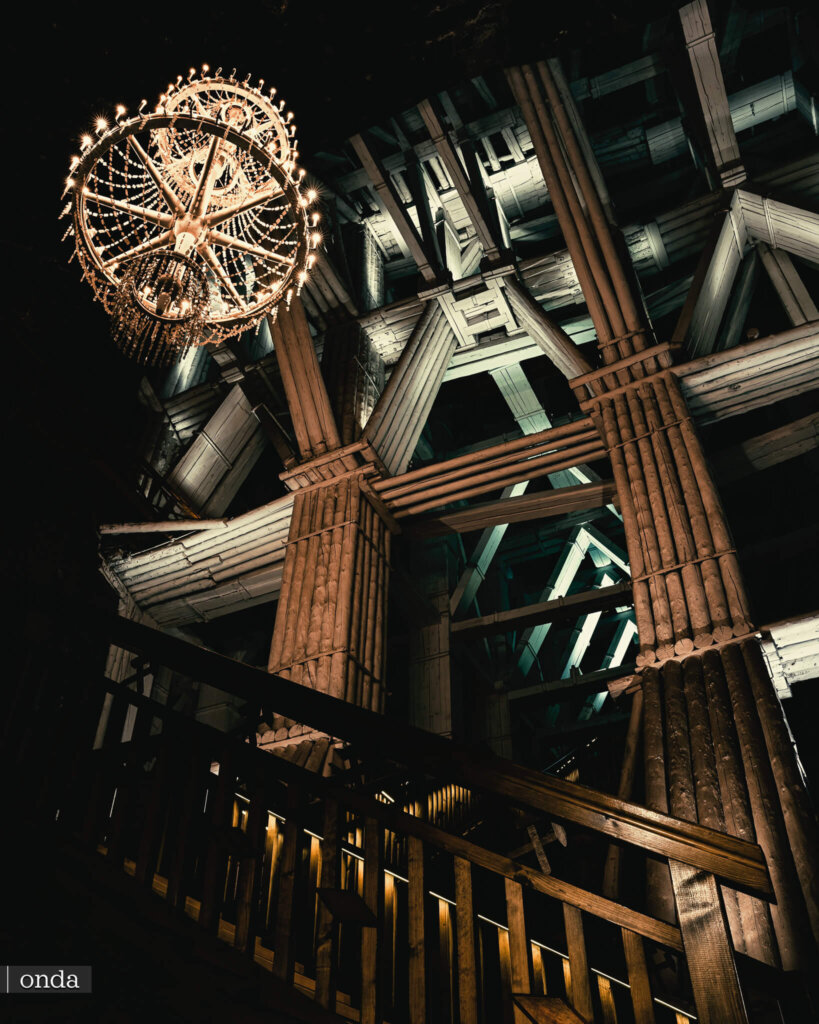
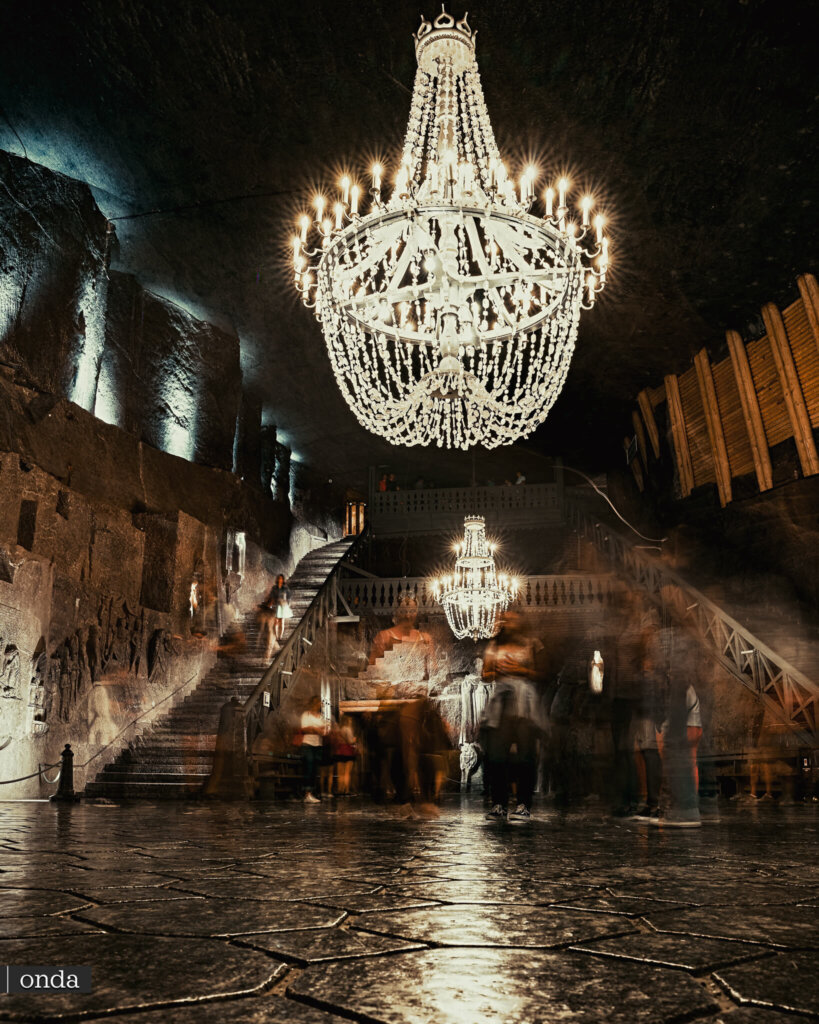
Table of contents and the most important sections of this guide

Zajrzyj też na mój YouTube i ruszaj ze mną w podróż.
Check out my YouTube as well and join me on the journey.
Obserwuj mnie tutaj / Follow me here:
¿Qué onda?
Lubisz moje treści?
Postaw mi kawę na buycoffee.to/ondatravel i wesprzyj tworzenie kolejnych materiałów z podróży.
Do you enjoy my content?
Buy me a coffee on buycoffee.to/ondatravel and support the creation of more travel content.

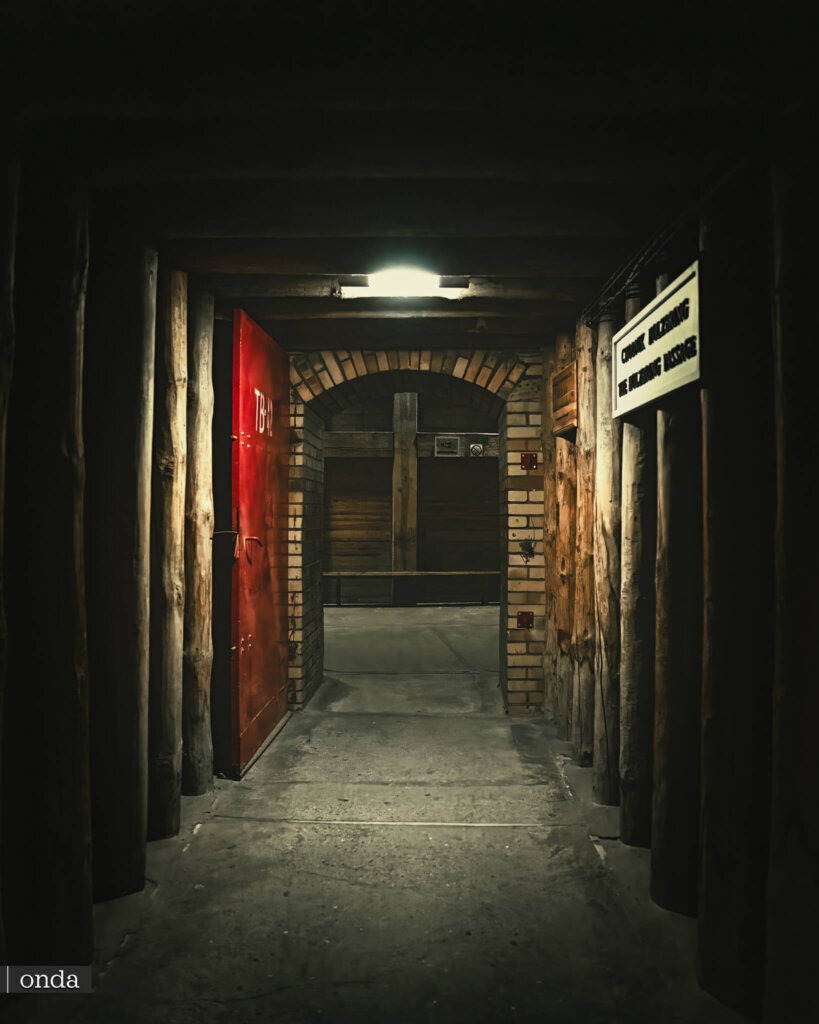
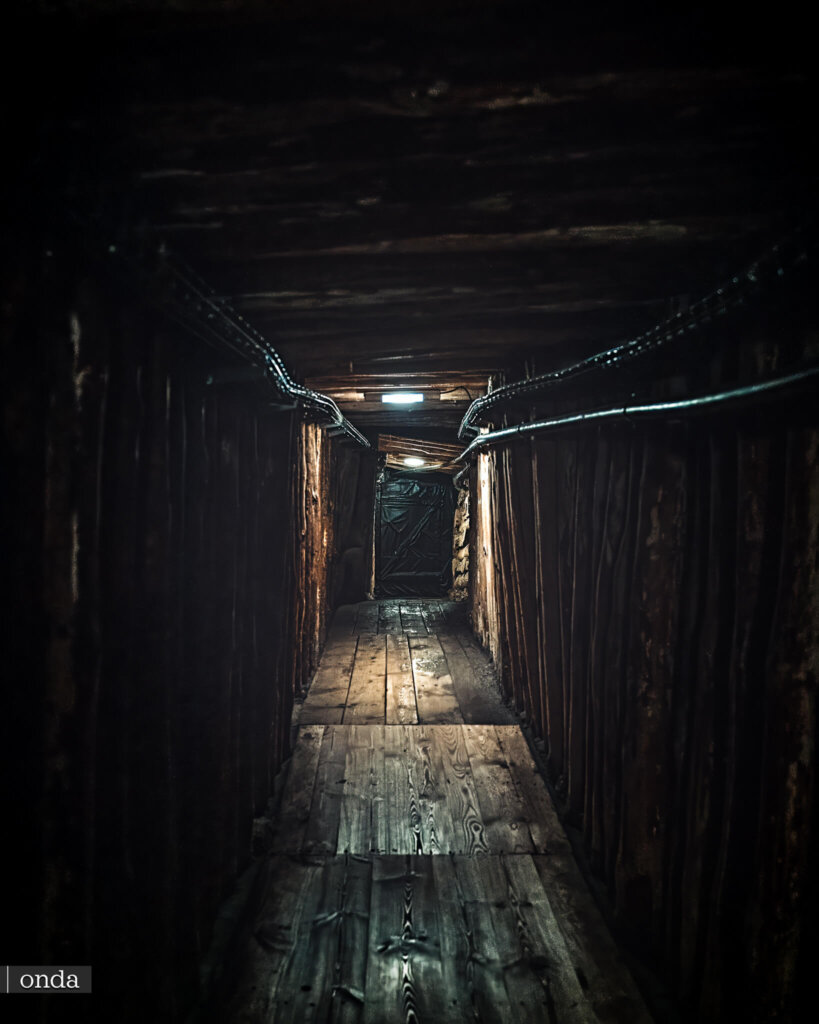
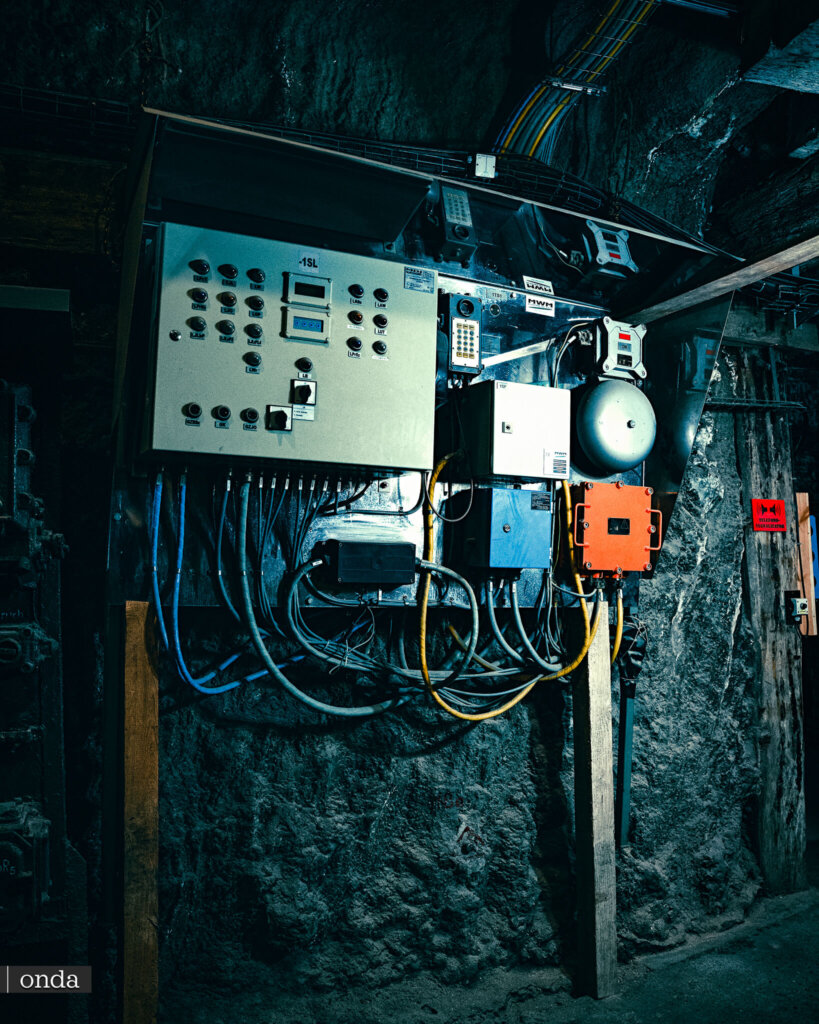
Is Wieliczka Salt Mine worth visiting?
Yes — and not only if you are “checking off the classics” around Kraków. Wieliczka is a place that combines huge historical value with a very real wow effect while visiting. You go underground and suddenly, instead of an ordinary attraction, you get a labyrinth of chambers, salt walls, former workings, underground chapels, and a story that was genuinely written here over centuries.
It is also a great attraction for different kinds of trips: a Kraków city break, a family weekend, a one-day trip around Lesser Poland, and a must-see stop on a first trip around Poland for people who want to see something more distinctive than yet another market square or castle.
If Wieliczka makes you want to discover more places for shorter trips, also take a look at the Travel section on OndaTravel. It is a good starting point if you want to combine the classics of Lesser Poland with other local ideas.
A short history of the Wieliczka Salt Mine and its most interesting episodes
The shortest answer: the story of Wieliczka begins before the deep rock-salt mine itself — first salt was obtained here from brine, and only in the 1280s did industrial extraction from the deposit begin. Then came the Kraków Saltworks, huge income for the state treasury, the growth of tourism, fires, water disasters, a wartime chapter, and the gradual transformation of the mine into a monument, museum, and health-related site.
From brine and Magnum Sal to the royal Kraków Saltworks
The story of Wieliczka begins earlier than the rock-salt mine itself. In this area, salt was first obtained from surface brines, and the old name of the settlement — Magnum Sal, or “Great Salt” — shows how strongly this place was connected with salt production from the Middle Ages onward.
The proper industrial extraction of rock salt began here in the 1280s and is linked with the sinking of the Goryszowski Shaft. The first written mention of rock salt in Wieliczka itself appears in the town’s foundation document from 1290. At the end of the 13th century, Wieliczka and Bochnia were combined into the royal enterprise known as the Kraków Saltworks, which operated in this form for nearly 500 years.
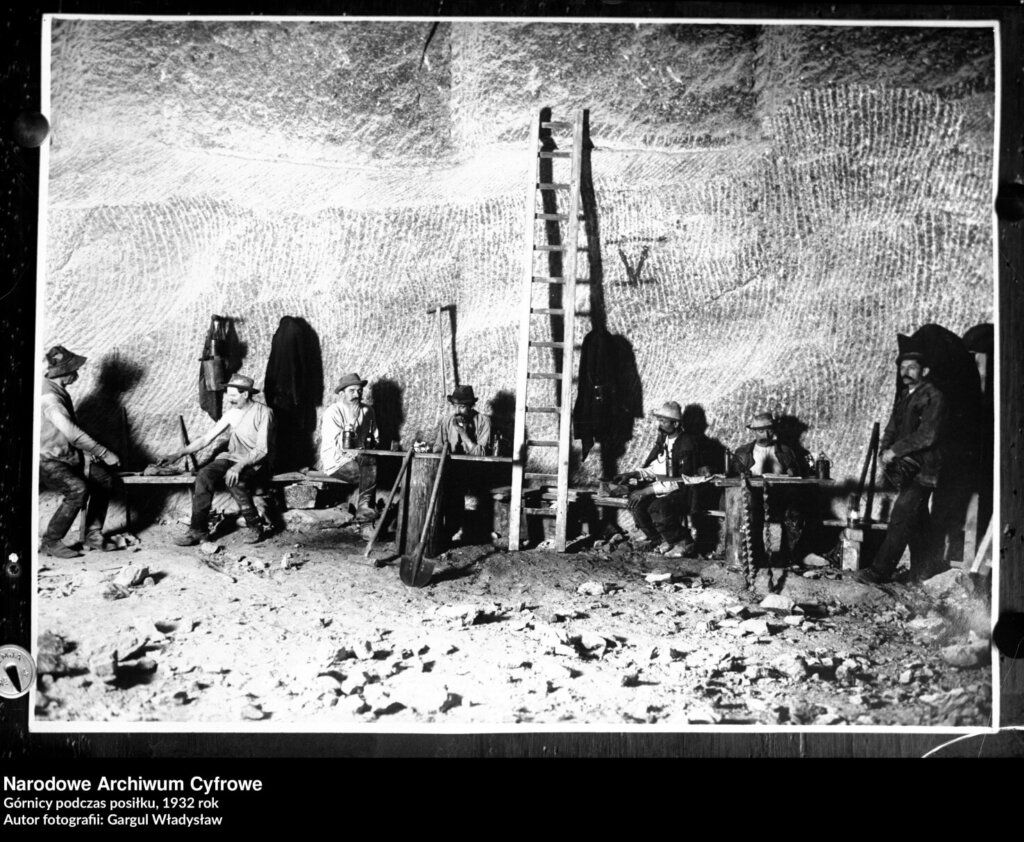
This was not an ordinary mine. Salt was one of the state’s most important resources, and in the time of Casimir the Great, income from its sale is said to have made up around one third of the royal treasury’s revenue. During the Austrian period, the mine expanded technically, became increasingly mechanised, and it was then that modern tourism also began to develop here.
After World War II, it became increasingly clear that Wieliczka’s future would no longer depend only on extraction. In 1964, rock-salt mining ended, and on 30 June 1996 the exploitation of the deposit was definitively closed. Today, the mine functions mainly as a monument, a tourist route, a museum, and a place associated with the therapeutic underground microclimate.
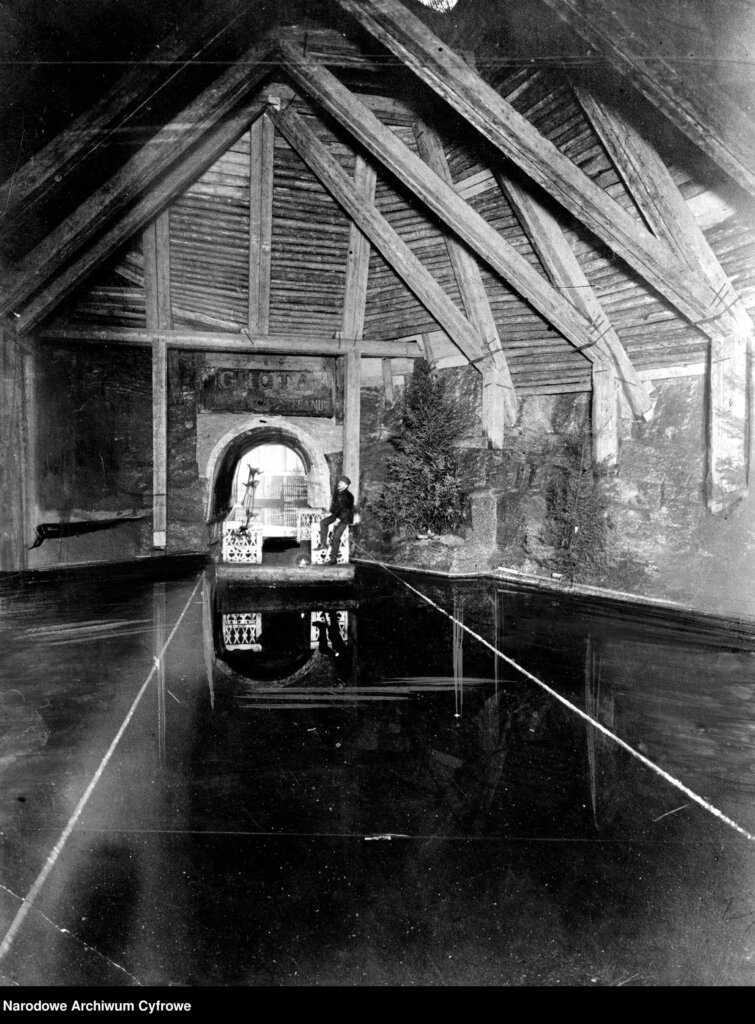
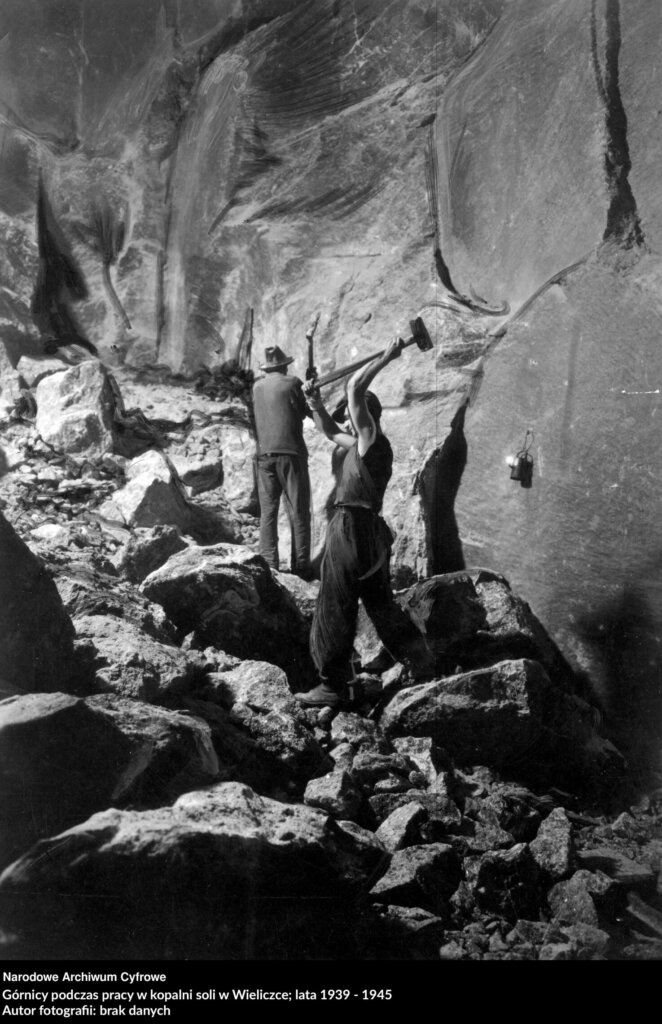
Historical curiosities that show Wieliczka from a less obvious side
- Tourism in Wieliczka has a history spanning several centuries. The first visits to the mine were recorded as early as the late 15th century, but for a long time going underground required the king’s explicit permission. Under Austrian rule, visitors’ books were introduced in 1774.
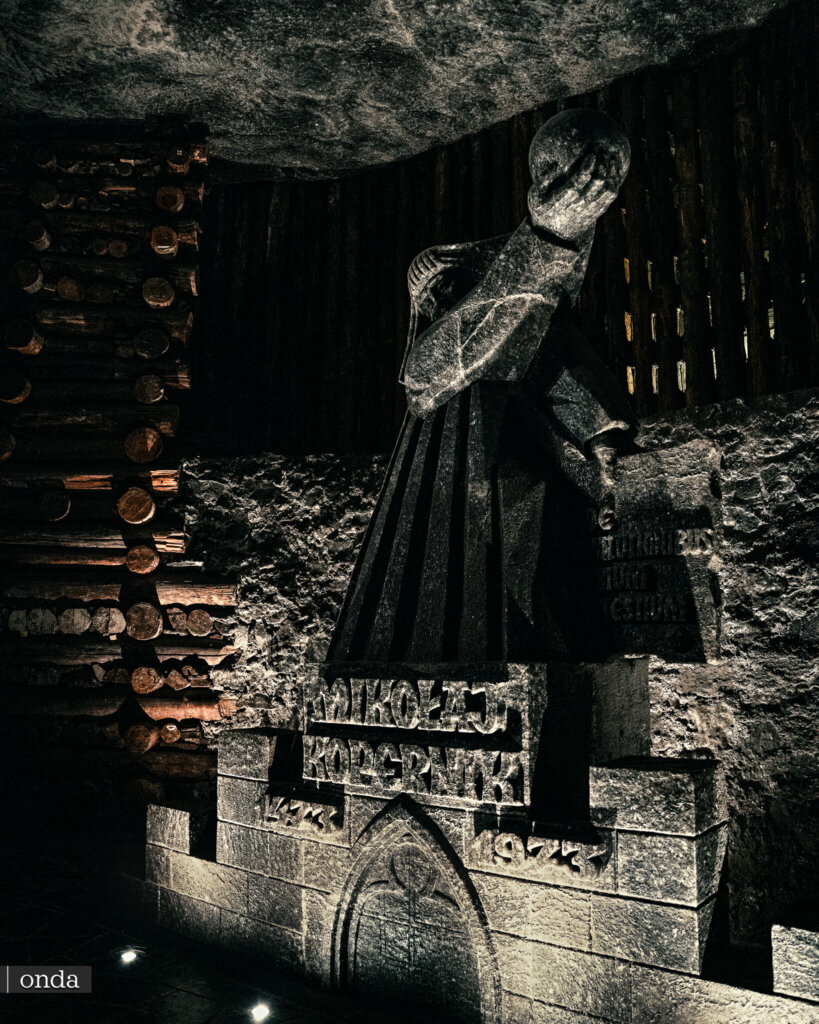
- Nicolaus Copernicus really was here. The Kraków Saltworks Museum states that he visited the mine in 1493 during his studies at the Kraków Academy. Today, a chamber bearing his name and a salt monument commemorate that visit.
- Fires were among the greatest dangers in the old mine. The fire of 1510 was remembered so strongly that Jan Matejko immortalised it. In turn, the Burnt Chamber owes its name to the real fire of 1740, which consumed the timber supports of the excavation.
- For centuries, water threatened the mine’s survival. A catastrophic inflow of fresh water in the Kloski Crosscut in 1868 began a fight against the elements that lasted 11 years. Another major crisis came in 1992, when a water inflow occurred in the Mina Crosscut.
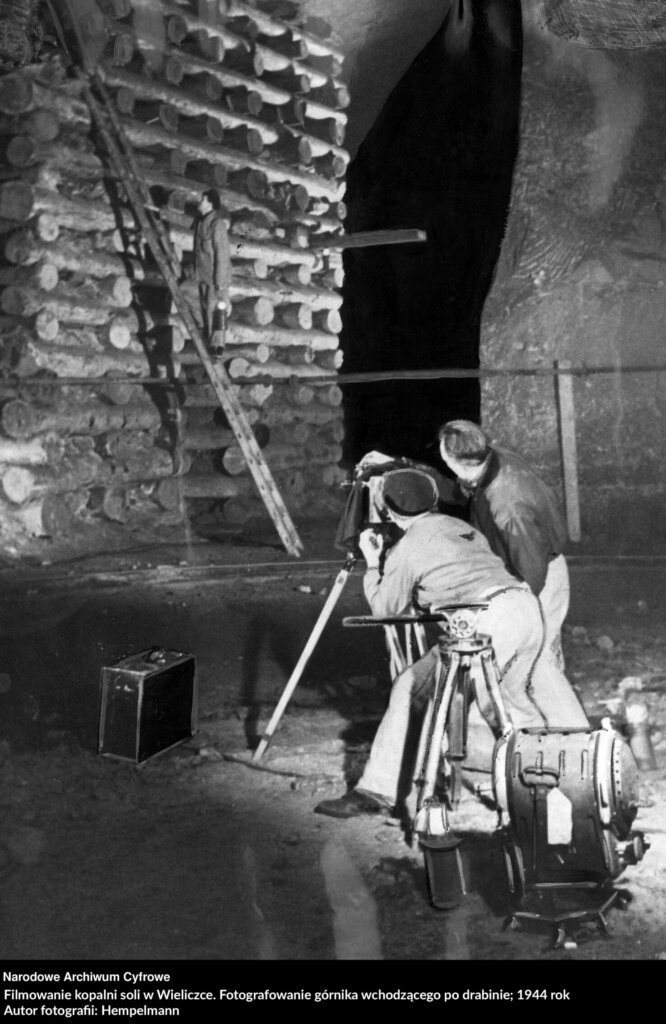
- During World War II, aircraft-related production took place underground. In 1944, a forced labour camp operated in the mine, and prisoners worked in an underground factory connected with the production of aircraft parts for the Heinkel works.
- Wieliczka also has a therapeutic history. In 1958, doctor Mieczysław Skulimowski opened an underground allergological sanatorium here, which later became the foundation of the mine’s health-related function.
- Horse-drawn work disappeared from here only in the 21st century. The last mare working underground, Baśka, was brought to the surface on 14 March 2002, ending about five centuries of horses working in Wieliczka’s excavations.
- It is one of Poland’s earliest UNESCO sites. The mine was entered into the register of monuments in 1976, and in 1978 it was placed on the first UNESCO World Heritage List.
It is exactly this historical layer that makes Wieliczka more than just a striking half-day attraction. Alongside beautiful chambers and chapels, this is a place where stories of medieval economy, mining technology, disasters, war, and the remarkable transformation of a mine into a world-class monument are hidden underground.
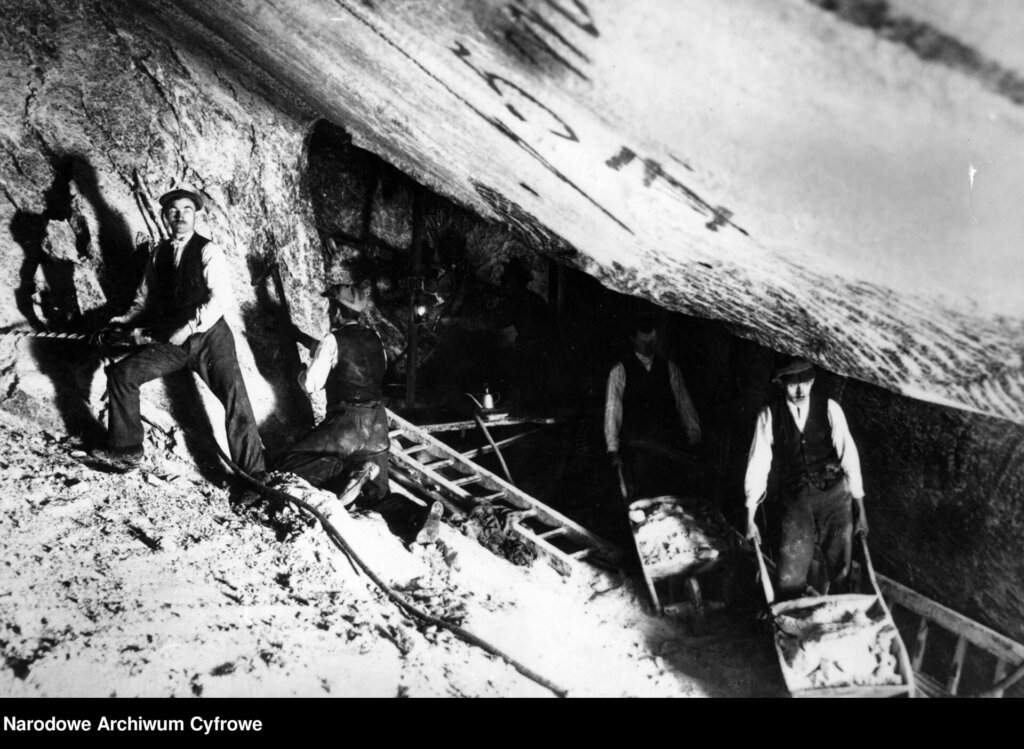
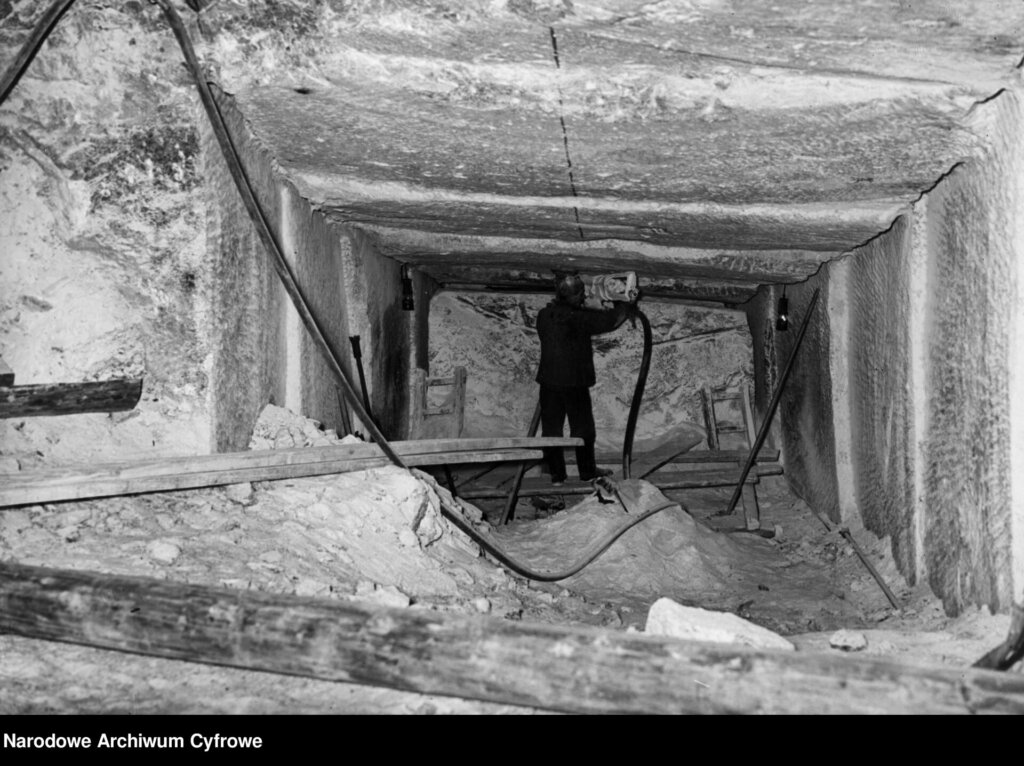
What can you see inside and what leaves the biggest impression?
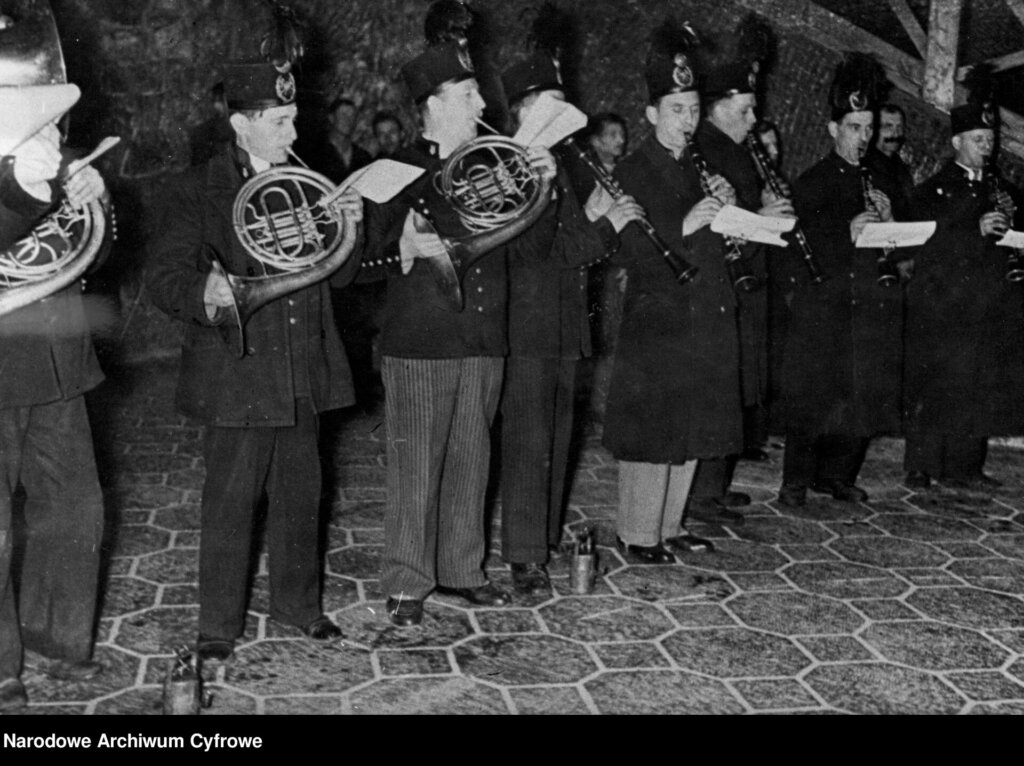
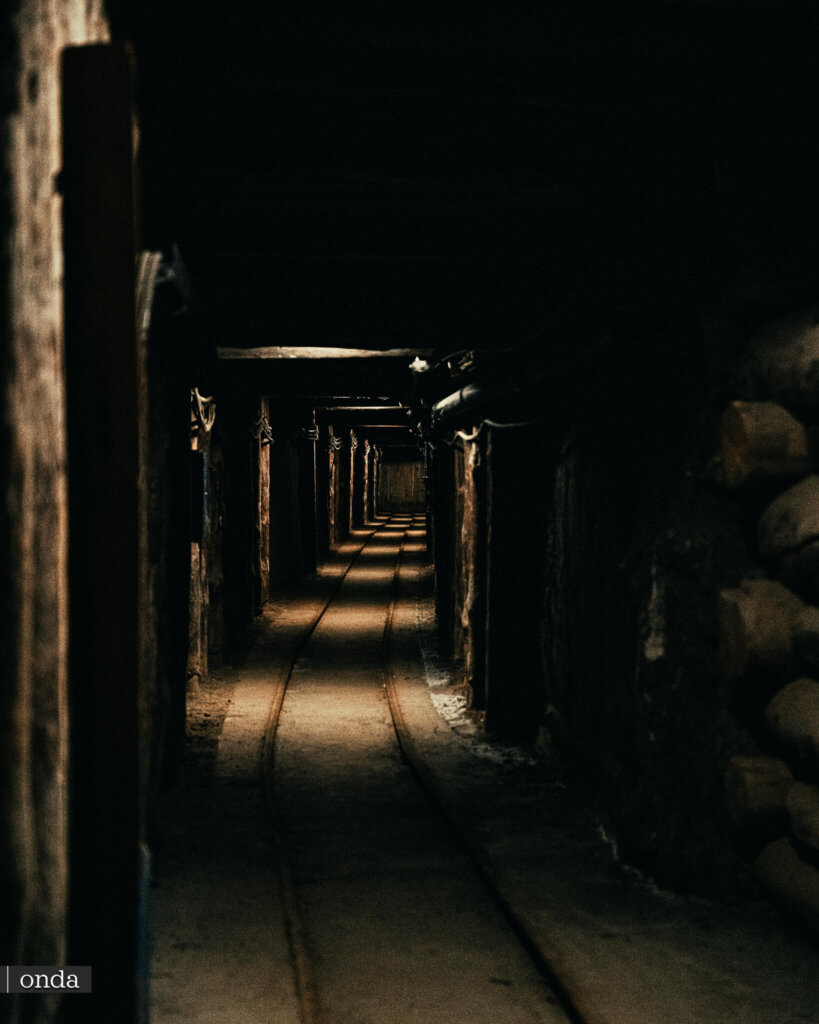
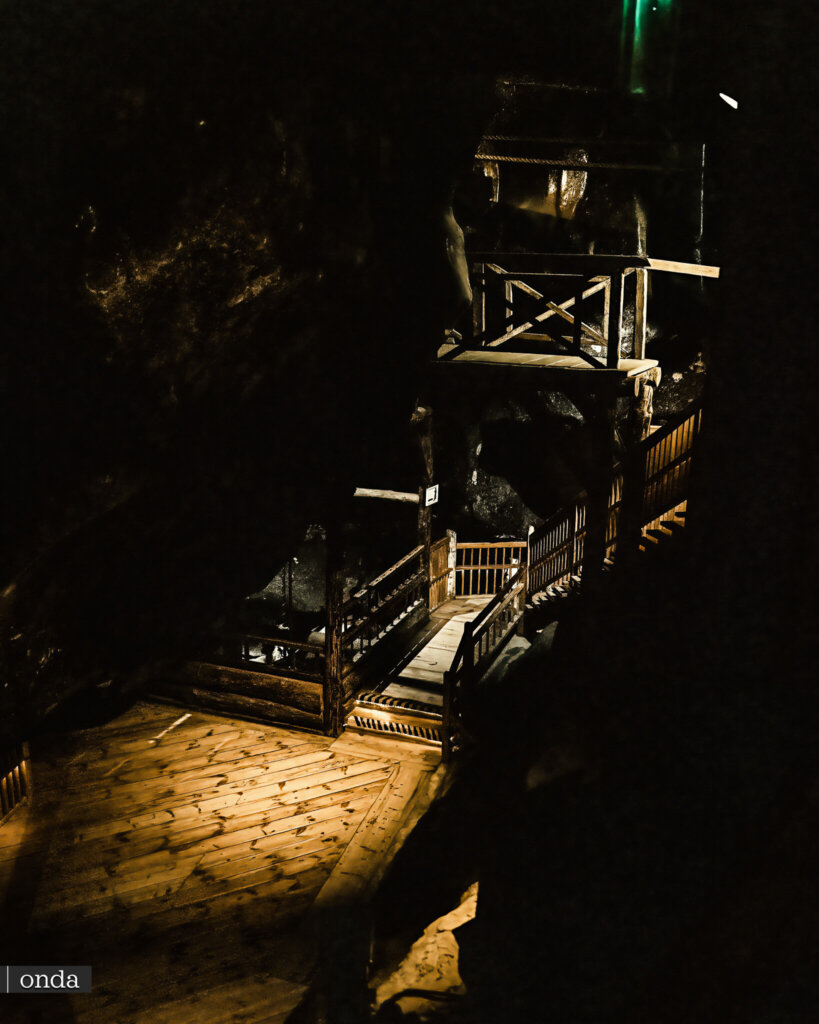
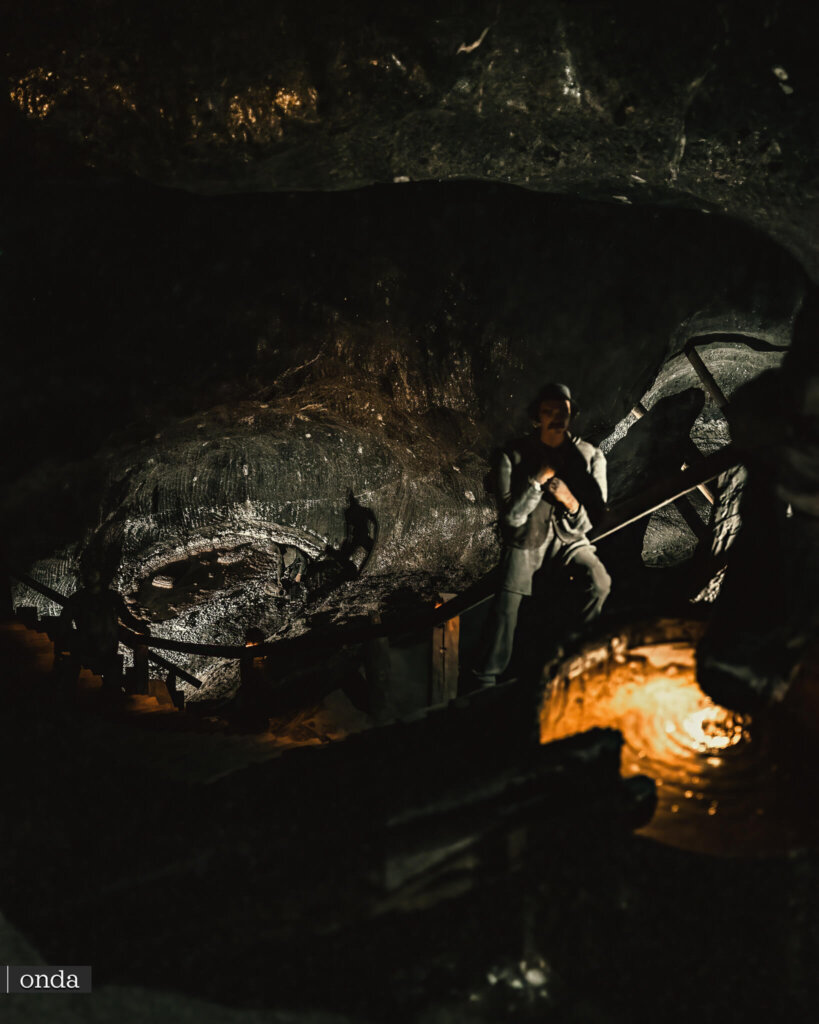
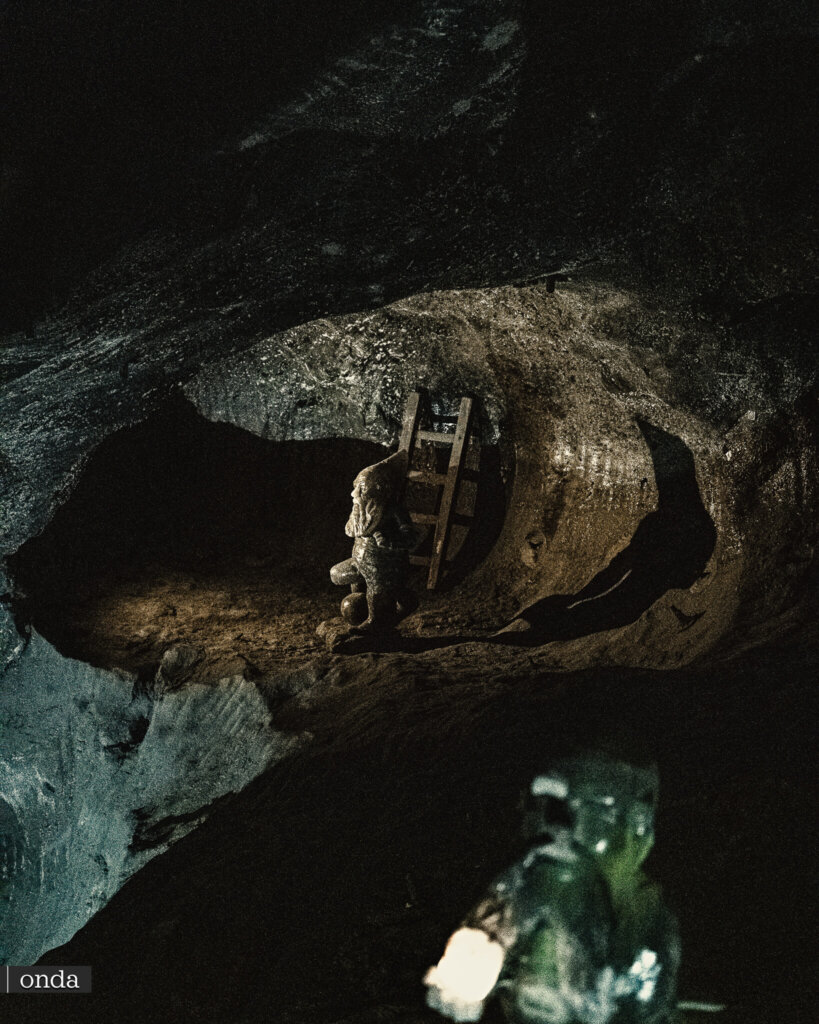
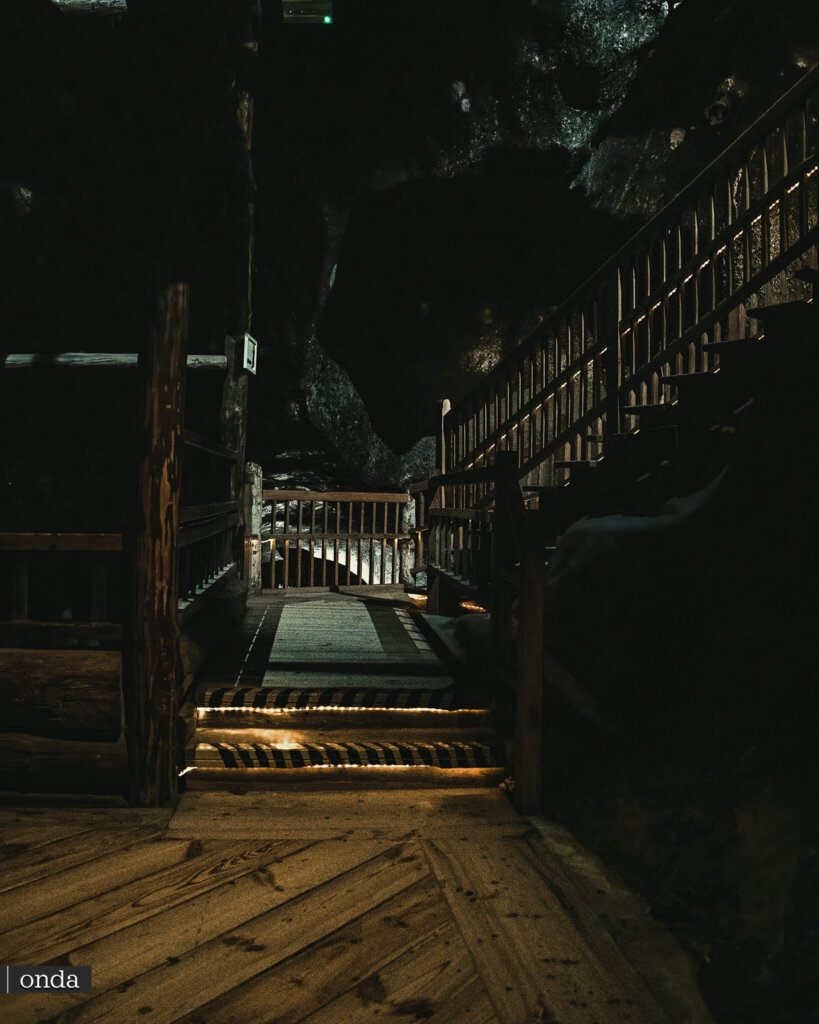
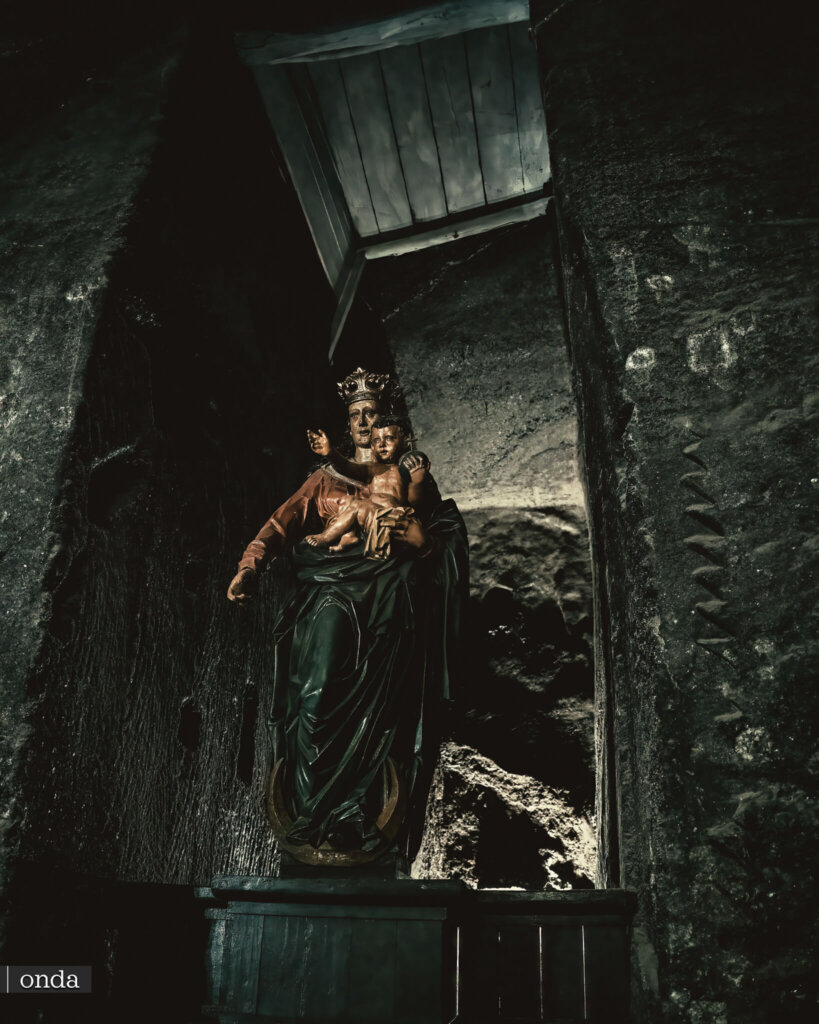
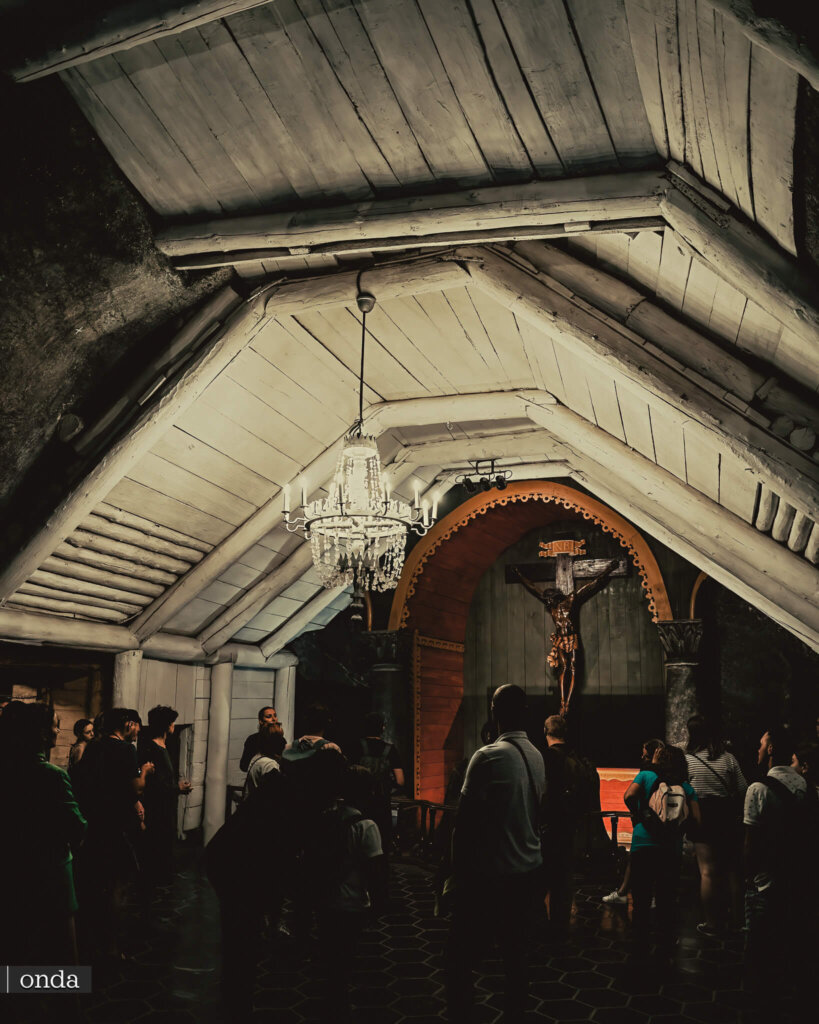
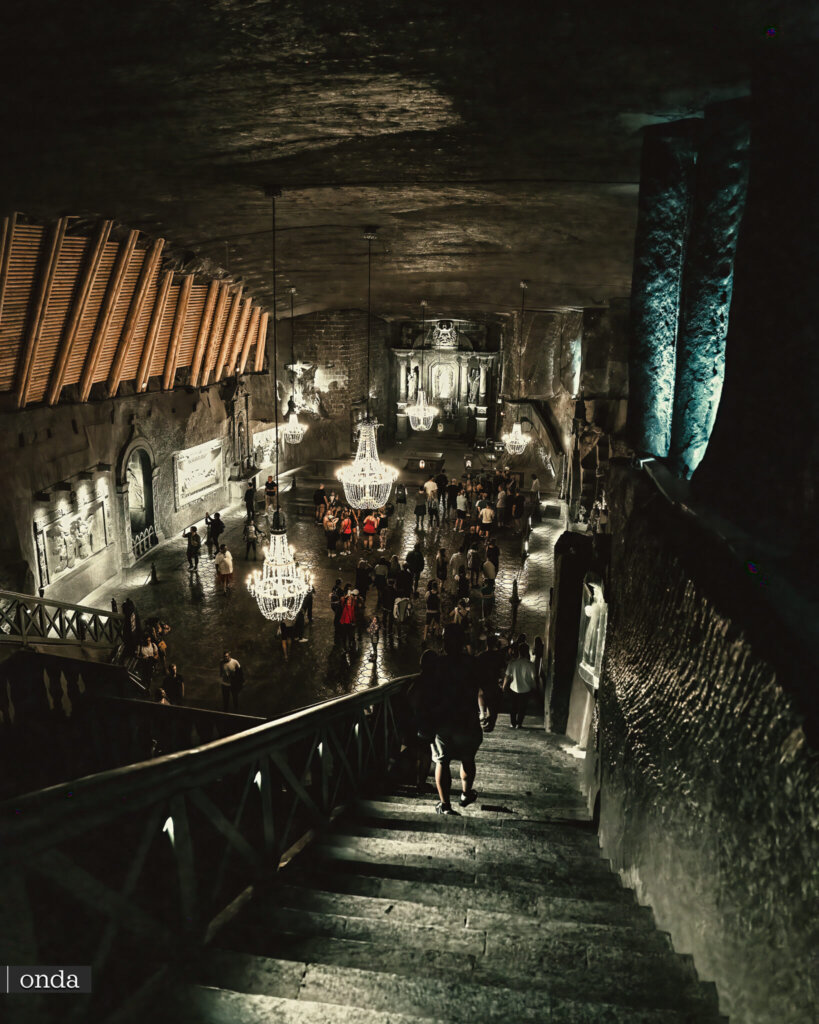
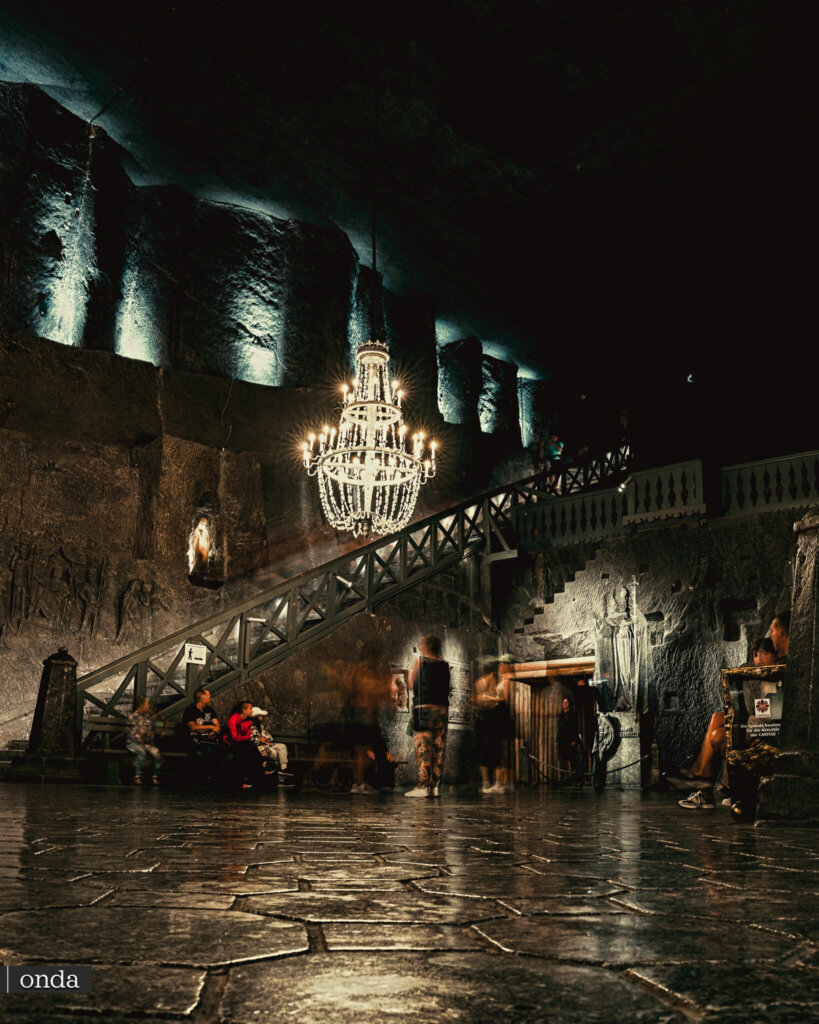
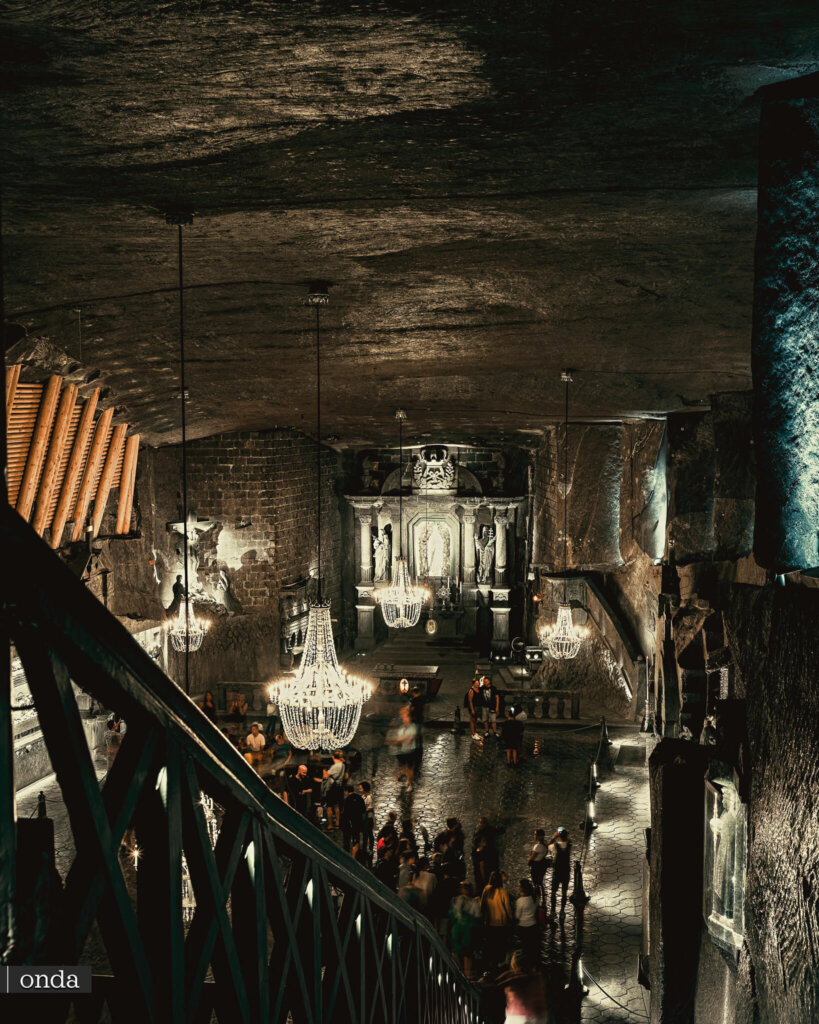
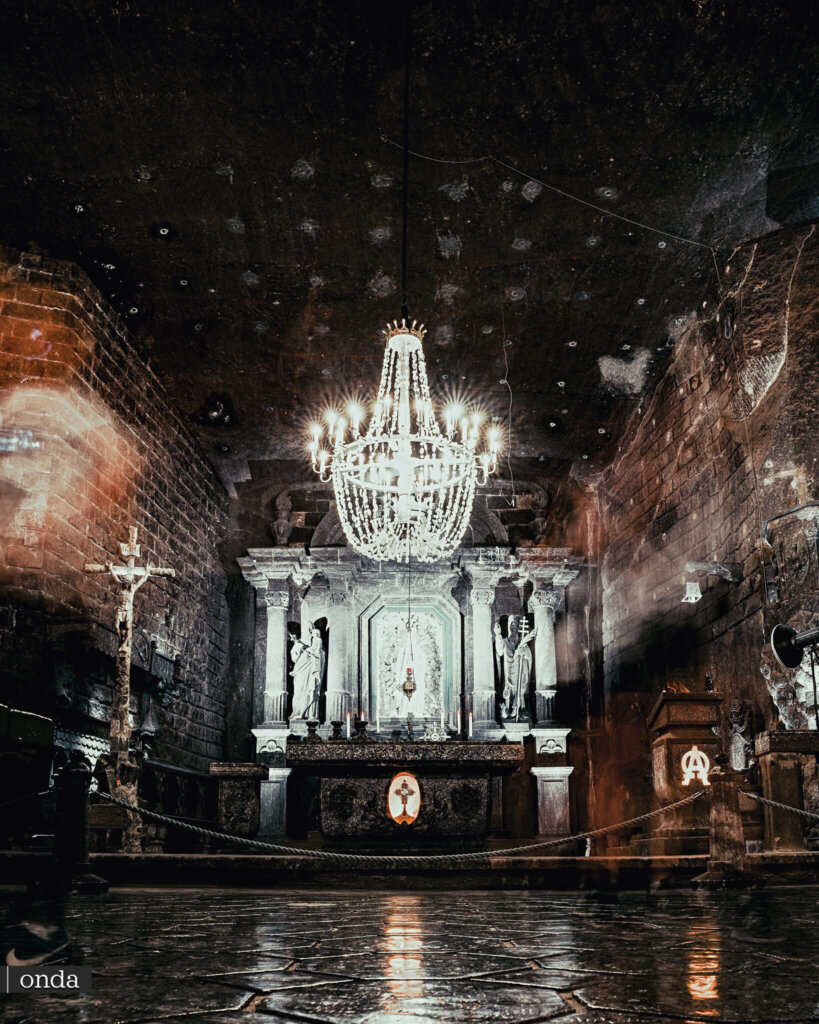
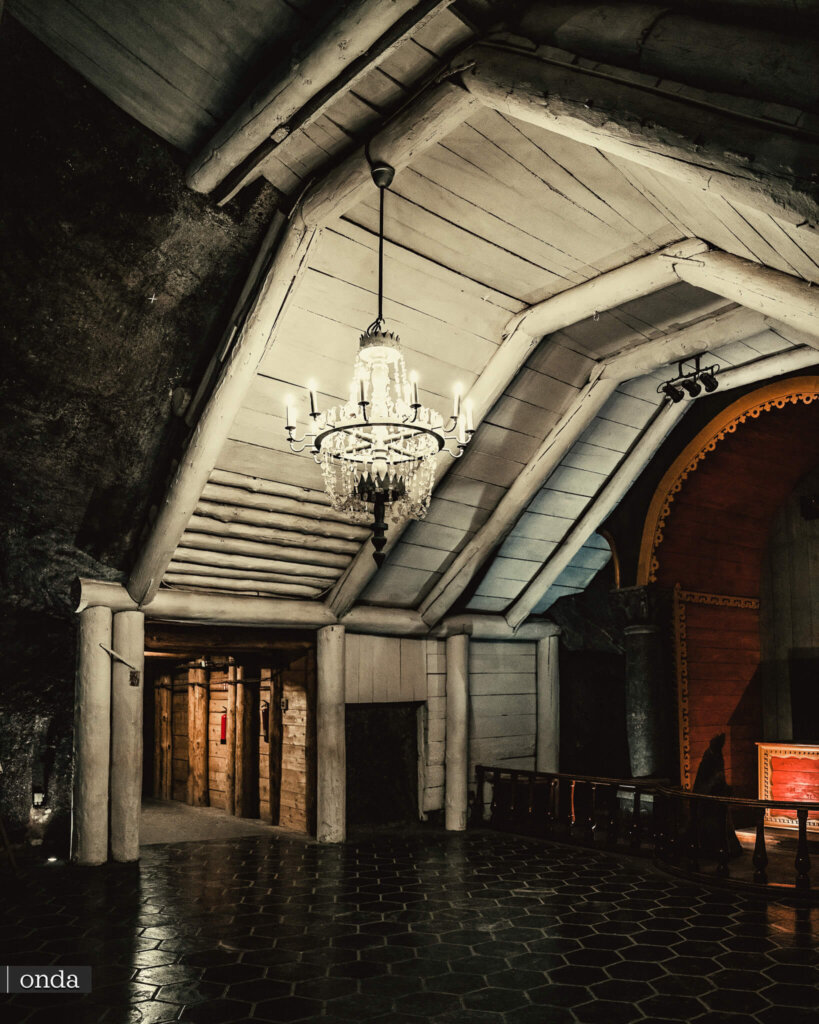
The most famous place is, of course, St. Kinga’s Chapel, but it is not worth reducing the whole mine to one Instagram photo. The strength of Wieliczka lies in its scale and atmosphere: you walk through successive corridors, go deeper and deeper, and see how a raw miners’ workplace turned into something between a technical monument, an underground city, and a gallery carved in salt.
- monumental chambers with completely different moods,
- salt sculptures and details that look very different from classic museum displays,
- underground lakes and rougher, more “mining-like” parts of the route,
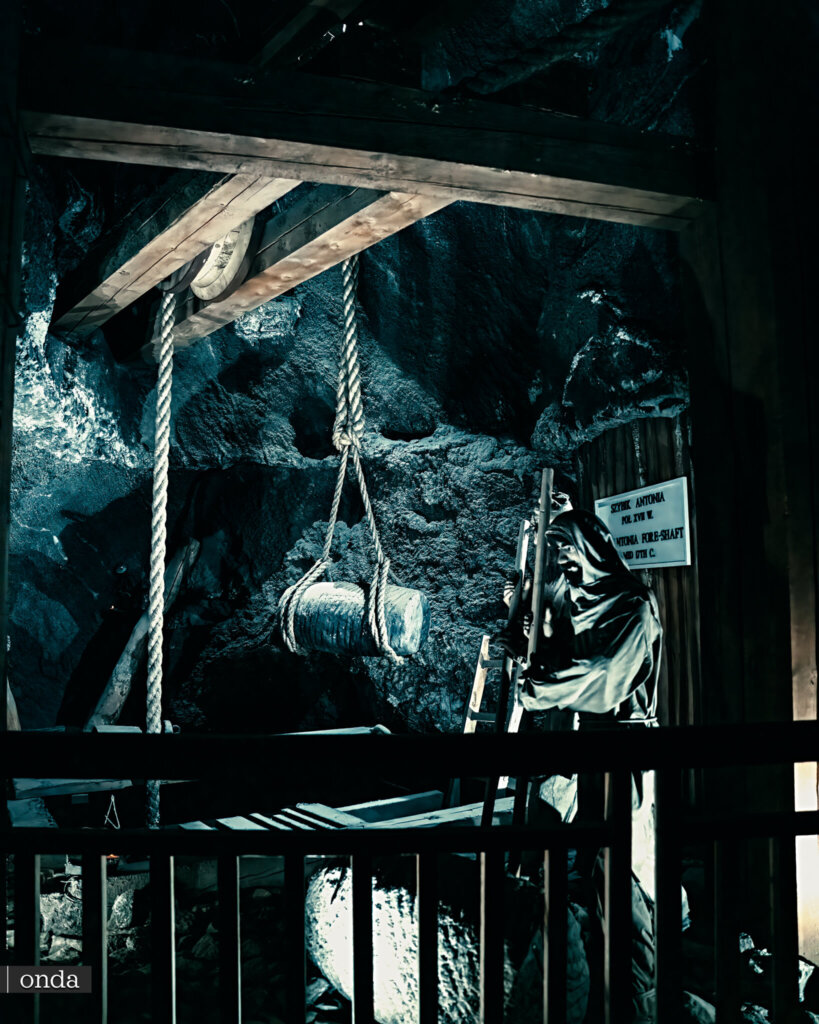
- traces of former underground work and the history of salt extraction,
- places that help explain why Wieliczka became one of the most famous monuments of industrial heritage in Poland.
That is exactly why a slower visit works so well here, without rushing “from one point to another.” It is better to go in knowing that this is not a quick 30-minute attraction, but a place that needs a moment for you to really feel it.
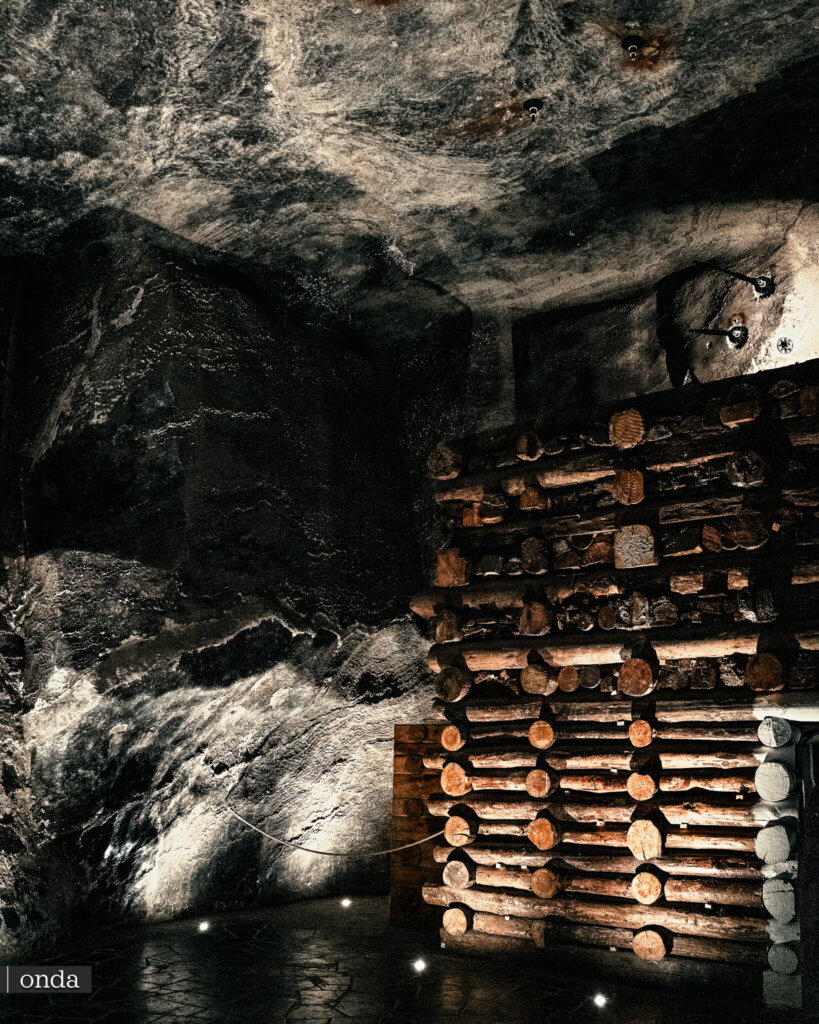
Which route should you choose: Tourist Route or Miners’ Route?
The shortest answer: if you are going to Wieliczka for the first time, choose the Tourist Route. The Miners’ Route works better when you want a more active, rougher, and less classic underground experience.
The Tourist Route for your first trip to Wieliczka
This is the best choice for a first visit. It is the route where you will see the most famous chambers and the places the “Wieliczka” Salt Mine is known for. It is for people who simply want to get to know the mine well, see its biggest highlights, and leave feeling that they have seen “the essentials.”
If you are going for the first time, with family, or you have limited time, this is the option to start with. The tour is more classic, smoother, and focused on showing the most valuable parts of the mine.
The Miners’ Route for people who want a bit more thrill
This option is for people who want something more active and less “postcard-perfect.” The atmosphere is more strongly tied to real underground work rather than only looking at the most beautiful chambers. I would recommend it to people who enjoy more engaging experiences, a slightly rougher atmosphere, and want to see the mine from a different angle.
If you are hesitating between the two routes and do not yet have any point of reference, the safest choice is simple: Tourist Route for the first visit, Miners’ Route for a later visit or for a more active experience.
My short decision guide: if you care about the classics, St. Kinga’s Chapel, and the most important sightseeing points, choose the Tourist Route. If you want to “step into the role” a bit more and feel the mine from the perspective of underground work, consider the Miners’ Route.
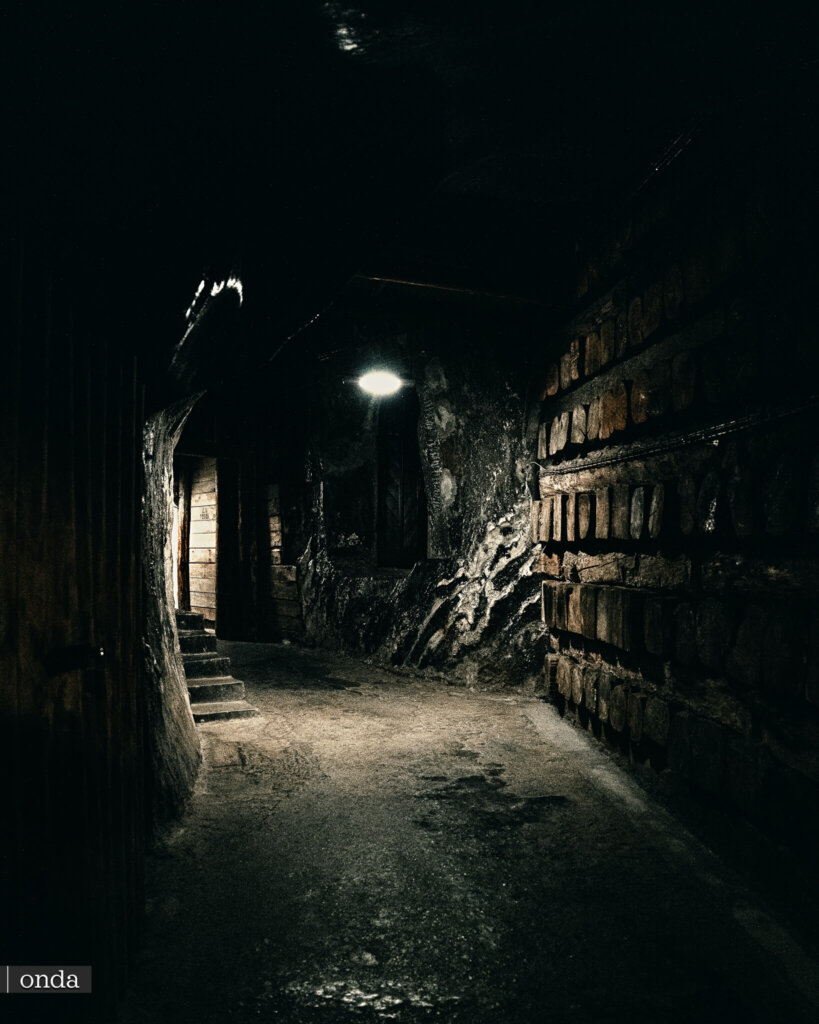
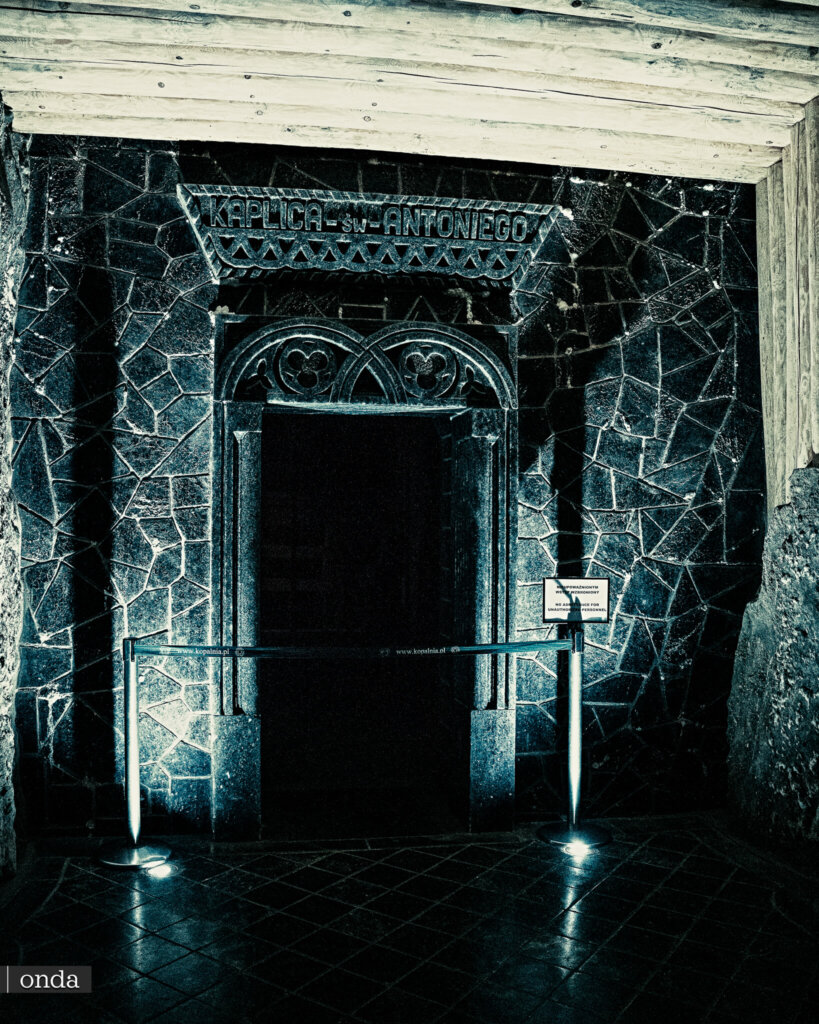
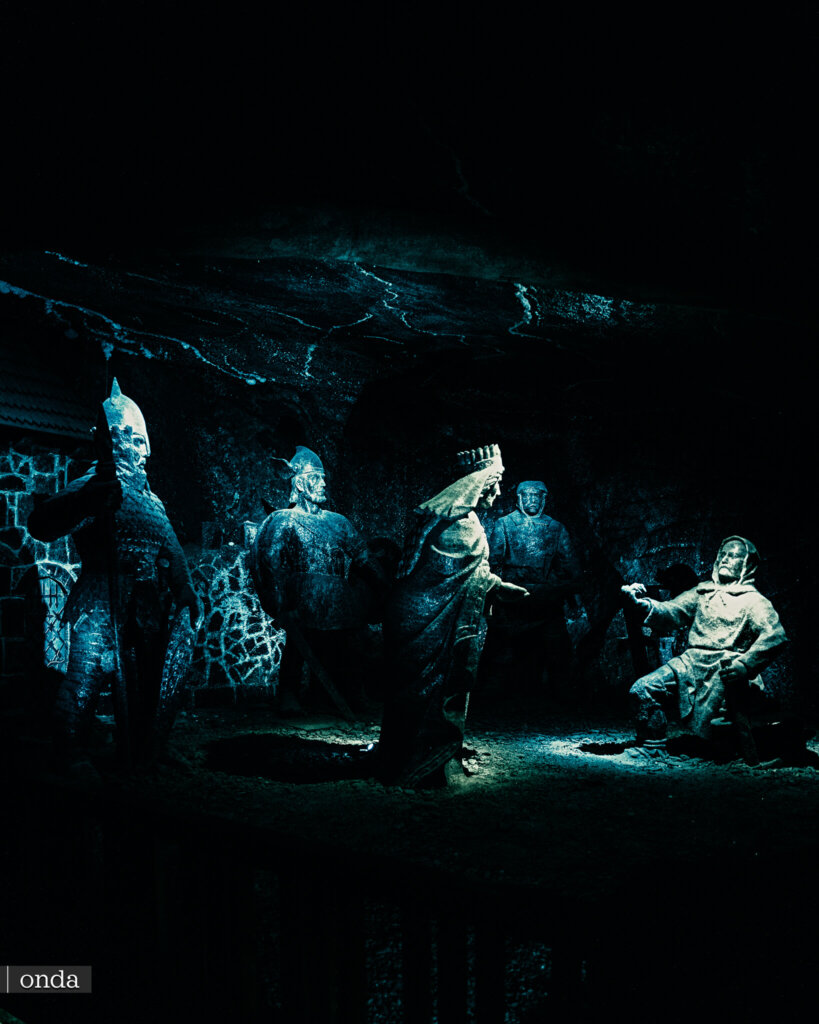


Tickets, entry times, and when to buy online
The shortest answer: tickets to the Wieliczka Salt Mine are best bought online in advance, especially for weekends, holidays, and the summer season. First choose your route, then match your entry time, and only then build the rest of your day around it.
With Wieliczka, it is not worth leaving ticket purchase until the last minute, especially if you are going on a weekend, a long weekend, during the holidays, or you want a specific entry time. It is one of the most popular attractions in Poland, which is exactly why the most comfortable plan is simple: first choose your route, then check the official entry times and buy your ticket online.
On the official mine website, you will find the current ticket prices and visiting hours as well as access to the official ticket sales page. This is the safest route, because prices, entry slots, and availability can change seasonally.
- if you need a specific entry time — buy in advance,
- if you are planning a route in a language other than Polish or English — do not wait even longer,
- if you are coming from Kraków only for half a day — set your entry time first, and only then plan the rest of your day.
This is one of those attractions where booking in advance really saves stress and helps you avoid building your whole day around “whatever was left.”
How long does the visit take, how many stairs are there, and what should you wear?
The shortest answer: for a visit to Wieliczka, it is worth allowing around 2–3 hours, wearing comfortable shoes and a light extra layer, and being ready for a descent by stairs. It is not a difficult expedition, but it is definitely not a quick “little walk” either.
This is one of the most important topics before your trip, because many people imagine Wieliczka as a “light underground walk,” while in practice you need to consider both the time and the effort. The visit itself is not extreme, but it is definitely worth arriving prepared.
- Time: for the visit itself, it is usually worth reserving around 2–3 hours, and with walking there, arriving early, and leaving afterward, comfortably more.
- Stairs: the descent into the mine starts with a long staircase, and there are quite a few more stairs along the entire Tourist Route than many people expect.
- Temperature: it is cooler underground than on the surface, so even in summer a light extra layer is useful.
- Shoes: the best choice is comfortable, stable footwear in which you can easily cover a longer distance and stairs.
The most practical rule is simple: dress in layers and do not treat this visit like a quick outing “just for a few photos.” It is regular sightseeing, but with real walking, stairs, and a few hours below ground.
If you have planning doubts, also take a look at the Travel section — it is a good place to organize practical issues before a short trip.
How do you get there from Kraków by public transport, and where should you leave the car?
The shortest answer: from Kraków, the easiest way to get to Wieliczka is by train to Wieliczka Rynek Kopalnia station or by bus 304 from the Dworzec Główny Zachód stop. Driving is also convenient, but on busy dates it is better to arrive early and choose your parking area for the correct entrance right away.
The “Wieliczka” Salt Mine is very close to Kraków, which is why it works perfectly even as a half-day trip. You can get there by car, public transport, or combine the visit with an overnight stay in Kraków and a quick trip in the morning.
Train from Kraków Główny to Wieliczka Rynek Kopalnia station
This is the most convenient option for many people staying in Kraków. The official mine website says that the best way is to board at Kraków Główny and get off at Wieliczka Rynek Kopalnia station. From the station, you can walk to the mine in a few minutes, so it is a very convenient option if you do not want to worry about traffic or parking.
Bus 304 from central Kraków to the Wieliczka Salt Mine
Another practical option is bus 304. According to the official mine directions, you should board at the Dworzec Główny Zachód stop near Galeria Krakowska. Get off at Wieliczka Kopalnia Soli if you are heading to the Daniłowicz Shaft, or at Wieliczka Rynek if you are going to the Regis Shaft. In this case, buy an agglomeration ticket covering zones I and II.
Car and parking by the mine entrance
If you are going by car, two things are key: leave early enough and do not leave the parking decision until the last minute. The official mine map points to two main parking lots: Parking 1 “Graduation Tower” and Parking 2 “Daniłowicz” by the shaft itself. For most people, the most convenient approach is to choose parking only after checking which entrance your tour starts from.
If you are travelling by train or public transport, the easiest approach is to set your entry time first and only then choose your connection. Before you leave, it is best to check the official map and access directions as well as the current timetable of connections from Kraków.
A good rule? Be there with some time to spare. Wieliczka is not the kind of attraction you want to reach exactly “at the last minute,” because the journey itself, the walk to the entrance, getting your bearings on site, and any queue can eat up more minutes than you expect.
Is it worth going to Wieliczka with kids, and how should you plan it?
The shortest answer: it is worth going to Wieliczka with kids, but it works best when you choose the route according to the child’s age and patience. For many families, the classic Tourist Route or the On the Trail of Legends option works best, because it engages younger visitors more easily.
Yes, but it is best to plan this visit consciously. For older children, Wieliczka can be a genuinely great adventure — there is scale, atmosphere, legends, going underground, and places that look very different from “ordinary monuments.” For younger children, the pace of the visit, the total duration, and whether the chosen format will keep them engaged become more important.
A very interesting option for families is the On the Trail of Legends programme, which leads through the main highlights available on the Tourist Route, but does so in a format that is more child-friendly. If you are planning Wieliczka with a younger child and you do not want it to feel like a long march from chamber to chamber, this is the variant worth checking first.
In practice, it is best to answer one question: will your child be more excited by the very idea of going underground and a “big adventure,” or do they need an extra element of story and engagement? That really determines whether you will leave Wieliczka delighted or feeling that the day was a bit too long.
Graduation Tower — is it worth adding to your plan?
The shortest answer: the Graduation Tower is a good addition to your day in Wieliczka if you have more time and want a calmer finish after coming out of the mine. If your schedule is tight, it is better to focus on the mine visit itself first.
If you have a bit more time and do not want to end your visit the moment you take the lift back to the surface, the Graduation Tower is a very sensible addition to a day in Wieliczka. It is not a “must-see” for everyone, but it rounds off the visit well — especially if you want to slow down after the tour or you are travelling with someone who prefers calmer attractions.
The most sensible scenario looks like this: first the main mine tour, then a calmer part of the day on the surface. That way you are not squeezing everything in by force and trying to cram too many points into one time block.
If you want a calmer end to the day, the Graduation Tower can be a good addition to the visit. If your plan is tight and you are heading straight back to Kraków or moving on, focus on the mine itself and do not try to squeeze everything in at once.
How should you plan a visit to Wieliczka without chaos or rushing?
The shortest answer: buy your ticket online, arrive earlier, choose one main route, and do not stack too many other attractions onto Wieliczka on the same day. This place works best when you give it a calm 2–3 hours and a bit of organisational buffer.
The biggest mistake is treating Wieliczka like a “quick stop on the way.” This attraction works best when you give it enough time and do not attach five other places to the same day.
- Minimum version: arrival, Tourist Route, relaxed return.
- Comfortable version: arrive with time to spare, tour the mine, grab something to eat, then take a short walk nearby or visit the Graduation Tower.
- Family version: choose the option that engages children the most, keep a slower pace, and do not pile on extra attractions the same day.
If I had to recommend the simplest plan for most people, it would look like this: buy your ticket online, arrive earlier, choose the Tourist Route, wear comfortable shoes, leave yourself a time margin, and do not try to turn Wieliczka into a “quick attraction between breakfast and lunch.” That is when this place shows its best side.
It is also worth remembering that Wieliczka works very well with a stay in Kraków, but it does not have to be just an “add-on.” It can easily be one of the main points of the day — and that is usually when it leaves the best impression. If you are planning more shorter getaways afterward, also take a look at the Travel section, where I collect more ideas for future routes and trip plans.
FAQ: the most common questions before your visit to Wieliczka
How long does a visit to the Wieliczka Salt Mine take?
In most cases, it is worth allowing around 2–3 hours for the tour itself, plus extra time for getting there, arriving early, and leaving calmly after the route ends.
Which route should you choose for a first visit?
For a first trip, the safest choice is the Tourist Route. It is the route that shows the most famous and most important places in the mine, including the ones most people associate with Wieliczka.
Is it worth buying Wieliczka tickets in advance?
Yes, especially on weekends, during holidays, and when you want a specific entry time. The easiest option is to check the current prices and availability on the official mine website and buy your ticket online.
How many stairs are there, and do you need to be in good shape?
The visit starts with a long descent by stairs, and there are many more along the full route. It is not an extreme activity, but it is worth wearing comfortable shoes and being ready for a few hours of movement.
Is the Wieliczka Salt Mine suitable for children?
Yes, but it is best to match the type of visit to the child’s age and temperament. For families, a particularly interesting option is the On the Trail of Legends programme, which takes you through the key places in a more engaging format.
Is it worth combining the mine with the Graduation Tower?
If you have a little more time, yes. The Graduation Tower rounds off the visit nicely and works well as a calmer end to the day, but with a very tight schedule it is better to focus on the mine itself first.
If after Wieliczka you want to line up more ideas for future trips, I am leaving a few broader directions from OndaTravel.pl at the end as well. First, you will find Polish inspirations, and below them larger country and topic hubs you can jump into when planning your next routes, city breaks, or road trips.


Cześć, tu Krystian „dziadzia przewodnik” z OndaTravel.pl!
Północ to moja największa pasja, ale świat jest zbyt piękny, by zamykać się w jednym klimacie. Na moim blogu łączę surowość Islandii i Norwegii z egzotyczną energią Tajlandii czy Wietnamu, pokazując Ci, jak podróżować autentycznie, z pasją i aparatem w ręku.
Co znajdziesz na OndaTravel.pl?
Wartość wizualna: Jako fotograf i filmowiec nie tylko opisuję miejsca – ja przenoszę Cię tam za pomocą profesjonalnych kadrów i video.
Ekspert od Północy: Gotowe plany roadtripów po Islandii i Norwegii, patenty na budżetowe zwiedzanie i mój autorski radar zorzy polarnej.
Podróże śladem kina: Tropiciel lokalizacji filmowych – od mroźnych scen w Interstellar po tropikalne kadry światowego kina.
Nowy kierunek: Egzotyka: Uwielbiam kontrast, dlatego na blogu pojawia się coraz więcej praktycznej wiedzy o Wietnamie i Tajlandii. Pokazuję, jak odnaleźć się w Azji Południowo-Wschodniej i wrócić z niej z najlepszymi wspomnieniami.
p.s. zapraszam na moje profile


Read also / next
Pomerania
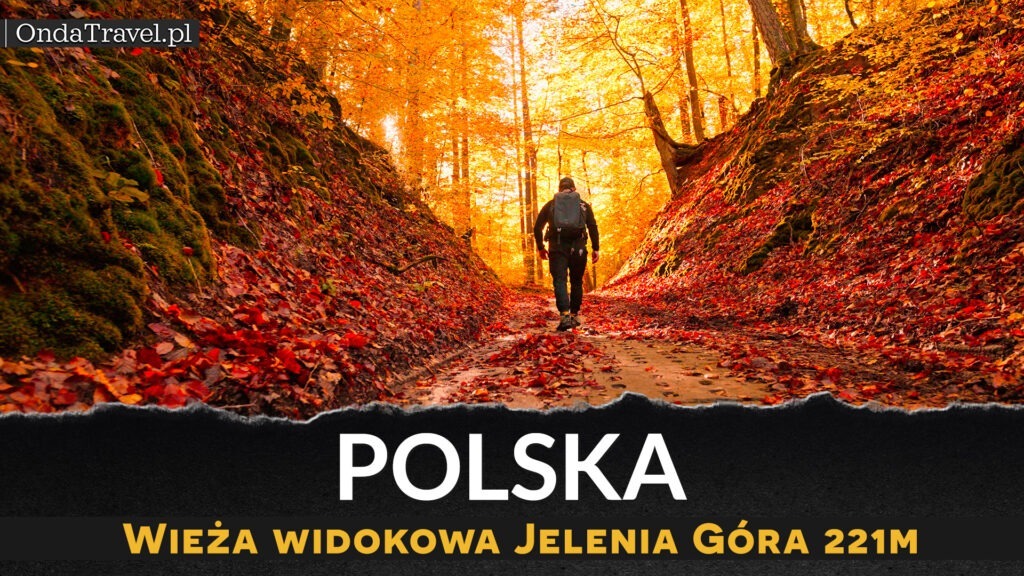
Jelenia Góra and the Paraszyńskie Gorges — a forest walk and a viewpoint
This is a good counterweight to Wieliczka: instead of going underground, you get forest, gorges, and a viewing tower. If you like shorter trips around Poland built around a specific walk, this post is worth saving for later.

Iceland
Iceland — guides, routes, and attractions for a first trip
If after Poland you are planning something rawer and more scenic, start with my Iceland hub. You will find ready-to-use routes, regions for a first road trip, and direct paths to the key places — from Reykjavík to the Golden Circle and the South Coast.

Norway
Norway — guides, routes, and ideas for a northern road trip
If you like combining nature, a route, and a clear travel plan, also check out the Norway hub. It is a good starting point for road trips, trekking, and more northern guides.

Travel
Travel — the main hub of routes, guides, and ready-made plans
If you simply want to jump into the bigger map of all directions on the blog, this hub will be the best starting point. From here, you can move on to countries, regions, and specific guides.
Wieliczka Salt Mine is not a place you “tick off” in a rush. If you plan your entry time well, choose the right route, and give yourself some time for a calm visit, it may easily become one of the strongest points of your whole trip to Kraków and Lesser Poland. And when you are planning more shorter getaways, also check more inspiration in the Travel section.

