
Cyprus – The Best Places to See in 7 Days
Cyprus – The Best Places to See in 7 Days
The Island of Cyprus – The Best Places to See in 7 Days
Guide to the most interesting places on the island – travel blog
Hi! In my latest video, I took you on a journey across this magical island, showing its hidden treasures – from turquoise lagoons to ancient ruins and picturesque vineyards.
The video has no narration; treat it as a screensaver filled with beautiful locations. Just play it and drift away into the landscapes. 😉
Today, I want to share the details about the places I visited. Each of them has its own unique charm, and I’ll walk you through them step by step: their location, how to get there, their history, and a few curiosities that will make you want to pack your bags immediately. Cyprus is not just beaches—it’s also history, nature, and flavors that inspire creativity. Enjoy the read!
Top 20 places to see in Cyprus – Cyprus travel blog


Spis treści


What is prohibited in Cyprus
Cyprus restrictions
It is forbidden to bring or possess: narcotics and psychotropic substances; firearms, ammunition, “flick-knives” and daggers; counterfeit or pirated goods (e.g., clothing, recordings, products with fake trademarks); obscene materials — books, photos, films, magazines, etc.
It is also forbidden to bring, without a permit: raw meat and fish, dairy products; toxic or biological chemicals; goods from countries under embargo; endangered species of flora and fauna without appropriate certificates
Holidays in Cyprus – what’s the weather like throughout the year?
A holiday in Cyprus guarantees sunshine and beautiful views all year long. If you’re wondering what the Cyprus weather is like and when it’s best to plan your trip, here’s a short overview:
Spring (March–May)
- Temperatures: approx. 17–25°C
- Weather: lots of sunshine, blooming fields, pleasant climate without heat.
- Best for: sightseeing, hiking, and relaxed beach days.
Summer (June–August)
- Temperatures: 30–38°C, and up to 40°C on the hottest days.
- Weather: very dry and hot, practically no rain.
- Highlight: warm sea (25–28°C), guaranteed sunshine every day.
- Note: July and August can be extremely hot – best for those who love heat and beach life.
Autumn (September–November)
- Temperatures: September 28–32°C, dropping to 20–24°C in November.
- Weather: still plenty of sunshine, the sea stays warm even until November.
- Best for: combining beach time with sightseeing; fewer tourists than in summer.
Winter (December–February)
- Temperatures: 12–18°C during the day; cooler in the mountains; nights around 8–10°C.
- Weather: the highest rainfall of the year, but still many sunny days.
- Fun fact: In the Troodos Mountains, there is even a small ski resort operating in winter.
When is the best time to visit Cyprus?
- For beach time and swimming: June, September, October (warm but not extremely hot).
- For sightseeing and activities: spring (March–May) and autumn (October–November).
- Avoid: July–August if you don’t like extreme heat.

Where is Cyprus Located
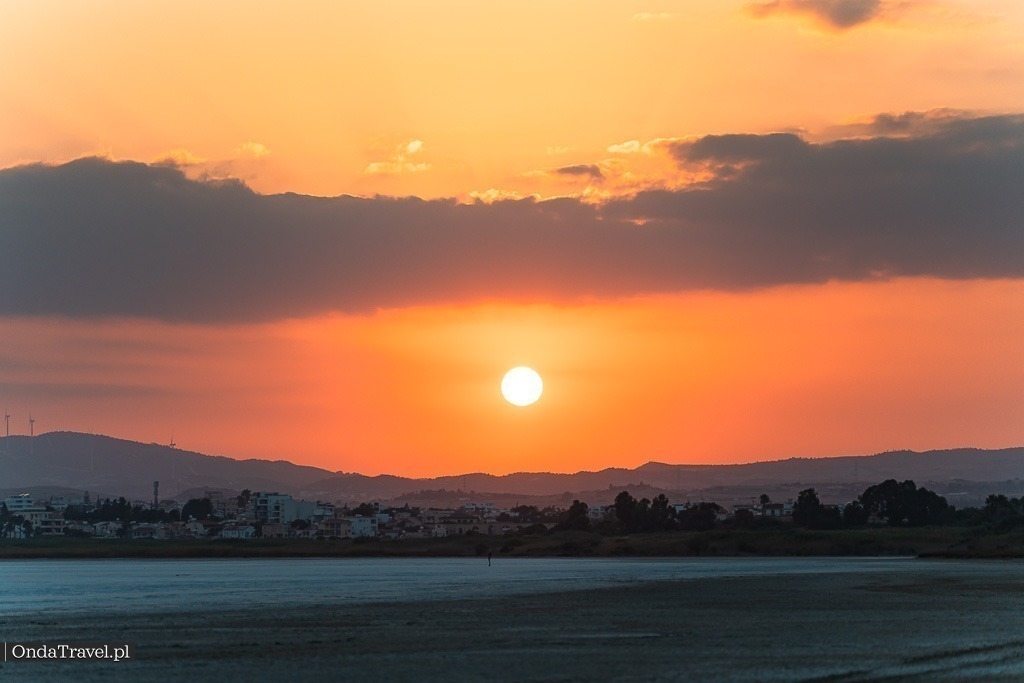
Cyprus is an island in the southeastern Mediterranean Sea, located at the intersection of three continents: Europe, Asia, and Africa. The capital of Cyprus is Nicosia.
To Whom Cyprus Belongs:
Cyprus is formally a sovereign state—the Republic of Cyprus, independent since 1960. However, the island is de facto divided—the southern part is controlled by the legal government of the Republic of Cyprus, and the northern part by the Turkish Republic of Northern Cyprus (recognized only by Turkey).
Cyprus Maps – What to See in Cyprus
To make it easier for you to plan your trip, I have prepared a map on which I have marked all the attractions mentioned in this blog about Cyprus. This is a true guide to the most interesting places on the island of Cyprus—here you will find picturesque beaches of Cyprus, as well as monuments, charming towns, and scenic viewpoints. If you are wondering what to see in Cyprus
What to See in Cyprus: A Guide to the Most Interesting Places on the Island. Cyprus Attractions. What to See in Cyprus. Cyprus Beaches
Blue Lagoon – Ayia Napa – Cyprus
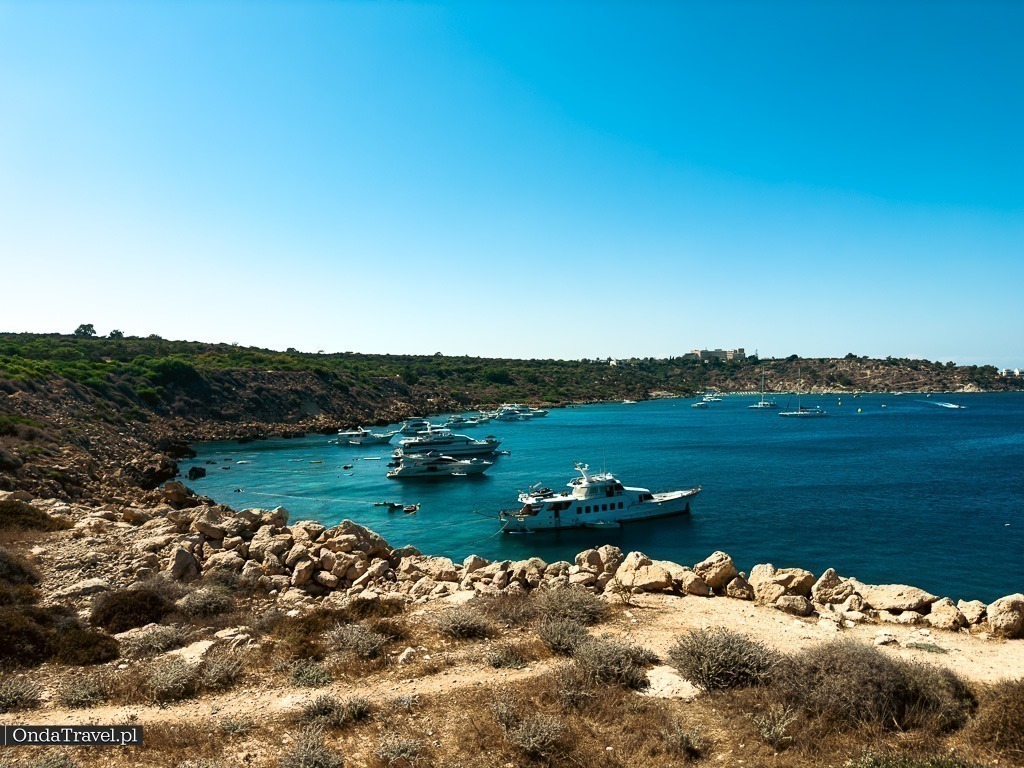
Location: Blue Lagoon is a picturesque bay with crystal-clear water in turquoise shades, located on the Cape Greco peninsula, on the eastern coast of Cyprus, near Ayia Napa and Protaras. It is surrounded by rocks and a small white sand beach.
Getting There: The easiest way to get here is by car from Ayia Napa (approx. 10–15 min drive on the road towards Protaras). You can also take bus number 101 or 102 (ticket approx. €1.50, get off at the Kavo Gkreko stop and walk approx. 1 km). Boat trips from the port in Ayia Napa are popular (approx. €10–20 per cruise).
History of the Place: The bay is part of the Cape Greco National Park and has attracted sailors for centuries due to its natural shelter. In antiquity, the area was associated with the cult of Aphrodite, and the name “Blue Lagoon” comes from the color of the water, although it is also locally called simply the bay in Ayia Napa.
Interesting Facts: The water is so clear that you can see the bottom up to 10 m deep—perfect for snorkeling, where you can spot sea turtles.
Cyprus Blog – The Most Beautiful Beaches in Cyprus – Island Guide – What to See in Cyprus


Profitis Elias Church – Protaras – Cyprus
Profitis Elias Church – Προφήτης Ηλίας – Paralimni
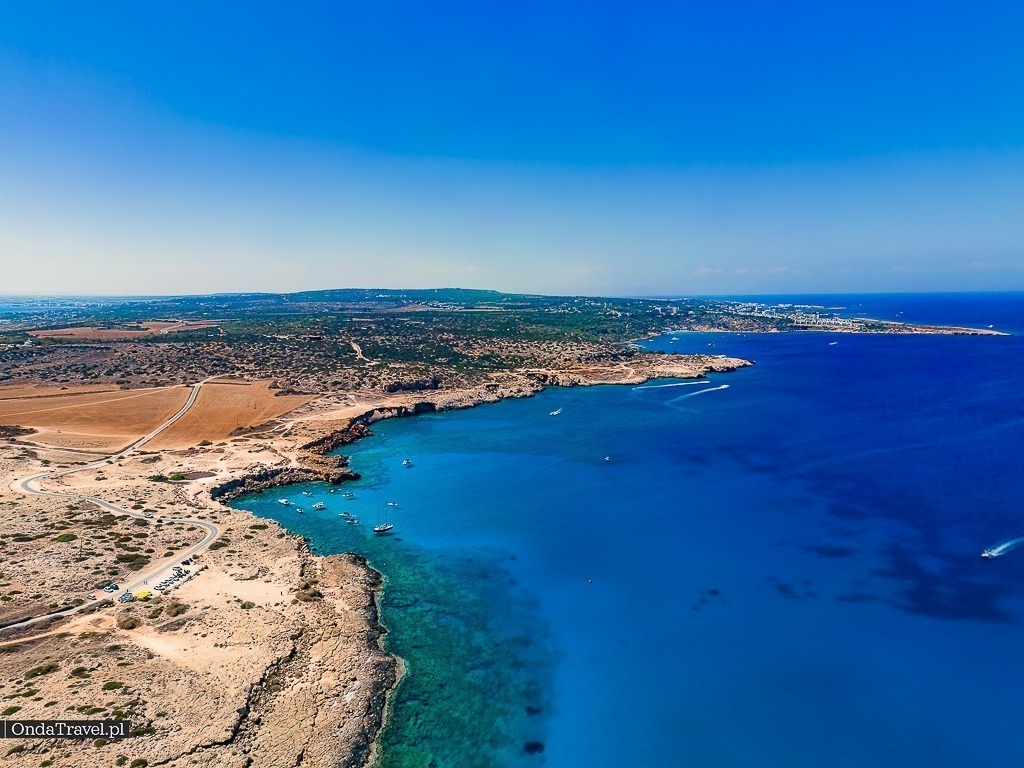
Location: Profitis Ilias is a small, white church on a hill about 100m high, with panoramic views of Protaras and the sea. It is located on the outskirts of Protaras, on the eastern coast of Cyprus.
Getting There: From Protaras, it’s about a 15-minute walk up 150 stairs. By car from Ayia Napa (approx. 10 km) via road E327, parking at the foot of the hill is free. Buses no. 101/102 connect with Ayia Napa (get off in Protaras and walk up).
History of the Place: The church was built in 1984 on the site of an older chapel, in Byzantine style from local stone. Dedicated to the Prophet Elijah, it served as a place of prayer for the local community, and its location refers to biblical hills.
Interesting Facts: Colored ribbons hang on the trees around the church—each symbolizes a wish or prayer. The view of Famagusta on a clear day is amazing.




? Lubisz moje treści❓ Ja lubię kawę ☕️
Wesprzyj mnie ? dorzucając się do jednej ?
Do you like my content? ❓ I like coffee ☕️
Support me by chipping in for one ☕️

Hej! 👋 Tu Krystian – fotograf, filmowiec, podróżnik i przewodnik.
Uwielbiam dzielić się z Wami tym, co odkrywam podczas moich podróży 🌍📸 uchwycić chwile, które inspirują. ☺️
Jeśli podoba Ci się to, co robię i chciałbyś, żebym mógł pokazać Wam jeszcze więcej – możesz mnie wesprzeć poprzez wpłatę na BuyCoffee ☕💛
Każda wpłata to dla mnie możliwość tworzenia jeszcze ciekawszych materiałów, wyjazdów i inspirujących historii.
Dzięki Twojemu wsparciu mogę kontynuować tę przygodę i zabierać Cię w miejsca, które warto zobaczyć! ✈️
buycoffee.to/ondatravel
Hey! 👋 It’s Krystian — a photographer, filmmaker, traveler, and guide.
I love sharing with you what I discover on my journeys 🌍📸 and capturing moments that inspire. ☺️
If you like what I do and you’d like to help me show you even more, you can support me with a donation on BuyCoffee ☕💛
Every contribution helps me create even more interesting content, trips, and inspiring stories.
Thanks to your support, I can keep this adventure going and take you to places worth seeing! ✈️


Zobacz więcej na Youtube
Zapraszam do subskrypcji mojego kanału, gdzie pojawiają sie filmy z ciekawych miejsc oraz Livestreamy podczas których możesz zadać
pytanie i poznać społeczność!
KODY RABATOWE NA TWOJE ZAKUPY

Nissi Beach – Ayia Napa – Cyprus
Nissi Beach – Παραλία Νησί – Nissi Island
Location: Nissi Beach is a golden sand beach with shallow water, located in Ayia Napa on the eastern coast of Cyprus, featuring a small islet connected to the mainland by a sand bar.
Getting There: From the center of Ayia Napa, it’s about 3 km—a 30-minute walk or by bus no. 101/102 (ticket €1.50). By car, take Nissi Avenue; parking is free or paid (approx. €3). It is close to hotels such as Adams Beach.
History of the Place: The beach is named after the Greek word “nissi” (island). It existed as a natural harbor in antiquity. In the 20th century, it became a tourism hit thanks to the cleanliness of the water and sand.
Interesting Facts: Marked with a Blue Flag for cleanliness, it is ideal for water sports like parasailing. In the summer, beach parties with DJs are organized here. You can walk out to the islet by wading through waist-deep water—legend says this is a place for “eternal love.”
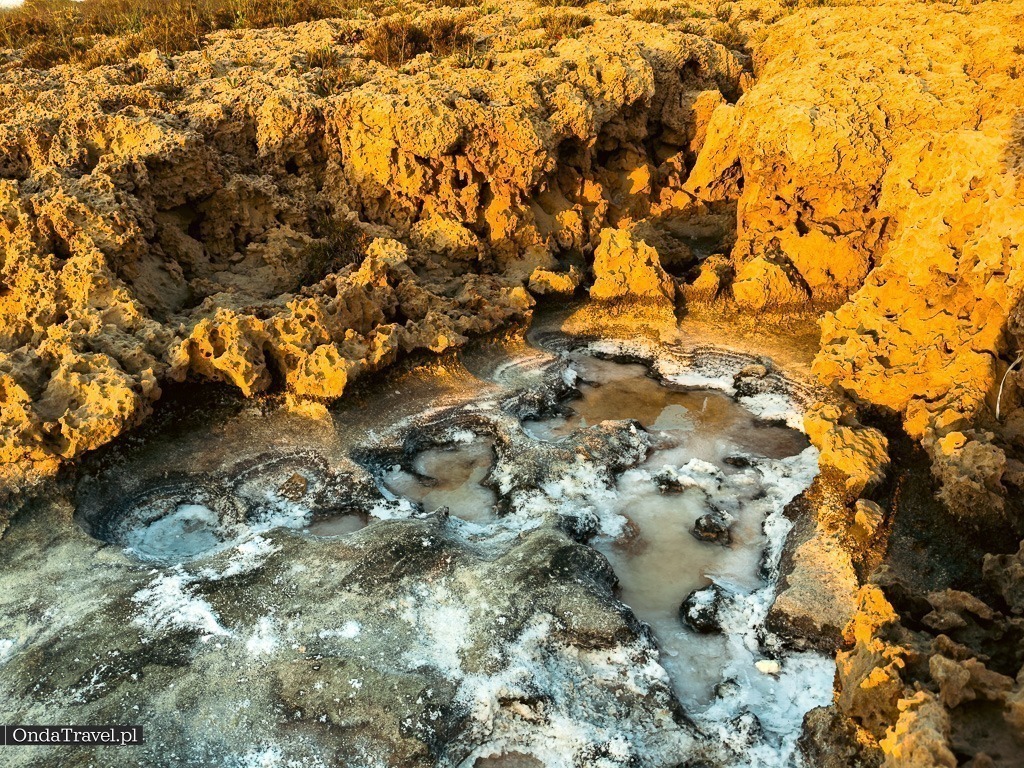
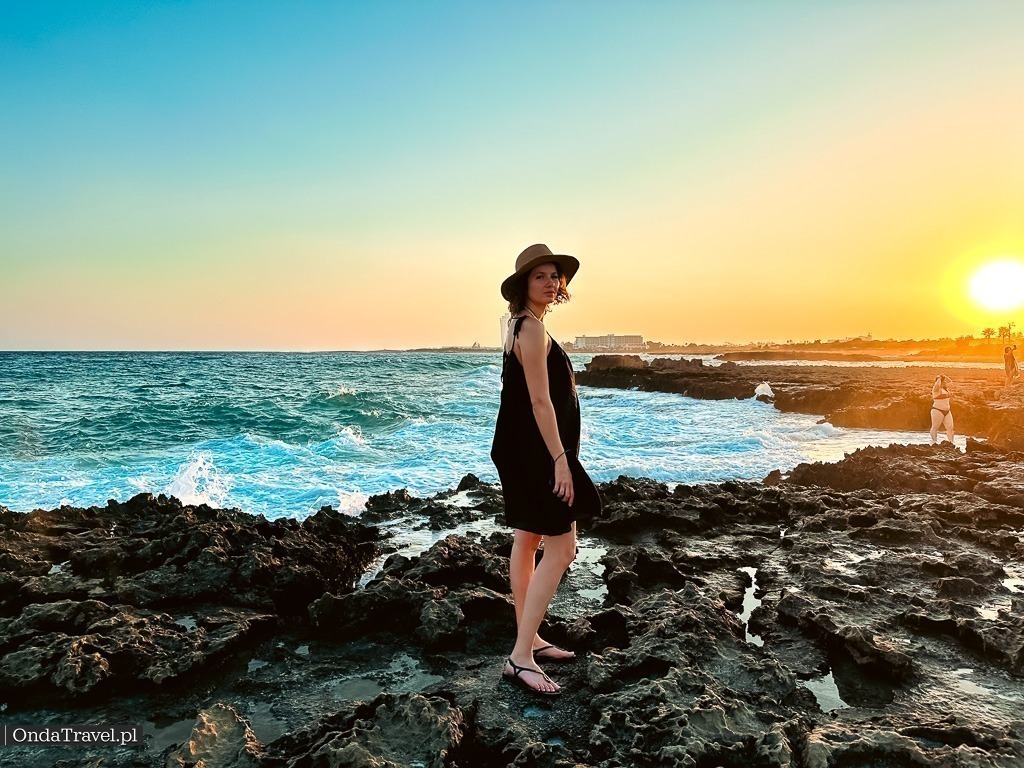
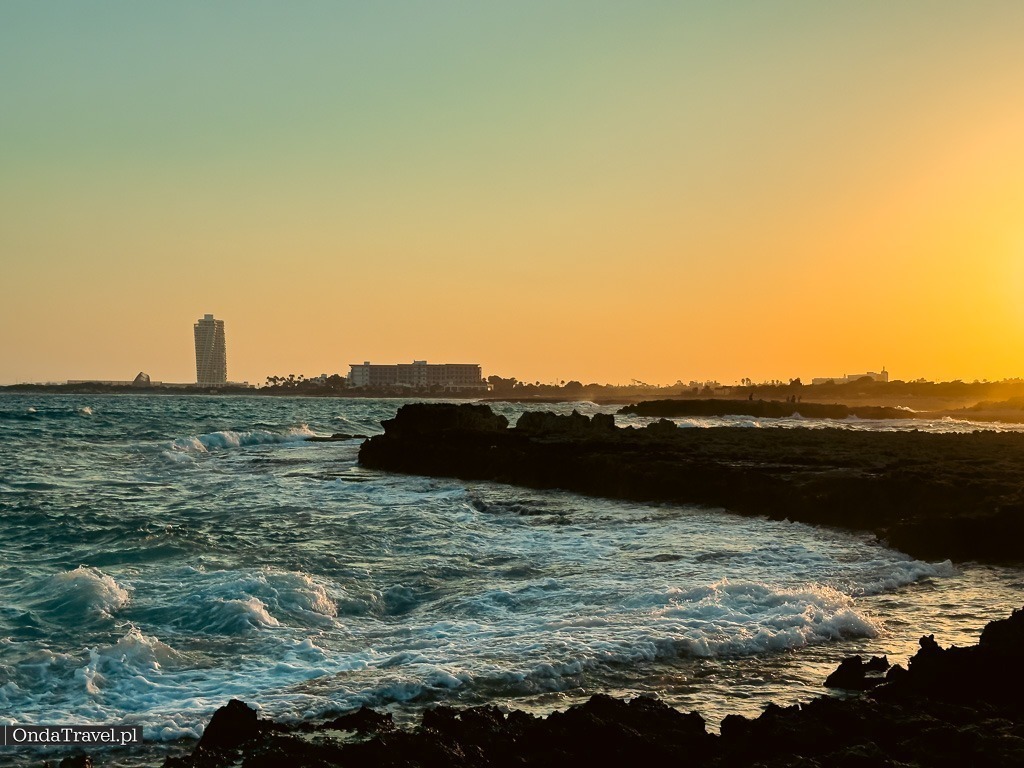
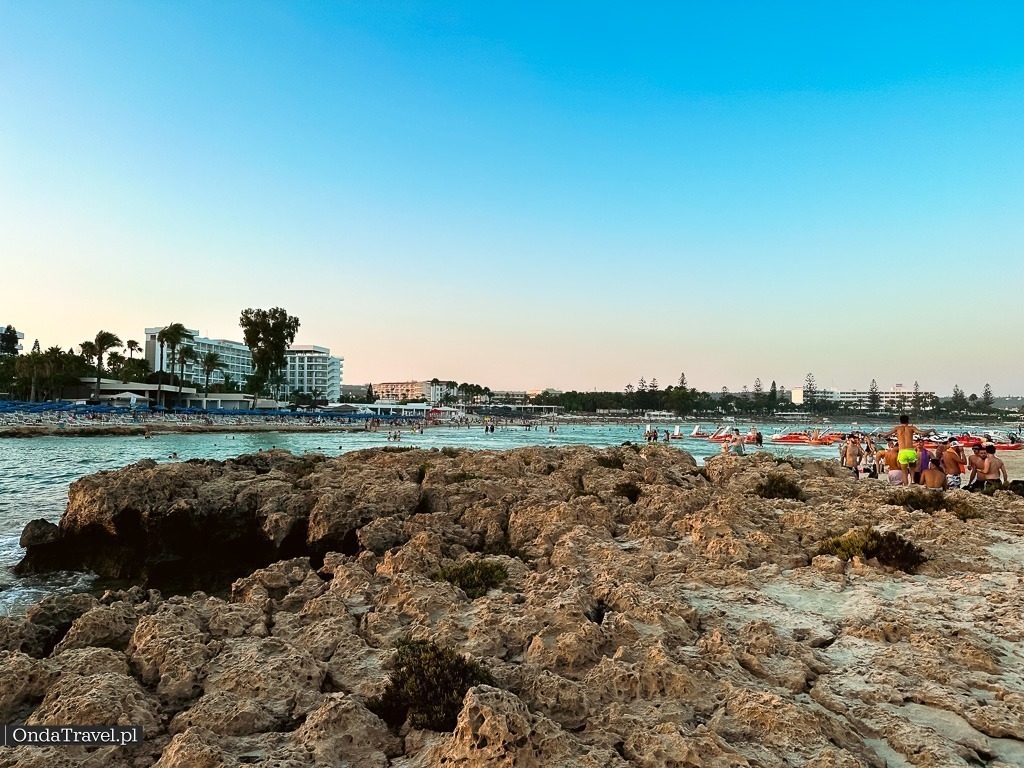
Nissi Beach TIPS – Watch Out for Limestone Rocks
Although crowded, Nissi Beach impresses with its unusual combination of turquoise water and golden light reflecting off the rocks. The rocks on this coastline are limestone, belonging to the Pakhna Formation from the Miocene epoch and were formed from ancient marine sediments, mainly from reef environments. Their characteristic, sharp structure is the result of prolonged erosion by waves and wind, which shaped the natural “brine pools” and rocky forms visible today on the islet and along the shore. It is worth remembering that these limestone rocks are very sharp, so when walking on the islet or posing for photos, especially at dusk, it is easy to get cut.

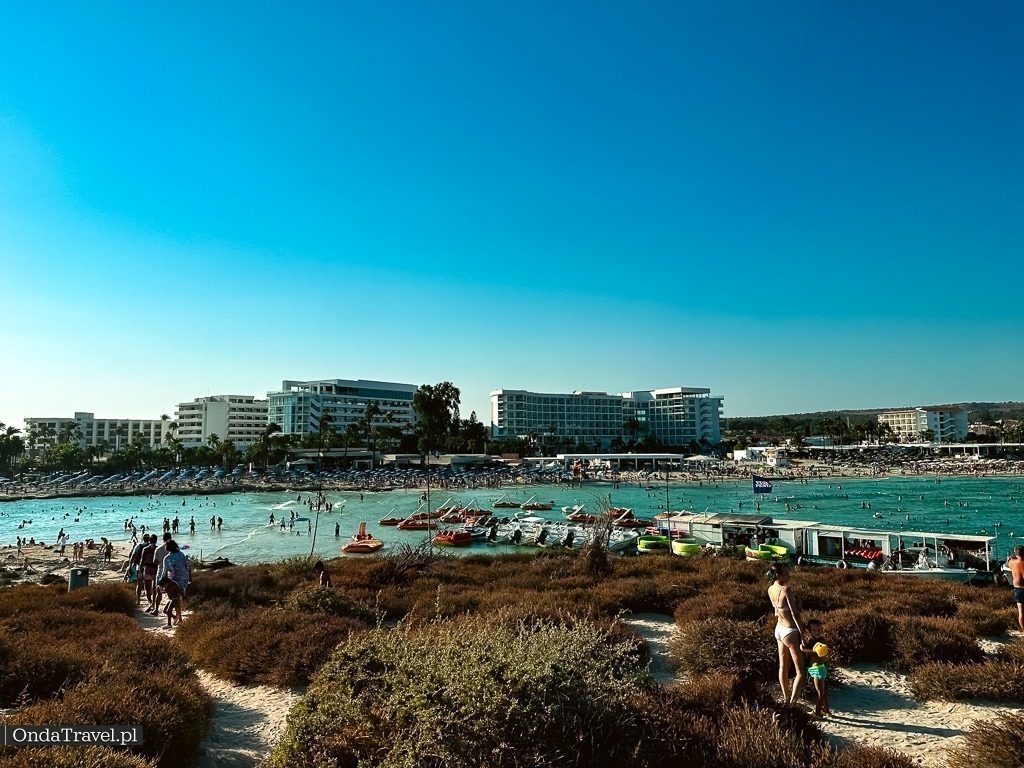
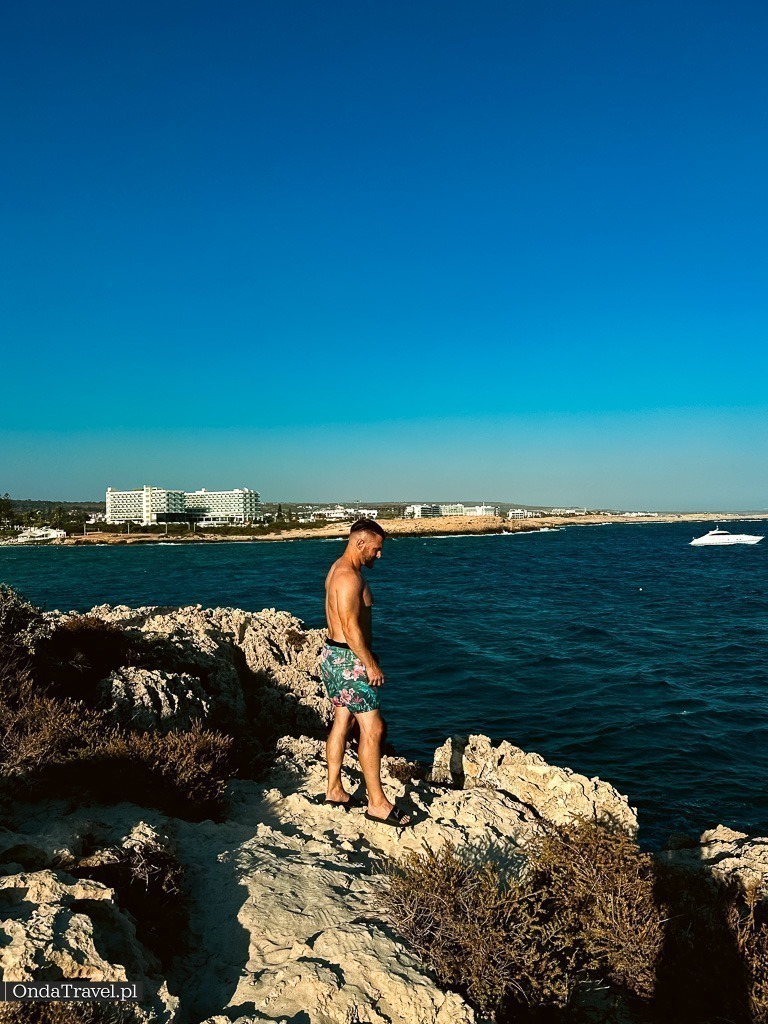

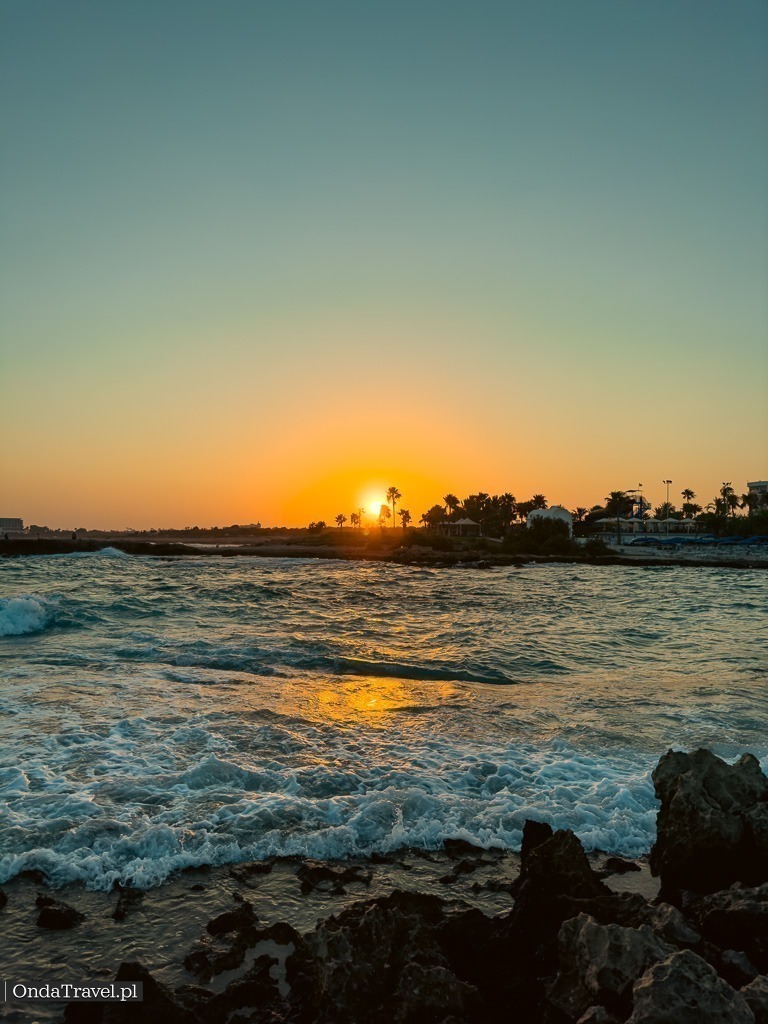
The Most Beautiful Beaches in Cyprus – Island Guide – What to See in Cyprus
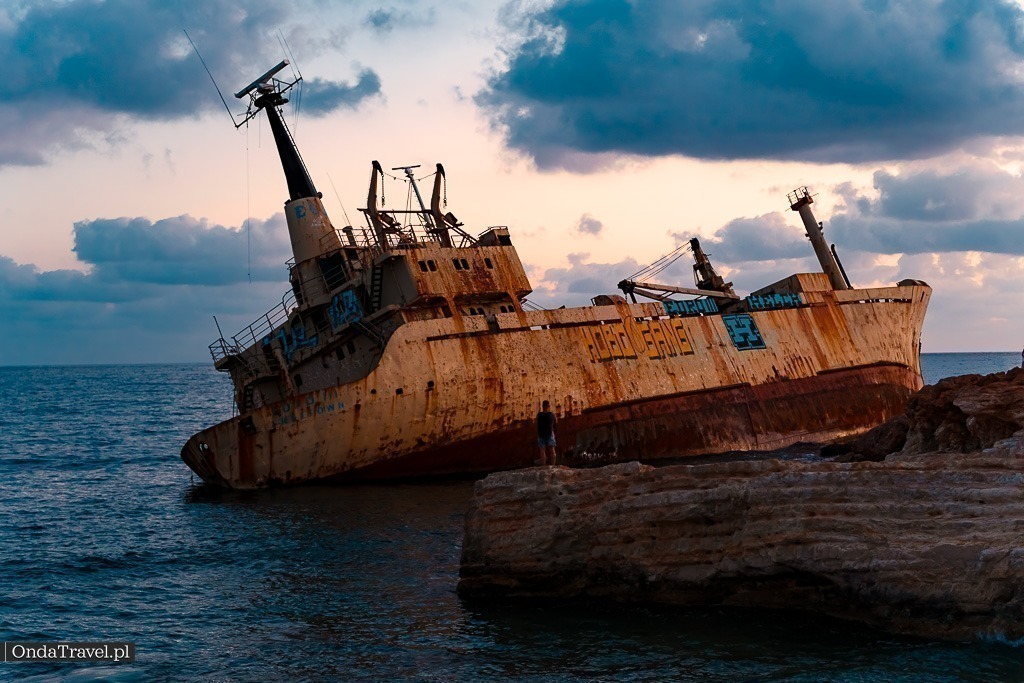
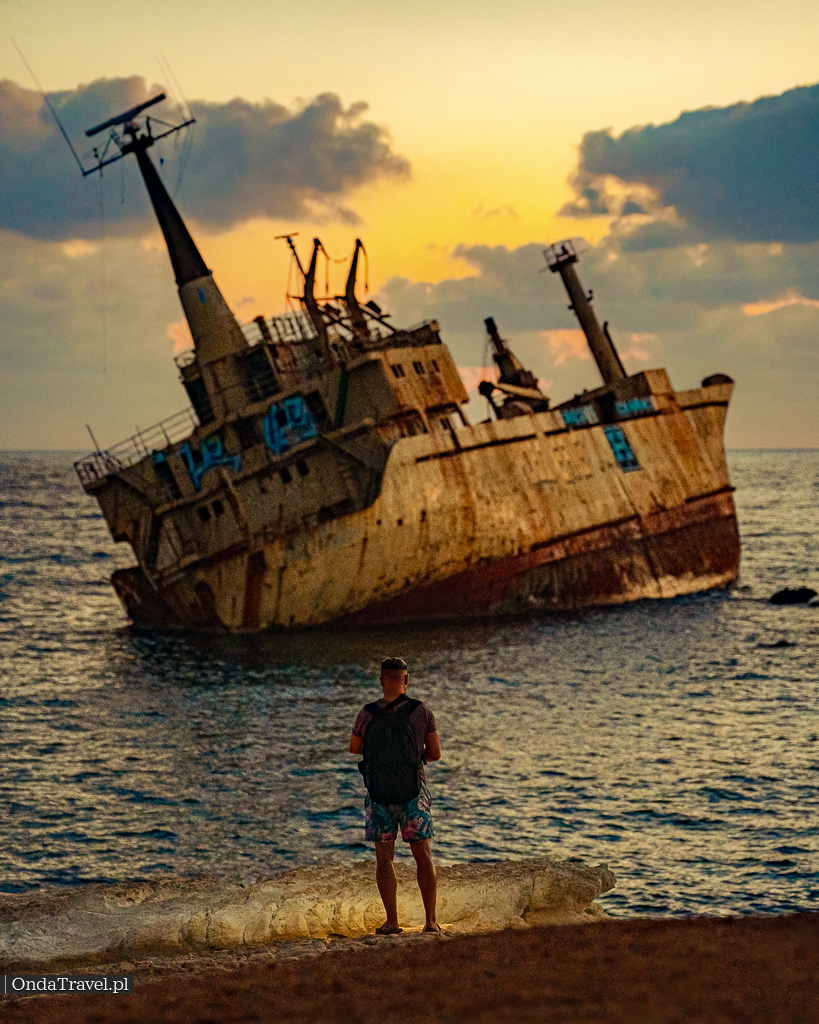
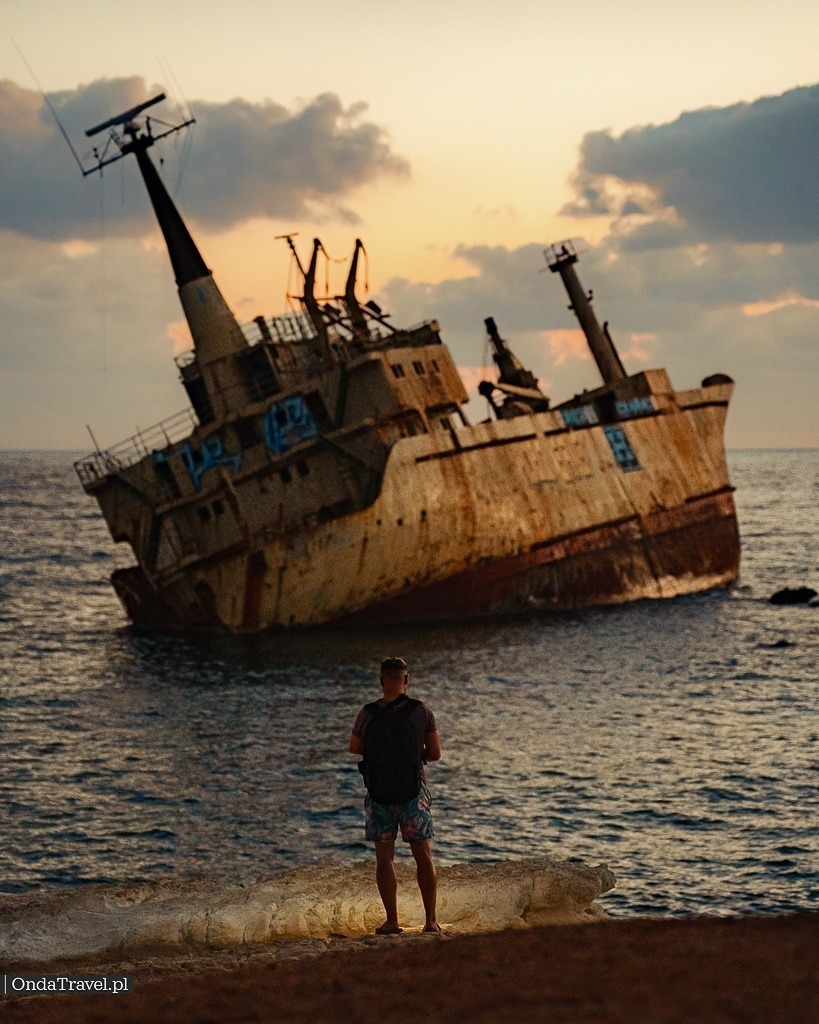
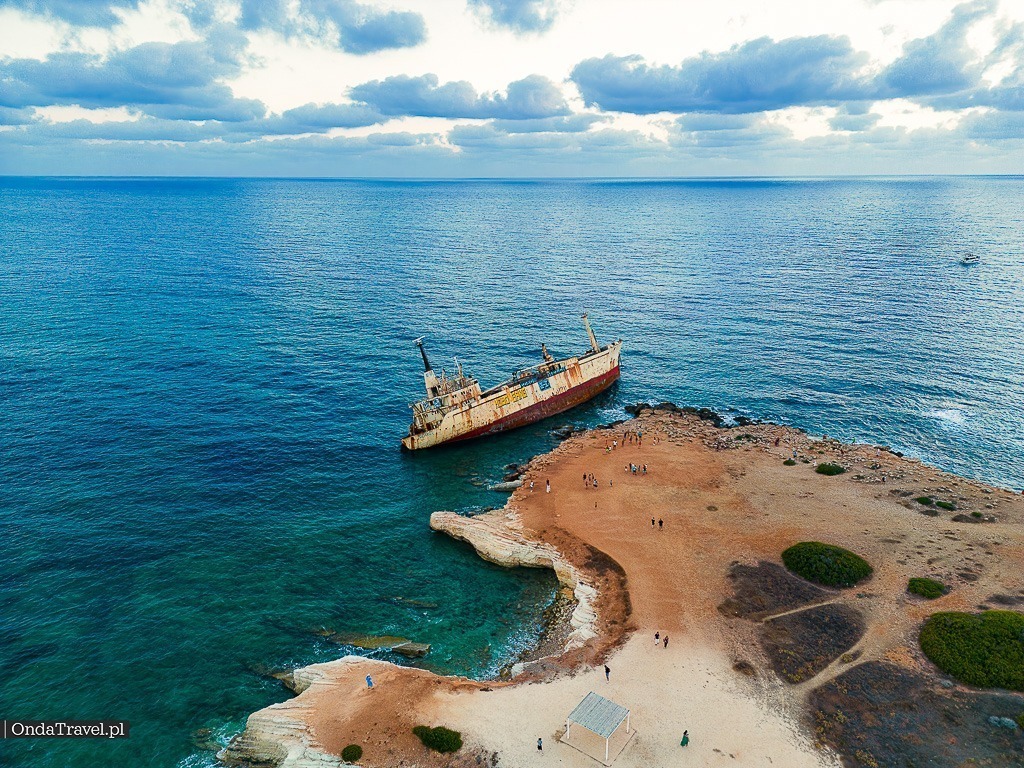
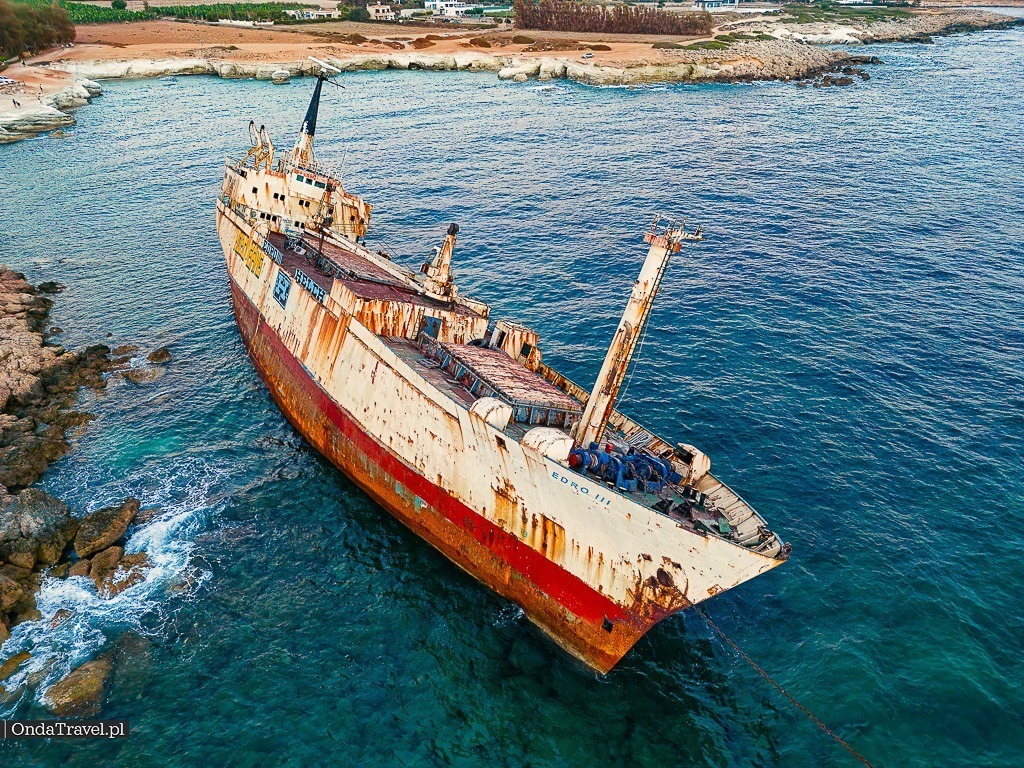
The Edro III Shipwreck – Peyia – Cyprus
Location: The Edro III shipwreck lies on the rocks near the shore, close to the Sea Caves in Peyia, on the west coast of Cyprus, approx. 15 km from Paphos. Glykou Nerou Street, Peyia 8560.
Getting There: By car from Paphos via the B7 road (approx. 20 min), with free parking available near the Sea Caves. A walk from Coral Bay is 3–4 km along the coast. Buses from Paphos (no. 615) run to Peyia, followed by a walk.
History of the Place: The ship ran aground in 2011 during a storm while sailing from Limassol to Rhodes. The crew was rescued by helicopter, and the wreck remained as an attraction.
Interesting Facts: The ship is 83 m long and weighs over 2300 tons. It is ideal for photos at sunset, but climbing on board is forbidden due to safety reasons. Fish and turtles live around the wreck, making it a paradise for divers.

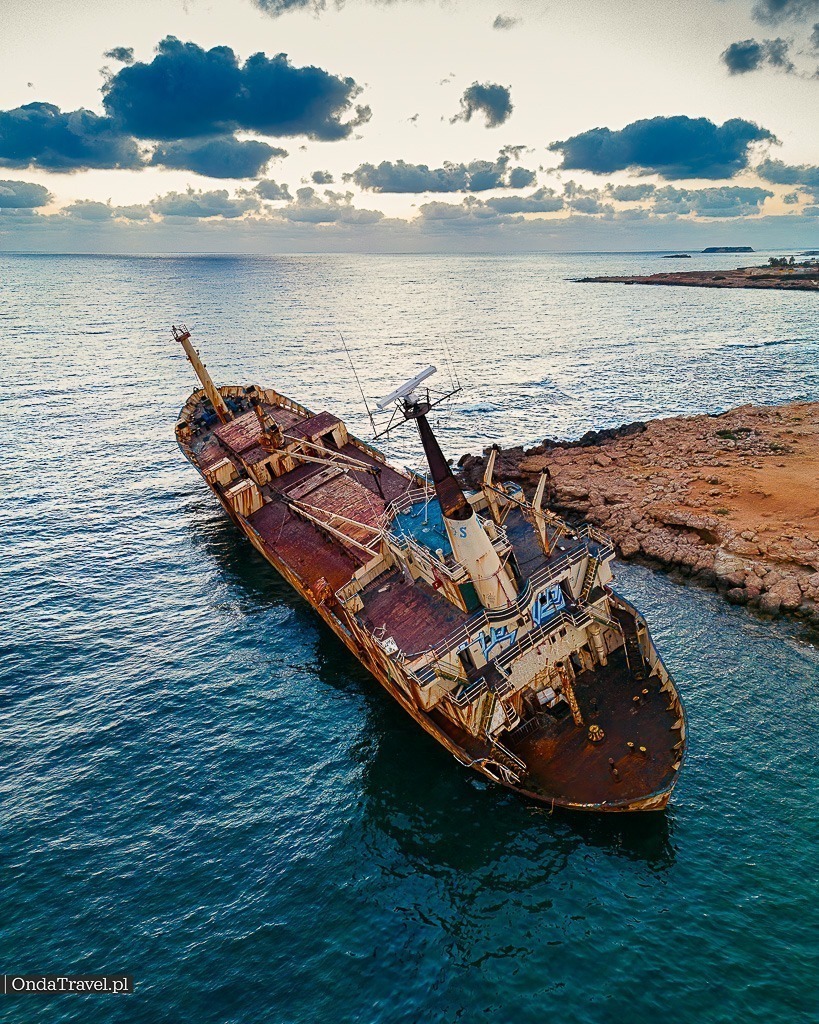
The Most Beautiful Beaches in Cyprus – Island Guide – What to See in Cyprus – Cyprus Blog
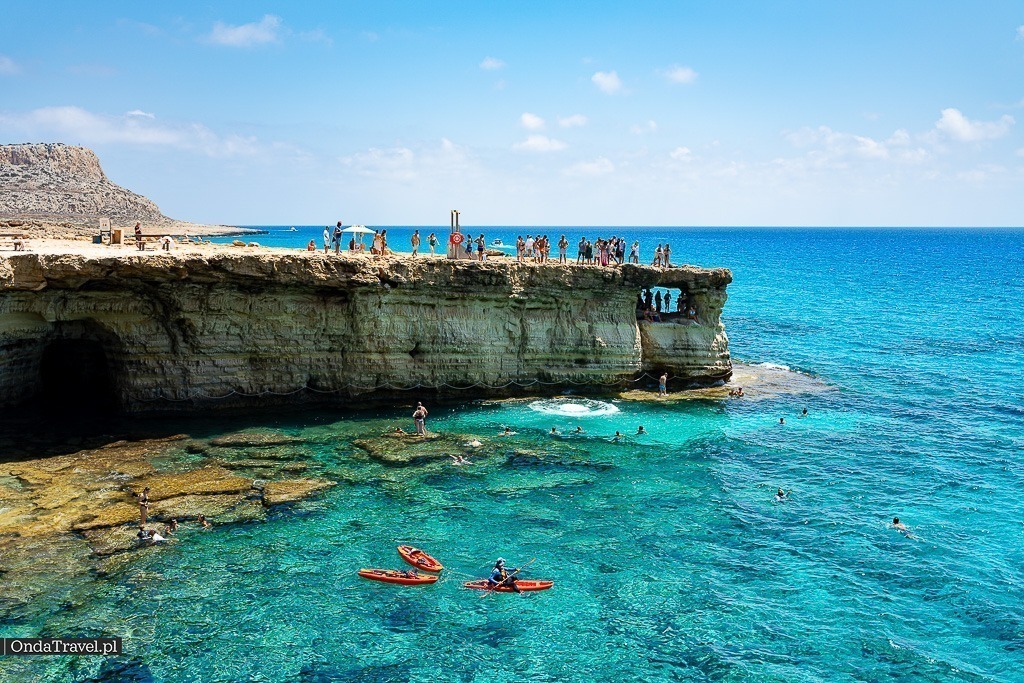
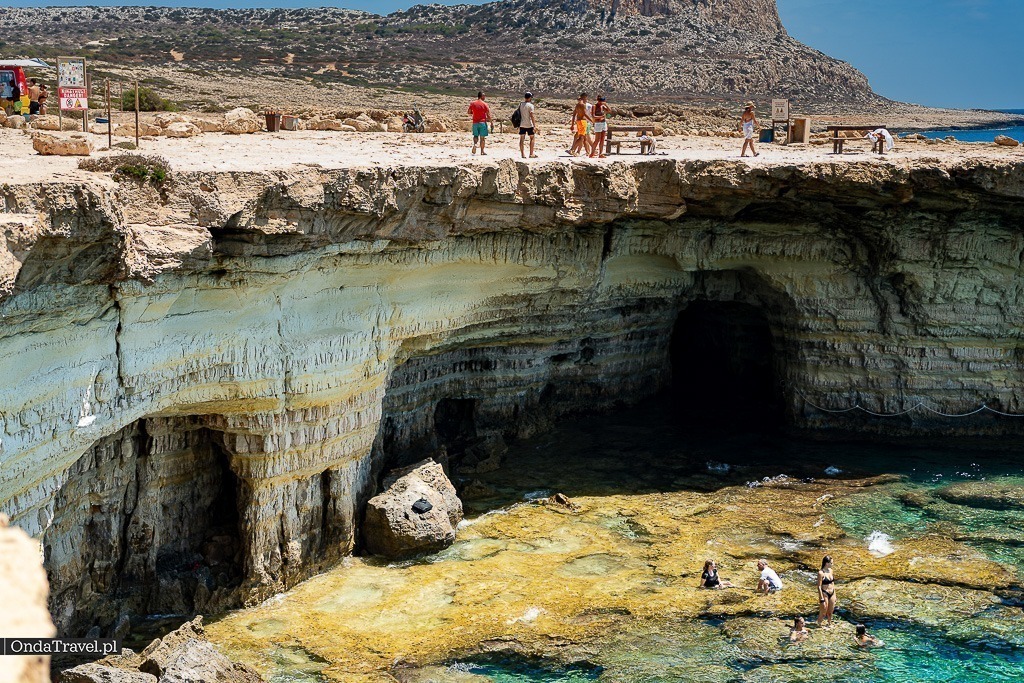
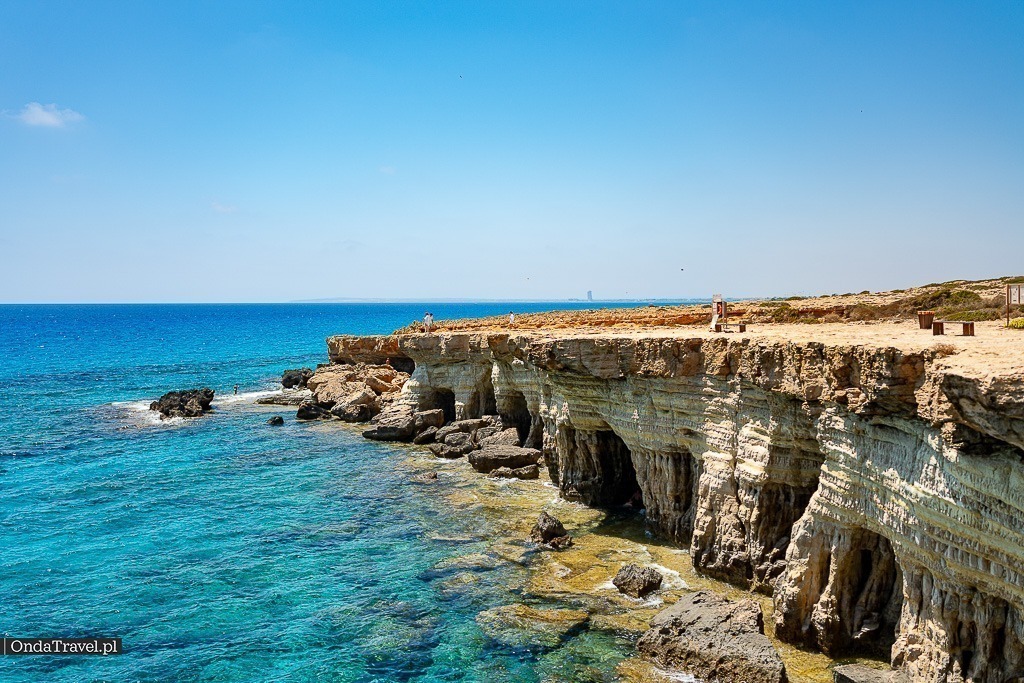
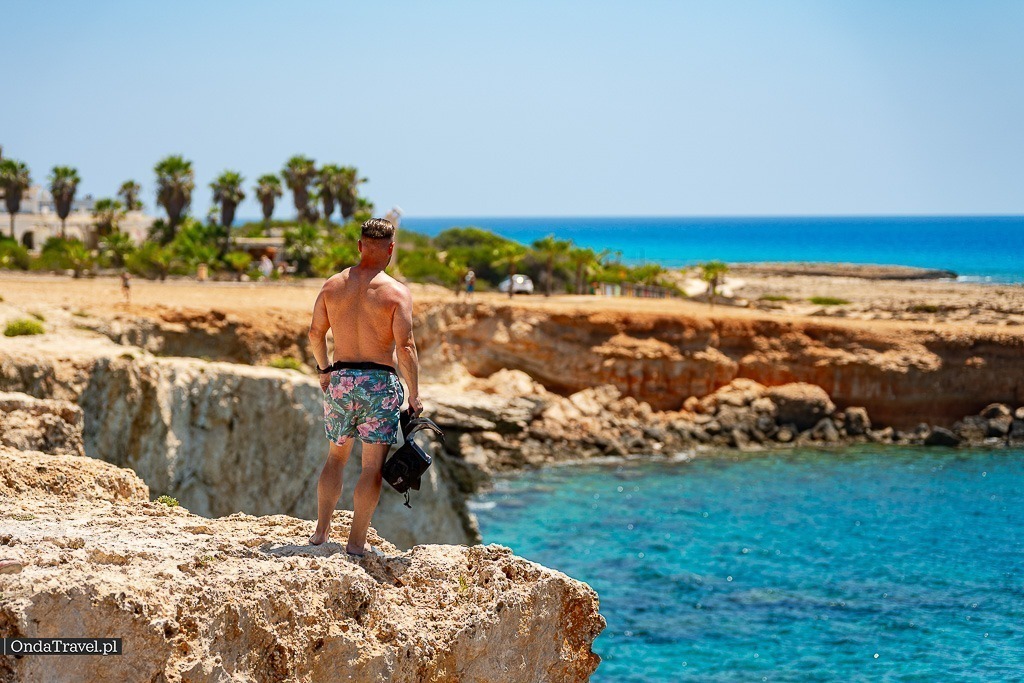
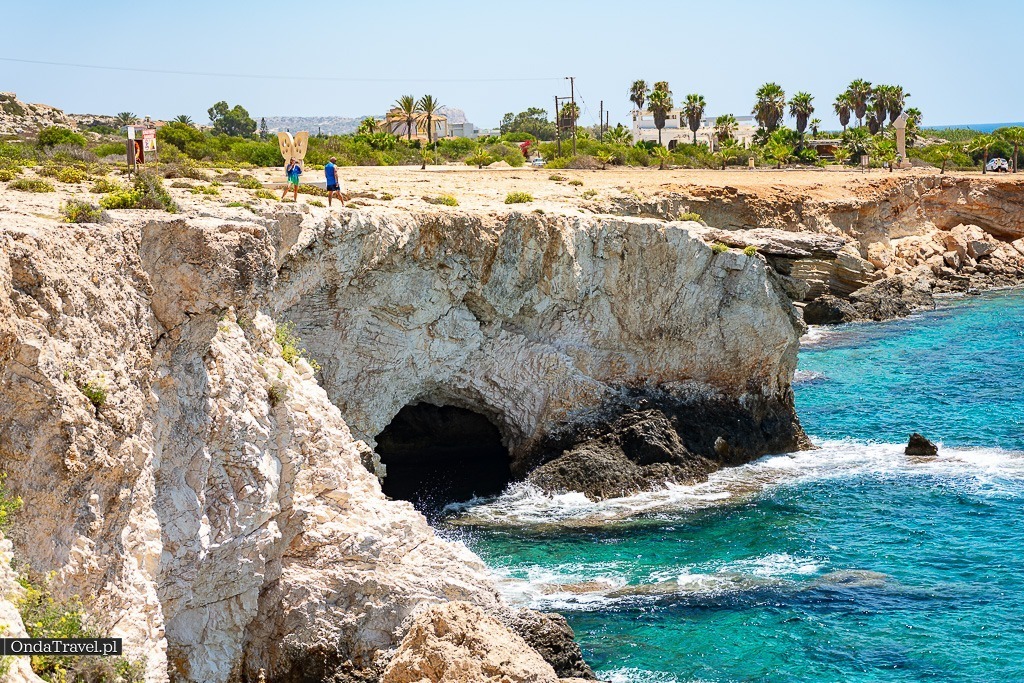
Sea Cave Palaces of Cape Greco – Ayia Napa – Cyprus
Θαλασσινές Σπηλιές, Αγία Νάπα – Agia Napa
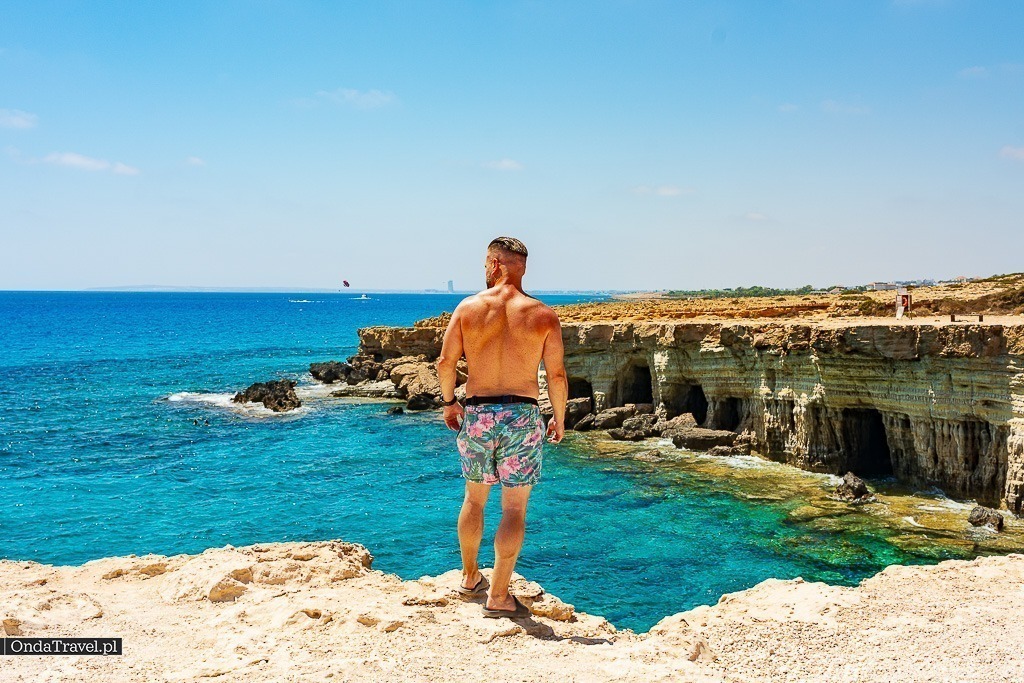
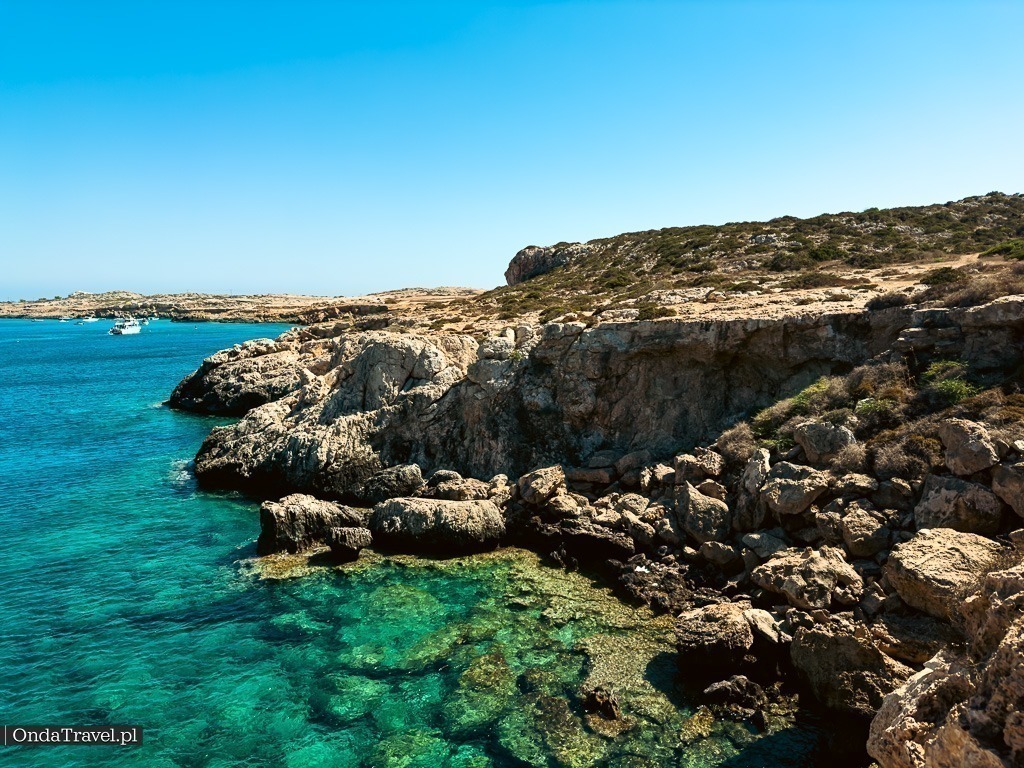
Location: The sea caves are located on Cape Greco, on the eastern coast of Cyprus, near Ayia Napa, within the Cape Greco National Forest Park.
Getting There: By car from Ayia Napa via the E327 road (approx. 5 km), with free parking available. Buses no. 101/102 go to Cape Greco, followed by a 1 km walk. Easily accessible by boat from the harbor.
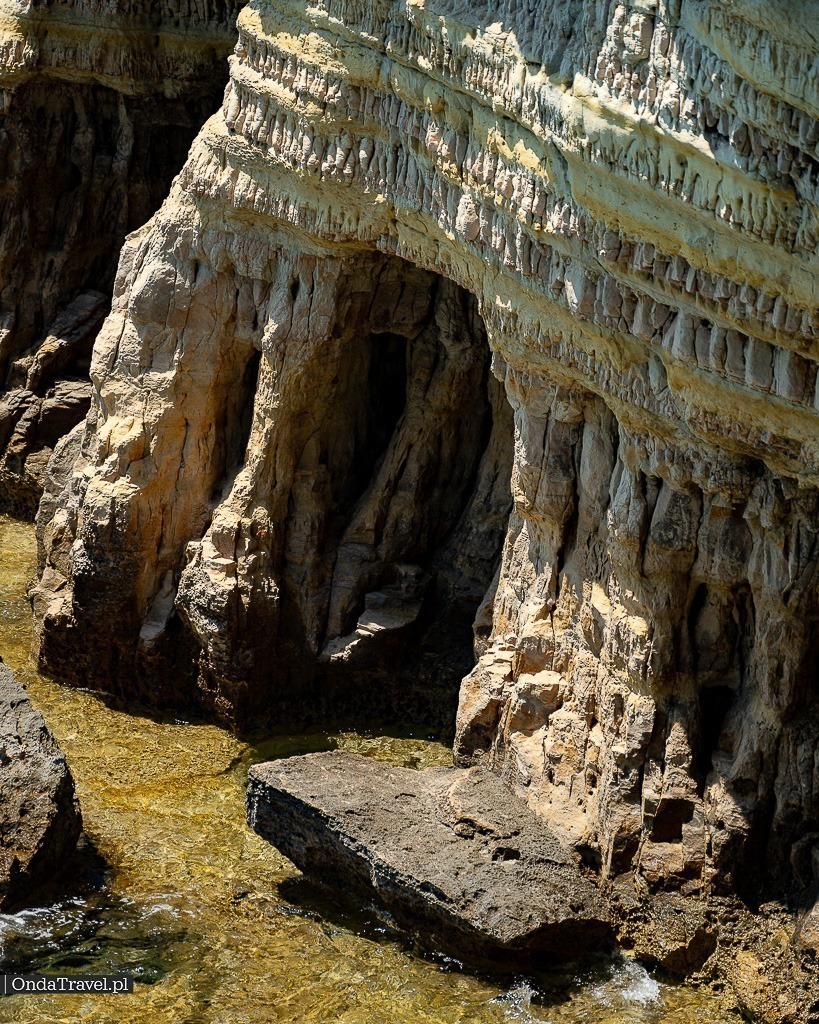
History of the Place: The caves were formed by the erosion of limestone by waves, and in antiquity, they were used as shelters by pirates and smugglers.
Interesting Facts: They are called “palaces” due to the rock formations that resemble columns…
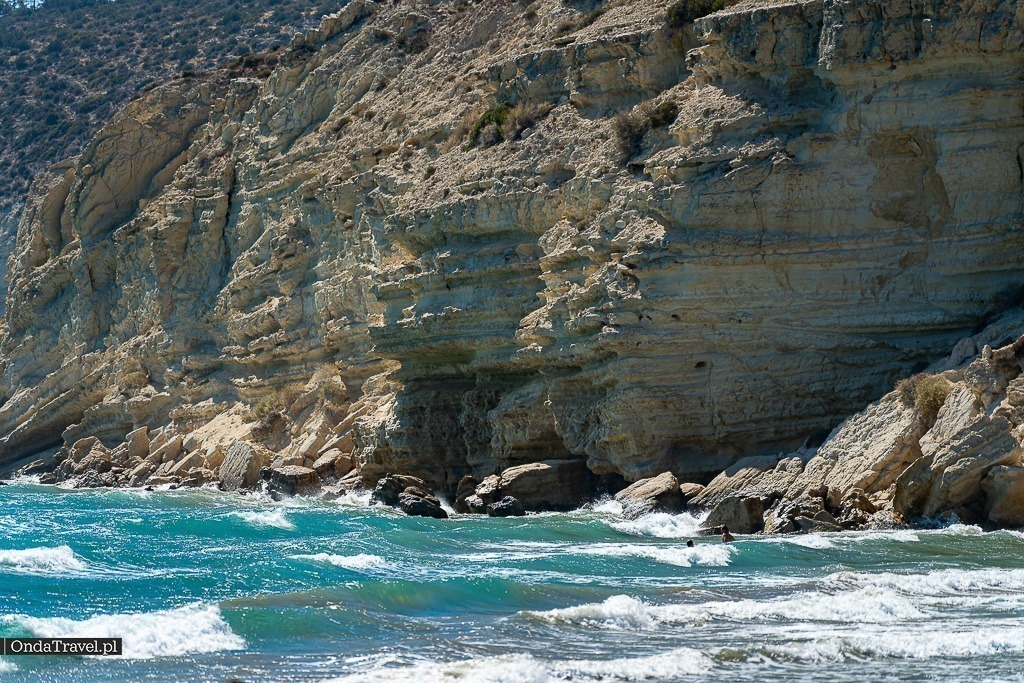
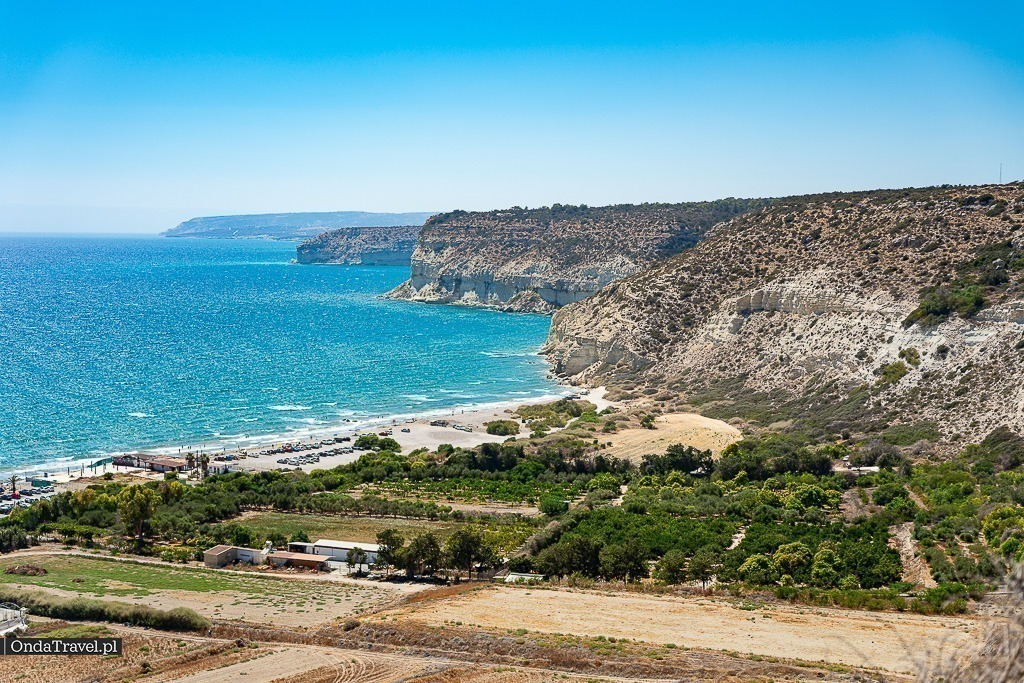
Kourion Beach – Episkopi – Cyprus
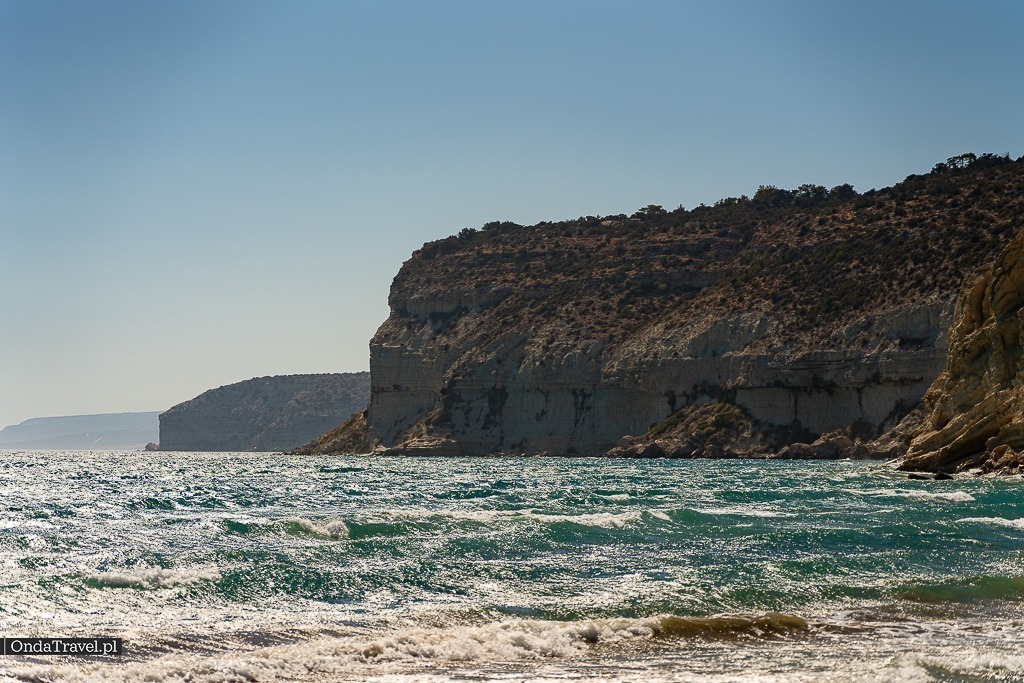
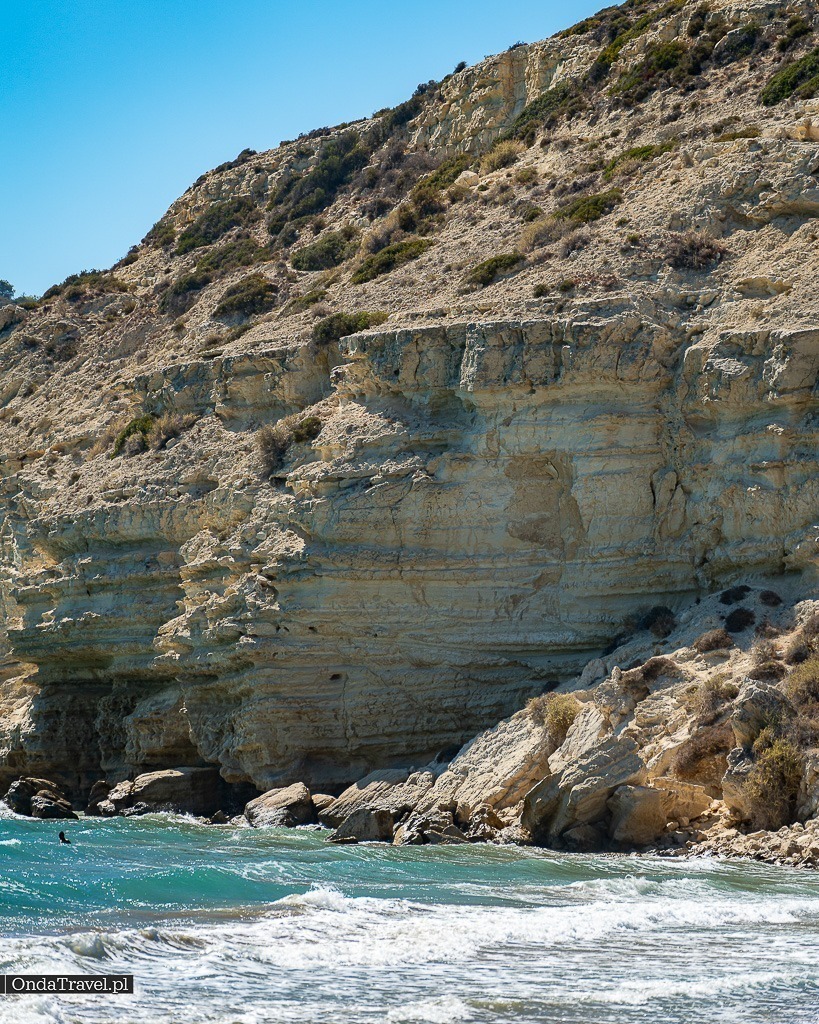
Location: The beach below the ancient city of Kourion, on the south coast of Cyprus, in Episkopi, 18 km west of Limassol.
Getting There: By car from Limassol via the B6 road (approx. 20 min), with free parking available. Bus no. 16 runs from Limassol to Episkopi.
History of the Place: The beach lies below the ruins of ancient Kourion, which was destroyed by earthquakes in the 4th century AD. The site has been used since the Neolithic period.
Interesting Facts: Marked with a Blue Flag, it is ideal for windsurfing. It is close to the ancient amphitheater, where concerts and performances are held. Legend connects the area with Aphrodite.
The Most Beautiful Beaches in Cyprus – Island Guide – What to See in Cyprus
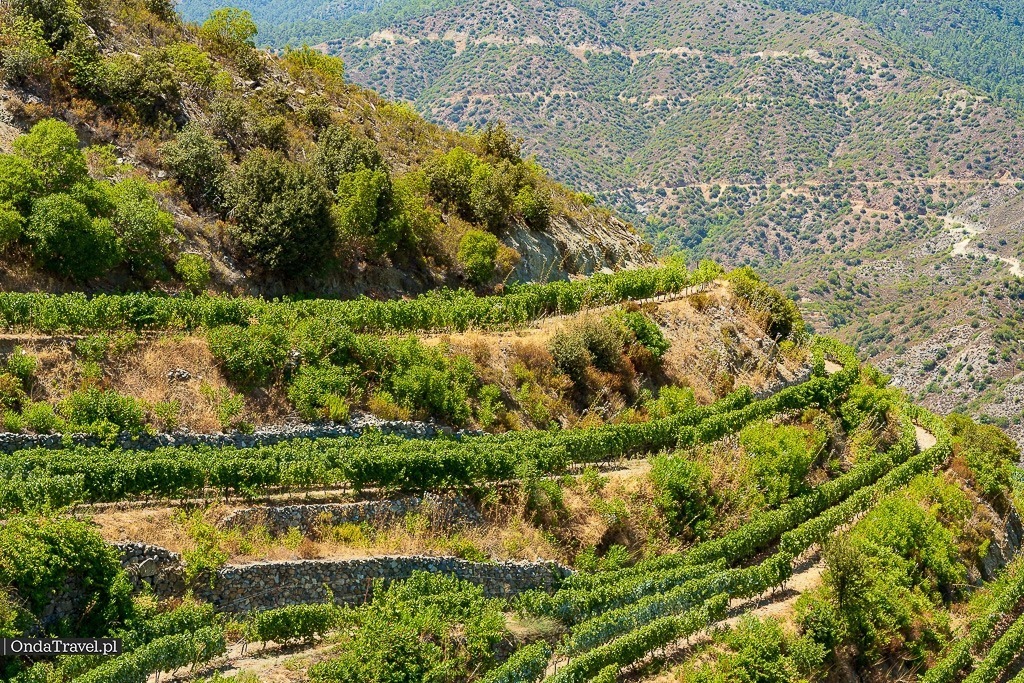
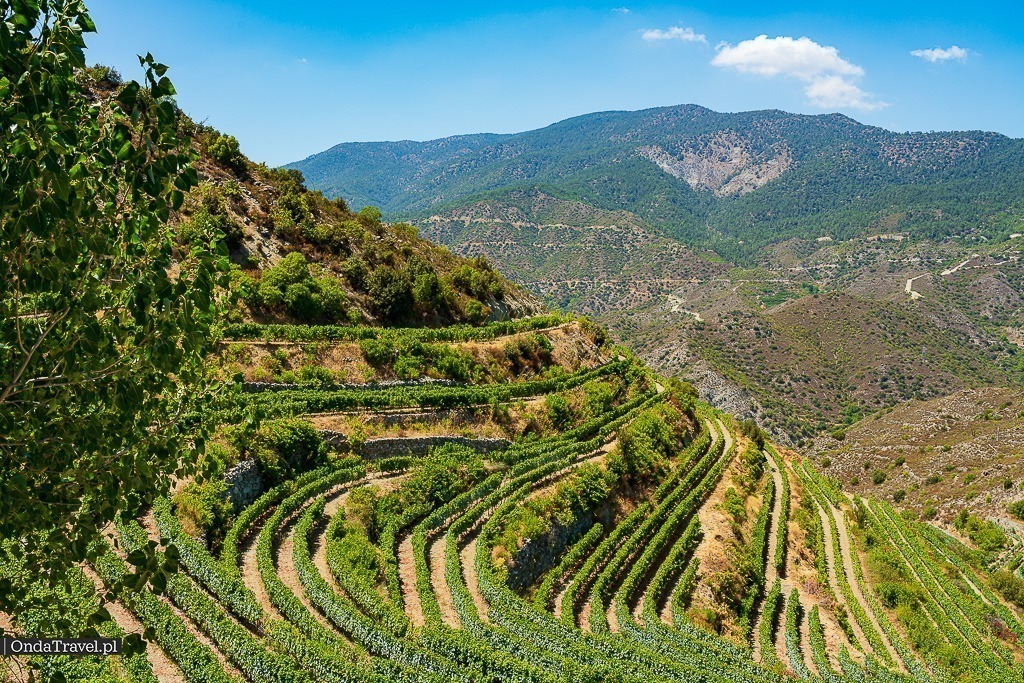
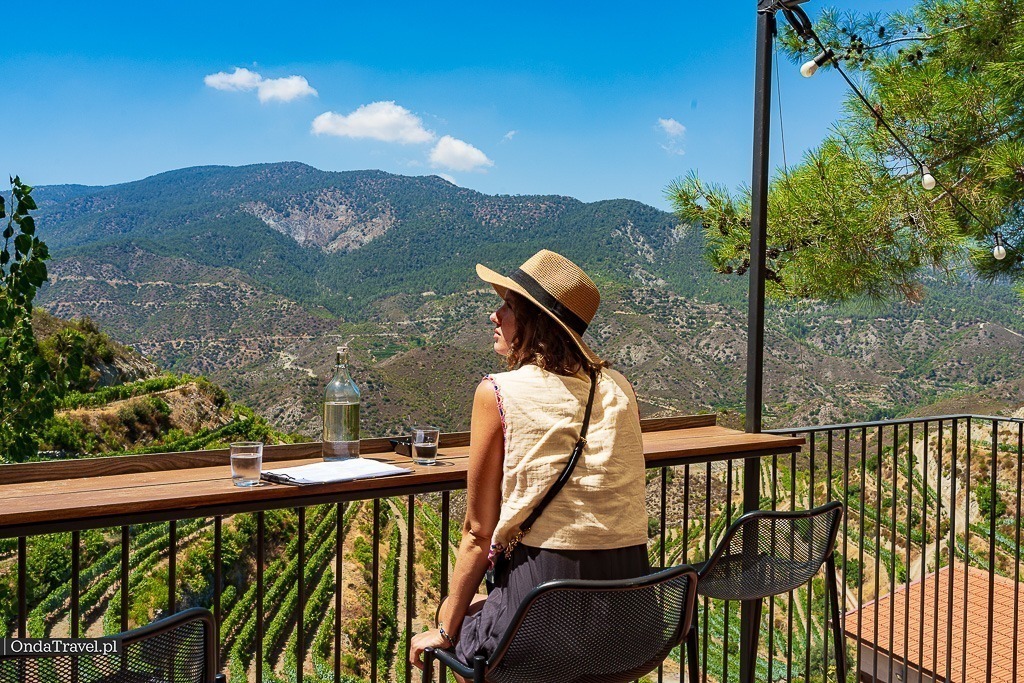
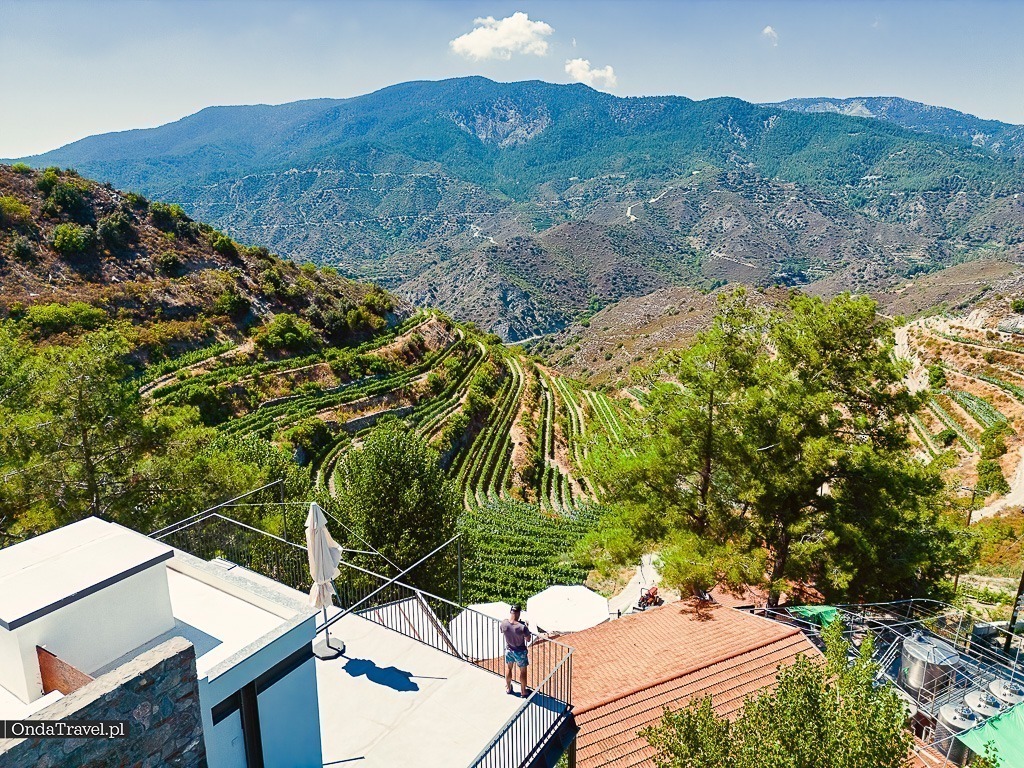
Tsiakkas Winery – Pelendri – Cyprus
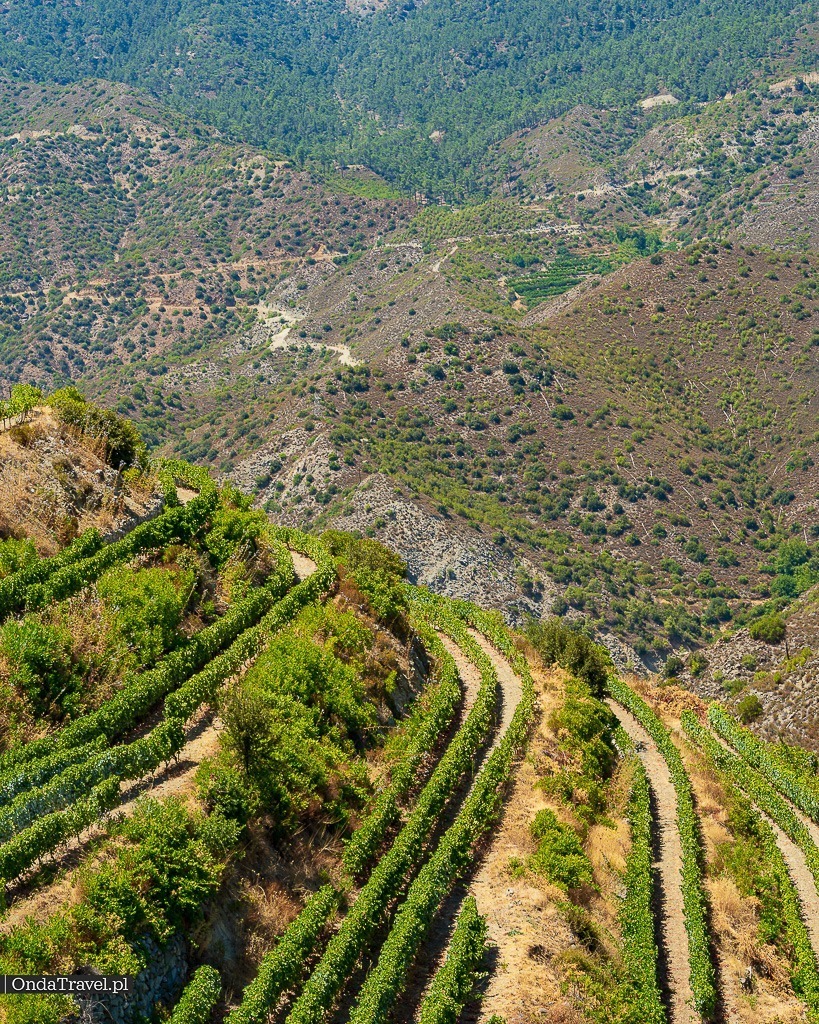
Tsiakkas Winery – Οινοποιείο ΤΣΙΑΚΚΑΣ
Location: The winery is situated in the Troodos Mountains, in Pelendri, 30 km north of Limassol, at an altitude of 1000–1400 m above sea level.
Getting There: By car from Limassol via the E110 road (approx. 45 min), parking is available on site. There are no direct buses, so renting a car is the best option.
History of the Place: Founded in 1988 by the Tsiakkas family, it initially produced 500 bottles. Today, it produces 200,000 bottles annually, focusing on local grape varieties.
Interesting Facts: Certified organic vineyards. It produces wines from endemic varieties like Xynisteri. It is open for tastings and has received international awards. Ideal for a picnic in the mountains.
Official Website – Tsiakkas Winery – Οινοποιείο ΤΣΙΑΚΚΑΣ
The Most Beautiful Beaches in Cyprus – Island Guide – What to See in Cyprus
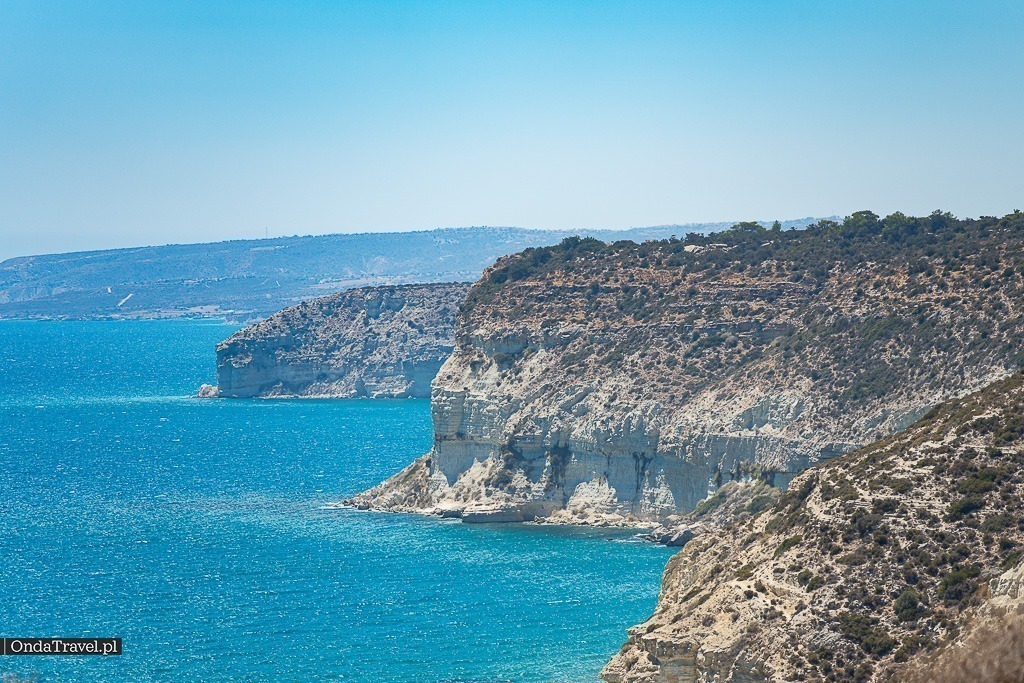
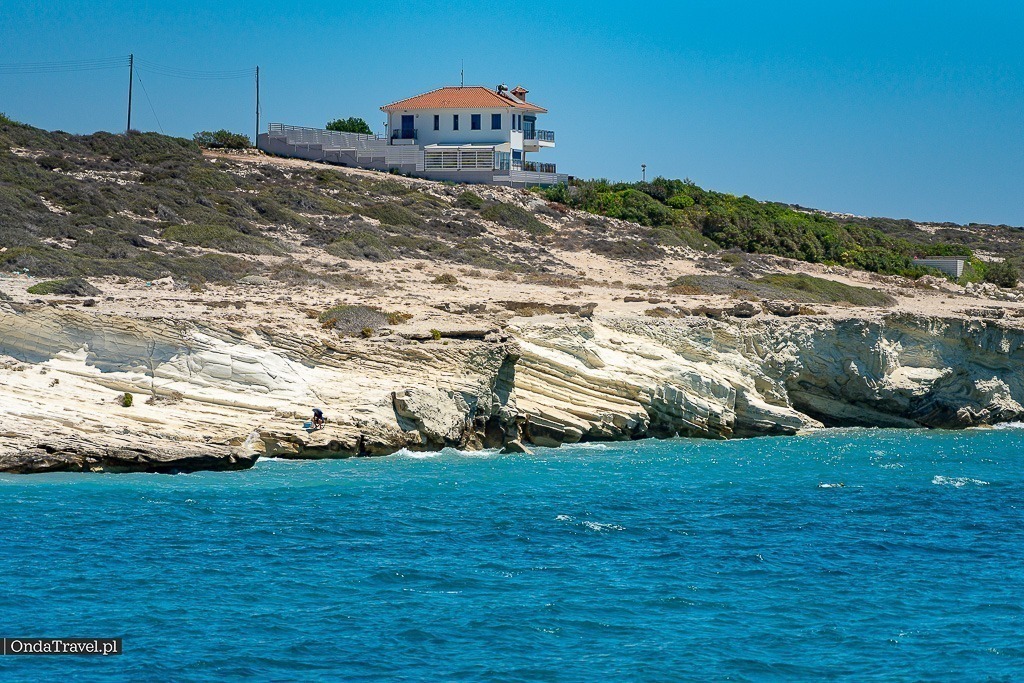
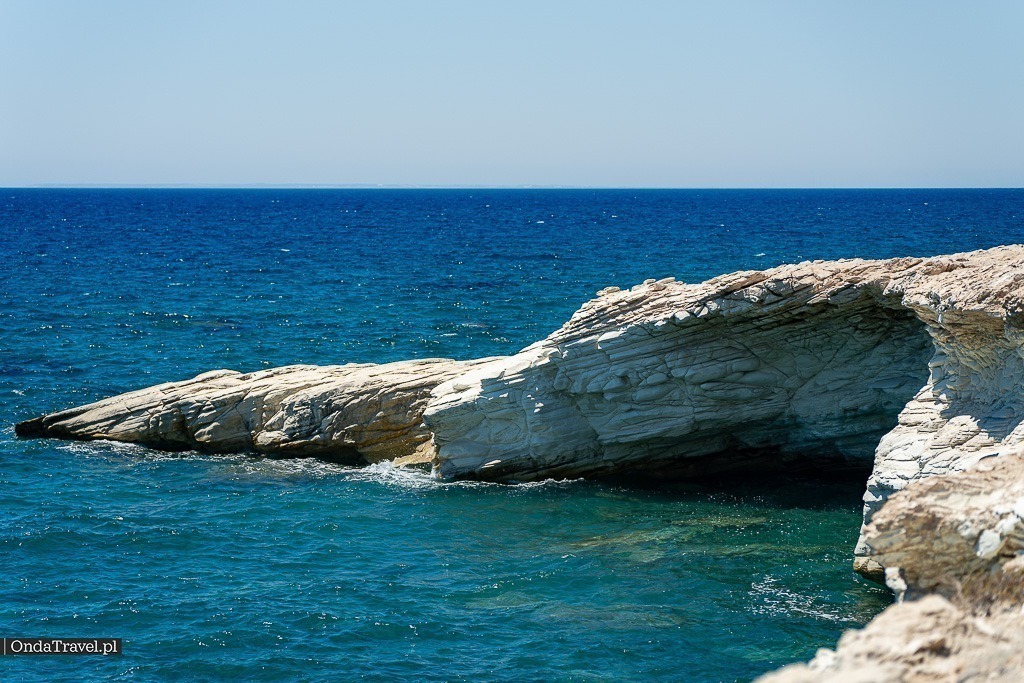
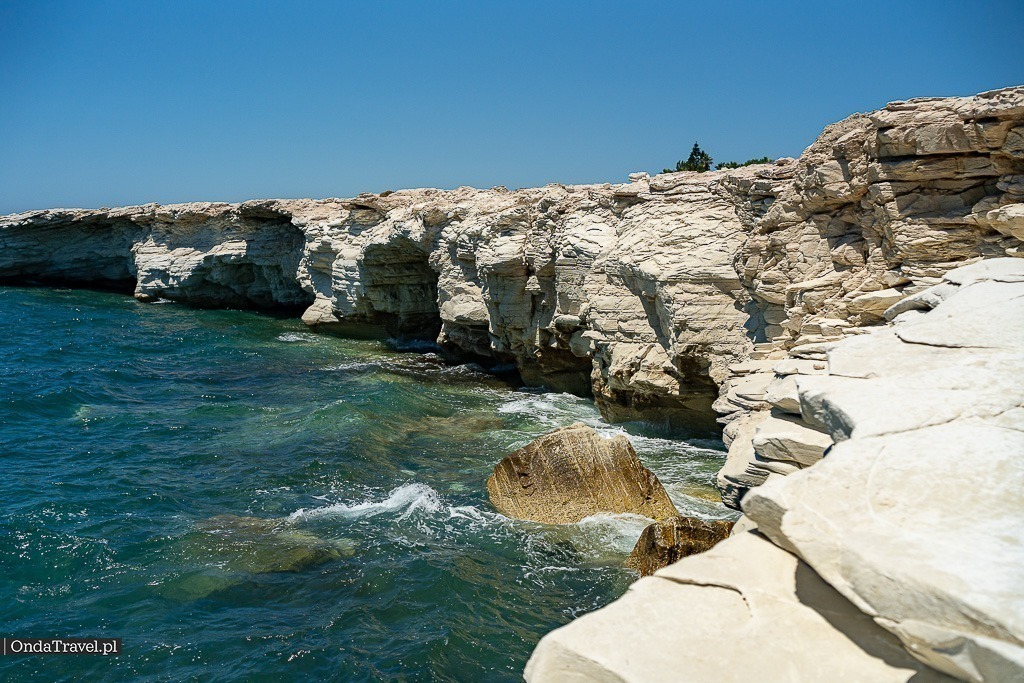
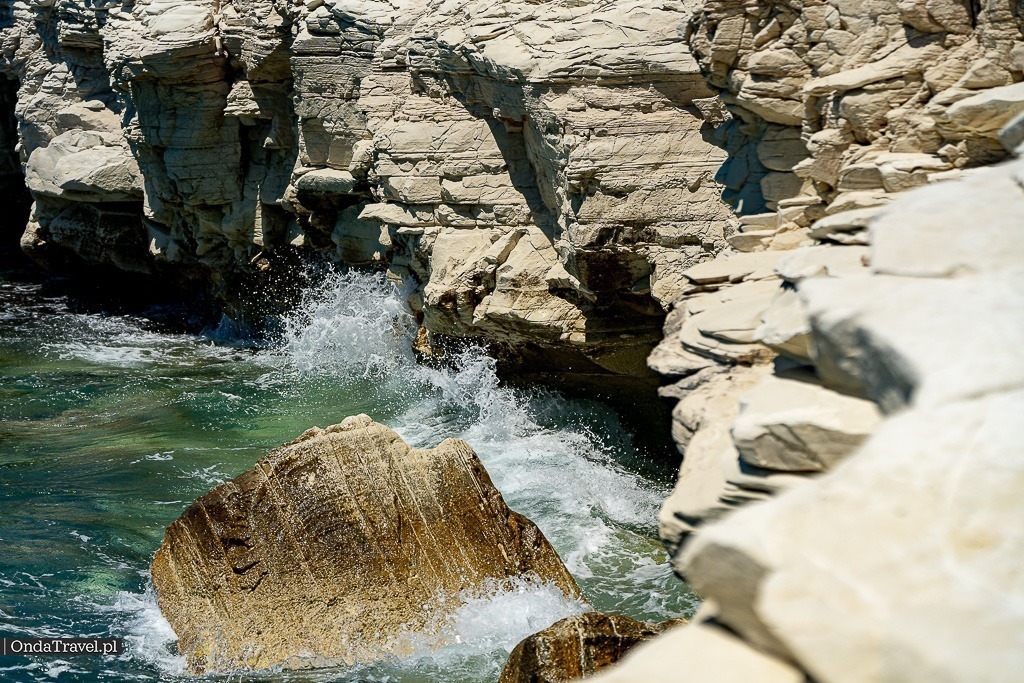
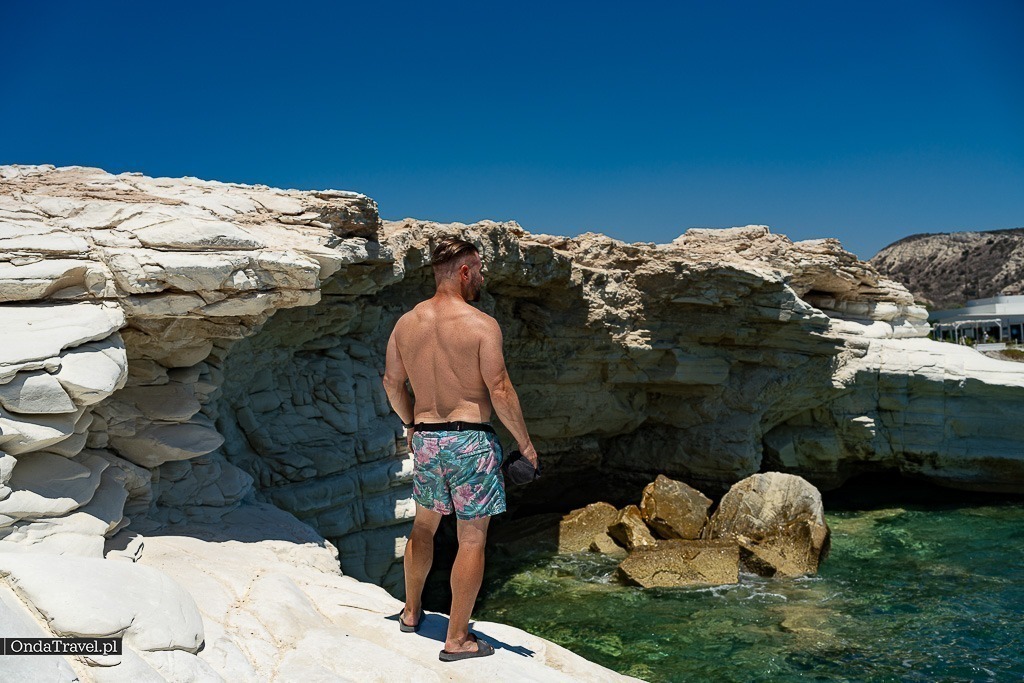
White Rocks Governor’s Beach – Pentakomo – Cyprus
Location: White Rocks at Governor’s Beach, near Pentakomo, 25 km east of Limassol, on the south coast.
Getting There: By car from Limassol via the B1 road (approx. 20 min), with free parking available. Buses no. 30/95A from Limassol also stop nearby.
History of the Place: Named after the British governors who used to relax here. The limestone rocks have been eroded by waves for centuries.
Interesting Facts: Marked with a Blue Flag, it is ideal for snorkeling and picnics. The white cliffs contrast beautifully with the blue of the sea—a paradise for photographers. There are seafood taverns nearby.
The Most Beautiful Beaches in Cyprus – Island Guide – What to See in Cyprus
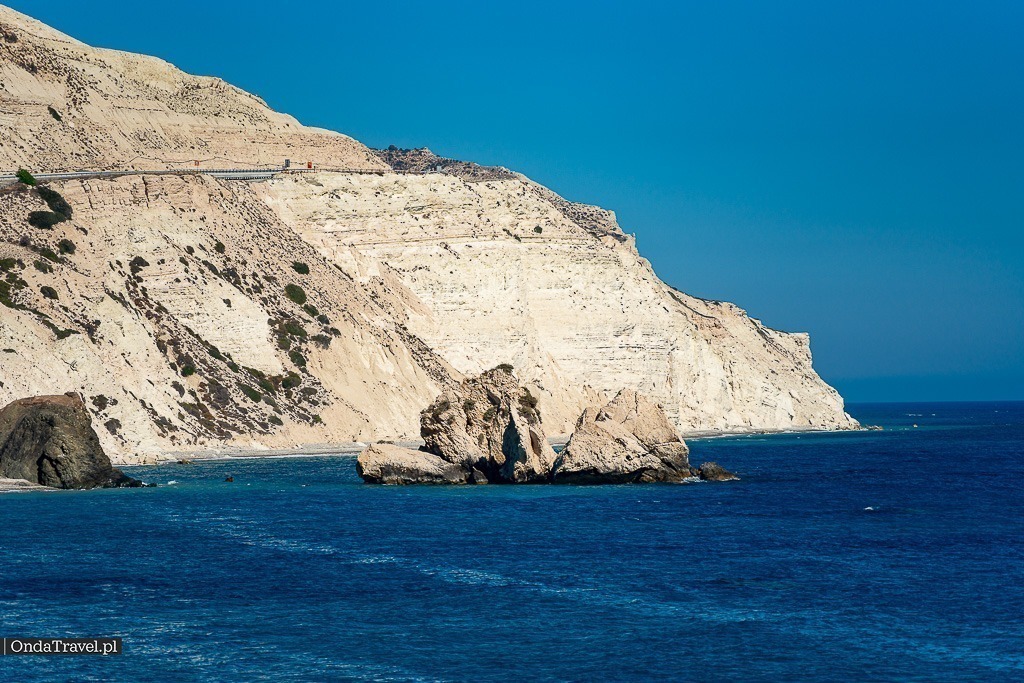
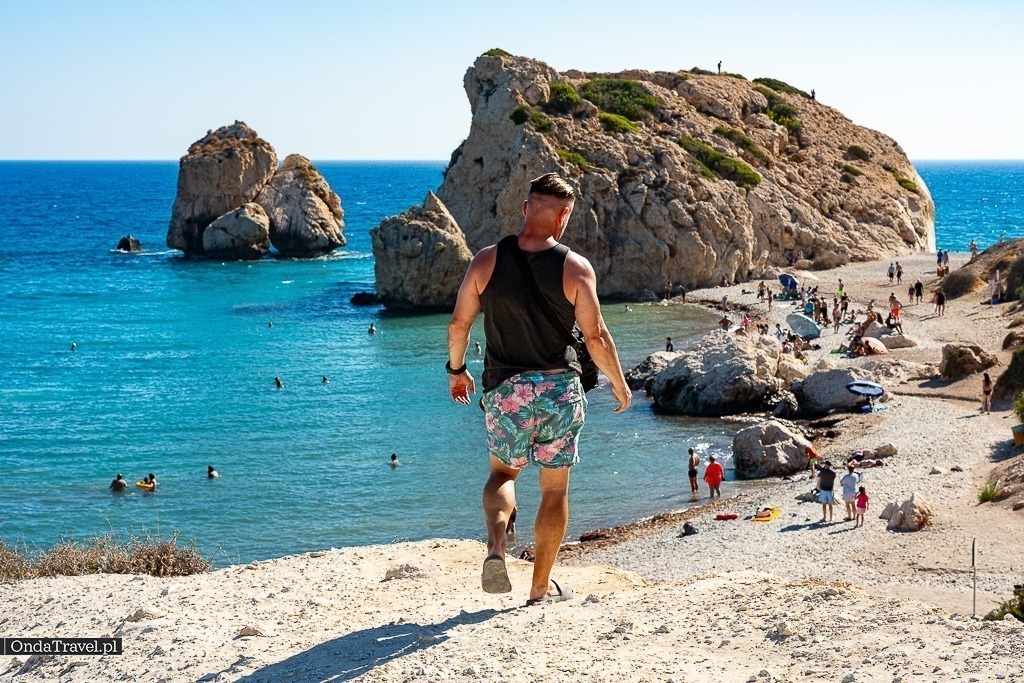
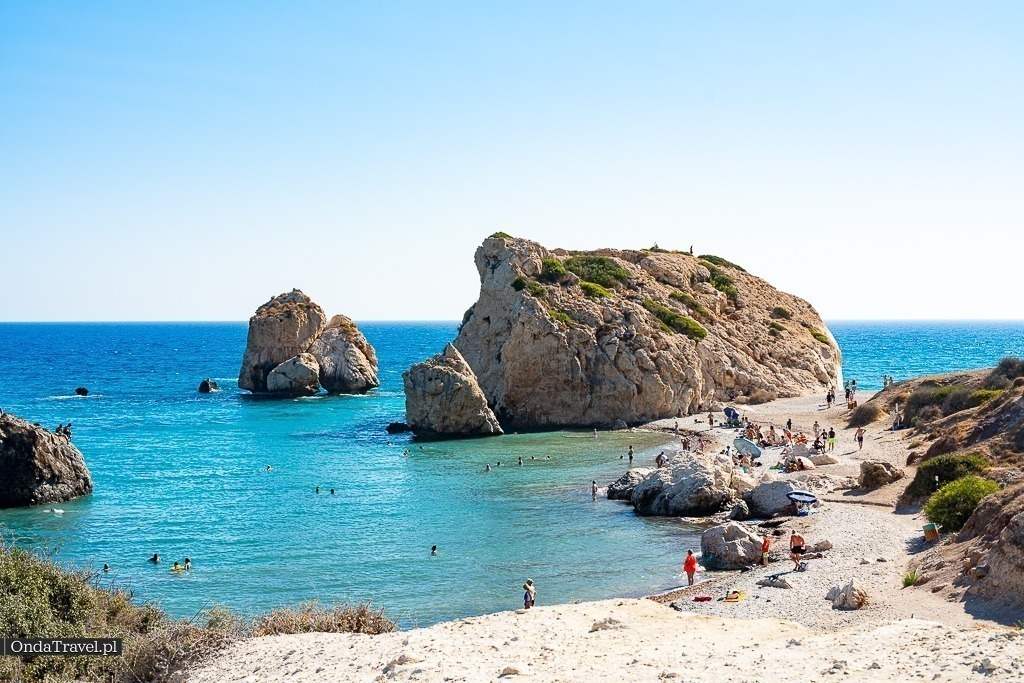
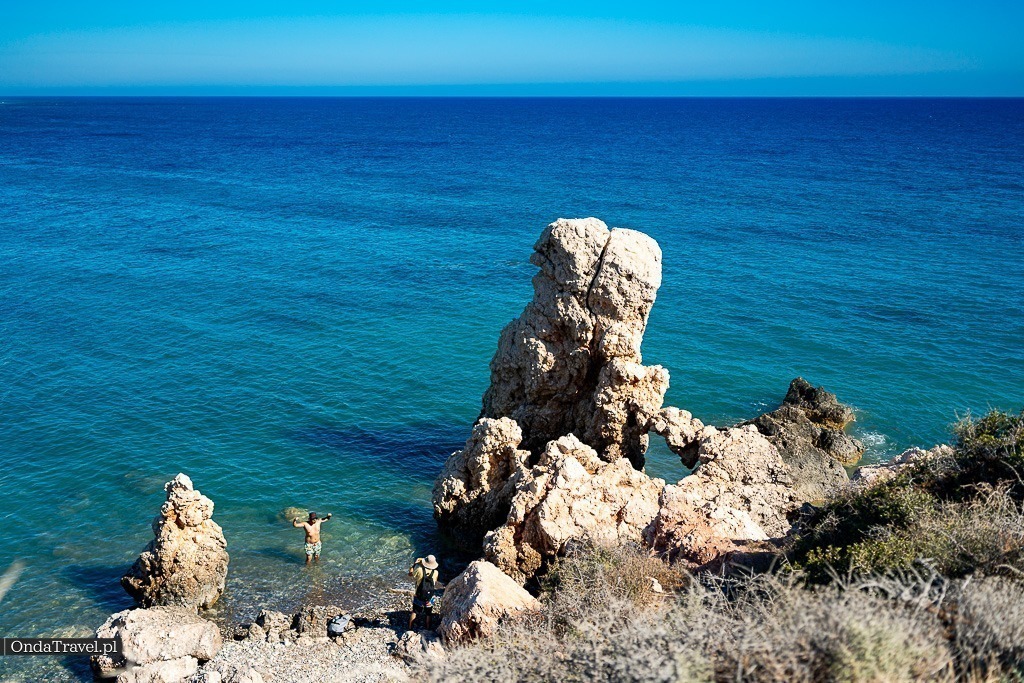
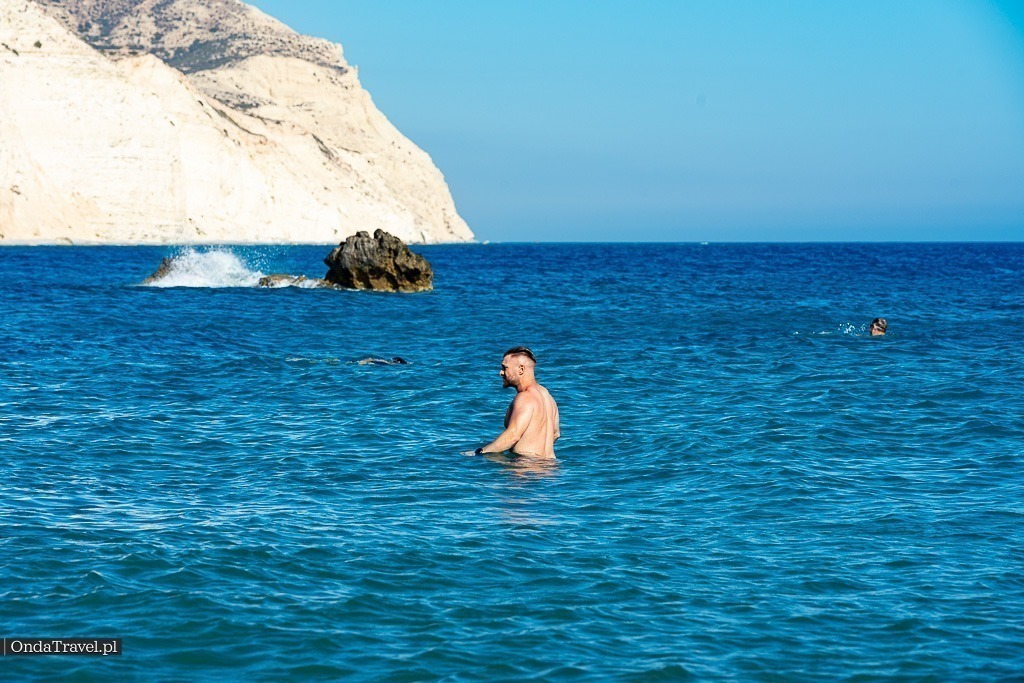
Aphrodite’s Rock – Kouklia – Cyprus
Aphrodite’s Rock – Πέτρα του Ρωμιού – Kuklia
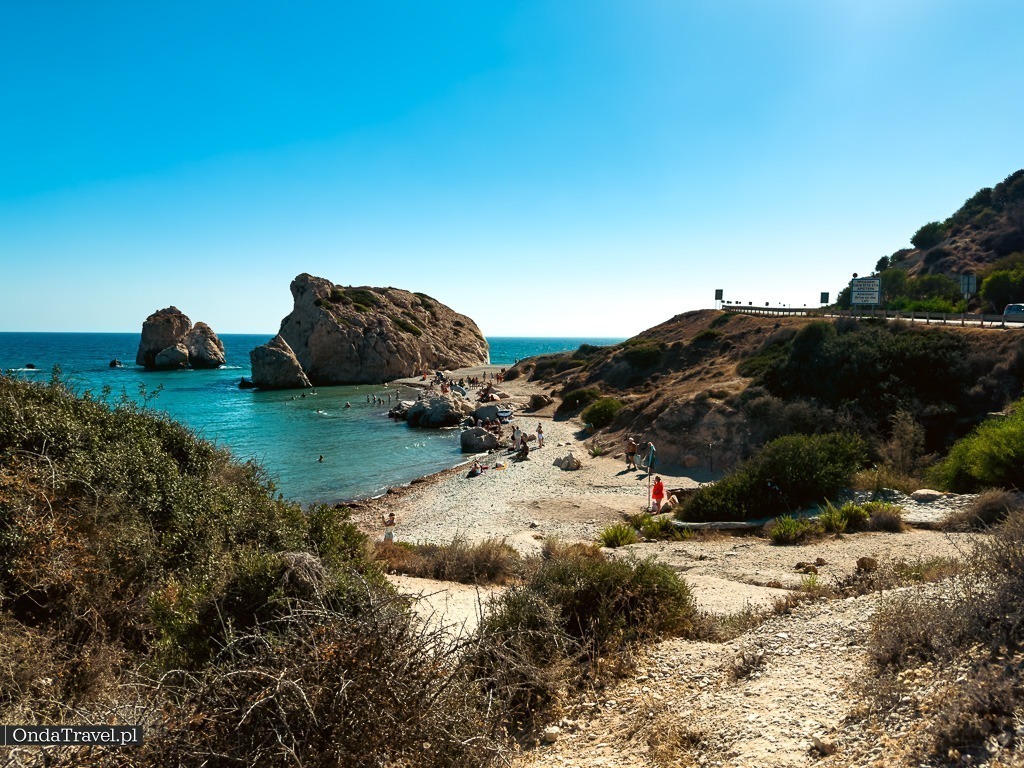
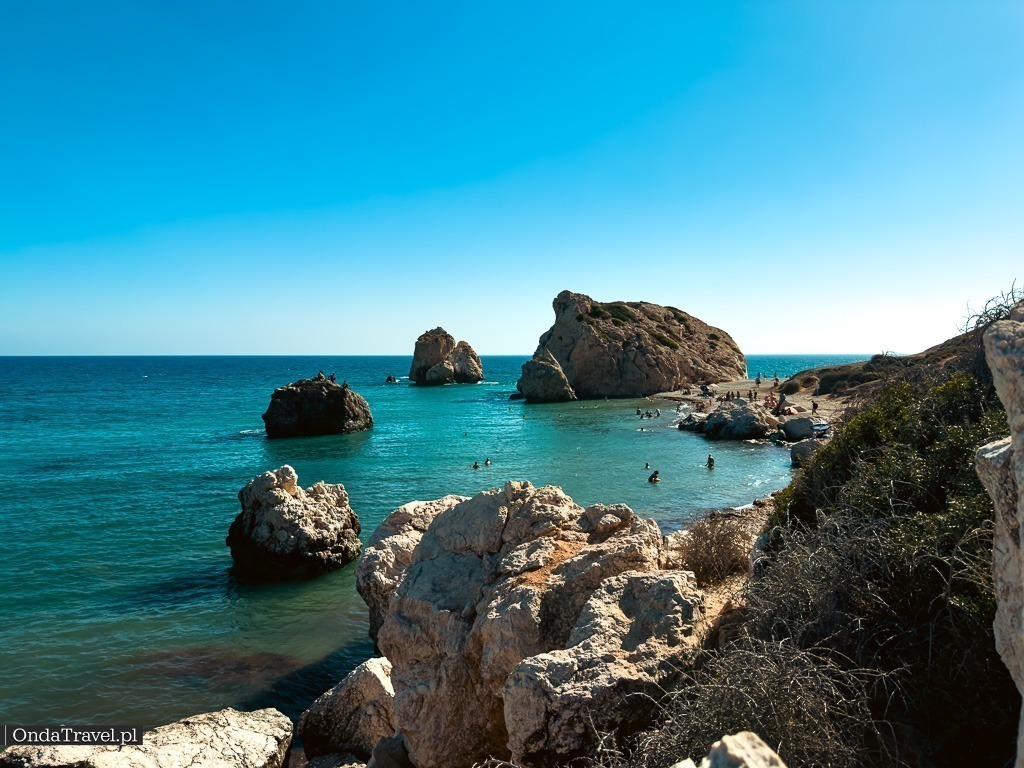
Location: The rock is located on the coastline in Kouklia, 25 km from Paphos, on southwestern Cyprus. We view Aphrodite’s Rock from the pebble Aphrodite’s Beach – Παραλία Αφροδίτης.
Getting There: By car from Paphos via the A6 road (approx. 20 min), with free parking available. Bus no. 631 runs from Paphos.
History of the Place: According to myth, this is the birthplace of Aphrodite, who emerged from the sea foam. In the Middle Ages, the area was associated with the legend of a Byzantine hero.
Interesting Facts: Legend says that swimming around the rock three times grants eternal youth. It is ideal for watching sunsets, but the waves can be strong—do not climb the rock.
Ancient Amphitheater – Episkopi Lemesou – Cyprus
Αρχαίο Θέατρο Κουρίου
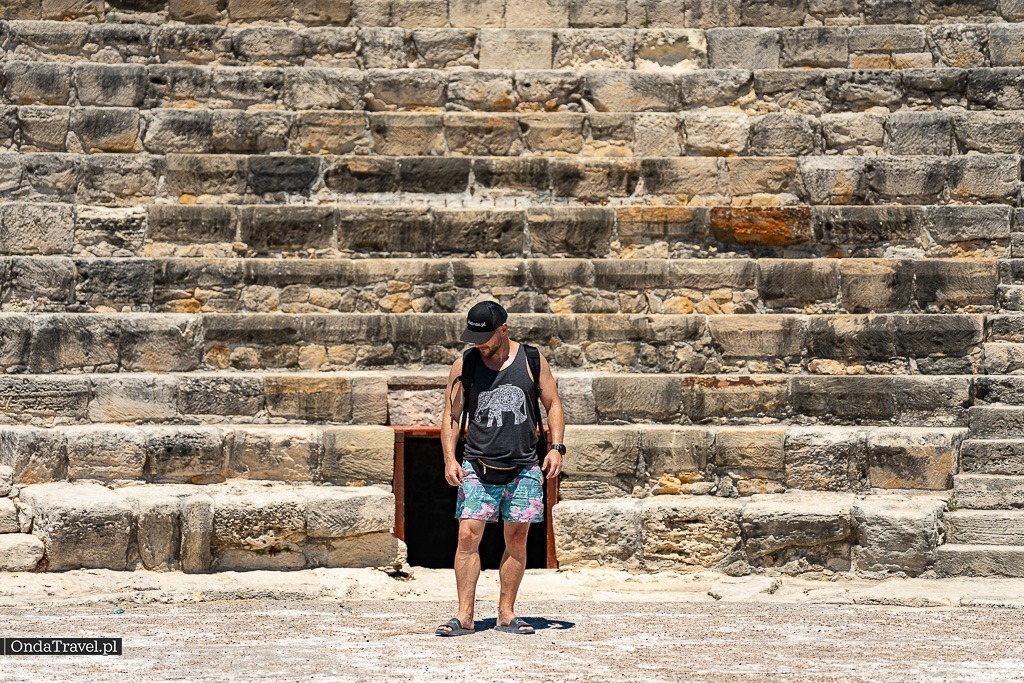
Location: The amphitheater is located in ancient Kourion, on a hill in Episkopi, 13 km west of Limassol.
Getting There: By car from Limassol via the B6 road (approx. 15 min), parking is available on site (€4.50 entrance fee). Bus no. 16 runs from Limassol.
History of the Place: Built in the 2nd century BCE and expanded during Roman times. It was used for spectacles and gladiatorial combat, and was destroyed by earthquakes in the 4th century AD.
Interesting Facts: It can accommodate 3,500 spectators, and the acoustics allow a whisper from the center to be heard. Today, it hosts concerts and performances, offering spectacular views of the sea. It is part of the UNESCO World Heritage Site.
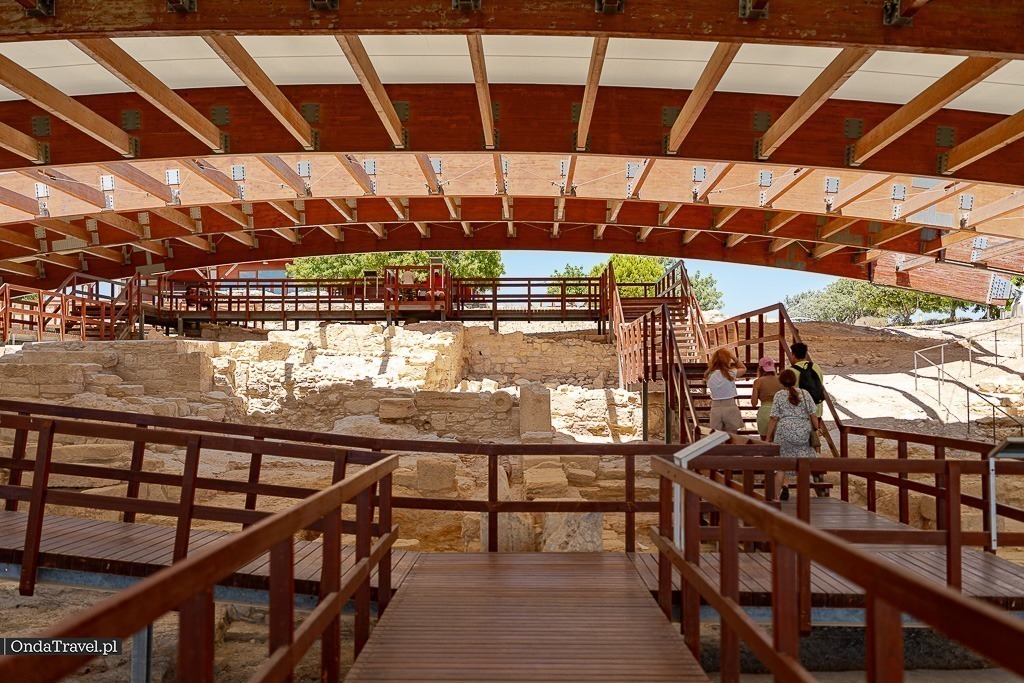
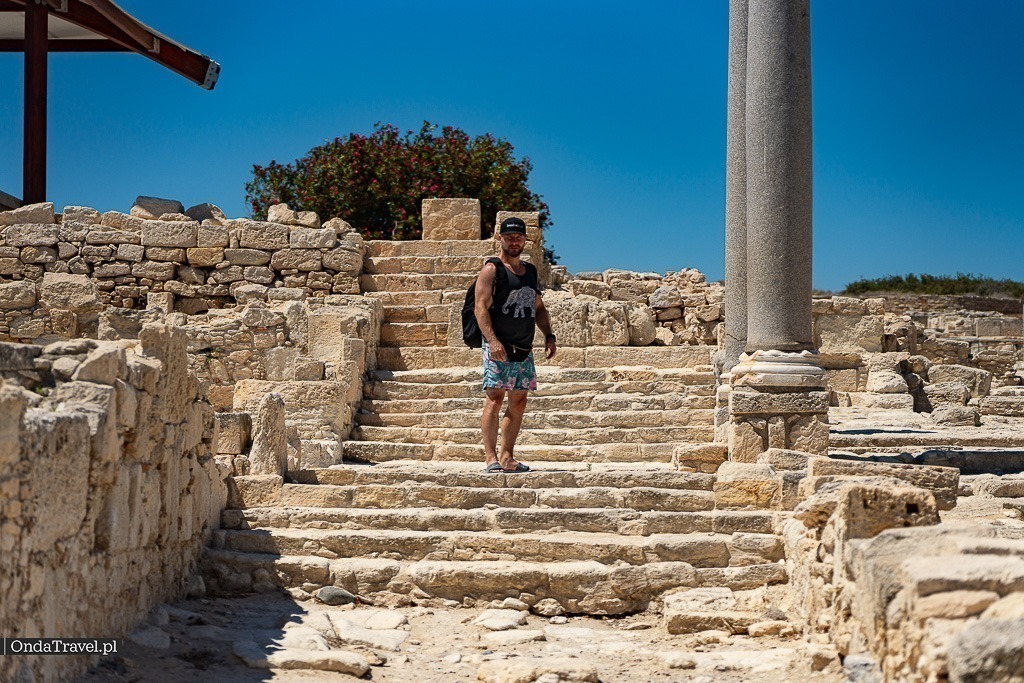
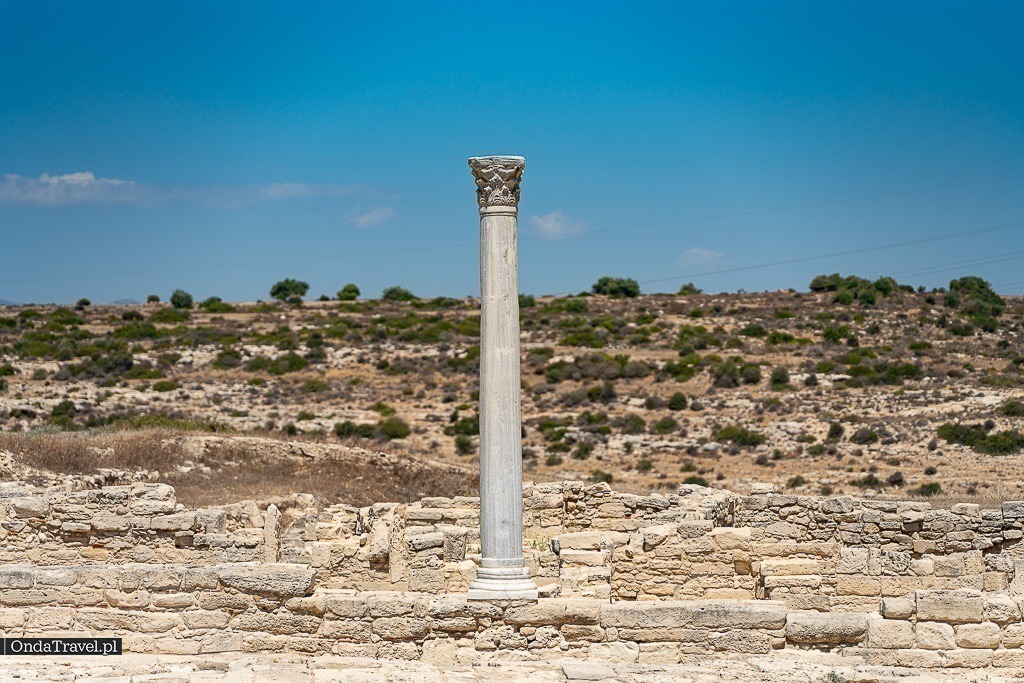
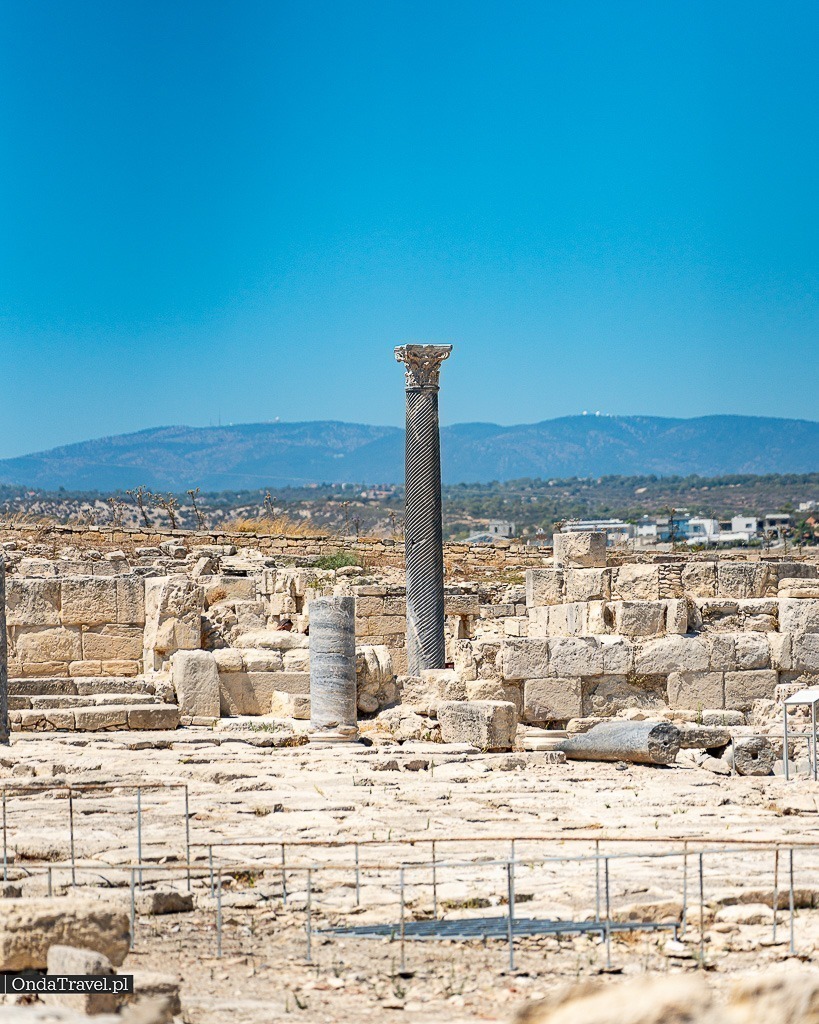
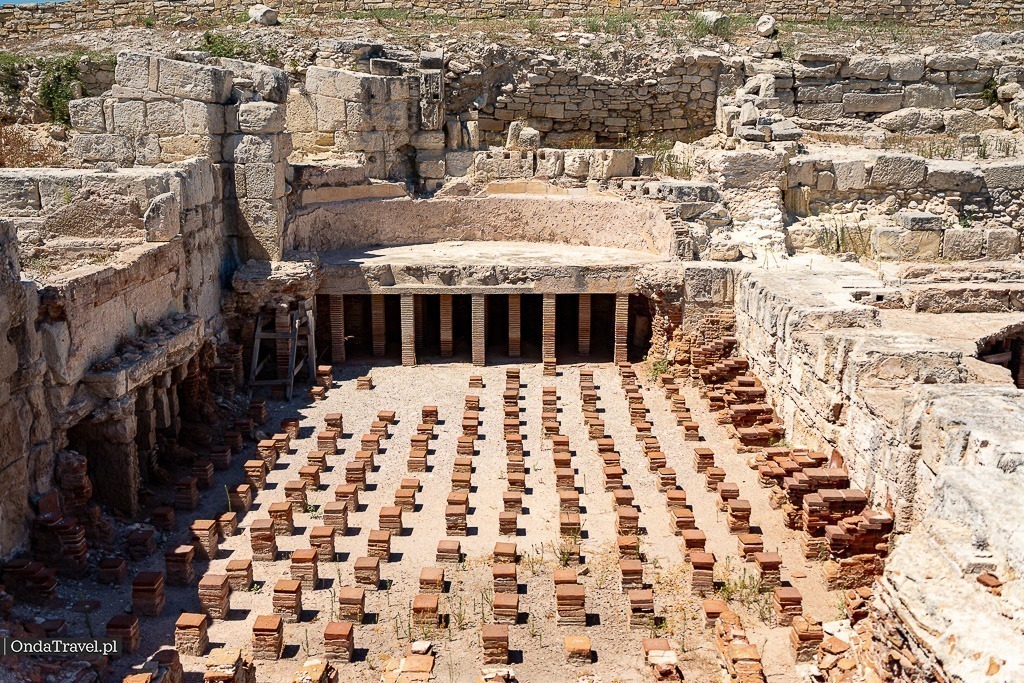
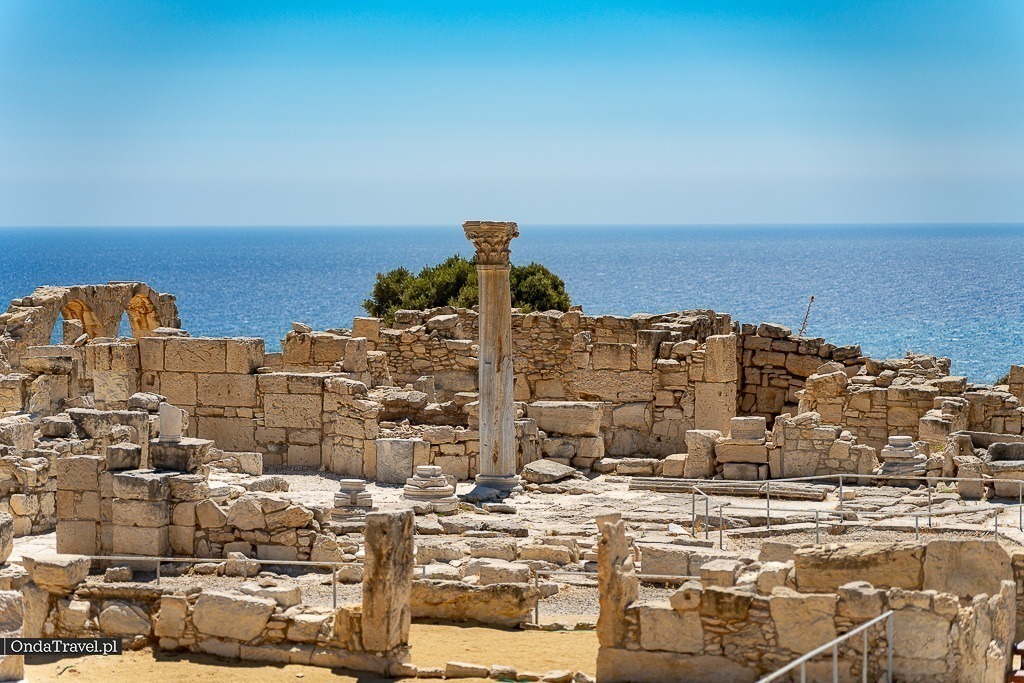
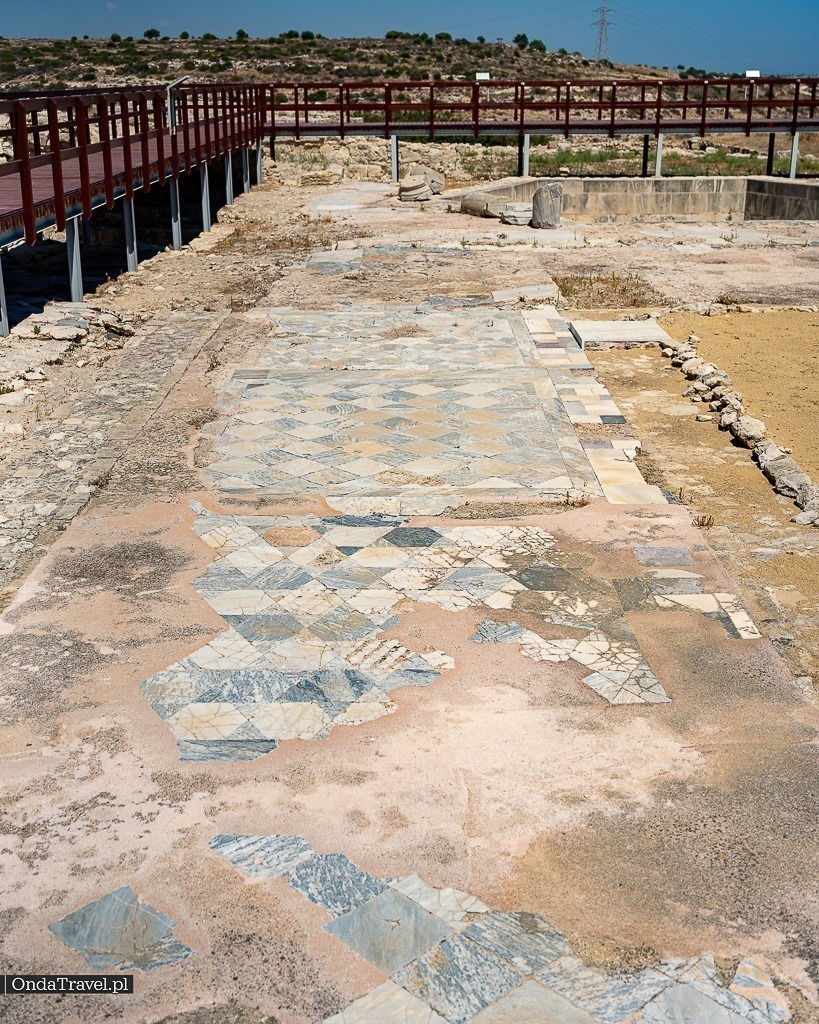
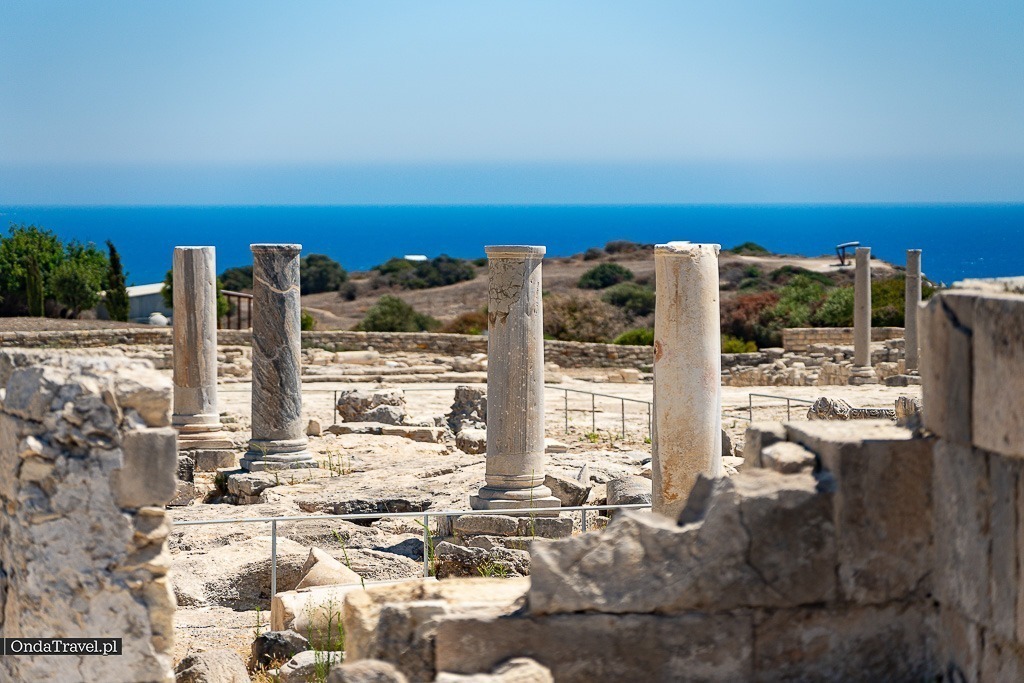
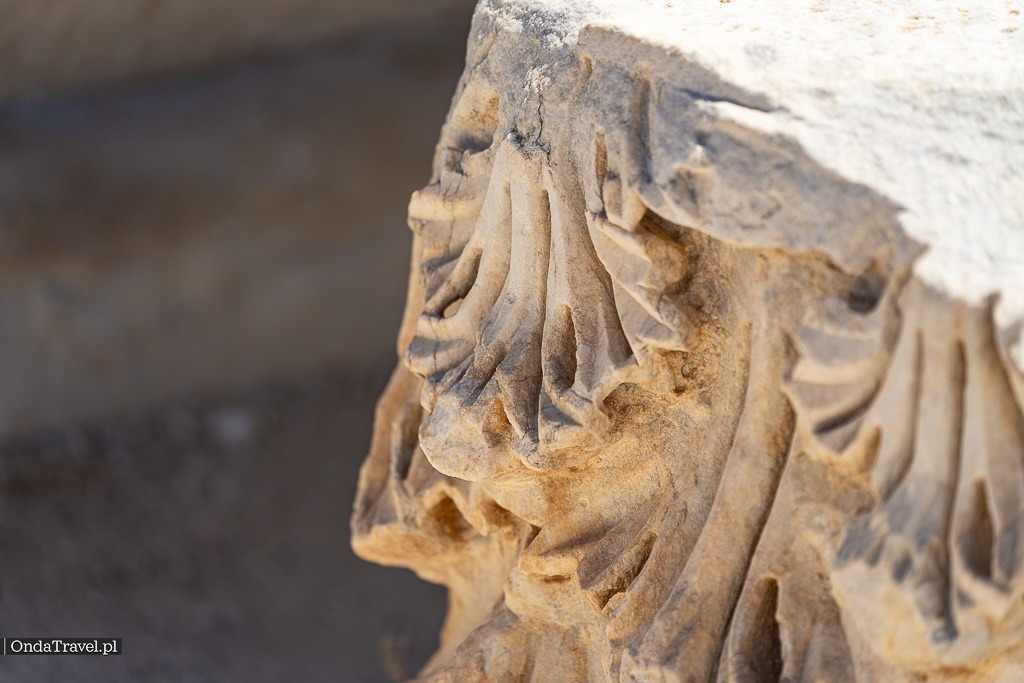
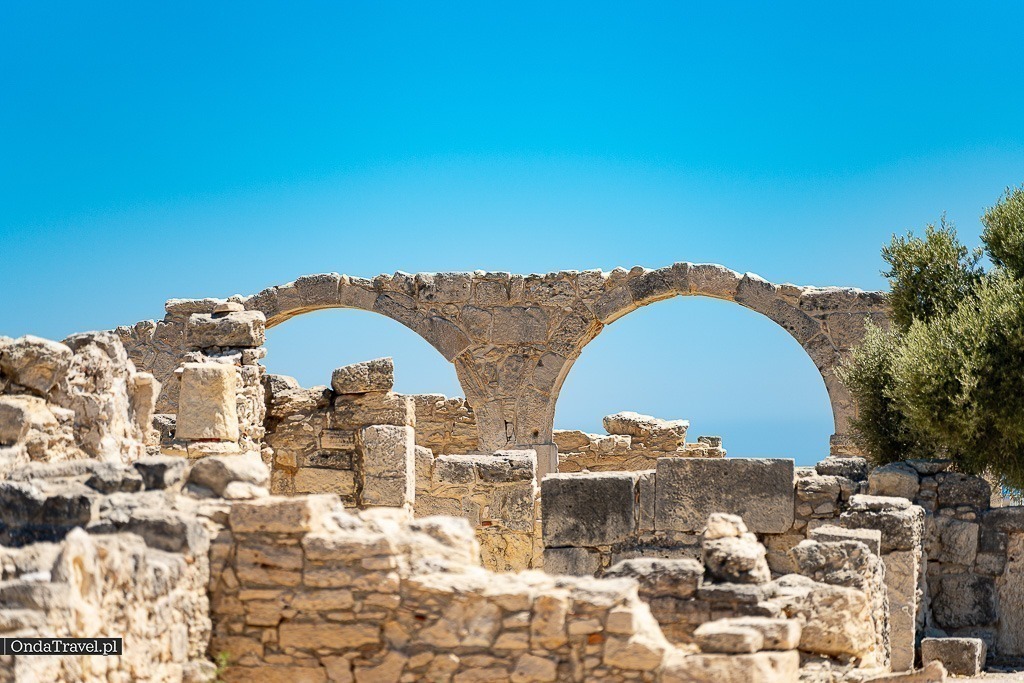
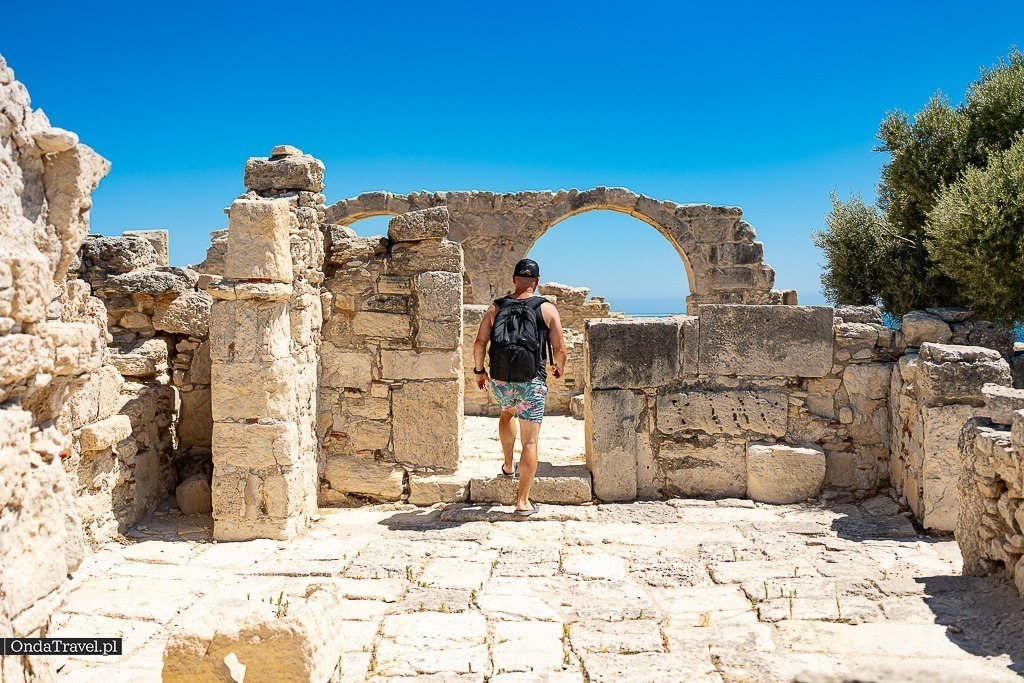
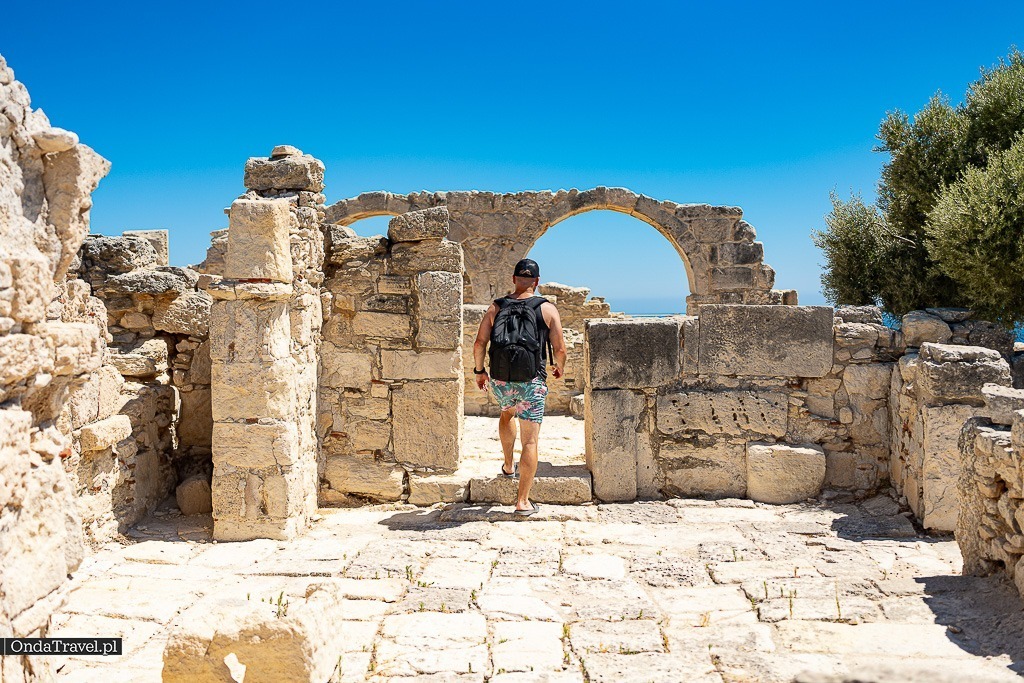
Kourion Archaeological Site – Episkopi, Limassol, Cyprus
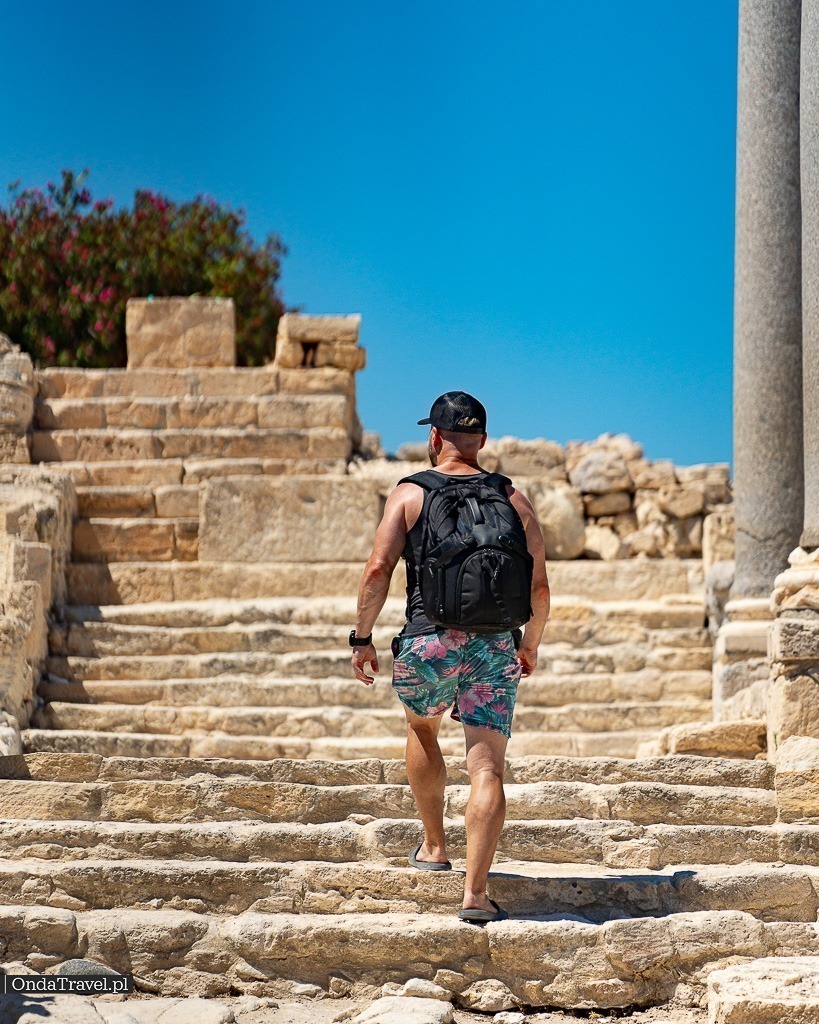
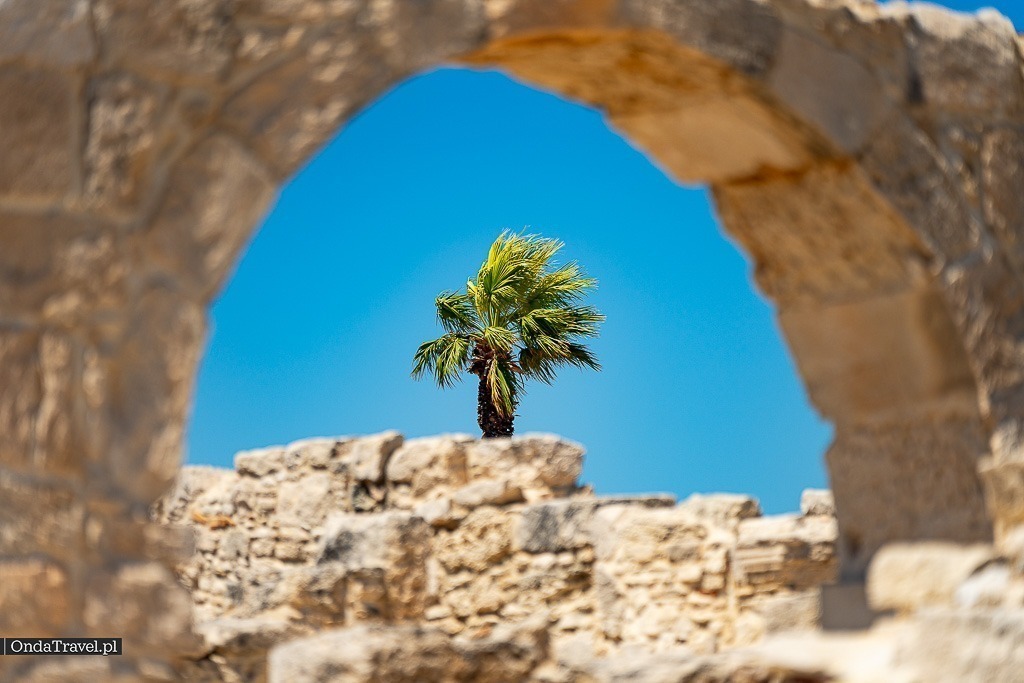
The Kourion Archaeological Site—the archaeological museum in Episkopi (Limassol district, Cyprus)—is one of the most important historical places on the island, transporting visitors back to the times of ancient Greece and Rome. Picturesquely located on cliffs overlooking the Mediterranean Sea, it delights not only with history but also with its scenery.
On-site, you will see, among others:
Teatr grecko-rzymski – The Greco-Roman Theatre – impressively restored, still used today for concerts and performances.
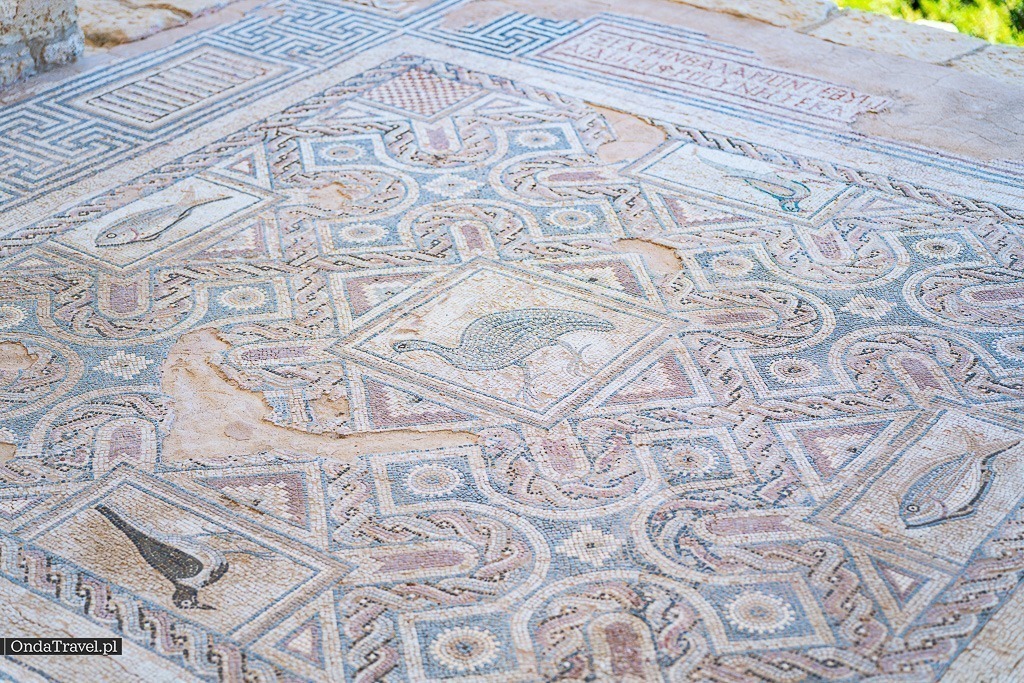
Dom Eustoliosa – The House of Eustolios – a former Roman villa with magnificent mosaics.
Bazylikę chrześcijańską z V wieku – The Christian Basilica from the 5th century (Επισκοπική Παλαιοχριστιανική Βασιλική Κουρίου) – evidence of early Christianity in Cyprus.
Łaźnie publiczne i gimnazjon – Public Baths and Gymnasium (Nymphaeum of Kourion – Ρωμαϊκό Νυμφαίο Κουρίου) – places of daily life for ancient inhabitants.
Mosaics depicting mythological scenes and geometric patterns.
oraz : Amathus Gate Cemetery, Agora – Αγορά, House of the Gladiators – Οικία των Μονομάχων, House of Achilles – Οικία Αχιλλέα
The entire site is surrounded by natural landscape, and the coastal panorama makes the visit a unique combination of history and views.
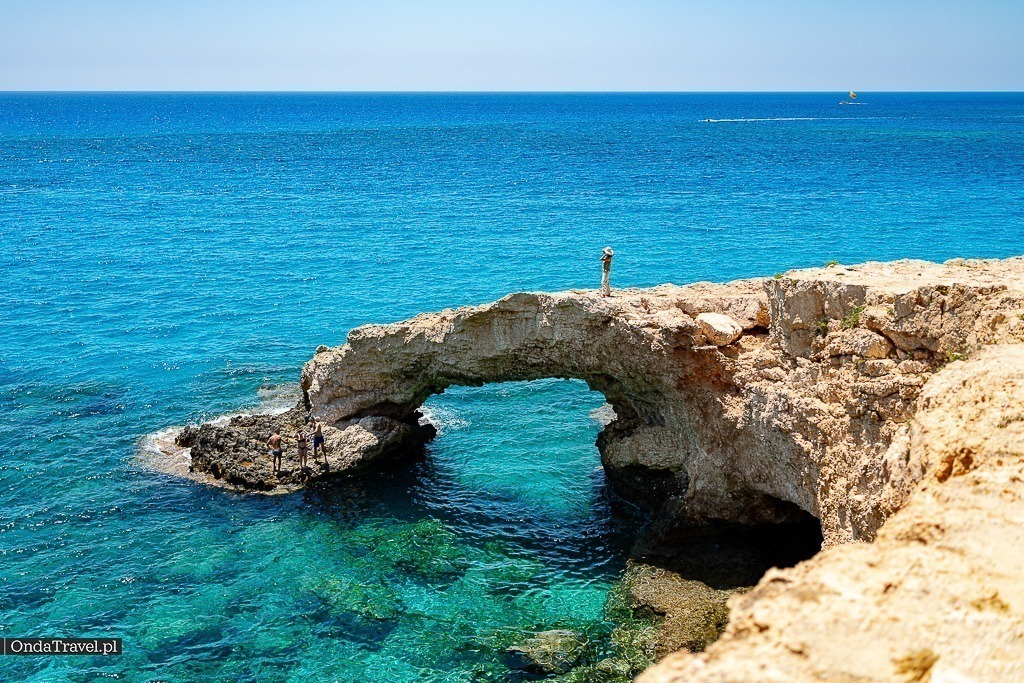
Most miłości Cypr – Love Bridge – Ayia Napa – Cypr
Location: A natural rock bridge on Cape Greco, 2.5 km from Ayia Napa, on the eastern coast.
Getting There: By car from Ayia Napa via the E327 road (approx. 5 min), with free parking available. Buses no. 101/102, followed by a walk.
History of the Place: Formed by the erosion of limestone, it has been used as a viewpoint for centuries.
Interesting Facts: Legend says that a kiss on the bridge grants wishes. It is 6m long, ideal for sunset photos. It is popular for weddings and snorkeling in the caves below.

The Most Beautiful Beaches in Cyprus – Island Guide – What to See in Cyprus


PLACES NOT FEATURED IN THE CYPRUS VIDEO

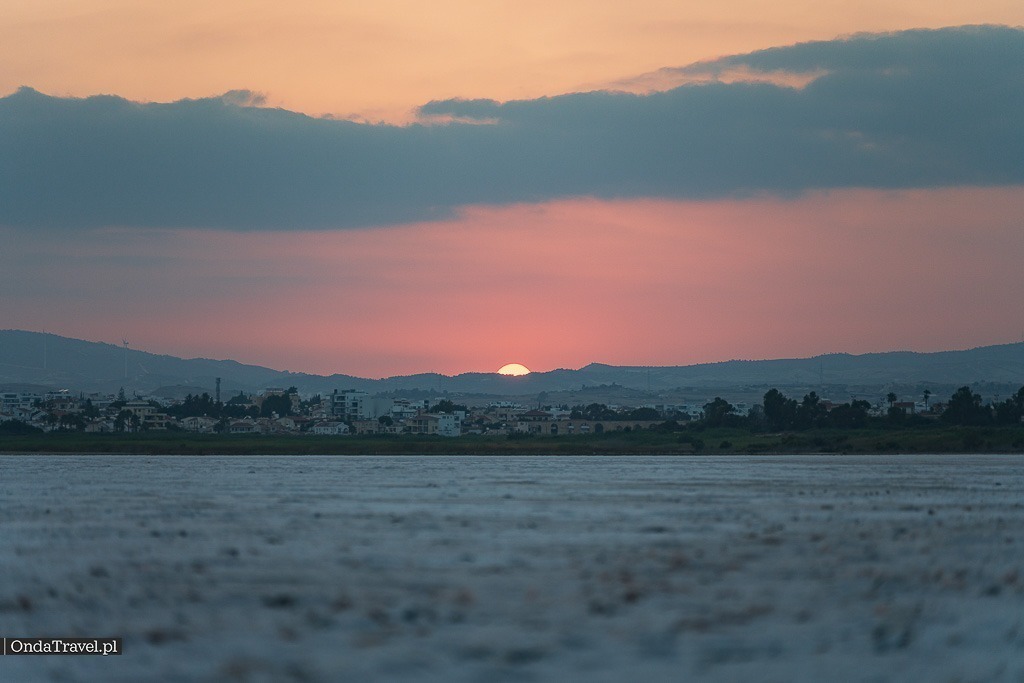
Larnaca Salt Lake – Αλυκή Λάρνακας – Cypr
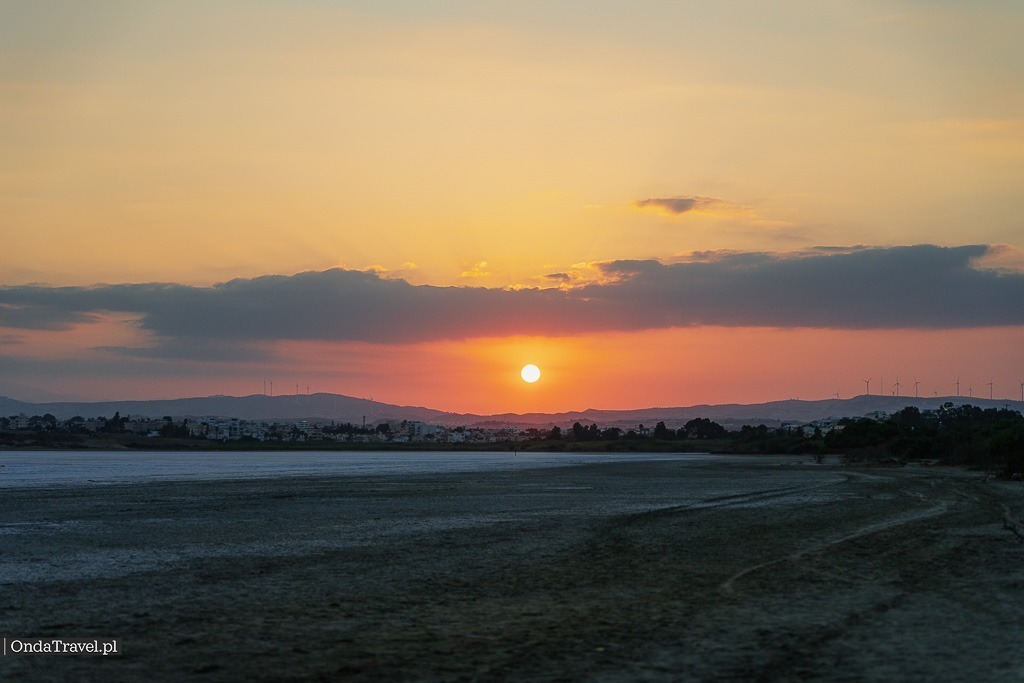
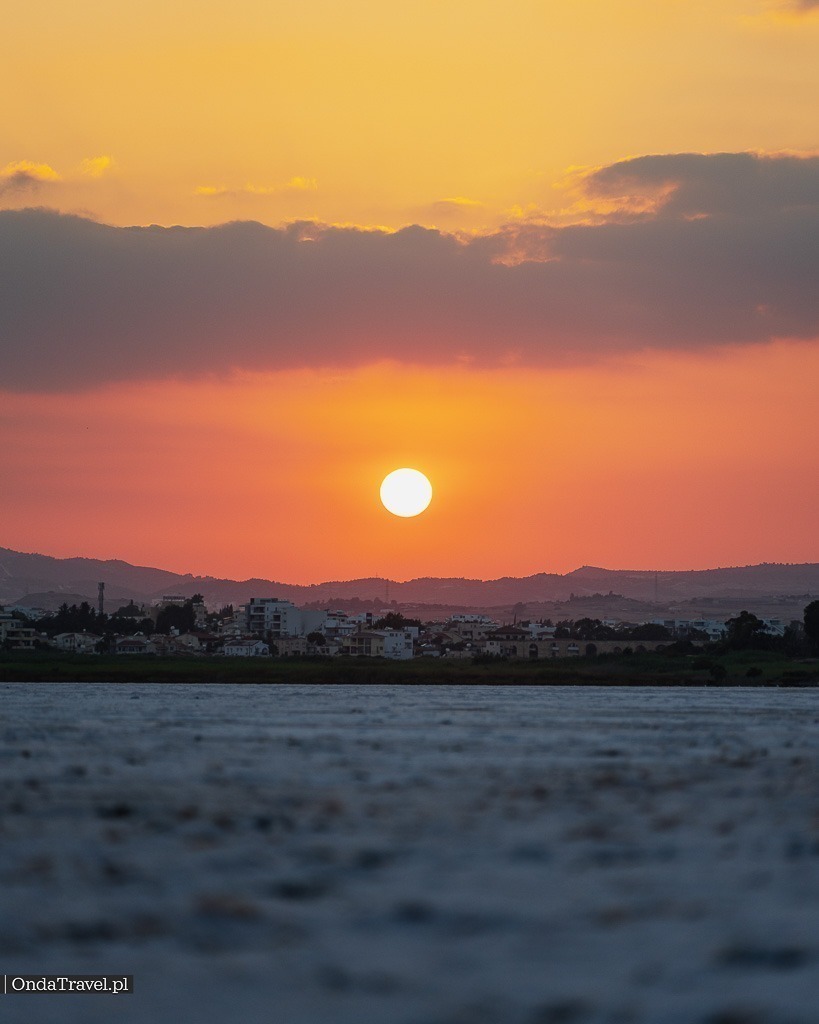
Location: A vast salt lake located right next to the city of Larnaca, visible even from airplane windows during landing. It consists of four interconnected basins.
Getting There: Very easy—the lake lies along the main road from the airport to the center of Larnaca. You can walk around it using marked walking and cycling paths.
History: Since antiquity, the lake was used for salt harvesting—the white layer of crystalline salt was a valuable export commodity. Today, extraction has ceased, and the lake primarily functions as a nature reserve.
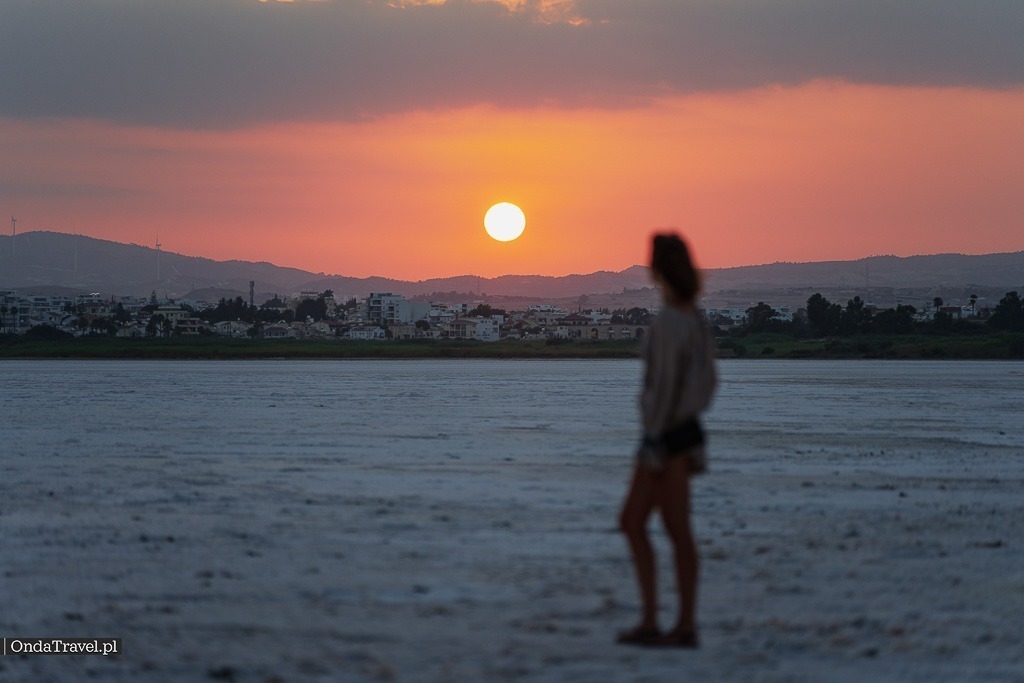
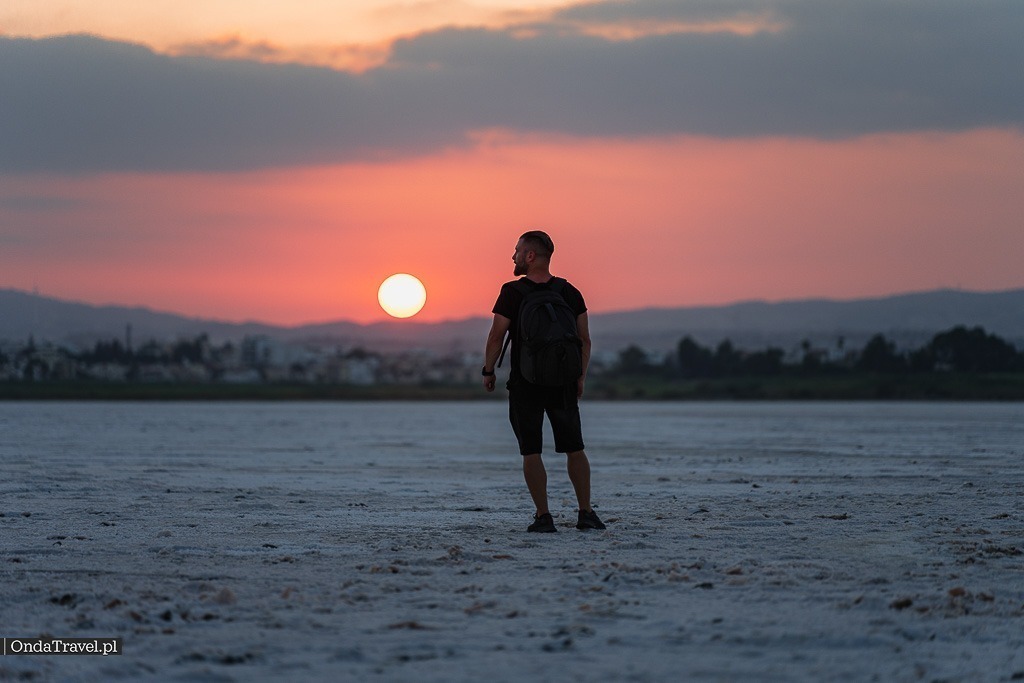
Interesting Facts: In winter, the lake becomes home to thousands of flamingos that migrate here to feed—it is one of the most photogenic sights in Cyprus. In summer, the basin almost completely dries up, and the surface is covered by a glistening layer of salt, creating an otherworldly landscape. This spot is particularly effective for drone shots, especially at sunset when the lake’s surface reflects the golden colors of the sky.
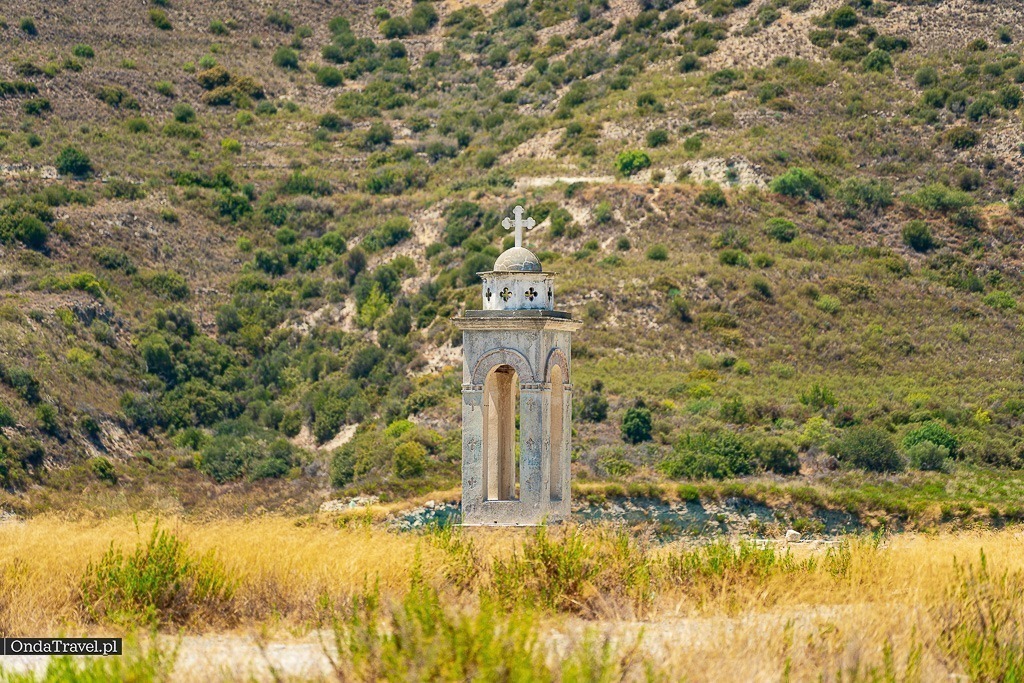
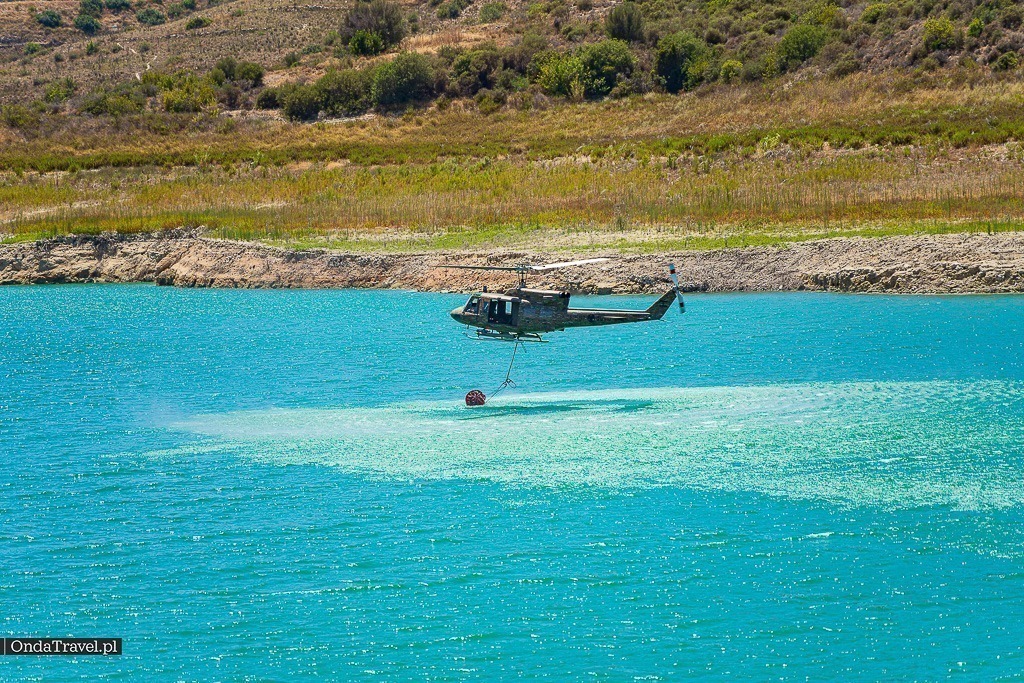
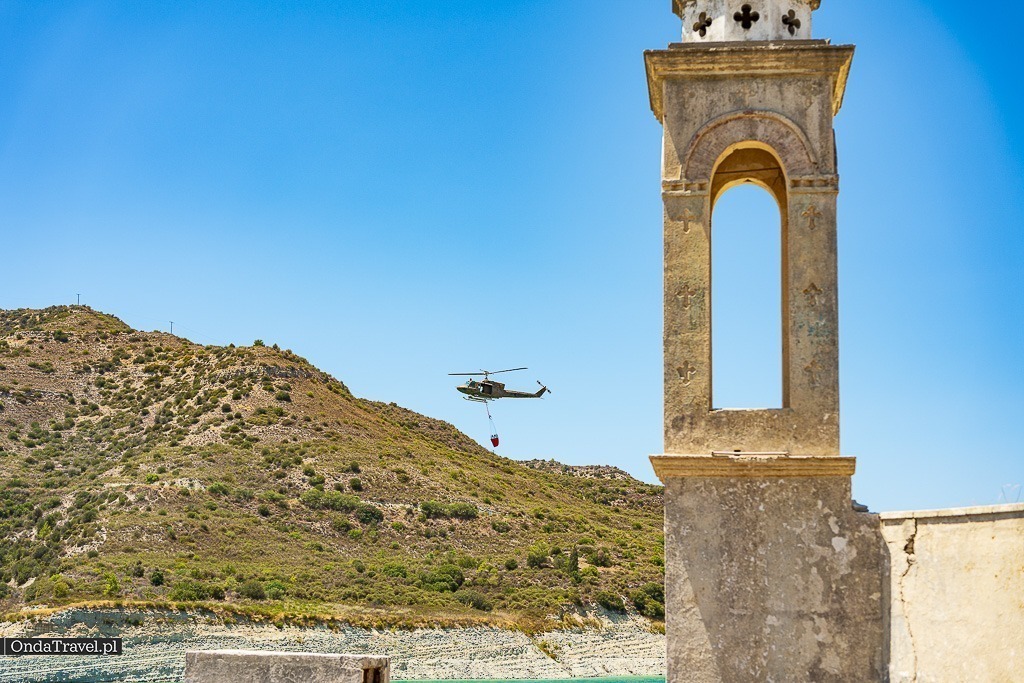
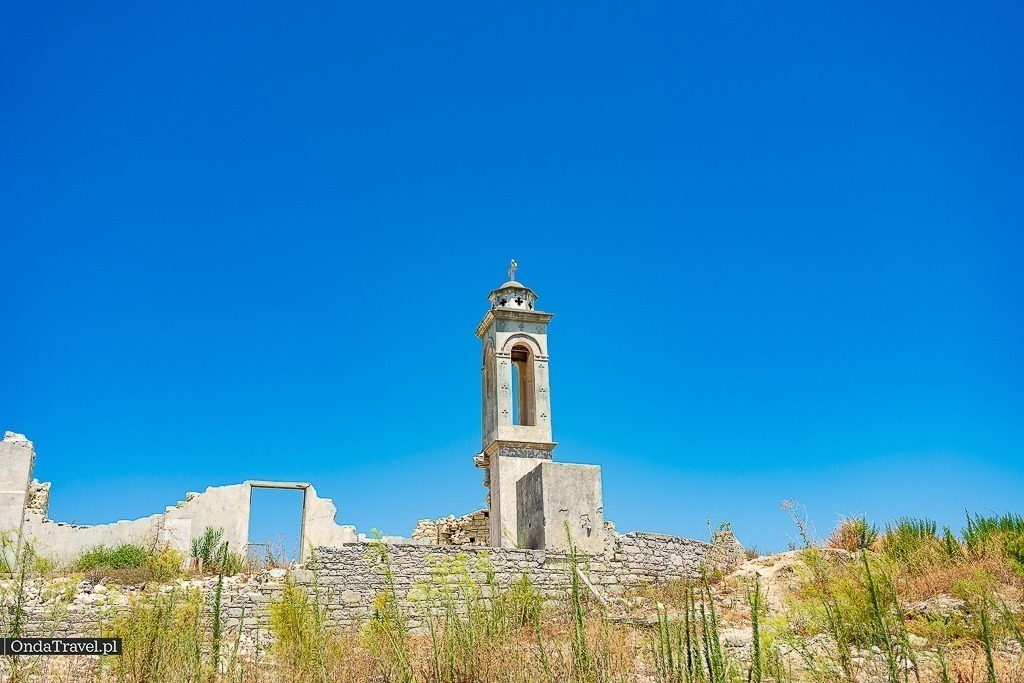
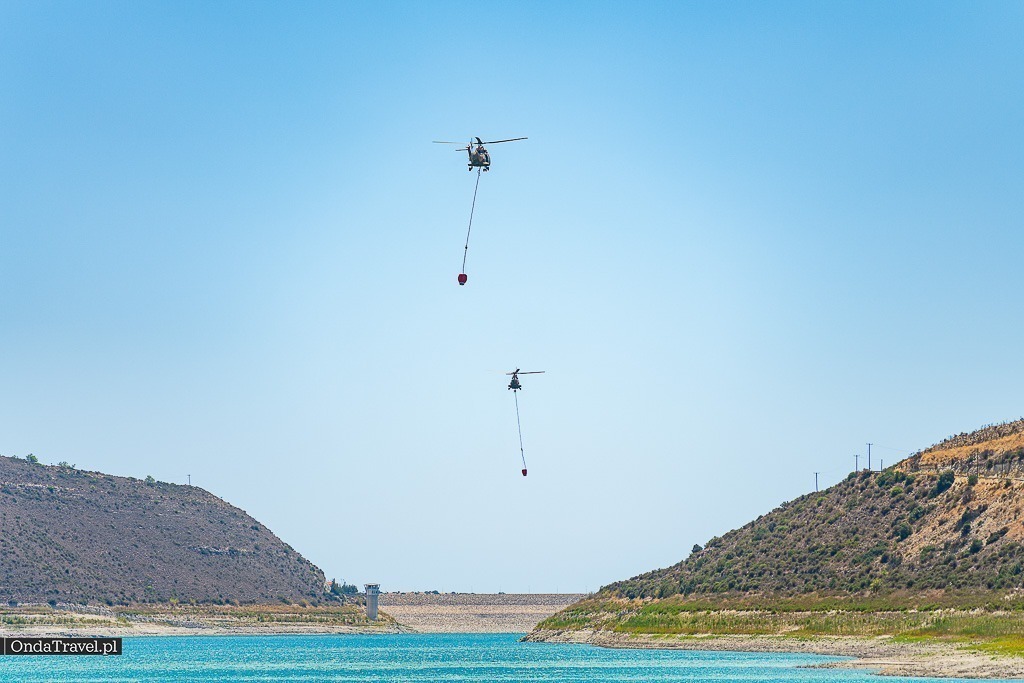
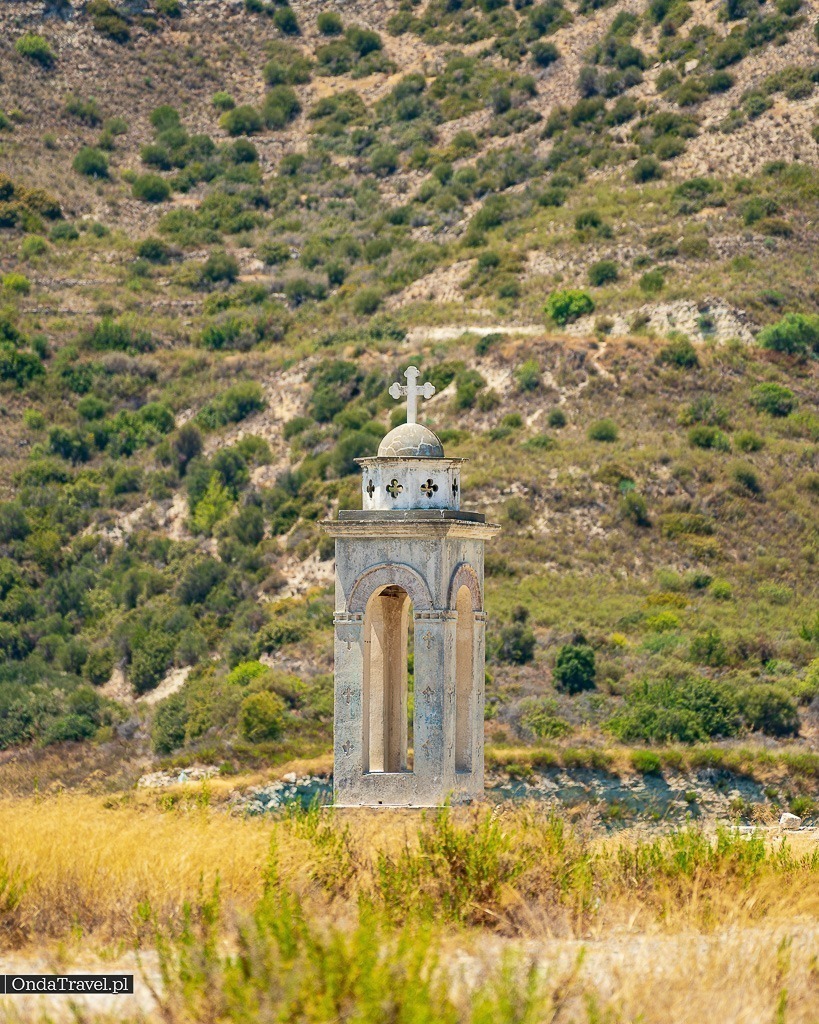
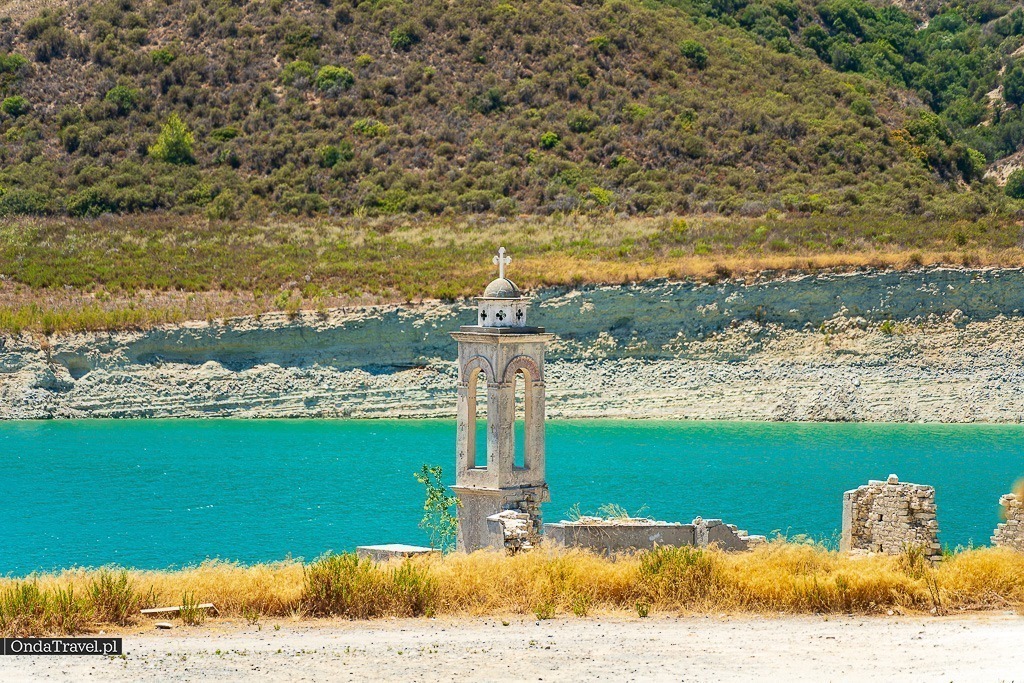
Old Saint Nicholas Church – Alasa – Cypr
Παλαιά Εκκλησία Αγίου Νικολάου – Alassa
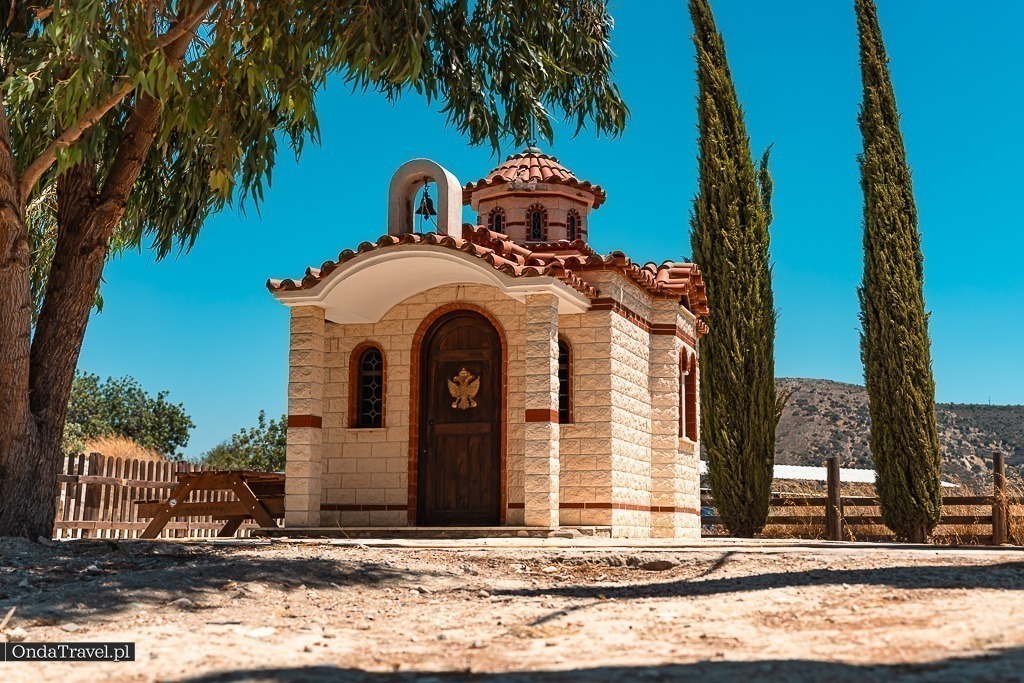
Location: The Greek Orthodox Church (Παλαιά Εκκλησία) is a small church situated in the mountain village of Alasa, in the Limassol region, surrounded by picturesque hills and vineyards. It is a peaceful place, away from the tourist hustle and bustle.
Getting There: Best reached by car from Limassol—the route leads through the narrow, winding streets of mountain villages, which is an extraordinary experience in itself.
History: The Church of Saint Nicholas was built in Byzantine times and renovated several times in subsequent centuries. In local tradition, Saint Nicholas is revered as the patron saint of travelers and protector of wanderers—it is no surprise that the temple was built near the ancient mountain trails.
Interesting Facts: Silence and tranquility prevail around the church, interrupted only by the singing of birds. This place is particularly photogenic in spring when it is surrounded by green hills and blossoming almond trees. The interior is modest but full of icons and traditional frescoes—ideal for photos capturing the atmosphere of old Cyprus.
Saint Nicolas – Άγιος Νικόλαος
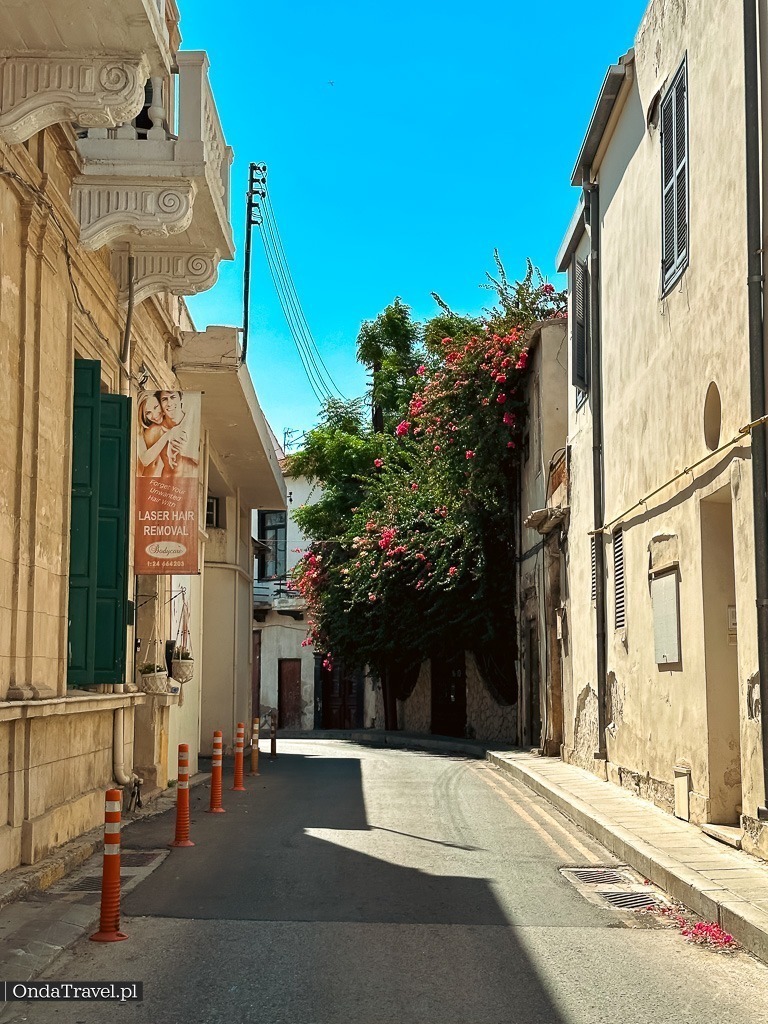
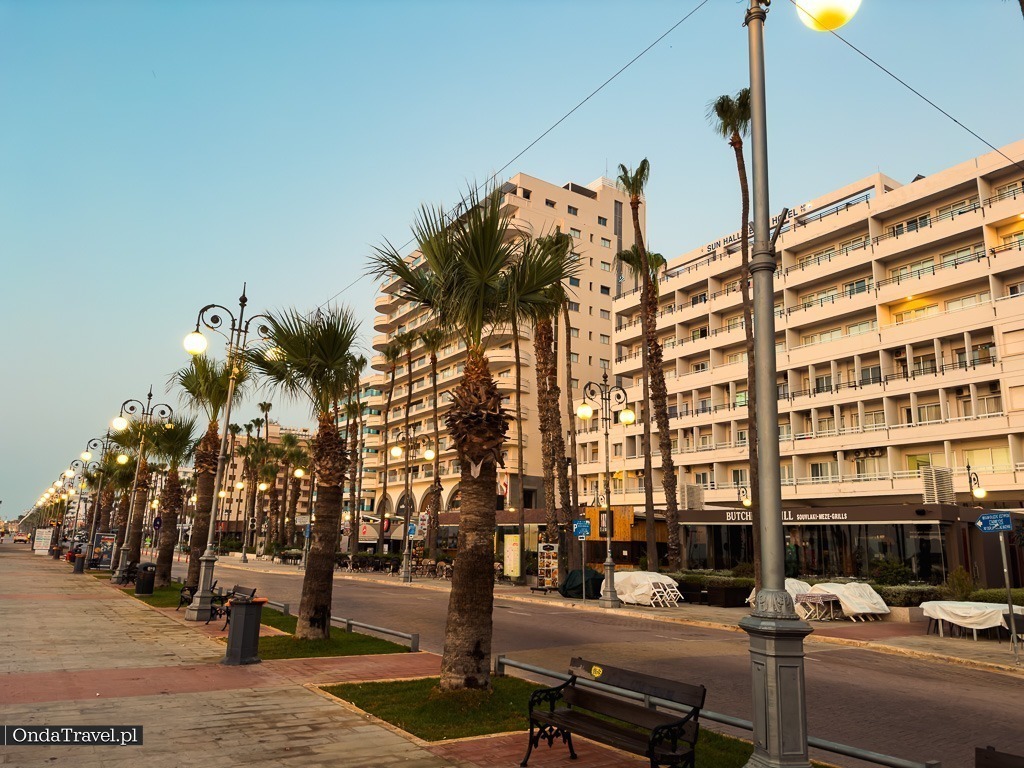
Larnaca City in Cyprus – Cypr Larnaca Λάρνακα
Location: Larnaca is located on the south coast of Cyprus, on the Mediterranean Sea. It is the third-largest city on the island and a major air and sea port.
Getting There: The easiest way to get here is by plane—Larnaca International Airport is the largest in Cyprus and is located just a few kilometers from the city center. From other parts of the island, the A3 motorway (from Ayia Napa) and the A1 motorway (from Nicosia and Limassol) lead here.
History: Larnaca is one of the oldest cities in Cyprus. In antiquity, it was known as Kition—an important Phoenician center. The city is associated with figures such as the philosopher Zeno of Kition, the founder of the Stoic school. In the Middle Ages, the port of Larnaca played a key role in trade between Europe and the Middle East.
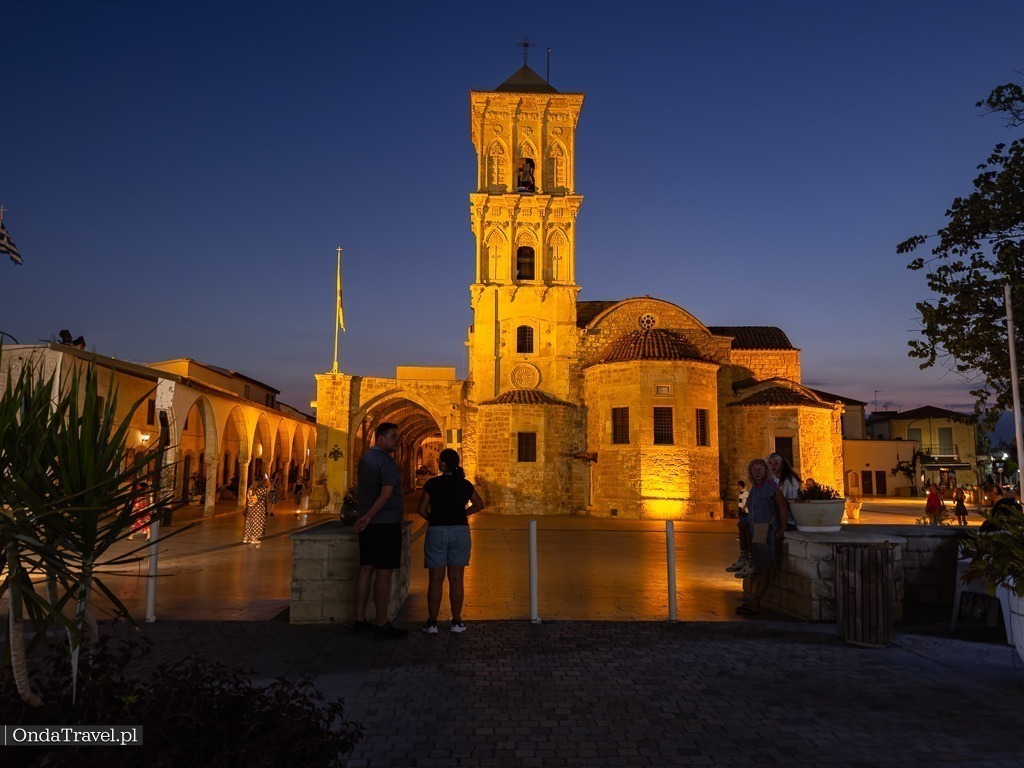
Interesting Facts:
The symbol of the city is the Church of Saint Lazarus from the 9th century, where, according to tradition, Lazarus, resurrected by Christ, was buried.
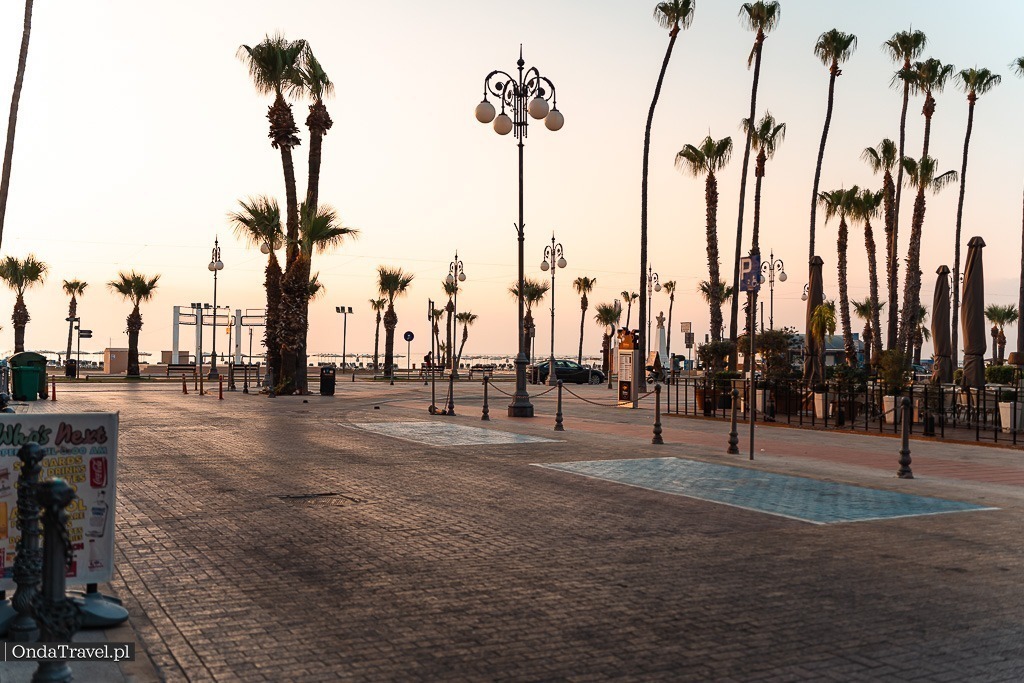
A stroll along the Finikoudes Promenade—the palm-lined seafront promenade—is a must-see for every tourist.
Nearby is Larnaca Castle, erected by the Ottoman Turks, which now serves as a museum.
Larnaca is also famous for its proximity to the Salt Lake, where flamingos arrive in winter.
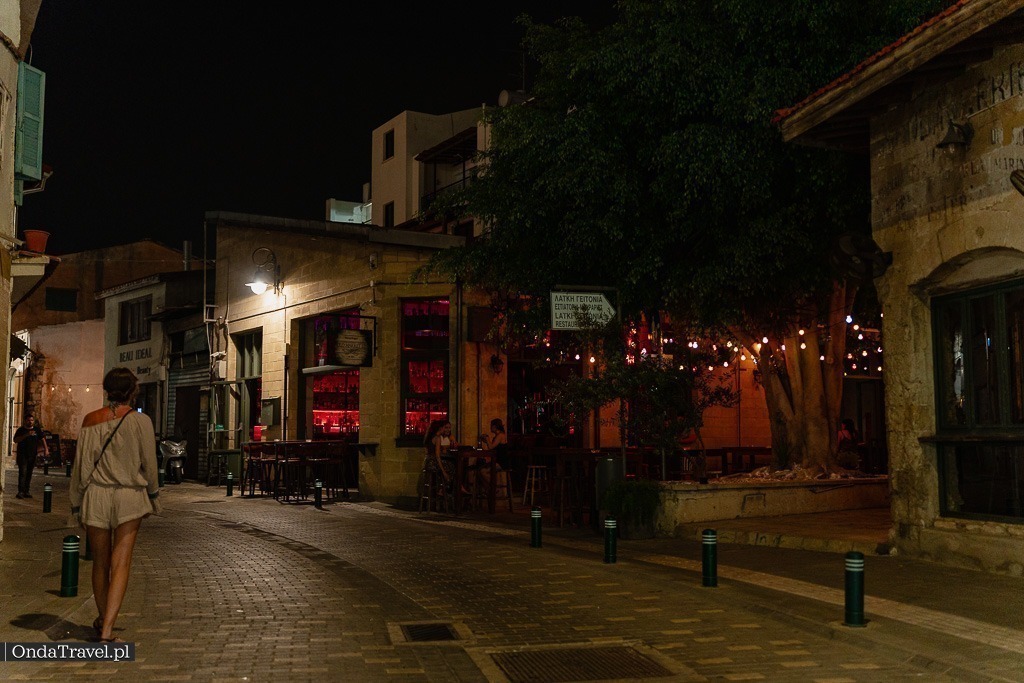
This city is perfect for cinematic shots: from the narrow streets of the old town to modern cafes and beaches right in the center.
Paphos City – Cyprus Paphos Πάφος
Location: Paphos is located on the southwest coast of Cyprus, on the Mediterranean Sea. It is one of the island’s most beautiful coastal cities, famous for its myths, ancient monuments, and romantic sunsets.
Getting There: Paphos can be reached via the A6 motorway from Limassol (approx. 1 hour drive). The city also has its own international airport, which facilitates arrival directly from many European cities.
History: Paphos is one of the oldest cities in Cyprus, closely associated with the cult of Aphrodite—according to mythology, the goddess of love was born from the sea foam near the local according to mythology, the goddess of love was born from the sea foam near the local Aphrodite’s Rock. In ancient times, the city was the capital of the island and an important religious and political center. The ruins of Roman villas with extraordinary mosaics, inscribed on the UNESCO list, have been preserved here to this day.
Interesting Facts:
The most famous monuments are the House of Dionysus and other villas with mosaics that depict scenes from Greek mythology.
A medieval Venetian fortress dominates the harbor, which looks best at sunset.
The city has two faces: the historical Kato Paphos with ruins and a promenade, and the more modern upper Paphos with a market and restaurants.
The Tombs of the Kings—a monumental necropolis from the 4th century BCE, carved into the rocks—is also located nearby.
Cyprus Blog – Most Frequently Asked Questions FAQ
What are the most beautiful beaches in Cyprus?
The most famous include Nissi Beach (Ayia Napa), Fig Tree Bay (Protaras), Coral Bay (Paphos), Lara Beach (turtle reserve), and Petra tou Romiou (Aphrodite’s Rock).
What is worth seeing in Paphos?
In Paphos, you must see the Kato Paphos Archaeological Park (mosaics), the Tombs of the Kings, the harbor with the castle, and the nearby Coral Bay beaches and the turtle reserve.
What are the most interesting ancient monuments in Cyprus?
The ruins of Kourion (theatre and mosaics), ancient Salamis (north), the tombs and mosaics in Paphos, and numerous Byzantine churches and monasteries.
What is there to do in Ayia Napa besides sunbathing?
Ayia Napa also offers water parks (WaterWorld), nightlife, boat trips, and Cape Greco with its picturesque cliffs and caves.
Where are the best hiking trails and nature spots?
The Troodos Mountains offer trails, waterfalls (e.g., Millomeris), traditional villages, and pleasant views—great options for hiking and cycling.
What to see in Nicosia?
A walk along the Venetian walls, the Cyprus Museum, Saint John’s Cathedral, and crossing the Green Line to the Turkish part of the city.
When is the best time to visit Cyprus?
The beach season lasts from May to October; May–June and September are the best compromise between good weather and smaller crowds. In winter, you can sightsee and enjoy the Troodos Mountains.
What are the attractions for families with children?
Water parks (WaterWorld), aquariums, dolphin watching cruises, and sandy, shallow beaches ideal for children (Fig Tree Bay, Coral Bay).
Where can you see sea turtles in Cyprus?
The best place is Lara Bay (near Paphos)—it is a nesting reserve for Caretta-caretta turtles.
What are the best spots for diving and snorkeling?
Cape Greco, the bays near Protaras and Paphos, and wrecks along the south coast offer good conditions for diving and snorkeling.
What are the culinary attractions of Cyprus?
You must try meze (a set of local dishes), halloumi, souvlaki, fresh seafood, and local wines from the Troodos region.
What museums and cultural centers are worth visiting?
The Archaeological Museum in Nicosia, the Archaeological Museum in Paphos, local art galleries, and cultural centers in Limassol and Larnaca.
*Are there hot springs or thermal baths in Cyprus?
Cyprus is not famous for hot springs like Iceland, but there are natural pools and popular bathing areas; the best-known recreational bathing area is the Blue Lagoon (Akamas)
What are the suggestions for day trips from Paphos and Limassol?
Golden Beach, Kourion Ruins, Kolossi Castle, Pano Lefkara (handicrafts), waterfalls in Troodos, and a drive along the coast to Ayia Napa/Protaras.
What are the best towns to stay in Cyprus?
Paphos (for history and beaches), Limassol (a base for trips and nightlife), Larnaca (airport, communication), Ayia Napa/Protaras (beaches and entertainment).
Is Cyprus safe for tourists?
Yes—Cyprus is generally safe, and tourist crime is low. However, always follow basic precautions and look after your documents.
How to get to Cyprus (flights and airports)?
The main airports are Larnaca (Larnaca) and Paphos (Paphos). Direct flights are available from many European cities during the season.
*What practical advice is there before traveling to Cyprus?
Take UV sunscreen, light clothing for the day, a warmer layer for the evenings, and comfortable shoes for hiking; check entry regulations and health insurance.
Is Nissi Beach worth visiting?
Nissi Beach in Ayia Napa is the most famous beach in Cyprus, known for its white sand, turquoise water, and shallow entry into the sea. A beach club with music and bars operates here during the season. Ideal for young people and families with children.
What is worth visiting in Larnaca?
The Salt Lake with flamingos, the Church of Saint Lazarus, the Kamares Aqueduct, the marina, and the Finikoudes promenade with palm trees and taverns.
What are the best beaches in Larnaca?
The most popular is Finikoudes—a long city beach with palm trees. Nearby, you will also find Mackenzie Beach—great for watching planes take off.
What is forbidden in Cyprus?
It is forbidden to import fruits, vegetables, and animal products from outside the EU. The export of ancient artifacts and shells from reserves is strictly prohibited. Also, remember the ban on photographing military objects.
On which continent is Cyprus located?
Geographically, Cyprus lies in Asia (the Middle East), but politically and culturally it is part of Europe. It has been a member of the European Union since 2004.
To whom does Cyprus belong?
The Republic of Cyprus is an independent state. The northern part of the island is occupied by Turkey and is called the Turkish Republic of Northern Cyprus (recognized only by Turkey).
Where is Cyprus located?
Cyprus lies in the Mediterranean Sea, south of Turkey, west of Syria and Lebanon, and east of Greece.
How long does a flight from Poland to Cyprus take?
A flight from Poland to Cyprus takes an average of 3.5 to 4 hours, depending on the departure airport and destination (Larnaca, Paphos). From Warsaw, it’s about 3 hours 40 minutes; from Katowice or Krakow, about 3 hours 20 minutes. The shortest flights last just over 3 hours.
- What to see in Cyprus in 7 days
- The most beautiful places in Cyprus for tourists / Best places in Cyprus for tourists
- 7-day Cyprus guide
- Cyprus attractions in a week
- Cyprus itinerary for 7 days / 7-day Cyprus trip plan
- Cyprus Blog
CHECK OUT OTHER INTERESTING GUIDES TO BEAUTIFUL PLACES





REZERWACJE
W tytule proszę podać wybraną wycieczkę
Islandia wycieczka , Polowanie na zorze polarna