

Arnarker Lava Cave – Reykjanes Iceland
Arnarker Lava Cave – Reykjanes Iceland

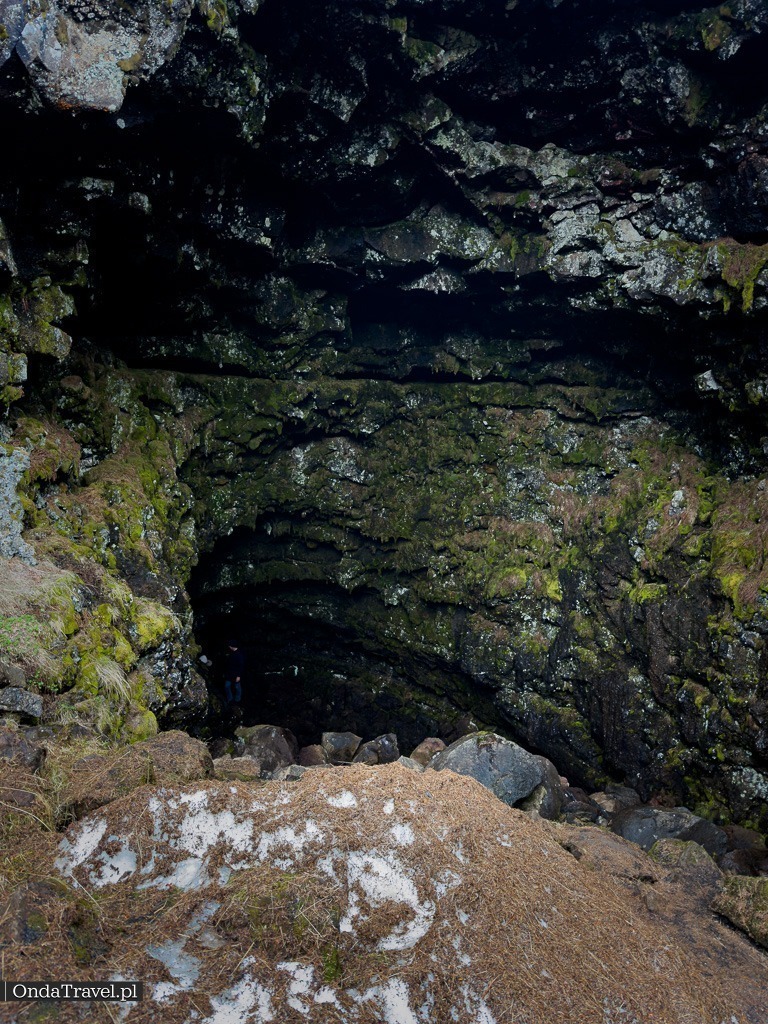
TABLE OF CONTENTS:
TABLE OF CONTENTS: Arnarker Cave
Arnarker Cave – Reykjanes Iceland
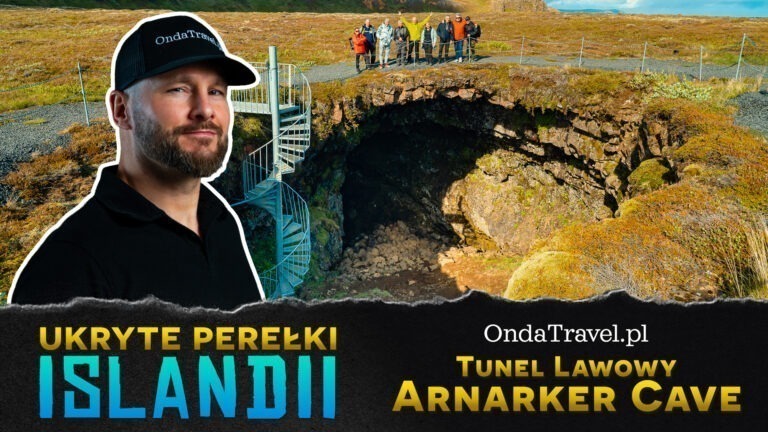
Arnarker lava tunnel on the Þorlákshöfn lava field
The Arnarker lava cave is a natural lava tunnel (lava tube) located on the Reykjanes peninsula in southwestern Iceland.
Arnarker is an excellent example of a lava tunnel with basaltic formations and a glassy layer of pumice, typical of rapidly cooling lava.
I invite you to watch a film about the Arnarker cave
📍 Lava flowed here, exploring the Arnarker Lava Cave in Reykjanes ❯ Iceland’s Hidden Gems

Geological structure of the Arnarker cave in Iceland
Arnarker is a classic lava tunnel with an east-west course, with the following elements:
Main conduit: Length about 500 m, semicircular cross-section up to 8 m wide and vault height up to 6 m. The vault has “constriction bands,” indicating stages of lava flow.
Local branches: Three side chambers 20–60 m long, with different floor levels, indicating several phases of lava flows with varying viscosity.
Lava crust: Outer shell 0.5–1 m thick, compact and basaltic, with a smooth “crust” inside the tunnel after rapid cooling.
Secondary forms: Lava stalactites (lavacicles) in cooler sections and clusters of pumice and volcanic glass.


? Lubisz moje treści❓ Ja lubię kawę ☕️
Wesprzyj mnie ? dorzucając się do jednej ?
Do you like my content? ❓ I like coffee ☕️
Support me by chipping in for one ☕️

Hej! 👋 Tu Krystian – fotograf, filmowiec, podróżnik i przewodnik.
Uwielbiam dzielić się z Wami tym, co odkrywam podczas moich podróży 🌍📸 uchwycić chwile, które inspirują. ☺️
Jeśli podoba Ci się to, co robię i chciałbyś, żebym mógł pokazać Wam jeszcze więcej – możesz mnie wesprzeć poprzez wpłatę na BuyCoffee ☕💛
Każda wpłata to dla mnie możliwość tworzenia jeszcze ciekawszych materiałów, wyjazdów i inspirujących historii.
Dzięki Twojemu wsparciu mogę kontynuować tę przygodę i zabierać Cię w miejsca, które warto zobaczyć! ✈️
buycoffee.to/ondatravel
Hey! 👋 It’s Krystian — a photographer, filmmaker, traveler, and guide.
I love sharing with you what I discover on my journeys 🌍📸 and capturing moments that inspire. ☺️
If you like what I do and you’d like to help me show you even more, you can support me with a donation on BuyCoffee ☕💛
Every contribution helps me create even more interesting content, trips, and inspiring stories.
Thanks to your support, I can keep this adventure going and take you to places worth seeing! ✈️

Zobacz więcej na Youtube
Zapraszam do subskrypcji mojego kanału, gdzie pojawiają sie filmy z ciekawych miejsc oraz Livestreamy podczas których możesz zadać
pytanie i poznać społeczność!


KODY RABATOWE NA TWOJE ZAKUPY

How is a lava tunnel formed?
A lava tunnel (“lava tube”) forms when moving lava beneath the surface forms a closed conduit, allowing further magma outflow. After the supply ceases and the inner layer solidifies, the tunnel remains empty, creating a natural corridor. The thermal properties (crust thickness, thermal conductivity) and the chemical composition of the lava, which affects crystallization and rock strength, are essential here.

Location and topography of Reykjanes
The cave is located in the central part of the Leitahraun lava field at the southern end of the Reykjanes peninsula. This area was shaped by the eruption of oxy-iron-rich basaltoid magma about 4,000 years ago.
The side tunnel Gjögur (length ~300 m, width 4–5 m) is characterized by numerous lavacicles* and connects to Arnarker through a natural fissure. The relationship with nearby lava fields, such as Eldborgarhraun and Lambafellshraun, suggests that lava from Eldborgarhraun shaped both Leitahraun and the Arnarker–Gjögur tunnel system, while Lambafellshraun lies about 3 km to the east.
Research suggests that lava fields with lava caves, such as Arnarker, are typically built from pahoehoe lava, which has a smooth, ropey texture and low viscosity, conducive to tunnel formation.
The Brennisteinsfjöll volcanic system is an area with a complex geological history, consisting of several lava layers from different eruptions, including layers from 2000 years ago and eruptions from the year 1000.
Lavacicles lava (lava) and icicles (icicles)
What are lavacicles?
Lavacicles are rock formations resembling icicles, which form inside lava tunnels or on the walls of volcanic caves. They are created when hot lava slowly drips from the ceiling or walls of a tunnel and then cools and solidifies, forming elongated, hanging forms.

Lavacicles Where can you see them?
- lava tunnels in Hawaii (e.g., Thurston Lava Tube),
- volcanic caves in Iceland (e.g., Raufarhólshellir),
- other active or extinct volcanic areas.
This phenomenon is interesting not only geologically but also visually – lavacicles can have different colors, depending on the chemical composition of the lava.
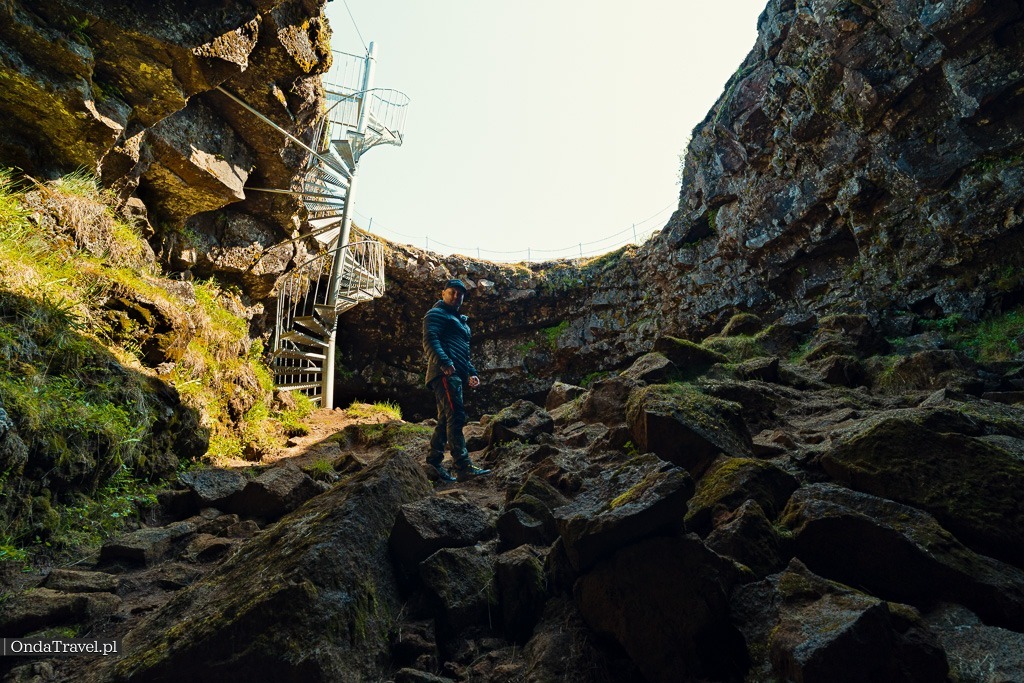
Geothermal and tectonic surroundings
of the Reykjanes peninsula
Reykjanes lies at the junction of the Eurasian and North American plates, making it geothermally active. The Leitahraun field is one of the largest on the peninsula, and within a 2 km radius of Arnarker there are fumaroles, solfataras, and parasitic cones. Radial fractures from Eldborgarhraun and iron oxide layers from Lambafellshraun attest to a rich volcanic history.
Gjögur: A side lava tunnel about 300 m long, connected to Arnarker by a fissure in the southern wall. It has a narrower cross-section (approx. 4 m) and numerous lava stalactites (lavacicles).
Lambafellshraun: A lava field from about 2500 BC, with lava layers in red-orange hues, rich in iron, and gas bubbles indicating violent exhalations.


System of volcanic tunnels
on the Reykjanes peninsula
The Reykjanes Peninsula hides many lava tunnel systems, including:
Básar og Þrasi: Extensive corridors 1–3 m in diameter, with halls and passages.
Raufarhólshellir: Length over 1200 m, with rich conical formations.
Víðgelmir: A tunnel with colorful deposits of oxidized minerals.


Reykjanes Peninsula and eruptions near the town of Grindavik
Volcanic eruptions in Reykjanes since 2011
In recent years, the Reykjanes Peninsulain Iceland has become an arena of intense volcanic activity, after almost 800 years of dormancy. Since 2021, several eruptions have occurred there, mainly in the Fagradalsfjall volcanic system. Particularly spectacular was the eruption in July 2023 in the Litli-Hrútur area, which attracted thousands of observers and showcased the unique beauty of Icelandic fire.
Threat to the town of Grindavik and Blue Lagoon
At the end of 2023 and the beginning of 2024, activity shifted to the area of the Svartsengi system, directly threatening the town of Grindavík. A series of eruptions and strong earthquakes led to the evacuation of residents, damage to roads and infrastructure. Blue Lagoon – the famous geothermal lagoon – had to suspend operations several times, and its popularity was temporarily overshadowed by uncertainty regarding the safety of the region.
Iceland hot springs and geothermal pools near Reykjavik
Thrihnukagigur – An Amazing Place in Reykjanes

- Arnarker lava cave Iceland guide
- volcanic caves in Iceland to visit
- Reykjanes Iceland attractions
- exploring Iceland’s caves
- Iceland lava caves for tourists
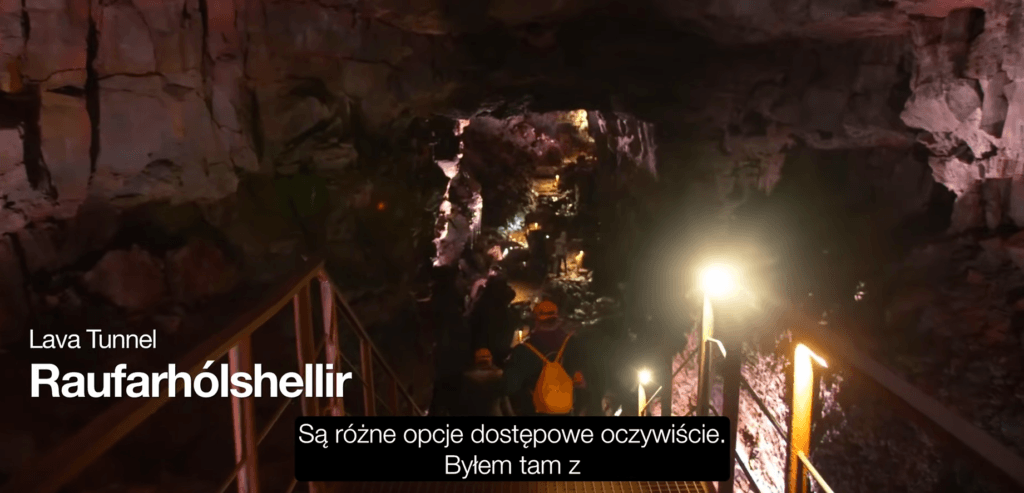
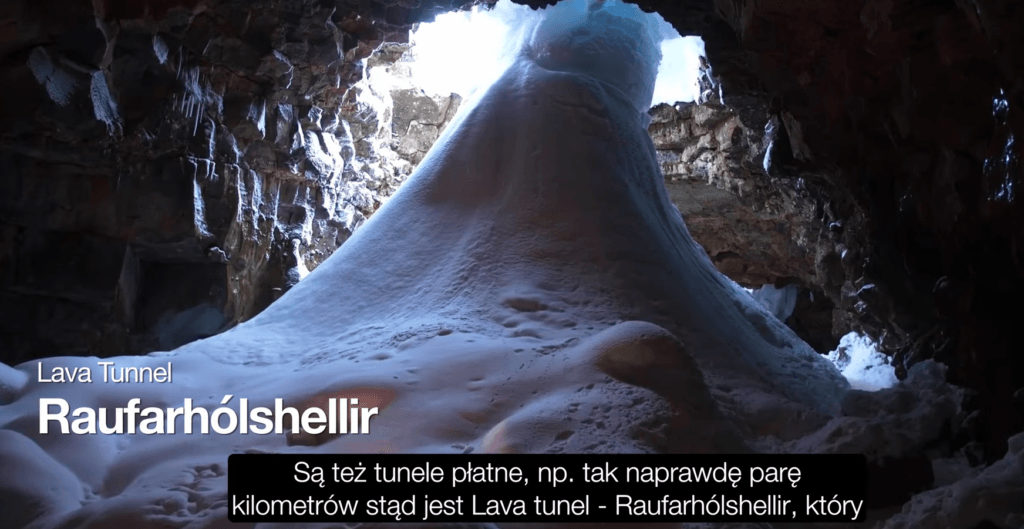
Lava Tunnel (Raufarhólshellir)
Lava Tunnel (Raufarhólshellir) is one of the most easily accessible lava caves in Iceland, located not far from Reykjavik. A walk through the interior leads through a powerful tunnel formed after a volcanic eruption — with colorful walls, solidified lava, and impressive rock formations. It’s a great attraction all year round, also in winter, when ice crystals appear in the cave. If you’re looking for a unique place in Iceland, Raufarhólshellir delights with a raw, volcanic landscape and an unforgettable atmosphere.
A visit to the cave can be combined while touring the Golden Circle / the Golden Circle ( you can also visit another lava tunnel Arnarker, which is free). Or while exploring the Reykjanes peninsula, where you will find another cave Leiðarendi Lava Cave
Entrance fee to the lava tunnel Lava Tunnel (Raufarhólshellir)
Official price list: the standard tour costs 8 400 ISK / adult, 4 200 ISK / youth aged 6–15, and children 3–6 years old enter free of charge. There is also an option with transport: 13 900 ISK / adult.
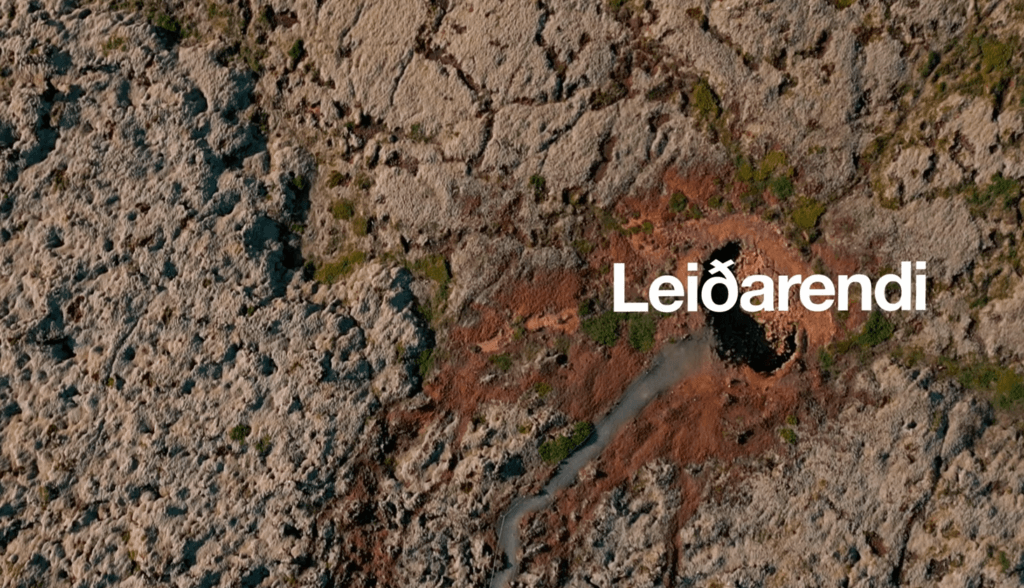
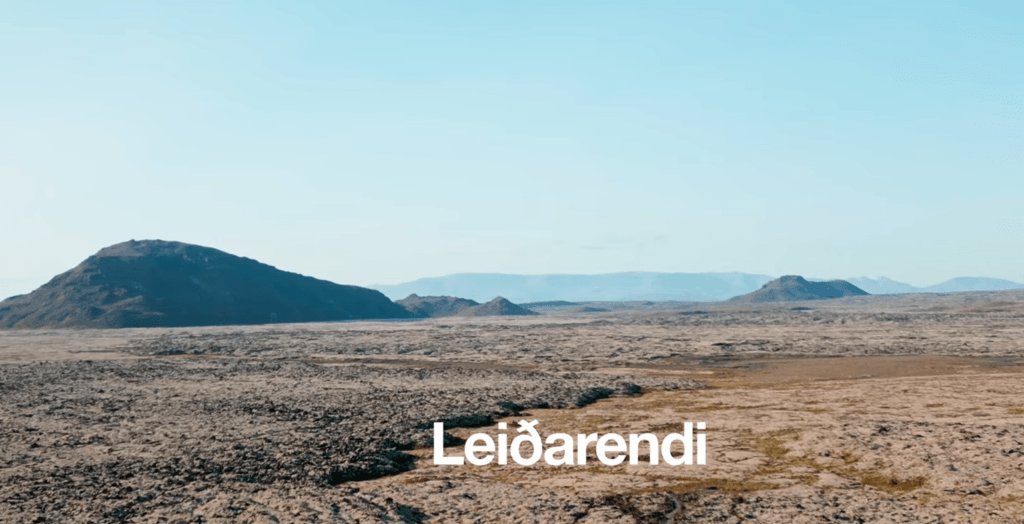
Leiðarendi Lava Cave – Iceland Reykjanes
Leiðarendi Lava Cave a lava tunnel on the Reykjanes peninsula, in a lava field near Bláfjöll (Blue Mountains). Getting there is usually straightforward by car — the parking lot is by road 417.
The name “Leiðarendi” refers to the skeleton of a lamb found in the cave; “Leiðarendi” translates as “end of the road”.
Length
It is often stated that the tunnel is about 900 m long. The route can be demanding: uneven, sharp rocks, in places low (you need to duck), sometimes light crawling, and inside there is absolute darkness.
Can you enter without a guide?
You can get there on your own, but many sources strongly advise against visiting independently (safety + risk of getting lost/injuries, especially in winter). If you don’t have caving experience, the most sensible option is to choose a guided tour
Cost (approx.)
- Example of a classic cave tour to Leiðarendi: 12 990 ISK / person (Cave.is; equipment + pickup + snacks).
- Combined options (e.g., cave + snorkeling) are more expensive, e.g. 38 990 ISK in the combined offer from Adventure Vikings.
MORE ARTICLES ABOUT ICELAND AND NORWAY



REZERWACJE
W tytule proszę podać wybraną wycieczkę
Islandia wycieczka , Polowanie na zorze polarna

Excerpt:
“`