Lofoten: A Travel Guide to the Pearl of Norway
Lofoten Tourist Guide to the Pearl of Norway
Lofoten blog / Lofoten islands in Arctic Circle
Lofoten Norway Table of contents:

Onda 🛑 AIR
I invite you to my podcast Onda 🛑 AIR – conversations about travel and interesting places, where in the third part I talk about the peak Reinebringen, Offersøykammen, the fishing village Nusfjord and the beautiful beach Kvalvika


? Lubisz moje treści❓ Ja lubię kawę ☕️
Wesprzyj mnie ? dorzucając się do jednej ?
Do you like my content? ❓ I like coffee ☕️
Support me by chipping in for one ☕️

Hej! 👋 Tu Krystian – fotograf, filmowiec, podróżnik i przewodnik.
Uwielbiam dzielić się z Wami tym, co odkrywam podczas moich podróży 🌍📸 uchwycić chwile, które inspirują. ☺️
Jeśli podoba Ci się to, co robię i chciałbyś, żebym mógł pokazać Wam jeszcze więcej – możesz mnie wesprzeć poprzez wpłatę na BuyCoffee ☕💛
Każda wpłata to dla mnie możliwość tworzenia jeszcze ciekawszych materiałów, wyjazdów i inspirujących historii.
Dzięki Twojemu wsparciu mogę kontynuować tę przygodę i zabierać Cię w miejsca, które warto zobaczyć! ✈️
buycoffee.to/ondatravel
Hey! 👋 It’s Krystian — a photographer, filmmaker, traveler, and guide.
I love sharing with you what I discover on my journeys 🌍📸 and capturing moments that inspire. ☺️
If you like what I do and you’d like to help me show you even more, you can support me with a donation on BuyCoffee ☕💛
Every contribution helps me create even more interesting content, trips, and inspiring stories.
Thanks to your support, I can keep this adventure going and take you to places worth seeing! ✈️

Zobacz więcej na Youtube
Zapraszam do subskrypcji mojego kanału, gdzie pojawiają sie filmy z ciekawych miejsc oraz Livestreamy podczas których możesz zadać
pytanie i poznać społeczność!


KODY RABATOWE NA TWOJE ZAKUPY

Introduction to Lofoten
The Lofoten Islands, also known as Lofoten Islands, is an archipelago located in northern Norway, in the Norwegian Sea. They are famous for their picturesque landscapes that attract tourists from all over the world. This is a place where raw nature meets rich culture and history, offering unforgettable experiences for every visitor.
Geography and Climate of the Lofoten Archipelago
Geographical Location
The Lofoten Archipelago stretches for about 112 km, from the small island of Røst in the south to the Raftsundet strait in the north, separating it from the Vesterålen archipelago. It is separated from mainland Norway by the Vestfjorden strait. The archipelago includes larger islands such as Austvågøy, Vestvågøy, Flakstadøy and Moskenesøy, as well as many smaller ones, creating a unique landscape full of fjords, mountains and beaches.
Climate and Weather Conditions
Despite being located above the Arctic Circle, Lofoten has a relatively mild climate due to the influence of the Gulf Stream. Winters are moderate, with temperatures hovering around 0°C, and summers are cool, with average temperatures around 12-15°C. Weather conditions can be changeable, with frequent rainfall and strong winds, which adds to the raw charm of this region.

History of Lofoten
First Settlers
The first traces of settlement in Lofoten date back about 8000 years. Thanks to the abundance of fish and game, these islands were an attractive place for hunters and fishermen from the Stone Age. Archaeological discoveries indicate a developed hunter-gatherer culture that over time transformed into a settled lifestyle based on agriculture and fishing.
Viking Era
During the Middle Ages, Lofoten was an important center of Viking settlement. In Borg on the island of Vestvågøya, the remains of the largest known Viking longhouse were discovered, testifying to the importance of this region in those times. Today, the Lofotr Viking Museum is located at this site, where you can learn about the life and culture of these Norse warriors.
Development of Fishing
From the 14th century, Lofoten became the center of Norwegian fishing, especially cod fishing. The tradition of drying fish on wooden racks, called “hjell”, continues to this day, and dried cod, known as “stockfish”, is an important export commodity. For centuries, fishing formed the foundation of life for the local community, shaping the culture and traditions of the archipelago.
Culture and Traditions of Lofoten
Traditional Fishing Villages
Lofoten is famous for charming fishing villages such as Henningsvær, Reine and Nusfjord. Characteristic red houses on stilts, called “rorbu”, were once shelters for fishermen,


ARCHIPELAG
LOFOTY
NORWEGIA
Wycieczka Lofoty / The Lofoten Islands – Nordland – Wycieczki z polskim przewodnikiem po Norwegii z OndaTravel.pl
W krainie Wikingów Archipelag Lofoty / Lofoten Islands to magiczny zakątek Norwegii, który zachwyca nie tylko pięknem przyrody, ale także swoim unikalnym charakterem. Te wyspy, położone na północy kraju, nad morzem Norweskim stanowią raj dla miłośników przygód na świeżym powietrzu i niezapomnianych krajobrazów.
Zobacz jakie zdjęcia Zrobisz podczas tej wycieczki po krainie ognia i lodu. Sprawdź mój profil na Facebooku i Instagramie lub Youtube

Most Beautiful Places in Lofoten

Nusfjord – one of the oldest fishing villages in Norway

Nusfjord is a picturesque fishing village located on the southern coast of the island Flakstadøya in the Lofoten archipelago in Norway. It is considered one of the oldest and best preserved traditional fishing settlements in the country.
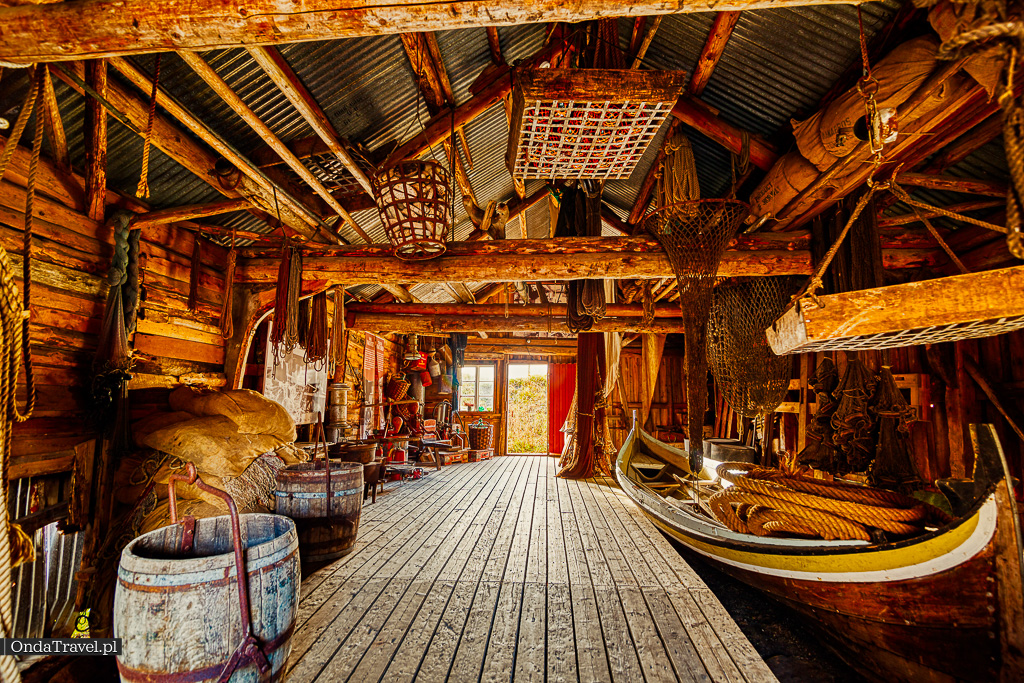
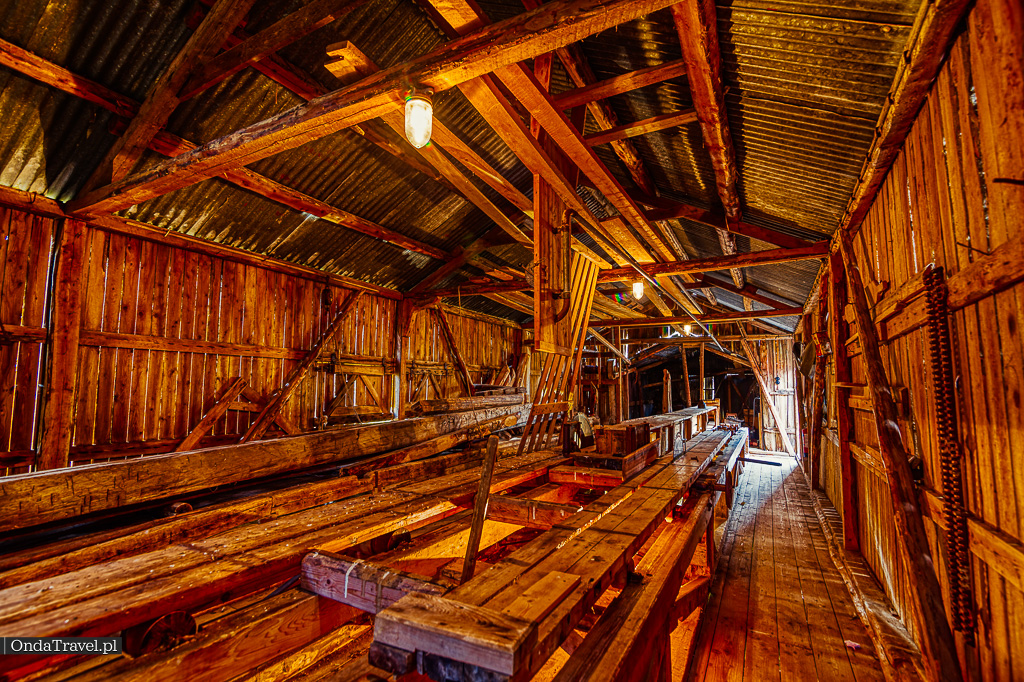
In Nusfjord there are characteristic red and yellow fishing houses, known as “rorbuer”, which once served as shelters for fishermen, and are now often rented to tourists as unique accommodation. The village functions as a living open-air museum, where you can visit historic buildings such as the sawmill, forge, smokehouse, boat storage houses and one of the oldest and best preserved cod liver oil factories in Norway.
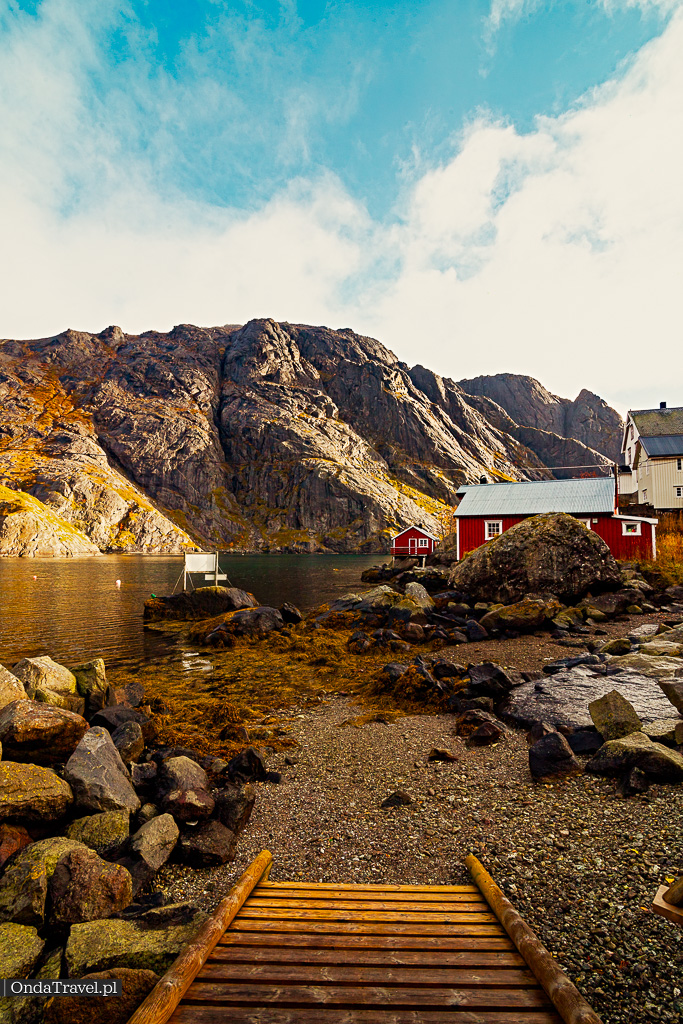
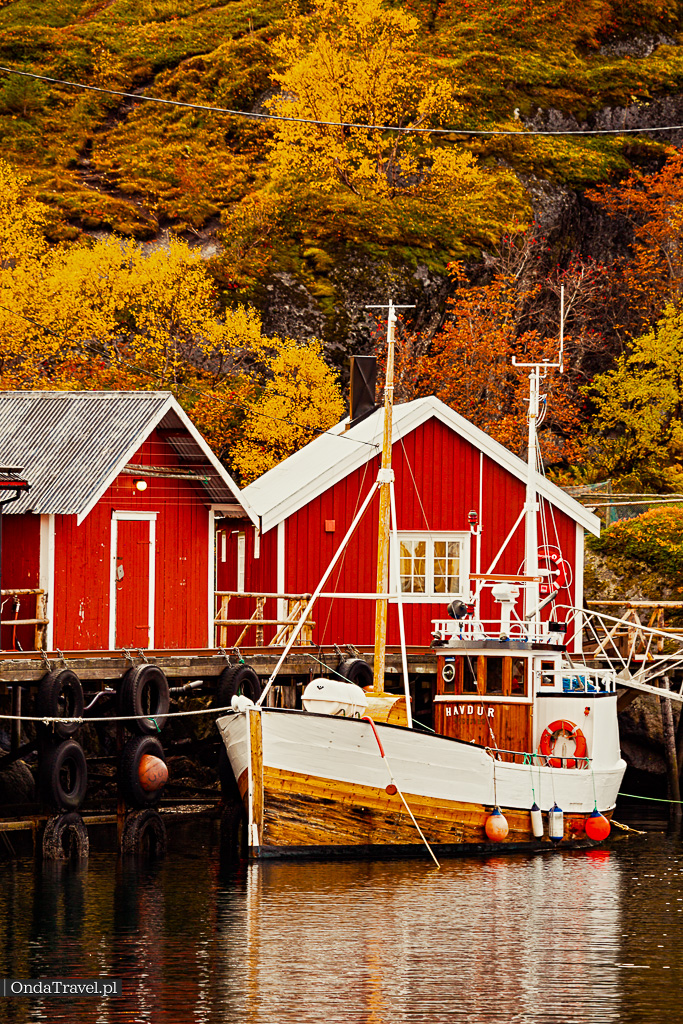
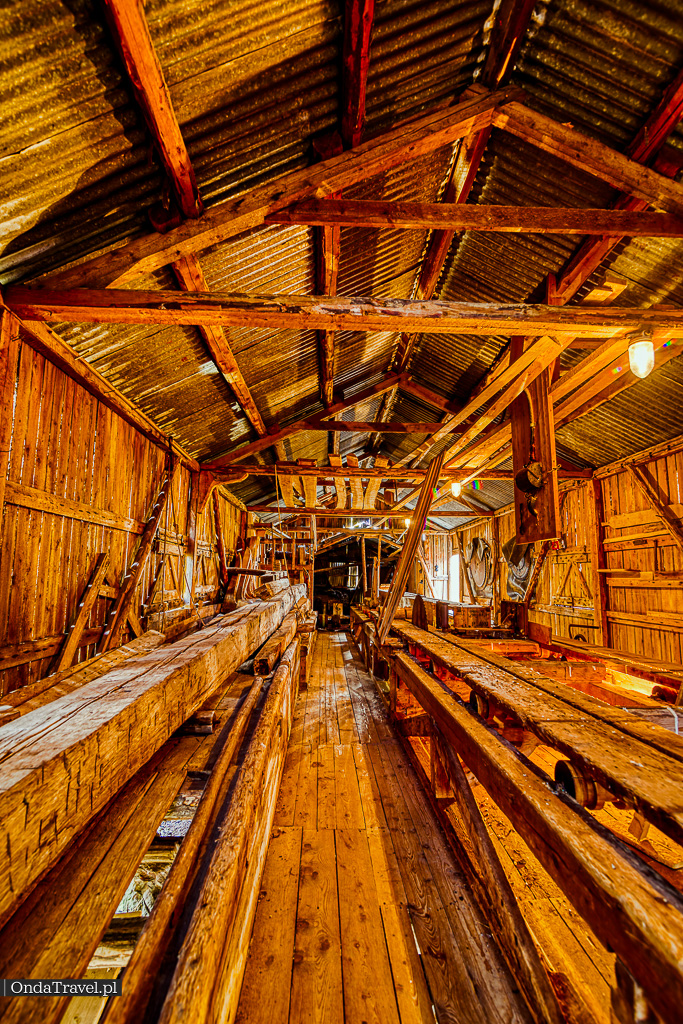

In the 19th and early 20th centuries, Nusfjord experienced its “golden age” as a key fishing port, attracting over 1,500 fishermen during the Arctic cod (skrei) fishing season. During this period, the village had a post office, bakery, grocery store, alcohol factory and a refinery producing cod liver oil.

In 1975, Nusfjord was selected as one of three Norwegian areas for a pilot UNESCO program aimed at preserving traditional architecture.
Road to Nusfjord built only 50 years ago: Despite a long history of settlement, the road to the village was built relatively recently. Previously, access was only by boat.
In 2017, the board game “Nusfjord” was released, which allows players to travel back in time and take control of a fishing company in this picturesque village



Henningsvær – Venice of Lofoten


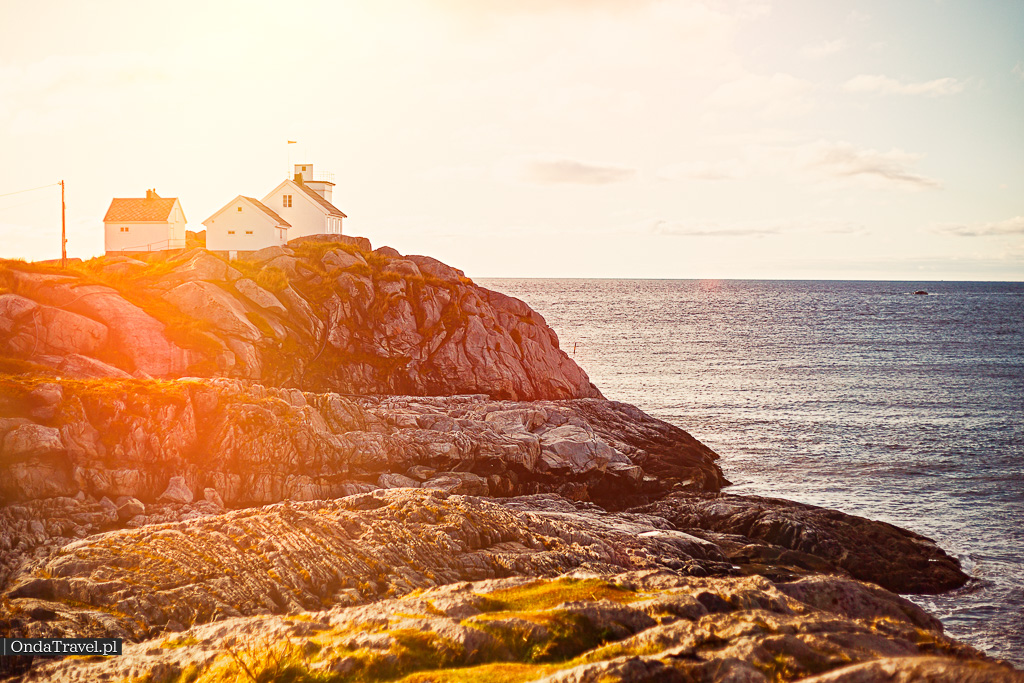
Henningsvær is one of the most picturesque fishing villages in Lofoten, often called “Venice of Lofoten” because of the canals that surround the island. There are traditional red houses “rorbu”, art galleries and a picturesque football stadium located on a rocky islet. This place is ideal for photography lovers and walks along quiet streets.



Zapraszam do artykułu
ZORZA POLARNA
CZYM JEST I JAK POWSTAJE
ZORZA POLARNA – NORTHERN LIGHTS : KOSMICZNY SPEKTAKL NA ZIEMI
Zorza polarna, nazywana również aurorą borealna (Aurora Borealis) (na półkuli północnej) i aurorą australis (Aurora Australis) (na półkuli południowej) , to zjawisko świetlne zachwycające obserwatorów na całym świecie. Ta kosmiczna gra świateł tańczy na niebie, malując je barwnymi łukami, kurtynami i promieniami.
Zorza polarna nad Polską – czy to możliwe?
Dlaczego teraz mamy większe szanse na zobaczenie zorzy polarne w Polsce ?
Obecnie przechodzimy przez okres zwiększonej aktywności Słońca, której szczyt przypada na rok 2025. W czasie maksimum słonecznego rośnie liczba wybuchów na Słońcu i burz geomagnetycznych, które mogą sprawić, że zorza pojawi się na niższych szerokościach geograficznych.
ISTNIEJE WIELE RÓŻNYCH NAZW ZORZY POLARNEJ. W JĘZYKU NORWESKIM NAZYWA SIĘ JĄ “NORDLYS”, A W JĘZYKU FIŃSKIM “REVONTULET”.

ZORZA POLARNA CZYM JEST I JAK POWSTAJE
Aurora (disambiguation), Aurora Borealis (disambiguation), Aurora Australis (disambiguation), Northern Lights (disambiguation), and Southern Lights (disambiguation)
Reine – Picturesque Village
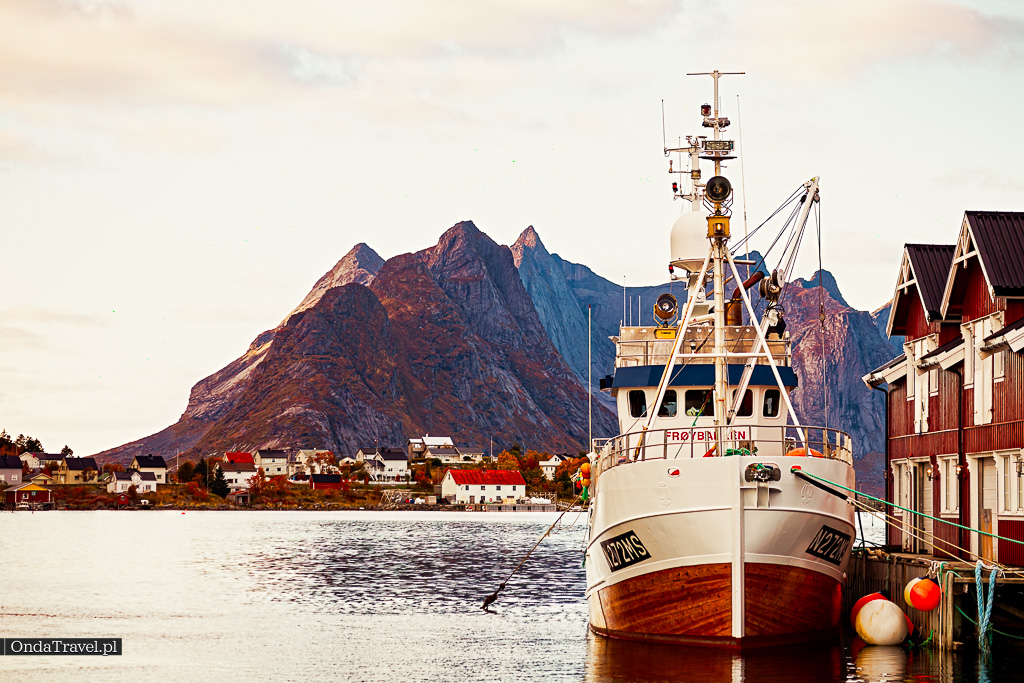
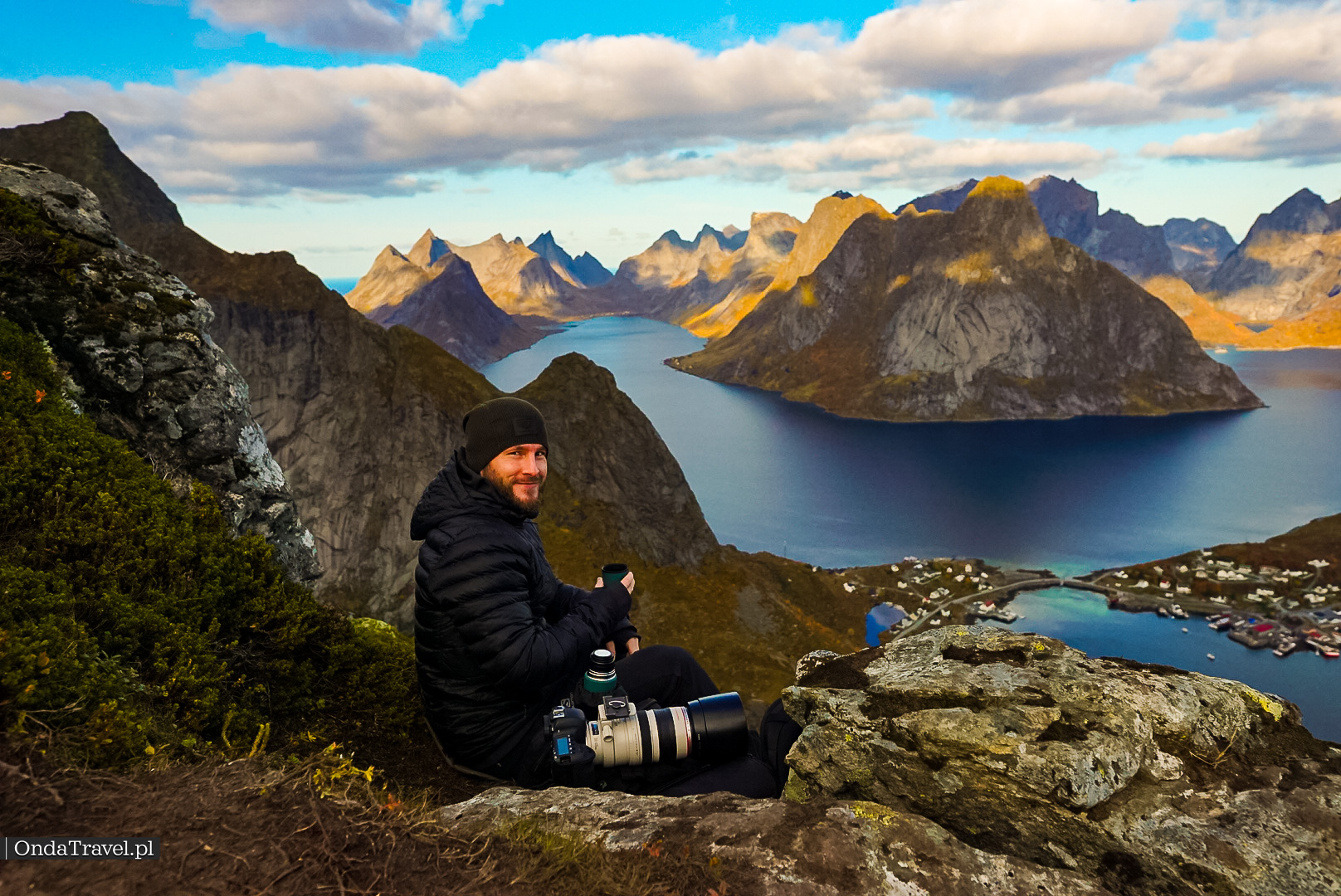
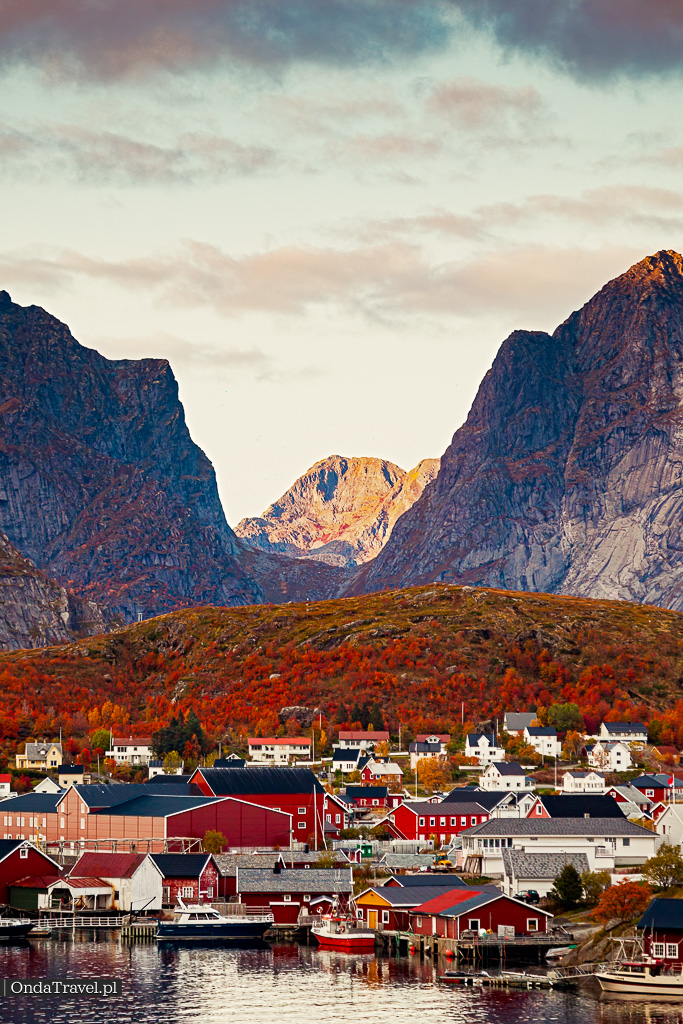
Reine is a village on the island of Moskenesøya, which often appears on postcards promoting Norway. Surrounded by mountains and fjords, it offers breathtaking views. From here you can set off to the famous Reinebringen peak, which offers a panoramic view of the archipelago.
History of Reine is closely linked to fishing, which for centuries was the basis of existence for the inhabitants. The first mentions of the settlement date back to the 17th century, when fishermen began building their houses here, called rorbu. Thanks to the mild climate and abundance of fish, Reine quickly developed as an important fishing center.
In the 19th century, there was a boom in the production of dried cod, which was exported throughout Europe. Reine became one of the most important centers of this industry.
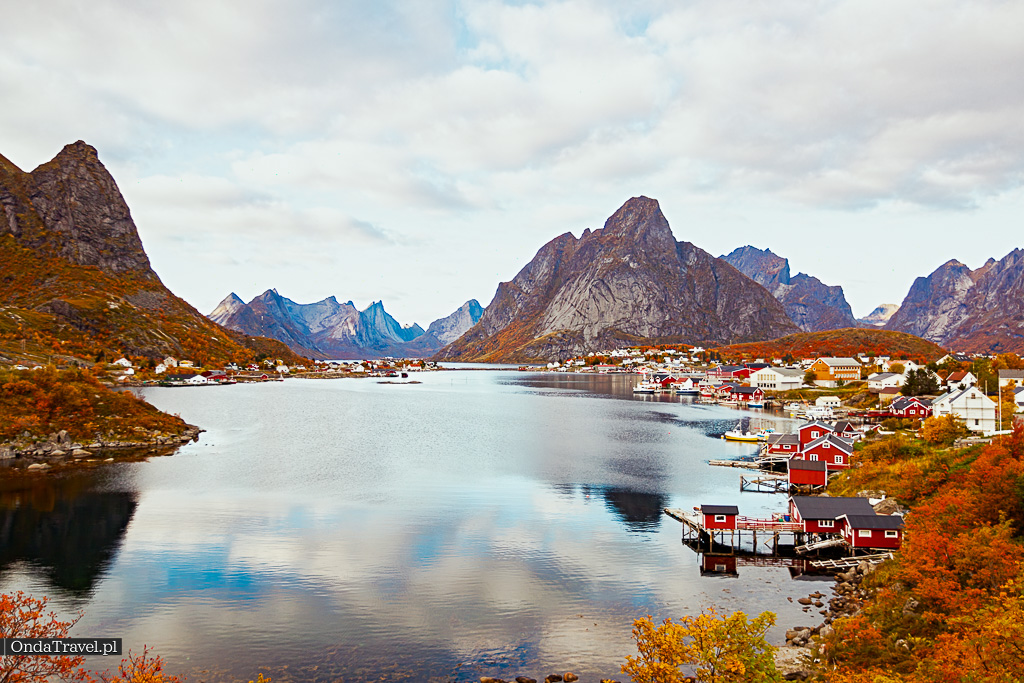
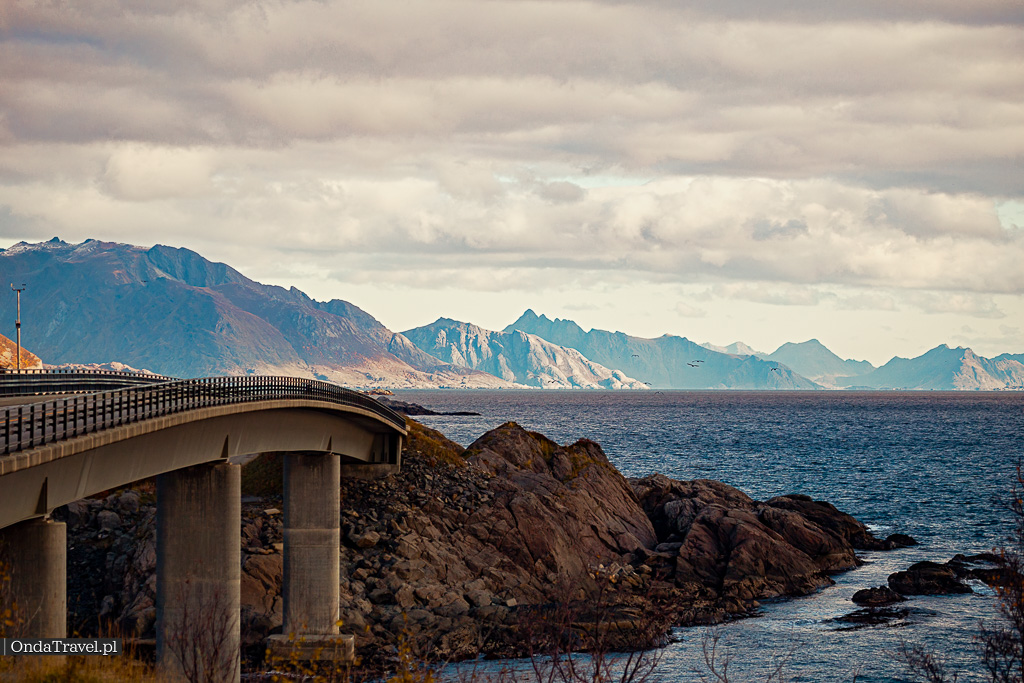
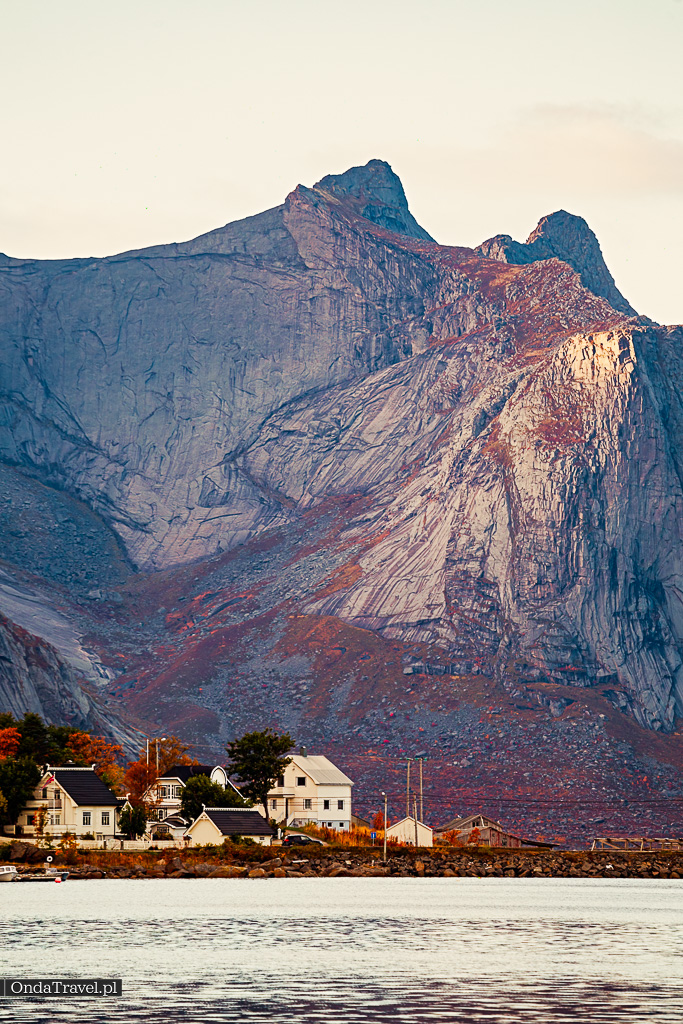
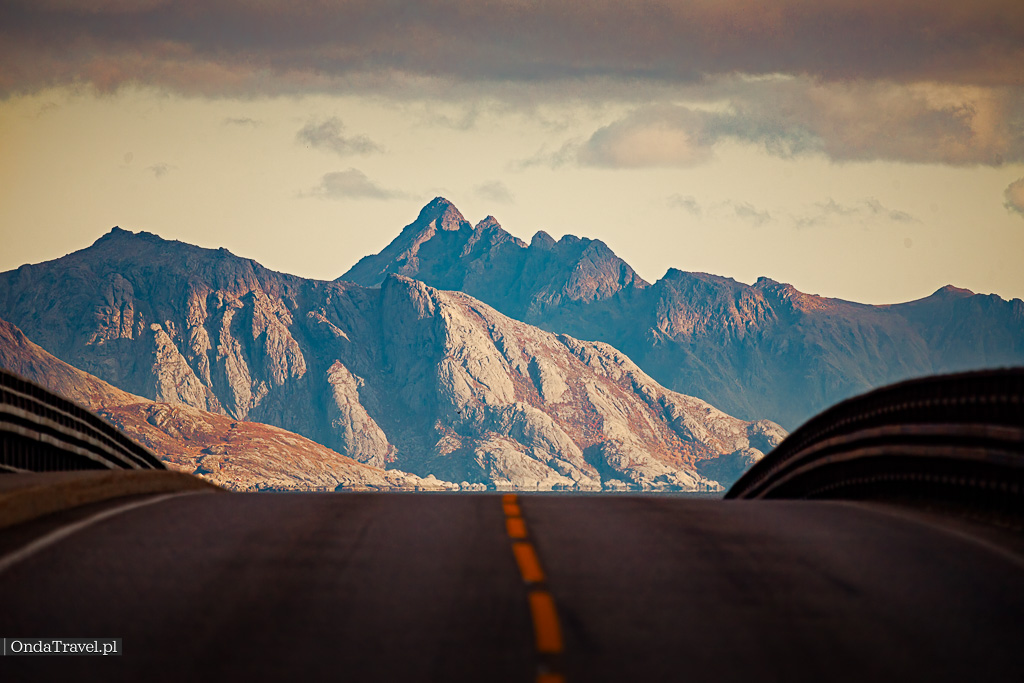
From Reine you can sail through the Kjerkfjorden fjord to the small village of Vinstad, and then after a short trek we reach Bunes beach.
Trails from Vindstad
If you are looking for a more demanding hike, then near Bunes beach begins the trail leading to the peaks Brunakseltinden and Helvetestinden It offers wonderful views of the area and is an excellent choice for experienced hikers.
Vindstad – Hermannsdalstind – Sørvågen – for the most ambitious
If you are looking for more challenging routes, then near Reine or from Vindstad beach begins a 20-kilometer trail. It leads through varied terrain and to the summit of Hermannsdalstinden, the highest peak on the three outer islands of Lofoten. This is the longest and most demanding trail in Lofoten.
Reinebringen Peak Lofoten
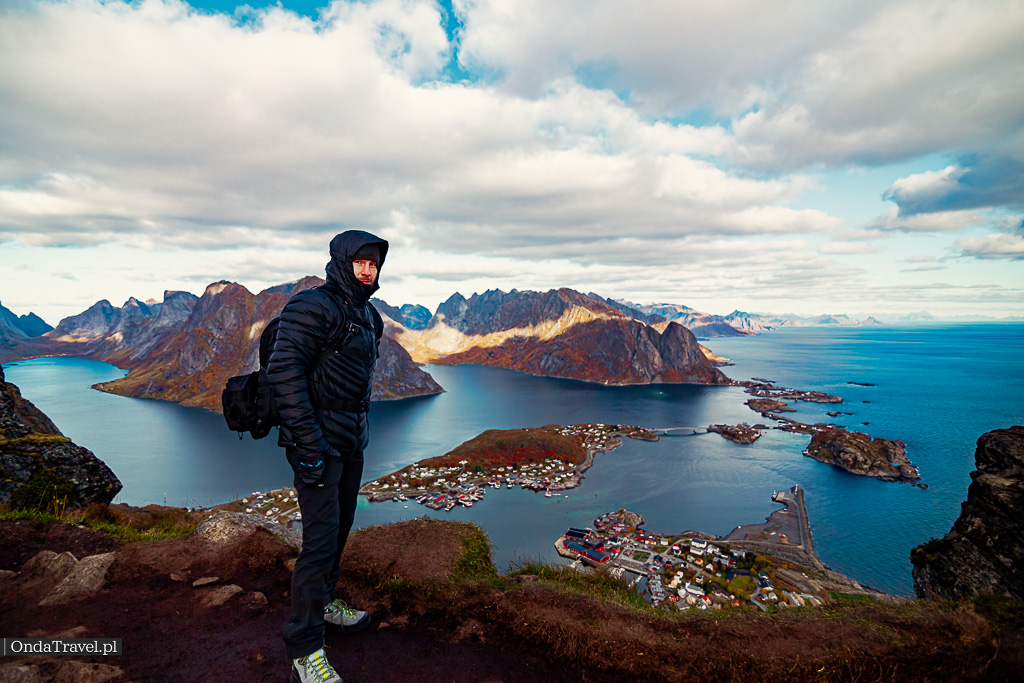
Reinebringen is one of the most famous peaks in Lofoten, Norway, rising to an altitude of 448 meters above sea level. It is located near the town of Reine on the island of Moskenesøya. Although it is not the highest peak in the region, it offers spectacular views of the surrounding fjords, islands and traditional fishing villages such as Reine, Hamnøy and Sakrisøy.


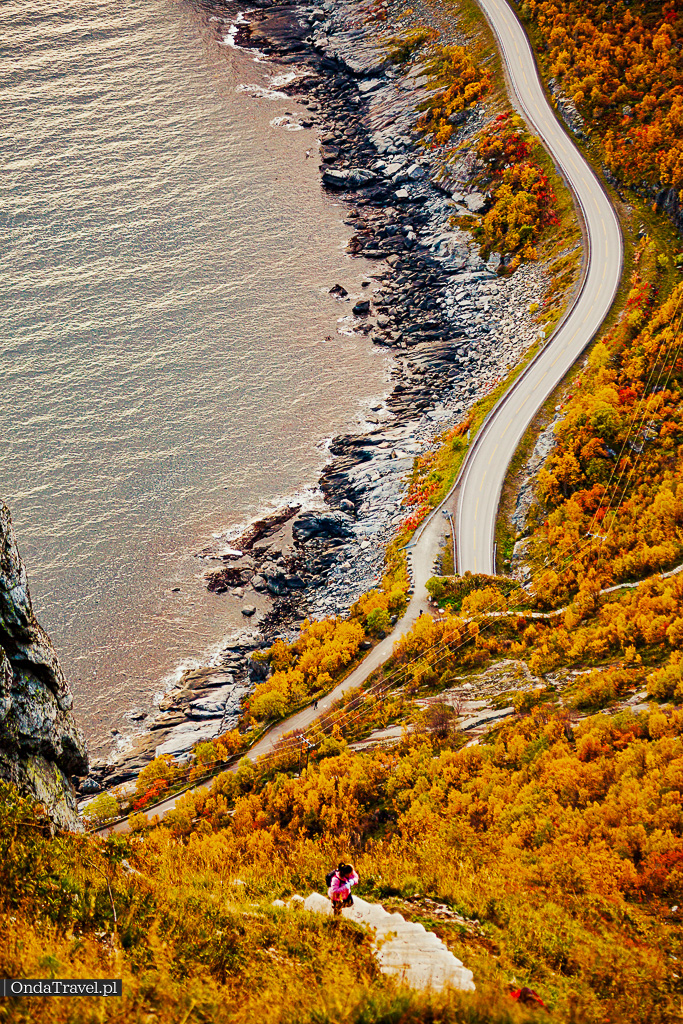

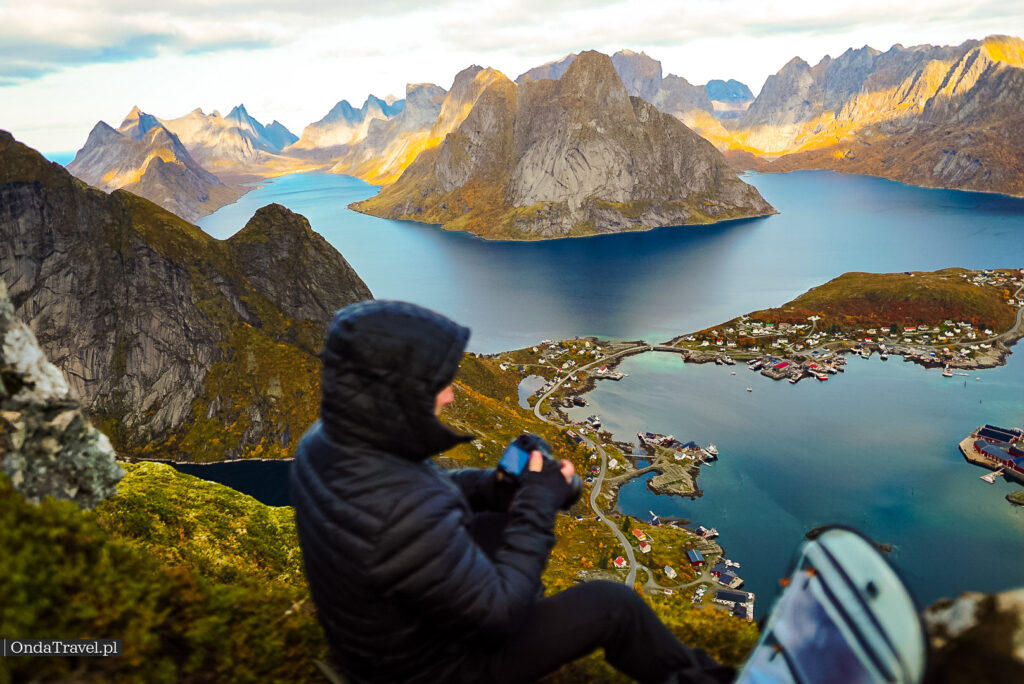
Due to growing popularity among tourists, the path to Reinebringen was significantly damaged, leading to its closure for several years for renovation. In 2019, the trail was reopened, equipped with stone stairs built by Nepalese Sherpas. Over 1600 stone steps were built, which significantly facilitated the climb and made it accessible to a wider audience.


Kvalvika Beach and Ryten Peak – Lofoten blog

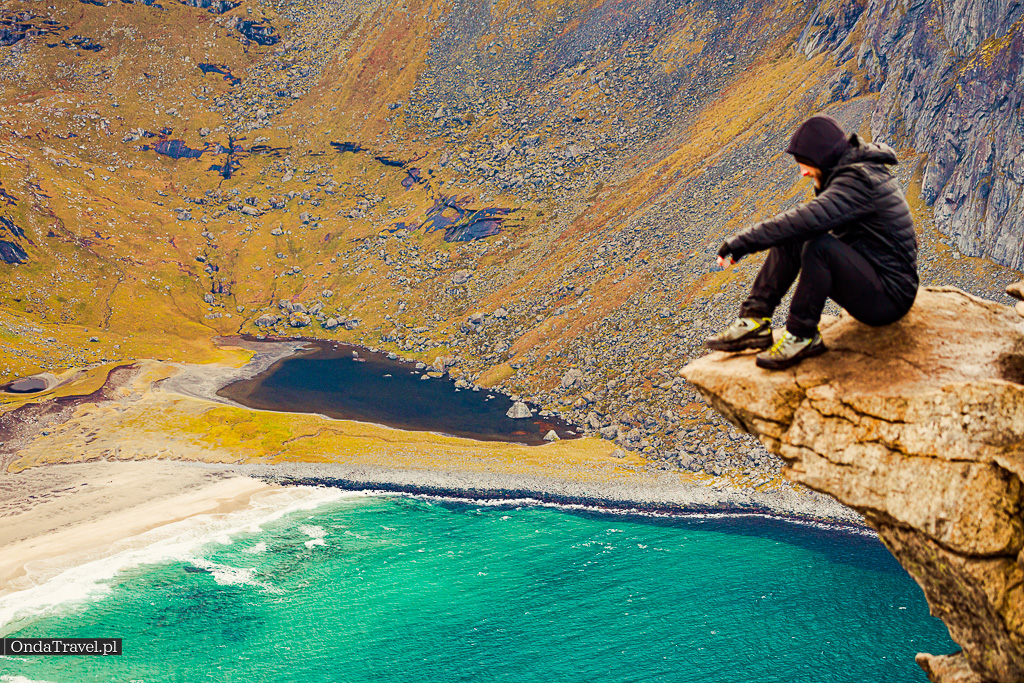
Kvalvika Beach is a unique place – surrounded by mountains, accessible only on foot. Beautiful beaches in Lofoten, such as Kvalvika, delight with golden sand and crystal clear water. This is a popular place for tourists looking for seclusion and amazing views. Kvalvika borders a smaller beach called Vestervika Beach, which can be seen from the top of Ryten
The beach is located on the island of Moskenesøy, at the northern end of Lofoten. The surroundings of Kvalvika are typical Arctic landscape. Tundra vegetation dominates, and the waters around the beach are home to a variety of fish and seabirds.
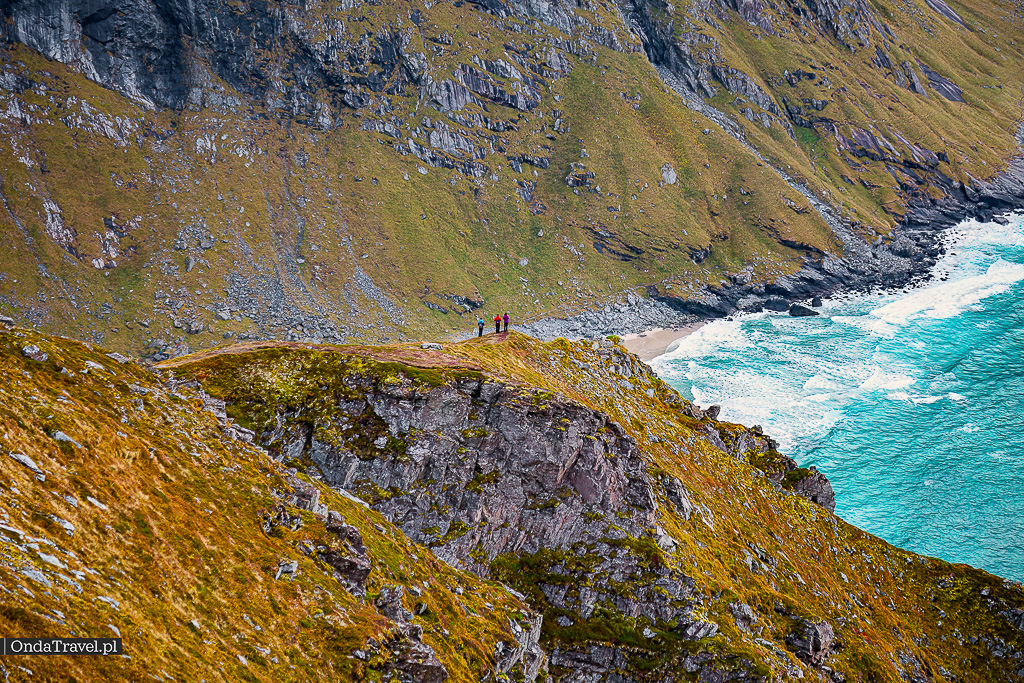

In the past, there were small fishing settlements in the area of Kvalvika Beach. However, due to difficult living conditions and isolation, they were abandoned in the first half of the 20th century.
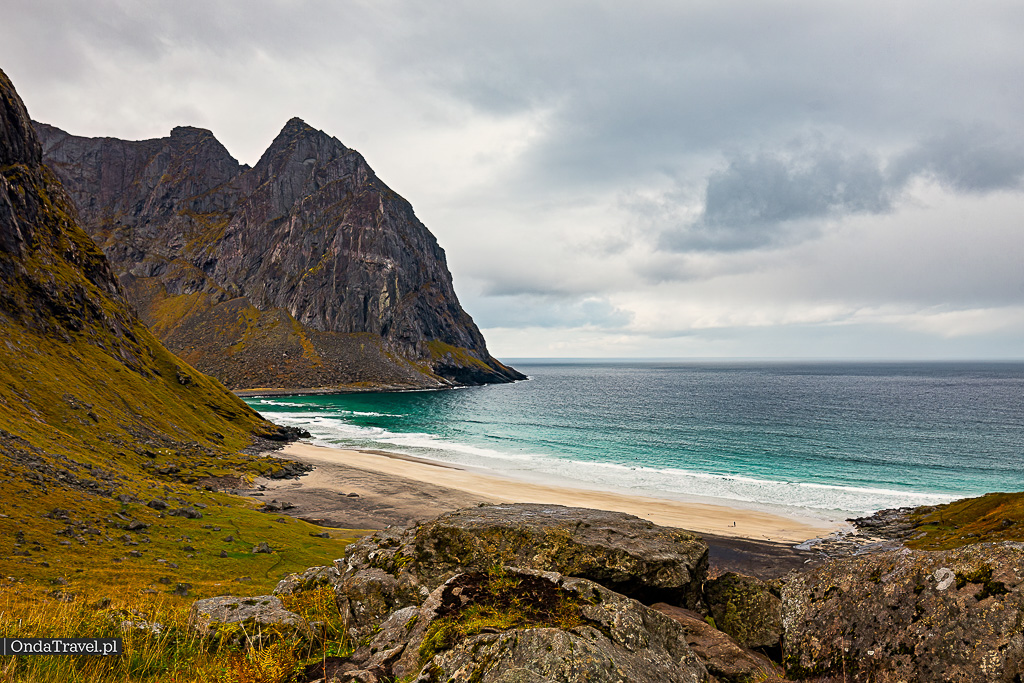
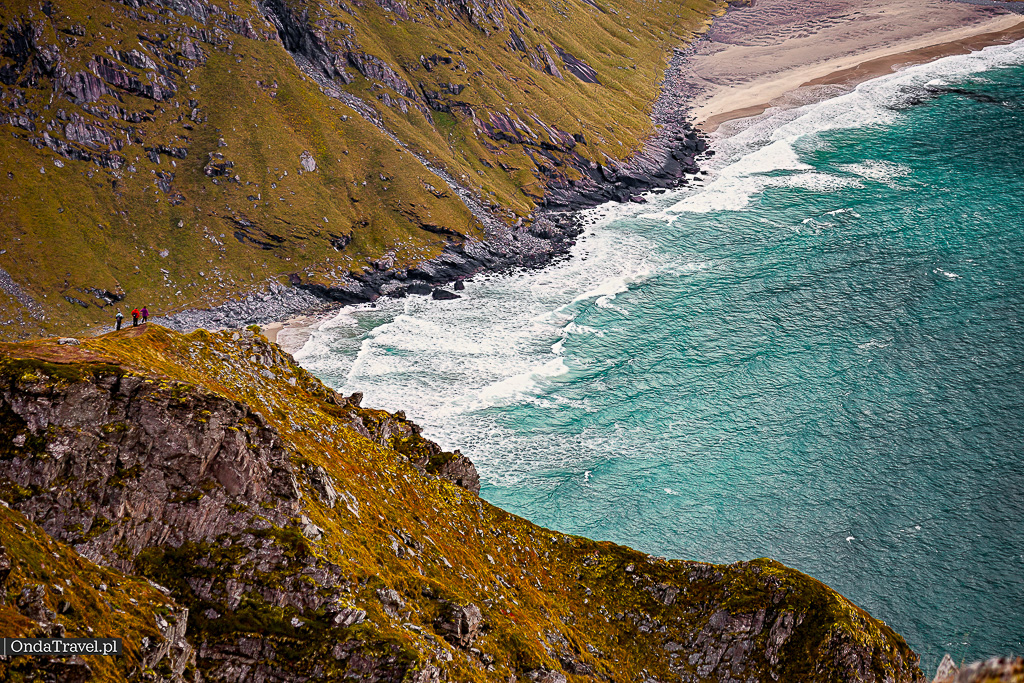
Film “North of the Sun”: In 2010-2011, two Norwegian surfers, Inge Wegge and Jørn Ranum, spent nine months on Kvalvika Beach, building a shelter from materials washed up by the sea and surfing in the cold Arctic waters. Their experiences were documented in the film “North of the Sun” (“Nordfor Sola”), which received recognition at international film festivals.
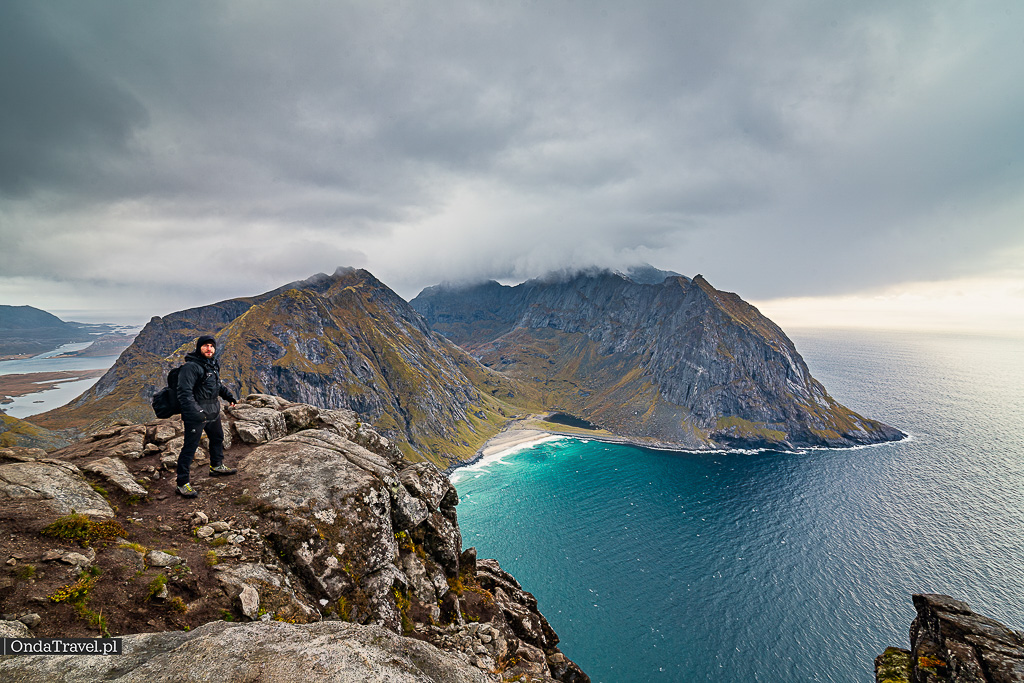
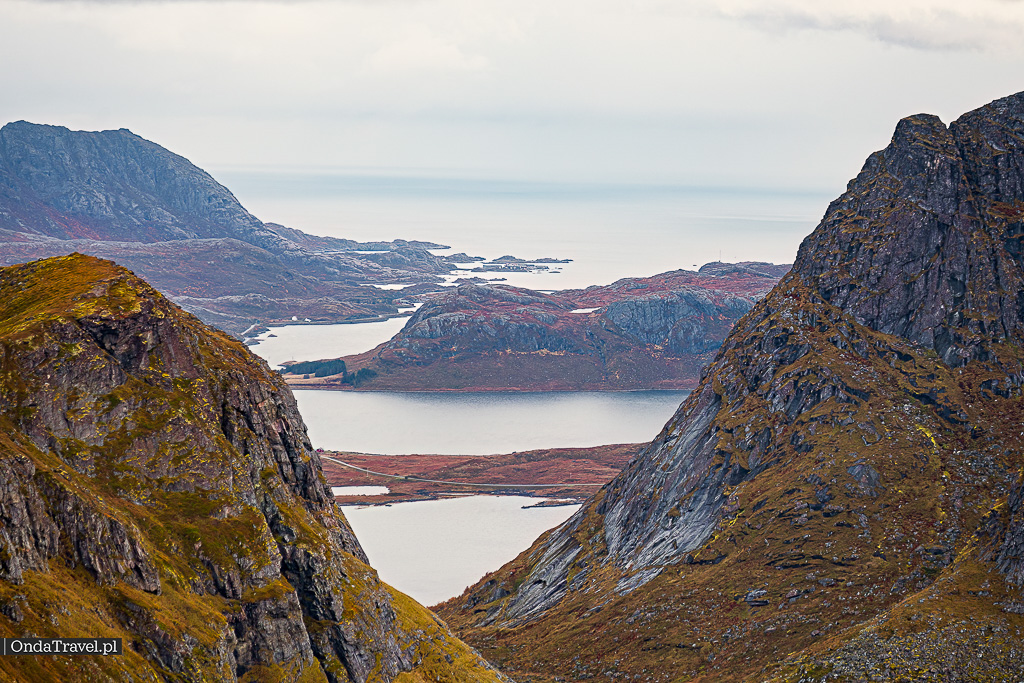

The beach is surrounded by impressive peaks, the most famous of which is Ryten (543 m above sea level).
Offersøykammen Peak – Lofoten islands
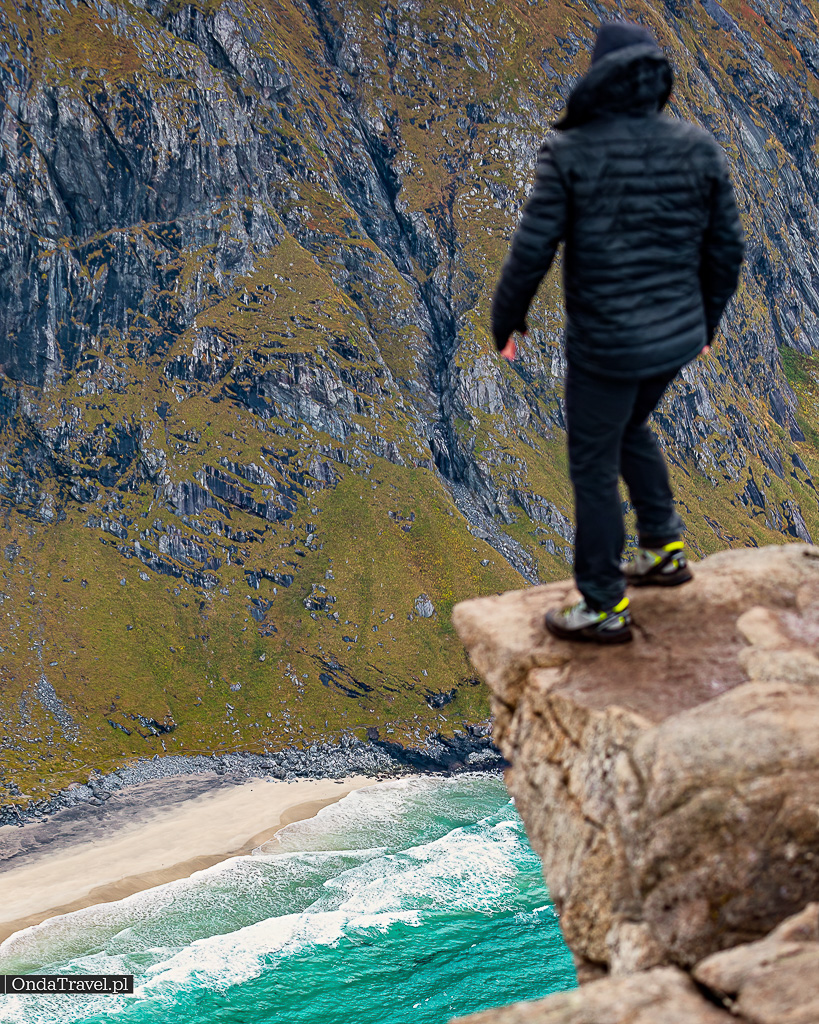
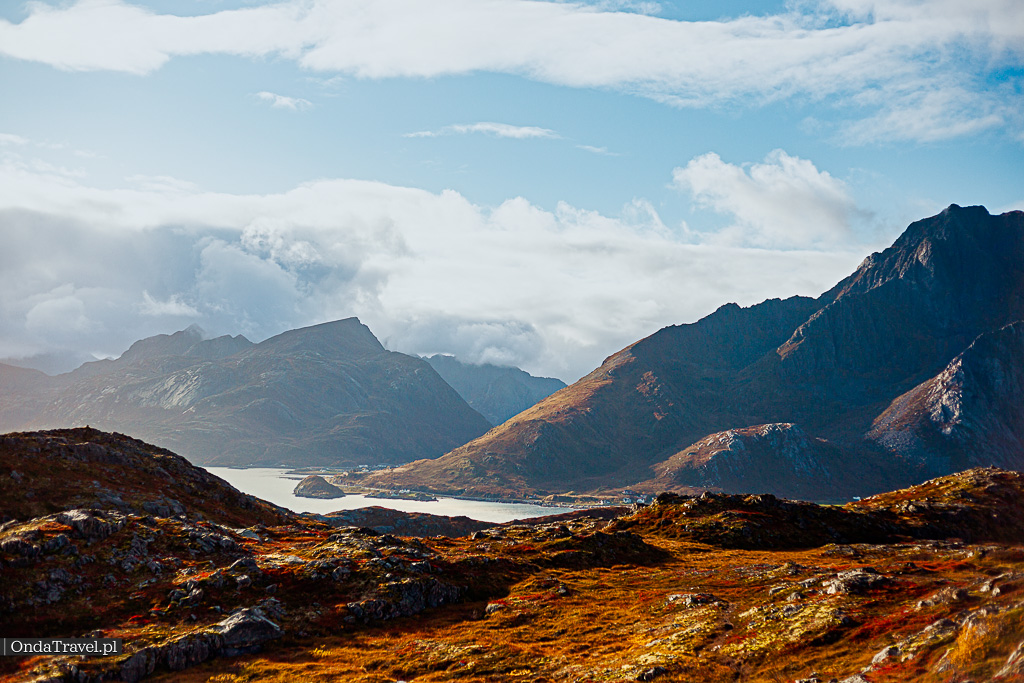
Offersøykammen is a peak with a height of 436 meters, located on the island of Vestvågøya in the Lofoten archipelago in Norway. It is a popular hiking destination, offering spectacular views of the surrounding islands, fjords and beaches, such as Haukland and Uttakleiv.
The hike to Offersøykammen is relatively short and accessible to most tourists. The trail is about 3.5 km long and is rated as moderate in difficulty.
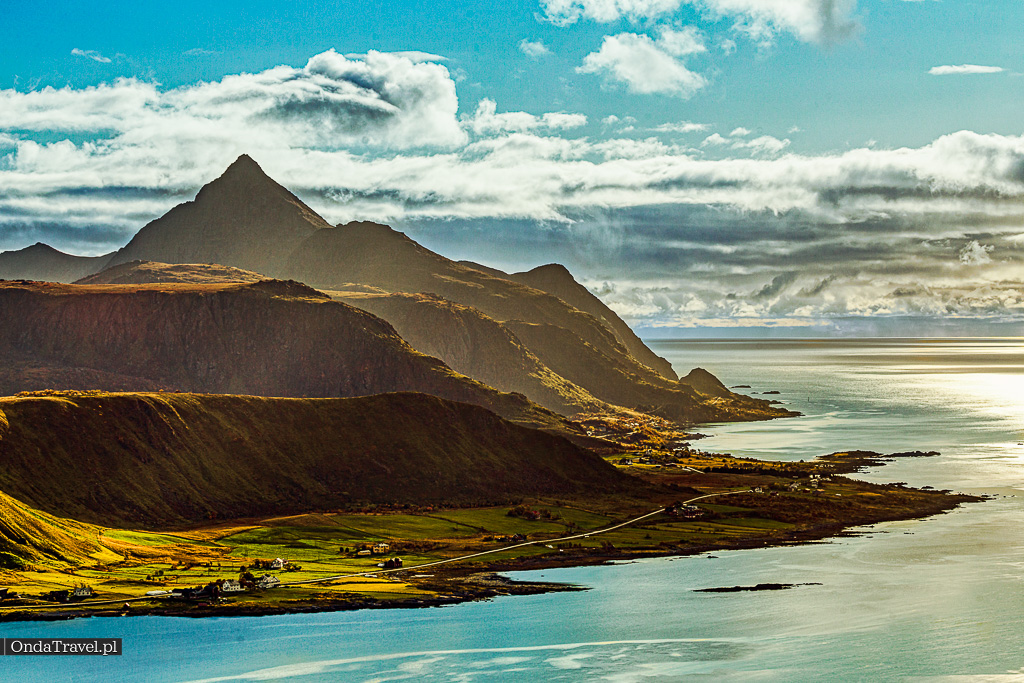
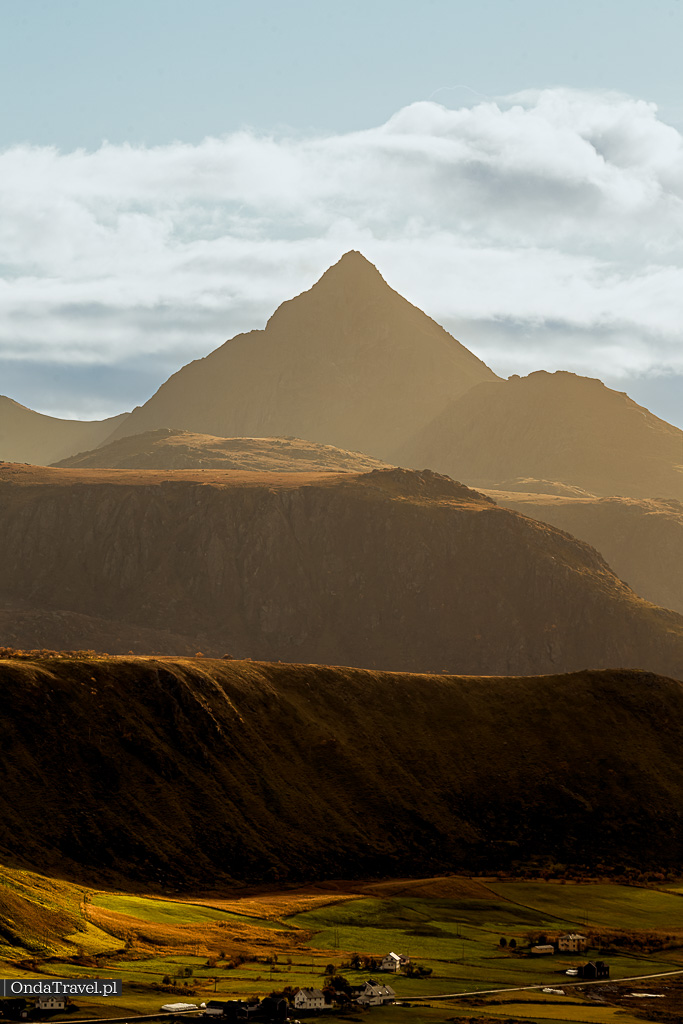
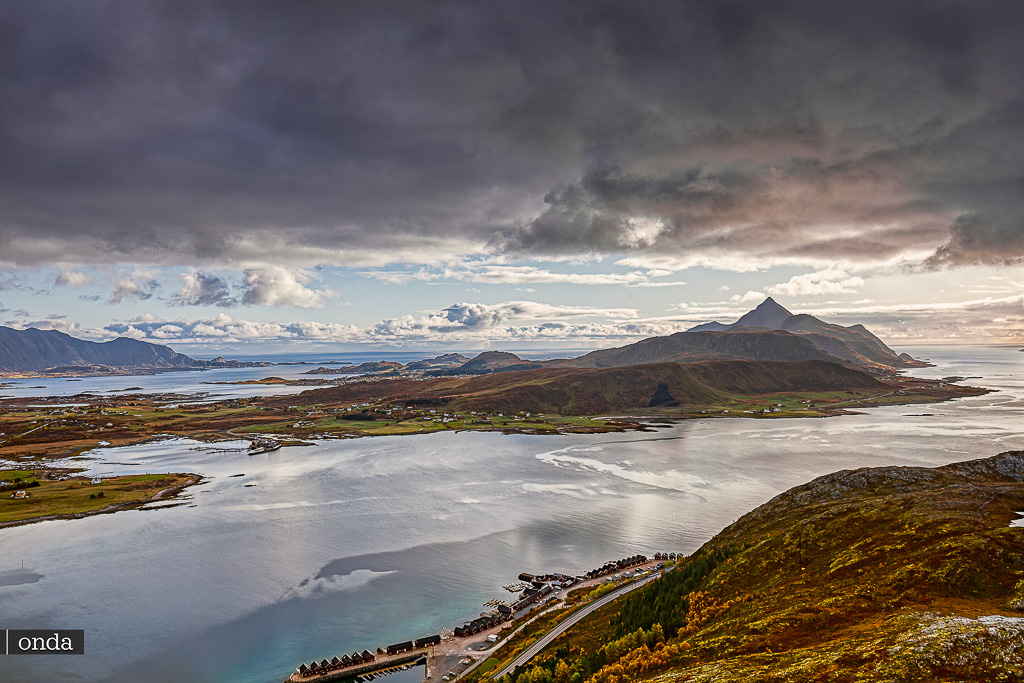
Lofotr Viking Museum in Borg: A Journey Back in Time to the Viking Age
The Lofotr Viking Museum, located in Borg in the Lofoten archipelago in Norway, is a place that transports visitors back to the times of the Vikings. Thanks to the reconstruction of the largest known Viking longhouse and numerous interactive attractions, the museum offers a unique insight into the life and culture of these Norse warriors.
History and Significance of the Place
In Borg, the remains of the largest Viking longhouse, measuring 83 meters long and 12 meters wide, were discovered. Archaeological research suggests that this was the seat of one of the most powerful chieftains in northern Norway. The reconstruction of this impressive building was completed in 1995, when the museum was officially opened.
Museum Attractions
Viking Longhouse: A reconstruction of the original chieftain’s residence, where you can feel the atmosphere of the era, inhaling the smell of tar and smoke and admiring the architecture and craftsmanship of those times.
Longship Cruise: Visitors have the opportunity to sail on a replica of a Viking ship in the nearby bay, experiencing what sailing was like in those days.
Viking Festival: Every year in August, the museum organizes a festival during which modern Viking culture enthusiasts reenact scenes from life, battles and present traditional crafts.
Archaeological Exhibitions: Modern exhibition halls present unique archaeological finds and tell the story of the discovery and excavations in Borg.
Other interesting places in Lofoten
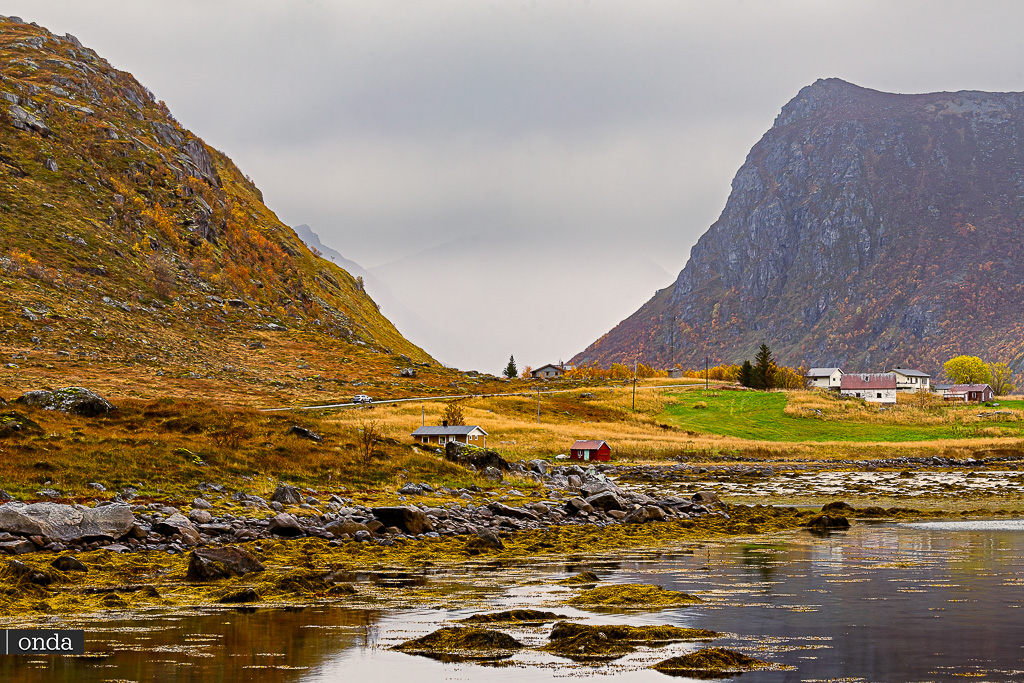
Morpheus Beach in Lofoten
Morpheus Beach is located near the Molneva Waterfall driving on the E10 road from Flakstad to Vareid or Napp
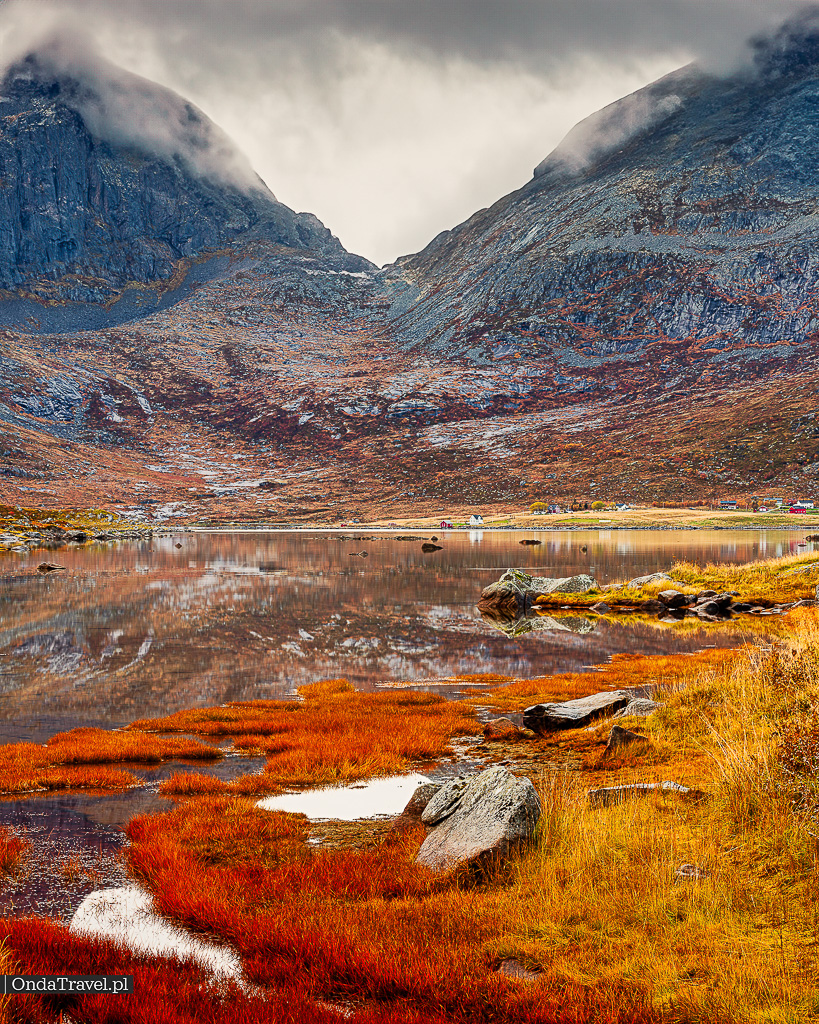
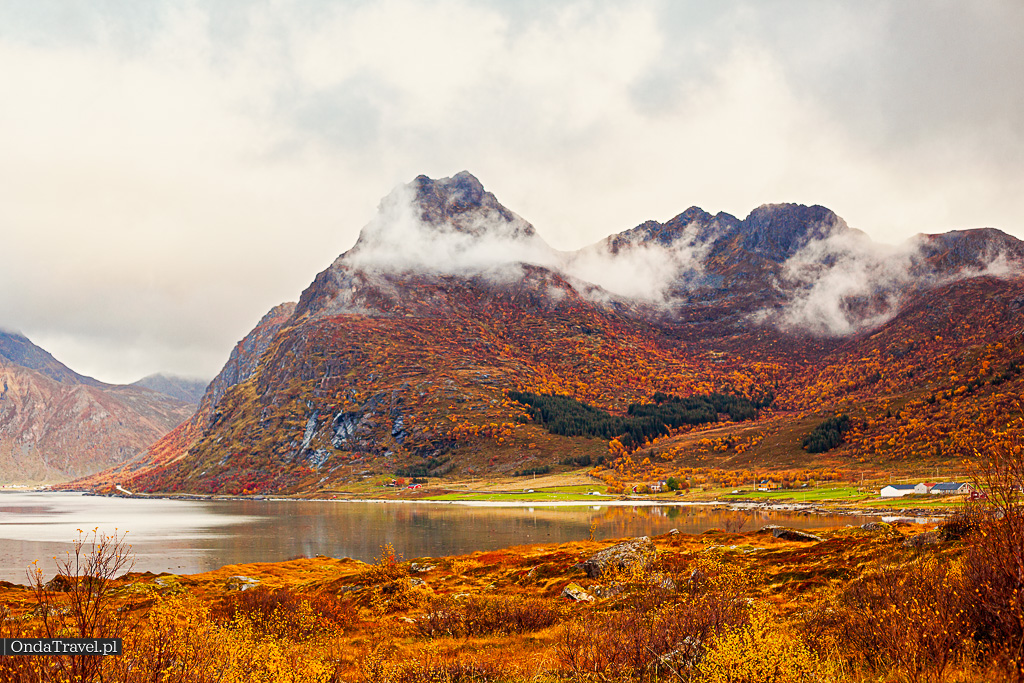
Storvatnet lake – Crystal lake
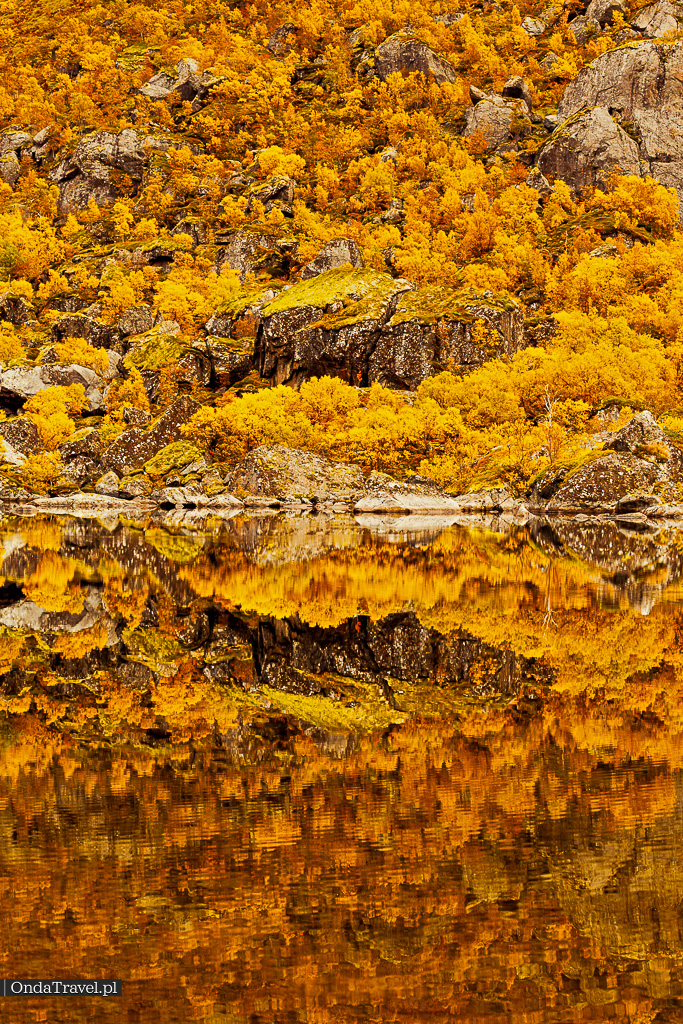
Storvatnet lake is an amazing crystal lake, combined with the surrounding mountains creates a mirror illusion.
Storvatnet lake is located between the town of Vareid and Napp driving on the E10 road. The lake can be admired from the road or from the small beach Rødsanden / Skarelva. A little further away there is also the viewpoint Nappskaret Viewpoint and the smaller lake Litlvatnet

Uttakleiv beach on the Lofoten islands


Uttakleiv Beach is located on the island of Vestvågøy in the Lofoten archipelago in Norway. It is considered one of the most beautiful beaches in the region, distinguished by white sand, picturesque rocks and surrounding mountains.
In 2010, “Sunday Times Travel” recognized it as the third most beautiful beach in the world,
and in 2005, “The Times” called it the most romantic beach in Europe.
There are many tourist attractions in the area, such as Haukland beach, known for its white sand and turquoise water, and the Offersøykammen viewpoint, offering spectacular views of the surrounding mountains and fjords.


Near Uttakleiv there is also the village of Vikten, famous for traditional glass craftsmanship.
It is also worth mentioning that in 2015, “Uttakleiv grendelag” received an environmental protection award from the municipality of Vestvågøy, and in 2017 it was honored with the Cultural Landscape Award by the county of Nordland
Near the beach you will find a stone called Dragon’s head, fissure formations Dragon’s Eye or Iguana rock.
You can walk to the beach via the trails Mannen Haukland, Veggen (Summit), Veggen.
By car, we drive through the tunnel from Haukland Beach on the road Uttakleivveien
Uttakleiv Beach borders smaller beaches Melan, Kostbergan, Båen
Hauklandstranda – Haukland Beach

Hauklandstranda, also known as Haukland Beach, is one of the most picturesque places in the Lofoten archipelago in Norway. Located on the island of Vestvågøy, about a 10-minute drive from the town of Leknes.
The name “Haukland” derives from the Haukland farm, whose history dates back many centuries. In various periods it was recorded as Hawkland, Haukland, Huckland, Huchland, Hochland, Nedrehougland and Øwherhougland. According to researchers, the name partly comes from the bird “Haukr” and the river “Hauka”. Farms in this area were protected by mountains on three sides, which provided protection from the wind and favored abundant harvests.
Website Haukland Beach


Activities in Lofoten – blog about Lofoten

Mountain Hiking
The picturesque landscapes of Lofoten make it an ideal place for hiking. The most popular trails lead to peaks such as Higravstinden and Reinebringen. Each hike guarantees a beautiful view of the fjords and islands of the Lofoten archipelago.
Surfing on Arctic Waves
Although it may seem surprising, Lofoten is one of the best surfing spots in Europe. Unstad Beach offers excellent conditions, and surfing surrounded by mountains is a unique experience.

Northern Lights Viewing
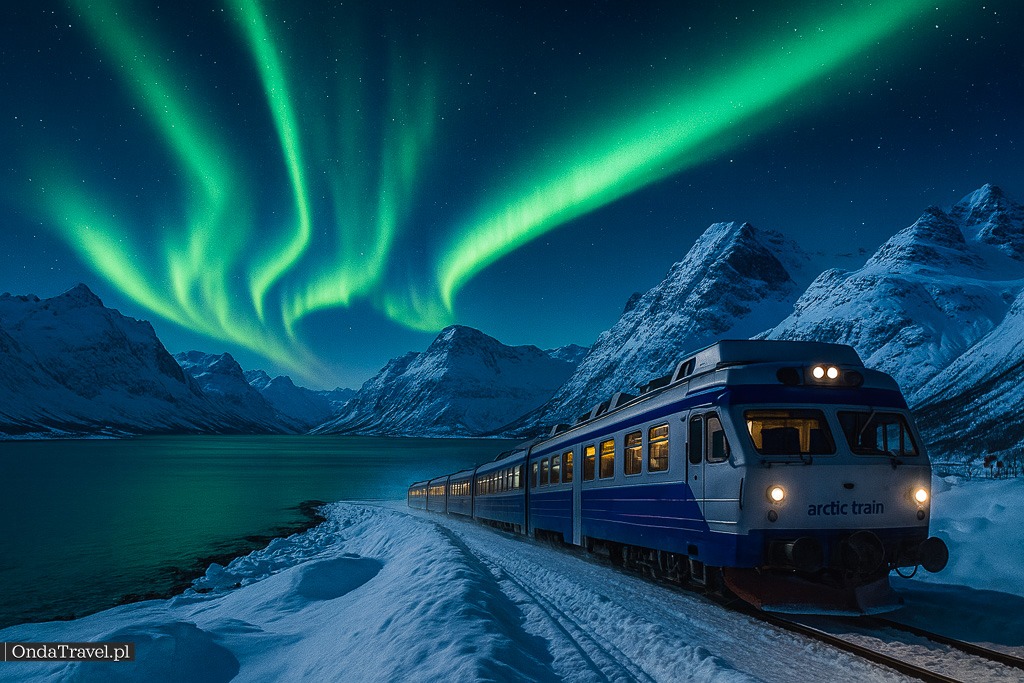
The Northern Lights are one of the greatest spectacles you can see in Lofoten. The period from September to March is the best time to observe the Northern Lights. Clear skies and minimal light pollution make the Lofoten archipelago an ideal place to admire this phenomenon.
Fjord Cruises
Fjord cruises allow you to discover the charm of Lofoten from a different perspective. During such trips you can observe orcas, seals and seabirds. Popular routes lead through Trollfjord – a narrow, spectacular fjord surrounded by high cliffs.
Flora and Fauna of the Lofoten Archipelago
Wealth of Nature
Lofoten is famous for its natural diversity. The archipelago is home to many unique species of plants and animals that can be encountered during hikes or cruises.
Seabirds and Mammals
The islands of the Lofoten archipelago are home to numerous species of seabirds, such as puffins and cormorants. In the waters of the Norwegian Sea, you can often see whales and dolphins, which is an additional attraction for tourists.
Practical Information for Tourists
How to Get to Lofoten
Lofoten is accessible both by land and sea. You can get here by ferry from Bodø or by car via bridges connecting the larger islands of the archipelago.
By plane from Oslo to Bodø or Svolvær or Harstad / Narvik
Accommodation
The archipelago offers a variety of accommodation options – from traditional rorbu to modern hotels. Popular accommodation places are located in Svolvær and Reine.
Best Time to Visit
It is worth visiting Lofoten in summer, when the midnight sun prevails, or in winter to see the Northern Lights. Each season offers unique experiences.
Interesting facts about Lofoten
Midnight Sun and Polar Night
Lofoten is a place where in summer the sun does not set for several weeks, giving the opportunity to admire spectacular views at any time of day. In winter, the polar night prevails, ideal for observing the Northern Lights.
Maelstrom – The Legendary Whirlpool
In the waters surrounding Lofoten, you can find the Maelstrom, one of the strongest sea whirlpools in the world. This phenomenon, described in literature, attracts lovers of extreme experiences.
FAQ: Lofoten – most frequently asked questions
Where are Lofoten located?
The Lofoten archipelago is located in Norway, in the Nordland region, in the Norwegian Sea, above the Arctic Circle. It consists of many islands, including Austvågøya, Vestvågøya, Flakstadøya, Moskenesøya, Gimsøy and Røst.
When is the best time to visit Lofoten?
The best months are usually summer, when there is the most light and the weather is milder (June–August). Early autumn (September) can be equally beautiful and less crowded, and also ideal for photographers.
Can you see the Northern Lights in Lofoten and when?
Yes, Lofoten is a very good place to observe the Northern Lights. The best time is from September to April, when the nights are long and dark.
What is the Polar Night in Lofoten and when does it occur?
The Polar Night is the period in winter when the sun does not rise above the horizon. In Lofoten, it lasts roughly from December 7 to January 6. Despite the lack of sun, there are a few hours of twilight light during the day.
How long does the Midnight Sun last in Lofoten?
In summer, from the end of May to mid-July, the sun does not set at all and the Midnight Sun prevails, providing unique conditions for sightseeing and photography.
What are the most important attractions in Lofoten?
Lofotr Viking Museum in Borg.
Fishing museums and the village of Å.
Viewpoints and mountain trails.
Beaches such as Haukland and Uttakleiv.
Picturesque fishing villages: Reine, Nusfjord, Henningsvær.
Are Lofoten crowded in season?
Yes, in July and August there are the most tourists. It is worth booking accommodation and transport in advance and visiting popular places early in the morning or off-season.
How to get around the Lofoten Islands?
Most conveniently by car – this allows you to reach smaller villages, beaches and viewpoints. Public transport exists, but it is limited and less convenient.
What is the weather and conditions like – what to expect?
In winter it is cold, windy and snowy, and the days are short. In summer the weather is milder but still changeable – rain and wind are frequent. Visibility can be limited and the weather changes quickly.
What is worth knowing before the trip – practical tips?
Book accommodation and car in advance.
Check road conditions, especially in winter.
Prepare for changeable weather – bring warm, waterproof clothing.
In smaller towns, shops may be closed on Sundays or have shorter opening hours.
Summary
Lofoten is a unique place full of life, which delights with incredible views, beautiful beaches, picturesque fjords and rich culture. It is worth choosing Lofoten as a travel destination, regardless of the season – an amazing place awaits you here that will remain in your memory for a long time.
- Lofoten tourist guide 2025
- what to see in Lofoten
- Lofoten tourist attractions
- Lofoten Norway travel plan
- Lofoten tips for travelers
MORE ARTICLES ABOUT ICELAND AND NORWAY



REZERWACJE
W tytule proszę podać wybraną wycieczkę
Islandia wycieczka , Polowanie na zorze polarna

Excerpt:
“`